
Emergencies can strike out of nowhere, turning ordinary days into stressful challenges. Whether it’s a natural disaster, a medical crisis, or even just a minor accident, the rush of anxiety can be overwhelming. But don’t worry—there are effective techniques to help you manage that stress and regain your calm. By learning and practicing strategies such as breathing exercises and mindfulness, you can equip yourself with tools to handle emergencies more effectively. In this article, we’ll explore simple yet powerful methods for stress management during high-pressure situations, helping you feel more in control when it matters most.
Effective techniques for stress management during emergencies include practicing deep breathing exercises to induce calmness, engaging in mindfulness meditation to reduce anxiety, utilizing grounding techniques to maintain focus, and incorporating physical activity to release endorphins. Additionally, having a go-to toolkit with comforting items can further assist individuals in managing their stress levels during critical situations.

Essential Stress Management Techniques
Stress can rise quickly during emergency situations, turning a routine task into a frustrating ordeal. To counter this, it’s vital to employ strategies that help regain control over your mind and body. One effective technique is mindfulness meditation, which invites you to focus entirely on the present moment without judgment. This simple practice encourages calmness and can significantly lower anxiety levels. Research indicates that consistent mindfulness practice has the potential to reduce stress responses by nearly 40%. I encourage individuals to set aside even just ten minutes a day for this practice; find a quiet spot, close your eyes, and observe your breath.
While mindfulness sets a peaceful foundation, another powerful method is progressive muscle relaxation.
This technique involves sequentially tensing and then relaxing different muscle groups throughout the body. It often begins with the feet and works upward through the legs, torso, arms, and finally the face. By alternating tension and relaxation in each area, you may feel a profound release of physical strain that echoes into your mental state as well. Studies indicate that regularly practicing progressive muscle relaxation can decrease anxiety levels by as much as 30% in under ten minutes. It’s particularly useful during moments when your body feels heavy with stress; this method alleviates physical tension and provides an opportunity to reflect on how emotional stress manifests physically.
Another valuable tool in your arsenal against stress is rooted in principles from cognitive behavioral therapy (CBT).
Cognitive Behavioral Therapy Techniques aim to help individuals identify negative thought patterns and challenge them with more rational perspectives. During emergencies, fear can magnify everyday worries into overwhelming concerns, so recognizing these patterns is crucial for mental resilience. For instance, if you find yourself thinking “I can’t handle this,” ask yourself what evidence supports that thought. Often, reframing it to something like “I’ve faced challenges before and can manage this too” fosters a more positive outlook. Harnessing CBT not only bolsters your response to crises but also cultivates long-term resilience.
Beyond these individual techniques, it’s important to integrate these practices into daily routines—especially in high-stress environments like disaster response.
Establishing a consistent schedule for these activities can equip you with mental tools when you need them most. Incorporating stress-reduction methods such as regular deep breathing exercises or engaging in light physical activity offers spaces of reprieve amidst chaos. Activities like stretching or going for a walk elevate endorphin levels while reducing cortisol—the infamous stress hormone—by 20%, granting you a clearer mindset to tackle each challenge head-on.
The art of managing stress doesn’t happen overnight; it’s about building habits that empower you to respond to adversities more effectively.
With these techniques forming a solid foundation, we can now shift our focus to understanding how mastering one essential aspect of stress management—breathing—can significantly enhance overall well-being.
Control Your Breathing
Breathing control has an extraordinary ability to transform our physiological and emotional states, particularly during emergencies or high-stress situations. When faced with overwhelming challenges, many of us tend to hold our breath or breathe shallowly, which can amplify feelings of panic. Recognizing this instinctual response is crucial. By consciously regulating our breath, we can activate the body’s relaxation response, allowing for immediate stress reduction. Think of your breath as a bridge between your mind and body; when you take charge of it, you also gain control over your stress reactions.
Step-by-Step Guide to Deep Breathing
Implementing deep breathing techniques does not require any special equipment or training and can be done anywhere. Here’s a simple step-by-step guide to help you incorporate deep breathing seamlessly into your routine:
-
Find a Comfortable Position: Sit in a chair with your back straight, or lie down flat on your back in a quiet space. Make sure you are relaxed so you can focus entirely on your breath.
-
Inhale Deeply: Close your eyes if it helps. Take a deep breath slowly through your nose, feeling your abdomen expand like a balloon. Imagine drawing in strength and calm with each inhalation.
-
Hold Your Breath: After inhaling, pause for about five seconds and let that deep breath nourish every cell in your body. This moment allows the oxygen to saturate throughout your system.
-
Exhale Slowly: Gently release the breath through your mouth, making a soft sigh as if you’re blowing away worries or tension. This conscious exhalation should be slower than your inhalation.
-
Repeat: Continue this cycle for five to ten minutes, focusing on the rhythm of your breathing rather than any distracting thoughts.
Practicing these steps regularly will surely make it easier to employ during real emergencies where stress levels might spike unexpectedly. Even just five minutes of this calming exercise can significantly reduce anxiety levels and improve overall focus.
Integrating this practice into daily life transforms it from an emergency tool into an invaluable habit for long-term mental well-being.
To further build on these foundational breathing techniques, exploring mindfulness methods can provide additional layers of tranquility and resilience in times of stress.
Use Relaxation Exercises
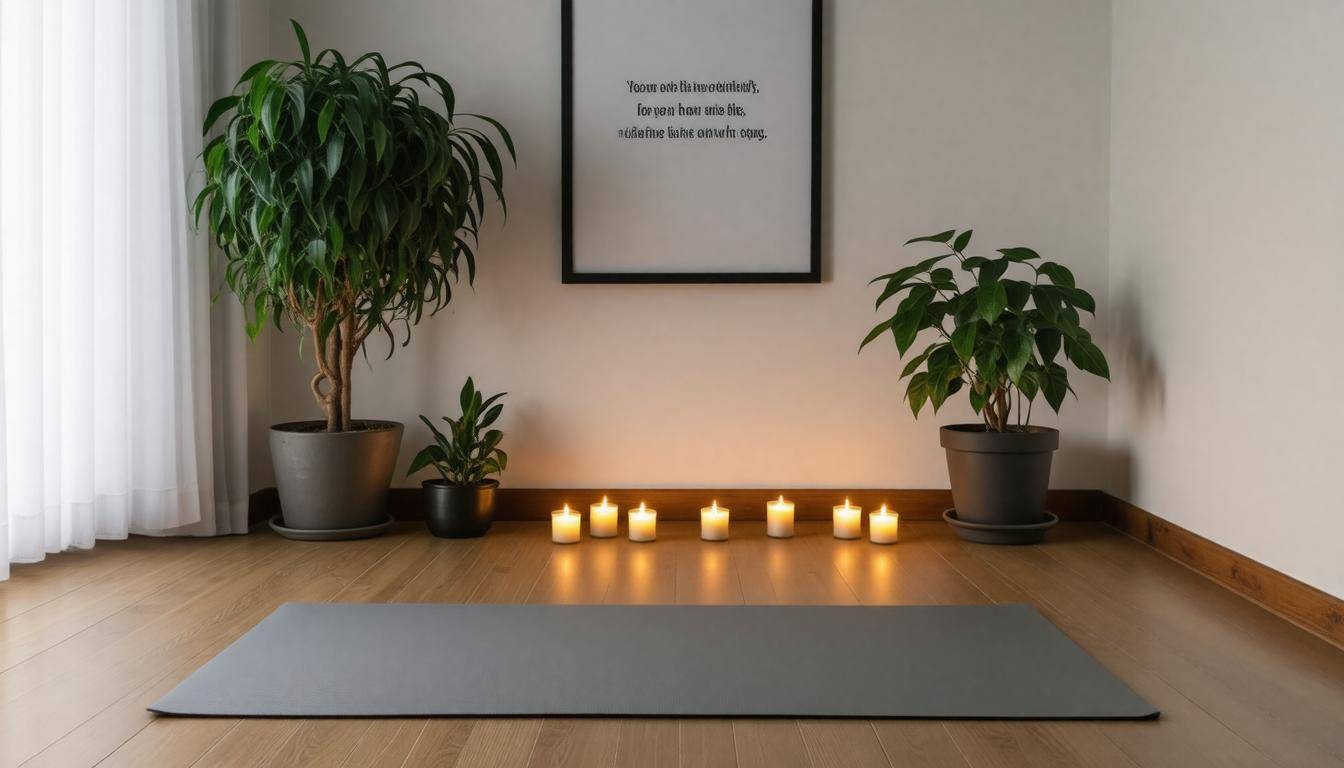
These techniques serve as more than just a method of momentary escape; they can drastically shift your mental state and physiological response to stress.
Imagine starting your day with a quick session of Progressive Muscle Relaxation (PMR). This technique involves reigning in that pesky tension hiding in your muscle groups, one by one. As you progress from your feet to your head—tensing each muscle for five seconds before releasing—you create a clear contrast between tension and relaxation. This awareness helps redefine how your body feels when it is calm, serving as a counterpoint to the hectic pace of everyday life.
Progressive Muscle Relaxation (PMR)
PMR is particularly effective because it emphasizes mindfulness and anchor points. When you physically tense a muscle and then release it, you’re not just letting go of physical tension; you’re also encouraging mental clarity. Studies have shown that even short sessions—just 10 minutes—can decrease perceived stress levels by as much as 20%. As you engage in this practice, try to connect with your thoughts and feelings in that moment, acknowledging them without judgment. This process enhances self-awareness, helping you recognize when stressors creep back into your awareness.
Now let’s transition into Guided Imagery. This technique can be incredibly beneficial amid chaos. By taking a moment to visualize a serene beach or a quiet forest, you mentally transport yourself away from current tensions. Imagine the gentle sound of waves lapping against the shore or the rustling leaves of trees responding to the wind. Research suggests that using these mental spaces effectively lowers cortisol levels by up to 25%. Guided imagery creates an emotional buffer against stress while promoting relaxation and mindfulness.
Guided Imagery
Many people, particularly athletes, harness guided imagery before competitions. They visualize their performance clearly and positively, paving the way for improved focus. Similarly, for those facing emergencies or high-stress situations in everyday life, finding a tranquil sanctuary in one’s mind can provide essential relief and clarity. Visualizing positive outcomes can redefine your reality, allowing you to face challenges more effectively.
Relaxation techniques like PMR and guided imagery do more than just whisper calm into our lives; they actively reshape our responses to stressors.
Incorporating these exercises into your daily routine—even for only a few minutes—serves as a proactive measure against overwhelming pressure and anxiety. Whether you choose to ground yourself through muscle relaxation or drift into peaceful visualization, allowing time for these practices helps cultivate resilience amid life’s unpredictable storms.
As we continue exploring strategies for navigating tough times, we’ll also examine how managing one’s feelings plays a crucial role in enhancing our coping abilities during crises.
Managing Emotions in Crisis Situations
Emotional regulation is paramount when navigating through emergencies, as feelings of fear and anxiety can quickly bubble over. When we find ourselves facing chaos or urgent situations, our internal landscape may feel tumultuous. The key lies in recognizing this and implementing dependable strategies to regain control. Managing our emotions allows for thoughtful responses rather than impulsive reactions, which is particularly crucial in crisis situations where split-second decisions often have significant consequences.
Techniques for Emotional Regulation
First on the list is labeling emotions. This might seem straightforward, but take a moment to reflect: how often do you truly stop to identify what you’re feeling? By naming your emotions—whether it’s stress, fear, or even excitement—you set the groundwork for processing those feelings within a manageable framework. A simple acknowledgment makes them more tangible and easier to confront.
Next, consider the power of positive self-talk. Our minds can uplift us or drag us down based on what we feed them. Replace negative thoughts—like “I can’t handle this”—with affirmations such as “I am capable, and I will get through this.” During a crisis, these positive affirmations boost confidence, leading to actionable steps. The impact of this approach was illustrated by a nurse who, amidst the chaos of an emergency room, kept reaffirming her skills with steady breaths and boundless positivity, enabling her to perform effectively without becoming overwhelmed.
Equally important are grounding exercises that draw focus from turbulent emotional currents back to the present moment. Techniques like focusing on physical sensations or engaging with surroundings—such as identifying five things you see or hear—are tremendous tools for reorienting yourself when anxiety clouds judgment. Not only do these methods help reduce feelings of panic or overwhelm, but they also reestablish clarity and presence amidst chaos.
Navigating emotions in real-time is already challenging enough; consistent practice of these techniques fortifies immediate reactions and strengthens long-term emotional resilience too.
While developing these emotional management strategies is invaluable during emergencies, recognizing that they require practice builds an essential toolkit we carry forward into future crises. Emotional regulation creates the foundation for greater resilience—a trait that prepares you not just against sporadic events today but equips you for whatever challenges lie ahead.
With these vital techniques at hand, let’s explore how to further cultivate that resilience, ensuring you’re fortified as you face uncertainties down the road.
Build Emotional Resilience

Emotional resilience refers to your ability to adapt to stress and bounce back from adversity. It allows individuals not only to recover quickly from stressful situations but also to maintain mental stability during crises. Life’s unpredictability can be daunting, but fortifying this inner strength cultivates a mindset that approaches challenges as opportunities for growth. Understanding how to build this resilience is key, especially in high-stress environments like disaster response.
Steps to Build Resilience
Developing strong relationships is critical when it comes to building emotional resilience. Supportive connections provide a sense of belonging, which can bolster one’s confidence during tumultuous times. Imagine facing a crisis where you feel overwhelmed and isolated. A trusted friend or colleague can be the lifeline who offers not just comfort but practical assistance too. Whether it’s sharing experiences or engaging in lighthearted conversations, these interactions create a safety net that helps mitigate feelings of anxiety and distress.
Speaking of support systems, let’s explore another vital aspect: establishing effective problem-solving skills.
Practicing problem-solving skills improves your confidence in handling stressful situations effectively. Think back to a time when you faced a tough decision; did you feel empowered when you found potential solutions? Problem-solving enables you to break overwhelming stressors into manageable parts, which becomes empowering. For example, in disaster response, facing numerous issues all at once can feel insurmountable. Yet, breaking them down into smaller tasks allows responders to tackle each issue systematically. This approach not only facilitates clearer thinking but also fosters a sense of control—an essential component of resilience.
Furthermore, according to a 2022 study, individuals with high emotional resilience have a 40% lower risk of developing anxiety disorders after traumatic events. The data underscores the importance of focusing on emotional health alongside physical health in high-stress professions.
Enhancing resilience can significantly improve one’s ability to cope during crises. Incorporating self-awareness practices into your daily routine can offer insights into your emotional needs and help you recognize when stress levels may be creeping up. The more emotionally resilient you become, the better equipped you’ll be to navigate life’s challenges with clarity and confidence.
As we continue exploring ways to strengthen your inner fortitude, implementing techniques such as mindfulness meditation or engaging in regular physical activity can further solidify your adaptive capacity during emergencies and daily life alike.
Preparedness and Planning
Being prepared is more than just having supplies; it’s about establishing a sense of control over potential emergencies, which can make a world of difference when the moment arises. When your mind is cluttered with anxiety and worries about the unknown, having a structured plan offers a roadmap to navigate through chaos. By taking time to create an emergency plan, you position yourself to respond effectively, reducing the fear of what might happen.
Create an Emergency Plan
The first step in building this structure is identifying the risks specific to your environment. What kind of emergencies could you potentially face? Is it natural disasters like earthquakes or floods? Perhaps fires or medical emergencies are more relevant for your location. Understanding these risks allows you to tailor your response strategy to effectively address them.
Once you’re aware of these risks, developing a response strategy becomes crucial. It involves setting clear steps for various scenarios—what will you do if a fire breaks out at home, or who will you contact in case of a medical incident? Mapping out strategies lays the foundation for consistent reactions regardless of the situation at hand.
| Aspect | Action |
|---|---|
| Fire | Identify evacuation routes and practice regularly |
| Medical Emergency | Maintain an updated list of emergency contacts, including family doctors and neighbors |
| Natural Disaster | Designate safe spots inside your home and outside if evacuation is necessary |
Interestingly enough, families that have engaged in regular drills have reported significantly increased confidence levels during real-life emergencies. This is not merely anecdotal; structured practice solidifies your plan in your mind, making it feel like second nature.
Moreover, keeping important emergency contacts easily accessible can streamline responses when urgency rises. Whether it’s a simple note on the fridge or a saved contact on your phone, having these numbers at hand means you won’t waste precious seconds searching in a time of need.
Investing time into preparedness doesn’t guarantee that you’ll face fewer challenges, but it does ensure you’re equipped with the tools to manage them effectively. With plans and drills rightfully inscribed into memory, you’re on the path toward fostering resilience during tough times. As we shift focus next, we’ll explore essential aspects of nurturing well-being amidst chaos.
Self-Care Practices During Emergencies
Self-care is often a casualty in the chaos that accompanies emergencies, yet it is essential for preserving both mental clarity and physical endurance. Just as a car cannot run smoothly without regular oil changes, our bodies can’t withstand prolonged stress without proper care. You’ll be surprised how even small actions can shield you from the fatigue and anxiety that often accompany disaster response.
Hydration is one of those little things that we sometimes forget to prioritize. Making a conscious effort to drink water regularly can keep fatigue at bay and help maintain focus. It’s easy to lose track of time when you’re busy, so keeping a refillable water bottle nearby not only serves as a reminder but also ensures you stay refreshed.
On top of hydration, eating balanced meals is crucial. Your body demands energy during high-stress times, and nutritious snacks—think fruits, nuts, or yogurt—can sustain your stamina. This doesn’t just fuel your body but also keeps your mind sharp.
Taking short breaks is immensely beneficial as well. I recall times when stepping away for even five minutes provided much-needed distance from overwhelming situations. Engaging in activities like deep breathing or a brief stretch can remarkably boost your overall mood and provide clarity amidst turmoil.
Incorporate some simple practices into your daily routine. Try setting a timer on your phone to remind you to hydrate or snack at regular intervals. Schedule intentional breaks every few hours, where you can step outside for fresh air or close your eyes for a moment. It can feel indulgent, but remember: these are not luxuries; they’re necessary components for effective functioning in crises.
While jumping headfirst into action might be tempting, prioritizing self-care creates a foundation upon which resilience can flourish—both for yourself and for those counting on you during emergencies. When you take time for yourself, you’re better equipped to support others effectively.
This approach fuels not only individual strength but also enhances team dynamics in high-pressure situations, paving the way for more effective strategies related to maintaining composure and concentration in trying times.
Tools for Maintaining Calm and Focus
Various tools can help anchor you during high-stress situations. Imagine the peace of mind that comes when you have resources that efficiently address your stress. For instance, noise-canceling headphones can be incredibly effective in blocking out distractions. When things get chaotic, these headphones create your personal sanctuary. You can plug into soothing music or release tension by listening to nature sounds. Just the act of putting them on can signal to your brain that it’s time to focus, creating a mental barrier against external chaos.
Next up are calm apps like Headspace and Calm. These vital tools engage the mind and body through guided meditations and breathing exercises that you can access anytime, anywhere. They’re like having a soothing coach in your pocket, ready to lead you through relaxation techniques. The structured sessions help break down overwhelming feelings into manageable segments and, over time, train your mind to navigate stressful situations with greater ease.
Integrating these apps into your daily routine provides immediate relief while also building resilience for future challenges.
Another tried-and-true tool is the trusty stress ball, which serves as a tangible outlet for pent-up energy. Physically squeezing a stress ball engages both the hands and the mind, creating an immediate distraction from anxiety triggers. The rhythmic motion sends signals to your body that it’s okay to let go of tension. Plus, they’re portable and inexpensive—a perfect companion at home or on the go.
Statistically speaking, studies suggest that engaging in tactile activities (like squeezing a stress ball) can reduce heart rates and promote feelings of calm. This illustrates how our bodies respond positively when we have simple tools at hand.
During natural disasters, many individuals rely on these tools to maintain focus while juggling responsibilities such as evacuating loved ones or coordinating with emergency responders. The combination of noise-canceling headphones and calming apps allows individuals to retain their footing amidst uncertainty, while stress balls provide a physical outlet. Having familiar strategies available creates a sense of control when facing unpredictable circumstances.
Consequently, positioning yourself with these essential tools enhances not just immediate anxiety relief but also promotes an ongoing strategy for managing stress effectively during emergencies, ultimately fostering a more resilient mindset towards unforeseen challenges.
In times of crisis, being equipped with various strategies can significantly bolster emotional wellbeing and help maintain clarity when it matters most.
How can breathing exercises help in reducing anxiety during a crisis?
Breathing exercises can significantly reduce anxiety during a crisis by activating the body’s relaxation response, which helps lower cortisol levels and promotes a sense of calm. Research indicates that deep, slow breathing can decrease heart rate and blood pressure, making individuals feel more centered and less overwhelmed. A study revealed that just a few minutes of focused breathing can lead to a 30% reduction in anxiety symptoms, demonstrating its effectiveness as an essential tool for stress management in emergencies.
Are there any specific mental health strategies that can be applied during or after an emergency to cope with residual stress?
Yes, specific mental health strategies such as mindfulness meditation, deep breathing exercises, and cognitive behavioral techniques can be highly effective in managing residual stress during or after an emergency. Studies show that individuals who practice mindfulness may experience a 30% reduction in symptoms of anxiety and stress over time. Additionally, engaging in social support networks can provide emotional comfort, which is vital as research indicates that people with strong social connections are 50% more likely to recuperate from traumatic experiences compared to those who are isolated.
What specific techniques are most effective for managing stress in high-pressure emergency situations?
Effective techniques for managing stress in high-pressure emergency situations include deep breathing exercises, mindfulness meditation, and progressive muscle relaxation. These methods can help reduce the physiological symptoms of stress and promote a sense of control. Research suggests that deep breathing can lower heart rates and cortisol levels, with studies indicating an up to 40% reduction in stress perception when individuals engage in focused breathing during emergencies. Mindfulness techniques have also been shown to improve decision-making under pressure by increasing awareness and clarity, allowing individuals to respond rather than react impulsively.
What role does preparation play in mitigating stress before an emergency occurs?
Preparation plays a crucial role in mitigating stress before an emergency by instilling confidence and reducing uncertainty. When individuals develop a clear plan and practice it, they are more likely to respond effectively, leading to lower anxiety levels. According to studies, people who engage in pre-emptive training and simulations can reduce their stress response by up to 50% during real emergencies, as familiarity with procedures allows for quicker decision-making and less panic. Thus, being prepared not only enhances readiness but also fosters a calmer mindset when faced with unforeseen challenges.
How can community support systems improve individual resilience and stress management during widespread emergencies?
Community support systems significantly enhance individual resilience and stress management during widespread emergencies by fostering social connections, providing emotional support, and facilitating resource sharing. Research indicates that individuals with strong community ties are 50% more likely to recover from traumatic events compared to those who are isolated. These networks can help disseminate critical information quickly, create a sense of belonging, and reduce feelings of anxiety, which is essential during crises when fear and uncertainty prevail. Ultimately, robust community engagements act as a buffer against the negative psychological impacts of emergencies, contributing to overall well-being.