
Flooding in Sudan, particularly along the Nile River, can strike without warning, leaving communities scrambling for safety and resources. It’s a daunting reality that many families face, and being prepared can make all the difference when disaster hits. This article dives into how to create an emergency kit specifically tailored for potential flooding situations, ensuring that you have what you need to stay safe and respond effectively. Drawing from past experiences and practical advice, we aim to equip you with knowledge that not only helps during emergencies but fosters a sense of readiness and resilience within your community. Let’s take a closer look at the essential items you should include in your flood preparedness efforts.
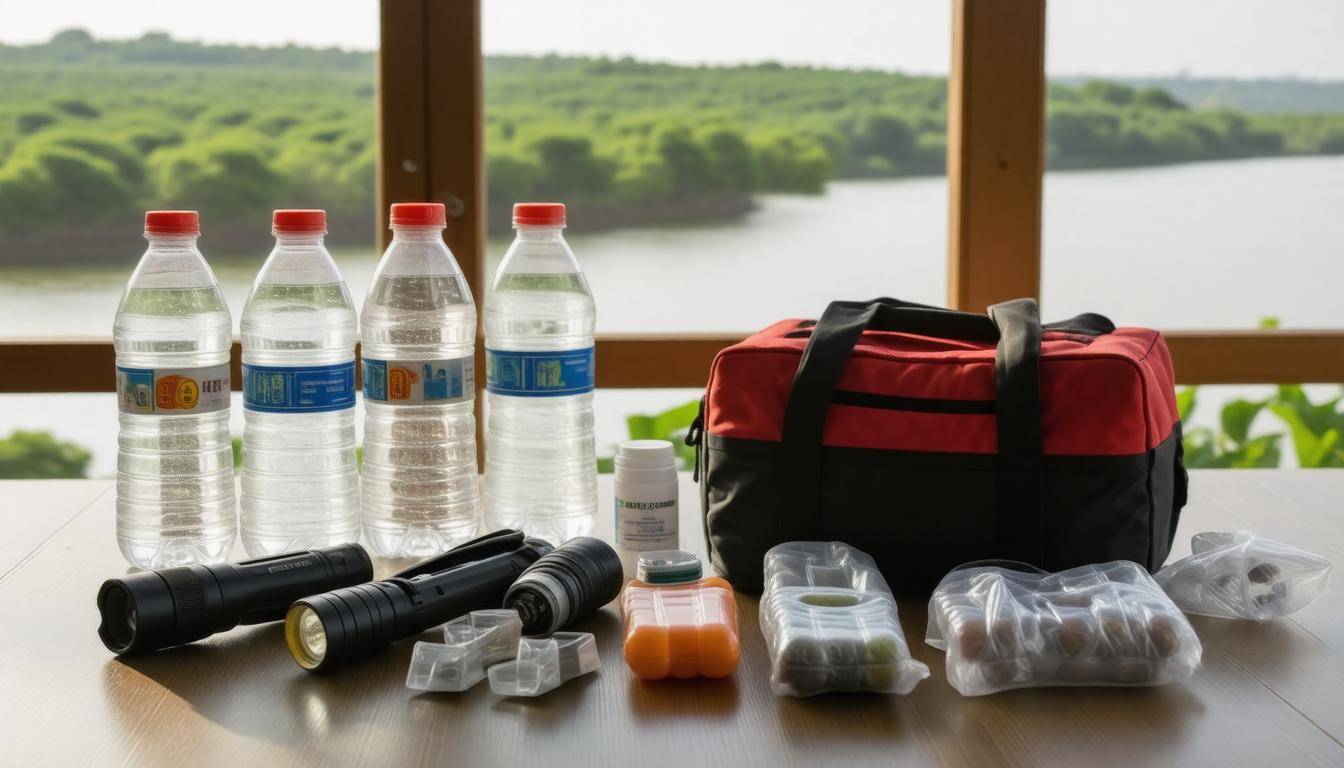
A Sudan Nile River flooding emergency kit should contain at least one gallon of water per person per day for three days, non-perishable food supplies for three days, a basic first aid kit, flashlights with extra batteries, a whistle for signaling help, and local maps for navigation if evacuation becomes necessary. Additionally, including emergency contact information and hygiene products can enhance the preparedness of individuals facing potential flooding situations.
Crafting Your Sudan Nile River Flooding Emergency Kit
When crafting your emergency kit, it’s essential to think about what you would need in a crisis situation. Given the unpredictability of floods along the Nile, the contents of your kit should be geared towards immediate survival and support during recovery. Start with the basics because they form the foundation of your preparedness.
Step-by-Step Guide to Creating Your Kit
Step I – Gather Basic Supplies
The first stage involves collecting basic supplies that will sustain you and your family for at least three days. Water is paramount; aim for a minimum of one gallon per person per day. For a family of four, you will need at least 12 gallons for three days. Including water purification tablets is wise to ensure access to safe drinking water even when the flood may contaminate local sources.
In addition to water, stocking up on non-perishable food is crucial. Focus on high-energy items that require no cooking or refrigeration, like granola bars, canned fruits, and nut mixes. The goal here is enough sustenance to keep energy levels up when resources are scarce.
An adequate first aid kit cannot be overlooked; it should contain bandages, antiseptic wipes, pain relievers, and any personal prescription medications. In an emergency, every second counts, and having these essentials handy could make all the difference.
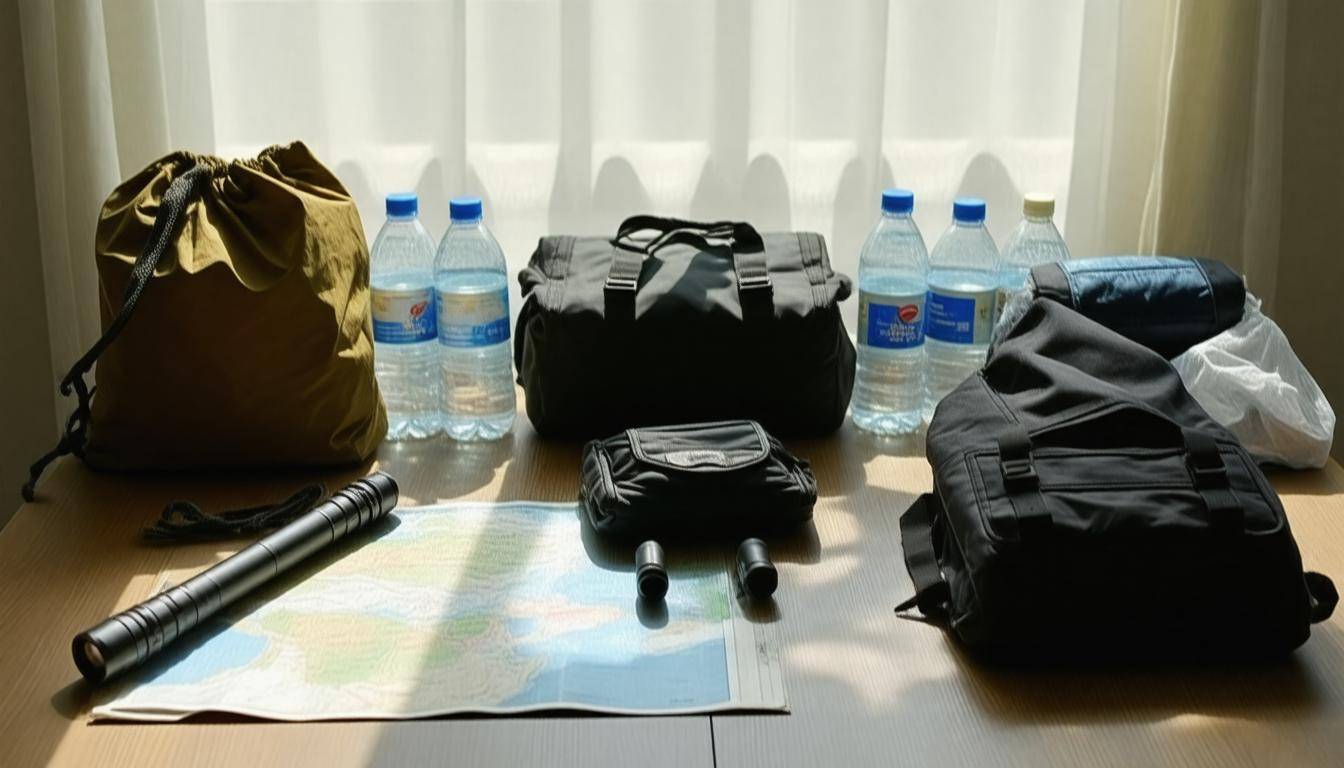
Don’t forget a flashlight and extra batteries—these are lifesavers during power outages caused by flooding. A whistle is important too; it can be used to signal for help if needed. To navigate when evacuation becomes necessary, have local maps handy.
Furthermore, pack a multi-tool, which will be invaluable for various tasks during emergencies. It’s also smart to include some cash in small denominations and local currency since ATMs might not be available during a disaster.
With these basic supplies assembled, we can move on to packing additional critical items that contribute to comfort and safety during a flood scenario.
Step II – Pack Additional Important Items
Next, enhance your kit by adding personal documents stored in a waterproof container. Important documents such as identification cards, insurance policies, and bank account details should always be secure yet accessible during an emergency. Alongside those documents, personal hygiene items like soap, toothbrushes, and feminine hygiene products are essential to maintain comfort and well-being under stress.
Moreover, consider including specialized items such as dust masks or gloves which can protect against contamination from floodwaters. A compact emergency blanket is another addition worthy of your kit since it provides warmth in case temperatures drop unexpectedly. These blankets are often lightweight and easy to carry but serve a significant purpose in emergencies.
It’s also advisable to pack a battery-powered radio for updates on weather conditions or emergency instructions from local authorities. Keeping connected during such crises is vital for making informed decisions.
As you continue assembling your emergency kit, remember that comfort and protection go hand-in-hand; thus, clothing and shelter essentials will complete your preparations effectively.
Must-Have Items for Flood Survival
Surviving a flood situation isn’t just about having food and water; it often hinges on a series of well-thought-out supplies that ensure safety and comfort. One essential item that should never be overlooked is the Portable Weather Radio. This handy device guarantees access to real-time weather updates, even when the power goes out. In past flood situations, residents have recounted how these radios provided life-saving information, allowing them to make informed decisions quickly when evacuation orders were issued.
Specialty Items
-
Waterproof Bags: These are invaluable for keeping crucial documents—like identification, insurance papers, and medical records—safe from getting soaked. Using waterproof bags means that if floodwaters reach your shelter, at least your important papers will remain usable.
-
Life Jackets: If you reside in a low-lying area susceptible to severe flooding, having life jackets on hand can be critical. Even if you don’t anticipate needing them, it’s better to err on the side of caution; they can mean the difference between life and death in rushing waters.
-
Waterproof Matches/Lighter: Being unable to start a fire due to wet conditions can leave you feeling vulnerable. Waterproof matches or an effective lighter are essential for establishing warmth or cooking food during a flood emergency.
These specialty items serve specific purposes that can enhance your chances of survival amidst chaotic circumstances. They may seem like small details, but in a flood situation, they become monumental tools that can aid in maintaining not only your safety but also an element of normalcy during a distressing time.
Once you round up all your survival items, it’s crucial to consider what you’ll need next to maintain comfort and protection throughout the ordeal.
Clothing and Shelter Essentials
Imagine waking up to find your home surrounded by water, the urgency of evacuation weighing heavily on you. In such moments, having the right clothing is paramount. It’s crucial to pack a change of clothes that will keep you comfortable during these challenging times.
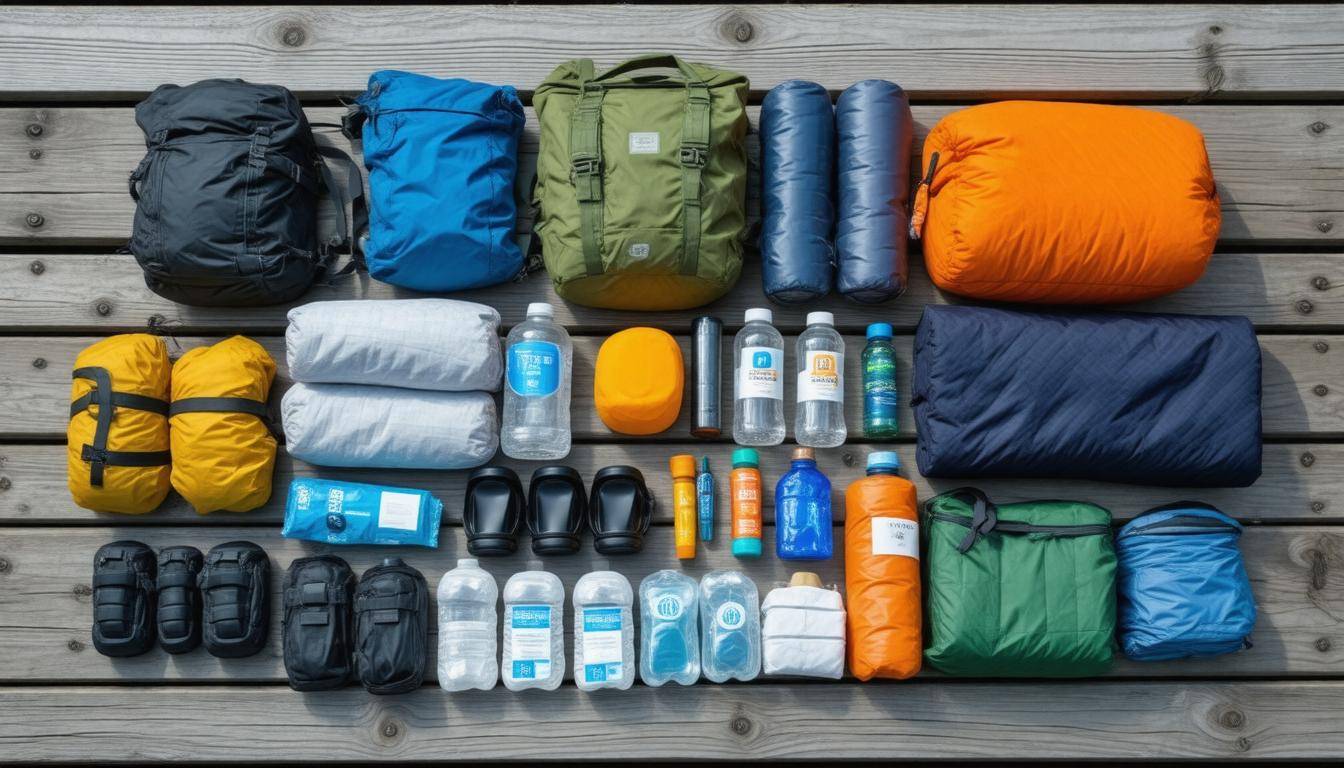
Opt for quick-dry pants and shirts, as they’re lightweight and help reduce the risk of mold and mildew if they get wet. A good pair of sturdy shoes is essential too; you want something that provides protection while navigating debris-filled areas. Remember, those muddy puddles can conceal sharp objects, so invest in footwear that holds up well against the elements.
On top of that, consider rain gear—specifically waterproof jackets and ponchos. These are indispensable in keeping you dry when facing unexpected downpours. Look for materials that are both breathable and durable so you remain comfortable even for extended periods outdoors.
Essential Shelter Needs
When it comes to shelter, personal tents or tarps can be a lifesaver, especially when community shelters become overcrowded. Many people overlook the importance of privacy and space during emergencies, but having your own tent offers both.
Choose a lightweight tent that’s easy to assemble; this will make your experience smoother when you need to set up under time constraints. Tarps are another great option for temporary shelter, providing coverage from rain while being easy to fold and store away.
Furthermore, include a sleeping bag rated for the current season in your emergency kit to ensure warmth regardless of how chilly it gets at night. An extra layer like a blanket can also add warmth and comfort—a small touch that can make all the difference in unfamiliar territory.
As we piece together our emergency kits, it’s important to remember that preparedness doesn’t stop at material items. You’ll need more than just supplies; an effective evacuation plan is equally critical to survival. Having clear instructions and knowing where to go during a flood can greatly enhance your ability to navigate the unpredictable waters ahead.
Prioritizing clothing and shelter essentials strengthens your safety and peace of mind, setting the stage for tackling challenges with a solid strategy in place. With this foundation established, let’s explore the steps necessary for effectively navigating evacuation routes.
Developing an Effective Evacuation Plan
Step I – Emergency Contacts
One of the first steps in formulating an effective evacuation plan is to create a comprehensive list of emergency contacts. This should go beyond just family members; include friends, neighbors, and local emergency services.
It’s vital that everyone in your household knows where this list can be found and understands their significance. Having curated contact information readily accessible reduces panic in a crisis, allowing for quick communication with loved ones or emergency responders who can offer valuable assistance.
Step II – Safe Routes
Equally important is identifying multiple safe evacuation routes. Flooding can often change rapidly, leading to blocked roads and impassable areas.
Having two or three alternative routes not only reduces stress but also ensures that you are prepared for any unforeseen obstacles. Regularly check local government updates and weather reports for real-time conditions.
Additionally, it’s a smart move to involve all family members in routine evacuation drills; familiarizing everyone with the routes keeps the knowledge fresh and helps build confidence in your family’s ability to act swiftly.
Step III – Emergency Shelters
Understanding where the nearest emergency shelters are located rounds out your evacuation strategy. This includes knowing their operational hours and capacity limits since some may be quickly filled during emergencies.
A good practice is to have a backup plan for shelter options in case your primary choice reaches capacity. If evacuation appears imminent, it’s best to reach these locations early to secure space and ensure safety.
While establishing a solid evacuation plan is crucial, remaining alert to important safety notifications will further enhance your preparedness and foresight in critical situations.
Staying Informed with Safety Alerts
Timely information is key during a flood crisis. It can mean the difference between safety and danger, dictating how you react in an emergency. Imagine you’re at home when the forecast warns of impending floods. It’s important to have reliable sources of information that provide real-time updates about river levels, evacuation routes, and emergency services.
Among the best traditional sources are radio stations; tuning into local channels keeps you updated as emergency services often broadcast critical information through specific frequencies. During my own experiences, I found that having a battery-operated radio ready made a significant difference—you never know when the power might go out.
Utilizing Technology
As technology evolves, so do our resources for staying aware during emergencies.
In addition to conventional radio updates, utilizing technology has become increasingly essential for receiving timely alerts. Mobile apps like FEMA or local emergency alert systems can send warnings directly to your phone. These applications are designed not just for weather alerts but also for coordinating evacuations and providing live updates about relief efforts in your area.
By enabling push notifications, these apps ensure that even if you’re busy or distracted, crucial alerts will always find their way to you when it matters most.
Following local authorities on social media platforms is another vital strategy; this ensures you’re aware of ongoing developments such as road closures or new evacuation orders. However, it is imperative to verify any information you receive through social networks, as misinformation can spread quickly in chaotic situations. Check official accounts rather than relying solely on community share posts to ascertain what’s really happening.
Embracing both traditional methods like radio broadcasts and modern technology such as mobile applications and social media creates a comprehensive safety net—helping you before disaster strikes and during the event itself. This proactive approach positions you to respond effectively to the challenges ahead.
Post-Flood Recovery and Assistance
After floodwaters recede, a community stands not just to assess damage, but to rebuild with resilience. This phase of recovery is about more than clearing debris; it’s about healing hearts and restoring livelihoods. While it’s vital to prioritize safety, understanding the broader scope of assistance can pave the way for a stronger future for all affected.
Immediate Actions Post-Flood
-
Safety First: For many people, the instinct might be to jump back into familiar routines as soon as the floodwaters subside, but this can be dangerous. It’s crucial to avoid wading into standing waters too soon as they can harbor harmful contaminants like chemicals and sewage. Wearing protective gear such as boots and gloves is essential when navigating your surroundings.
-
Assess Damage: Capturing the impact of flooding through photographs and documentation isn’t just for record-keeping; it plays a vital role in securing financial assistance from insurance companies or humanitarian organizations. Systematic assessments help collect information that aids planning successful recovery strategies.
-
Clean-Up: Cleaning is more than a simple task; it is the first step towards reclaiming your space. Using proper cleaning agents and disinfectants mitigates health risks associated with mold or other waterborne pathogens. Cleaning teams that are knowledgeable can do a quick yet thorough job; this helps families focus on emotional recovery rather than merely structural restoration.
Reaching out quickly for assistance through NGOs like the Red Cross can significantly streamline recovery efforts and provide necessary resources, such as food and temporary shelter.
Long-Term Assistance
As immediate needs are met, attention must shift toward long-term recovery plans that not only restore homes but also enhance community resilience against future disasters. SAPA’s response initiatives, for instance, include medical assistance and emergency relief supplies, allowing families to get back on their feet effectively.
One key aspect of long-term recovery is rehabilitation of infrastructure. Communities need support in rebuilding schools, hospitals, and roads that were damaged by flooding. Organizations focused on economic development can help facilitate local business support strategies through funding initiatives that empower individuals to thrive again.
Finally, advocacy plays an important role; raising awareness about climate-related crises enables communities worldwide to prepare better for potential disasters. As we transition into looking at measures that protect households from future calamities, the focus turns toward proactive steps each family can take.
Climate Advocacy and Awareness
Recognizing climate change as an underlying factor increasing extreme weather events like flooding motivates communities to advocate for sustainable policies. SAPA’s commitment to sharing the realities faced in Sudan encourages global conversations about climate action. When you contribute time or resources toward these initiatives, you reinforce efforts that foster awareness along with tangible change.
Protecting Your Home and Family from Future Floods
One way to reduce the impact of flooding is by building flood barriers or installing sump pumps to redirect water when necessary. To ensure you’re safeguarded, consider elevating electrical appliances and utilities above potential flood levels. This proactive approach protects essential equipment and minimizes the risk of electrical failures during a flood, which can lead to dangerous situations.
Regular Maintenance
Continuing on this path of preparedness, regular maintenance is essential to keeping your home safe from flood risks. It’s vital to keep gutters and drainage systems clear as they play a crucial role in managing rainwater runoff. When clogged, rainfall has nowhere to go but into your home. Here’s a quick guide that outlines what actions you should take and how often:
| Action | Frequency |
|---|---|
| Check Barriers | Monthly |
| Clean Gutters | Every 3 Months |
| Drainage Check | Annually |
Each step you take reinforces your home’s resilience against the floodwaters; however, it’s crucial to remember that mitigation isn’t solely an individual responsibility. To create a safer environment, community efforts play an equally important role in addressing these challenges together.
Legislative Measures and Community Support
Governments can and should take significant strides in flood prevention and support during disasters, as their actions set the foundation for a safer tomorrow. One way this is accomplished is through enforcing building codes that encourage flood-resistant designs.
Consider this: structures equipped with elevated foundations or properly functioning drainage systems are far less likely to suffer damage during a severe storm. It’s also worth noting that Sudan can look to successful models from places like Amsterdam, where citywide drainage upgrades have effectively reduced flooding risks. By adapting these examples to local contexts, communities can be better safeguarded from future disasters.
However, legislation alone cannot provide the complete solution; community involvement plays an essential role in achieving safety.
Community Involvement
Local engagement in safety programs can make all the difference when disaster strikes. One simple yet effective way of fostering this involvement is through local meetings held at community centers or schools. These gatherings serve as platforms for educating residents about potential hazards, preparedness strategies, and available resources.
They also provide space to discuss specific concerns related to flooding in their neighborhoods, promoting a sense of unity and collective action.
Imagine a group of neighbors coming together one evening with expert speakers who guide them on creating emergency plans tailored to their area, illustrating how they might cope with floods by working together. With every shared personal experience and strategy outlined, community members become more empowered to face floods head-on.
Furthermore, the establishment of volunteer groups dedicated to emergency response amplifies this spirit of collaboration.
Training volunteer groups within the community enhances readiness for emergencies. By equipping local volunteers with necessary skills—such as first aid, search and rescue techniques, and proper communication strategies—these groups become invaluable assets during crises.
Not only do they offer practical assistance in times of need, but they also foster strong social bonds among participants.
When residents feel connected to each other through these efforts, it cultivates a culture of support and resilience—a critical asset in facing unexpected challenges like flooding.
Community preparedness doesn’t stop once the initial floodwaters recede; it evolves into long-term recovery and restoration efforts. Prioritizing continuous education about local resources allows individuals to stay informed about evolving building regulations or advancements in flood mitigation techniques.
Together, both governmental edicts and community mobilization can create an environment where everyone feels secure—because ultimately, a prepared community thrives despite the unpredictability of nature.
Community involvement paired with proactive legislation elevates resilience levels in facing natural disasters like flooding. Ensuring that everyone is well-informed cultivates a unified approach toward safety and preparedness.