
As the sun sets over Sulawesi’s beautiful coastline, the calm waters can be deceiving. Many residents live with the nagging awareness that a tsunami could strike at any moment. It’s not just a fear; it’s a reality these communities face due to their location along one of the world’s most active seismic zones. Preparing for such an event means putting thoughtful plans into action—and these plans involve everyone, from local leaders to everyday citizens. This article explores essential safety guidelines that can empower communities, ensuring they know how to act quickly and effectively when disaster strikes. By focusing on evacuation strategies, technology, and community involvement, we can help save lives and strengthen resilience in Sulawesi against future threats.
Key considerations for Sulawesi tsunami evacuation planning include creating well-marked evacuation routes, training local communities in emergency response procedures, and establishing efficient tsunami warning systems. Regular educational campaigns and drills that simulate tsunami scenarios are essential for ensuring that residents understand the signs of a tsunami and become familiar with evacuation protocols, significantly improving community safety during an actual event.
Effective Tsunami Evacuation Planning for Sulawesi
Given Sulawesi’s vulnerability to tsunamis, an effective evacuation plan must be tailored to its unique coastal geography. This means that local conditions—including topography and population density—play crucial roles in determining the best course of action in case of a tsunami. Consultation with local experts helps ground these plans in real-world conditions, making them more relevant and accessible.
Data-Driven Decisions
Utilizing historical data is essential when crafting an effective evacuation strategy. For instance, lessons learned from the 2018 tsunami, which tragically claimed over 2,000 lives, provide invaluable insights into high-risk areas. Planners can analyze this event through a detailed timeline to recognize patterns of what went wrong—such as response times, access routes, and community preparedness.
By examining geographical proximity to tectonic plates, planners can pinpoint regions like the west coast of Sulawesi, known to be more prone to earthquake-triggered tsunamis. This vital data acts as a foundation upon which comprehensive evacuation plans can be built. The focus should lie on identifying escape routes that ensure safety, such as those leading at least 1 kilometer inland from the coastline.
However, having data is only part of the solution; how this data is utilized significantly impacts disaster readiness.
Technological Integration
Implementing Geographic Information Systems (GIS) is key in modern evacuation planning. GIS allows for the mapping of risk areas while overlaying population density data to identify critical zones where the potential for congestion could arise during an evacuation. This becomes particularly important considering the average population density in coastal areas of Sulawesi, around 150 people per square kilometer.
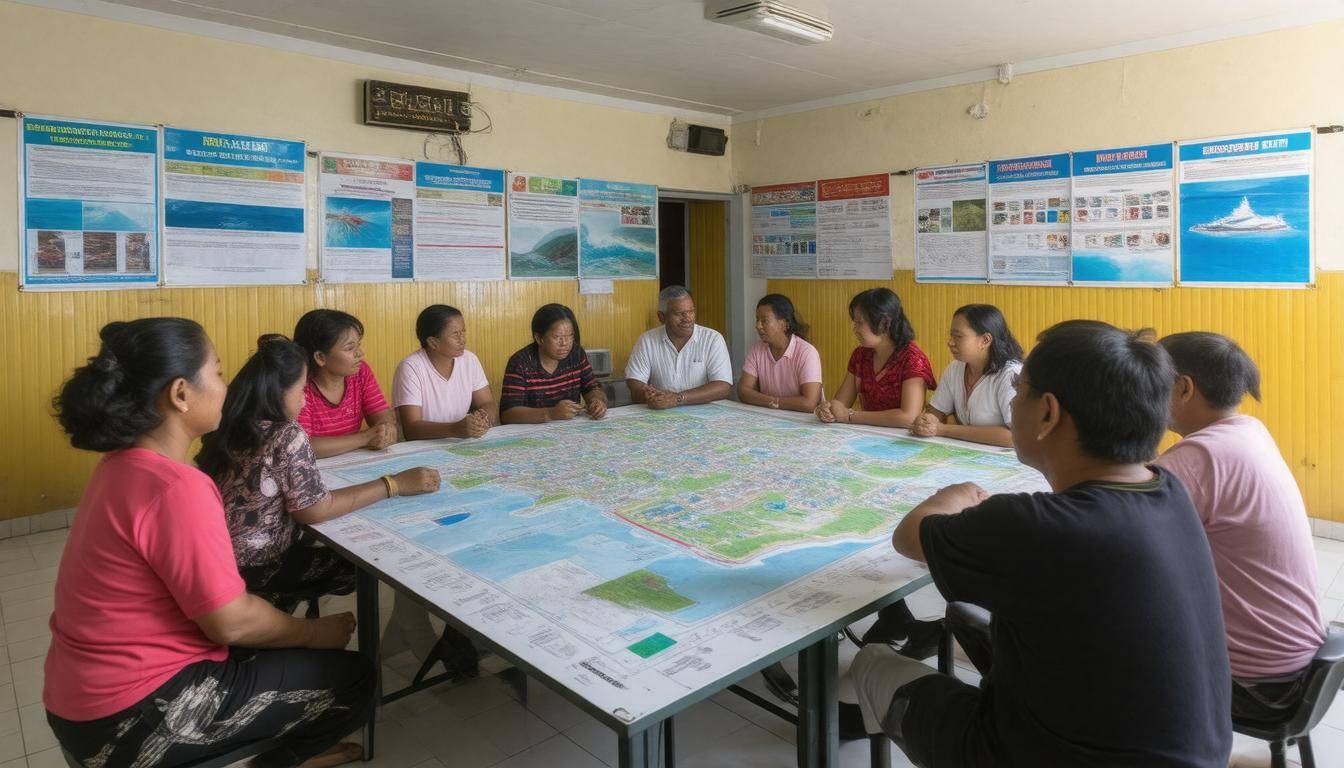
Planners can use GIS technology to formulate effective evacuation routes that account for geographical challenges specific to Sulawesi’s landscape. Sharing these GIS maps with local communities enhances awareness about where they live in relation to tsunami risks. Workshops and community meetings can facilitate discussions surrounding these maps, ensuring everyone understands their designated escape route and relevant procedures during emergencies.
Involving residents in mapping exercises not only empowers them with knowledge but also enables planners to incorporate local insights that professionals might overlook, thus further refining the effectiveness of evacuation strategies.
So far we’ve focused on collecting crucial data and leveraging technology; moving forward, we need to explore ways to actively engage communities for effective planning and execution during emergencies.
Community Preparedness Strategies
Community preparedness serves as the backbone of any effective evacuation plan. It’s essential not just for safety but for fostering resilience against potential disasters like tsunamis. Take a moment to imagine a community where everyone is equipped with the knowledge and tools necessary to respond promptly during an emergency. In this scenario, residents don’t just react; they spring into action, helping each other while remaining calm, all thanks to proactive planning.
Training and Drills
Training community volunteers is a vital strategy in creating this robust safety net. It begins with recruiting local leaders who already have established connections within the neighborhood. Their influence can help motivate participation in preparedness initiatives more effectively than if you were to rely solely on traditional communication methods. When ordinary citizens see trusted figures stepping up, it resonates deeply, creating a ripple effect that encourages others to join in.
Following recruitment, the next step involves facilitating workshops aimed at teaching both the basics of tsunami dynamics—as understanding how these waves form can change one’s perception of risk—and essential first-aid skills. These workshops should be interactive; envision scenarios where participants practice what they learn through dialogues, role-play, or hands-on demonstrations. The richness of shared experiences fosters comprehension far beyond merely reading from a manual.
Of course, no training program is complete without real-world application, which is where conducting drills comes into play. Imagine your community gathering together, running through simulated evacuation scenarios while you hear the clock ticking in the background—this creates a sense of urgency and realism. Simulating various situations makes it easier to commit protocols to memory and triggers muscle memory, leading to smoother execution during actual emergencies.
Regular practice not only breeds familiarity but also builds confidence among residents. When people understand their roles in an emergency response plan, they are less likely to panic; instead, they’ll instinctively know what steps to take. Herein lies the beauty of preparedness: it transforms fear into action.
Evacuation Routes and Communication
While training plays a significant role in community readiness, it’s equally crucial to establish well-thought-out evacuation routes and shelters. Identifying two clear routes leading to higher ground or designated safe zones ensures that everyone has multiple options when time is of the essence. Marking these routes prominently with signage can be invaluable during a crisis when visibility may be compromised by fear or confusion.
In tandem with route planning, having an effective communication system is essential to disseminate urgent alerts about impending tsunamis or required evacuations swiftly. Utilizing technology such as SMS alerts, social media announcements, and local radio broadcasts dramatically increases the reach of these messages. In doing so, you’re not merely informing residents but empowering them with timely information that can save lives.
Regular community drills combined with clearly defined evacuation routes and prompt communication systems create a synergy that fortifies communal resilience against tsunami disasters.
With these structures in place, we turn our attention to specific strategies focused on identified paths and safe havens that enhance evacuation efforts effectively.
Evacuation Routes and Shelters
Identifying clear evacuation routes and adequate shelters can save countless lives, especially in areas vulnerable to seismic activity like Sulawesi. The reality is that every second counts when a tsunami strikes, making it crucial to have accessible paths leading away from coastal zones. To ensure community safety, these routes should not only be straightforward but also properly illuminated and marked with signage in local languages.
Imagine this scenario: A family hears the sirens signaling an impending tsunami. If they find nearby evacuation signs directing them towards safer ground, it increases their chances of reaching safety quickly.
Designing Accessible Routes
An ideal evacuation route should avoid crowded urban areas or regions prone to flooding. Instead, elevated areas such as hills or designated safe zones must be included in these plans, as higher altitudes significantly mitigate the risk of inundation from tsunami waves. Communities can collaborate with local governments to map out these routes through regular drills or educational programs, ensuring everyone knows where to go when danger strikes.
Additionally, it’s essential to keep evacuation routes clear of hazards like debris or overgrown vegetation. Regular maintenance checks can guarantee that roads remain passable during emergencies—because a blocked pathway can mean the difference between life and death.
Building and Maintaining Shelters
Next comes the critical component of sheltering those who evacuate—the shelters themselves need to be structurally sound enough to resist the immense forces unleashed by a tsunami. Local authorities should prioritize fortifying existing public buildings like community centers and schools for use as temporary shelters. Surveys indicate that these sites are often well-familiarized locations where community members gather, enhancing the likelihood that individuals will know how to reach them swiftly during an emergency.
To maximize their effectiveness, these shelters should be stocked regularly with essential supplies—food, water, medical kits, flashlights, and blankets should all be part of the inventory. Moreover, having trained personnel on-site during evacuations can provide reassurance and guidance for those seeking refuge. Proper training helps ensure that shelter managers understand fundamental disaster response techniques and can inform evacuees about what to do next.
While organized evacuation routes and robust shelters play pivotal roles in disaster preparedness, establishing efficient communication systems allows communities to respond more effectively to imminent threats.
Deployment of Early Warning Systems
Early warning systems are vital for giving residents adequate time to evacuate during a tsunami threat. The presence of these systems not only enhances the community’s safety but can also save countless lives. Imagine hearing an alert just moments before a wave reaches your area, allowing you to escape to higher ground. It’s the difference between life and death and underscores the necessity of timely alerts in at-risk regions like Sulawesi.
Implementation of Technology
One effective method for creating robust early warning systems involves deploying a network of seafloor sensors and tsunami buoys that can provide real-time monitoring of oceanic conditions. These devices measure changes in water pressure and seismic activity that often precede tsunamis. Countries like Indonesia leverage their geographical proximity to tectonic activity by relying on institutions like the BMKG (Meteorological, Climatological, and Geophysical Agency) to set up and maintain these systems.
In addition to seafloor sensors, mobile alert systems significantly enhance community responsiveness. When a tsunami warning is issued, immediate notifications sent directly to residents’ smartphones can serve as an urgent reminder to evacuate. This instant communication is invaluable, particularly in remote areas where traditional media channels may be less effective.
There’s compelling evidence behind these approaches. Statistics show that countries with advanced early warning systems, such as Japan, have experienced remarkably lower casualty rates during tsunamis compared to those without such measures in place. This reinforces the idea that investing in technology not only benefits individual safety but also serves the collective well-being of entire communities.
However, technology alone isn’t enough; collaboration among various stakeholders is essential for maximizing the effectiveness of these systems.
Collaborative Efforts
Partnerships between government agencies, local communities, educational institutions, and international organizations lay the groundwork for comprehensive evacuation planning and response strategies. When these entities work together, they can ensure that information about tsunami risks is disseminated efficiently and effectively.
For instance, public education campaigns about how families can prepare for potential evacuations can foster a culture of readiness and resilience within communities. Establishing a clear communication protocol that informs everyone—from emergency responders to local residents—further enhances efficiency during crises.
By embracing both advanced technology and collaborative efforts, communities like those in Sulawesi can create a strong framework for tsunami preparedness. This multifaceted approach ensures that when disaster strikes, residents are equipped with knowledge and timing necessary to act swiftly and safely.
In exploring the crucial roles played by different organizations in this coordinated effort, we see how their contributions enhance overall preparedness and response capabilities.
Government and NGO Collaboration
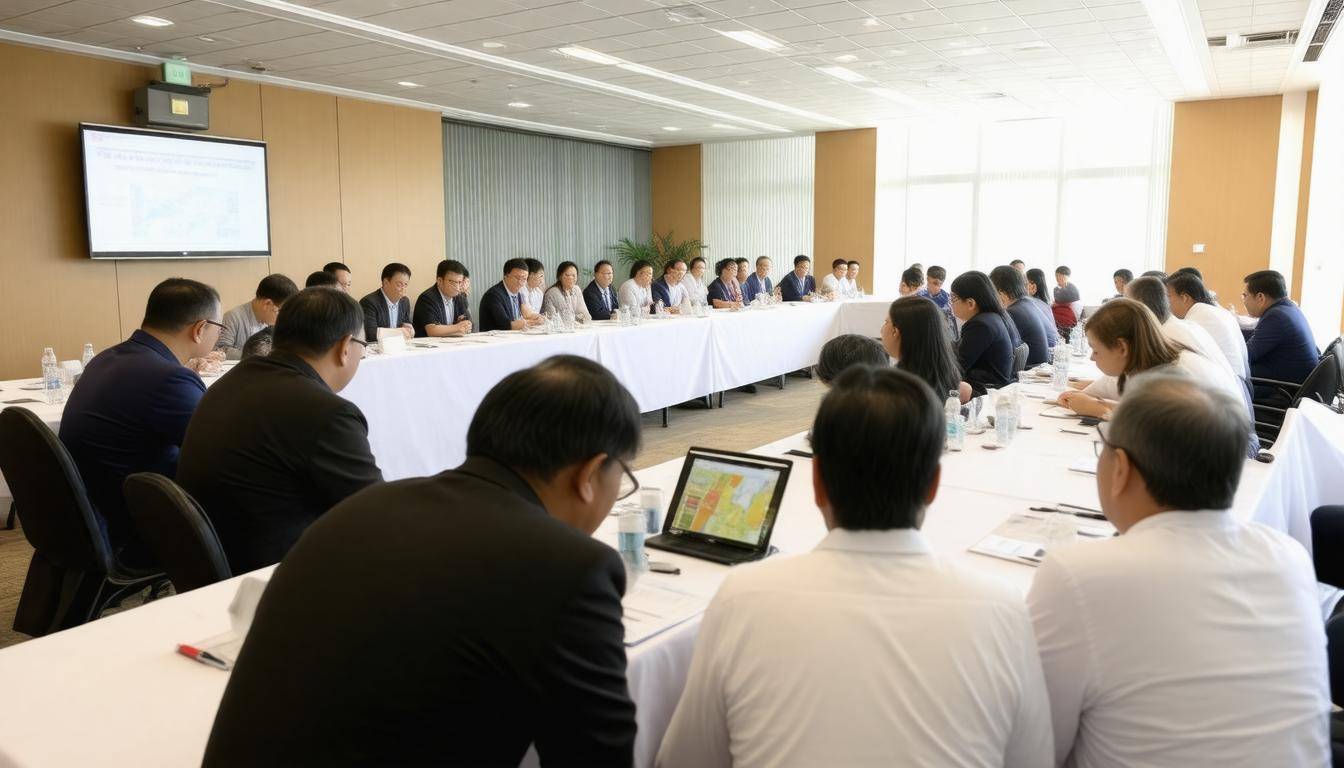
Effective evacuation planning hinges on the partnership between governmental authorities and non-governmental organizations (NGOs). This dynamic relationship fosters the development of comprehensive plans and ensures that vulnerable communities are prepared for disaster scenarios. When the Indonesian government drafts actionable evacuation plans, it can leverage the expertise of NGOs to fill in crucial gaps. Organizations like the Red Cross possess invaluable experience and resources that improve community preparedness.
Role of Government
The Indonesian government’s responsibility does not stop at merely creating guidelines; they must lead with foresight by actively involving NGOs in the process. By doing so, they tap into localized knowledge that agencies may lack. The National Disaster Management Authority (BNPB) serves as a pivotal body coordinating efforts, strengthened by collaboration with NGOs to offer compelling training programs and provide necessary equipment for sustaining resilience within communities at risk.
These partnerships yield practical outcomes. Local agencies benefit from shared experiences, while NGOs gain credibility through government endorsement. Unified efforts help create well-rounded evacuation procedures that consider community dynamics and preferences, making them more adaptable and effective in real-world scenarios.
Contribution of NGOs
NGOs bring unique advantages to the table—they often have flexibility and a nuanced understanding of local contexts, allowing them to engage with residents at grassroots levels. This direct engagement nurtures trust, vital for the successful implementation of any emergency plan. However, without government support in policies and funding, NGOs can struggle to maintain momentum and sustainable impact.
A synergistic approach is paramount; when government policies empower NGOs, it enables quick responses during crises and facilitates better resource allocation for evacuation efforts. The seamless integration of operational strategies across sectors ensures communities remain informed about risks and empowered with tools for effective self-protection.
Collaboration can be further strengthened through community education and awareness initiatives. By fostering understanding around evacuation plans, communities become active participants in their own safety measures rather than passive recipients of information.
In these collaborative efforts lie opportunities to enhance community engagement and build a proactive culture surrounding disaster readiness. With a solid foundation established through partnerships, it’s time to explore how education plays a critical role in further strengthening these initiatives.
Education and Awareness Initiatives
Educating communities about tsunami risks and emergency responses is crucial for ensuring safety in regions prone to these natural disasters. Recent surveys have highlighted that only 50% of residents in Sulawesi can recognize tsunami warning signs. This statistic points to a significant gap in public knowledge that needs immediate attention. Engaging community members through tailored educational initiatives can empower them to take proactive measures when faced with a potential tsunami threat, ultimately saving lives.
Conducting Awareness Campaigns
To effectively spread awareness, it’s important to tap into various communication channels. Utilizing local media outlets—such as radio stations, newspapers, and television—can reach a broader audience quickly. Social media platforms like Facebook or Instagram are especially useful for targeting younger populations who rely on these tools for information. Community events such as town halls or workshops can also serve as opportunities for dialogue and education about tsunami preparedness.
Schools play a vital role in shaping understanding from a young age. By incorporating tsunami preparedness into the curriculum, educators can lay the groundwork for a culture of safety. Students who learn about evacuation routes, safety signs, and emergency kits will benefit personally and can serve as ambassadors of knowledge within their families and neighborhoods.
Yet, awareness is just one piece of the puzzle; regular drills solidify this knowledge into actionable behavior. When communities practice evacuation processes, they increase the likelihood of everyone responding effectively during an actual event.
Implementing Regular Drills
The value of regular drills cannot be overstated. They transform theoretical knowledge into practical skills. These simulations help people familiarize themselves with escape routes and reinforce their ability to act quickly under pressure. Communities should schedule these drills at least once or twice a year, allowing residents to become accustomed to the sounds of sirens or alarms—learning not just what those signals mean but what immediate actions to take when they hear them.
For instance, after participating in an evacuation drill, participants often express increased confidence—the kind that makes a difference in real situations. A participant might say, “I didn’t know where to go initially, but after the drill, I feel prepared.” This response reflects the desired outcome: a sense of readiness and assurance among residents.
Education coupled with regular hands-on practice creates a resilient community capable of effectively responding to natural disasters. This approach ensures that people know the risks of tsunamis and are equipped mentally and physically to react when those risks manifest.
Transitioning from theory to practice is essential for any safety plan, especially in areas vulnerable to natural disasters. Let’s now explore how consistent practice reinforces preparedness within communities.
Conducting Regular Drills
The importance of conducting regular evacuation drills cannot be overstated. They serve to engrain the emergency protocols into the community’s collective memory. Imagine an actual tsunami warning: panic and confusion can set in quickly if people aren’t sure of what to do or where to go. By practicing evacuations, residents become familiar with their routes and procedures, transforming the potential chaos of a real emergency into a more organized and efficient response.
Schedule and Frequency
Ideally, these drills should take place quarterly but at the very least, they should occur twice a year. Communities that engage in frequent drills tend to fare better during genuine emergencies because practice improves confidence and coordination. Consider Palu City in Sulawesi, which has implemented quarterly evacuation drills since 2019; the data shows not only improved response times but also heightened awareness among residents regarding tsunami preparedness.
Along with increasing familiarity with evacuation routes, regular drills create a sense of urgency and importance surrounding tsunami readiness. For instance, during a drill, participants might encounter challenges like blocked paths or unexpected obstacles, all of which are invaluable learning experiences. These practice runs enable teams to devise quick solutions while under pressure, honing skills that will be crucial in real-life scenarios.
Engaging the entire community is key. Local schools, businesses, and organizations should be included in these exercises. When everyone participates—from children in classrooms to seniors in their communities—it fosters a culture of preparedness that benefits everyone involved. With each iteration of practice, individuals begin to internalize their respective roles and responsibilities, creating a cohesive unit ready to act when it counts.
Regular drills not only save time during emergencies but can also help reduce risk to life by ensuring everyone knows what steps to take amidst uncertainty.
Drills are only effective if people know where to go; understanding directional guidance is essential for community safety during an emergency. Consequently, it’s important to establish clear guidelines for evacuation routes, as this knowledge empowers communities to respond effectively when it matters most.
Mapping Safe Zones
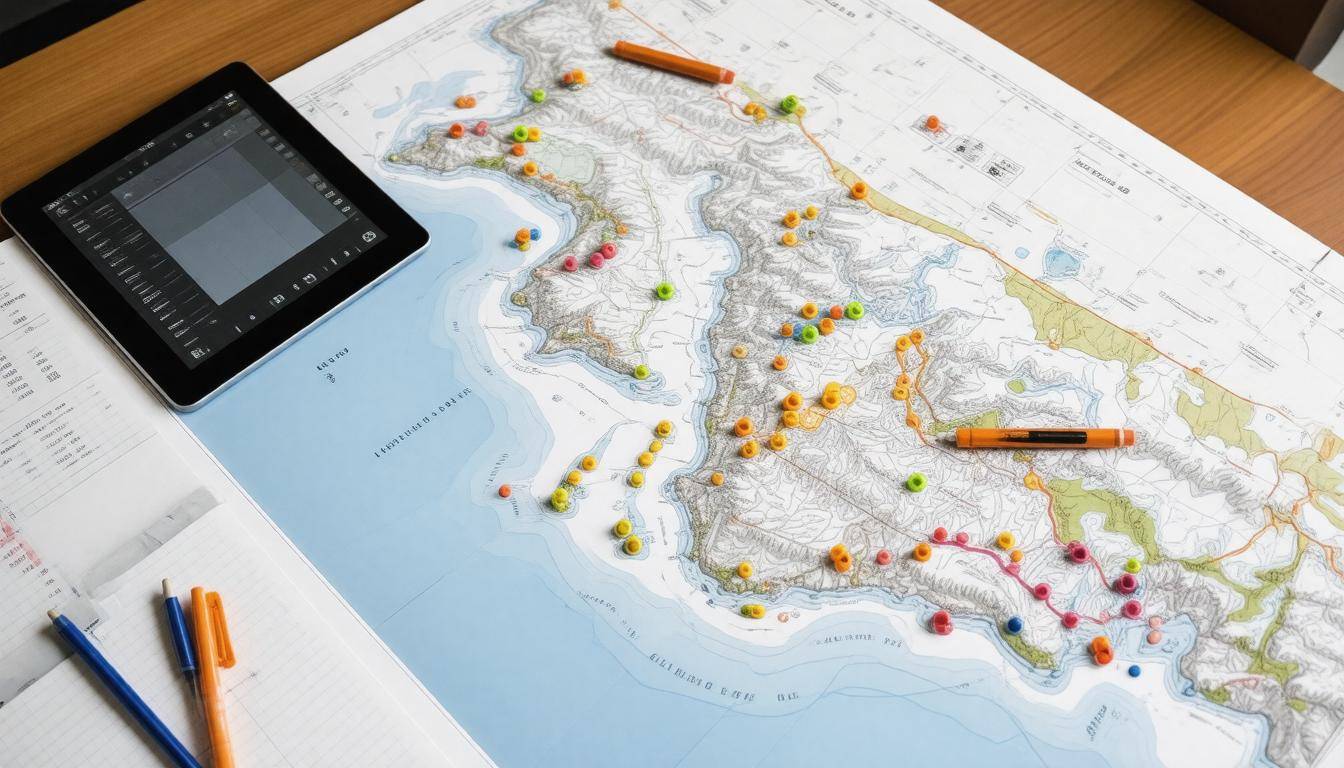
One of the most critical steps in tsunami evacuation planning is identifying and mapping out safe zones—areas that provide refuge far from the destructive reach of a tsunami. Knowing these zones not only decreases panic during an emergency but also facilitates a clear, actionable plan for those at risk. Think of it as drawing an invisible line between safety and danger.
Utilizing Technology
Today, we have advanced tools to aid this process, such as Geographic Information Systems (GIS) and satellite imagery. These technologies can analyze topographical data to pinpoint elevated areas that are less susceptible to flooding from incoming waves. Ideal locations should include designated buildings constructed with reinforced structures designed to endure wave impact, making them excellent shelters during a tsunami scenario.
Imagine standing atop a hill during a raging storm below, feeling secure because you know the geography around you; that’s how effective mapping impacts local communities. Using technological innovations allows us to visualize and communicate these critical insights.
Community Involvement
However, technology alone cannot cover all bases. Local residents possess invaluable knowledge about their community’s geography—historical creeks and valleys that may have been overlooked by high-tech maps could make all the difference. Engaging with community members ensures that the mapping process captures practical realities, ensuring that the designated safe zones are both accessible and relevant.
Once suitable areas have been identified through a combination of technology and communal input, it’s important to ensure they are clearly marked on all evacuation route materials. Regular updates reflecting any changes in demographics or significant land alterations are essential for maintaining accuracy and relevance.
In summary, while technology provides effective tools for identifying safe zones, incorporating community expertise significantly enhances the practicality and effectiveness of tsunami evacuation plans. Together, these strategies create an organized framework prioritizing safety above all else.
By effectively integrating modern technology with local insights, we can ensure that communities are well-prepared and protected against tsunami threats. Awareness and preparation can save lives in critical moments.