
As the summer heat creeps in and power outages become more common, staying cool can feel like an uphill battle. The good news is that you don’t need to rely solely on air conditioning or electricity to find relief. Simple yet effective strategies can keep your home comfortable, even during sweltering temperatures. In this guide, we’ll explore practical methods to combat the heat using items you already have, along with some easy modifications that can enhance your indoor environment. From using blackout curtains to clever fan placement, there are plenty of straightforward solutions that anyone can implement to beat the heat without feeling overwhelmed. Let’s dive in!
In our “Summer Blackout Cooling Strategies: Full Guide,” you will find effective techniques for reducing heat penetration, such as using blackout curtains and window films, as well as DIY methods like fans and wet towels to enhance comfort. Additionally, the guide covers home modifications, environmental considerations, and efficient behaviors that help maintain a cooler indoor environment throughout the hot summer days.

Top Summer Blackout Cooling Strategies
One of the most impactful ways to beat the heat is to utilize fans wisely. By positioning battery-operated fans around your home, you can create a refreshing cross-ventilation effect that circulates cooler air. For example, placing one at the foot of your bed not only directs airflow toward you while you sleep but helps to lower the overall temperature in your bedroom. This simple adjustment can significantly improve your comfort at night, turning suffocating summer evenings into pleasant resting experiences.
On the topic of comfort, hydration plays a crucial role as well. Research indicates that staying hydrated lowers your body’s core temperature by helping regulate its internal cooling mechanisms. The Centers for Disease Control and Prevention (CDC) recommends drinking at least 8 ounces of water every hour during extreme heat conditions. When you’re well-hydrated, your body can better manage thermal stress, making it easier to handle elevated temperatures inside your home.
In addition to drinking more water, consider employing cool packs or damp towels against pulse points on your body. Applying ice packs or cold compresses to areas like your wrists, neck, and temples provides rapid relief from the heat. As many have shared in testimonials, draping wet towels over oneself while sitting in front of a fan creates an instant cooling sensation, giving a much-needed break from oppressive humidity.
These basic techniques are foundational for keeping cool when power is out; however, modifying your environment is just as vital when it comes to temperature management.
Creating a Cooler Environment
Start by ensuring that sunlight doesn’t act like a magnifying glass cooking your spaces. Utilizing blackout curtains can drastically diminish heat penetration; however, adding window film might increase effectiveness even further by preventing heat from radiating back into your home after sunset. A proactive approach involving these strategies will help keep interiors cooler throughout the day.
Moreover, enhancing insulation is essential for effective long-term cooling. Painting rooftops and external walls in light shades could reduce heat absorption due to better sun reflection. Homes with white or lighter-colored roofs actually experience less heat buildup compared to darker counterparts. Additionally, installing shade cloths or awnings on western-facing walls shields them from direct sunlight during peak hours, keeping living spaces more comfortable.
Keeping windows closed during the hottest parts of the day is another smart tactic—it prevents hot air from seeping in and retains that cooler air you’ve worked hard to create inside your home. By mastering this combination of wise fan use, strategic hydration, environmental management, and insulation improvements, you’ll be equipped to navigate those summer blackouts feeling as fresh as possible.
Incorporating these varied approaches creates a holistic strategy that tackles immediate discomfort while enhancing long-lasting efficiency in cooling systems and methods within living spaces.
Cooling Your Home Without Air Conditioning
One of the simplest yet most effective methods to cool your home without air conditioning involves blocking out heat during the hottest parts of the day. By using blackout curtains or heavy drapes, you not only block sunlight but also minimize heat absorption in your rooms. This method can reduce indoor temperatures by up to 20%, making a remarkable difference in your comfort level. Just think of it as actively defending your living space against the scorching sun—it’s surprisingly efficient and makes a noticeable difference.
But simply blocking the sun isn’t enough. Creating a designated cool zone within your home is another strategy that can significantly elevate your cooling game.
Designating a specific cool room is a great idea to focus your energy and resources in one or two spaces rather than trying to keep your entire house comfortable. If you’re battling a heatwave, there’s no need to waste energy cooling unused areas. Instead, close off rooms you’re not using and concentrate on maintaining a comfortable environment in spaces where you spend the most time—like the living room or bedroom. Using fans to circulate cooler air within this designated area enhances the effect—it’s all about maximizing efficiency.
As you consider which rooms to cool down, don’t forget the power of nighttime ventilation.
When evening falls and temperatures drop, take advantage of what nature has to offer by opening windows and doors. This natural way of ventilating your home allows cool air to flow freely, especially when outdoor temperatures are significantly lower than inside. To make the most of this process, place fans near these windows pointing outward; they’ll push hot air out while drawing in refreshing outside air. You may be surprised at how much cooler your home feels after just a few hours of proper ventilation.
In addition to these effective strategies, there are other simple tricks that can elevate your cooling experience even further.
Another method involves using reflective materials like Reflectix for windows, creating an insulation barrier that blocks out heat from entering while keeping cool air inside. Simply apply this silver mylar material with bubble wrap to south-facing windows. Additionally, consider painting rooftops with heat-reflective paint; this helps maintain lower indoor temperatures and reduces energy costs overall.
Finally, consider installing shade cloths or awnings on the sunniest sides of your home—these protective measures provide extra shielding from direct sunlight, reducing overall thermal load on your living spaces. With combined strategies of blocking sunlight, creating cool zones, utilizing nighttime ventilation, and implementing reflective materials, you’ll have an arsenal of effective techniques at your disposal to ensure a more comfortable atmosphere in your home during those sweltering summer days.
As we explore further solutions for beating the heat, let’s shift our focus to various methods involving materials designed specifically to reflect sunlight and maintain cooler temperatures indoors.
Using Reflective Materials Effectively
Reflective materials are underrated but extremely effective in reducing heat. By utilizing these materials, you can create a cooler and more comfortable living environment without relying solely on air conditioning. One of the most well-known options is Reflectix insulation. This versatile, reflective material can be easily applied to windows to block out excess heat. You can find it at most hardware stores, where it’s often marketed as a solution for improved energy efficiency.
Reflectix Insulation
When using Reflectix on your windows, simply cut the material to fit each windowpane snugly, ensuring you cover as much surface area as possible. Due to its shiny finish, Reflectix works by reflecting sunlight away from your home, thereby preventing heat from entering. The beauty of this solution lies not only in its functionality—reflecting heat—but also in its affordability and availability. Enhanced by the bubbles between the layers of the material, Reflectix provides insulation that can significantly drop indoor temperatures during sweltering summer days.
Integrating Reflectix into your home can lower indoor temperatures by several degrees, making a noticeable difference when dealing with summertime heat.
Aluminum Foil Technique
Another clever method for utilizing reflective materials involves the use of aluminum foil. This technique is not just low-cost; it’s also extremely effective. Covering your windows with aluminum foil—shiny side out—creates an excellent barrier against the sun’s rays. Essentially, aluminum foil mimics some of the effects of professional reflective films but at a fraction of the cost.
To maximize cooling benefits with foil, ensure that each panel covers the entire window and overlaps slightly to avoid gaps that may allow hot air to sneak through. This simple DIY method can elegantly maintain a cooler indoor environment during oppressive blackouts or heatwaves while keeping costs down.
White Roofs
A perhaps less commonly explored aspect is the benefit of having a white roof. According to studies from the Department of Energy, painting rooftops white or installing reflective roofing materials can reduce roof temperatures by up to 50°F compared to traditional dark-colored roofs. Not only does this method keep your home cooler by reflecting sunlight, but it can also prolong the lifespan of your roofing material since lower temperatures reduce wear and tear.
This approach is especially valuable if you’re situated in an area that experiences extreme summer temperatures; investing in a white roof or reflective roofing systems is an effective long-term plan for energy savings and comfort.
While these methods offer practical solutions for keeping your space cool, enhancing natural airflow and incorporating shade techniques will further optimize your home’s cooling efficiency.
Maximizing Airflow and Shade

Proper airflow combined with effective shading can significantly enhance your comfort level during hot summer days or unexpected power outages. One of the simplest yet most effective strategies is strategic fan placement. Positioning one fan near a window to pull cool air inside while another blows warm air out creates a cross-ventilation effect. This movement encourages a constant flow of fresh air throughout your living space, which can lower indoor temperatures considerably. You might even notice a temperature drop of several degrees just by simple rearranging!
- Consider pointing fans from the cooler, shaded sides of your home towards the warmer areas. This allows for the natural coolness to permeate deeper into your spaces.
- If available, ceiling fans should run counterclockwise during warmer months, further promoting upward airflow that helps circulate cooler air downwards.
Additionally, using portable shade solutions can mitigate heat gain effectively. By setting up temporary awnings, canopies, or reflectively coated materials over windows where sunlight pours in, you keep those spaces far more comfortable and reduce reliance on electrical cooling systems. Imagine coming home from a sweltering day only to step into a pleasantly cool room because you took a few preventive measures in advance.
Moreover, utilizing natural shade can also play a critical role in cooling your environment. Planting trees strategically around your home not only enhances curb appeal but serves multiple functional purposes. Mature trees can block up to 90% of sunlight when properly positioned; this simple tactic can lessen indoor temperatures by as much as 10-15°F (5.-8°C).
Considering both airflow and shade goes hand in hand with future strategies that emphasize sustainability and efficiency.
Monitoring indoor temperatures continuously enables homeowners to optimize their approach further. For instance, during cooler nights or early mornings, opening windows to facilitate natural ventilation while reversing fan direction will draw in fresh air and expel stifling heat from the day before. This method minimizes the reliance on air conditioning units, leading toward more sustainable practices while simultaneously cutting energy costs.
Through these easy-to-implement strategies of maximizing airflow and employing shading techniques effectively, it becomes clearer that comfort doesn’t have to come at an environmental cost—both our homes and our planet benefit from robust cooling tactics!
Efficiency and Sustainability Tips
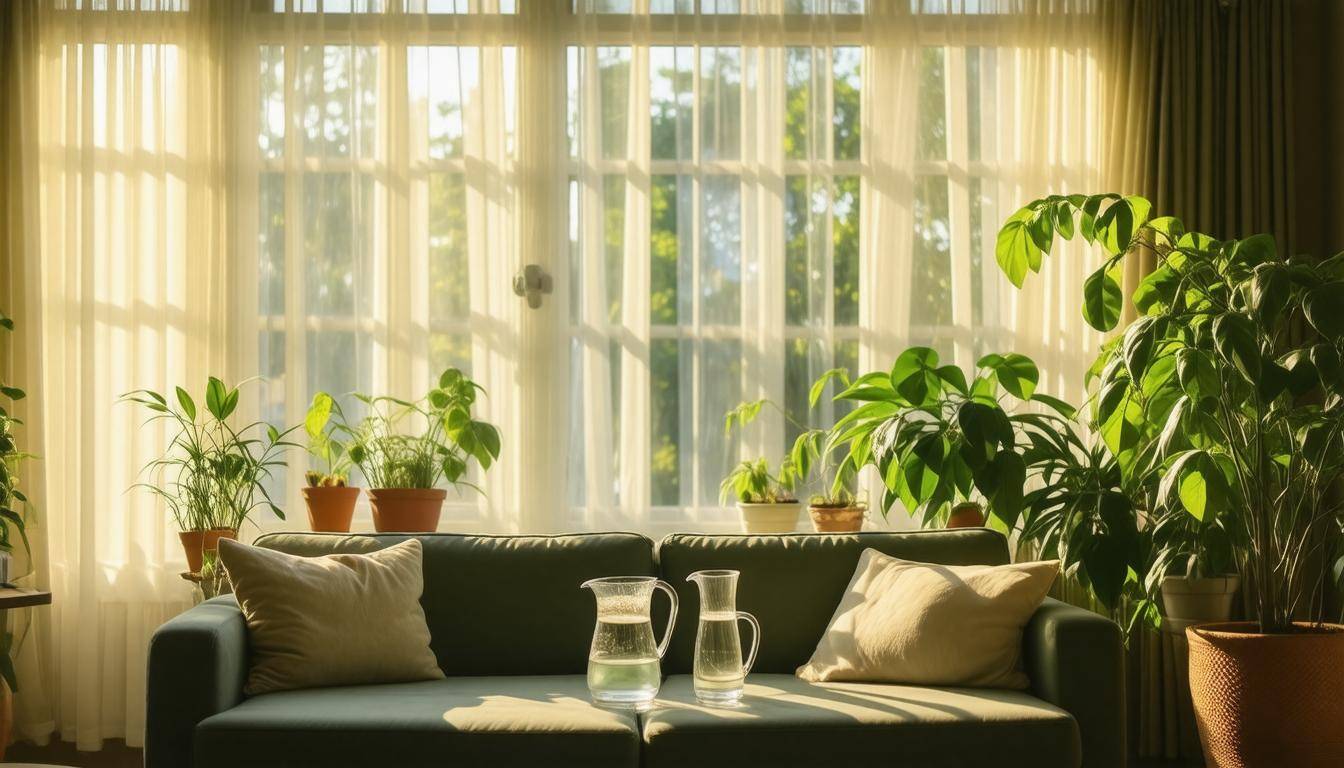
Cooling strategies can be efficient and eco-friendly simultaneously. When you look at your home, think of cooling as a holistic approach that combines technology with sustainable practices. The first step often begins with considering energy-efficient appliances. These modern systems don’t just save energy; they work harder to cool down spaces more effectively than outdated models. For example, replacing standard incandescent light bulbs with energy-efficient LEDs can significantly reduce the heat generated in the home. The less heat your appliances generate, the less you’ll rely on air conditioning, which ultimately leads to lower electricity bills.
In addition to bulbs, evaluating other electronics is crucial. Minimizing their use during peak hours—like daytime when temperatures are at their highest—can make a big difference. If it’s possible to delay running items like dryers or dishwashers until the cooler evening hours, consider doing that as part of your weekly routine.
Moving forward, don’t underestimate the power of dehumidifiers when it comes to effective cooling! Using battery-operated or solar-powered dehumidifiers makes for an excellent eco-friendly choice. By removing moisture from the air, these appliances create a refreshing feeling of coolness even on scorching days. The concept is simple: humid air feels hotter because our bodies struggle to release sweat effectively in wet conditions. With less humidity in the air, you can experience comfort without cranking up the air conditioning unit.
Integrating sustainable practices extends beyond just utilizing modern appliances; think about daily habits that further lessen environmental impact. A simple yet effective way is by collecting rainwater in barrels and using it for irrigation or evaporative cooling techniques around your home. This practice not only saves precious water resources but also nurtures plants outside that help cool your property naturally through shade.
These innovative solutions are just a small slice of what’s achievable when we embrace sustainability in our cooling strategies.
As you explore these methods, remember that creating a cooler environment takes thoughtful planning and continuous adjustments. It’s like gardening; nurturing your space involves trial and error, but the results are rewarding. From energy-efficient appliances to proactive dehumidifying measures—the choices you make today will pave the way for a more sustainable future.
With these principles in mind, let’s continue to examine how embracing these approaches brings a wealth of benefits to your cooling system while enhancing overall comfort.
Benefits and Advantages of Blackout Cooling
Employing blackout cooling strategies has numerous advantages beyond just keeping you cool during those sweltering summer days. The most urgent concern during extreme heat is health, especially for vulnerable populations like the elderly and young children. A well-cooled environment is your first line of defense against heat-related illnesses. With temperatures soaring, preventing complications like heat stroke and dehydration becomes paramount.
Health Benefits
Maintaining a cool environment has been shown to effectively mitigate the risk of heat-related illnesses. According to the CDC, reducing indoor temperatures during heat waves can lower the risk of heat-related health issues by as much as 30%. This statistic speaks volumes about the importance of implementing cooling strategies, particularly as urban areas often face peak temperatures simultaneously when power outages commonly occur. The physical discomfort felt from extreme heat can contribute to confusion, fatigue, and even reduced cognitive functioning—making it not only a luxury but a necessity to ensure one’s home remains a healthy refuge.
Of course, it’s not only our well-being that stands to gain from these measures; let’s consider the financial aspect too.
Cost-Effectiveness
Adopting cost-effective measures like blackout curtains or portable fans can substantially reduce energy expenses over time. Though there may be an initial investment in quality blackout materials or battery-operated fans, the long-term savings on electricity bills provide added motivation to elevate your home’s cooling strategy. When homeowners utilize natural ventilation, such as opening windows at night to invite cooler air, they can significantly decrease their reliance on more expensive air conditioning systems. Coupled with portable cooling devices, these practices create a sustainable cycle—one that not only improves comfort but safeguards finances as well.
And while we’re discussing costs and personal benefits, it’s essential to shift our attention towards the environmental impact these strategies hold.
Environmental Impact
Lowering reliance on air conditioning during scorching summers directly results in decreased greenhouse gas emissions—an impactful contribution toward combating climate change. In fact, using energy-efficient appliances or opting for simple homemade methods of staying cool dramatically alters one’s carbon footprint over time. This environmentally friendly approach aligns personal comfort with global responsibility, making each homeowner part of a greater solution in minimizing harmful emissions during peak usage times.
Adopting blackout cooling strategies provides immediate comfort while promoting health benefits along with cost-effectiveness. Combine this with the important environmental advantages, creating a holistic approach for both home and planet enhances safety and comfort during summer blackouts.
As we explore further, understanding how to implement these strategies will provide practical guidance for optimizing your cooling options effectively.
Practical Steps to Implement Strategies
The first thing you’ll want to do is prepare your space. This involves stocking up on essential items that will help you navigate through the heat efficiently.
Think about adding blackout curtains that not only beautify your living space but can also reduce indoor temperatures by up to 20%. Additionally, equip yourself with battery-operated fans and reflective materials, such as mylar, which are perfect for blocking out unwanted sunlight. Keep plenty of fresh drinking water around because staying hydrated is crucial in warmer climates.
Once you have everything on hand, it’s time to take immediate action.
Start by executing a swift and deliberate approach: close your curtains immediately before the sun reaches its peak intensity. This creates a barrier against the heat. If you have reflective materials, like window film or even a simple piece of aluminum foil, stick these over windows for an extra layer of insulation. It’s surprising how effectively these simple tools work to block radiant heat from entering your home.
Next, you’ll want to strategically place fans throughout your home. Position them at key points: set one near windows that face southward to push warm air out, while another could be directed towards areas where you spend the most time, ensuring optimal airflow. Using a fan at the foot of your bed can create a soothing breeze that helps promote a comfortable sleeping environment at night when temperatures dip slightly.
Here’s a detailed look at some essential equipment and their benefits:
| Equipment | Benefit |
|---|---|
| Blackout curtains | Reduces indoor temperature by 20% |
| Battery-operated fans | Enhances airflow, cools specific areas |
| Reflective materials | Blocks sunlight, reduces heat gain |
| Cold packs/wet towels | Provides immediate body cooling |
While utilizing these products, keep in mind the importance of improvisation.
If you’re feeling particularly hot after implementing these measures, take quick cold baths or showers. These actions serve not just as refreshing escapes but also provide instant relief, helping lower your body temperature rapidly as evaporative cooling happens when you step out into slightly warmer air. You can also soak cloths in cold water and apply them to pulse points—such as on your wrists and neck—for additional cooling sensations.
Finally, watch for environmental changes outside. As evening approaches and temperatures begin to drop outside, open your windows strategically to allow cooler air to flow in while keeping internal doors closed during the heat of the day. This little act can aid in managing heat distribution within your living spaces and optimize your overall cooling strategy.
Following these practical steps ensures versatility and effectiveness in keeping your home cool and welcoming, regardless of how intense the summer weather becomes outside.
By preparing thoughtfully and making smart choices about managing heat, you can turn your home into a refreshing retreat amidst sweltering summer days.