
Svalbard, with its stunning fjords and towering glaciers, is an adventurer’s dream but also a land of extremes. Whether you’re a seasoned explorer or a first-timer, it’s crucial to be prepared for the harsh Arctic conditions that can change in the blink of an eye. Adventure awaits in this beautiful wilderness, but overlooking survival essentials could turn your trip into a harrowing experience. With careful planning and the right gear, you can embrace all that Svalbard has to offer while keeping safety at the forefront. Let’s dive into how to equip yourself with the best tools and knowledge for navigating this unique environment.
Essential survival items for Arctic conditions in Svalbard include high-quality layered clothing such as the US winter clothing system (ECWCS Gen III), waterproof outerwear, insulated sleeping bags, reliable heating equipment like stoves, and emergency shelter options like bivvy bags. Additionally, having ample nutritious food sources with high caloric content, tools for navigation and fire-making, and redundancy in critical gear are key to ensuring safety and comfort during your expedition.

Preparing for the Arctic: What to Pack
First and foremost, understanding the environmental challenges of Svalbard is crucial when you’re drafting your packing list. Temperatures can plummet to around -15°C, and this means your gear must not only keep you warm but also protect you against biting winds and potential storms. This leads us directly into an effective packing strategy. You need to prioritize items that will shield you from the cold while offering functionality.
Packing Strategy
When creating your detailed checklist, consider each component of your adventure. Prioritize essential items based on urgency and frequency of use. For example, clothing should emphasize layering systems—each layer serving a distinct purpose in temperature regulation and moisture control.
Consider starting with moisture-wicking base layers crafted from materials like merino wool or synthetic fabrics—they’re designed to pull sweat away from your skin, keeping you dry and warm.
As for insulation, opt for fleece or down jackets that trap warmth effectively while maintaining comfort as you navigate the icy landscape. Finally, a waterproof outer layer such as a Gore-Tex hard shell jacket is crucial; it shields against freezing winds and unexpected snow flurries while allowing sweat to escape.
“Your clothing choices may very well determine whether your Arctic experience is one of survival or discomfort.”
Sample Packing List
-
Thermal Clothing: Layered systems combining moisture-wicking base layers, insulating mid-layers, and waterproof outer layers.
-
Footwear: High-quality waterproof boots with insulated linings that provide traction on ice.
-
Headgear: Balaclava, insulated hat, and ski goggles that protect against both wind and glare from snow.
-
Handwear: Thin liner gloves beneath insulated mittens which allow for dexterity without sacrificing warmth.
-
Sleeping Systems: A sleeping bag rated for extreme cold paired with a durable sleeping pad ensures a good night’s sleep despite freezing temperatures.
-
Cooking Gear: A portable stove with compatible fuel sources is vital for preparing hot meals; lightweight pots minimize carrying weight.
-
Navigation Tools: A reliable GPS device alongside topographic maps and a compass keeps you on track in remote regions.
-
Emergency Supplies: A comprehensive first aid kit with cold-weather-specific items, flares for signaling distress if needed, and emergency blankets that retain heat.
Once we have our essentials squared away, we can explore the specific nuances of clothing choices that can significantly impact your time in the Arctic.
Clothing and Gear Essentials
Layering is the key to staying warm and comfortable in extreme cold. Imagine you’re setting out on a long hike; as you stand outside ready to go, your first instinct might be to pile on an oversized coat. However, that would only make matters worse once you start sweating. Instead, utilize the US Army’s Extended Cold Weather Clothing System (ECWCS Gen III), which emphasizes the importance of layering.
Layering for Survival
Start with a base layer made from moisture-wicking materials like merino wool. These fabrics are excellent at keeping sweat away from your skin, which is essential because dampness can quickly lead to chilling.
Next, add a mid-layer, such as fleece or wool, providing crucial insulation to trap body heat. Finally, top it off with a durable outer layer, like a Gore-Tex shell. This layer should be windproof and waterproof to protect you against biting winds and unexpected snow.
As the weather changes, being able to adjust your layers directly impacts your comfort level. When you feel warm enough, peeling back a layer prevents overheating; likewise, adding an extra layer when temperatures drop keeps you snug.
However, clothing alone isn’t sufficient; specialized gear is also essential for navigating the Arctic landscape effectively.
Specialized Gear
Equip yourself with high-quality items that go beyond basic clothing for optimal survival. A multi-tool is indispensable—they assist with everything from cutting rope to making minor repairs on your gear. Ensure you have reliable snowshoes as well, which allow mobility across varying terrains while minimizing fatigue.
When it’s bright but exceedingly white outside, ski goggles become paramount in protecting your eyes from snow blindness due to strong glare. Your feet also need special attention: thermal socks are non-negotiable as they keep your feet dry and warm through periods of activity and rest.
In addition to these essentials, always have a thermal water bottle on hand—it could be the difference between hydration and dehydration during long outings. These bottles are designed to retain heat, ensuring your water remains liquid even when temperatures plunge.
All these considerations play a vital role in planning for survival in Svalbard; clothing provides warmth but requires properly chosen gear for safety and comfort during your adventure. Next, we will examine vital aspects that ensure nourishment and energy during challenging expeditions.
Food and Fuel for Survival

Arctic conditions demand that you not only focus on high-caloric intake but also manage those calories effectively. If you’re venturing into this icy landscape, a solid nutrition strategy isn’t just helpful; it’s essential for your survival. With daily caloric needs ranging from 4,500 to 6,000 calories due to the body’s increased energy expenditure in the cold, understanding what to pack can make all the difference between thriving or merely surviving.
High-Calorie Foods
In Arctic survival, the right foods can sustain energy levels and fight off fatigue. It’s advisable to carry foods rich in fats and proteins—think of nuts, energy bars, and jerky. These items provide concentrated energy that your body desperately needs when braving harsh conditions. For instance, nuts are powerhouses of calories; just a handful can offer significant energy without weighing down your pack too much. Jerky is not only lightweight but also provides a necessary protein boost during strenuous activities like hiking or building shelter.
Keep in mind: You should aim for foods that are nutrient-dense rather than bulky. Heavy starchy foods could take up precious space in your supplies.
Cooking in the Cold
When it comes to cooking in frigid temperatures, using portable camping stoves designed for low temperatures becomes essential. Propane stoves typically fare well but ensure you bring adequate fuel; one pound of propane generally lasts around two to three hours at high heat. To conserve fuel while remaining efficient, opt for meals that require less cooking time or that can be eaten cold, such as energy bars or premade dehydrated meals.
Staying hydrated is equally important in preventing fatigue and maintaining core temperature. Carry a thermos filled with hot drinks, which not only keeps you warm but helps rehydrate your body effectively. Soups or warm beverages can also provide comfort during long, cold nights.
Grasping these nutritional strategies will equip you with the foundation needed to address the specific demands of this remote environment while ensuring you are ready to tackle any unexpected challenges ahead. It’s time to explore the intricate dynamics of maneuvering through these extreme conditions.
Navigating Svalbard’s Extreme Environment
Svalbard’s icy terrain demands both respect and preparation among adventurers. The sheer beauty of snow-covered mountains and glistening glaciers captivates many, but hidden dangers lurk beneath the surface. Navigating this diverse and unpredictable environment requires gear that can withstand harsh conditions as well as an awareness of the terrain. To help ensure safety and success in your Arctic journey, here’s a look at the tools and insights you’ll need.
Tools of the Trade
First and foremost, equipping yourself with reliable tools is essential for navigation through this stunning yet treacherous landscape. A robust GPS device is invaluable, enabling precise location tracking in a vast white expanse where features can appear deceptively similar. However, don’t become too reliant on electronic devices; they can fail when subjected to extreme cold or moisture.
This is why having analog backups is imperative—carry a traditional compass and detailed topographic maps.
Take a moment to familiarize yourself with these tools before heading out. Understanding how they interact is vital for effective navigation in challenging conditions.
Terrain Awareness
Equally important is your awareness of the terrain. Studying topographic maps prior to your expedition allows you to identify key landmarks and potential hazards in advance. It is not just about recognizing where you are; it’s equally about knowing where you should avoid. Snow patterns offer invaluable clues, indicating safe paths versus unstable areas that may hide crevasses or soft snow that could collapse underfoot.
Think of navigating this landscape like reading a book: each chapter unveils new information that adds context to your adventure. By understanding the hints nature provides, you’ll develop a clearer picture of how best to traverse the environment while minimizing risks.
Additionally, observing wildlife—puffins perched on cliffs or polar bears roaming the glaciers—can also serve as indicators of changing conditions and provide markers for safer routes. Engaging with these creatures in their natural habitat not only enriches your experience but reinforces your connection with the environment.
As you outfit yourself for exploration in Svalbard’s breathtaking scenery, remember that being prepared goes beyond just gear—it’s about cultivating an intuitive understanding of the land around you and ensuring your journey remains safe and enlightening.
Safety and Navigation Techniques
In the Arctic, safety is paramount; therefore, mastering proper navigation techniques can become life-saving skills. Imagine venturing out into the endless white landscape of Svalbard. The seemingly identical expanses of snow and ice can easily lead even the most seasoned adventurers astray if they aren’t careful.
The first principle of safe navigation in such an environment involves Building Safe Routes. One effective approach is to leave visual markers using brightly colored flags or even biodegradable tape. These visible signs serve as critical references that assist in retracing your steps if necessary. When the wind kicks up a blizzard, those bright colors will stand out against the snowy canvas, providing direction when visibility dangerously drops.
Just as vital as marking your path is the ability to protect yourself from the elements.
Fire Safety Skills
Learning fire safety skills can make all the difference during emergencies. The ability to start a fire under various conditions cannot be overstated since warmth and signaling are not just conveniences; they are, at times, lifesaving necessities.
Utilizing equipment that withstands harsh weather can be vital; I recommend carrying windproof lighters or waterproof matches rather than standard options, which may fail at critical moments. It’s also beneficial to familiarize yourself with the local terrain and types of tinder available in the area—these materials can vary significantly, so prepare accordingly by testing different types prior to your journey.
Also remember that a fire’s smoke can act as a distress signal, helping rescuers locate you if you find yourself lost. However, always practice fire safety guidelines; making a fire in dry conditions can result in hazardous situations.
With these core principles established, it’s essential to consider how to maintain comfort and shelter while facing these extreme locales.
Shelter and Protection From the Elements
Setting up a dependable shelter is foundational for any Arctic expedition, serving as both a protective cocoon from biting winds and a resting haven after exhausting days. The right choice of shelter contributes to your comfort while playing a crucial role in your safety. In Svalbard’s icy landscape, having proper shelter can mean the difference between life and death.
Selecting Shelter Sites
Choosing an effective shelter site is just as vital as the type of shelter you decide to use. Always prioritize locations shielded from prevailing winds, significantly reducing wind chill and exposure to harsh conditions. Avoid low-lying spots where cold air settles—this is where frost forms, intensifying the chilling effect during the night. Instead, look for elevated areas with natural cover like boulders or snowdrifts that provide insulation against harsh winds. The goal is to stay dry and warm while minimizing your exposure to the elements.
When selecting your actual shelter, it’s not simply about throwing up a tent; understanding your options is key. Four-season tents are highly recommended for their durability and ability to withstand extreme weather conditions. Designed with stronger materials, they can handle wind and snow while providing adequate insulation. Brands like Hilleberg or North Face offer excellent models specifically engineered for these conditions. Additionally, having an emergency bivvy or lightweight tent serves as a last line of defense when unexpected situations arise.
Types of Shelters
Beyond traditional tents, learning to create improvised shelters using snow or natural materials adds resilience to your survival toolkit. In an emergency, adapting your surroundings into a makeshift snow cave or igloo can provide warmth and protection while utilizing available resources. Constructing such shelters might seem daunting initially, but they can be mastered with practice and proper guidance.
Whether you’re setting up a tent or building a snow cave, always think about insulation—placing extra layers of insulating materials, like packed snow or even your gear at the walls will help keep warm air inside while protecting against outside freezing temperatures.
As you focus on securing your shelter, it’s also important to consider how to protect yourself from possible encounters with the unique wildlife in this rugged environment.
Encountering Svalbard’s Wildlife
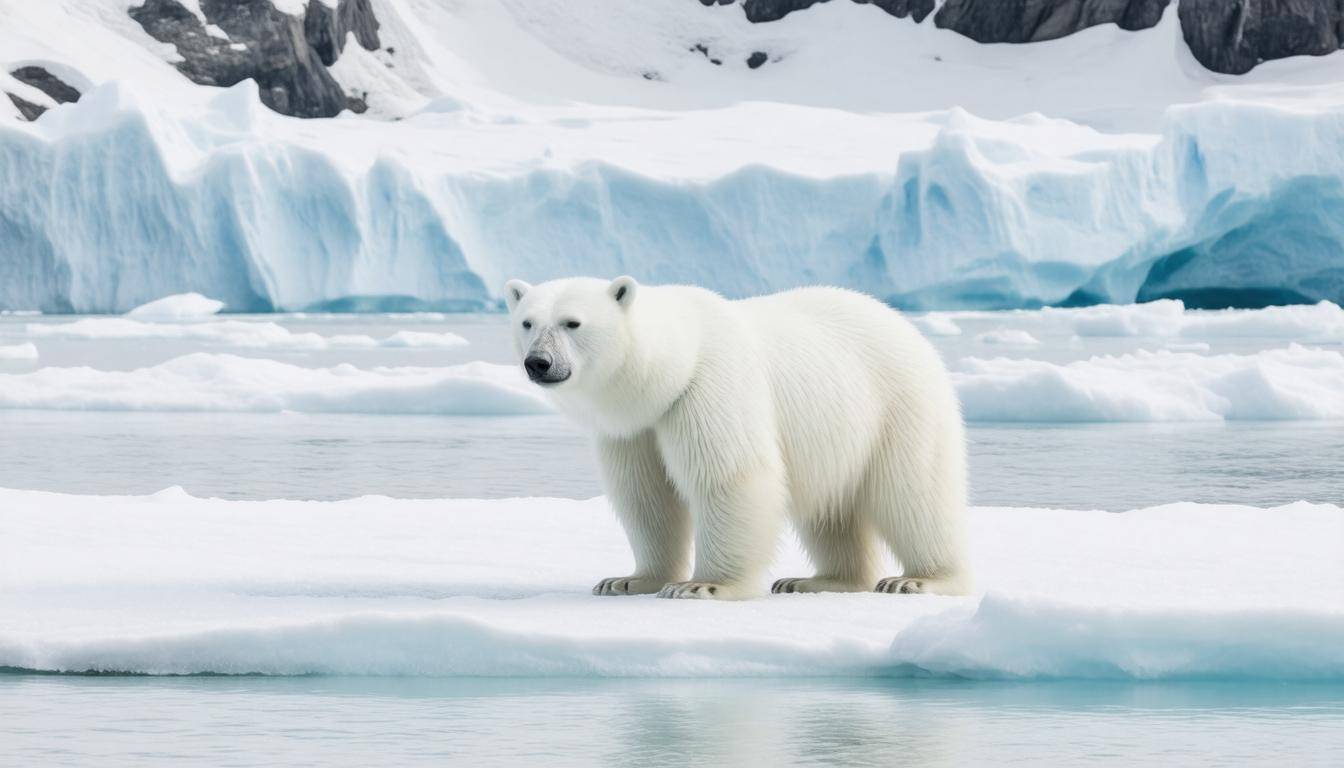
Svalbard is not just a breathtaking landscape; it’s a thriving habitat for some of the most iconic Arctic wildlife. As you journey through this stunning archipelago, encountering polar bears, arctic foxes, walruses, and reindeer might be an exhilarating highlight of your expedition. However, while these encounters can be awe-inspiring, they also come with significant responsibilities. Your safety and the well-being of the wildlife hinge on your awareness and respect for their natural behaviors.
Safety Precautions
Fundamental to safe wildlife encounters is to arm yourself with appropriate gear and knowledge. Carrying items like bear spray and signal flares can be lifesaving. These tools serve as deterrents in case of unexpected encounters with predators like polar bears. However, it’s important to remember that they are not substitutes for common sense. Maintain a safe distance from all wildlife — binoculars or a camera with a zoom lens can help you enjoy close-up views without getting too near.
Always observe animal behavior. Pay attention to signs of agitation or aggression; if a bear stands on its hind legs, it’s assessing the situation and not necessarily aggressive, but be ready to retreat if it comes closer.
When planning hikes or excursions, ensure you’re accompanied by an experienced guide familiar with local wildlife. Their knowledge will enhance your experience and provide expert advice on safety protocols tailored specifically for Svalbard’s unique environment.
Proper Storage of Food
An often-overlooked aspect of exploring wilderness areas is food storage. Keeping your food secure isn’t merely about convenience; it’s crucial for minimizing attractants that could lead wildlife encroaching on your campsite. Storing food in bear-proof containers ensures that curious creatures don’t find easy snacks. Additionally, keeping cooking areas separate from sleeping quarters reduces the likelihood of surprise visits from scavengers during the night.
Maintaining cleanliness around your campsite is just as vital. Dispose of trash properly, avoiding leaving remnants that can tempt animals into your area. This conscientious behavior protects you and helps preserve the natural order of wildlife, allowing them to thrive without becoming dependent on human food sources.
With these precautions in mind, you’re now equipped to navigate the stunning landscapes while ensuring the safety of both yourself and the fascinating wildlife that inhabits this remarkable region. Let’s shift our focus to what essential items you’ll need for your adventure.
List of Essential Survival Items
When embarking on an Arctic expedition, each item you pack contributes significantly to your survival and comfort.
Let’s dive into the essentials and why they are indispensable for your journey.
To begin with, clothing is your primary defense against the elements. Layered thermal insulation ensures that you maintain body heat while allowing for moisture-wicking. This prevents dampness inside your jacket, which can lead to rapid heat loss. Opting for waterproof outerwear, like a Gore-Tex Pro jacket, provides an additional layer of protection against wind and snow. Additionally, breathable garments underneath aid in regulating your temperature effectively.
As you venture further into the Arctic, footwear becomes crucial for mobility and warmth. Waterproof, insulated boots are non-negotiable; they’ll keep your feet dry during slogs through slush and snow while providing adequate insulation from the biting cold. A good choice would be boots that feature a suitable tread pattern to ensure reliable traction on icy surfaces.
Then there’s headgear, which often gets overlooked but plays a vital role in heat retention. A combination of a balaclava, a warm hat, and ski goggles can save you from hypothermia. Ski goggles not only protect your eyes from glare reflecting off the snow but also shield them from bitter winds—making visibility clearer and helping you navigate safely.
For your hands, invest in layered gloves and mittens. This strategy allows you to don lighter gloves for tasks requiring precision, like handling small tools or preparing food. When it gets cold or when you’re stationary for prolonged periods, you can slip on mittens for extra warmth.
When night falls or when you’re ready to rest after a long day of exploration, having a high-rated sleeping bag coupled with a good quality sleeping pad becomes critical. A sleeping bag rated for local temperature extremes—like those capable of handling down to -15°F—helps ensure that you stay warm even as winter settles in.
Now let’s think about sustenance. The ability to cook meals—even in harsh conditions—can make all the difference in maintaining energy levels. Equip yourself with a portable stove, ample fuel supply, lightweight pots, and enjoy the luxury of hot meals. Don’t forget a robust thermos for keeping water or soup warm throughout the day.
Moving on to navigation tools: having accurate maps along with a dependable GPS and compass is vital. While technology can falter at times, holding onto traditional tools ensures that you always have a backup plan if your devices run out of battery or get damaged.
Safety cannot be overemphasized in such a formidable landscape. Your first aid kit should be comprehensive yet portable, equipped with all essentials including bandages, antiseptics, flares for signaling help in emergencies, emergency blankets for warmth and insulation, and bear spray as a precaution against wildlife encounters—especially if you’re traveling in areas where polar bears roam.
Finally, round off your essentials with items like a multi-tool—that one handy gadget you’ve wished you had during countless scenarios—and snowshoes for navigating deep snow more efficiently. Lastly, remember well-sealed food storage bags to secure provisions from wildlife while keeping them fresh.
This list ensures you’re thoroughly prepped to face Svalbard’s extreme conditions and its wildlife challenges; thus making your Arctic adventure both safe and enjoyable.
With proper planning and quality gear, you’ll be well-equipped to explore the breathtaking Arctic wilderness while prioritizing safety and comfort.