
When it comes to skiing in the Swiss Alps, the beauty of the snow-covered mountains can sometimes mask a hidden danger: avalanches. Even the most experienced skiers might underestimate the risks involved, but knowing how to stay safe is essential if you want to enjoy your time on the slopes. This guide will provide you with key insights into avalanche protection measures in Switzerland. You’ll learn about crucial safety gear, how to assess risks from terrain and weather conditions, and various strategies and technologies used to keep both skiers and local communities safe. With the right knowledge and preparation, you can experience the thrill of skiing without unnecessary worry, making every run down those majestic slopes enjoyable and secure.
The Switzerland Alpine Avalanche Protection Guide emphasizes understanding avalanche risks and implementing safety measures, such as checking local advisories, assessing weather conditions, and carrying essential safety gear like transceivers, probes, and shovels. It also advises staying within marked areas and heeding instructions from resort officials to ensure a safe mountain experience.
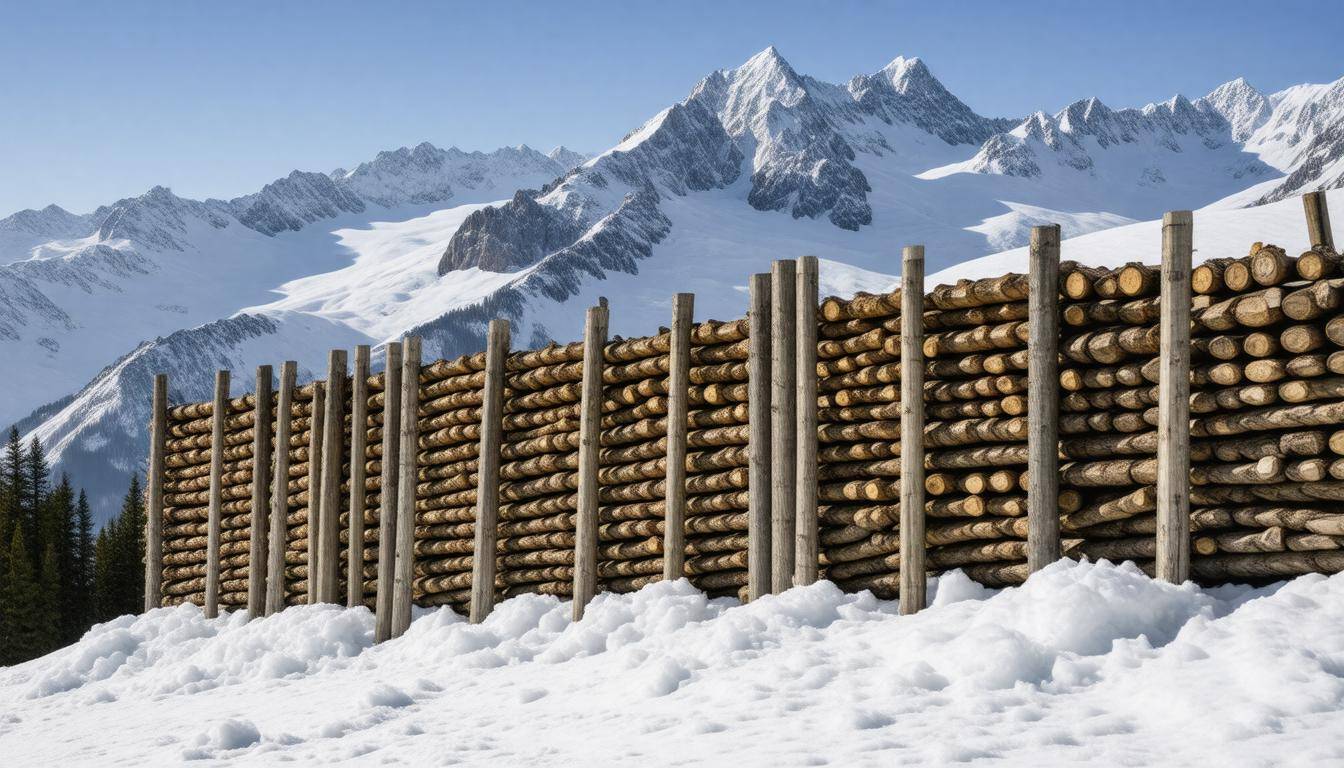
Swiss Alpine Avalanche Protection Measures
Switzerland takes its avalanche safety very seriously, and it’s not just a casual approach. Among the first lines of defense are the physical structures designed to mitigate avalanche risk, such as snow fencing and barriers. These aren’t just decorative pieces on the ski slopes; they serve a vital function. Constructed from robust materials, often reinforced with metal, snow fences are strategically positioned across susceptible slopes. They work by breaking up the snowpack, redirecting any potential slides away from populated areas or ski runs. It’s fascinating to think about how these barriers not only protect buildings but also save lives, creating a safer environment for skiing and other winter activities.
But snow fencing is merely one tool in Switzerland’s extensive toolbox of avalanche protection. Another critical strategy is avalanche blasting. This involves using explosives to deliberately trigger smaller avalanches in a controlled manner before conditions can escalate into a more significant disaster. Typically performed early in the morning before the ski lifts open, these operations ensure that any hazardous accumulations of snow are managed safely. For those unfamiliar with this practice, it may sound alarming, but it’s an important preventive measure that ultimately protects both skiers and mountain communities.
Going beyond structural defenses and controlled detonations, the Swiss utilize zoning and mapping techniques to inform skiers where they should—and should not—go. Detailed topographic maps indicate high-risk zones that adjust continually based on environmental assessments. Such maps help make skiers aware of potential hazards even before they hit the slopes. The ability to differentiate safe paths from dangerous territories cannot be overstated; awareness can mean the difference between life and death.
Avalanche risk levels in Switzerland are classified from 1 (low) to 5 (very high). Knowing these classifications helps skiers make informed decisions when navigating varying terrains.
While these measures are essential for ensuring safety, always remember that personal responsibility plays a significant role in avalanche awareness. Staying informed about your surroundings is just as crucial as understanding protective systems. Let’s explore what constitutes high-risk areas next.
Identifying High-Risk Areas
Recognizing high-risk zones in the Swiss Alps can significantly enhance your safety while skiing or snowboarding. One crucial aspect to consider is the terrain type. Areas with steep slopes, particularly those angled between 30 and 45 degrees, are prime candidates for avalanches. These inclines are notorious for being unstable; they might seem inviting to experienced skiers lured by challenging runs, but they can also hide immense danger beneath their snowy facade.
Alpine Terrain Types
Take, for instance, a beautiful day at Zermatt, where the view of the majestic mountains inspires both awe and ambition. Without proper caution, however, these feelings can rapidly turn to dread. Steep slopes are like loaded dice; the thrill of descending may not be worth the risk. This danger arises from delicate snowpack on these slope angles—where fresh powder piles up yet remains unconsolidated, creating precarious conditions. Skiers often underestimate this vulnerability, leading to unforeseen avalanches that can change lives in an instant.
Avalanche Chutes and Runout Zones
Additionally, identifying avalanche chutes is vital for safety. These natural funnels in the mountainous terrain act like highways for avalanches, directing them downward toward more open spaces known as runout zones. During an avalanche event, snow moving through these chutes gains momentum and can travel faster and farther than expected.
Here are some specific features that skiers should look out for in high-risk zones:
- Steep slopes and hillsides: These areas lace the Alps and must be approached with vigilance.
- Narrow gullies: As snow rushes through these confined spaces, it amplifies both speed and force.
- Cornices and overhanging snow: While visually stunning, they pose significant dangers as they are prone to collapse.
Understanding these characteristics alone isn’t sufficient, as weather conditions can drastically alter avalanche risk levels on any given day; thus, remaining aware of environmental influences is essential as we explore further aspects of this thrilling yet perilous environment.
Influences of Terrain and Weather
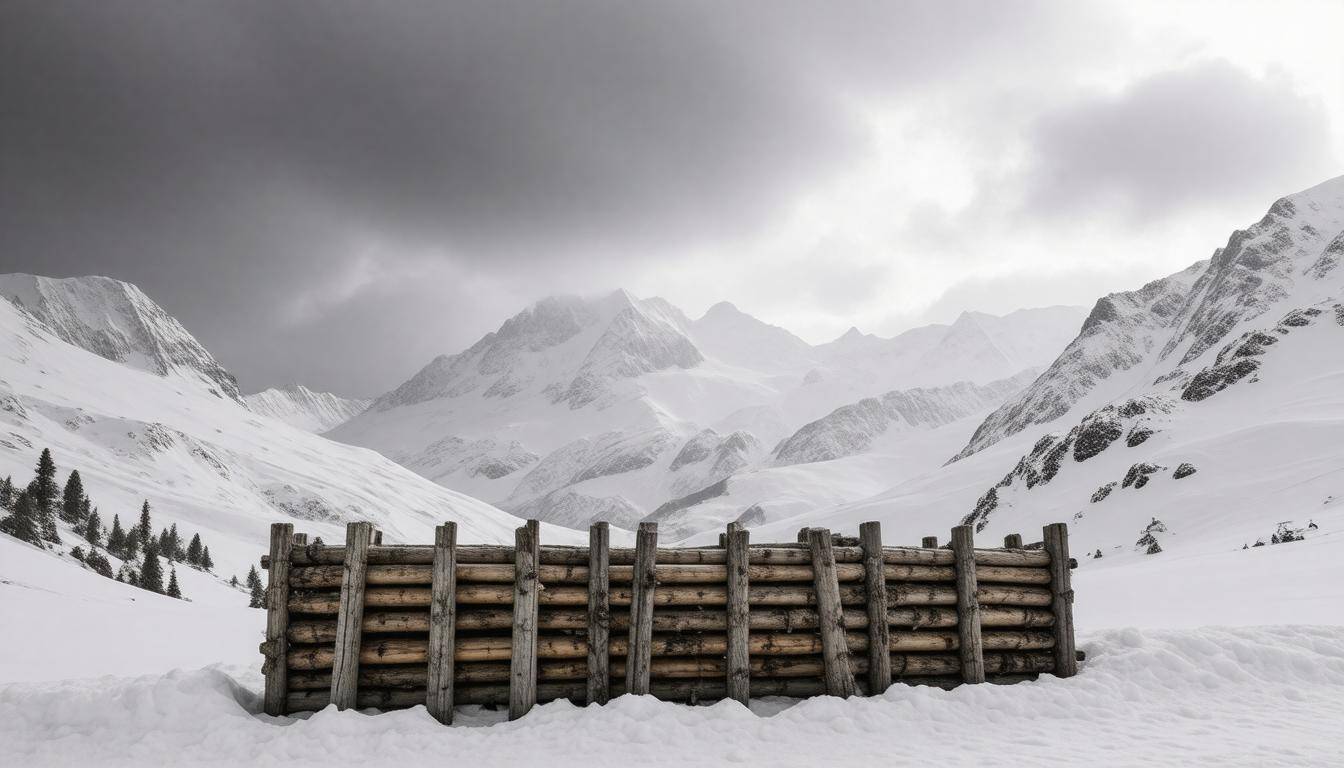
When it comes to skiing in mountainous regions, especially areas like Zermatt, the topography and weather conditions play a significant role in determining avalanche risk. Each slope can behave differently based on its characteristics, making one slope potentially safe while another presents an immediate danger. For example, slope angles between 30° and 45° are particularly susceptible to avalanches. This range is identified as the sweet spot where snow accumulates effectively but can easily slide off under the right (or wrong) conditions.
Terrain Variables
One should not underestimate the impact of aspect—the direction a slope faces—on its stability. A south-facing slope receives ample sunlight during the day, leading to rapid melting of the snowpack. As night falls, this melted snow refreezes and may create a crust layer over softer layers below. This scenario sets the stage for instability; should skiers venture onto such a slope, they could inadvertently trigger an avalanche as they disturb these fragile layers.
Additionally, the roughness of the terrain matters. Rocky or uneven surfaces allow for better bonding among snow layers than smooth surfaces. If the terrain has too many protruding rocks or ledges, it can lead to a “terrain trap,” where an avalanche may funnel down into lower elevations, drastically increasing its force and potential harm.
Weather Conditions
| Weather Condition | Impact on Avalanches |
|---|---|
| Heavy snowfall | Adds significant weight to the snowpack, which can destabilize underlying layers |
| Wind | Transports snow to leeward slopes and creates wind slabs prone to sliding |
| Rapid warming | Weakens the overall structure of the snowpack, making it easier for avalanches to occur |
| Rain | Moisture adds weight, causing the snowpack to become heavy and unstable |
The weather contributes significantly to avalanche risks in striking ways. Following heavy snowfall—especially more than 20 centimeters—avalanche occurrences tend to spike within the next 48 hours. The newly laid snow adds layers on top of older layers that may not have firmed up yet. Thus, skiers should take heed; recent storms can dramatically change the mountain landscape overnight.
Wind is another silent player in this game. High winds can transport loose snow across slopes initiating dangerous wind slabs on certain areas—notably in sheltered zones or behind rocks where wind deposits form. The weight of these slabs may appear innocuous but are often waiting for just a small disturbance to trigger them downhill.
With this carefully outlined knowledge of how terrain and weather influence avalanches, it’s crucial for both novice and experienced skiers to adopt strategies that enhance their safety while enjoying their skiing experience.
Key Prevention Techniques and Equipment
Employing both personal techniques and the right equipment can substantially reduce avalanche risk, particularly in dynamic environments like the Swiss Alps. First and foremost, always ski with a buddy; having someone with you not only enhances your safety protocol but also provides a critical second opinion on terrain conditions because two sets of eyes are undeniably better than one. Avoiding suspicious slopes during unstable conditions is equally important. If you sense that snow can give way beneath you, it’s best to steer clear altogether.
Staying mindful of weather forecasts is key; a storm can shift snow conditions in a flash.
Prevention Techniques
It’s useful to develop habits around quick decision-making while skiing. For instance, if the snow suddenly feels hollow underfoot or cracks appear around you—symptoms signaling instability—immediately vacate the area to avoid potential danger. Recognizing these indicators is critical for upping your survival odds on rugged slopes. Best practices suggest reviewing snowpack stability ratings prior to heading out; areas rated 2 or lower on a scale of 1 to 5 carry heightened avalanche risks.
Another fundamental habit is understanding how avalanches form. Before you glide onto unfamiliar terrain, take some time to familiarize yourself with avalanche principles and terrain types associated with risks. This not only helps you make informed decisions but provides peace of mind as well.
Essential Equipment
Now, let’s turn our attention to gear—your best ally when facing potential avalanche situations. Crucial equipment includes avalanche transceivers, probes, shovels, and airbag backpacks. Avalanche transceivers are particularly vital; studies have shown that individuals equipped with them have a survival rate of 63% in an avalanche compared to just 25% for those without such devices.
| Equipment | Description |
|---|---|
| Avalanche transceivers | Keep track of buried individuals within minutes. |
| Probes | Essential for pinpointing locations of those trapped under snow. |
| Shovels | A must for quick and effective snow removal. |
| Airbags | Deployed correctly, they can significantly lower fatality rates during an avalanche by keeping you closer to the surface. |
The sheer importance of carrying this essential gear cannot be understated; it serves as your lifeline when navigating potentially treacherous landscapes.
Using the Equipment
Understanding how to use each piece of equipment effectively dramatically increases your chances of staying safe. Knowing how to quickly activate your transceiver is crucial—time wasted fiddling could cost lives. Similarly, practice deploying your airbag backpack in a controlled environment before hitting the slopes; knowing how it operates can make all the difference in an actual incident.
For additional context on effectiveness: research shows that performing regular drills using probes and shovels enhances efficiency under pressure, allowing skiers to locate and assist others swiftly when seconds count.
By blending careful personal strategies with reliable gear, you’re building a sturdy defense against the unpredictable forces of nature while skiing these magnificent peaks. As we examine further into safety measures, an important aspect involves the systems in place that monitor and control conditions on the mountains.
Monitoring and Control Systems
Switzerland employs state-of-the-art technology that significantly enhances avalanche safety. One of the backbones of this system is real-time monitoring. The Swiss Institute for Snow and Avalanche Research (SLF) operates over 200 automatic weather stations across the Alps, strategically placed to collect crucial data. These stations provide key information including snow depth, temperature, wind speed, and humidity—data necessary to assess the potential avalanche risk. For instance, when temperatures rise suddenly or new snow accumulates rapidly, these metrics provide a clear picture of when conditions might become dangerous.
Imagine planning a wonderful day out on the slopes but knowing you’re backed by reliable, real-time data that equips you with vital insights before you even strap on your skis! It’s like having a safety net woven from science and technology right beneath you.
As we explore how these systems function, it’s equally important to highlight how control techniques complement the information provided by these monitoring systems.
Real-time Monitoring
Continuous monitoring keeps you informed and serves as the first line of defense against avalanches. Weather stations alert authorities about changing conditions so they can take precautionary measures. Alerts can be sent to local ski patrols and resort operators instantly, ensuring timely communication and informed decision-making for everyone involved. This kind of immediate feedback allows for quicker responses to evolving situations which is critical in a place where conditions can change in minutes.
Alongside monitoring systems, control techniques serve as proactive measures to prevent avalanches before they happen.
Control Techniques
The Swiss authorities have implemented various remote-operated avalanche control systems (ROACs). These innovative tools allow trained personnel to trigger controlled snow releases safely from a distance—reducing the buildup of unstable layers that could later cause larger avalanches. When approached properly, these controlled blasts lessen risks for both skiers on the slopes and those who may be caught in unexpected weather changes.
It’s reassuring to know that while you’re out enjoying the majesty of the Alps, experts are balancing nature through such advanced technologies.
When you’re on the slopes, remember that real-time data from weather stations and remote control systems work hand-in-hand for your safety. You can enjoy your skiing experience knowing you’re part of a comprehensive system designed to make every adventure as safe as possible while making informed choices based on accurate forecasts and current conditions.
Yet, even with these high-tech enhancements in monitoring and control systems, being prepared for emergencies remains paramount; understanding what actions to take when faced with an avalanche can save lives.
Emergency Response Protocols
Swift and coordinated emergency responses are crucial in avalanche situations, but so is being prepared for them. Preparation begins long before you ever set foot on the slopes. It’s essential to familiarize yourself with the immediate response steps to take if caught in an avalanche. Knowing exactly what to do can significantly increase your chances of survival.
Immediate Response Steps
If you find yourself in the terrifying situation of being caught in an avalanche, remember these critical actions:
-
Attempt to escape sideways: This simple maneuver can help you leave the main path of the avalanche flow.
-
Discard heavy equipment: Anything that weighs you down—such as skis or snowboards—should be shed to increase mobility.
-
Use “swimming” motions to stay near the surface: By mimicking a swimming stroke, you’ll help keep yourself aloft as the snow descends.
-
Create an air pocket if buried: If you’re entombed by snow, orient yourself vertically and move one arm up to create a small space; this can allow for airflow while you wait for rescue.
Bear in mind that every second counts during such chaos, so keep these steps imprinted in your memory.
The ability to react quickly is just one part of the equation; having a well-established rescue protocol makes all the difference once an avalanche occurs.
Rescue Protocols
Bruno Jelk, head of the Zermatt Mountain Rescue, emphasizes that “transceivers, probes, and organized search protocols double the chance of survival for buried victims.” These tools are invaluable; they facilitate faster rescues and improve coordination among search teams.
When skiing in avalanche-prone areas, carrying an avalanche transceiver is non-negotiable. This device emits a signal that rescuers can pick up during searches and is critical in locating someone under the snow. Probes also play a significant role—they enable rescuers to pinpoint a victim’s location accurately once they are nearby.
As seen in numerous rescues across ski resorts in Switzerland, organized search protocols—like those put into place by local authorities—significantly enhance recovery efforts. Searchers are trained not only to operate equipment efficiently but to work together seamlessly, further increasing survival odds.
Investing time into acquiring skills and equipment for emergency responses can be just as vital as enjoying your ski day; it’s all about balancing adventure with preparedness. Now, let’s explore how proper planning contributes to safety during outdoor excursions.
Safe Alpine Activity Preparation
The mountain environment can shift in an instant, making preparation essential for both safety and enjoyment. Before you even lace up your ski boots, take a moment to assemble a thorough pre-trip checklist. Start by checking local avalanche advisories and weather forecasts; these offer critical insights into current conditions and potential hazards. If snow has been heavy or winds high, reconsider your plans or stay within safe zones. It’s vital to ensure that all your equipment is in tip-top shape—nothing dampens the thrill of skiing like a malfunctioning snowboard or faulty bindings.
Pre-trip Checklist
In addition to monitoring the weather, consider enrolling in an avalanche safety course. This training equips you with the necessary skills to understand snow patterns, terrain risks, and emergency response fundamentals. Knowing where to ski safely on the mountains, especially with areas prone to avalanches marked clearly on local ski maps, can significantly enhance your capacity to enjoy the slopes without fear.
The next step draws from personal experience: always practice ski drills or engage in some form of physical activity before heading out. Having good stamina helps you navigate tough terrains and ensures you’re mentally prepared as well.
Physical and Mental Preparation
Think of this preparation as similar to gearing up for a marathon: ensure you have endurance for those long runs down the mountain, mental fortitude for difficult decisions when facing unforeseen challenges, and double-check that your gear is appropriate and functioning properly. Perhaps pack extra snacks or hydration supplies—fueling your body will keep you sharp as you tackle those downhill slopes.
Remember that skiing can be both exhilarating and demanding—make sure your heart rate matches your excitement level!
The final element of preparation revolves around staying flexible and adaptable through real-time information access. Regardless of how well you’ve planned, conditions may change rapidly once you’re out there in the elements.
By using smartphone apps or checking with local guide services upon arrival at the resort, you’ll receive live updates about weather fluctuations and snowpack stability. Always keep an eye on avalanche risk levels indicated by criteria such as the European Avalanche Danger Scale; being informed keeps you ahead of danger rather than behind it.
As we continue forward, understanding how to maintain awareness of ongoing developments will further enhance your alpine skiing experience.
Staying Informed and Updated

Proactive engagement with reliable information sources can dramatically lessen the risks associated with avalanches—a crucial reality for anyone who enjoys skiing in the Swiss Alps. Keeping track of changing conditions and forecasts allows you to make educated decisions before you hit the slopes. The landscape can change rapidly due to weather fluctuations; what seems safe in the morning may turn treacherous by afternoon. This underlines the importance of integrating regular updates into your routine.
Reliable Sources
To navigate this dynamic environment, one of the best resources available is the Swiss Institute for Snow and Avalanche Research (SLF). Subscribing to their updates grants you access to real-time avalanche risk assessments and educational materials based on scientific analysis and data regarding snow conditions, previous avalanche occurrences, and weather forecasts.
Additionally, tapping into local alerts from alpine resorts will ensure that you’re aware of specific dangers related to the area you plan to ski in. Many resorts offer mobile notifications or email subscriptions, allowing skiers to receive timely information as conditions evolve.
Think of it as having your personal guide, offering crucial information that could keep you safe while traversing breathtaking terrains.
Utilizing Technology
Integrating technology into your routine can further bolster your safety efforts. Numerous mobile apps are designed specifically for this purpose, and among them, the “White Risk” app from SLF stands out. It delivers current avalanche risk levels tailored to various regions in Switzerland, along with comprehensive weather forecasts—equipping you with vital insights regardless of where you find yourself.
Moreover, apps like OnX Backcountry transform basic GPS mapping capabilities into something extraordinary. They allow users to plan routes while identifying potential hazards based on user-generated data. Ski Tracks is another great choice; it helps document skiing performance while monitoring daily weather through its tracking features. Consider joining forums such as the Backcountry subreddit community—these platforms are filled with user insights where seasoned skiers share their experiences with different apps and strategies for staying informed.
Leveraging these tools isn’t just a precaution—it’s an essential part of your safety strategy when navigating the beautiful yet unpredictable alpine environments.
By tapping into these resources and utilizing modern technology, skiers can become more informed and confident adventurers in Switzerland’s stunning yet potentially hazardous backcountry terrain.
Ultimately, your safety hinges on staying informed and prepared while enjoying the thrill that comes with skiing in such magnificent landscapes.