
As winter blankets the city of Tampere in snow, the challenge of keeping daily life running smoothly can seem daunting. With heavy snowfall, icy roads, and freezing temperatures, it’s easy to feel overwhelmed by the cold reality of winter weather. But what if I told you that Tampere has put together a comprehensive plan to tackle these chilly challenges head-on? This article dives into the city’s Winter Infrastructure Backup Plan, highlighting innovative strategies designed to ensure safety and efficiency during tough winter months. We’ll explore everything from cozy heating systems to reliable transportation solutions—showing just how serious Tampere is about turning winter woes into warm comforts for its residents.
The Tampere Winter Infrastructure Backup Plan includes strategies such as heated tracks, improved snow removal technologies, and efficient communication tools to inform travelers about delays or incidents caused by winter weather. This plan aims to ensure the safety and reliability of public transport systems and maintain smooth operations throughout the winter months.
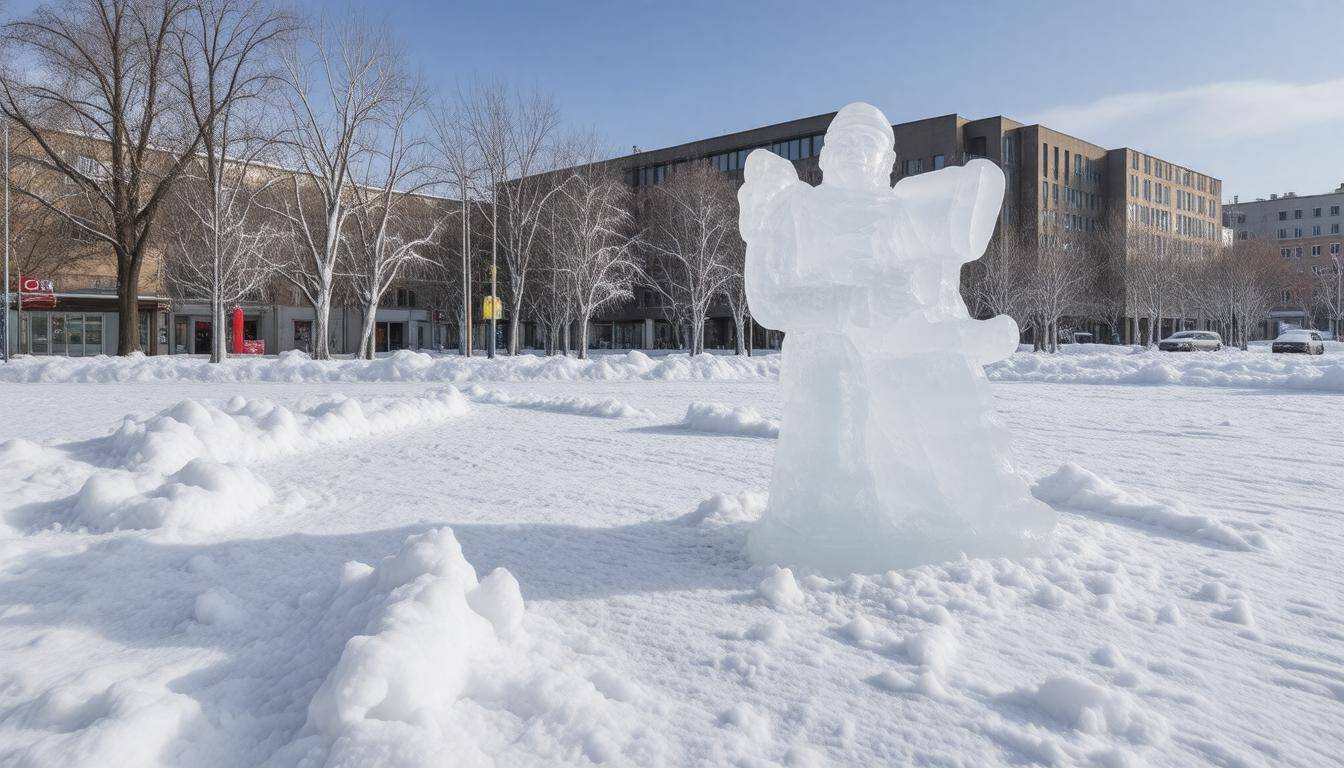
Overview of Tampere’s Winter Infrastructure Backup Plan
Tampere’s strategic approach to winter is a well-oiled machine, designed to ensure that life in the city can continue smoothly during challenging snowstorms. The foundation of this plan rests on critical components that work together seamlessly. The focus starts with efficient heating systems that keep both public and private spaces warm during bitter cold spells. Buildings—from homes to businesses—are equipped with modern heating solutions that prioritize energy efficiency while ensuring uninterrupted warmth. Residents remain cozy, even when the temperature plummets.
However, maintaining warmth alone isn’t enough; the city recognizes the vital role that transportation plays in everyday life.
Resilient public transportation mechanisms are another pillar of Tampere’s winter infrastructure strategy. Trains and buses are designed to operate efficiently in snowy weather and incorporate advanced technologies like heated tracks and specialized snow removal equipment. Many commuters marvel at how smoothly trains glide through heavy snowfall, thanks to the city’s investment in cutting-edge technology. Public transportation maintains an impressive reliability rate of 92% during winter months. When mild weather conditions hit, contingency plans are enacted swiftly—allowing residents to navigate their daily routines without disruption.
With reliable transportation in place, let’s turn our attention to another crucial element: power supply.
Ensuring a continuous power supply through backup generators is paramount for any urban area facing harsh winters like Tampere. Approximately 90% of critical infrastructure facilities—including hospitals and emergency services—are equipped with backup systems that kick in when the main power grid falters. This ensures essential services remain operational, no matter what nature throws at them. The average emergency response time during winter months hovers around 15 minutes, highlighting the city’s commitment to rapid action when needed most.
Yet, it shouldn’t just be the responsibility of the city—community involvement is key.
Resident preparedness adds another layer of safety; this involves educating citizens about winter resilience measures. In 2024 alone, over 5,000 residents participated in winter preparedness workshops aimed at promoting knowledge about safety protocols and emergency responses during severe weather conditions. These proactive measures empower citizens and foster a communal spirit of support and readiness for anything that might arise during long winters.
Finally, all these elements come together under one umbrella: effective management of emergency resources.
Combining these strategies would be ineffective without a well-coordinated management system for emergency resources. During snow storms or other crises, a dedicated team monitors conditions and makes strategic decisions regarding resource allocation and deployment. Continuous maintenance schedules ensure these systems remain up-to-date, and a fluid communication network keeps everyone informed about delays or incidents caused by inclement weather. This cohesive strategy reinforces the idea that a well-prepared community stands ready to face any challenge head-on.
As we consider how cities prepare for severe challenges like winter storms, it’s just as important to understand how they manage their heating resources effectively.
Efficient Heating Systems
The severe winters in Tampere demand robust heating solutions, and at the heart of this strategy is the modern district heating system. This system is not just a feat of engineering; it embodies a commitment to sustainability and efficiency. By utilizing renewable energy sources, the city has made significant strides toward reducing its carbon footprint while ensuring that residents remain comfortable during the notably frigid months.
One of the impressive features of this district heating network is its ability to capture excess heat generated from industrial processes and waste incineration. Rather than letting this heat dissipate into the atmosphere, it is redirected back into the system. This process maximizes energy use and minimizes waste, truly showcasing a circular economy approach. The results speak for themselves: nearly 90% of the city’s heating comes from renewable sources such as biomass, waste heat, and surplus energy, leading to greater resilience against fluctuations in external temperatures.
It’s fascinating to see how this innovative strategy empowers Tampere’s infrastructure, allowing it to maintain a comfortable indoor climate even when outside temperatures plummet.
The efficiency of the heating system stands at an impressive 90%. Such high performance means warmth for the citizens and a sustainable way forward that aligns with global environmental goals. Given the heavy investment—over €50 million in recent years—in upgrading and maintaining this infrastructure, it’s clear that Tampere prioritizes both efficiency and reliability in projected energy consumption.
As winter approaches, it’s important for residents to know how this system affects their daily lives. For instance, the average temperature maintained indoors hovers around a very comfortable 21°C (69.8°F). This means that whether you’re enjoying time in your living room or working in your home office, you can expect to stay warm without worrying about exorbitant energy bills—especially because early booking for heat services aligns with budget-conscious strategies.
Importance of Infrastructure Maintenance
But maintaining this sophisticated network doesn’t just stop at installation; continuous upkeep is essential to ensure its longevity and reliability. Regular maintenance schedules are critical for monitoring the health of these pipelines and identifying any potential weaknesses before they become serious issues. Imagine facing a cold winter night only to discover inefficient heating due to neglected infrastructure!
Citizens are encouraged to be proactive—whether reporting unusual drops in temperature or participating in community discussions about energy policies. Awareness is key when relying on such an extensive system. After all, this heating model isn’t just about convenience; it’s a lifeline during harsh weather conditions.
Transitioning from these vital heating systems, it’s essential to consider how other elements contribute to daily life amidst challenging winter weather conditions.
Resilient Public Transportation
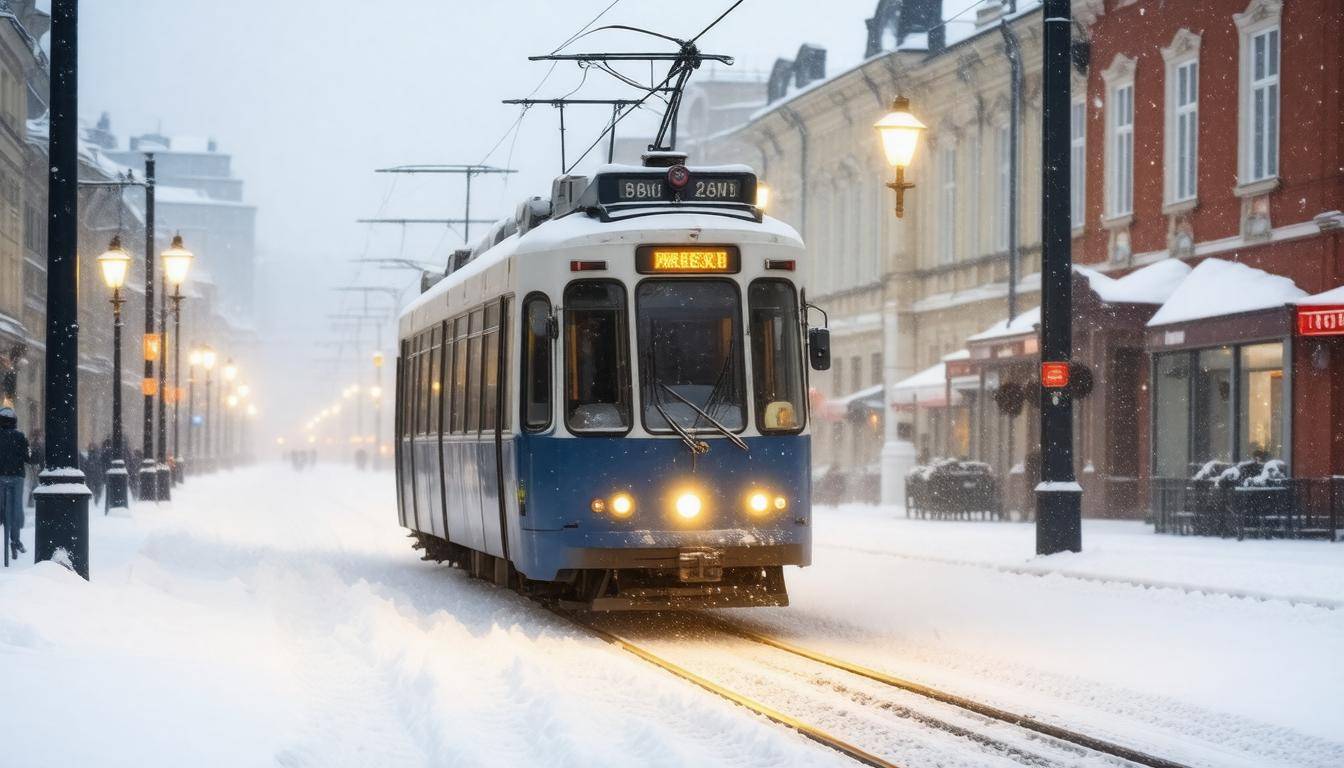
In Tampere, where winters can be particularly unforgiving, ensuring that public transport operates smoothly during heavy snowfall is vital for maintaining daily activities. The city has greatly invested in heating systems and modern technology to provide a reliable transit experience. This isn’t just about getting from point A to B; it’s about ensuring that residents can rely on public transport regardless of weather conditions.
Heated Tracks and Modern Fleet
A standout feature of Tampere’s tram and train systems is their heated tracks, which prevent snow and ice from accumulating. This innovation is a game-changer, especially in extreme winter climates. Instead of facing delays or service interruptions due to icy tracks, commuters can expect consistent operation.
The buses are not left behind either; they come equipped with advanced anti-slip tires in addition to enhanced traction control systems that allow them to navigate slippery roads efficiently. This means that no matter how heavy the snowfall gets, citizens can count on public transport as a safe mobility option.
It’s interesting to note that during the 2023 winter season, despite record snowfalls, the tram services maintained an impressive punctuality rate of over 95%. Such reliability does wonders for public confidence in the transport system. It encourages more people to opt for trams and buses instead of personal vehicles, thereby easing traffic congestion and reducing emissions.
Imagine bustling streets where fewer cars mean less noise and cleaner air!
This cycle of investment and comfort empowers residents to use public transportation, fostering a community that’s both eco-conscious and resilient to winter challenges. As we look at how such advancements impact energy sustainability, it’s essential to explore additional strategies ensuring reliability during extreme weather events.
Ensuring Power Supply Backup
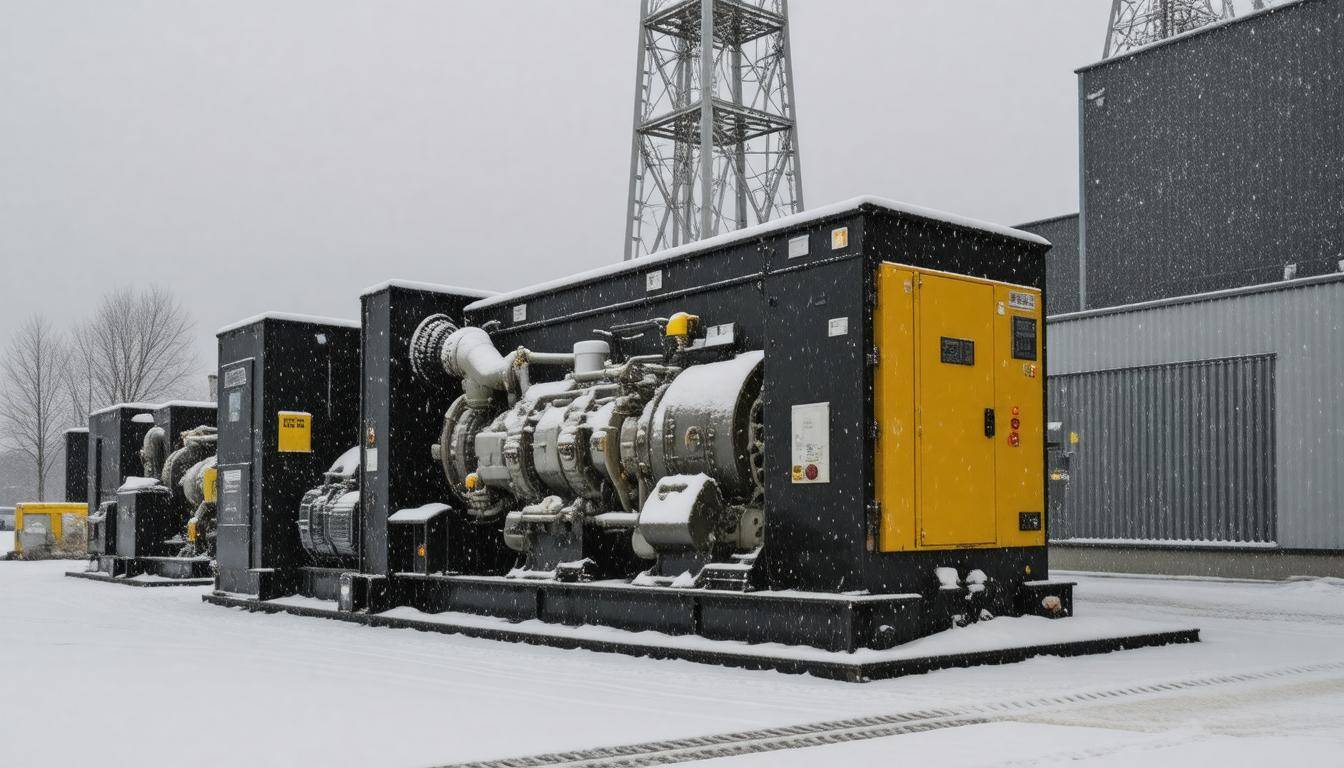
In the heart of winter, when temperatures plummet and the risk of ice storms looms, the stakes for maintaining a stable electricity supply rise significantly. The cold can challenge the most robust infrastructure, making local preparations essential. This is where personal involvement becomes critical, particularly in how households can further safeguard against interruptions in power supply. Think of it as a community effort—while the city’s investment in backup generators is impressive, individual homeowners must also equip themselves with the necessary tools and knowledge.
Personal Backup Solutions
One way homeowners can prepare is by considering their own backup power solutions, such as portable generators or uninterruptible power supplies (UPS). Portable generators have become more accessible, allowing residents to run basic appliances during an outage while keeping safety at the forefront. Knowing what type of generator to operate, whether fueled by gasoline or propane, comes down to understanding one’s needs and risks. For example, a small unit might be sufficient for maintaining refrigerator functionality while a larger model can support heating systems.
“Being prepared means never having to worry about whether your power will stay on,” says local resident Jarmo Korkeakunnas.
According to surveys conducted by city officials, nearly 60% of Tampere residents are investing in some form of backup system since implementing the municipal generator network. This trend reflects a growing commitment to energy resilience at a grassroots level.
Beyond purchasing equipment, education plays a vital role in readiness during emergencies.
Educational Initiatives
Engaging community education initiatives can empower citizens with critical skills and strategies for managing potential power disruptions. Workshops on basic generator operation, safe usage protocols, and emergency preparedness should be organized regularly. These educational sessions provide valuable insights into effectively utilizing personal backup systems during outages.
Additionally, training programs focusing on energy conservation tips or alternatives like solar-powered systems could enhance long-term sustainability within households. When individuals share knowledge on minimizing energy consumption during peak winter months or investing in renewable sources like solar panels, they’re creating not just backup plans but fostering an eco-conscious mindset among the community.
Such steps not only ensure immediate comfort during power outages but also build toward a greener future.
Together with municipal efforts and individual responsibility, building a resilient energy strategy becomes a comprehensive endeavor that preserves safety and comfort for all.
Relying solely on city infrastructure isn’t enough; it requires collaboration between local authorities and empowered residents working toward common goals. As individuals become more equipped through education and resources like generators, enhanced reliability in their power supply amid harsh winter conditions will follow.
As we explore further, practical steps for individuals and families will play a pivotal role in ensuring collective resilience.
Resident Preparedness Tips
Each resident can take proactive steps to safeguard themselves and their families against the unpredictable nature of winter weather. Start by stocking up on essential supplies; having an ample supply of non-perishable food—like canned goods, rice, and pasta—along with clean, drinkable water is vital. Aim for about three days’ worth of supplies per person. This gives you a buffer during sudden snowstorms when trips to the store may not be feasible.
Equally important is maintaining an emergency kit filled with practical items that can be lifesavers. Include candles for light, batteries, and flashlights to ensure you have reliable sources of light during power outages. Think about your family’s unique needs; if you have pets, include pet food and any necessary medications or supplies for them as well.
Naturally, insulating windows and doors is another critical step in winter preparedness. Drafty windows or poorly sealed doors can lead to significant heat loss, making your home uncomfortable and forcing your heating system to work overtime. Simple solutions like using weather stripping or thermal curtains can create a warmer home environment while saving energy costs.
Also, consider keeping a battery-operated radio handy. This will allow you to receive real-time updates from local news sources about weather conditions or emergency alerts that may affect your area. In severe weather events, knowing what’s happening outdoors can be incredibly reassuring.
Lastly, one of the best preventive measures is regular maintenance of your heating systems. Before winter sets in each year, schedule inspections for heaters, furnaces, or wood stoves to ensure they’re functioning properly. A well-maintained heating system not only operates more efficiently but significantly reduces the risk of malfunctions during critical times when warmth is essential.
It might seem cumbersome at first to gather all these items, especially if you feel prepared already. However, remember: being genuinely ready means feeling secure when winter hits hard. Taking these proactive measures now could mean all the difference when faced with unexpected challenges later on.
With just a few preparations in place, individuals can bolster their chances of staying safe during the winter months. As we look forward, it’s essential to examine how resources can be managed effectively in times of need.
Emergency Resources Management
Effective management of emergency resources is critical in mitigating the impacts of severe winter conditions. When the roads become treacherous and visibility drops, it’s essential that a city has a robust plan in place to respond swiftly and effectively. This begins with a centralized coordination system that integrates various aspects of emergency response, ensuring all hands are on deck when conditions turn dire.
Centralized Coordination
In Tampere, the heart of this system is the centralized emergency coordination center, operating around the clock and monitoring weather conditions in real-time. Imagine a room buzzing with activity, where experts analyze data from advanced forecasting technologies and communicate instantly with field crews. When a heavy snowfall hits, this center springs into action; it can dispatch resources like snowplows without hesitation. For example, during a major snowstorm in February 2024, the center facilitated the deployment of over 200 snowplows within just one hour.
Such rapid mobilization kept major roads clear and accessible, significantly reducing hazards for everyday commuters who rely on these routes to get to work or school.
What’s remarkable about this centralized approach is that it minimizes service disruptions across the board. Quick response times enable not only snow removal but also allow emergency services—such as ambulances and fire trucks—to reach affected areas promptly, ensuring public safety remains uncompromised even in the worst weather conditions.
Moreover, efficiency in emergency resource management extends beyond immediate responses; it also includes planning for transportation services that can adapt during adverse weather events.
Understanding how these resources are managed effectively shows us why community awareness programs are vital. They can improve overall preparedness by educating residents about potential challenges they might face and how to navigate them. Citizens can learn about safe travel routes during storms or what supplies to keep on hand if they find themselves stranded at home due to inclement weather.
By engaging the community in this way—encouraging them to be proactive rather than reactive—Tampere enriches its resilience against winter’s fury. Certainly, this engagement aligns with ongoing assessments of critical infrastructures like bridges and public transportation systems, ensuring stability even when temperatures dip dangerously low.
Strong emergency resource management comprises not just preparedness but also swift execution and continual improvement based on community feedback and technological advancements. To fully appreciate these strategies’ impact, let’s transition into how effective planning supports safe passage through winter storms.
Transportation Services in Snowstorms
Transportation is not just about movement; it serves as the lifeblood of a community, especially during challenging weather conditions. When snowstorms strike, the way we navigate our roads and transport ourselves can make all the difference between chaos and order. Understanding how transportation services operate during these icy events helps us appreciate the effort that goes into keeping things running smoothly.
Road Clearing and Maintenance
At the heart of combating snow-covered roads lies a dedicated fleet of snowplows and salt spreaders. These machines are like guardians of our streets, tirelessly working around the clock to clear the snow and treat conditions that can be treacherous for vehicles. The strategy is simple yet effective: major roads are given priority for clearing, ensuring that highways remain passable for emergency vehicles and commuters alike, followed closely by arterial and residential streets. This tiered approach allows for efficient use of resources while minimizing traffic disruptions.
| Type of Road | Average Clearing Time |
|---|---|
| Major Highways | 1-2 hours |
| Arterial Roads | 3-4 hours |
| Residential Streets | 6-8 hours |
These clearing times, however, are contingent upon several factors including snowfall rates, wind direction, and temperatures. It’s worth noting that during severe storms with heavy accumulation, these times might extend beyond what is typical. Thus, understanding that variability can help set expectations ahead of time.
Communication becomes paramount in these situations. Public advisories are issued regularly to keep residents informed about current road conditions. They also serve to encourage people to consider using public transit where possible; this not only reduces traffic congestion but also allows more room for snow removal operations to do their work efficiently.
By staying cautious and informed, individuals can plan their outings better, reducing unnecessary risks on slick roadways.
While everyone hopes for sunny skies and clear roads, knowing that transportation services are underpinned by effective planning fortifies a community’s resilience against the unpredictability of winter storms.
With this understanding of transportation strategies in place, we can now turn our attention to reviewing and updating essential plans which further enhance preparedness for extreme winter weather.
Plan Review and Updates
Regular reviews and updates of the Winter Infrastructure Backup Plan are not merely bureaucratic formalities; they are fundamental to sustaining and enhancing the city’s winter readiness. By conducting systematic assessments, city officials can identify strengths and weaknesses in current systems and strategies. This proactive approach empowers the city to adapt, addressing challenges that may arise due to evolving weather patterns or infrastructure demands.
Biennial Assessments
The city conducts assessment reviews every two years, a rhythm that allows for timely insights and thoughtful implementations. These biennial assessments shine a light on aspects of the infrastructure that may require fine-tuning or outright overhaul.
In the aftermath of the 2021 review, for instance, Tampere made significant strides by investing in modern snow-clearing machinery. Such enhancements improved operational efficiency and showcased the city’s commitment to utilizing cutting-edge technology for better public service.
Proactive measures like these translate directly into tangible benefits for the community.
Following implementation of the new equipment, updates were made to public communication methods as well. Improved communication ensures that residents receive real-time information about snow removal schedules, traffic advisories, and emergency protocols.
This dual strategy—updating machinery alongside enhancing communication—demonstrates a holistic approach to urban planning and management.
Results of Updates
Notably, these updates have resulted in a remarkable 30% quicker response time during adverse weather conditions. This improvement represents reduced frustration for residents and increased safety on the roads. Analyzing performance data from before and after these changes shows that efficiency scales well when cities take decisive action based on collected feedback.
Such results underscore why continuous assessment is pivotal: it not only fortifies winter resilience but also fosters community trust in municipal capabilities. The residents see their local government taking actionable steps to improve their safety and quality of life. Maintaining an updated plan becomes a key pillar of urban living—ensuring that citizens can navigate winter conditions with confidence amid nature’s unpredictability.
With a robust framework for ongoing reviews, Tampere is well-equipped to tackle future challenges posed by winter weather, ensuring that safety and functionality remain at the forefront of urban infrastructure considerations.
The ongoing commitment to reviewing and updating infrastructure plans reflects a dedication to serving the community effectively, fostering both safety and reliability throughout harsh winter months.