
Flooding can be a terrifying experience, especially in areas like Tanzania where heavy rains affect so many lives. But there’s good news: being prepared can make a huge difference. Imagine knowing exactly what to do when the skies darken and water starts to rise. That peace of mind comes from taking specific steps long before disaster strikes. In this article, we’ll guide you through essential measures for protecting your home and family, providing you with a thorough checklist to help you feel equipped and ready. Whether it’s gathering supplies or creating a community response plan, we’re here to help you navigate the flood waters—literally and figuratively!
The Tanzania Flooding Protection Checklist should include key steps such as staying informed about weather forecasts, stocking emergency supplies like food and water, turning off utilities during floods, elevating furniture to protect it from water damage, and having an evacuation plan ready for your family. Additionally, consider incorporating products like flood barriers and utilizing local resources or organizations focused on flood preparedness for a more effective strategy.
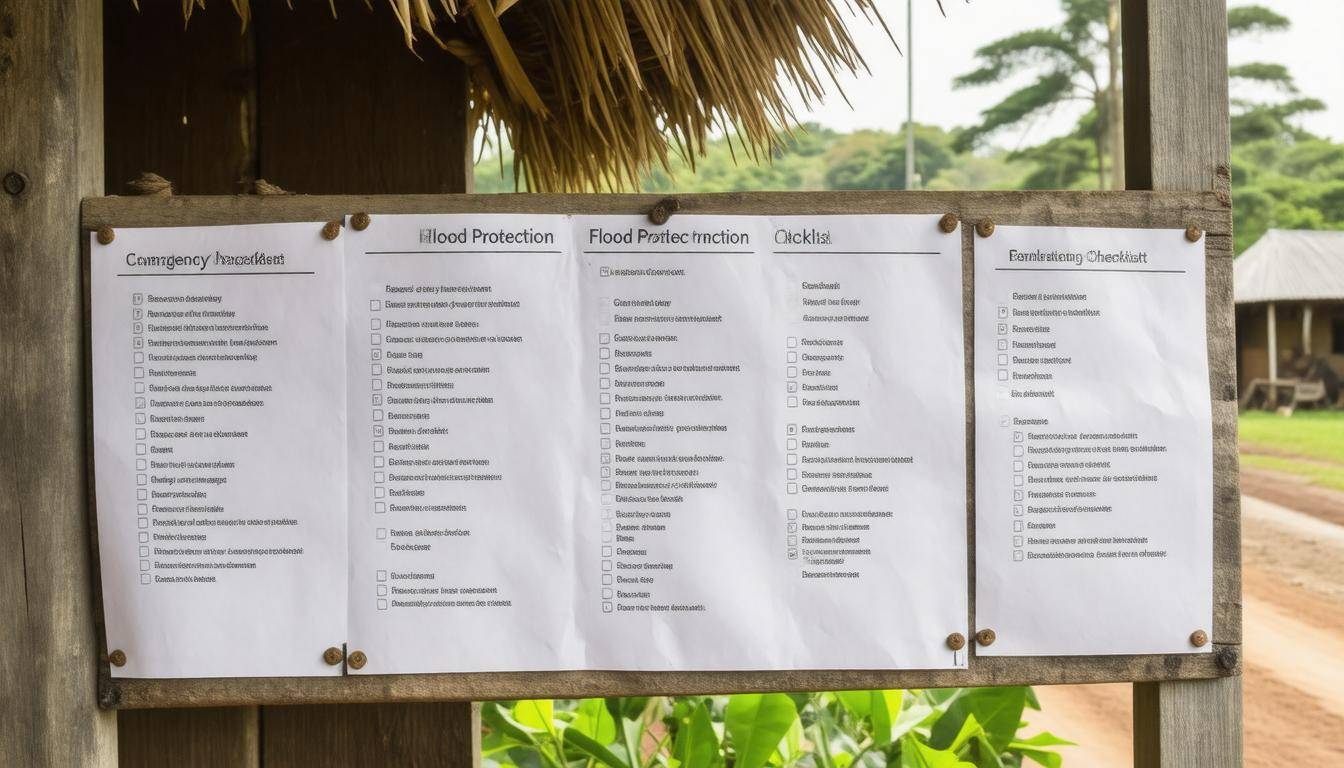
Your Flooding Protection Checklist
Preparing for a flood involves several critical steps, divided into distinct phases: before, during, and after the flood. Each phase has specific actions that can determine the difference between chaos and effective management.
Before the Flood
First, stockpile essential materials like sandbags, waterproof tarps, and a portable pump. These items serve as your frontline defense against incoming water, allowing you to create barriers and redirect floods away from your property. Using sandbags effectively requires knowledge; they should be stacked to form a levee where water is expected to rise.
Don’t underestimate the importance of securing all your important documents in waterproof containers. Documents like identification papers, insurance policies, and financial statements can be crucial during recovery but are often lost to damage if not protected beforehand. Employing clear labeling will help you quickly find what you need amidst distress.
Consider installing flood sensors and alarms in vulnerable areas of your home. These devices can alert you to rising water levels well before the situation becomes critical, buying you precious time to act—time that can mean getting your family to safety.
During the Flood
When the waters start to rise, safety comes first: turn off electricity and gas supplies immediately. This action prevents potential electrical hazards or explosions from damaged lines. Proper grounding of appliances outside of the flood zone can also serve as added protection.
It is paramount to move your family to higher ground with an emergency kit that contains essentials such as food, water, and medical supplies. Always have enough provisions for each family member for at least three days; this includes non-perishable food and one gallon of water per person per day.
Ensure that everyone in your household understands emergency contacts and procedures. When disaster strikes, confusion can escalate stress levels significantly; having a clear understanding of what to do allows families to support one another better.
After the Flood
Once the waters recede, start by documenting any damage through photographs which will support insurance claims. Taking these pictures promptly helps capture the extent of your loss before cleanup efforts begin obscuring evidence.
Begin the cleanup process with protective gear including gloves and masks to avoid health hazards such as mold exposure or contaminated mud. It’s easy to forget about personal safety amidst the rush to restore normalcy; however, investing that extra caution now saves you significant trouble later on.
Lastly, contact local authorities for guidance on safe practices regarding food and water post-flood. There may be contamination risks in your local area that could affect the safety of your drinking supply or sanitation facilities—staying informed ensures you don’t unintentionally expose your family to further risks.
Through these precautions and actions outlined in your checklist, you create a framework that empowers you and your family during potentially devastating times.
As we shift our focus from immediate readiness, it becomes essential to explore specific measures that can be taken even before flooding occurs.
Pre-Flooding Measures
Taking proactive steps in advance of a flood can make all the difference, not just in terms of protecting your property, but also in ensuring the safety of your family. Effective measures include securing your home against water intrusion and engaging with the community through educational initiatives. The beauty of these strategies is that they are straightforward and can be done incrementally as part of your routine maintenance.
Secure the Home
One key recommendation is to install backflow valves or plugs. These simple devices act as barriers, preventing floodwater from surging back up through drains or plumbing systems. Imagine a heavy rain followed by an unexpected crested river; without these protective measures, basements and ground floors can quickly become submerged. By proactively addressing this risk, you can save yourself from the heartache of costly repairs and loss of cherished belongings.
In places where flooding is more frequent, consider taking additional precautions such as elevating furniture and utilities out of reach from anticipated flood levels. Even relocating important documents can make a significant difference when floodwaters rise unexpectedly.
Community Drills and Education
Engaging in community-based flood drills is particularly valuable. These exercises help ensure everyone knows their evacuation routes and safety measures, creating a culture of readiness in neighborhoods. Familiarity with procedures can empower individuals to respond quickly when an alert is issued.
According to organizations like Justdiggit, conducting regular drills has demonstrated an impressive 25% improvement in response times during actual flooding events. This statistic highlights the critical impact systematic preparation has on saving lives and mitigating damage.
It’s not just about what you do inside your house; understanding how your community will react is equally vital. Informed citizens not only support each other but also contribute to creating a resilient environment capable of withstanding nature’s challenges.
These pre-flooding measures may significantly diminish potential damage, but they must be revisited regularly to incorporate new information and technologies for enhanced effectiveness. Moving forward, it’s essential to focus on the immediate response actions required once a flood occurs.
Emergency Response Actions
Immediate actions during floods can mean the difference between life and death, so understanding and preparing for quick response steps is vital. When the waters rise, having a plan eases anxiety and improves your chances of safety. It’s important to act swiftly and efficiently as soon as flooding is imminent.
Alert Systems
One of the first steps is staying informed through reliable alert systems. Sign up for multiple channels including SMS alerts from local authorities, listen to community radio broadcasts, and stay aware of announcements made by loudspeakers in your area. The more sources you rely on for information, the better prepared you will be to make quick decisions.
For instance, communities often utilize an integrated system combining mobile alerts with traditional radio announcements to cover a larger demographic; this redundancy keeps you informed during critical moments.
Evacuation Protocol
Having an evacuation protocol is paramount. Just look at how Arusha coordinated evacuations during the 2023 floods—an impressive feat where over 20,000 people were relocated to safety within hours. Such efficiency underscores the importance of an established procedure.
Additionally, consider designating a meeting point for all family members that is well-known, accessible, and above flood risk zones. This ensures everyone has a clear destination if separation occurs amid chaos.
First Aid and Medical Response
While getting to safety is important, ensuring that your family knows basic first aid skills is equally crucial. Training in CPR and treating minor wounds could save lives in emergencies when professional help may take time to arrive. Assembling a first aid kit containing antiseptics, bandages, and necessary medications should also be part of your preparation strategy.
Equipped with both knowledge and materials, you can handle small injuries that could escalate in stressful situations.
With these emergency response actions outlined, we now shift our focus to how we can fortify our infrastructure for greater resilience against future flooding events.
Infrastructure Resilience Strategies
Effective infrastructure goes beyond mere construction; it consists of thoughtful designs that can absorb and mitigate the impact of flooding. In Tanzania, various strategies have been implemented to protect communities from the immediate threats of floods and enhance their overall resilience against climate impacts. By combining structural and non-structural approaches, these strategies aim to create a more sustainable environment for all.
Building Water Bunds
One successful initiative has been the creation of water bunds, which are barriers made of soil or other materials that capture and store rainwater. For instance, Justdiggit has transformed over 430,000 hectares of Tanzanian landscapes from arid desert into promising grassland through this technique. The benefits of water bunds extend beyond aesthetics; they play a vital role in reducing flood risk by allowing rainwater to be slowed down and stored effectively while simultaneously replenishing groundwater sources. As rainwater collects behind the bunds, it can gradually infiltrate the soil, preventing surface runoff and erosion while improving local agricultural productivity.
Reinforcing Riverbanks
Another essential strategy is reinforcing riverbanks to prevent erosion during heavy storms and floods. Local communities benefit from employing methods like gabions—wire mesh baskets filled with stones—or rock armor along vulnerable riverbanks. This creates a physical barrier that stabilizes the banks against fast-flowing water. Implementing these solutions should not be arbitrary; consulting local engineers or experts ensures that designs consider specific environmental conditions and community needs.
Urban Planning
Urban planning also plays a crucial role in flood resilience. Incorporating green infrastructure like rain gardens or permeable pavements allows urban areas to manage excess rainwater effectively. Rain gardens—shallow depressions planted with native vegetation—absorb rainwater runoff and provide natural filtration before it reaches water systems. Similarly, permeable pavements allow stormwater to pass through surfaces instead of pooling on top. These methods not only reduce the volume of water entering drains but also enhance biodiversity in urban settings.
By implementing these infrastructure strategies, communities can adapt to changing climate conditions while preserving their natural surroundings. This proactive approach sets the stage for further discussions on safety measures that need immediate attention during extreme weather events.
Immediate Evacuation Plans
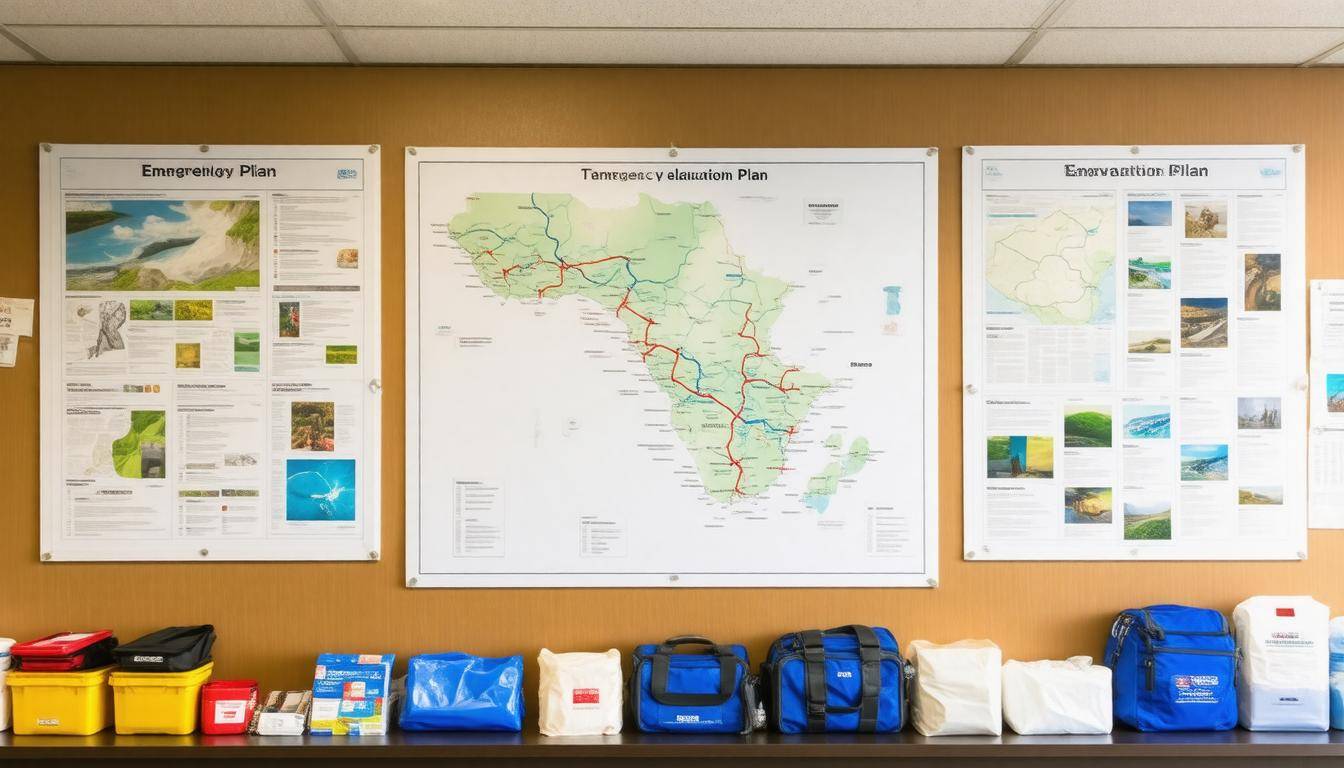
Having a robust evacuation plan can significantly reduce the risk to human life during a flood. Every community should know exactly what to do and where to go when disaster strikes. This planning starts with well-defined procedures that everyone can access and understand, ensuring that panic doesn’t take over when time is of the essence.
Designate Safe Zones
One of the first steps in crafting an effective evacuation plan is identifying safe zones within the community. These zones should be located on higher ground or in flood-resistant building structures, allowing residents to gather safely away from danger. Clearly marking these areas with signage can facilitate a smooth evacuation process.
It’s also beneficial to designate multiple safe zones in case one becomes inaccessible, providing families options based on their location and circumstances when an emergency arises.
Community leaders should ensure that everyone is aware of these designated safe areas through neighborhood meetings or informational pamphlets.
Communication Plan
Equally critical as knowing where to go is having a solid communication plan in place. Make sure every family member has access to emergency contact numbers including local authorities, fire departments, and nearby shelters. Establish a method for disseminating information during an emergency; this could include creating a phone tree, utilizing social media alerts, or even setting up community radio broadcasts to keep everyone informed about evacuation procedures and updates on the flood status.
It’s recommended that each family practice this communication plan regularly to ensure readiness; drills will help reinforce the importance of keeping calm and rapidly following established protocols. For example, rehearsing calls to pre-determined contacts during a drill can avert confusion during actual emergencies.
The efficiency of your evacuation efforts relies heavily on effective communication and planning; as logistics become clearer, communities can prepare for what lies ahead and better equip themselves for safety measures. Now, we can explore the next phase in disaster preparedness focusing on informative initiatives for all community members.
Community Education Programs
Knowledge is indeed a powerful ally in disaster preparedness, especially when it comes to the unpredictable flooding challenges faced in Tanzania. By engaging the community through education, we create a well-informed populace capable of taking necessary actions before, during, and after a flood event. These programs serve not just as information sessions but as foundational steps towards a resilient community.
Workshops and Training
One effective way to foster this understanding is through comprehensive emergency preparedness workshops. Participants can learn how to build an emergency kit, which is crucial when flooding threatens their homes. Such kits should include essentials like non-perishable food, clean water, first aid supplies, and important documents packed securely in waterproof bags. Teaching individuals simple techniques on navigating floods—whether it’s finding safe routes or recognizing rising waters—can make all the difference.
Furthermore, implementing school programs aimed at teaching children about flood safety can instill these practices early on. Engaging kids in educational activities will prepare them for potential emergencies and empower them to communicate these lessons at home, spreading awareness within families. Imagine classrooms bustling with enthusiasm about learning flood navigation, where children actively discuss how to respond in emergencies—this knowledge creates ripples of safety throughout the community.
Public forums and local media are excellent platforms for public information sessions that inform residents about current flood risks and promote resilience strategies within neighborhoods. Leveraging town halls or community centers to disseminate actionable information provides direct access for people from various backgrounds. Information shared visually through posters or flyers can serve as constant reminders of the strategies they need to adopt.
Public Awareness Campaigns
Well-executed public awareness campaigns have proven effective in fostering communication around pressing environmental issues. For example, organizations like The Great Green Wall Initiative utilize social media to share educational content effectively. Drawing inspiration from such initiatives, communities could develop similar outreach methods for flood preparedness—not just sharing facts but telling compelling stories of resilience and recovery after floods.
Effective communication can see community members adapting new behaviors that dramatically improve their readiness for floods. An informed populace reacts faster, knows how to save lives, preserve property, and contributes positively to community recovery efforts.
Final Considerations
Lastly, evaluating the effectiveness of these educational programs is equally crucial. Implementing feedback mechanisms, such as surveys or follow-up assessments following workshops, allows organizers to measure knowledge retention and readiness levels within the community. By teaching residents how to anticipate flooding events proactively and react appropriately, we can build a culture of preparedness that safeguards both people and property against future emergencies.
As we explore further into preparedness strategies, turning our attention to monitoring systems can be vital for staying ahead of impending threats.
Monitoring Weather and Flood Alerts
Keeping an eye on weather conditions can feel daunting, especially when climate change is making extreme weather more common. Understanding how to effectively monitor these alerts can provide you with crucial time to act before flooding occurs. This means not just passively waiting for news but actively engaging with available resources to stay ahead of the storm.
Real-Time Monitoring Systems
Using technology is one of the most effective ways to keep informed about impending weather conditions. Applications like Weather Underground or AccuWeather provide real-time updates tailored to your specific location. They can alert you to developing storms, rising water levels, or changes in precipitation patterns that could signal a potential flood situation. Additionally, local governmental resources often have websites or social media accounts where they post warnings and safety information. Setting notifications on your phone for these resources ensures you won’t miss a beat when it matters most.
It’s not just nature’s unpredictability you must contend with; timely access to information can be your best ally against floods.
Local Community Networks
In rural regions of Tanzania, where access to technology may vary, creative solutions have emerged. Communities have successfully implemented text message-based alert systems that swiftly disseminate flood warnings among members. These local networks serve as a vital lifeline, allowing people to coordinate responses and prepare accordingly. Community leaders often play a pivotal role in ensuring that everyone is informed—whether it’s by organizing meetings to discuss weather awareness or simply sharing information through word of mouth.
The Importance of Collaborative Efforts
Having reliable communication channels is essential but equally important is collaboration within the community itself. When residents work together—sharing knowledge about past flood experiences, potential escape routes, or areas most at risk—they build resilience against flooding events. Consider creating neighborhood groups focused on monitoring weather alerts and preparing emergency plans. This proactive measure empowers communities and can save lives.
Regularly monitoring this data helps in adapting proactive measures, ensuring safety as well as fostering a sense of community responsibility.
By establishing reliable monitoring systems and encouraging local communication strategies, we can collectively improve our readiness for unexpected flooding scenarios. As we face the reality of more frequent climate-induced weather events, these steps are crucial for safeguarding lives and livelihoods in Tanzania.
Moving forward, let’s explore how we can adjust our strategies and approaches to confront the evolving environmental challenges we face.
Adapting to Changing Conditions
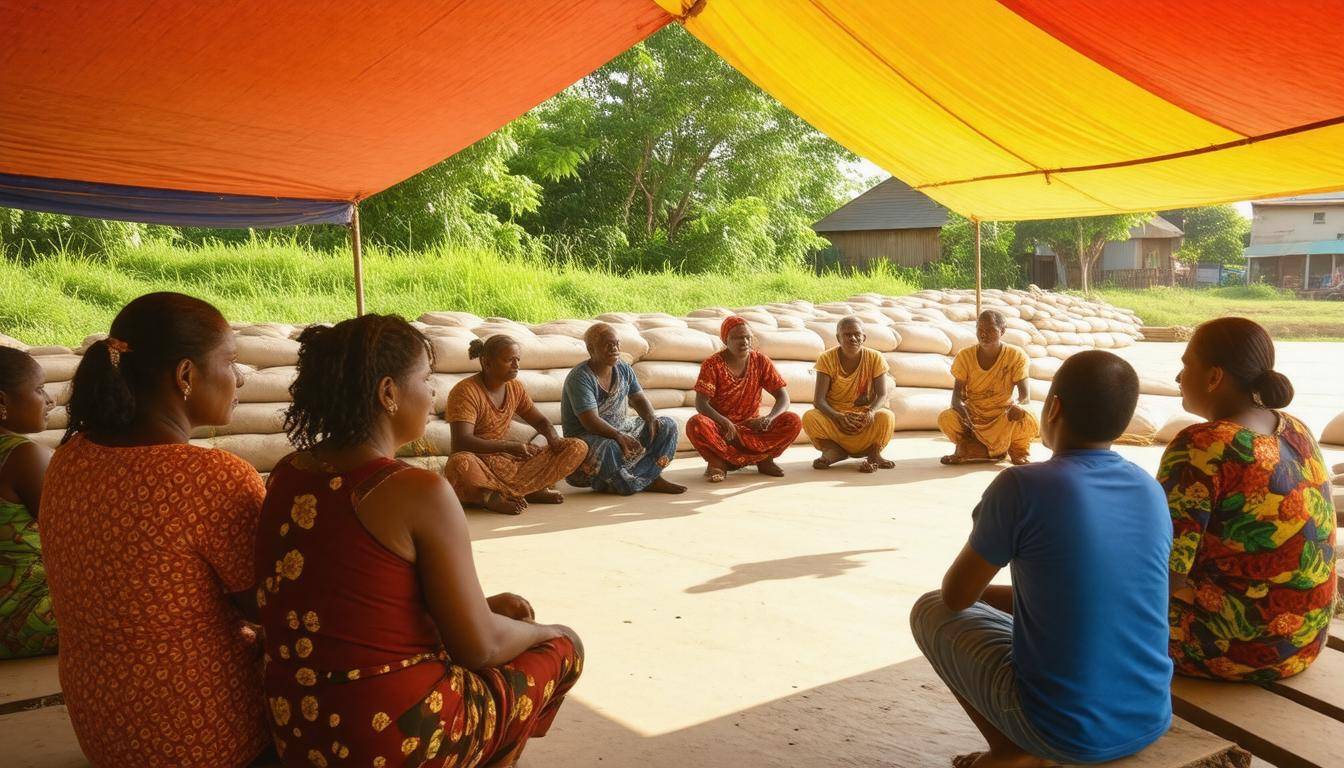
Being adaptable in the face of unpredictability is crucial, especially regarding flooding in Tanzania. As weather patterns shift and unexpected floods occur, establishing flexible plans is essential for ensuring safety and reducing damage.
One practical approach is to review and update plans regularly. This means revisiting your emergency protocols every few months or even more frequently after significant weather events. By doing this, you can incorporate lessons learned from previous floods and adjust strategies based on current environmental data or local developments.
For instance, if a particular region experienced flooding that was not anticipated, understanding what went wrong can help refine your plans. What community resources were lacking? Were there warning signs that were missed? Regular updates can help you prevent history from repeating itself. Don’t be afraid to make changes; the environment constantly evolves, so your response plans should too.
Another crucial step in adapting involves investing in research to fortify your preparedness further.
Invest in Research
Engaging with local universities and research institutions focused on climate resilience provides access to invaluable insights. These entities often study trends that affect rainfall, drought frequency, and flooding events. By staying connected with their findings, individuals and communities can gain a clearer picture of what is expected in the future.
For example, local workshops or seminars may offer knowledge on how specific changes—such as increased vegetation along riverbanks—can mitigate flooding impacts. This research enhances individual preparation and contributes to broader community efforts.
Finally, fostering community resilience amplifies personal efforts by leveraging collective action.
Foster Community Resilience
In areas like Arusha, communities have taken the initiative to implement methods focusing on both water conservation and soil regeneration. Creating such initiatives bolsters flood resilience because improved soil health benefits water absorption and stability while capturing precious rainfall during dry spells.
By working together as a community, residents create networks that support best practices—such as sharing tools or techniques for building flood barriers or promoting the planting of trees to stabilize the earth.
Furthermore, engaging in community planning can enhance responses during emergencies. When everyone knows their designated roles and responsibilities ahead of time, the speed at which rescue operations can respond improves significantly. The collaboration fosters trust and helps build a culture where each person understands the importance of disaster preparedness.
By combining these strategies—reviewing and updating plans regularly, investing in research for informed adjustments, and fostering communal strength—communities in Tanzania can become more robust against the unpredictable nature of flooding events.
The emphasis on adaptability, research engagement, and community cooperation will ultimately lead Tanzania toward enhanced flood resilience and safety for its citizens.
What resources are available for emergency kits and supplies tailored to flooding scenarios?
Resources for emergency kits and supplies tailored to flooding scenarios in Tanzania include local NGOs, government agencies, and international organizations that provide guidelines on essential items such as water purification tablets, non-perishable food, first aid kits, and waterproof containers. According to the United Nations Office for Disaster Risk Reduction, 10% of Tanzania’s population is at risk from flooding due to climate change, making preparedness crucial. Additionally, community workshops often provide vital training on assembling these kits effectively.
How can local communities collaborate on flood preparedness and response?
Local communities can collaborate on flood preparedness and response by establishing disaster response teams, conducting regular training sessions, and creating shared communication channels for timely information exchange. According to a report from the United Nations, community engagement in flood risk management can reduce vulnerability by up to 30%, allowing for quicker response times and enhanced resource sharing. By forming partnerships with local government and NGOs, communities can access critical resources, develop localized emergency plans, and conduct simulation drills to better prepare for potential flooding events.
What preventive measures can be taken to protect homes and property from flooding?
To protect homes and property from flooding, residents can implement several preventive measures such as elevating structures above flood levels, installing flood barriers or levees, and using waterproof materials in construction. Additionally, creating proper drainage systems and regularly maintaining gutters can significantly reduce water accumulation. According to the National Flood Insurance Program, properties not elevated are 26 times more likely to experience flood damage than those that are elevated, emphasizing the importance of proactive measures in high-risk areas like Tanzania.
What specific risks of flooding exist in various regions of Tanzania?
Various regions of Tanzania face specific flooding risks due to their unique geographical and climatic conditions. For instance, the eastern coastal areas, such as Dar es Salaam, experience significant flooding during heavy rains and tropical storms, exacerbated by rising sea levels, with reports indicating that up to 60% of urban infrastructure is at risk. Meanwhile, the central regions like Dodoma are prone to flash floods during the rainy season due to poor drainage systems. Additionally, regions near lakes, such as Lake Victoria and Lake Tanganyika, are vulnerable to overflow during seasonal storms, which can lead to severe displacement and damage to agriculture.
Which organizations or government agencies provide assistance during flood events in Tanzania?
In Tanzania, key organizations that provide assistance during flood events include the National Disaster Management Office (NDMO), local government authorities, and various non-governmental organizations (NGOs) such as the Red Cross and Oxfam. These agencies collaborate to coordinate relief efforts, distribute supplies, and implement evacuation plans. For instance, the NDMO has been instrumental in managing disaster responses and integrating community-based preparedness initiatives, significantly improving response times in recent floods. Statistics indicate that such collaborations have reduced disaster-related fatalities by over 30% in the last decade.