
When you think about exploring a region known for its stunning landscapes, hot springs, and thrilling outdoor adventures, a nagging concern about safety might linger in the back of your mind—especially when said region is home to some of the world’s most active volcanoes. Taupo, nestled in New Zealand’s North Island, is just that fascinating yet potentially precarious place. It’s important to navigate this volcanic wonderland with knowledge and preparation. In this guide, we’ll break down essential safety measures and thrilling attractions that make Taupo a captivating destination for all who venture there.
The Volcanic Activity Plan for Taupo outlines essential safety measures and guidelines for residents and visitors in the event of increased volcanic activity. It includes monitoring seismic data, avoiding restricted zones around active volcanoes, and staying informed through local geological services to ensure safety while exploring the region’s stunning geothermal features.
Taupo’s Volcanic History
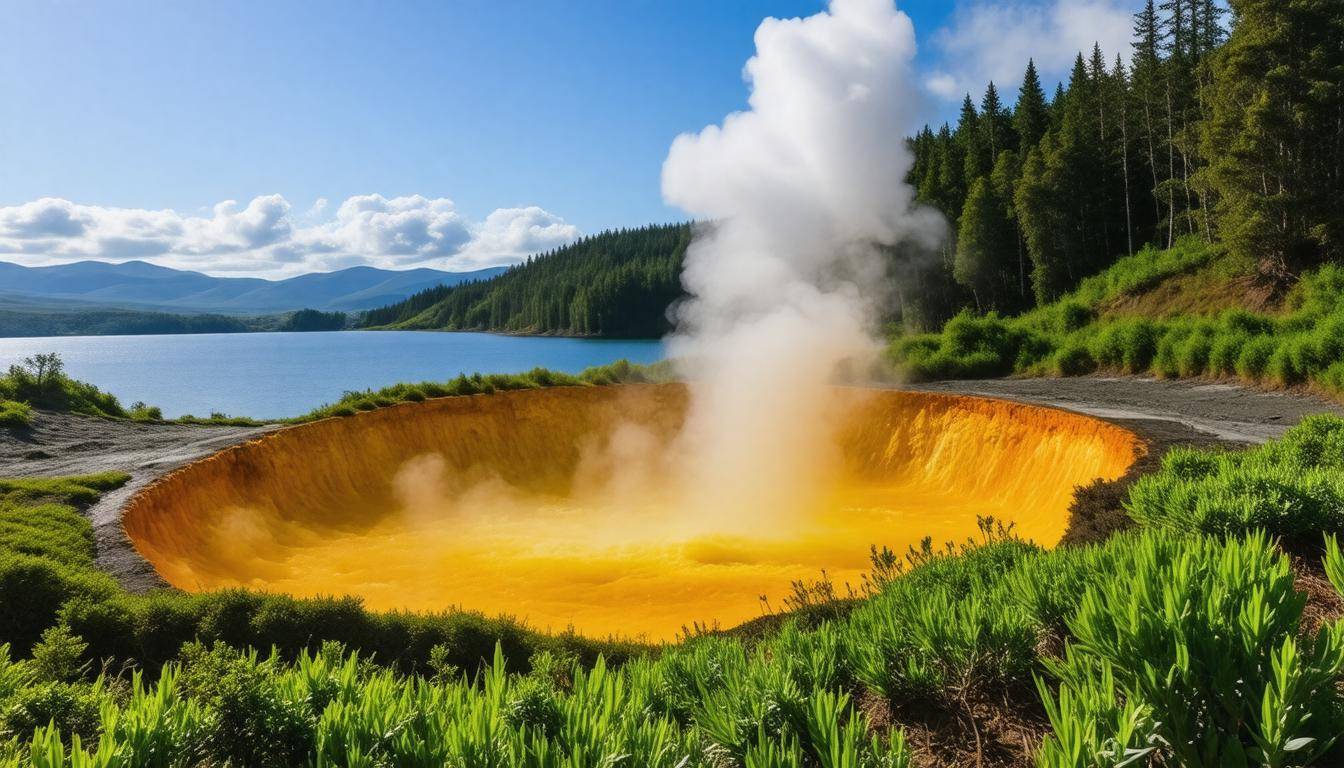
Taupo’s volcanic history is a compelling saga of natural power that spans hundreds of thousands of years, with the region sitting atop one of the world’s most active volcanic fields known as the Taupo Volcanic Zone (TVZ).
This dynamic area has witnessed continuous volcanic activity over the last 300,000 years, marking it as a hub for geothermal energy and geological study. Understanding this history helps us appreciate how volcanic forces have sculpted not just the land but also the cultural narratives of those who live here.
Major Historical Eruptions
Among the volcanic events, the Hatepe eruption around 232 AD stands out as one of the most catastrophic in recent human history. This eruption was exceptionally violent; it released an estimated 120 cubic kilometers of volcanic material, fundamentally altering the local geography.
The force of this eruption created a massive caldera, which today is home to Lake Taupo, a serene water body that belies its turbulent origins. Imagine this great lake—a beautiful setting now—was once shaped by fire and ash from deep within the Earth. It’s incredible to think about how such immense natural occurrences flourished into the scenic landscapes we enjoy today.
The impact of such eruptions resonates beyond immediate terrestrial changes; they can lead to shifts in climate.
Impact on Local Climate and Geography
Recent studies highlight that the Hatepe eruption had far-reaching climatic implications, contributing to a phenomenon known as ‘volcanic winter’.
In essence, this event not only transformed the physical environment but also influenced weather patterns for extended periods, affecting agriculture and living conditions far beyond Taupo itself. This means that while residents today bask under sunny skies, they are surrounded by the echoes of an ancient eruption that may have cast shadows across continents.
As we consider these transformative historical events, it’s essential to look closer at more recent eruptions and ongoing seismic activities that continue to influence our surroundings in this captivating region.
Key Eruptions and Events
One of the most remarkable aspects of Taupo’s volcanic history is its eruptions throughout the 20th century, which have left an indelible mark on both the landscape and community perceptions regarding volcanic activity.
Take, for instance, the eruptions of Mount Ngauruhoe in 1950 and 1971. Both events unleashed torrents of ash and rock, changing the scenery dramatically yet fortunately resulted in no loss of life. These eruptions showcased the raw power of nature and prompted important discussions about emergency preparedness and response in the face of geological hazards.
20th Century Eruptions
In 1950, Mount Ngauruhoe exhibited a notable ash eruption coupled with rockfalls, which led to significant air quality degradation in the surrounding region. This event heightened local awareness about volcanic risks and inspired precautionary measures among residents. Then in 1971, another eruption unfolded—this time with even greater intensity as it released significant ash and lava flows. Local authorities responded proactively, leading to minor evacuations that ensured community safety despite some injuries reported during the chaos.
As we analyze these eruptions, we can refer to specific events documented in history:
| Year | Volcano | Event Description | Impact |
|---|---|---|---|
| 1950 | Ngauruhoe | Ash eruption, rockfalls | Air quality degradation |
| 1971 | Ngauruhoe | Significant ash and lava flows | Evacuations, minor injuries |
| 2012 | Tongariro | Small ash eruption, disrupted flights | Flight cancellations |
Beyond the astonishing eruptions themselves, it’s vital to consider how documentation and observation have played a role in understanding these geological phenomena.
Documentation and Observation
Continuous monitoring and detailed record-keeping have empowered scientists to predict volcanic activity more accurately over time. For example, after the small ash eruption from Tongariro in 2012 disrupted flights, agencies such as GNS Science stepped up their surveillance efforts significantly.
With real-time data collection and improved communication channels, they have kept both locals and visitors informed about potential risks posed by the active volcanoes in the region.
When visiting Taupo, it’s imperative to stay aware of seismic updates provided by geological services. You might want to check reports from local authorities or scientific institutions before hiking or engaging in outdoor activities near volcanic sites. By adhering to these safety protocols, you ensure your exploration of this stunning landscape remains both enjoyable and safe.
The continuous advancements in monitoring techniques serve not only as a protective measure but also as a fascinating insight into Earth’s dynamic processes. From here, we shift focus to explore how these systems effectively track seismic activity.
Seismic Monitoring and Alerts
Continuous monitoring is crucial for predicting future volcanic activity and ensuring the safety of both locals and tourists. The Taupo Volcanic Zone (TVZ) has become a hotspot for advanced seismic monitoring techniques that help scientists anticipate eruptions and safeguard communities from potential hazards. Imagine living right next to a volcano; the thought alone could send shivers down your spine, but knowing that there’s a robust system in place can ease those concerns.
Advanced Monitoring Techniques
Recent technological advancements have significantly bolstered seismic monitoring capabilities across the region. Scientists can now detect even minor tremors that often precede volcanic activity—tremors so subtle they might escape casual observation. Instruments like seismographs record ground movements with pinpoint precision, while GPS stations track shifts in the earth’s crust. Additionally, gas emission sensors measure volcanic gases released by underground magma, providing critical insights into what’s brewing beneath the surface.
For instance, over 50 seismic sensors have been strategically installed throughout the Taupo Volcanic Zone, feeding real-time data directly into the GeoNet network.
This extensive network collects information to construct a comprehensive picture of seismic events, enabling researchers to keep track of changes in volcanic behavior. With this data, experts are more equipped than ever to analyze trends and predict possible eruptions.
Public safety measures stemming from these monitoring systems cannot be overlooked. As soon as certain tremor activities are detected, authorities can issue alerts or recommendations to residents and visitors alike. These notifications may include detailed advice on evacuation routes or specific safety protocols if an immediate threat arises.
Importance of Timely Alerts
To illustrate how effective these systems can be: during a recent earthquake swarm in January 2025, which consisted of over 50 recorded earthquakes, local residents were notified promptly about the seismic activity. Although the strongest quake registered only M2.9—a magnitude classified as weak—the alerts provided crucial updates on potential risks associated with this unusual swarm.
This proactive communication helps maintain trust within the community while also fostering a sense of security among visitors who might be apprehensive about their surroundings. Knowing that researchers are vigilant and proper alerts are circulating means everyone can enjoy the natural beauty of Taupo with just a little more calmness in their hearts.
Thus, maintaining robust seismic monitoring is paramount—not just for scientific curiosity but rather for practical safety measures that affect everyday lives.
The vigilance in monitoring not only enhances security but also enriches our understanding of the powerful geological forces at play in this fascinating region. Now let’s explore further essential tips for navigating these stunning yet dynamic landscapes safely.
Safety Precautions for Visitors
Safety should be top of mind when exploring the mesmerizing volcanic regions of Taupo. The area is filled with natural beauty, but it can also present unique risks due to its geothermal activity. Understanding these potential hazards will keep you safe and enhance your experience as you explore these stunning terrains.
Emergency Kits and Plans
One essential step in your preparation is to carry an emergency kit. This kit should include a face mask to protect against volcanic ash, which can irritate the respiratory system. You’ll also want to pack plenty of water; staying hydrated is crucial, especially if you’re hiking or engaging in outdoor activities. First aid supplies should be on hand for any minor injuries, and don’t forget a flashlight—it can be handy when exploring caves or for those unexpected moments that stretch into dusk.
Familiarize yourself with local evacuation routes and safe zones; having a plan in place gives peace of mind and ensures you’re prepared for any eventuality.
Additionally, consider discussing your plans with locals or guides who know the area well. They often have insights about what to avoid and current conditions affecting safety.
Respecting Restricted Zones
It’s vital to respect restricted zones within the volcanic landscape. These areas are often marked clearly and reflect real dangers associated with geothermal activity. For instance, regions near active vents may have unstable ground or high temperatures that could pose risks. Familiarizing yourself with these boundaries—not just visually, but as part of your decision-making process—can make a significant difference in your safety. Never venture into prohibited areas; the risks simply aren’t worth it.
By adhering to these safety guidelines, you can enjoy Taupo’s breathtaking landscapes while remaining aware of the environment’s inherent risks. Next, let’s look at the must-see attractions that highlight the region’s unique offerings.
Exploring Taupo: Must-See Spots
One of the highlights of visiting Taupo is undoubtedly the Craters of the Moon. This geothermal wonderland transports you into a world where the earth seems alive, with steam rising from craters and bubbling mud pools that spit and hiss. The vibrant hues of the geothermal lakes create a striking contrast against the rugged landscape. Adventure-seekers will find themselves captivated by this otherworldly environment, as guided tours ensure you can safely enjoy every moment while remaining on designated paths. It’s essential for everyone to stick to these routes, as you never know when an unstable surface might give way.
Just remember, while taking in the sights, to breathe deeply; that distinctive sulfur scent is part of the experience.
Beyond the craters, another mesmerizing attraction is Huka Falls, located just a short drive from Taupo.
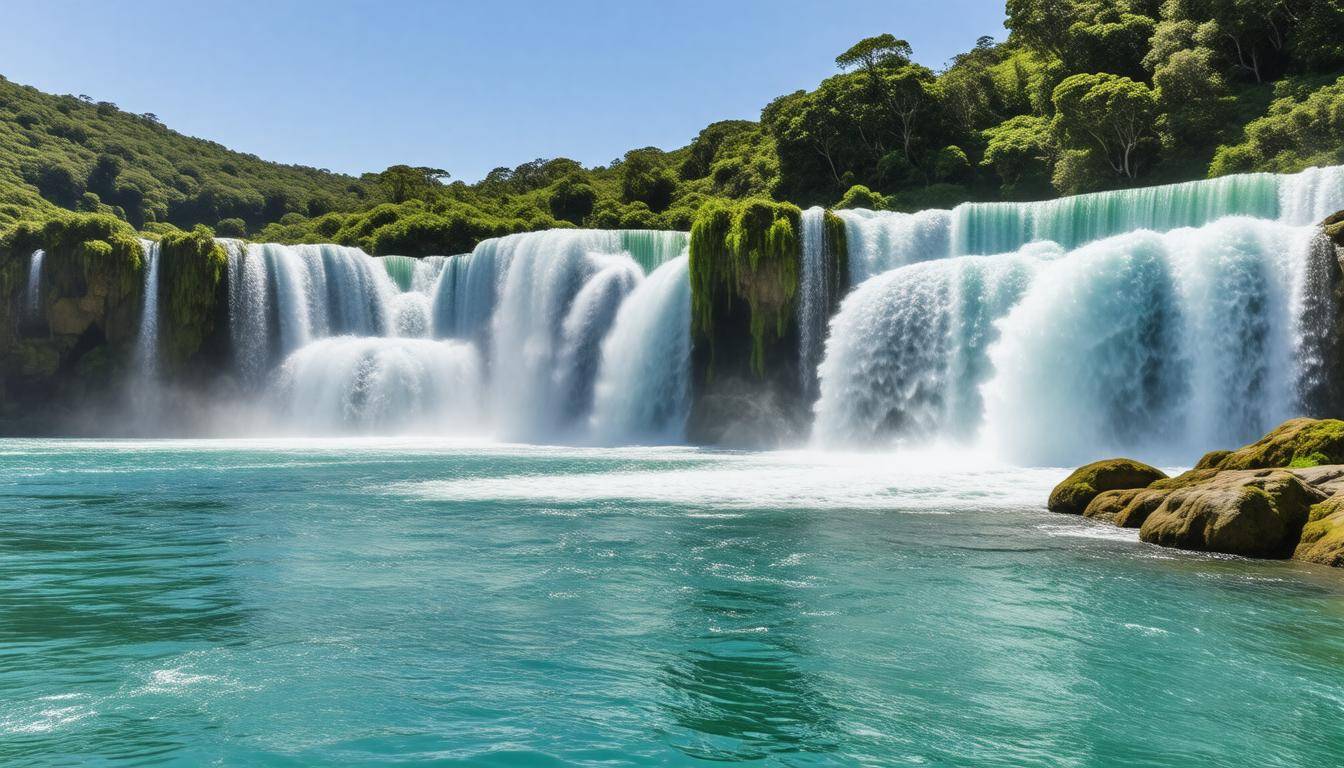
Huka Falls isn’t your average waterfall; it commands attention with over 220,000 liters of water cascading over its 11-meter drop every second. As I stood there watching the water thunder down, I could hardly believe the sheer volume churning below. The turquoise color of the water has an enchanting quality, changing with sunlight and time.
There are several viewing platforms that allow you to take in different perspectives of this stunning sight. If you’re feeling bold, you might consider booking one of the jet boat rides available nearby that shoot up close to the falls for an exhilarating experience.
While these spots are essential highlights, taking advantage of local guided tours enriches your visit even further.
Guided tours not only provide safety, especially in areas with active geothermal features or strong currents but also enhance your understanding of Taupo’s unique ecological and geological significance. Local guides share stories that bring the land to life and offer insider knowledge that you won’t find in guidebooks. They keep you updated on any recent volcanic activity or safety considerations, ensuring that your adventures are both exciting and secure.
Inviting adventure into your travel experience means learning from those who know their homeland best—so don’t hesitate to immerse yourself in organized explorations!
As we transition into exploring how best to navigate these experiences through expert insights and local knowledge, there’s much more waiting for you in Taupo.
Guided Tours and Local Experts
One of the safest and most informative ways to explore Taupo’s stunning volcanic region is through guided tours. Imagine being led through awe-inspiring landscapes while absorbing stories about the volcanic history, geological formations, and cultural significance of the area—all from knowledgeable guides who have spent years studying the terrain.
Benefits of Guided Tours
Engaging with local guides not only enhances your understanding of the Taupo region but also prioritizes your safety. These experts possess intricate knowledge of the local geology, having studied how the area’s unique features developed over millennia. They can highlight eye-catching details that you might otherwise overlook on a self-guided tour, such as identifying specific types of rock shaped by ancient lava flows.
Moreover, they are attuned to the ever-changing conditions around volcanic sites and can swiftly navigate you away from restricted or hazardous areas, ensuring your adventure remains enjoyable and secure. As you stand on a volcanic ridge or peer into a steaming geothermal vent, their expertise transforms your visit into more than just sightseeing; it becomes an educational journey rich with fascinating anecdotes about eruptions and their impacts on both human life and the environment. This education might reveal surprising connections between the local culture and its dramatic landscape—insights you would miss without expert guidance.
Tour Recommendations
-
Volcanic Air Safaris: These tours offer breathtaking scenic flights over Lake Taupo and its surrounding volcanoes. That’s one perspective you won’t get anywhere else! As you soar above expansive lava fields, you’ll develop an appreciation for the sheer scale of these geological wonders.
-
Tongariro Expeditions: Known for providing guided hikes through Tongariro National Park, this company emphasizes safety while enriching your hike with educational snippets about flora and fauna native to volcanic areas. Whether you’re tackling challenging trails or enjoying leisurely walks, you’ll be glad to have experienced guides leading by example.
-
Taupo DeBretts Spa Resort: While primarily recognized for its relaxing hot springs, they also offer guided tours of nearby geothermal areas. After indulging in soothing thermal baths, why not immerse yourself further into local natural phenomena with their knowledgeable staff accompanying you?
Knowing the area and its history is imperative, but understanding how to react during critical situations can significantly enhance your experience in this dynamic environment.
Emergency Response Resources
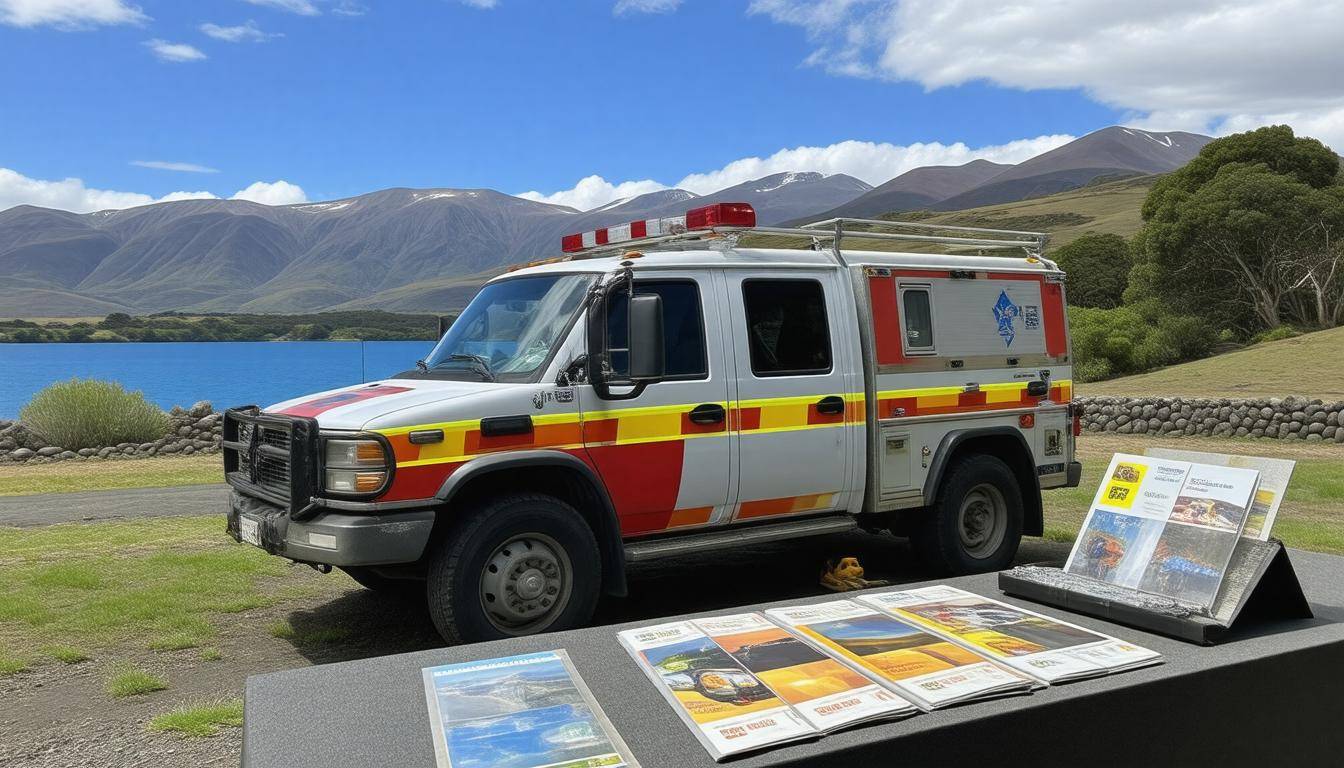
Familiarizing yourself with emergency response resources can make a significant difference during an unforeseen event. Knowing how to navigate the local safety protocols and services enhances your experience while visiting this vibrant region. The key lies in knowing who to contact and what tools are available at your fingertips.
Local Emergency Services
Taupo boasts a robust emergency response network that includes local police, fire services, and medical facilities. What makes this system even more reliable is the involvement of New Zealand Civil Defence, which actively monitors volcanic activity and regularly updates safety protocols. Regular communication from these services highlights current threats, ensuring visitors have pertinent information at their disposal.
For instance, if a minor geothermal disturbance were to occur, you could expect rapid responses from local emergency services like those mentioned above.
A recent visitor recounted how quickly the local emergency services responded during a minor geothermal disturbance, ensuring all tourists were evacuated safely. This example serves as a potent reminder of how prepared they are to keep you out of harm’s way.
Mobile Apps and Alerts
In today’s digital age, technology plays a crucial role in keeping us informed. Downloading mobile apps such as GeoNet provides real-time alerts related to seismic activity and other localized safety information. Imagine hiking along remote trails around Mount Ngauruhoe when you suddenly receive an alert about increased volcanic activity. These timely notifications mean you can adjust your plans without ruining your adventure or causing undue panic.
Moreover, it’s helpful to familiarize yourself with the emergency contacts for Taupo. Keep them saved in your phone or even written down somewhere on your person. Just as we carry our phones for navigation, carrying this vital information ensures you’re always prepared.
As you explore the rich cultural tapestry of the area, understanding its history and connections will further enhance your journey while maintaining safety awareness.
Engaging with Maori Cultural Sites
The Maori culture is not just an aspect of Taupo; it’s a living testament to how history and nature intertwine beautifully. Significant sites like Rotorua, located just a short drive from Taupo, serve as gateways to understanding the rich traditions and daily life of the Maori people.
Whakarewarewa is particularly fascinating, as it’s a living village where geothermal activity is woven into everyday routines. Imagine walking through a community where steam rises from the earth, intertwining with the vibrant energy of its inhabitants. Here, the lifestyle revolves around hot springs, cooking in thermal pools, and embracing sustainable practices that have been passed down through generations.
Significant Sites
Visiting Te Puia is another must. This cultural center not only provides guided tours but also immerses you in traditional performances featuring Maori song and dance. You’ll witness graceful movements that tell stories forged through time—tales of creation, love, and struggle.
The culinary aspect is equally enchanting; tasting authentic Maori dishes gives you a fulfilling experience beyond mere observation. These cultural offerings make it clear: you’re partaking in a living tradition rather than simply visiting a museum.
While these sites are awe-inspiring, respectful engagement is paramount.
Cultural Respect
Embracing local customs enhances your experience significantly. As visitors, it’s essential to approach interactions with humility and curiosity. Learning basic Maori greetings can open doors—simple phrases like Kia ora (hello) or Ka pai (good job) demonstrate a willingness to connect on a deeper level.
Participating in local events—from weaving workshops to traditional feasts—can enrich your understanding of the values held by the Maori community. Respect goes both ways; when you show appreciation for their culture, you will often find that locals are warmly receptive, eager to share their stories and traditions.
This line of interaction fosters mutual respect and understanding, cultivating not just memories but relationships that bridge cultural divides.
By intertwining safety, education, and cultural appreciation during your visit, you ensure an enriching journey while honoring the land and its people that hold its storied past.
In exploring Taupo’s volcanic landscape and its profound cultural ties to the Maori people, visitors cultivate invaluable insights that enhance their appreciation for this remarkable region. Cherish those experiences while you navigate this unique terrain and history.