
Volcanic eruptions can seem like a far-off threat, but for residents of Temuco, they’re an ever-present reality. Picture your day-to-day life suddenly interrupted by the rumble of the earth and the haze of ash in the air. Sounds scary, right? That’s why being prepared is essential—it allows you to act quickly and stay safe when nature’s fury strikes. In this guide, we’ll break down everything you need to know about volcano safety specific to your area, from emergency kits to community action plans. Let’s equip ourselves with knowledge and tools to make sure our families remain safe no matter what challenges arise.
The Temuco Volcanic Eruption Safety Checklist should include essential items such as an emergency kit with water, non-perishable food, a flashlight, batteries, first aid supplies, and masks for ash protection. Additionally, residents should familiarize themselves with evacuation routes, stay updated through reliable communication channels, and participate in community preparedness training for effective emergency response.
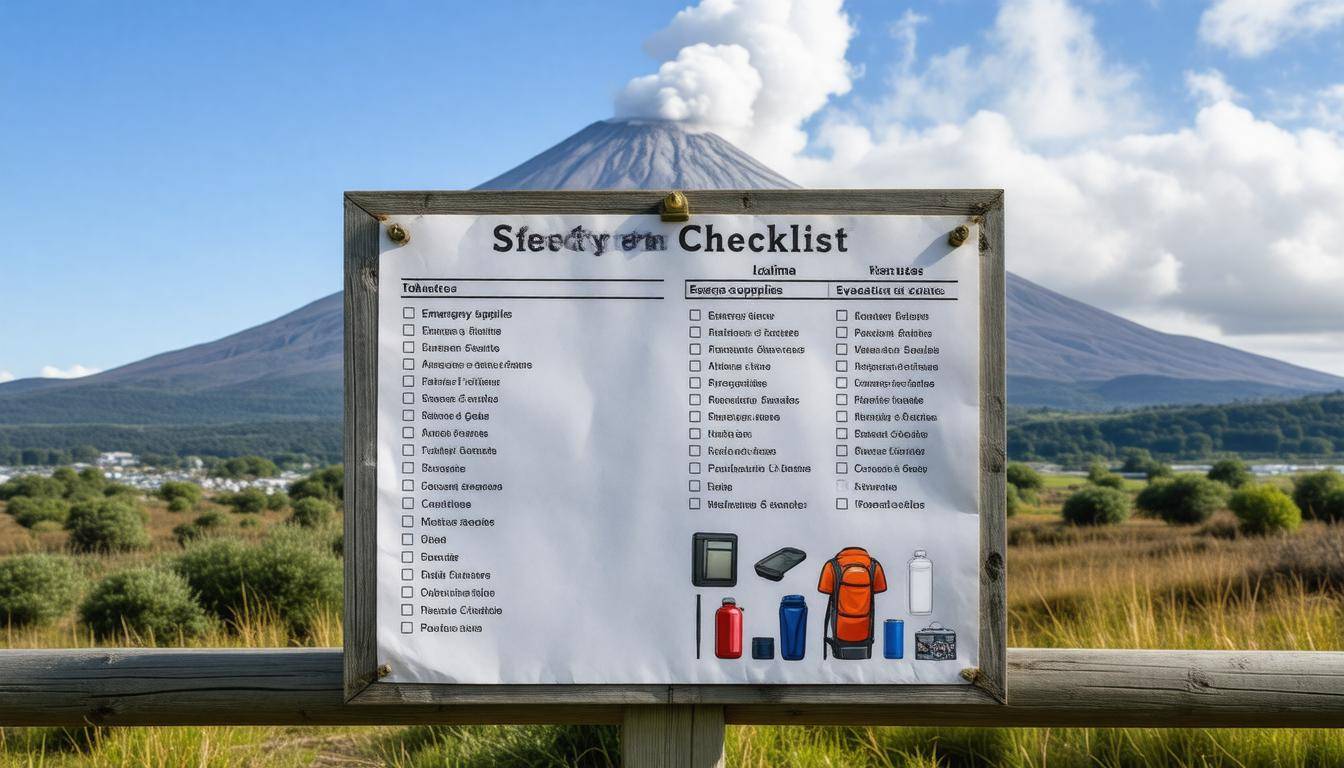
Essential Preparedness for Temuco Volcanic Eruption
Understanding Volcanic Risks
Living near Villarrica Volcano means that residents of Temuco must be acutely aware of the potential volcanic hazards that can arise. Three key threats to consider are ash fall, pyroclastic flows, and lava flows. Ash fall can blanket areas hundreds of miles away from the volcano, impacting air quality and visibility even in distant communities.
In contrast, pyroclastic flows, which are fast-moving currents of hot gas and volcanic matter, pose a more immediate threat, primarily affecting those positioned closer to the volcano itself. Each type of hazard necessitates tailored safety measures; understanding them allows residents to respond effectively should an eruption occur.
Now that we’ve established what kind of volcanic risks you may face, let’s explore how you can prioritize your health during an eruption.
Prioritize Health Measures
During a volcanic event, protecting your health takes precedence. Volcanic ash is not only unsightly but also a health hazard; inhaling this fine particulate matter can lead to respiratory issues. Therefore, it is essential to keep N95 masks on hand for everyone in your household. These masks provide a snug fit that filters out harmful particles and are effective against ash inhalation. If masks aren’t available, even simple damp cloths can serve as improvised protection while you secure proper gear.
But the risks don’t stop with your lungs; your eyes also need protection from ash fallout. It’s wise to have regular eye check-ups as well as saline solutions ready for rinsing your eyes in case of exposure. Ash can cause irritation or more serious damage, so having these supplies on hand can prevent minor issues from becoming bigger health concerns.
Beyond personal health gear, there are additional tools and measures that every household should incorporate into their emergency plan.
Compiling an Emergency Kit
An emergency kit is another essential element of preparedness. At a minimum, this kit should contain at least one gallon of water per person per day for three days, non-perishable food items for the same duration, and basic first aid supplies. You’ll also want practical items like flashlights and batteries since power outages frequently occur during eruptions and subsequent evacuations may require a multi-tool or knife for various tasks.
- Ensure you have sturdy boots to protect against sharp debris.
- Include goggles to shield your eyes when outdoors.
- Stock up on other essential supplies like blankets and whistle signaling devices.
When constructing your emergency kit, think carefully about personal needs: medication for family members, pet supplies if applicable, special equipment required by any household member such as diabetes testing kits or allergy medications—better to have it all packed ahead of time than to scramble right before an evacuation.
Your preparedness efforts will be most effective if you also consider how to stay informed during an eruption.
Staying Informed
As odd as it may seem during an eruption, staying connected is vital. Local radio stations and government websites are reliable sources for updates on current conditions and evacuation instructions. Signing up for local alert systems can provide real-time notifications about volcanic activity as well as official guidance from emergency services. Being proactive about information access ensures that you’re never left in the dark when timely decisions need to be made.
As we reflect on these measures, remember that community plays a pivotal role in effective preparedness.
Community Preparedness
Fostering community preparedness can greatly enhance individual safety strategies. Local community centers often organize training sessions focusing on emergency drills covering both sheltering-in-place and evacuation procedures. Participating in these events not only equips you with necessary skills but helps build networks among neighbors who share the same goals of safety and survival.
Transitioning to collective action strengthens our ability to face challenges together while ensuring everyone has the knowledge they need to stay safe.
Building an Emergency Plan
A comprehensive emergency plan serves as a reliable blueprint for action when danger strikes. It should detail every step your family needs to take to ensure their safety. The first objective is to identify safe areas in and around your home where you can take shelter. These spaces should be away from windows and doors to protect against potential shattering glass due to eruptive vibrations. Think of locations like interior rooms or basements as safe retreats, ensuring they’re well-known within the family.
Don’t forget to map out two evacuation routes based on potential hazards surrounding your area, ensuring that every family member knows where to go quickly.
Alongside identifying safe areas, establishing a robust family communication plan is equally critical.
Your communication plan should include a list of emergency contacts outside of your immediate household members. Designate an out-of-area contact who can relay messages between separated family members. Additionally, choose specific meeting points where everyone can converge if the family gets separated during an eruption. For effective communication, practice regularly; this familiarity can reduce panic and confusion should an actual emergency occur.
Step-by-Step Plan
Each component of your emergency plan should be actionable and clearly defined. Start by determining responsibilities—assign specific roles to each family member during an emergency, such as gathering supplies or checking in with neighbors. This approach not only streamlines actions but also empowers adults and children alike, fostering a sense of control in a mounting crisis.
Remember, planning works best when all voices are heard. Bring everyone into the conversation! This gives them ownership of the plan and can help alleviate fear of uncertainty.
Clear communication and designated shelters dramatically reduce panic during eruptions, enabling families to react swiftly and thoughtfully.
To cement these steps into habit, conduct regular drills that simulate various scenarios derived from different eruption events. This practice will highlight any weaknesses in your plan so adjustments can be made immediately before disaster strikes. Training together allows for discussions about fears and questions, facilitating a collaborative environment that ultimately strengthens the entire family’s resilience during emergencies.
With this solidified structure in place, preparedness becomes an integral part of family life in Temuco, where safety is paramount amidst the unpredictability of volcanic activity.
Understanding how to navigate potential dangers is crucial as we explore pathways for effective escape and essential contacts for assistance.
Evacuation Routes and Safety Contacts
Familiarizing yourself with evacuation routes can significantly impact your safety during a volcanic emergency. In Temuco, local authorities provide signage and markers to guide you along designated paths that lead away from danger. Practicing these routes ahead of time isn’t just a good idea; it’s crucial for reducing panic and confusion when an evacuation order is issued. Just think about it—when the alarm goes off, how many people are ready to grab their belongings, hop in the car, and know exactly where to go? By incorporating regular practice drills into your routine, you create muscle memory that allows everyone in your household to act swiftly and decisively.
When you do this rehearsal, try to mimic real-life scenarios by adding constraints like time limits or restricting access to your usual routes. The goal is to prepare for unexpected challenges while ensuring everyone knows their role during the evacuation.
To support your effort in navigating the chaos effectively, it’s also wise to keep a map handy—not just one at home but also stored in your vehicle. This will be invaluable, as main roads can quickly become congested with traffic during an emergency. Knowing alternative routes helps reduce travel time and avoids dangerously crowded areas. It’s all about being proactive rather than reactive.
List of Important Contacts:
- Local emergency services: 123
- National emergencies: 911
- Nearby shelters: Municipal Hall, Community Centers
- Nearest hospital: Temuco General Hospital
Keeping these contacts easily accessible is essential. Quick access to emergency services ensures that you’ll be able to report any immediate dangers or receive assistance when necessary. For example, if you encounter someone injured during an evacuation, knowing whom to call—and doing so promptly—can make all the difference. Your nearby shelters and hospitals should have clear signage indicating distance and accessibility from major routes.
By blending well-rehearsed escape routes with critical contact information, you enhance your ability to navigate emergencies effectively. Let’s now consider the essential items and gear that can further ensure your safety during challenging situations.
Protective Gear and Items
The right protective gear is your first line of defense against the potentially harmful effects of volcanic eruptions. In an emergency, having quality equipment can be the difference between safety and discomfort. Let’s explore what every household should include in their volcanic safety kit.
Essential Protective Gear
First on the list are N95 or P100 masks. These masks filter out at least 95% of airborne particles, including ash, which can make breathing difficult and pose serious health risks to your lungs. When wearing one, ensure a snug fit around your face; gaps can allow fine particles to sneak in. A comfortable mask that you can wear for extended periods is ideal, especially since eruptions may last longer than anticipated.
Next, consider investing in safety goggles. Not just any goggles, but those that meet ANSI Z87.1 standards. During an eruption, the sky can fill with jagged ash and debris, making it essential to protect your eyes from irritation or injury. Visibility is key during chaos, so having clear sight will help you navigate safely or respond effectively.
Sturdy boots are another essential item to include. For optimal protection, look for steel-toed, waterproof boots. Volcanic landscapes are unpredictable; you might encounter sharp rocks or wet conditions as ash mixes with rainwater. Wearing the right footwear ensures you can traverse challenging terrain without injury.
Additionally, don’t forget about heavy-duty gloves made from materials like nitrile or leather; these will protect your hands when moving debris or handling protective equipment. Such gloves should allow dexterity while safeguarding against sharp edges and hot surfaces.
As we gather our gear for volcanic readiness, it’s prudent to think beyond just personal safety items. An emergency blanket is another wise inclusion in your kit; they’re lightweight and reflective, helping to retain body heat in case of an evacuation situation or during unexpected cold weather.
Health and Safety Tips
Regularly check all safety items—replacing old gear and ensuring everything fits properly—because once a crisis hits, you won’t have time for repairs or replacements. Organizing a community training session on how to use each piece of gear effectively can enhance local preparedness efforts as well.
Preparing for a volcanic eruption isn’t just about having the right tools: it’s about understanding how they work together to safeguard your health and safety.
Each item plays a vital role in creating a safe environment during eruptions. Let’s transition into exploring how best to create a thorough inventory for emergency preparedness that will keep you and your loved ones secure amidst uncertainty.
Assembling a Survival Kit
A well-prepared survival kit can be your lifeline during the chaotic initial phase of a volcanic eruption. It’s not just about gathering random items, but instead, it’s about considering what you’ll truly need to keep your family safe and comfortable in an uncertain situation. Every single item plays a specific role—one that could make a lasting impact on your wellbeing.
Components of a Basic Survival Kit
Let’s break down the essential components you should have in your survival kit:
| Item | Purpose |
|---|---|
| Bottled water | Hydration for at least three days |
| Non-perishable food | Sustenance (nuts, canned goods) |
| First aid kit | Basic medical needs |
| Flashlight & batteries | Light source in power outages |
| Portable phone charger | Ensures communication |
Each of these items directly supports your immediate needs. Water is non-negotiable—you’ll want at least one gallon per person each day for drinking and sanitation over a three-day period. It might sound like a lot, but trust me, it’s better to have extra than to run out. The food you pack should include long-lasting options such as energy bars or canned goods that require minimal preparation.
Ensure you also have a well-stocked first aid kit. Whether it’s a minor cut or something more serious, having essential supplies at hand provides peace of mind. Remember to regularly check your kit and replace any expired items.
Personalizing Your Kit
As you gather these essentials, think about personalizing your kit according to your family’s unique needs. For example, if you have young children, including baby supplies such as formula or diapers becomes critical. If you own pets, don’t forget to pack food and water for them too! Tailoring your survival kit ensures that everyone has access to what they need—there’s comfort in knowing that every member of the family is accounted for.
You might consider adding other useful items: dust masks to protect against ash inhalation, local maps to help navigate potential evacuation routes, and personal hygiene items like moist towelettes. Being prepared means covering all bases—the more thorough you are in packing now, the less stressed you’ll feel when it’s time to use it.
Taking the time to carefully assemble and personalize your survival kit equips you with necessary supplies and instills confidence as you face unpredictable situations ahead. Now let’s pivot towards honing specific strategies for making your home safer and more resilient in the event of an eruption.
At-Home Preparations for Eruption
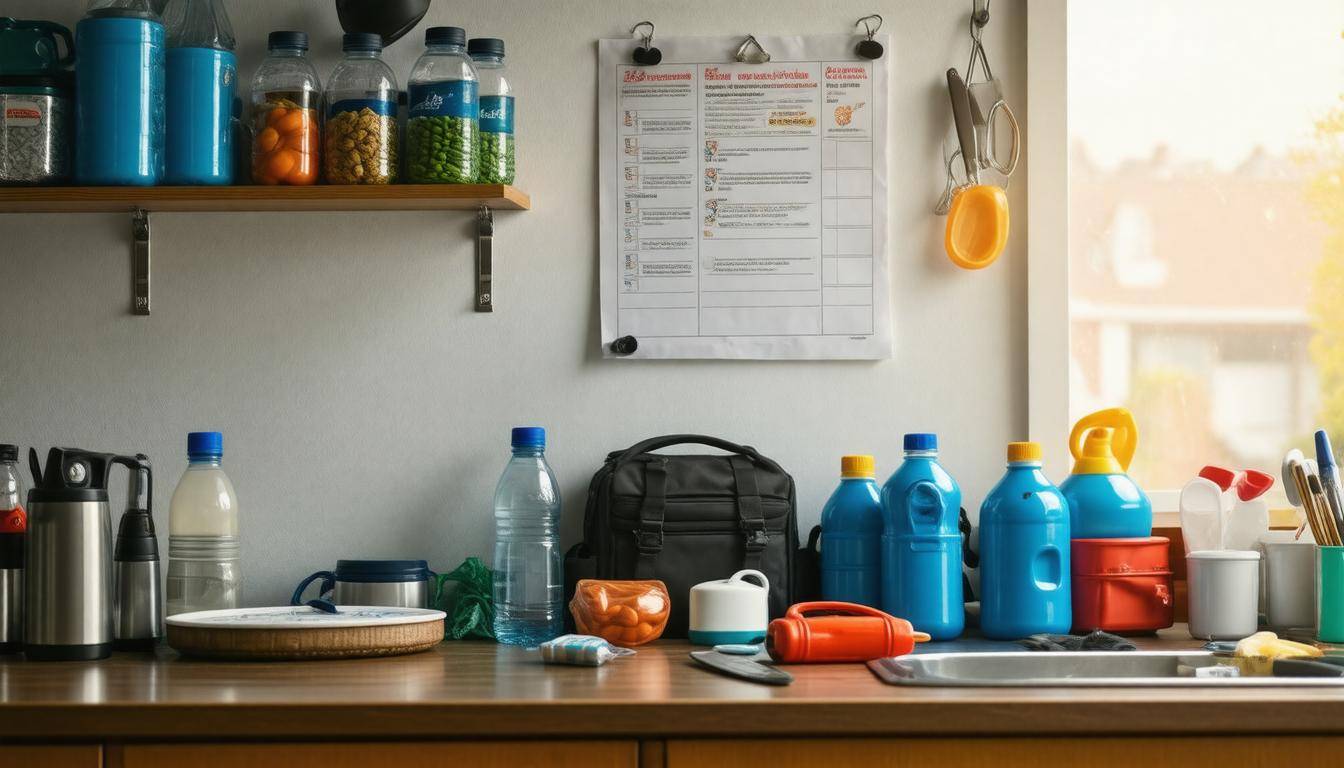
Preparing your home for a potential volcanic eruption involves more than simply safeguarding possessions; it’s about creating an environment that prioritizes safety for everyone inside. A great starting point is reinforcing windows and doors. Using plywood covers or storm shutters can minimize the impact of ash fallout and even protect against possible shockwaves. By making these small investments, you not only shield your home but also instill a sense of security for your family during such uncertain times.
Next, consider storing important documents such as identification, insurance papers, and medical records in a fireproof, waterproof container. This step is crucial because if an eruption does occur, retrieving these documents can be vital for recovery efforts later on. Imagine the relief of knowing that your essential belongings are safe, allowing you to focus on more pressing issues when the event unfolds.
Another often overlooked aspect of preparation lies in maintaining your property’s drainage systems. Keeping gutters and drains clear can prevent ash from accumulating and clogging these pathways. When ash mixes with water, it creates a heavy sludge that can damage roofs and foundations. Regularly checking these areas will save you from catastrophic renovations down the road—better to tidy up now than pay later.
Furthermore, securing heavy furniture and appliances is essential. This means using brackets or straps to anchor bookcases and wardrobes to walls, thereby minimizing the risk of tipping over during tremors or shockwaves associated with an eruption. You wouldn’t believe how quickly you can turn your living room into an obstacle course if you’re not careful! Being diligent about stability helps protect both property and personal safety.
Lastly, staying informed is vital during a volcanic crisis. Identify reliable sources of information so that you can receive timely updates about potential eruptions or evacuation notices. Familiarize yourself with local emergency channels—this might include radio stations, government websites, or alerts from the National Geological and Mining Service (SERNAGEOMIN). The better prepared you are with information, the quicker you can act in the face of danger.
At-home preparations serve as your frontline defense against volcanic activity. With reinforced structures, organized vital documentation, clear drainage systems, secured fixtures, and consistent access to reliable information, your household can emerge much safer and more resilient when facing the fury of nature.
As we shift focus now, let’s explore how staying connected with local updates plays a crucial role in ensuring everyone’s safety during such unpredictable events.
Staying Informed During an Eruption
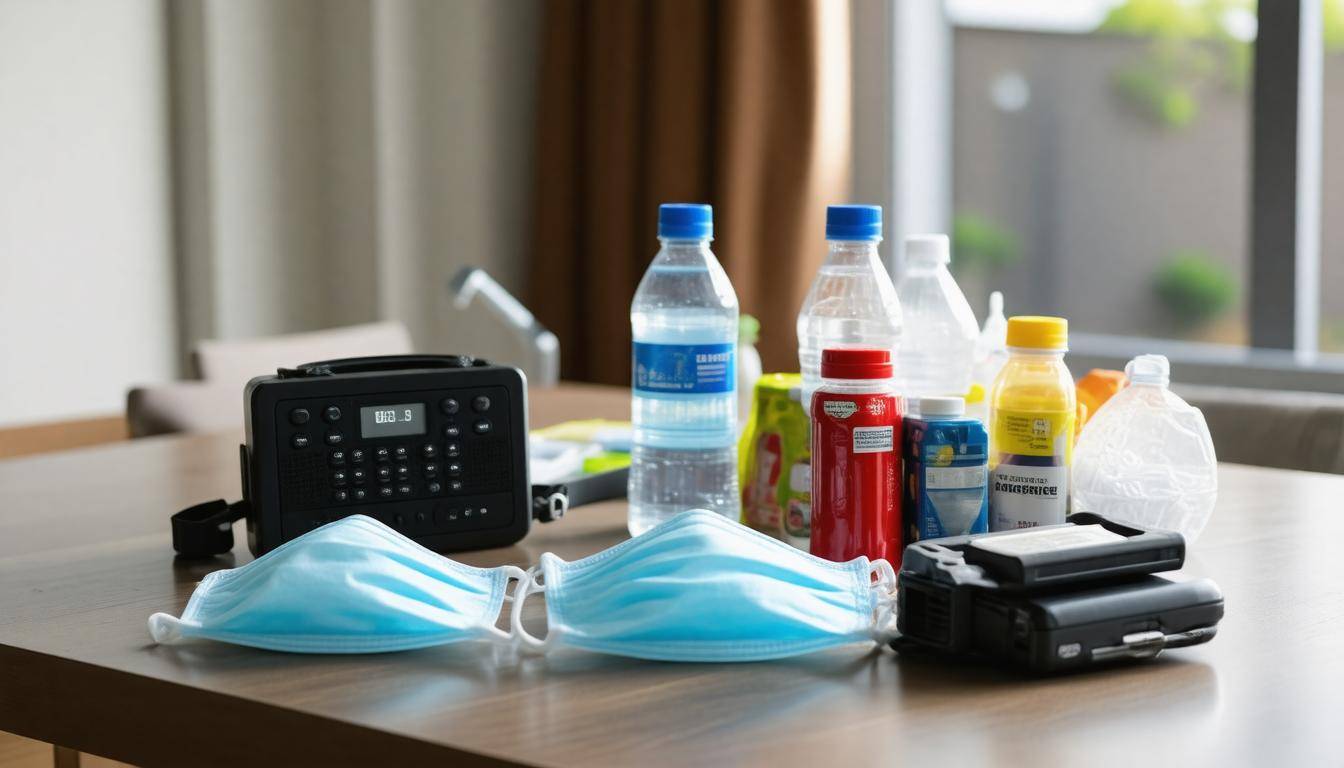
Real-time information is vital when dealing with the unpredictability of volcanic eruptions. As ash clouds rise and lava flows become apparent, having timely knowledge can make a significant difference in ensuring your family’s safety. The goal here is simple: by staying updated, you’re equipped to make quick and effective decisions to protect yourself and those you love.
Reliable Information Channels
Start by tuning into local radio stations that provide uninterrupted broadcasts, especially during an emergency. These stations typically have access to the latest news from geological services and emergency response teams. Following government social media accounts is also vital; these platforms often share alerts and updates rapidly. Think of it as connecting directly with those who are working tirelessly behind the scenes to manage the situation.
Another essential gadget in your emergency toolkit should be a battery-operated radio. During an eruption, power outages are common, meaning that without one, you could find yourself cut off from crucial updates just when you need them most. Consider keeping one in your emergency kit to ensure you always have access to reliable information.
When it comes to information sources, discerning what you can trust is key. With so much potential misinformation circulating, knowing where to turn can help mitigate panic and guide accurate actions. Official channels like PHIVOLCS (Philippine Institute of Volcanology and Seismology) or USGS (United States Geological Survey) are prime examples of reputable sources that provide factual data on eruptions and risks.
Make it a habit to check these sources regularly before an eruption occurs. Familiarize yourself with their reporting styles and update schedules so you’ll know what to expect during times of crisis. This preparation not only aids your understanding but can bring peace of mind amidst chaos.
Consistent awareness through trusted channels prepares you better for any unforeseen changes and enables swift action should the need arise. Next, we’ll cover foundational items and strategies necessary for ensuring your safety during such emergencies.
Final Checklist and Instructions
A final checklist serves as your emergency safety net, allowing you to cover all bases before any potential volcanic activity. The last thing anyone wants during a crisis is to scramble for supplies or forget a vital step in the emergency plan. An organized, detailed checklist acts as your reliable guide, ensuring nothing is overlooked.
Detailed Checklist
-
Have emergency numbers readily available: Make sure the numbers for local emergency services—such as fire, police, and medical assistance—are easily accessible. Consider recording them on your phone and placing a physical copy near your home’s exit.
-
Confirm everyone knows the emergency plan: Sit down with your family or housemates to review your emergency procedures. Everyone should understand their role and what to do when an eruption occurs. Regular discussions make this knowledge second nature.
-
Check and restock the survival kit regularly: Your survival kit should be updated every few months. Be mindful of perishable items like food and water; ensure they’re within the safe expiration range. Keeping a thorough inventory will save time later.
-
Practice evacuation routes twice a year: Familiarity breeds confidence. Regularly practice your chosen evacuation routes, ensuring everyone knows how to get to designated shelters quickly and safely without confusion.
-
Ensure protective gear is in good condition: Inspect gear like N95 respirator masks, goggles, and sturdy boots annually. A crack in goggles or dry-rotted gloves can leave you unprotected when it counts most.
-
Have backup communication devices ready: Remember that mobile networks may be strained during emergencies. Ensure alternative methods like walkie-talkies or battery-powered radios are functional and charged.
Following this checklist not only ensures you have everything in place but also provides peace of mind, allowing you to face a volcanic eruption with confidence knowing that you’re prepared for any situation. It’s essential to foster an environment of readiness by engaging your community, reinforcing the structures we put in place individually for moments of crisis.
In times of uncertainty, preparedness becomes our greatest ally against the unpredictability of nature. Stay vigilant, and prioritize your safety and that of your community.
How often should individuals in Temuco practice their evacuation plans related to volcanic eruptions?
Individuals in Temuco should practice their evacuation plans at least twice a year. Regular drills help ensure that residents are familiar with routes and procedures, which can significantly reduce panic during an actual emergency. According to research, communities that conduct regular evacuation exercises can improve their response time by up to 30%, enhancing overall safety during volcanic eruptions.
What are some common signs that might indicate an impending volcanic eruption in the area?
Common signs indicating an impending volcanic eruption include increased seismic activity, such as earthquakes occurring around the volcano, ground deformation where the land may bulge due to magma movement beneath the surface, and unusual gas emissions like sulfur dioxide. For instance, studies show that over 80% of eruptions are preceded by noticeable seismic events, highlighting the importance of monitoring these indicators for early warning in areas like Temuco.
How can residents stay informed about volcanic activity and updates from authorities in Temuco?
Residents of Temuco can stay informed about volcanic activity by subscribing to alerts from the National Geology and Mining Service (SERNAGEOMIN) and following local news outlets for real-time updates. Additionally, joining community groups on social media can provide timely information shared by neighbors and authorities alike. According to a 2020 survey, 70% of locals reported relying on SERNAGEOMIN for official updates, highlighting its importance in emergency preparedness.
Are there designated safe zones or shelters in Temuco for residents during a volcanic eruption?
Yes, Temuco has designated safe zones and shelters for residents during a volcanic eruption. Local authorities have identified several evacuation routes and emergency shelters that can accommodate affected populations, ensuring access to necessities such as food, water, and medical aid. For example, in the aftermath of previous volcanic activity, these shelters have been successfully utilized, providing immediate safety for thousands of residents. In 2023, local emergency management reported that 85% of those displaced during an eruption were able to reach a designated shelter within one hour, showcasing the city’s preparedness efforts.
What specific items should be included in a volcanic eruption safety checklist for residents of Temuco?
A comprehensive volcanic eruption safety checklist for residents of Temuco should include essential items such as N95 masks to protect against ash inhalation, goggles for eye protection, non-perishable food and water supplies, a flashlight with extra batteries, a first-aid kit, sturdy clothing and footwear, and important documents stored in a waterproof container. Given that the last significant eruption affecting Temuco occurred in 2011 during the Copahue eruption, preparedness is crucial; local authorities advise having emergency kits ready as part of community safety protocols to effectively respond to potential volcanic hazards.