
Imagine a garden that does more than just bloom—one that harmonizes nature and sustains you through tough times. This is where the Three Sisters planting method comes into play. By following a simple yet effective technique of cultivating corn, beans, and squash together, you can create a self-sufficient ecosystem in your backyard. These plants work alongside each other, offering support, nourishment, and even soil health, making them perfect for anyone looking to have an emergency garden or just a thriving space at home. If you’re eager to dig deeper into this ancient practice and learn how to foster a garden that not only feeds your family but also respects the earth, keep reading!
In an emergency garden, you can effectively utilize the Three Sisters companion planting method by planting corn first as a natural support for beans, which will enrich the soil with nitrogen. Lastly, introduce squash to provide ground cover that conserves moisture and reduces weed growth, maximizing resource efficiency and yield during challenging times.
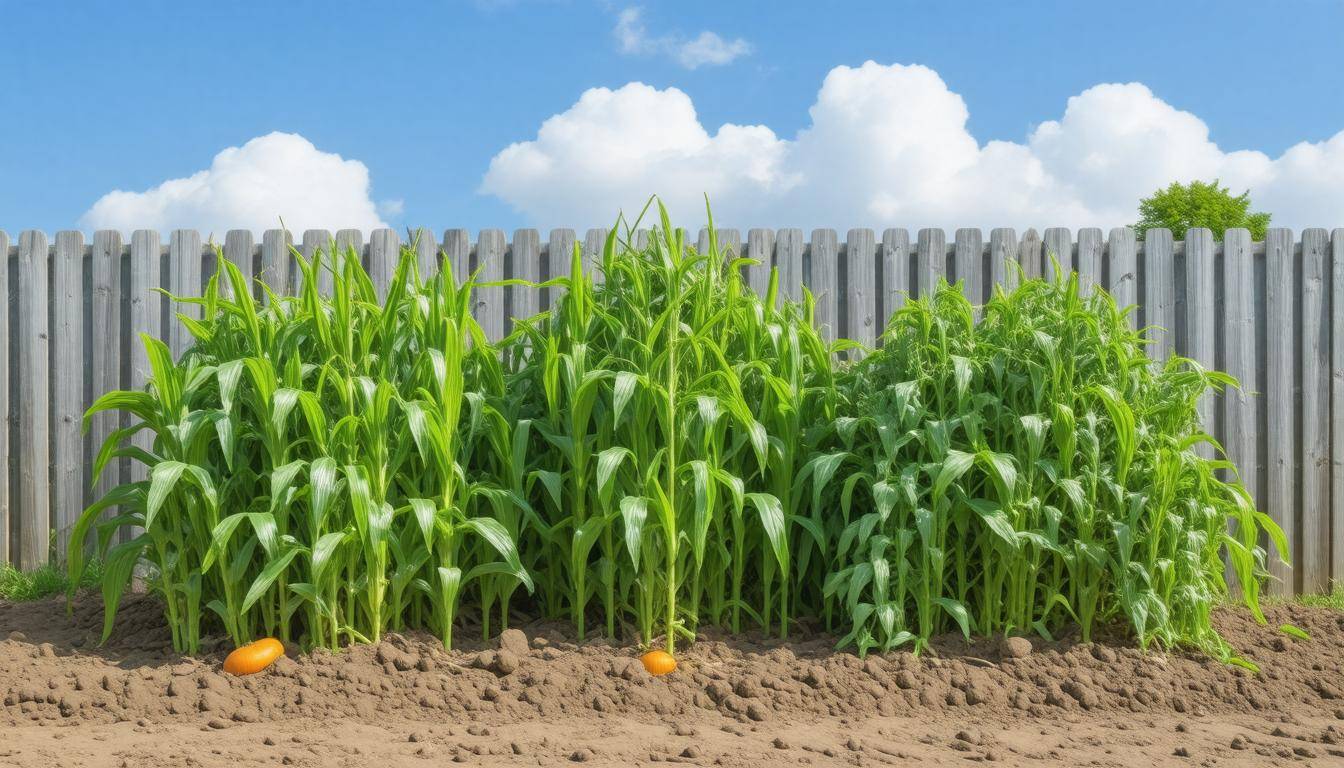
The Three Sisters Method Explained
At the heart of the Three Sisters Companion Planting is an effective relationship that showcases the brilliance of traditional agricultural practices. The first sister, corn, stands tall and proud, providing a vertical structure for the second sister, beans, to climb. This eliminates the need for additional stakes or supports, giving both plants ample opportunity to grow without competing for space on the ground.
But there’s more; when beans climb up the corn stalks, they are accomplishing another vital task: fixing nitrogen in the soil. This natural fertilization enhances soil fertility not only for themselves but also for the corn and squash.
Meanwhile, the third sister, squash, settles down low with its broad leaves, creating a dense ground cover that suppresses weeds. By shading the soil, squash retains moisture and minimizes evaporation, ensuring that all three plants have access to essential water throughout their growth cycle. This trio harmonizes in such a way that it significantly reduces potential resource competition while increasing overall yields.
Each plant plays a role that defines its contribution beyond mere coexistence; they actively work together to thrive.
Timing and spacing are essential when implementing this method. Corn should be planted first since it takes longer to establish itself. Once the corn reaches knee height, beans can be added as they will benefit from the established corn’s support. Squash follows suit about two weeks later, allowing ample room between plants to ensure they do not crowd each other.
Gardening Tips & Considerations
- Soil Composition: For optimal results, aim for a blend of half compost and half manure mixed with peat to provide aeration.
- Climate Suitability: Tailor your plant varieties to local climatic conditions so they can thrive—this means selecting seeds suitable for colder regions if that’s where you’re gardening.
- Planting Sequence: Begin by planting corn first, then introduce beans when the corn flourishes, followed by squash.
Successful gardeners have observed increased yields—up to 50%—when using this method compared to planting these crops separately. Imagine cultivating more food with less effort!
Incorporating traditional techniques like fish fertilization or seed saving can provide even greater benefits. Furthermore, understanding the cultural heritage behind these practices enriches our appreciation for their enduring legacy. Exploring this background reveals invaluable insights into agricultural wisdom passed down through generations.
Historical Roots and Cultural Significance
Originating with the Iroquois and other Native American tribes in the Northeast, the Three Sisters planting technique dates back over 1,000 years. This agricultural practice was not merely a means of growing food; it represented a holistic worldview that celebrated the relationship between humans and nature. Indigenous peoples viewed their actions as part of a larger community, one that included the earth, plants, and animals. This interconnectedness inspired traditions and storytelling, emphasizing harmony rather than dominance over nature.
At its core, the Three Sisters method embodies gratitude. According to Haudenosaunee beliefs, planting these three crops together offered thanks to Mother Earth for her gifts. Each crop plays a unique role: corn provides height to shelter beans from wind, beans enrich the soil by fixing nitrogen, and squash covers the ground to suppress weeds. This design is based on respect for nature’s way of sustaining itself. In this sense, growing food becomes a sacred act, deeply intertwined with spirituality.
While practices may vary today, the enduring wisdom of indigenous agricultural methods like this holds valuable lessons for modern gardeners seeking sustainability.
There’s wisdom in listening to what has worked for countless generations before us; we’re not just learning how to plant—we’re also honoring a legacy.
Moreover, rituals tied to planting and harvesting were integral to community life. Ceremonies marked planting seasons and harvest festivals that brought people together in celebration of shared labor and collective success. Through storytelling, knowledge about the land was passed down through generations, illustrating not simply how to grow food but why it was essential to live in balance with one’s environment.
By adopting the Three Sisters method today, we can embrace not only sustainable gardening but also acknowledge our responsibility towards ecological stewardship. It encourages us not only to reap benefits from our gardens but also to give back to nature—a core tenet of many Indigenous philosophies. Planting these sisters may seem like an agricultural decision at first glance; however, it unearths deeper historic ties that bind communities across time and space.
Engaging with this ancient practice opens pathways for exploring specific elements that make it both practical and beneficial for modern gardening approaches.
Key Components: Corn, Beans, and Squash
First up is corn, which serves as the mighty anchor of the trio. This towering plant can reach impressive heights of 8 feet or more under ideal conditions, so it’s crucial for it to be planted first. The reason for this sequencing is simple: corn provides the vertical structure that both beans and squash need to thrive. By establishing itself early, corn secures its place at the heart of this symbiotic system. Since corn also requires full sunlight, choosing an open area where it can bask in sunlight is vital. Additionally, ensure that there’s enough depth for root development—strong roots lead to a sturdier plant that withstands wind and rain.
Moving on, we have beans, the real MVP when it comes to enriching the soil. Once the corn reaches a height of about 6 inches, it’s time to introduce the beans into this green alliance. Beans are amazing little workers; they have the ability to fix atmospheric nitrogen into the soil through a unique relationship with bacteria in their root nodules. It’s nature’s way of fertilizing! This means less reliance on chemical fertilizers for all three plants, allowing them to grow stronger together. As beans ascend the corn stalks—using those sturdy columns as natural support—they help create an integrated ecosystem that can sustain itself over time.
Finally, we arrive at squash, often seen as the sweet low-key companion of this planting method. Squash varieties like pumpkins or butternut squash are sown last in this process. Their broad leaves serve multiple purposes; they shade the ground beneath, suppressing weeds and preventing competition for nutrients while also playing an essential role in moisture retention within the soil. Squash essentially creates a protective blanket for its companions, ensuring that water doesn’t evaporate quickly under the sun.
Each component of this trio complements and supports the others uniquely; together, they create a flourishing garden that thrives under well-planned conditions.
Understanding these key components is essential not just for successful gardening but also for making every square foot of your emergency garden work hard for you. Adopting such sustainable practices positively influences the immediate ecosystem and builds resilience against future challenges in your gardening journey. By investing time to learn about these plants individually and how they function together, you’re preparing your garden—and yourself—for enduring success.
With these foundational elements established, we can now explore how such practices contribute significantly to environmental sustainability and personal gardening success.
Sustainable Gardening Benefits
The Three Sisters method exemplifies sustainable gardening, offering numerous advantages that help both the garden and the environment thrive in harmony. One of the most notable benefits is its impact on soil health. By incorporating beans, which naturally fix nitrogen into the soil, gardeners can significantly reduce their need for chemical fertilizers. This enhances soil fertility and contributes positively to the environment by minimizing chemical runoff that can pollute water sources.
As research shows, gardens utilizing this method have demonstrated an improvement in soil structure and nutrient availability, leading to healthier plants. Studies suggest that crops grown using companion planting methods can yield up to 50% more than those cultivated in traditional monoculture systems.
Alongside improving soil health, embracing the Three Sisters method fosters biodiversity within your garden.
When you plant corn, beans, and squash together, they create a dynamic ecosystem that attracts beneficial insects and helps repel harmful pests naturally. For instance, the height of corn provides a place for birds to perch, giving them a vantage point to spot insects that might threaten your crops. Moreover, since the squash covers much of the ground surface, it acts as a natural barrier that deters weeds while simultaneously retaining moisture in the soil—a win-win for plant health!
Research indicates that gardens employing this technique are likely to support up to 30% more beneficial insects compared to conventional single-crop gardens. This increase in biodiversity results in lower pest management needs, allowing you to maintain vegetable gardens without harmful pesticides or herbicides.
Furthermore, we can appreciate how resource efficiency factors into sustainable gardening through this method.
Resource Efficiency
| Resources | Traditional Gardens | Three Sisters Method |
|---|---|---|
| Fertilizers | High Use | Low Use |
| Water | Moderate Use | Efficient Use |
| Space | Conventional Row Cropping | Vertical and Horizontal Use |
As seen in the table above, using the Three Sisters method allows for considerably more efficient resource use compared to traditional gardening practices. You require fewer fertilizers due to enhanced nitrogen levels in the soil from bean plants, and water usage is also optimized. The layout encourages plants to utilize both vertical and horizontal space effectively. This means you can yield a bumper crop without demanding extensive land or resources—ideal for emergency gardening situations where every drop of water counts.
With this understanding of sustainability in mind, let’s move forward to explore practical steps for creating your own flourishing garden.
Steps to Set Up Your Garden
First and foremost, selecting the site is a critical step that cannot be overlooked. Ideally, you want a location basking in full sun for at least six hours each day. This ensures that your corn, beans, and squash receive the sunlight they need to thrive.
Equally important is the drainage; you must avoid low-lying areas where water tends to pool, as soggy roots can lead to disease or stunted growth. Look for an area that dries out quickly after rainfall but retains enough moisture when necessary.
Once you’ve found the perfect spot, it’s time to focus on preparing the soil, which acts as the foundation for your garden’s success.
Preparing the soil properly sets you up for a rich yield. Begin by amending your soil with organic compost—this boosts fertility by adding essential nutrients that your plants crave. You’ll want a healthy mixture that typically contains one part compost to two parts existing soil.
A handy approach is to create mounds or raised beds about a foot high and two feet in diameter. This not only helps with drainage but also allows better access for planting, watering, and weeding throughout the growing season.
After laying this groundwork, we shift our focus to planting the first crop.
Planting corn is the next exciting step! You want to place corn seeds directly in the center of each mound, spacing them about 6-8 inches apart. This distance allows them optimal room to grow without overcrowding each other. Be patient; allow them to germinate and reach about 6 inches tall before introducing the next crucial companions—beans and squash.
This sequence is vital because corn must be established first to provide support for climbing beans.
With your corn sprouting upwards, now it’s time to introduce the other dynamic duo of this gardening trio.
Once your corn is firmly established, it’s time to plant your beans around it. Space them about four inches apart; they will naturally climb up the stalks of corn as they grow. Meanwhile, don’t forget about your squashes! Plant squash seeds at the edges of the mounds, allowing ample space for their sprawling vines.
Squash provides ground cover which helps retain moisture while suppressing weeds—a great benefit for everyone involved.
As we transition into practical strategies for growth, these thoughtful steps ensure that your Three Sisters garden flourishes harmoniously.
Planting and Growing Tips
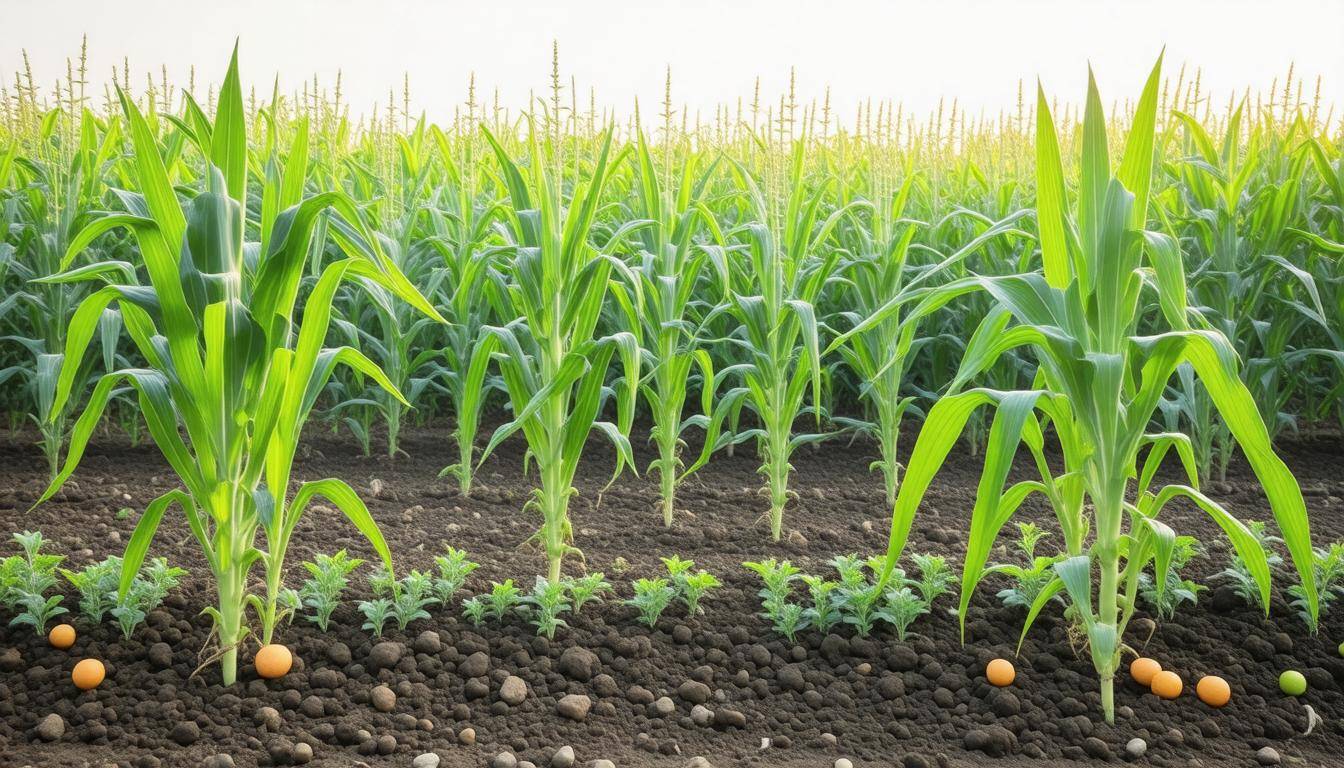
To ensure that your Three Sisters garden thrives, consistent watering practices are key. Regular watering is essential, especially for corn during its early stages of growth. It’s important to strike a balance; too much water can lead to waterlogged roots, which stifle development. Establishing a watering schedule, ideally providing about one inch of water per week, creates an optimal environment for all three plants to flourish.
Mulching around the squash plants offers additional benefits beyond moisture retention. A layer of mulch can help regulate soil temperature, keeping it warm in cooler conditions and cool when temperatures soar. This practice shelters delicate root systems and inhibits weed growth, allowing each plant to access vital nutrients without competition.
It’s noteworthy that healthy soil translates into healthy plants. Keeping your soil enriched and aerated is paramount in this symbiotic planting method.
Crop rotation plays a vital role in sustainable gardening practices. By rotating your crops annually, you help prevent soil depletion and combat pests. For instance, if you planted corn, beans, and squash in one area this year, consider shifting them next season to maintain soil fertility.
Additionally, understanding the spacing requirements among your plants cannot be overlooked. Proper spacing allows for adequate airflow around each plant, reducing the risk of mold and disease due to excess humidity. Corn plants should ideally be spaced twelve inches apart with rows three feet apart; beans need about six inches between them, while squash should have generous spacing of about two feet to accommodate their sprawling vines.
Ensuring sufficient sunlight exposure is critical for the success of your garden. Aim for at least six to eight hours of direct sunlight daily to help corn reach its height potential while nurturing the growth of beans and squash. The position of your garden in relation to trees or buildings can greatly influence exposure—make adjustments as needed to maximize sunlight intake.
With these insights into companion planting approaches, you will create a thriving environment that supports biodiversity and sustainability. Transitioning now into practical care methods will further set you up for success in your gardening journey.
Maintenance and Care Practices
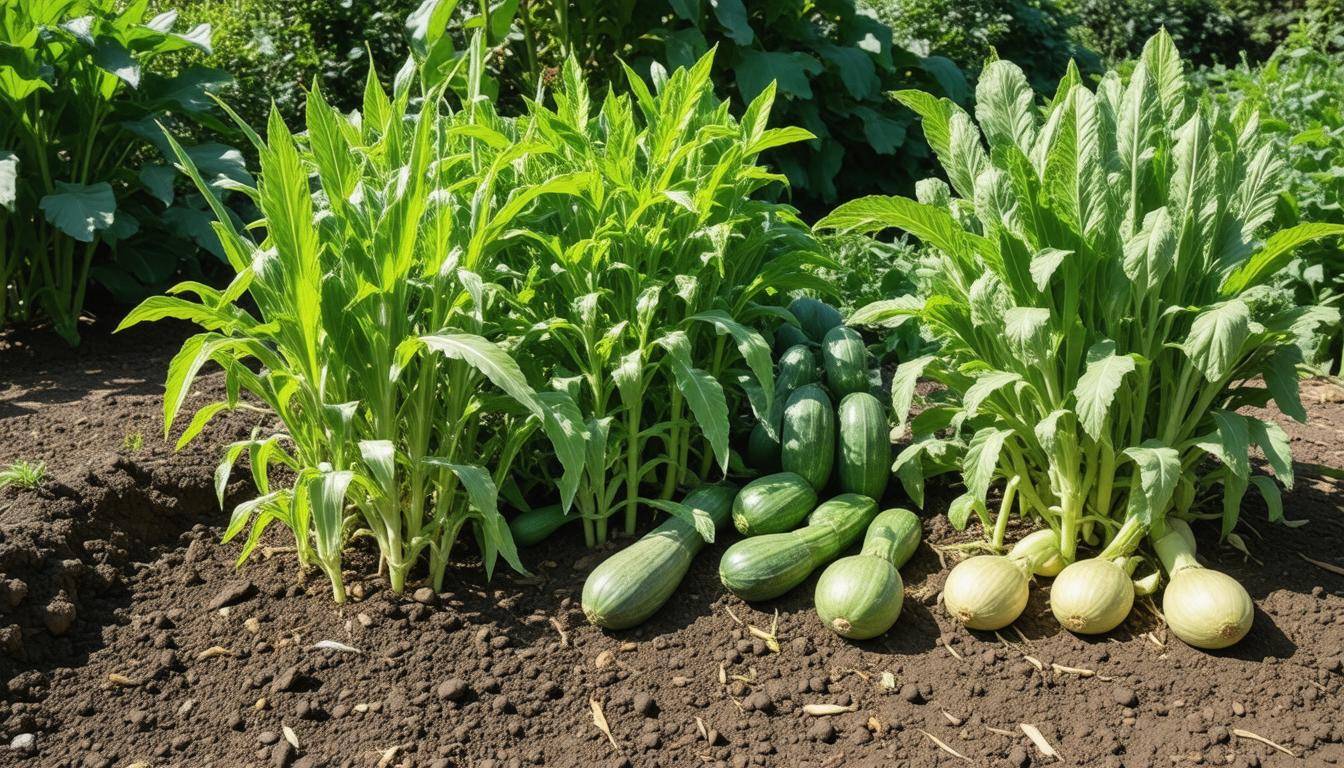
Regular maintenance is essential to ensure that your Three Sisters planting thrives, creating a bountiful, healthy garden. One of the first tasks is weed control. While squash plants do an excellent job of suppressing weeds with their broad leaves, it’s not uncommon for some pesky intruders to slip through early in the season. I’ve found that taking a few moments each week to walk through your garden and gently pull any weeds can save you a lot of hassle later on. Not only does this reduce competition for nutrients and water, but it also allows air and sunlight to reach your precious crops.
As you manage weeds, it’s equally important to pay attention to potential pests hiding among your plants.
Implementing pest management strategies is vital in keeping your garden healthy and productive. I recommend using natural pest deterrents like neem oil. This plant-based solution is safe for your crops while effectively warding off common pests like aphids and spider mites. Spraying a diluted mix onto your plants, focusing especially on vulnerable beans and squash, can help maintain a healthy ecosystem in your garden. Applying neem oil every few weeks or after heavy rains makes a noticeable difference without resorting to harsh chemicals.
While you’re tending to pests, another crucial aspect of maintenance involves understanding the importance of your soil’s health.
Regular soil monitoring cannot be overstated. Soil pH significantly influences plant growth, particularly for corn, which thrives in slightly acidic to neutral soils (pH 6-7). You can easily purchase test kits at garden centers; they usually come with straightforward instructions. If you find that your soil pH is too low or high, consider amending it with lime or sulfur as necessary. Keeping your soil well-balanced ensures that your Three Sisters are getting the nutrients they need to grow robustly.
A thriving corn stalk serves more than one purpose; it becomes a natural support for the climbing beans as they grow taller.
When conducting your routine checks, take notice of how well the beans are supporting themselves by climbing the corn stalks. Sometimes, those little bean tendrils may need a helping hand. Gently guide them up the corn stalks if you see them straying away or appearing tangled at the base. This not only helps maximize space but encourages better growth as the beans have better access to sunlight—their natural food source.
From my own experience, these steps have turned an average harvest into a bountiful supply of fresh vegetables. The beauty of the Three Sisters garden lies in its interconnectedness; with just a bit of thoughtful maintenance, you can enjoy both fruitful yields and contribute positively to sustainable gardening practices.
Remember: regular and attentive care creates not only a healthier garden but also a fulfilling connection between you and the earth. By following these simple maintenance tips, you’ll support a vibrant and productive Three Sisters garden year after year.
With these foundational practices in mind, let’s explore how to utilize your harvest effectively during challenging times.
Utilizing the Garden During Emergencies
The unique layout of the Three Sisters garden—comprising corn, beans, and squash—creates a self-sustaining ecosystem that is particularly valuable during emergencies. This method maximizes space and ensures that the plants benefit each other intricately. For instance, corn provides structural support for climbing beans, while beans enrich the soil with nitrogen, essential for robust growth. Squash sprawls across the ground, effectively suppressing weeds and aiding in moisture retention. Together, they form a resilient trio well-equipped to provide vital nutrition when resources are limited.
In a survival situation, nutritional diversity is critical. The Three Sisters garden offers all three macronutrients necessary for maintaining energy and health. Corn acts primarily as a carbohydrate source, providing approximately 86 calories per 100 grams along with fiber; meanwhile, beans contribute around 127 calories packed with protein and additional fiber. Finally, squash, though lower in caloric content at about 26 calories per 100 grams, is rich in vitamins and minerals that round out your dietary needs. Their synergetic relationship creates a balanced diet capable of sustaining individuals through tough times.
As many gardeners have discovered, cultivating this method leads not only to increased yields—sometimes up to 50% more compared to planting separately—but also fosters community resilience.
One enthusiastic gardener from a prepper blog summed it up aptly, stating: “During a natural disaster, my Three Sisters garden provided enough food for my family for weeks, making it an essential part of our emergency preparedness plan.” This type of anecdote highlights the value of preparing ahead by nurturing such gardens to bolster food security when situations become unpredictable.
However, the benefits extend beyond just nutrition. Having access to homegrown produce reduces reliance on market goods during stressful times when supplies may dwindle or perish rapidly. Additionally, this practice aligns perfectly with sustainable gardening principles—like no-till techniques—that promote soil health while minimizing weed problems without resorting to harmful chemicals.
Proper care before an emergency hits cannot be overstated. Establishing your garden well in advance ensures you can enjoy harvest time even in tough conditions. With strategic planning regarding plant spacings and timings—such as sowing corn first followed by beans—you can ensure a bountiful crop cycle that delivers nutritious food reliably.
Ultimately, incorporating the Three Sisters companion planting strategy isn’t merely agricultural wisdom—it’s an investment in resilience and sustainability that can support households during emergencies while enhancing overall community strength. Embracing this ancient knowledge empowers gardeners to cultivate not just crops but also promises of security for tomorrow’s challenges.
In doing so, you create not only a sustainable ecosystem but also a community prepared for unforeseen events.
Can the Three Sisters be effectively grown in small garden spaces or containers?
Yes, the Three Sisters can be effectively grown in small garden spaces or containers. This traditional Native American planting method, which includes corn, beans, and squash, maximizes vertical space and minimizes weeds. Studies show that using companion planting can increase yield by up to 50%, making it ideal for limited areas. Containers allow for tailored soil conditions and better moisture control, ensuring that each plant thrives even in compact environments.
Are there any common pests or diseases that affect the Three Sisters when planted together?
Yes, common pests such as squash bugs and corn earworms can affect the Three Sisters—corn, beans, and squash—when planted together. Additionally, they may be susceptible to diseases like downy mildew or root rot, particularly in humid climates. Research shows that companion planting can reduce pest incidence by up to 20% due to the biodiversity that disrupts pest life cycles and encourages beneficial insects, making this method an effective strategy for maintaining healthy crops.
How does the Three Sisters planting method improve crop yields?
The Three Sisters planting method, which involves cultivating corn, beans, and squash together, enhances crop yields through complementary growth habits. Corn provides a natural trellis for climbing beans, while the beans fix nitrogen in the soil, enriching it for all three plants. Squash spreads out on the ground, blocking weeds and retaining soil moisture. Studies have shown that this intercropping can increase yields by up to 40% compared to monoculture planting, making it an efficient and sustainable gardening technique.
What specific growing conditions do corn, beans, and squash require to thrive together?
Corn, beans, and squash thrive together in a well-drained, nutrient-rich soil with a pH of 6.0 to 7.0, under full sun exposure of at least six hours a day. They benefit from companion planting as corn provides support for climbing beans, while beans fix nitrogen into the soil, enriching it for the heavy-feeding corn and squash. Squash’s broad leaves create shade that helps retain soil moisture and suppress weeds. Successful intercropping can boost yield by up to 20%, making this trio an efficient combination for sustainable gardening.
What are some variations of the Three Sisters method for different climates or regions?
Variations of the Three Sisters method can be tailored to different climates by selecting regionally adapted varieties; for instance, in cooler climates like those found in parts of Canada, gardeners might choose early-maturing corn and varieties of squash that thrive in shorter growing seasons. In arid regions, drought-resistant bean and corn varieties can enhance survival rates, while combining traditional crops with local perennials may improve biodiversity and soil health. Overall, implementing these adaptations has led to reported increases in yield by up to 30% in diverse environments, demonstrating the flexibility and resilience of this ancient agricultural technique.