
When severe weather hits Timaru, being prepared can make all the difference for your safety and comfort. Imagine suddenly facing heavy rain, strong winds, or even the threat of flooding—how would you cope? Having a well-stocked severe weather kit at hand not only provides essential supplies but also offers peace of mind that you and your loved ones are ready to face whatever comes your way. This guide outlines the must-have items for creating your own kit tailored to Timaru’s unique climate challenges, ensuring you’re equipped to handle any storm without feeling overwhelmed. Let’s dive into what should be included in your emergency preparation plan.
A severe weather kit for Timaru, South Island should include essential items such as at least three liters of water per person per day for three days, non-perishable food supplies for the same duration, a first-aid kit to address injuries, flashlights with extra batteries for visibility during power outages, and portable phone chargers. Additionally, including warm clothing and emergency blankets is critical to protect against hypothermia during cold spells associated with severe weather events.
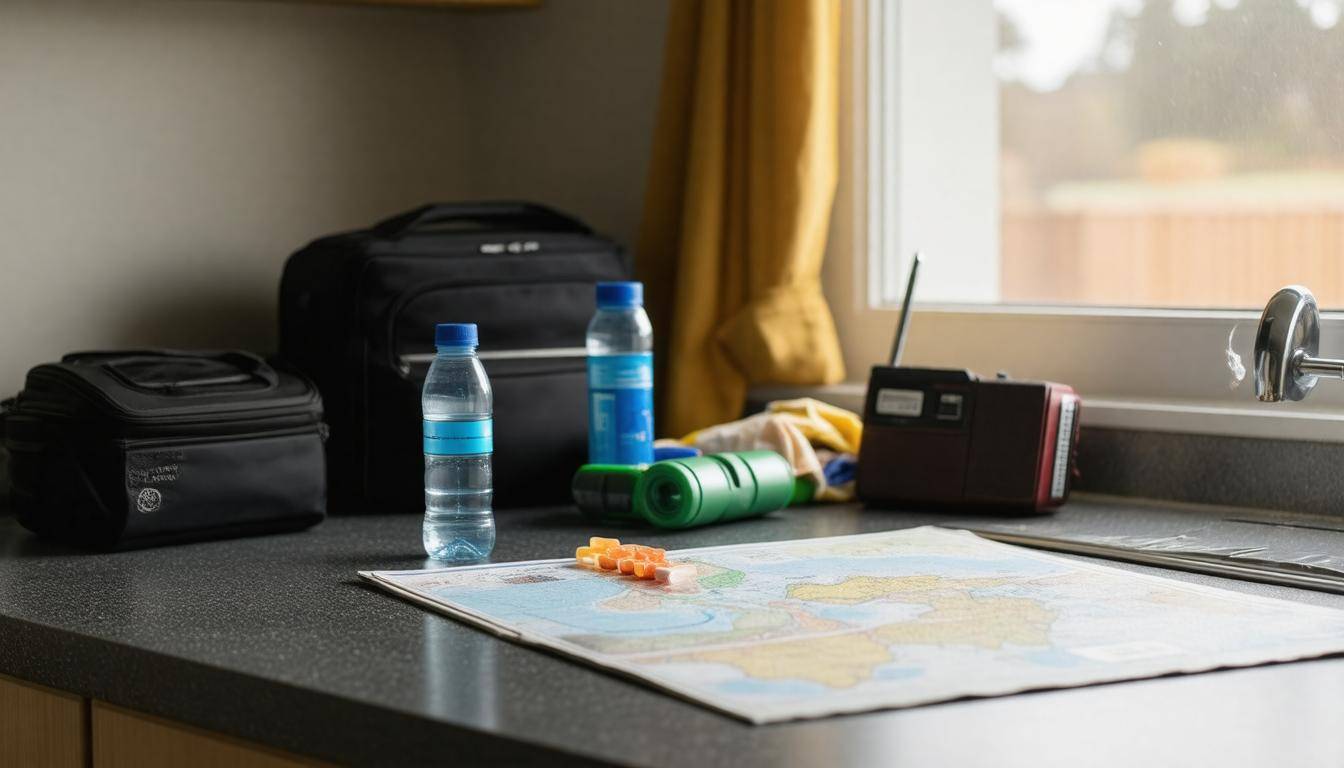
Essential Items for Timaru Weather Kits
Water is perhaps the most critical component of your emergency supply; having at least three liters per person per day stored for a minimum of three days is vital. This is especially important in Timaru, where isolation can lead to sudden disruptions in local water supplies due to severe weather events or other natural hazards. Not only does proper hydration keep you functioning, but it also aids in maintaining cognitive abilities during stressful situations.
Equally important are non-perishable food items. Load your kit with canned beans, rice, and protein bars—these foods have long shelf lives and require no refrigeration. Imagine being stuck at home during a storm with nothing to eat; it’s disheartening. By stocking up on these essentials, you ensure survival and provide a sense of security knowing you can sustain yourself and your family even when the outside world seems chaotic.
Additional Items
-
Flashlight with extra batteries: This will be crucial during power outages. An LED flashlight can last for hours, brightening up dark rooms and keeping spirits high.
-
Portable phone charger: If the power remains out for an extended period, a portable charger ensures you’re still connected to loved ones and emergency services.
-
Whistle to signal for help: If trapped or in distress, a whistle is far more effective than yelling for attention; it conserves energy while increasing your chances of being heard.
-
Multi-tool or Swiss Army knife: This versatile tool can handle various tasks—from opening cans to making minor repairs—making it invaluable in emergencies.
-
Waterproof matches or lighter: Fire isn’t just about warmth; it’s also about cooking food and signaling for help, so having means to start a fire safely is paramount.
-
Local maps: Even if technology fails, knowing the lay of the land helps in navigation, especially if you need to evacuate.
-
Hygiene items: Maintaining cleanliness can bolster morale and prevent illness in tough situations; include things like a toothbrush, toothpaste, and moist towelettes.
-
Local emergency contact information: Keep this handy for quick reference, ensuring everyone knows whom to call should things go awry.
Understanding what goes into these essentials is just as crucial as gathering them; knowing their significance helps prioritize preparedness efforts actively. Let’s now explore how specific food and water storage strategies can make all the difference when severe weather strikes.
Emergency Food and Water Supplies
Keeping the right type and amount of food and water is vital when faced with severe weather. In Timaru, where natural hazards are a real possibility, being prepared becomes more than just a precaution—it’s a necessity. The general recommendation for water is to allocate one gallon per person per day for at least three days. For a family of three, this translates into nine gallons of water! It’s essential to store this in BPA-free containers to avoid any health risks.
If the situation arises where tap water isn’t safe or readily available, consider keeping some water purification tablets on hand. These handy tools can cleanse rainwater, allowing you to rely on natural sources during emergencies.
Having clean drinking water is just the first step; you also need to think about food supplies.
Water
When the storms roll in, having adequate water becomes even more critical as local supplies may become disrupted. It’s important to prepare for at least three days without access to normal services, so stock enough water accordingly.
Food
Your food supplies should be simple yet effective in sustaining you during an emergency. Items like canned goods—vegetables, fruits, and meats—are great staples due to their long shelf life of around 2-5 years. Opting for instant noodles or vacuum-sealed dried fruits makes meal-planning easier because they’re lightweight and compact—perfect for tight storage situations.
But don’t forget the preparation aspect—make sure you have the means to prepare this food when needed. A portable camping stove and fuel can be invaluable in this context. You’ll want meals that can be cooked quickly and with minimal water, such as soups or pre-packaged meals. Having handy items like utensils, a sturdy can opener, and heat-safe cups and plates ensures you’re ready to serve your meals with ease.
Regular maintenance checks on these supplies will guarantee that none of your essentials expire without your notice. Rotate stocks every six months—you wouldn’t want to rely on expired food or dirtied containers while in the midst of an emergency.
With provisions secured, it’s time to ensure your safety from the cold elements that often accompany severe weather events.
Protection Against Hypothermia
Hypothermia is a serious condition that can occur when body temperature drops too low, especially during the chilly winter months here in Timaru. Preparing for the cold should be taken very seriously; understanding what you need to keep warm will make all the difference if you find yourself in a crisis.
Warm Clothing
A good first step is to ensure that your severe weather kit includes appropriate clothing. Think layers:
- Thermal wear should be at the base for moisture-wicking.
- Insulating wool socks help retain warmth.
- Don’t forget hats and gloves, which can greatly minimize heat loss.
The outermost layer is essential; a quality windproof jacket can act as a barrier against biting winds, which only exacerbate the effects of cold temperatures.
Remember, even if you’re starting to feel warm in your home, once you go outside or lose power, those layers might save your life.
Emergency Blankets
Moving on from clothing, another must-have item in any severe weather kit is emergency blankets, often referred to as space blankets. These lightweight treasures are incredibly compact and designed to reflect back the body’s heat, keeping you warmer than you might expect. They’re not just for emergencies; they can be used during routine outings in cooler temperatures or even while camping! Many find that having extra emergency blankets stashed away offers peace of mind.
Their compact size means they fit easily into backpacks or kits without taking up much room at all—just a small precaution that can make a world of difference.
Shelter
Lastly, consider shelter: if you absolutely need to leave your home during extreme conditions or if it becomes uninhabitable due to flooding or fire risk, having a waterproof and windproof emergency tent is paramount. While we often think of tents for camping trips, an emergency tent can provide crucial protection from rain and wind during severe weather events as well.
Imagine being caught out in a storm; having a sturdy yet portable shelter ready to deploy can protect from exposure and keep vital warmth contained. Tents designed for emergencies are usually lightweight and easy to set up — perfect for quick response situations.
By incorporating these clothing essentials, emergency blankets, and appropriate shelter into your preparedness plans, you lay a strong foundation for safety during severe weather events. Next, we’ll explore measures to enhance the security of your living environment against various threats.
Home Safety Precautions
Being proactive about your home’s safety can save you from potential disasters during extreme weather conditions. One essential way to ensure your home is ready is by securing the structure itself. This not only involves regular maintenance but also thoughtful measures that can prevent damage and safeguard your family.
Securing Your Home
Start by inspecting your roof and gutters at least twice a year. Look for missing or loose shingles, and make sure your gutters are clear of debris to allow water to drain properly. Clogged gutters can lead to excess water pooling on your roof, increasing the risk of leaks and structural damage.
Additionally, keep an eye on the trees around your home. Overgrown branches can pose a serious threat during storms; they should be trimmed back regularly to prevent them from breaking off in high winds and crashing into your roof or windows.
According to local authorities, unattended trees and loose gutters account for a substantial amount of property damage during storms in Timaru. These preventative actions protect not just the aesthetics of your home but also its integrity.
As we consider damages caused by severe weather, it’s equally critical to think about how we will handle unexpected power outages. With so many daily activities reliant on electricity—from communication devices to heating systems—being prepared for loss of power can significantly enhance our safety and comfort.
Power Backup
Investing in an uninterruptible power supply (UPS) can provide a temporary solution, keeping essential electronics running for short periods during interruptions. This is particularly helpful if you’re relying on devices like medical equipment or computers that need stable power supplies.
For longer outages, consider a portable generator: these can be lifesavers when storms knock out the grid for extended periods. Ensure you’re familiar with safe generator usage, including proper ventilation to avoid carbon monoxide buildup.
Taking measures such as regular inspections of your home’s exterior and investing in reliable backup power solutions directly contributes to maintaining a safe environment against extreme weather events.
Now that we’ve discussed securing your home and preparing for power outages, it’s crucial to explore tools and strategies that facilitate effective communication during emergencies.
Communication Tools and Planning
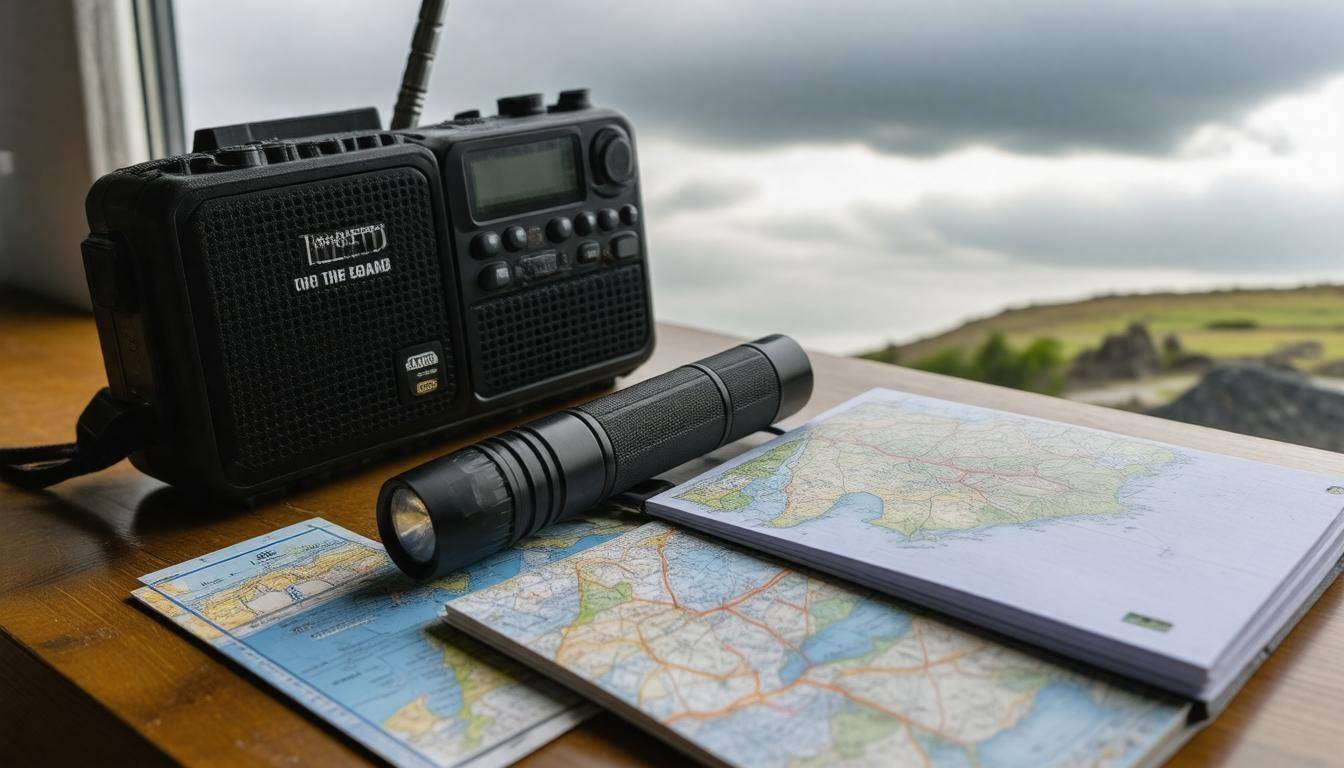
In times of crisis, effective communication is vital; it ensures everyone’s safety and keeps families connected.
Consider investing in a battery-operated radio. This tool is indispensable because it continues to function even when power outages occur, allowing you to stay informed of crucial updates about weather conditions or emergencies. Listening to local channels can provide instructions from emergency services directly related to your area, keeping you ahead of any dangers.
Alongside the radio, include a list of essential contacts in your emergency kit. Make sure this list comprises key people such as family members, neighbors, and local authorities while ensuring you have both local and out-of-town numbers included. As an added layer of security, keep a fully charged portable phone charger in your kit too. A power bank with 20,000 mAh capacity can charge your smartphone several times, making it invaluable during extended outages.
However, tools alone don’t ensure effective communication; having a solid plan is equally important.
Planning
Developing a family emergency communication plan is essential for readiness. Start by discussing where everyone will meet if separated—this could be a local park or a nearby friend’s house that’s more likely to be safe compared to home during extreme weather events.
Make sure each family member memorizes this location along with contact numbers. Write them down and include the lists in your emergency kits.
It’s also wise to practice this plan periodically. By running drills, you’re not just familiarizing everyone with the steps; you’re instilling confidence. Everyone will know what to expect and what actions to take, eliminating panic during an actual emergency.
Good communication tools combined with a well-crafted plan create a robust foundation for navigating severe weather challenges effectively. Your preparedness can make all the difference should an emergency arise.
With these aspects in place, you’ll want to explore where to find trusted updates on weather conditions that can help further guide your actions during severe situations.
Reliable Sources for Weather Updates
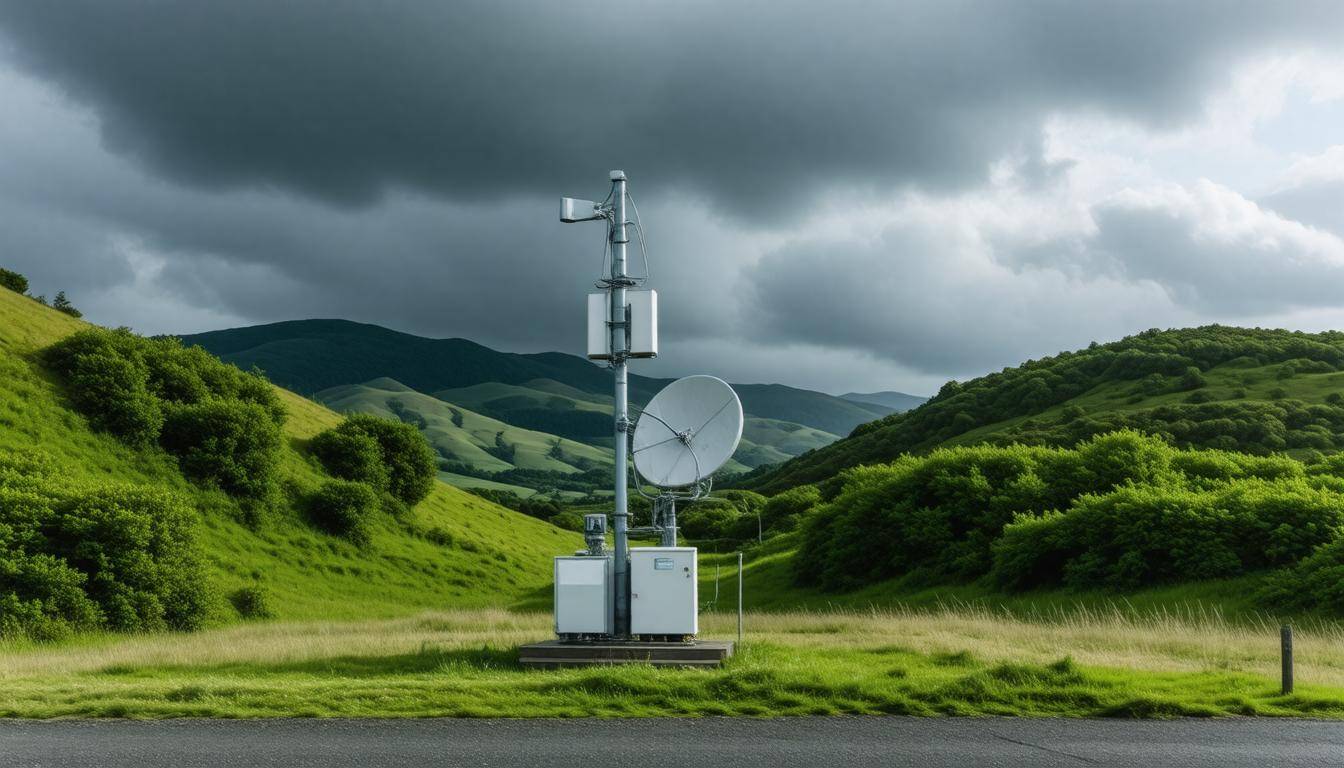
Knowing where to get reliable weather updates is crucial, especially in a location like Timaru, where weather conditions can change rapidly. The right sources keep you informed, helping you make decisions about when it’s safe to go outside or when to stay indoors and access your severe weather kit. This isn’t just about staying aware; it’s about staying safe.
Sources
| Source | Type | Reliability |
|---|---|---|
| New Zealand MetService | Official Website | High |
| Local Radio Stations | Broadcast | High |
| Emergency Management Timaru | Local Government | High |
The New Zealand MetService is your first stop for accurate forecasts and warnings. Their official website provides timely updates from daily temperatures to severe weather alerts. It’s user-friendly and equipped with maps that illustrate current conditions. During stormy weather, visiting their site should be part of your routine to ensure you’re well-informed.
However, not everyone spends their day glued to a computer screen jumping between tabs for real-time information. That’s where local radio stations come into play.
Local radio stations offer a vital service, particularly during emergencies. They deliver timely broadcasts that share urgent developments as they happen. Unlike social media or websites, these stations often provide concise reports and can quickly interrupt regular programming with crucial updates. In fact, having a battery-operated radio ensures you remain connected even if the power goes out.
Lastly, the Emergency Management Timaru team is another excellent resource. As an arm of the local government, they focus on public safety and disaster preparedness. Following their updates ensures you receive information tailored to your locale—right down to tips specific to our little corner of the South Island.
To fully benefit from these sources, consider subscribing to their alert services. Setting up notifications can streamline the process of receiving critical updates straight to your phone or email inbox. This way, you won’t miss a beat during severe weather events—keeping your family and home safe amidst chaotic conditions. Regularly checking these resources will make you not only more aware but also better prepared for any situation Mother Nature throws at us—all while living in the remarkably scenic environment of Timaru.
As we consider these critical information sources, let’s turn our attention to effective plans and measures that can be implemented in response to unforeseen circumstances.
Disaster Response Strategies
When a severe weather warning flashes on your phone, it’s important to stay calm and focused. The first steps you take will shape not only your immediate safety but also that of your loved ones. In those crucial moments, remember that knowledge is power. As soon as the alert comes through, begin by securing your property. This might mean bringing in outdoor furniture, securing loose garden items, or boarding up windows if the forecast predicts high winds.
Immediate Actions
Once you’ve taken care of the exterior, the next step is moving indoors to an interior room — ideally one without windows. Select a safe place such as a basement or an interior hallway, where you can remain sheltered from debris and potential hazards outside. It’s here that you should gather essentials like water, snacks, and your prepared emergency kit. This isn’t just about survival; it’s about maintaining mental fortitude. Having everything at hand helps to lessen anxiety during stressful events.
Remember: The goal is to protect yourself and your family, so clear communication within your household is vital. Make sure everyone understands where to go and what to do if the situation escalates.
Long-Term Planning
To create a culture of preparedness, consider engaging with community drills conducted by local authorities. These exercises not only reinforce individual readiness but also build a sense of togetherness and shared responsibility in the face of natural disasters. Participating in these sessions equips you with valuable survival skills such as first aid, emergency evacuation procedures, and even how to communicate effectively during a crisis.
Here are some aspects covered in these community drills:
- Basic first aid techniques for minor injuries
- How to identify safe evacuation routes
- Establishing communication plans with neighbors
- Important emergency contacts and local resource information
Nurturing relationships with your neighbors can also prove invaluable during times of crisis. By understanding each other’s strengths and capacities, you can work together to support one another when the weather takes a turn for the worse.
As we look at ways to enhance our preparedness further, understanding the available support systems in our community becomes critical in ensuring comprehensive safety measures are in place.
Important Local Services and Resources
Timaru Emergency Management plays a central role in navigating the treacherous waters of severe weather. They provide vital resources, including emergency shelters and food supplies, crucial during storms or flooding.
Imagine facing an unexpected weather crisis without knowing where to go for assistance. By familiarizing yourself with shelter locations ahead of time, you ensure the safety of yourself and your family.
Services
In reviewing support resources, it’s important to explore what Timaru Emergency Management offers—like their 24-hour emergency hotline and community training programs. They often hold workshops on emergency preparedness that teach residents how to create a comprehensive Severe Weather Kit tailored to specific needs.
Participating in such programs gives you hands-on experience and a deeper understanding of what to expect during emergencies, which could mean the difference between chaos and calm during stormy nights.
Staying connected with local updates via social media platforms ensures that you’re receiving real-time information on resource availability. Community centers can also serve as gathering points for sharing information and developing plans together, reinforcing cooperation in tough times.
Community Initiatives
Building a resilient community starts with strong connections. One effective way to foster this is by joining or forming local neighborhood watch or support groups. These communal gatherings enhance collective safety and communication.
In times of need, having a network where everyone looks out for one another can greatly alleviate individual stressors and provide essential aid when resources are scarce.
Remember: Communities that prepare together thrive together!
To fully capitalize on these supportive frameworks, engage proactively with local initiatives and familiarize yourself with nearby services. A well-prepared community is the backbone of safety during extreme weather conditions; when disaster strikes, we rise together.
By harnessing local resources and strengthening community ties, you lay the groundwork for greater resilience against severe weather challenges. Your prepared mindset alongside collective effort equips Timaru households for whatever nature throws their way.
How often should residents check and update their severe weather kits?
Residents should check and update their severe weather kits at least bi-annually, ideally during spring and autumn. This ensures that essential items, such as food, water, batteries, and medications, remain fresh and functional in case of unexpected severe weather events. According to emergency management statistics, over 60% of households fail to prepare adequately for natural disasters, highlighting the importance of regular kit reviews to safeguard against potential hazards.
What local resources or organizations provide guidance on preparing for severe weather in Timaru?
Local resources in Timaru for severe weather preparation include the Timaru District Council and Civil Defence Emergency Management. They provide comprehensive guidelines and resources on creating a severe weather kit tailored to local conditions. The South Canterbury District Health Board also promotes safety measures against extreme weather, ensuring community awareness. In 2021 alone, over 70% of residents reported having an emergency plan, thanks to these organizations’ efforts in raising awareness about preparedness.
What essential items should be included in a severe weather kit for Timaru?
A severe weather kit for Timaru should include essentials such as a first aid kit, non-perishable food, clean water (at least 3 liters per person per day), a flashlight with extra batteries, a battery-powered or hand-crank radio, and warm clothing or blankets. Given that Timaru experiences storms and heavy rainfall, having these items ensures preparedness during emergencies. It’s recommended to have enough supplies to last at least three days, as local statistics indicate that severe weather events can disrupt services and access to stores.
Are there specific types of extreme weather common in Timaru that the kit should address?
Timaru, located on the eastern coast of New Zealand’s South Island, is prone to strong winds and heavy rainfall, particularly during winter and spring, with average annual rainfall around 600-700 mm. The region can also experience severe weather events such as thunderstorms and coastal storms that may lead to flooding. Therefore, a well-equipped severe weather kit should include essentials like waterproof clothing, a reliable flashlight, non-perishable food items, water purification supplies, and first-aid materials to prepare for these specific conditions effectively.
How can residents effectively store their severe weather kits to ensure they are accessible during an emergency?
Residents in Timaru can effectively store their severe weather kits by keeping them in a cool, dry place that is easily reachable, such as a designated spot near the main exit of their home. It’s essential to use clear plastic bins for visibility and to label them clearly with “Emergency Kit” to save precious time during an emergency. According to emergency management statistics, having a prepared kit can reduce response time by up to 50%, ensuring families are ready within minutes when severe weather strikes. Regularly checking and updating supplies every six months increases reliability and effectiveness during unexpected events.