
When it comes to living in a seismically active place like Tokyo, being prepared for earthquakes and tsunamis is not just smart; it’s essential. You might wonder, “What should I really have on hand when disaster strikes?” This article dives into that very question, offering you a clear, practical guide to assembling an emergency kit that could make all the difference. Whether you’re an experienced planner or just starting to think about preparedness, you’ll find that having the right supplies ready can give you peace of mind. Let’s explore what items to include to help you weather any storm—literally!
A comprehensive Tokyo Earthquake & Tsunami Emergency Kit should include essential items such as at least 3 days’ worth of non-perishable food, bottled water (2 liters per person), a flashlight with extra batteries, first aid supplies, a portable battery charger, and personal hygiene products. It’s also advisable to add a multi-tool, thermal blankets, and a communication plan that includes emergency contacts to ensure you are prepared for any situation following a disaster.
Essential Items for Your Emergency Kit
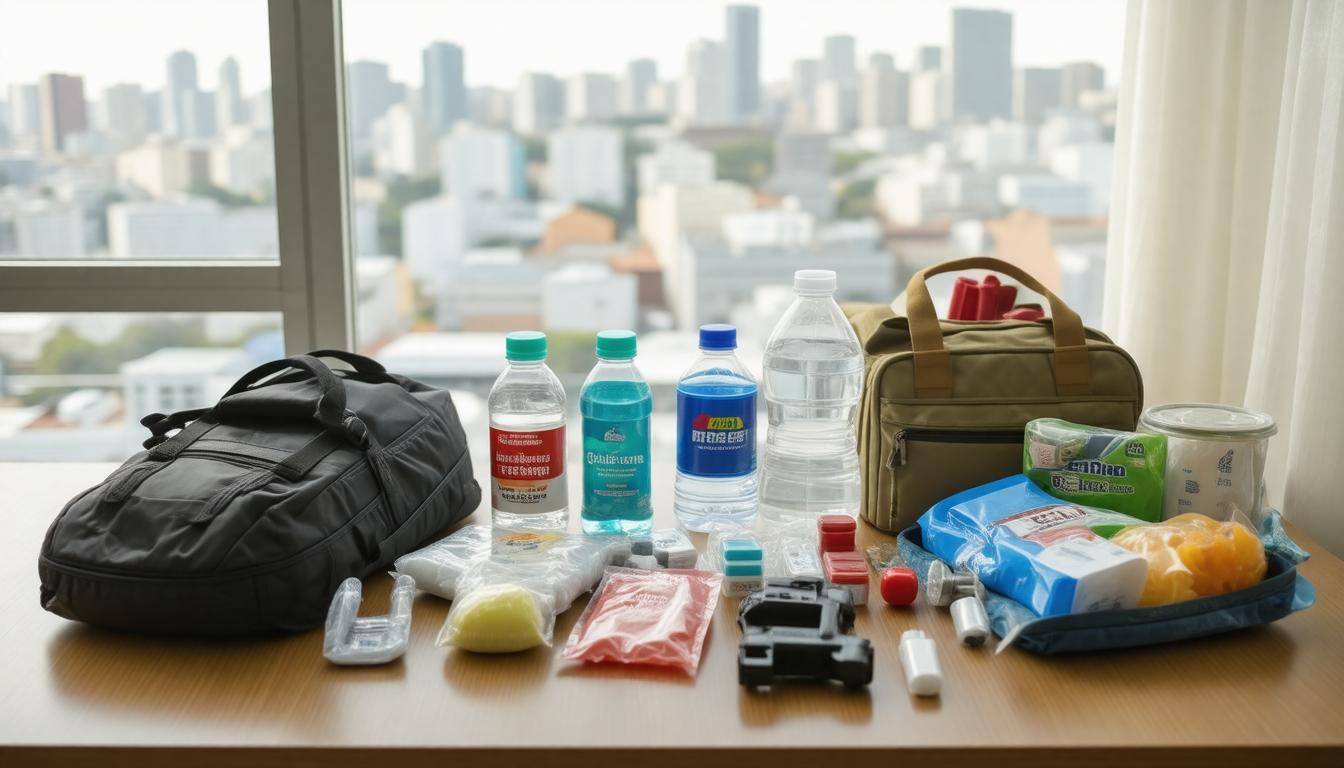
When preparing for potential earthquakes and tsunamis in Tokyo, assembling an emergency kit is one of the most proactive steps you can take. First on the list is water — aim for at least three gallons per person, as staying hydrated is critical during emergencies. Water sustains life and can also be used for sanitation purposes. After a disaster, local water supplies may be contaminated, so having enough clean water in portable containers or dedicated bottles is essential.
Next comes non-perishable food. Include options like canned goods, energy bars, and dried fruits that provide essential nutrients and calories. It’s recommended to pack at least 2,000 calories worth of food per person per day for a minimum of three days. Be sure these foods are calorically dense with a long shelf life; having a variety helps maintain morale during stressful situations.
Packing a few favorites can provide comfort when everything seems overwhelming.
A flashlight is another must-have item. Darkness can descend quickly in emergencies due to power outages, making reliable lighting indispensable. Opt for an LED flashlight which lasts longer and consumes less battery power than traditional bulbs. Stock up on extra batteries; ensure they are fresh and compatible with your flashlight.
Equally important is a well-stocked first-aid kit. This should include bandages, antiseptics, adhesive tape, scissors, and pain relievers at minimum. Familiarizing yourself with basic first-aid procedures equips you to handle minor injuries post-disaster. Consider adding personalized medications and any allergy medicines for comprehensive care.
A whistle rounds out your list as an often-overlooked but vital tool for signaling help if trapped under debris or separated from loved ones. Its high-pitched sound carries farther than the human voice, making it effective in crisis situations.
Other Essential Tools
Now let’s discuss the significance of having a portable charger. In an age where our entire lives are contained within our smartphones, losing battery power can be detrimental during emergencies. Invest in a solar-powered charger that allows you to harness renewable energy while waiting out the storm.
Don’t underestimate the utility of a multi-tool either; this compact device typically combines several functions such as cutting, opening cans, and performing minor repairs. Whether you’re trying to open a can or fix something on the fly, having one ensures preparedness for various survival scenarios.
Keeping these essentials organized and easily accessible can mean the difference between chaos and calm when faced with an emergency.
As you gather these vital items to enhance your safety protocol, ensure you’re equally aware of maintaining adequate provisions necessary for survival during challenging times ahead.
Food and Water Supplies
To endure a crisis effectively, you must prioritize proper nutrition and hydration. It’s about creating a balanced supply of sustenance that will nourish you in challenging times. A solid strategy begins with storing at least a three-day supply of non-perishable foods for each person in your household. This means considering items that provide not only calories but also nutrients. Foods like canned beans, pasta, and rice are excellent staples due to their long shelf life. Don’t overlook high-calorie snacks that can provide quick energy boosts; think peanut butter for protein and dark chocolate for a morale lift!
Additionally, selecting food items that are easy to prepare or require minimal cooking is crucial. Imagine being without power: you’ll want meals that can be enjoyed straight from the can or cooked quickly over a portable stove if needed. Canned vegetables are a great source of vitamins, while various energy bars pack a punch when you need energy on the go.
The key is not just stocking items but ensuring a variety of textures and flavors to maintain morale during stressful times.
Safe Water Storage
Now let’s shift focus to water—arguably the most important resource in any emergency kit. The standard recommendation is to store at least 3 liters of water per person per day for at least three days. That means you’ll need a minimum of 9 liters for each individual in your kit, which adds up rapidly! Choose BPA-free plastic containers to avoid harmful chemicals leaching into your water supply over time.
Investing in portable filtration systems, like LifeStraw, can be invaluable. These filters allow you to drink safely from questionable water sources while on the move. One user on Reddit recounted how their LifeStraw became essential during a recent flooding event—they could access clean drinking water with ease despite severe disruptions.
Having extra filtered water on hand can be lifesaving if your primary supply runs low or gets contaminated. Take the potential challenge seriously by imagining scenarios where clean drinking water might become scarce; this foresight will make your emergency planning much stronger.
With well-planned food and safe water storage, you’re building a solid foundation for resilience during emergencies. Next, we will explore how to meet other critical needs that ensure safety and comfort in these situations.
Clothing and Shelter Needs
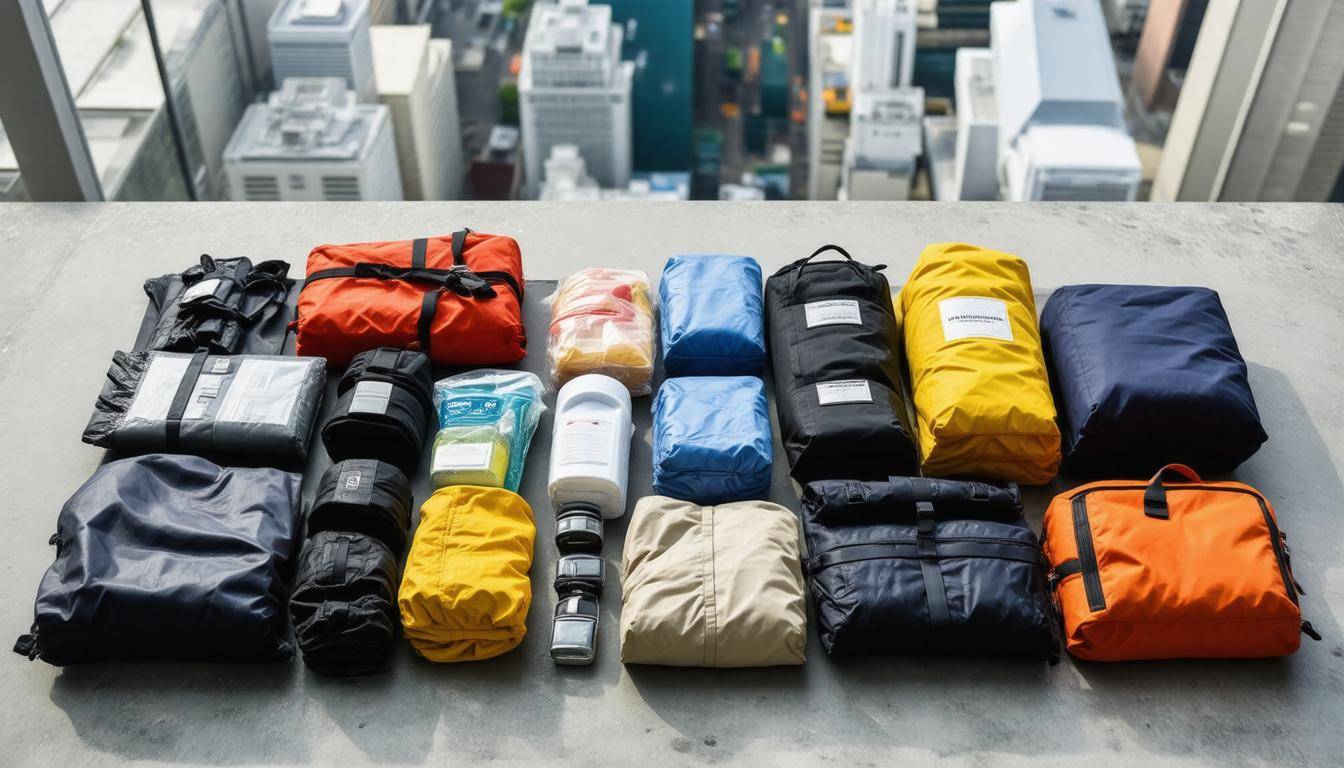
In the wake of a disaster, having appropriate clothing can make all the difference in maintaining your safety and comfort. Consider packing at least three days’ worth of clothing, focusing on versatile layers. Start with thermal layers that trap body heat, which is especially important if temperatures dip unexpectedly. Waterproof jackets are essential as they keep you dry regardless of the elements. Sturdy shoes or boots provide the support needed for navigating potentially hazardous terrain after an earthquake.
You also want to bring along warm accessories such as hats and gloves; these might seem trivial until you’re out in the cold. Proper gear ensures not just survival but comfort, allowing you to think clearly about your next steps.
Beyond clothing, temporary shelter options become vital when access to your home is cut off or compromised. If you must evacuate or find yourself outdoors for extended periods, consider packing items like thermal blankets, tarps, or small pop-up tents. Thermal blankets are compact and provide invaluable warmth when night falls.
One user shared their experience from the 2011 Tohoku earthquake, recalling how their family relied on emergency thermal blankets to endure freezing nights outdoors. Their preparedness made a significant impact on their ability to cope with unexpected conditions.
Temporary Shelter Options
To further guide your planning, here are some items that should be included in your emergency kit for makeshift shelter:
- Thermal Blankets: Lightweight yet effective in insulation.
- Tarps: Versatile panels to cover ground or create a quick windbreak.
- Small Pop-Up Tents: Easy to set up and take down, providing immediate safety from rain or wind.
Assembling these items means considering both their practicality and ease of use under stress. During emergencies, time may be limited. An efficient setup could protect you from harsh weather while allowing you to maintain focus on important matters like communication and finding help.
Each element of your emergency kit plays a critical role; being well-prepared will significantly bolster your resilience when faced with unexpected situations that may arise during a crisis.
First Aid and Medical Supplies
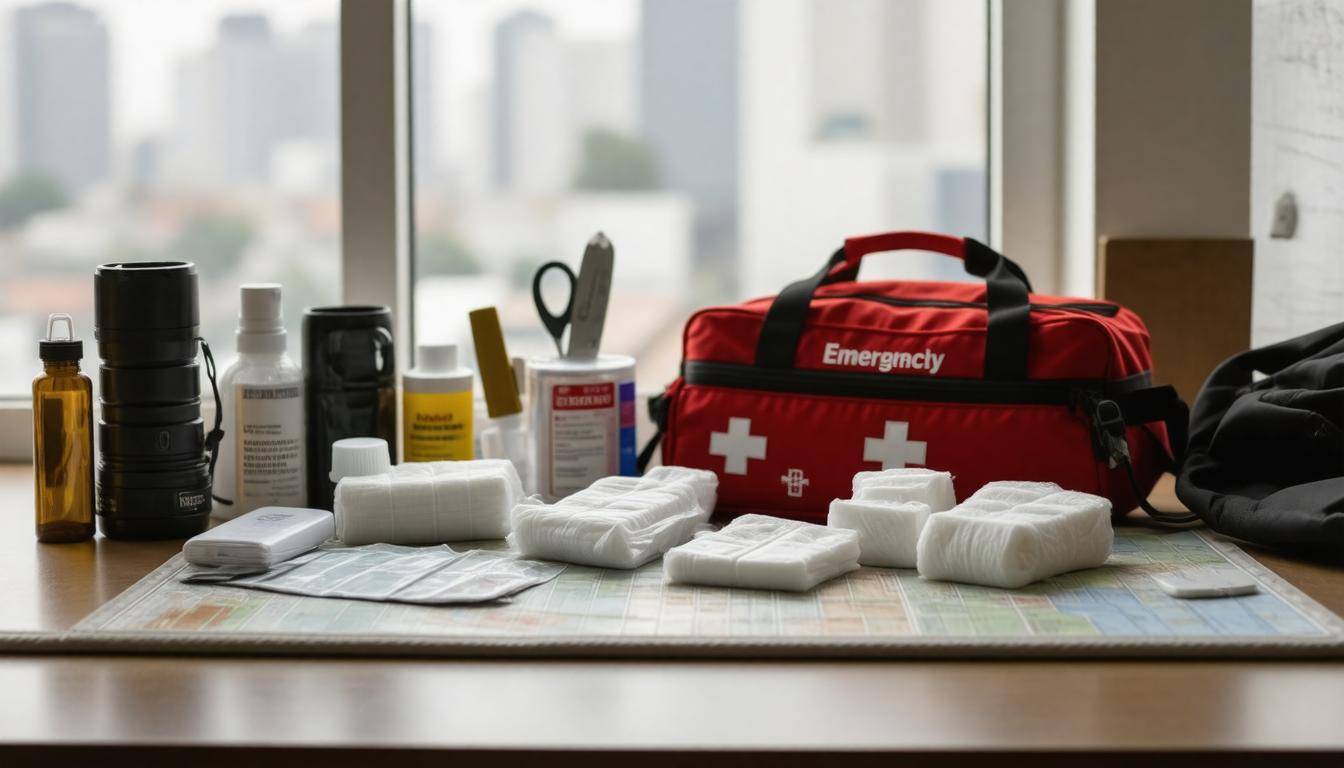
Medical preparedness is truly a vital part of any disaster plan. Imagine finding yourself in a dire situation where access to healthcare professionals is cut off due to an earthquake or tsunami; having a well-stocked first-aid kit becomes your lifeline.
Start with bandages and gauze, which are crucial for wound care. You want to ensure you have adhesive bandages in various sizes – at least 20 pieces – along with sterile gauze pads (4×4 inches, about 10 in total) for larger injuries. This basic equipment can make all the difference in controlling the situation until professional help can be reached.
“An ounce of prevention is worth a pound of cure.” This old adage perfectly captures the essence of including antiseptics in your kit. They help clean injuries to reduce the risk of infection. Pack some antiseptic wipes—about ten should suffice—to ensure proper cleaning and sanitation wherever needed.
It’s not just about immediate responses, though; thinking ahead is equally important when preparing for an emergency scenario.
Consider including prescription medications, as these can be life-saving during a crisis. Ensure you have at least a week’s supply stored securely in your kit. More than one person has faced dire situations without their daily medications, realizing too late that a little foresight could have avoided complications.
Alongside prescription meds, having pain relievers like acetaminophen or ibuprofen available offers relief from injuries or stress-related headaches that can accompany a disaster. Stock enough for everyone in your family, ensuring they are easily accessible when emotions run high.
Hygiene is paramount when providing first aid, so don’t forget about medical gloves. Having at least two pairs on hand will keep both you and those you might care for safer by reducing the risk of cross-contamination during treatment.
Some might argue that “professional help is always best,” but consider this: during major disasters, visiting a local hospital or clinic may not be feasible due to overwhelming circumstances or damaged infrastructure. Therefore, being equipped with a solid first-aid kit significantly increases your chances of managing ailments effectively until help can arrive.
Adding tweezers and scissors is pivotal to assist in addressing minor surgical needs such as removing splinters or cutting clothing away from injuries. These little tools are invaluable, especially when you’re dealing with chaos after a disaster hits.
Finally, as we arm ourselves with medical supplies, let’s not overlook the psychological aspect of preparedness that can enhance resilience amid crisis situations. This attention to mental fortitude prepares us further for the challenges ahead, establishing a more comprehensive understanding of how our awareness influences survival options.
Tools and Safety Equipment
When preparing your emergency kit, including the appropriate tools and safety equipment can mean the difference between smoothly navigating a crisis or facing unnecessary hardships. A sturdy multi-tool should be one of the first items you consider. This versatile piece combines a knife, screwdriver, pliers, and even scissors—all in one compact design. Imagine needing to open a can of food or tighten a loose screw; having a multi-tool readily available allows you to tackle these tasks with ease. Its small size means it won’t take up much space, but its utility is invaluable.
Next on your list should be a durable crowbar. This tool can serve as a powerful ally when confronted with debris blocking your path. Whether you’re trying to clear fallen branches or prying open a door, the strength of a crowbar empowers you to navigate through difficult situations more effectively. You’ll find that amidst chaos, having this tool provides peace of mind; it lets you know that you can respond to any obstruction that may come your way.
Add to this a strong rope—an incredibly versatile item that can be used for securing goods, creating makeshift shelters, or even aiding in hoisting someone to safety if needed. Just think about how many uses one piece of rope has: from tying down supplies in your vehicle to pulling together two objects for added stability.
Furthermore, in environments rendered dark or hazardous due to earthquakes or tsunamis, illumination becomes vital. A headlamp offers the advantage of hands-free lighting, which is crucial when navigating unfamiliar or damaged spaces. Unlike standard flashlights that require one hand, headlamps can illuminate your path while keeping both hands free for other tasks—like clearing debris or carrying supplies. With extra batteries in your kit, you ensure that light is always nearby when power sources are compromised.
While you’re at it, include some dust masks to protect against inhaling debris in case of an emergency scenario where dust is rampant. N95 masks are lightweight and effective against airborne particles, making them ideal for challenging circumstances where breathing clean air could become an issue.
Including a portable phone charger will keep your communication lines open when electricity may not be available. Solar-powered options are especially great since they work independently of power outlets.
Each tool and piece of safety equipment serves its purpose; they create a comprehensive approach to ensure you’re ready for whatever emergencies may arise. As you gather these essentials, consider how best to maintain contact during critical moments when every second counts.
Communication Devices for Emergencies
Effective communication is paramount when traditional networks fail, particularly in disaster situations like earthquakes and tsunamis. This is why investing in a variety of communication tools can enhance your ability to stay informed and connected. One of the best options is a battery-operated or hand-crank radio. These devices can keep you updated on emergency broadcasts even when there’s no power, as they don’t rely on electricity. They often come equipped with NOAA weather channels that provide critical information during a crisis.
In addition to radios, consider acquiring more advanced options such as satellite phones or walkie-talkies. Satellite phones operate outside of typical cellular frameworks, allowing you to communicate with others even when there’s no phone service available. This could be invaluable for coordinating with rescue teams or relaying messages to family members in different locations.
I remember one particular instance shared by a Tokyo resident whose family used walkie-talkies after a significant earthquake measured at 6.5 on the Richter scale disrupted cellular networks for several days. They were able to maintain contact and check on each other’s safety, demonstrating the effectiveness of such devices in real scenarios.
Relying solely on cellphones in times of crisis can leave you stranded if network infrastructures collapse. Therefore, having back-up communication methods is essential for ensuring you can still connect with loved ones and receive critical updates from local authorities.
Understanding Battery Life
When considering these devices, think about battery life and how long they can function without recharging. A walkie-talkie may last up to 48 hours on a full charge, but if you’re facing a long-term crisis, look for models that allow for interchangeable batteries or use rechargeable batteries that you can easily swap out.
It’s also wise to invest in solar chargers or battery packs specifically designed for emergencies. These not only support your communication devices but also other essential gadgets, helping extend their usability significantly when access to power sources is limited.
By thoughtfully selecting your communication tools, you’ll be better equipped to navigate uncertainties and ensure safety during emergencies. Next, we will explore practical strategies for assembling an effective emergency kit tailored to your needs.
Preparing Your Emergency Kit Bag
The container for your emergency kit is almost as important as the items inside.
Selecting a durable and waterproof backpack sets the foundation for effective preparedness. You’re looking for something that can withstand the elements while remaining lightweight enough to carry with ease.
A bag with multiple compartments will help you stay organized, so you’ll easily find what you need when time is of the essence. Imagine being in a situation where every second counts, and you waste precious moments rummaging through a bag that lacks organization.
Consider a pack with padded straps and a hip belt, particularly if you might need to carry it over long distances. Comfort becomes a priority when you’re on the move. You don’t want to deal with sore shoulders or an aching back when you’re trying to navigate to safety.
Organization and Accessibility
When organizing your emergency kit, labeling individual pouches for food, medical supplies, and tools can simplify life when panic starts to set in. Ensure that the most critical items—like first aid kits and water—are more accessible than others.
For example, use bright-colored bags or pouches that stand out so you can quickly grab what’s needed in an emergency. Think of it as setting up a quick-access station that keeps your highest priorities front and center.
Additionally, consider having different sections based on urgency or usage frequency. Pack items like snacks and hydration at the top or in an external pocket for easy access. Meanwhile, stow away less critical supplies at the bottom of the bag or in compartments that are not immediately accessible but still organized.
A well-structured approach keeps you focused during chaotic times and avoids any unnecessary confusion.
Creating a functional emergency kit is only half the battle; regularly updating its contents and being mindful of changes in needs is essential for true preparedness. This ongoing process ensures you’re always ready to face unexpected challenges.
Creating a Disaster Preparedness Plan
A well-structured disaster preparedness plan is like having a roadmap during an unexpected crisis. It guides you on what to do, reducing confusion and anxiety when every second counts. Start by identifying safe zones in your home. These are typically sturdy furniture pieces, such as tables or desks, placed strategically beneath which you can take cover during earthquakes. Knowing where to go in advance helps minimize panic when the ground begins to shake. It’s always best to practice this beforehand; cover drills turn a potentially scary experience into something manageable.
Having established those safe zones, think about how you’ll exit the chaos.
Next, map out your evacuation routes. This doesn’t just mean jotting down the quickest way out of your house; you need multiple options available—both inside and outside your neighborhood. In emergencies, paths may be blocked due to debris, so having alternate routes ensures you won’t be left searching for an escape. Mark these routes clearly on a family map that everyone has access to. Incorporating this into regular discussions within your household can make everyone, especially children, familiar with what to do.
As your plans become more detailed, don’t forget to ensure everyone can communicate effectively.
Now, let’s talk about emergency contacts. You should have a list of crucial phone numbers: family members’ numbers, close friends, and local emergency services should all be included. It’s helpful to have this written down and stored somewhere easily accessible—perhaps in each person’s wallet or saved in mobile devices in case of cellular network disruptions. Additionally, consider designating an out-of-town contact who can help coordinate information if local lines are busy or out of service.
Implementing these steps can significantly enhance your family’s preparedness, just as one Tokyo schoolteacher demonstrated by conducting regular drills with her students and ensuring everyone was familiar with the local shelters and resources.
Reflecting on real-life examples illuminates the importance of routine preparedness.
Building and practicing this plan together as a family reinforces not only safety but also unity while calming nerves. A well-rehearsed plan minimizes panic when faced with uncertainty, transforming fear into readiness. As you create your disaster preparedness plan, remember that the objective is simple: safety comes first and being prepared is key to ensuring it.
Transitioning from individual preparedness, it’s essential to consider the unique needs of vulnerable groups within our communities.
Special Considerations for Elderly and Disabled Residents
Preparing for emergencies is a smart move, but for elderly and disabled individuals, it requires more thoughtful planning. Their unique vulnerabilities mean extra precautions are necessary to ensure their safety and comfort. For example, someone who depends on a wheelchair may need different equipment and specific considerations regarding mobility during a crisis.
Specific Needs
To effectively cater to these unique needs, several essential items should be incorporated into their emergency kit. Medications and Medical Devices must be plentiful. This means storing extras of any essential medical devices, such as nebulizers or insulin pumps, along with at least a week’s supply of regularly taken medications. A useful tip is to create a list with both the names of the medications and the dosages so that caregivers can easily assist if needed.
It’s wise to store these in waterproof containers to protect them from potential water damage during floods or damp conditions.
Next up are Mobility Aids, which are critical as well. Having spare wheelchairs, walkers, or canes available could significantly impact someone’s ability to navigate their environment during chaotic situations like earthquakes or tsunamis. Ensure these aids are equipped and functioning correctly ahead of time; something as simple as not having properly inflated wheelchair tires can create unexpected challenges.
Another often-overlooked aspect is Personalized Emergency Information. Keeping a document with vital details can prove invaluable. This should include medical history, allergies, current medications, and emergency contacts clearly laid out in case assistance is needed from first responders who might not know the individual personally. This facilitates faster help when required and provides peace of mind knowing that caregivers have the necessary information readily available.
Overall, creating an emergency kit tailored to the unique needs of elderly and disabled residents isn’t just recommended; it’s crucial for their safety. The more prepared one is for unpredictable events, the better equipped individuals will be to handle emergencies confidently. By embracing these considerations in an emergency plan, both caregivers and the individuals themselves can foster an atmosphere of readiness that minimizes anxiety and enhances safety.
Preparation is key when it comes to ensuring the welfare of vulnerable populations during emergencies. Taking proactive steps can make all the difference in their safety and well-being.
What additional resources or local guidelines exist for residents of Tokyo regarding disaster preparedness?
Residents of Tokyo can access a variety of resources for disaster preparedness, including the Tokyo Metropolitan Government’s official website, which provides guidelines and safety tips tailored for seismic events. Additionally, local community centers often hold disaster preparedness workshops and distribute pamphlets outlining emergency procedures. According to a 2022 survey, over 75% of Tokyo residents participated in at least one emergency drill, highlighting the city’s proactive approach to educating its citizens on earthquake readiness. It is essential for residents to stay informed about evacuation routes and emergency supplies specific to their neighborhoods.
What are the recommended storage solutions for keeping an emergency kit safe and accessible?
The recommended storage solutions for keeping an emergency kit safe and accessible include using waterproof containers, such as plastic bins with airtight seals, to protect against water damage and environmental elements. It’s important to store the kit in a designated location that is easy to reach, such as a closet or under a bed, where it can be quickly accessed during an emergency. According to FEMA, 60% of people do not have an emergency kit ready when disaster strikes, making accessibility critical for effective preparedness. Regularly check and refresh the contents every six months to ensure all items are up to date and functional.
How often should individuals review and replenish their emergency kits to ensure they remain effective?
Individuals should review and replenish their emergency kits at least twice a year, ideally coinciding with the changing of the seasons. This regular check ensures that perishable items such as food and medications are not expired, while also allowing individuals to update supplies based on any changes in personal circumstances or recommendations from local disaster preparedness agencies. According to FEMA, 60% of households lack a complete emergency kit, emphasizing the importance of regular updates to be effectively prepared for natural disasters like earthquakes or tsunamis.
What specific items should be included in a Tokyo earthquake and tsunami emergency kit?
In a Tokyo earthquake and tsunami emergency kit, essential items should include water (at least one gallon per person per day for three days), non-perishable food (enough for at least three days), a flashlight with extra batteries, a first aid kit, a whistle for signaling help, dust masks to filter contaminated air, and important documents stored in a waterproof container. Given that Japan experiences about 1,500 earthquakes annually and tsunamis pose significant threats, being prepared is crucial for survival. Statistics show that approximately 56% of Japanese households do not have adequate emergency kits, highlighting the need for preparedness in this seismically active region.
How can individuals assess their personal needs when preparing an emergency kit for these disasters?
Individuals can assess their personal needs for an emergency kit by evaluating factors such as family size, health conditions, dietary requirements, and the environment they live in. For instance, families with children or elderly members may need to include specific medications and baby supplies, while individuals with special diets require alternative food sources. According to FEMA, 60% of Americans don’t have an emergency kit ready, which underscores the importance of personalizing preparations to ensure that all essential needs are met during a crisis, particularly in disaster-prone areas like Tokyo.