
Preparing for a flood might not be on everyone’s mind, but in Toowoomba, it should be a top priority. Flooding can happen quickly and unexpectedly, and being ready can make all the difference. By putting together a well-thought-out flooding kit, you equip yourself and your family with essential supplies that ensure safety and comfort during an emergency. Having lived through a severe flooding event myself, I learned firsthand how crucial it is to be prepared. Let’s dive into the must-have items that should fill your kit, so you’re ready no matter what nature throws your way.
Your Toowoomba Flooding Kit should include essential items such as non-perishable food, bottled water, a first-aid kit, flashlights with extra batteries, important documents in waterproof bags, and personal hygiene supplies. Additionally, consider including blankets, a battery-operated radio, and any necessary medications to ensure your safety during flooding events.
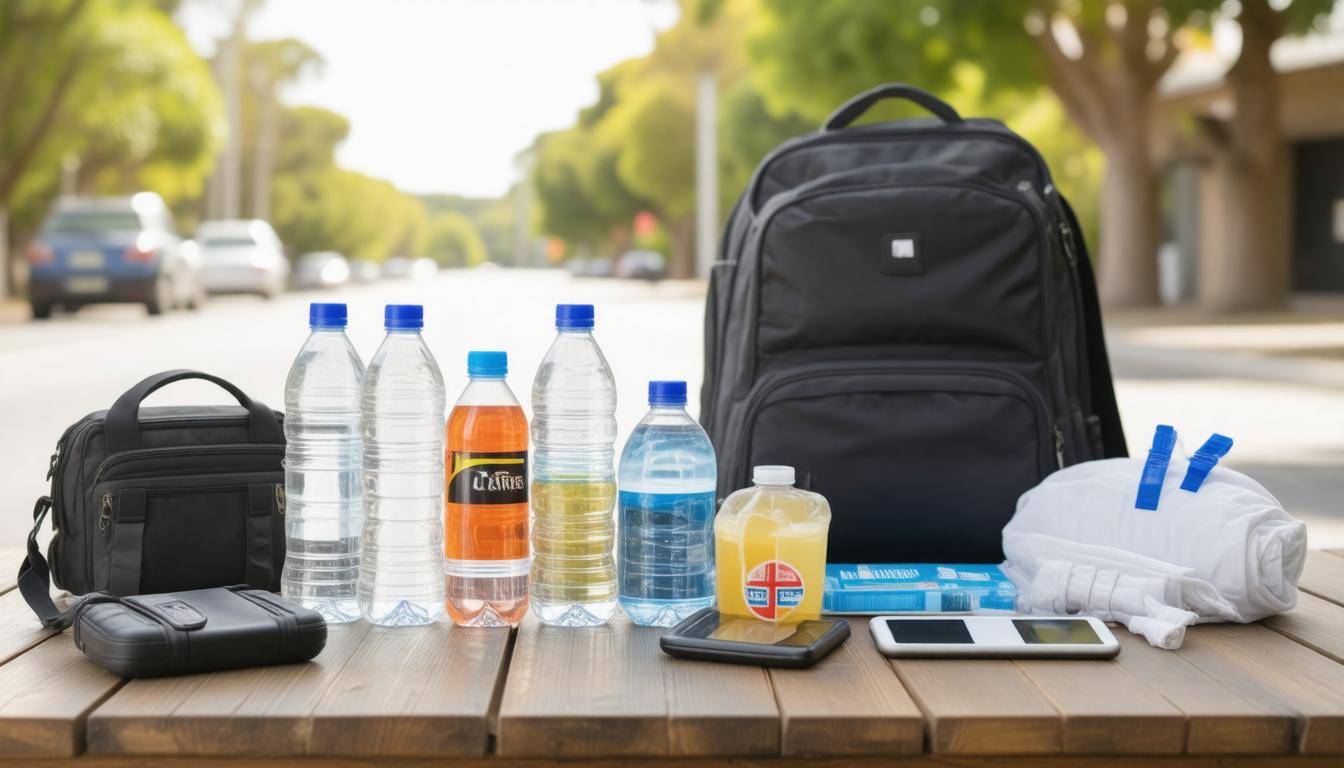
Essential Items for Your Flooding Kit
When it comes to preparing a flooding kit, covering all the bases means thinking about both basic and sometimes overlooked necessary items that might save the day. Among the basic supplies you need, bottled water tops the list— always aim for at least three days’ worth of water per person. Staying hydrated can prevent a slew of health issues and keep your spirits up in a stressful situation.
Complementing your water supply is non-perishable food. Think light but nutritious options like canned goods, energy bars, or dried fruits. These provide physical nourishment when fresh food isn’t available. Moreover, include a first-aid kit stocked with essentials to handle minor injuries or illnesses. Check that any required medications are readily accessible and don’t forget their dosage information; knowing what you need is as crucial as having it on hand!
I remember talking to friends who experienced floods last year—they credited their well-stocked kits as a lifesaver during those chaotic moments when access to resources was limited.
Important Documents and Tools
As you gather your supplies, important documents cannot be ignored. Place critical papers like birth certificates, insurance documents, and medical prescriptions in waterproof bags. It’s more than a precaution; it’s about safeguarding your future and making recovery simpler. In the wake of floods, losing these documents can complicate everything from rebuilding to accessing assistance.
Don’t overlook practical tools like a multi-tool and battery-powered radio. They can be indispensable for communication and functionality in adverse conditions. While phones are great, having additional chargers is vital since power outages can knock us off grid—imagine needing to call for help but finding your phone dead without a way to recharge it!
Each item serves a purpose that contributes not just to survival but also enhances your comfort level during the ordeal. Understanding the various risk elements involved can further prepare you for potential flooding situations.
Toowoomba’s Flood Risk Factors
Understanding why Toowoomba is at risk can help tailor your preparation efforts. Nestled on the Great Dividing Range, Toowoomba faces unique challenges regarding flooding. Heavy rains can trigger rapid water overflow, and this isn’t merely theoretical; it’s a reality that has been demonstrated time and again. In 2011, for example, the region experienced a devastating flash flood, with water levels rising alarmingly within just minutes. The rapid onset led to significant damage across the area and highlighted just how quickly conditions can change.
Topographical Challenges
A critical factor in Toowoomba’s flooding risk is its topography, which resembles a natural basin. This unique shape plays a significant role in worsening flooding events. When heavy rains fall, the landscape channels water swiftly towards the Central Business District (CBD), creating an almost immediate risk of inundation in those areas. Understanding this topographical aspect is vital for effective planning. For instance, knowing where water tends to gather allows residents and authorities to devise smarter evacuation routes and reinforce protections in vulnerable locations.
Interestingly, research indicates that local topography can affect flood risk by up to 30%, highlighting that the city’s layout intensifies the impact of natural disasters.
Planning around these flood-prone areas also involves engaging with local waterways. The nearby creeks and rivers are essential lifelines but can overflow easily during significant weather events. Therefore, attention should be paid to their conditions prior to rainfall warnings.
Recognizing these geographical realities equips residents with knowledge that enhances their safety preparations. With this foundation established, we can now turn our focus to how to effectively navigate evacuation processes when necessary.
Creating an Effective Evacuation Plan
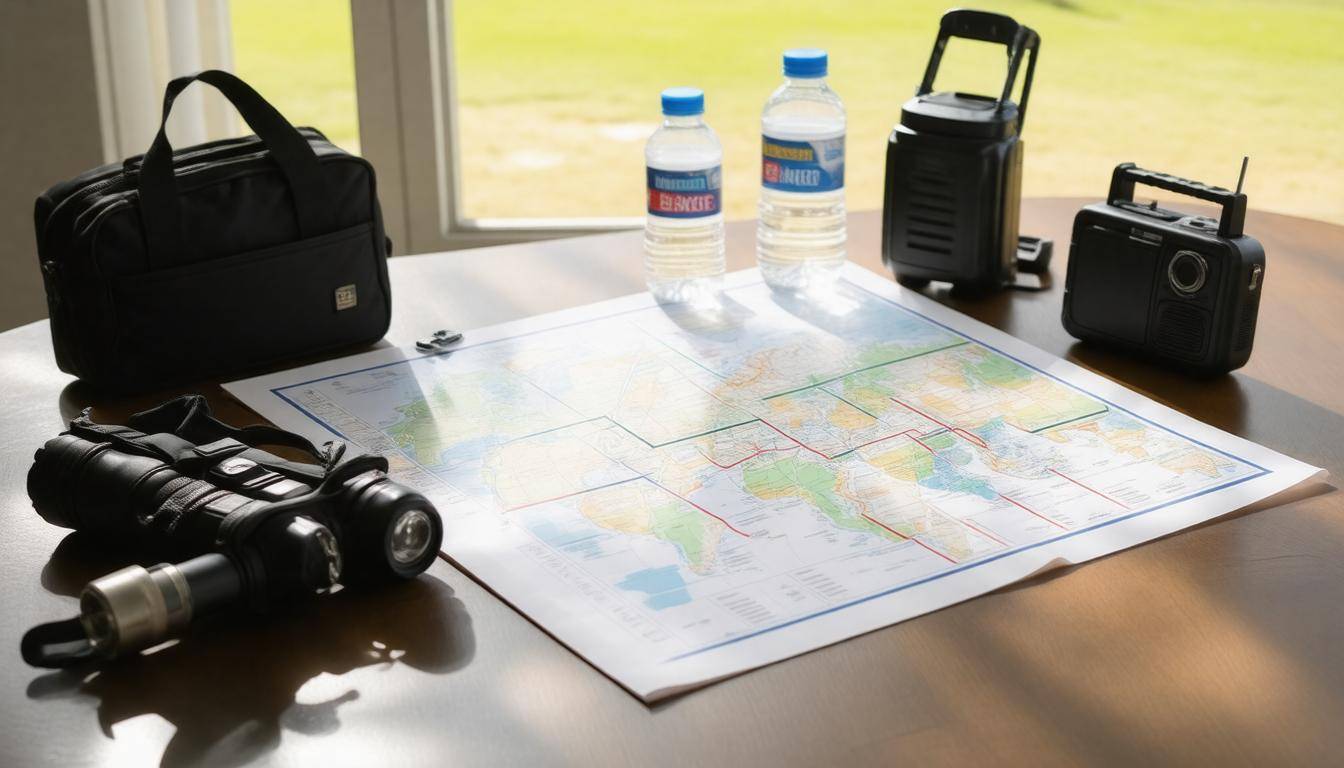
An evacuation plan isn’t just a good idea; it’s a lifesaver during chaotic times. It serves as a roadmap for your family when every second counts. For your evacuation plan to be truly effective, follow these fundamental steps.
Firstly, identify multiple evacuation routes. Familiarize yourself with alternative paths to avoid traffic congestion and hazards that may arise. It’s not enough for one person to know the route; every family member should be aware of these paths to ensure everyone can act swiftly in an emergency.
Keeping your loved ones safe starts with efficient preparation.
Essential Steps for Your Evacuation Plan
-
Stay Informed: Always listen to updates from local authorities through weather alerts or radio broadcasts. They provide crucial information regarding safety and the severity of impending floods.
-
Secure Pets and Livestock: Don’t forget about your furry friends! Having a designated spot for pets during an evacuation will prevent any last-minute chaos.
-
Prepare Vehicles with Needed Supplies: Stock your vehicle with essentials such as food, water, flashlights, and first-aid kits beforehand. This minimizes delays when time is against you.
-
Inform Relatives: Let family members outside your immediate household know your evacuation plans so they can check on you or assist if needed.
As a testament to the importance of a solid evacuation plan, consider this example: In 2013, a local family successfully navigated through floodwaters thanks to their rehearsed plan that included all the steps mentioned above. They knew where to go and trusted their instincts because they had practiced executing their plan together.
Finally, remember that flexibility is key during an actual emergency situation.
Your evacuation plan should be flexible enough to adapt based on real-time conditions. If one route becomes impassable or dangerous due to flooding, having alternative options can make all the difference in ensuring everyone’s safety. Planning ahead can help keep individuals calm during stressful moments, reinforcing the need for preparation before disaster strikes.
With a strong foundation in place through effective planning, ensuring coordination with local services will further enhance your preparedness and safety during emergencies.
Coordinating with Local Emergency Services
Understanding and forming a relationship with local emergency services can significantly enhance your preparedness for flooding. Familiarizing yourself with the telephone numbers and services offered by organizations, such as the State Emergency Service (SES) in Toowoomba and local police departments, creates a foundation for effective communication when disaster strikes. In my experience, having these contacts saved me precious time during severe weather events.
Additionally, consider joining community groups or forums where residents share insights on flood preparedness and responses from these service providers. This will not only help you stay informed about local emergency protocols but also foster a sense of community where neighbors look out for one another. Developing a network of trusted individuals can provide an extra layer of support when navigating emergencies.
Regularly reviewing and updating your communication plan is crucial as contact numbers and available services may change over time.
Plans should clearly outline how to report flooding issues or seek assistance from emergency services directly. A direct line to your local SES can mean the difference between a swift evacuation and confusion during an emergency situation. Having a dedicated plan helps avoid panic by ensuring that all members of your household know what to do and who to contact in case of an unexpected incident.
For example, during the severe flooding experienced in 2011, numerous residents who pre-coordinated with emergency services were evacuated more efficiently compared to those who did not have such arrangements. This preparation allows emergency services to act quickly, prioritizing areas most at risk based on advanced warnings from locals familiar with their environment.
By establishing solid communication with these key services, you not only enhance your own safety but contribute to a collective readiness that strengthens the entire community, setting the stage for proactive measures that protect both property and personal assets.
Protecting Your Property and Assets
Mitigating damage to your property can significantly save you money and distress, especially when floods threaten your community. One effective strategy is to create barriers against rising waters. For instance, using sandbags around doors and low-lying windows serves as an essential line of defense, effectively blocking water from seeping into your home.
It’s crucial to ensure that these sandbags are stacked properly—overlapping them and forming a solid wall can maximize their effectiveness. A well-placed barrier can mean the difference between a wet living room and dry floors.
In addition to sandbags, consider elevating essential appliances like washers, dryers, and water heaters above potential flood levels. If you live in high-risk areas, this strategy will reassure you during storm season.
It doesn’t stop there—renovations geared toward flood-proofing can spare your home from disaster. Installing flood vents allows water to flow through your foundation without causing structural damage, while sloped landscaping can channel water away from your property.
Statistics show that properties with sandbag barriers experienced 40% less damage during the 2011 floods compared to those without any flood defenses, emphasizing how crucial such precautions can be.
After reinforcing physical defenses, it’s smart to take inventory of your valuable possessions. Create a detailed list or even take pictures of your belongings to have documentation for insurance purposes. When disaster strikes, having this information readily available can expedite claims processes and help restore normalcy more swiftly.
Preparedness doesn’t stop at physical measures; understanding your insurance policy also plays a vital role in property protection.
Another often-overlooked aspect is reviewing your insurance coverage. Ensure that it includes flood protection because standard homeowners’ policies may not cover flooding incidents. By speaking with your insurance provider ahead of time, you not only gain peace of mind but also clarify what you’ll need if a flood does occur. This proactive approach ensures you’re fully protected when the unexpected happens.
Additionally, staying informed about weather forecasts and local alerts can further enhance your readiness. Many regions now utilize apps and weather services that send real-time updates directly to your phone. Responding promptly by implementing your flood safety plan based on these updates ensures a higher chance of protecting both property and personal safety.
While protecting your assets may seem like a daunting task, every small measure counts towards building resilience against floods.
Building on this foundation of preparation, it’s also important to explore where you can access support and resources within the community to bolster your safety plan.
Community Resources and Support
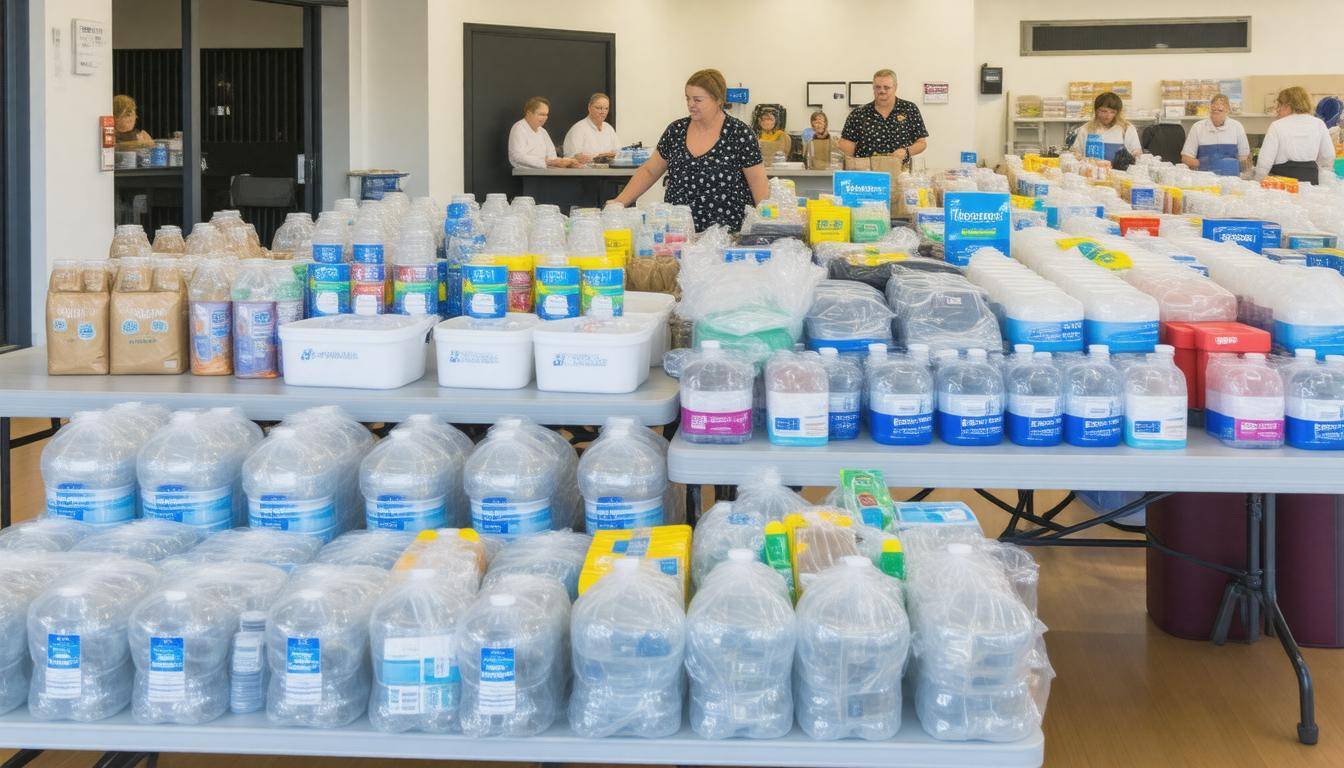
The power of community during emergencies cannot be overstated. When floodwaters rise, and people feel overwhelmed, it’s heartening to know local resources are available to help. Engaging with your community can provide not only physical supplies but also emotional support that is incredibly important during turbulent times.
Local Shelters and Distribution Points
It’s essential to familiarize yourself with local shelters and distribution centers ahead of any potential flooding. Understanding where these resources are located allows for a quick response when needed. During past floods in Toowoomba, these facilities became critical hubs. Shelters such as the Toowoomba Regional Library served as temporary havens, offering refuge for families displaced by rising waters. They acted as distribution points for vital supplies like food, water, and hygiene products.
It’s worth noting that these centers may not just serve as temporary housing; they often become gathering places where individuals share their experiences, creating a support network when it’s most needed.
Moreover, many community organizations rally together to provide aid throughout the crisis. Local charities and non-profits frequently organize donation drives to collect necessary items such as clothing, blankets, and other essentials. Participating in such initiatives not only supplies immediate relief but strengthens community bonds. If you’re unsure where to find donation opportunities, consider calling local shelters or checking community bulletin boards for updates on upcoming drives.
With an array of resources available locally, it’s crucial to stay informed about their operating hours and specific offerings before disaster strikes.
Staying connected through social media or subscribing to local newsletters can enhance your awareness about hotspots for assistance during emergencies. Many towns set up dedicated pages or group chats specifically designed for sharing resources and updates related to disasters. In these digital spaces, you can quickly learn what supplies are being collected or what services are being offered—you’ll even get real-time updates about changing conditions in your neighborhood.
Lastly, remember the value of sharing information within your community. By communicating with your neighbors about available resources or pooling supplies together for collective action, you can create an environment where everyone feels supported. Collective preparedness ultimately fosters resilience against future challenges.
As we navigate through these practical measures and community initiatives, it’s equally important to ensure we have access to timely information and alerts that guide us effectively during crises.
Staying Informed and Alert
To navigate the uncertainties of flooding, especially in a region like Toowoomba, it’s essential to turn your attention to reliable sources of information. While local news stations are great, they can’t be your only means of gathering details during a flood event. Instead, consider diversifying your channels of information. Tuning into the Bureau of Meteorology (BOM) provides nuanced weather forecasts and alerts that will keep you ahead of sudden changes. Additionally, many local authorities leverage their social media platforms to provide real-time updates, making them invaluable resources for staying current.
Signing up for SMS alerts proves to be particularly effective. These messages can deliver critical information directly to your phone, ensuring that you remain in the loop, even if you’re away from your screens. The Emergency Alert Australia system is an excellent service offering timely notifications tailored specifically for residents of Toowoomba.
Maintain an Information Routine
Establishing a routine for checking these sources is important. For example, you might decide to check the BOM every morning and evening but also make time during storm events to stay glued to local news updates. This creates a structured approach to absorb relevant information without overwhelming yourself. Just like scheduling periodic breaks while working at your desk, having set intervals for checking updates keeps you informed without leading to anxiety or information overload.
Yet, it’s not merely about consuming the information; it’s also about understanding its implications. If the BOM issues a severe weather warning predicting heavy rainfall, don’t just acknowledge it—take active steps in response. Assess your flood kit and ensure it’s ready with all essentials before the situation escalates.
Share Updates with Others
Finally, combine those individual efforts with community engagement. Share what you learn with neighbors and family members who may have limited access to updates. Using group chats or neighborhood forums can be effective ways to relay urgent news quickly.
Remember, keeping each other informed creates a network of safety that is crucial in a crisis situation like flooding.
Maintaining this proactive mindset can significantly enhance your preparedness and ensure that you’re ready for any challenges that may arise. With the right knowledge and community collaboration, you can position yourself for greater safety during emergencies.
Final Tips for Packing Your Flooding Kit
First and foremost, choosing the right containers is crucial. Aim for waterproof and durable bags to keep your supplies dry during an emergency situation. Ziploc bags are excellent for smaller items, while backpacks or tote bags work well for larger supplies. When I packed my own flood kit, I learned that the easier it is to carry, the better. Whether you’re evacuating or seeking refuge within your home, you want your kit easily accessible and lightweight.
Consider incorporating some bright, vibrant labels to identify items quickly. A simple system of color-coding can help you locate what you need without fumbling through every item in a moment of panic. I often recommend using neon tape or stickers—they’re visible even in low light conditions, which can be a real lifesaver when urgency kicks in.
Additionally, it’s essential to periodically review and update your kit. Life changes and your needs will too; perhaps a family member has food allergies or maybe you’ve added new pets to your household. Check expiration dates on food and medical supplies regularly—it’s surprising how fast those dates can sneak up on you. For me, I found expired supplies once while preparing for a storm turned out to be a good reminder of how proactive upkeep pays off.
A neighbor down the street shared his experience during last year’s flooding event; he said that their family’s attention to keeping their kit current really paid off. They were comfortable throughout their multi-day evacuation because they had everything handy and functional.
Finally, consider adding a personal touch to your emergency kit. Comfort items like books, small toys for children, or even a pack of playing cards can help ease anxiety during stressful times. It’s not just about survival; it’s about maintaining morale in challenging situations.
These small considerations can transform your flooding kit from mere supplies into an essential lifeline when you need it most.
Having a well-prepared flooding kit can make all the difference in unexpected situations. Prioritizing comfort alongside safety ensures that you stay secure and calm amid uncertainty.