
When it comes to tornado safety, the question of where to seek shelter can feel daunting. Should you hunker down in an underground bunker or stay put in a cozy interior room? It’s a decision many families face, especially those living in tornado-prone areas. Understanding the strengths and weaknesses of each option is essential for ensuring your family’s safety during those critical moments. While underground shelters provide unmatched protection from the powerful winds and flying debris, not everyone has access to one. Interior rooms serve as a viable alternative, but they also come with their own set of risks. In this article, we’ll explore both strategies, giving you the insights you need to make informed choices when severe weather strikes.
Underground shelters are generally considered safer than interior rooms during a tornado, primarily because they provide maximum protection from flying debris and extreme winds. However, if an underground option is not available, seeking the lowest level of your building and moving to an interior room without windows can still offer significant protection.

Tornado Safety Essentials
When it comes to tornado safety, awareness is crucial. Tornadoes can strike at any time, so preparation should be an ongoing effort. Familiarizing yourself with the terminology is the first step. A tornado “watch” indicates conditions are favorable for formation—something that requires you to remain alert and monitor weather updates. In contrast, a tornado “warning” signifies an immediate threat, where action must be taken without delay. Understanding this difference can mean the difference between safety and disaster.
Now that you know what to look out for, developing a comprehensive tornado action plan should be your next priority. This might involve designating safe zones within your home, such as basements or windowless interior rooms, where you can take refuge during a storm. It’s also worth considering having a neighbor’s house or a nearby community shelter marked on your map; knowing where to go can relieve panic when every second counts. Don’t forget to drill these plans with family members so everyone knows exactly what to do—practice can instill confidence.
While planning is essential, having the right supplies ready at hand will significantly bolster your family’s preparedness.
This brings us to assembling an emergency kit. An ideal emergency kit should include essentials like water and non-perishable foods, as well as important medications tailored for each family member’s health needs. Consider including important documents, such as identification or insurance papers, which may hold significant value after a natural disaster. Don’t overlook practical items such as flashlights with batteries and first-aid supplies; these can be invaluable in emergencies when power goes out or injuries occur.
Staying informed is another pivotal aspect of tornado safety. Investing in a NOAA Weather Radio allows you continuous access to weather alerts and updates even if power is lost. Additionally, activating emergency notifications on your smartphone ensures you’re alerted instantly to changing conditions while going about daily activities. It’s easy to become complacent about preparedness when skies are clear; however, relying on technology helps you stay one step ahead of nature’s unpredictability.
Understanding how these different components fit together creates a comprehensive defense against the dangers posed by tornadoes.
By committing time to learn about watches and warnings, planning your escape routes, assembling an emergency kit, and staying informed through reliable resources like weather radios and smartphones, you harness the power of preparation—often leading directly to survival in life-threatening situations. Each of these elements complements the others and enhances your overall readiness for severe weather events year-round.
With this solid foundation in safety practices laid out, we can now turn our attention to explore how specialized structures provide even greater protection against these powerful storms.
Benefits of Underground Shelters
Underground shelters are often celebrated as the ultimate fortress against tornadoes. According to studies by FEMA, these structures can drastically minimize injury risks by an impressive 97%. This high level of safety is primarily due to their strategic design—encompassing everything from basements and storm cellars to specially constructed bunkers nestled deep within the earth.
One of the standout features of underground shelters is their location. Being situated below ground provides a natural barrier against the ferocious winds and relentless debris that tornadoes hurl into the environment. Traditional homes can easily become battlefields during a tornado, with flying objects turning into lethal projectiles. In contrast, those taking refuge in underground shelters benefit from a protective cocoon of earth surrounding them, which significantly absorbs the impact forces lurking above.
Features of Underground Shelters
| Feature | Description |
|---|---|
| Location | Typically below ground level |
| Protection Level | Provides the highest degree of protection against winds and debris |
| Construction Material | Reinforced concrete or steel |
| Accessibility | Requires easy access from your living area |
| Cost | Generally more expensive to install but offers greater peace of mind |
The materials used in these shelters—usually reinforced concrete or steel—add an extra layer of safety. Unlike regular homes built from typical wood framing, these sturdy materials are engineered to withstand extreme conditions. They don’t just protect against wind; they also guard against falling debris, which can be a crucial factor during tornado events where secondary hazards arise post-storm.
It’s crucial to consider how easy it is to get to these shelters when minutes matter during an emergency. Having a short distance from your living area—clear pathways leading directly to the shelter—can make all the difference when seconds count.
Recognizing the essential benefits of underground shelters helps us understand the importance of accessibility in ensuring effective protection. Building on this understanding, we now turn our focus to exploring safety measures related to another protective option commonly discussed.
Basement and Storm Cellar Safety
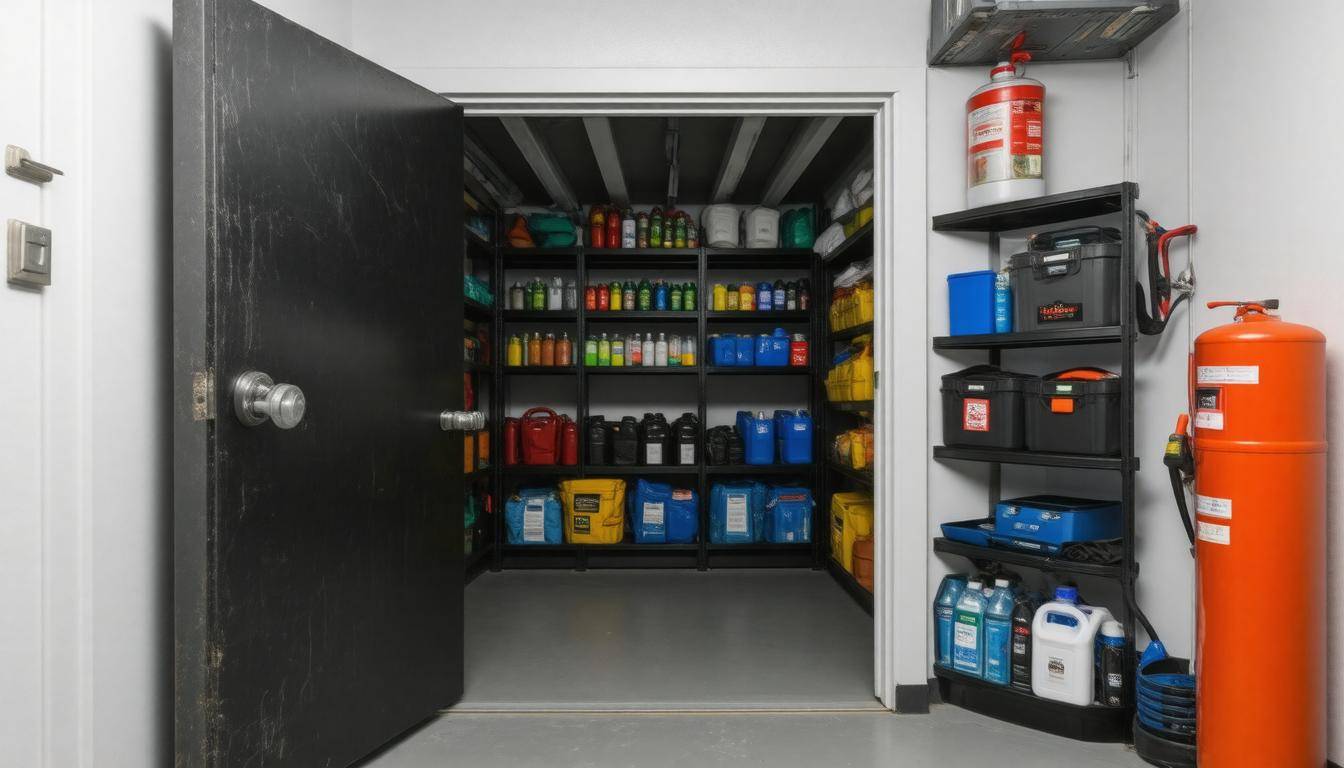
Basements and storm cellars are often a lifeline during severe storms, providing a refuge that above-ground structures cannot safely offer. Their design allows them to withstand intense winds, making them a safer option compared to other rooms in your home during a tornado. However, the reliability of these spaces hinges on certain critical safety measures that need to be addressed ahead of time.
Steps to Ensure Basement Safety:
The first step in ensuring safety in a basement is addressing waterproofing. A leaking basement can quickly turn into an unsafe environment, especially during heavy rains accompanying tornados. It’s essential to invest in comprehensive waterproofing methods which may include sealing cracks, adding drainage systems, and using sump pumps. Properly managing water can prevent flooding and ensure that you remain safe and dry while waiting out the storm.
Once you’ve tackled waterproofing, it’s crucial to turn your attention towards structural integrity.
Step 1: Water Proofing
By reinforcing your basement walls with concrete or steel, you create an additional layer of protection against potential tornado debris or wind forces. During storm conditions, even robust-looking structures can be subjected to immense pressures; therefore, enhancing wall strength is key to maintaining a safe space. Consider hiring professionals to evaluate your current structure and suggest upgrades if necessary.
Statistics show that approximately 70% of tornado-related injuries occur in above-ground structures, highlighting the importance of creating a secure environment in your basement or storm cellar.
With the foundation solidified through strong walls, let’s focus on how furniture placement can enhance safety.
Step 2: Strengthening Walls
When preparing for a tornado, it’s also important to think about where you place furniture within your basement. Move heavy items away from areas where people will be taking shelter and ensure there’s sturdy furniture to crawl under as needed. This isn’t merely about organization—it’s about creating a shield from debris that could cause injury.
You might consider storing heavy items at the back or side walls rather than near the center of the room. Essentially, clear pathways leading towards the exit or any emergency exits are also beneficial should you need to evacuate quickly.
Aside from functionality, basements come with the added advantage of being multipurpose spaces where you can store emergency supplies like food, water, batteries, and other essentials safely.
If an underground shelter isn’t feasible for your situation, it is equally vital to identify safe spots within your home as a secondary measure for storm protection. Next, we’ll explore effective strategies for maximizing safety in those interior areas during severe weather events.
Interior Room Protection
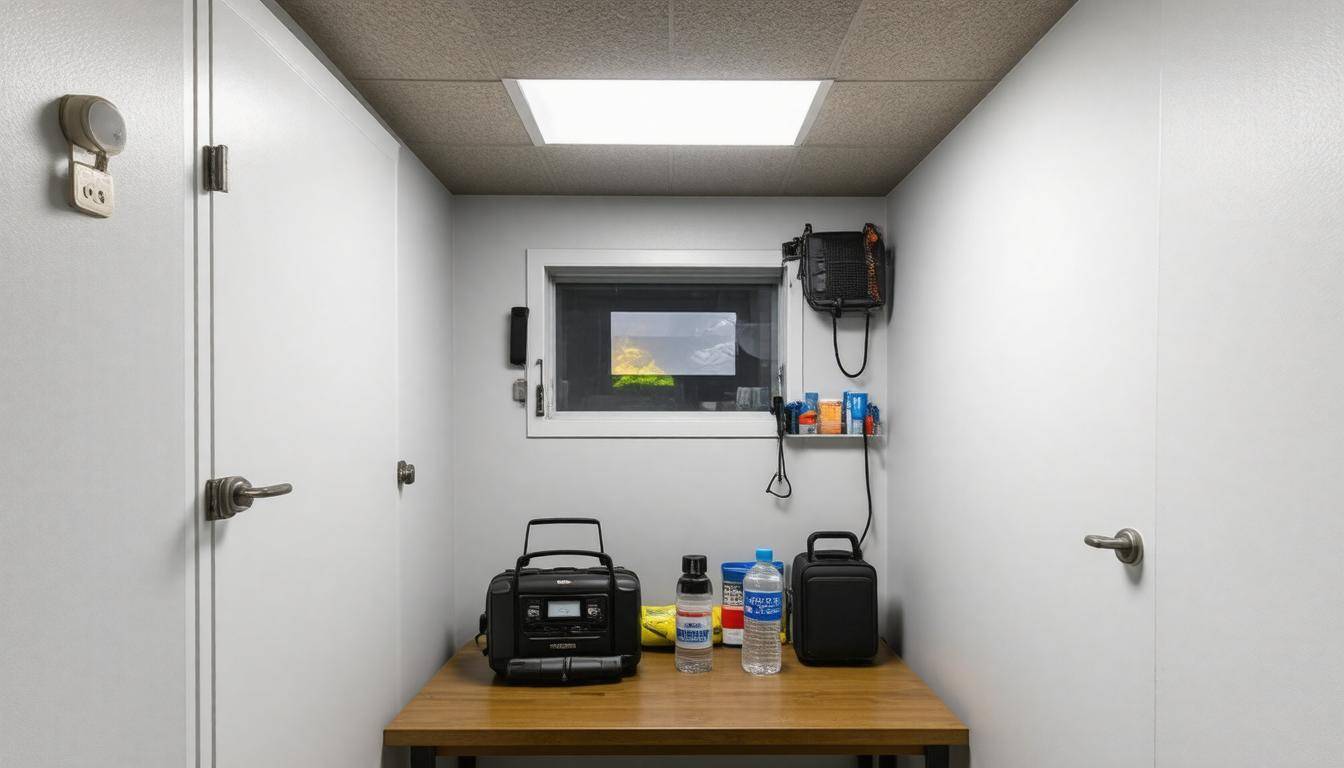
When seeking refuge during a tornado, the characteristics of your chosen interior room can significantly impact your safety. The fundamental rule is simple: the more walls you place between yourself and the outside world, the better. This guidance is underscored by the National Weather Service, which emphasizes that an ideal safe room is located on the lowest level of the building.
Ideal Characteristics of Interior Safe Rooms
The features of a safe room are essential in ensuring adequate protection against the fierce winds and debris often accompanying tornadoes:
-
No Windows: Broken glass can become lethal projectiles; therefore, it’s critical to select a room without any windows.
-
Sturdy Walls: Opt for rooms with reinforced materials wherever possible, minimizing the risk of wall failure.
-
Minimal Furniture: Keeping furniture to a minimum reduces clutter, helping prevent injuries from items tossed about by wind or debris.
-
Accessible: Ensure that everyone in your home knows the quickest route to this room—time is of the essence when minutes matter.
Bathrooms, closets, and hallways frequently rank as some of the safest of these interior rooms because they often meet several of these criteria. A small bathroom without windows or a windowless closet can provide not just shelter but crucial peace of mind during a storm; they’re often surrounded by other structural components that can offer additional protection.
However, merely having identified a safe room isn’t enough; preparation is key.
Preparing Your Interior Room
It’s vital to take time before an emergency arises and adequately equip your safe room with essential emergency supplies. One useful strategy is to develop an emergency kit that contains everything you might need while sheltering indoors. This should include water, non-perishable food, a flashlight, extra batteries, medical supplies, and a battery-operated weather radio for real-time updates about the storm’s progression.
“Being prepared reduces panic levels during stressful situations.”
Furthermore, practicing a family drill ensures everyone knows what to do when an alert sounds and helps lower anxiety when harsh weather strikes. Engaging all family members creates a sense of responsibility and awareness, thereby fostering teamwork during a potential crisis.
Proactive steps taken today can enhance your readiness for severe weather events. Identifying your best interior room options allows you to be equipped—not scrambling during chaos—making every moment spent preparing well worth it.
With these preparations in place, it’s essential to weigh the effectiveness of interior rooms against other options available for protection, guiding your decisions in times of uncertainty.
Pros and Cons of Each Option
When considering tornado safety, understanding the pros and cons of shelter options is vital for effective decision-making.
Underground Shelters
Underground shelters offer the highest level of protection against tornadoes due to their reinforced structures—often built with concrete or steel—making them formidable in the face of severe winds and debris. The benefits of these shelters are clear: safety from flying objects and winds that can reach unimaginable speeds during tornado events. Such shelters generally maintain a stable temperature and provide a dry space away from storm-related water issues.
However, they do come with significant drawbacks. For those with mobility challenges, accessing these shelters can be an issue, as they often require stairways or hatches that might not be easily navigable. Additionally, the cost of installing an underground shelter can be substantial, encompassing construction expense and ongoing maintenance costs to ensure functionality and stability.
Basements/Storm Cellars
Transitioning to basements or storm cellars, these structures provide excellent protection and serve multiple functions beyond just storm sheltering. Many families use their basements for storage or recreational activities—a fact that highlights their versatility.
Nevertheless, they too have potential downsides. One major concern for basements is flooding. Given their positioning below ground level, adequate waterproofing measures must be taken to avoid water intrusion during heavy rains or storms. This additional layer of precaution can incur extra costs for homeowners who may already be managing expensive infrastructure challenges.
Interior Rooms
On the other hand, interior rooms emerge as a more accessible alternative for many individuals living in apartments or homes without elaborate basement systems. These spaces can often be reached quickly during an emergency, making them advantageous when time is critical.
However, it’s essential to note that while they are easier to access than underground solutions, they offer less overall protection against tornadoes. Should an EF4 or EF5 tornado strike, relying solely on an interior room might expose you to increased risk due to lesser structural integrity compared to basements or underground shelters. If all options are unavailable, however, choosing an interior room remains preferable to staying outside or on balconies where the dangers escalate drastically.
Understanding these considerations can significantly impact choices related to tornado safety measures tailored to your living situation and community resources. As we proceed, let’s discuss how to effectively plan for these emergencies in advance.
Tornado Safety Planning
Creating a comprehensive tornado safety plan isn’t just about having a piece of paper tucked away; it’s about cultivating an attitude of preparedness that can make all the difference when disaster strikes. This plan involves education, preparation, and ongoing practice to ensure optimal safety for you and your loved ones.
Features of a Robust Tornado Safety Plan
To start, consider performing a hazard assessment of your home. Walk through each room, paying special attention to areas that are particularly vulnerable—such as windows or large open spaces. Calculate how long it would take to reach a safe spot, like your basement or an interior room without windows. Knowing this critical information helps everyone act swiftly when a storm hits, potentially saving lives.
Next is perhaps one of the most important yet often overlooked aspects: conducting regular emergency drills.
Step 2: Emergency Drills
Imagine the chaos that could ensue if everyone in your household panics when a warning siren blares. Regular tornado drills prevent panic by instilling familiarity with your safety plan. Gather the family at unexpected times to simulate a tornado warning, ensuring everyone knows what actions to take and where to go before the actual threat arises. It’s vital that every member understands their role, whether they are assigned to grab emergency supplies or direct others to the safe zone.
Now, let’s talk about ensuring effective communication during such perilous situations.
Step 3: Communication Plan
Having a sound communication plan ensures that all family members can reach each other quickly, especially in larger homes where separation might occur during emergencies. Designate specific meeting points both within your house and outside should you need to evacuate. Teach everyone how to use their mobile phones to check in, while also emphasizing the importance of staying calm and collected during such circumstances.
Moreover, understanding local resources can enhance your preparedness even further.
Step 4: Community Involvement
Participating in community preparedness programs provides invaluable support and networking opportunities in times of crisis. Stay informed about community alerts and watch for local initiatives dedicated to enhancing tornado readiness; they offer training sessions that might involve storm spotter training or first aid courses tailored for severe weather situations. Your local emergency management agency usually has up-to-date information on strategies aimed specifically at your region’s needs, thus keeping you aware of best practices and innovative techniques.
By actively preparing and collaborating with those around you, you create not just a personal safety net but also contribute to a culture of resilience within your community, paving the way for better outcomes during disasters. Let’s explore some poignant narratives that highlight these experiences in action.
Real-Life Experiences
Jane Doe, a resident of Tornado Alley, recounts her harrowing experience: “Our underground shelter saved our lives. We had less than ten minutes to get to safety, but we felt secure because we practiced our drills so many times.” Her story highlights a stark truth—preparation can make the difference between life and death.
Echoing her sentiment are countless others who have faced similar dire situations, each illustrating the pivotal role of effective shelter choices during tornado threats.
Lessons Learned
Tragically, other families didn’t fare as well. One family relying on an interior bathroom suffered injuries from flying debris simply because they lacked an emergency kit. This serves as a reminder that even seemingly safe locations can transform into danger zones when severe weather strikes unexpectedly.
The specific choice of where to seek refuge can prove essential; those prepared remember to fill their shelters with supplies like blankets, first aid kits, and non-perishable food items in anticipation of potential long durations spent hunkered down.
These powerful testimonies underscore not just the necessity of choosing the right shelter but also the importance of outfitting it adequately. A well-stocked shelter means being able to weather not only the storm but also its aftermath. It’s not enough to pick a location; you must ensure it is practical, accessible, and equipped for what might lie ahead.
As one survivor poignantly expressed, “When the tornado sirens blared, I wasn’t thinking about my home; I was thinking about my family’s safety.”
Additional Insights
Furthermore, these stories indicate an emerging trend within communities toward enhancing local infrastructure dedicated to tornado safety. Many towns are now prioritizing community shelters that can accommodate multiple families and offer better protection. More than ever, awareness about tornado safety is growing, instilling a sense of collective responsibility among neighbors.
With personal narratives illuminating the stakes involved, it’s essential to explore actionable insights from professionals that can help enhance readiness and response strategies during these critical situations.
Expert Tips and Recommendations
Let’s explore these crucial steps that provide guidance on preparing your home, selecting adequate shelter, and fostering community spirit.
First, considering Retrofits and Reinforcements is essential for anyone living in tornado-prone areas. According to FEMA, small investments in your home can yield significant dividends in terms of safety. Features like impact-resistant windows withstand high winds and prevent flying debris from entering your home. Adding extra roof ties ensures that your roof stays securely connected to the walls during severe weather. This level of preparation heightens safety without necessitating extensive renovations.
Moving on to the second critical step: Shelter Building. The National Storm Shelter Association suggests that if you’re serious about tornado readiness, a professionally built shelter might be one of the most important preparations you can make. These shelters are designed following strict guidelines (specifically the ICC-500 Standard), ensuring they provide maximum protection during tornado events. Even if constructing a shelter isn’t feasible for everyone, knowing where your local community shelters are located and their accessibility helps when a tornado warning arises.
As we consider personal preparations, Community Preparedness emerges as a vital factor. Meteorologists often stress that while sirens alert us to danger, community cooperation significantly enhances overall safety. It’s not just about having an emergency plan for yourself; parties involved—including neighbors and local officials—should have clear plans that interconnect with each other. For instance, organizing neighborhood watch groups that conduct drills or establish communication lines can strengthen community resilience against storms.
Furthermore, regular updates to your safety plan and periodic reevaluation of your chosen shelter space based on any changes in your household or neighborhood dynamics are wise.
While it’s true that there isn’t a one-size-fits-all solution regarding tornado safety, it is clear that practical advice can assist you in choosing the best method tailored to your specific situation. By integrating these tips into your routine disaster preparedness efforts, you increase not just your own chances of survival but those of your family and friends as well.
This concerted approach—reinforcing your home, ensuring proper shelter arrangements, and fostering community connections—is invaluable when weathering unpredictable storms like tornadoes.
By taking these proactive measures seriously, you can significantly increase your safety and that of others during severe weather events.
What factors should homeowners consider when deciding between an underground shelter and an interior room?
Homeowners should consider factors such as the level of storm risk in their area, space availability, accessibility, and budget when choosing between an underground shelter and an interior room. Underground shelters provide superior protection from flying debris and extreme winds, with studies indicating they offer around 99% effectiveness during tornadoes. However, they require more space and can be costly to install. In contrast, interior rooms, while less protective, are more accessible in emergencies and can be easily reinforced at a lower cost. Ultimately, the choice depends on individual circumstances and preferences.
What features make a storm cellar more effective than simply using a central hallway or bathroom as an interior room?
A storm cellar is more effective than using a central hallway or bathroom because it provides enhanced structural protection and is specifically designed to withstand extreme weather conditions, including high winds and flying debris. Unlike interior rooms, which can be compromised during a tornado, storm cellars are typically underground, offering insulation from the outside elements and minimizing exposure to destructive forces. According to the National Weather Service, having a designated storm shelter can reduce the risk of injury or death during tornado events significantly, increasing safety for those who take refuge in them compared to relying on unsecured interior spaces.
In what scenarios might an interior room be preferable to an underground shelter for tornado safety?
An interior room may be preferable to an underground shelter in scenarios where the underground option is impractical or inaccessible, such as in areas with high water tables or flooding risks that can compromise the shelter. Additionally, during a tornado, an interior room can provide a safe refuge if it’s well-constructed and away from windows, particularly in homes lacking basements. According to FEMA, being in a well-anchored interior room—ideally on the lowest floor—can significantly increase a person’s chances of survival compared to being caught outside, with survival rates improving by around 80% when proper precautions are taken.
What are the building codes and regulations regarding tornado safety shelters in various states?
Building codes and regulations regarding tornado safety shelters vary by state, largely reflecting the frequency and severity of tornadoes in those areas. For instance, states like Oklahoma and Texas have stringent requirements for storm shelters that meet FEMA guidelines, often necessitating the inclusion of reinforced concrete or steel structures capable of withstanding EF5 tornado conditions. A study by the National Storm Shelter Association indicates that jurisdictions with more rigorous shelter laws see a significant reduction in fatalities during tornadic events—reporting up to 95% survival rates when properly designed shelters are used. Thus, adhering to local codes not only aids compliance but significantly enhances safety.
How do the regional characteristics (e.g., frequency of tornadoes) influence the choice between underground and interior room safety?
Regional characteristics significantly influence the choice between underground shelters and interior rooms for tornado safety. In areas with a high frequency of tornadoes, such as Tornado Alley in the U.S., the preference often leans toward underground shelters due to their superior protection against flying debris and extreme winds. For instance, studies show that underground shelters can reduce fatalities by up to 99% compared to above-ground options during severe tornadoes. Conversely, in regions where tornadoes are less common, homeowners may opt for reinforced interior rooms as a convenient yet effective alternative, especially if installing an underground shelter is impractical.