
Tornado season often catches people off guard, striking in the blink of an eye and leaving destruction in its wake. But by being prepared, you can turn that fear into confidence. It’s not just about surviving a tornado—it’s about knowing what steps to take to keep yourself and your loved ones safe when nature unleashes its fury. Preparing for tornadoes involves a mix of planning, practicing, and gathering essential supplies, as well as understanding the risks specific to your area. With the right strategies in place, you’ll stand a better chance of weathering this stormy season with peace of mind. Let’s dive into the ultimate tornado readiness guide so you’re ready when severe weather strikes!
The Tornado Season Readiness Complete Checklist should include essential items such as an emergency supply kit containing water, non-perishable food, and a first aid kit, as well as recommended safety precautions like identifying a safe location in your home for shelter. Additionally, incorporating local alerts, conducting family drills, and ensuring pets are trained to respond during severe weather are crucial steps to enhance preparedness for tornado events.
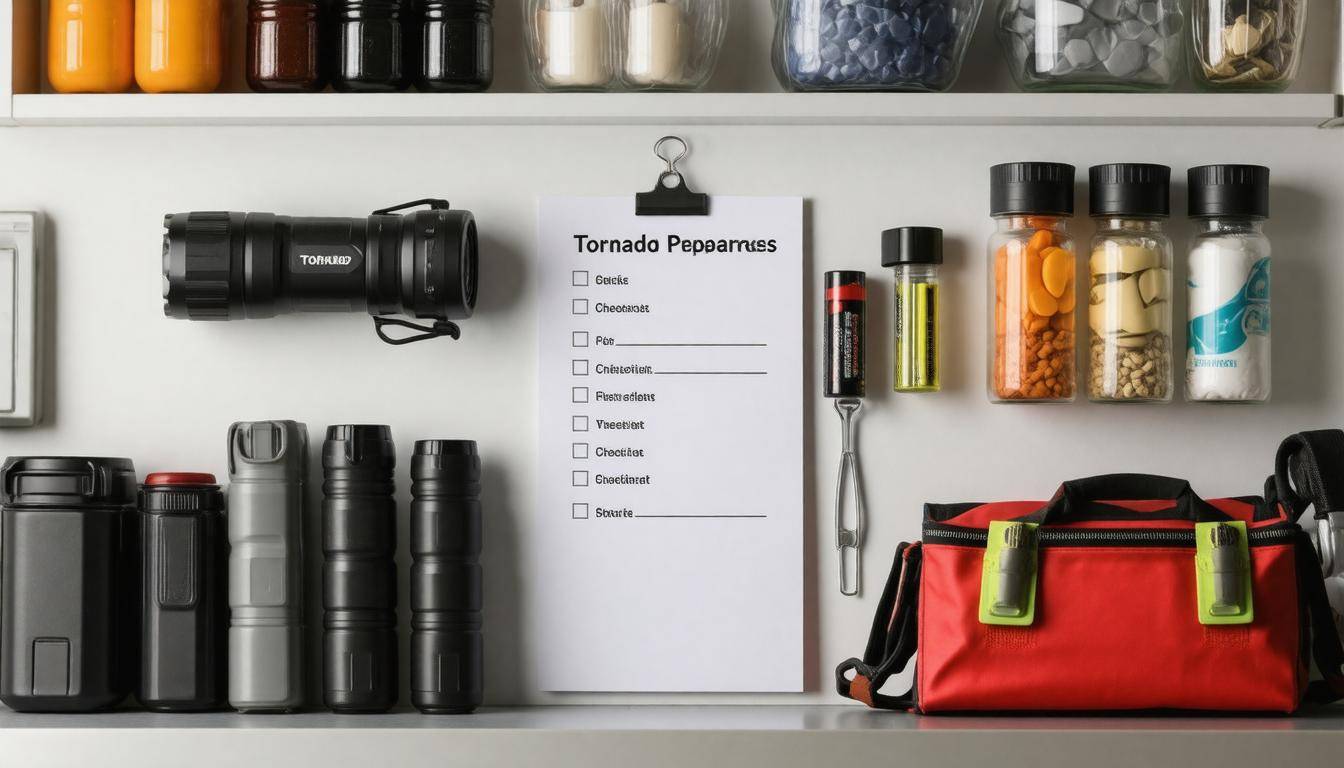
Assessing Your Tornado Risks
To begin assessing your tornado risks, it’s necessary to identify and analyze geographic factors that play a significant role in tornado occurrence. Areas in the Midwest and South, particularly known as Tornado Alley, are infamous for their high frequency of tornado activity. If you find yourself in states like Texas, Oklahoma, Kansas, or Nebraska, you’re likely to encounter more active weather patterns that can produce tornadoes. For example, Oklahoma experiences an alarming average of 57 tornadoes a year, which really underscores the need for a proactive approach in those regions.
Analyzing Geographic Factors
Knowing where you live can drastically influence how you prepare. It’s not just about statistics; it’s about understanding your environment. Even within regions that experience tornadoes frequently, certain cities or counties may have higher incidences than others. This makes it critical to investigate local trends and data on tornado occurrences. By doing so, you can better predict potential weather threats and adjust your preparedness plans accordingly.
It might be beneficial to check online resources that offer interactive maps showing areas at risk for tornadoes—you may uncover valuable information you wouldn’t typically think to consider.
Reviewing Historical Data
Once you’ve grasped the geographic factors influencing your location’s risk level, the next step is to explore historical data regarding past tornado incidents in your area. Leveraging resources like FEMA’s website can provide essential insights through comprehensive maps and analytical tools. They offer detailed information about past events which will help establish a true understanding of your personal risk.
Consider Ms. Amy Johnson from Florida, who has lived through 16 tornadoes in her county between 2010 and 2020. By reviewing such information, she was able to develop tailored strategies for her family’s safety—including safe rooms and emergency kits specifically geared toward the realities she faces. This personalization kept her informed but also empowered her with actionable steps for protecting herself and her loved ones.
With this awareness of risks firmly established, the next logical step is formulating strategies that effectively counter those challenges while maintaining a sense of security within the household.
Creating a Family Emergency Plan
First, let’s explore why having a family emergency plan is essential. In stressful situations like tornados, panic can set in quickly—having a clear plan helps mitigate this fear and confusion. When each family member knows not only where to go but also what to do, it creates an environment of safety and control amidst chaos. Just imagine your children knowing without hesitation to head to the designated safe room while you remain calm in coordinating with other adults.
Step-by-Step Guide to Crafting Your Plan
Step I – Designate a Safe Room
Selecting a safe room is the cornerstone of your emergency readiness. Ideally, you want a space that is underground, such as a basement. If that’s not available, an interior room on the lowest floor without windows—like a bathroom or closet—will also serve well. The key here is to avoid any spaces (like those on higher floors) that may be susceptible to tornado winds and debris.
Remember that this space should be equipped with necessities so it’s ready when you need it.
Step II – Establish Communication Protocols
Now that you’ve chosen your safe spot, it’s crucial to have communication protocols in place. Assign specific responsibilities for contacting family members. Who will call Aunt Linda? Who will ensure Grandma knows where to go? Moreover, establish a meeting point outside of the home in case separation occurs during an emergency.
Leverage text messaging or social media for communication; these methods typically require less bandwidth than voice calls and can be more reliable during power outages.
When building these protocols, consider technology limitations; having backup plans ensures no one is left out.
Step III – Practice Regular Drills
This step cannot be understated: practicing regular drills reinforces the plan and affirms roles within the family. For example, the Peterson family from Kansas found their response time improved by 40% after implementing monthly drills! With each practice session, family members develop confidence and familiarity with their actions, making their responses almost instinctual when disaster strikes.
Having established a robust emergency plan through designated safe rooms and communication protocols, now turns our focus to gathering essential supplies that will keep everyone safe during an emergency.
Building Your Tornado Survival Kit
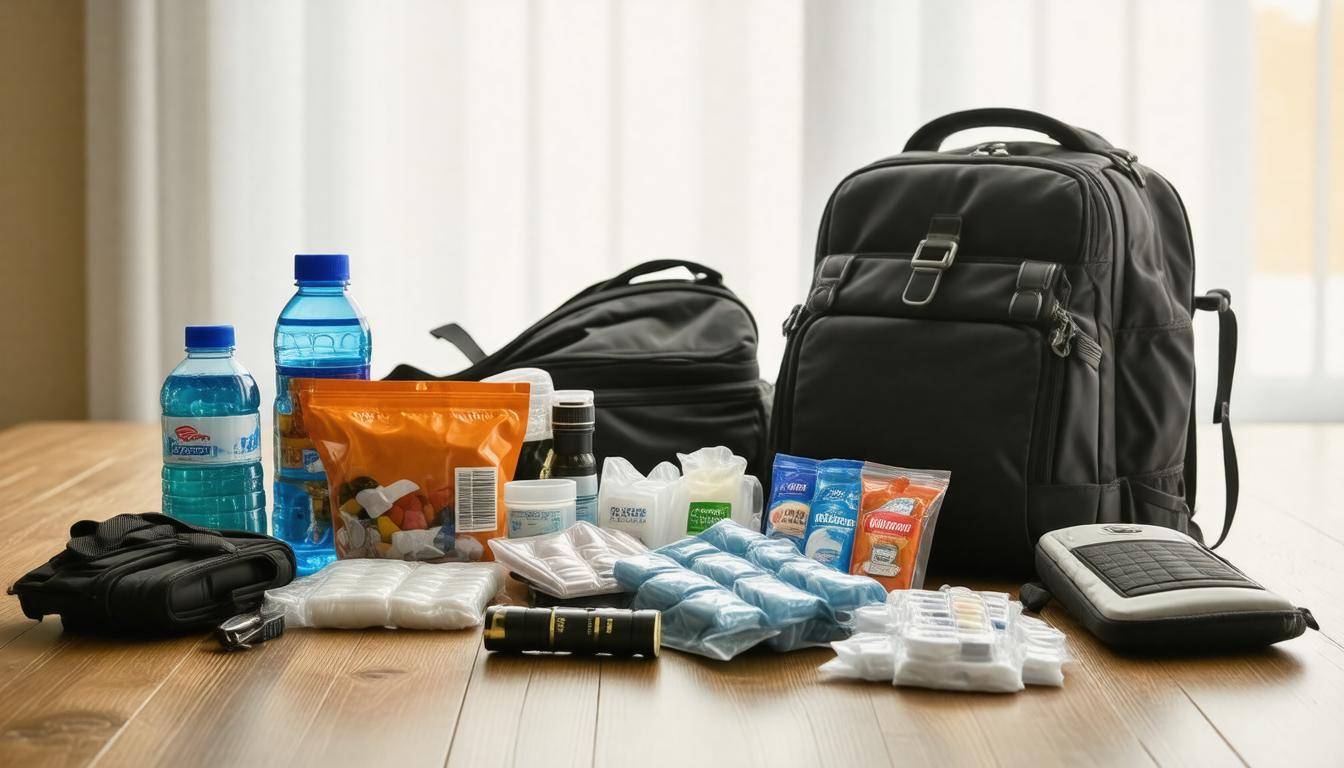
A comprehensive survival kit is a cornerstone of tornado preparedness. In the face of nature’s fury, being proactive can make all the difference between chaos and calm. A well-prepared kit carries supplies that sustain you and enhance your ability to respond effectively during an emergency.
Essential Items to Include
-
Water: Stock at least one gallon per person per day for a minimum of three days—this is crucial for hydration and sanitation. Water quickly becomes one of the most sought-after resources in emergencies.
-
Non-Perishable Food: Aim for a three-day supply that includes items like canned goods, granola bars, nuts, and dried fruits. These are easy to store and require no cooking.
-
Battery-Powered or Hand-Crank Radio: Staying informed during a storm is vital. A reliable radio enables you to receive timely weather updates, which can guide your decisions.
-
Flashlight and Extra Batteries: Power outages often accompany severe weather. A dependable flashlight ensures you can navigate safely in the dark while spare batteries help keep illumination going longer.
-
First Aid Kit: This should include basic medical supplies like bandages, antiseptic wipes, pain relievers, and any necessary prescription medications tailored for specific family needs.
Keep in mind, these essentials serve as the backbone of your survival kit. However, each family may have unique needs worth addressing.
Personalization Items
Beyond the essentials, personalizing your survival kit makes it truly functional. Consider including prescription medications secured in waterproof containers, as approximately half of all Americans depend on daily medications. You might also want supplies for infants, such as baby formula and diapers, while pet food and extra water should be included for furry family members.
For instance, John from Texas found himself in an unforeseen emergency when he included his diabetic supplies in his pack. It turned out to be a lifesaver as he was stranded for several days without access to local stores.
Maintaining Your Survival Kit
After building your tornado kit, it’s essential not just to set it aside but rather to maintain it regularly. Every six months or so, review its contents to ensure nothing has expired or become damaged; replace old food supplies and check batteries for freshness. By doing this simple inspection twice a year, you will guarantee that your survival kit remains functional and effective.
Moreover, consider creating a checklist based on the items you’ve included so that anyone in your household can quickly access what they need without fumbling through everything.
Now that your survival essentials are covered, it’s important to focus on how best to prepare your living space against potential tornado damage when storms threaten.
Preparing Your Home for Tornado Season
Fortify the Structure
Securing your home’s structure involves more than just a casual assessment. Invest in hurricane straps, which provide additional support by fastening your roof more securely to its walls. This enhancement can drastically reduce roof damage during severe winds, potentially decreasing roofing repairs by as much as 50%.
Garage doors require special attention as they are often the weakest points in your house against tornado winds. Reinforcing garage doors helps them withstand the force of heavy winds and flying debris that can cause catastrophic impacts. Upgrading windows should also be a priority; consider options like shatter-resistant glass or protective films that prevent breakage while still allowing light into your home. Protecting your home means reinforcing its physical integrity, ensuring everything possible is done to shield what matters most.
Manage Surrounding Landscape
Managing the landscape around your home is just as important as fortifying its structure. Regular tree maintenance is vital; trim trees and remove dead branches that can easily become projectiles during harsh weather. You wouldn’t want to be caught off guard like the Johnsons in Alabama—a family who experienced shattered windows from a falling tree branch during a tornado in 2019. Keeping limbs at least six feet away from your home minimizes risks and makes outdoor maintenance easier too.
Every year, unforeseen debris accounts for numerous injuries and property damages during tornado events. By taking proactive measures early in the season, you’re effectively reducing risk.
Consider anchoring outdoor structures such as sheds and playsets using anchors or tie-downs. These precautions will prevent them from becoming deadly projectiles when a storm strikes. It’s also wise to keep your yard free of clutter; store tools and furniture tightly, minimizing opportunities for them to be swept away in a whirlwind.
Create a Safe Room
One of your best defenses is designating an interior room as a safe space during tornados—preferably one without windows and located on the lowest level of your home. This small area should be stocked with emergency supplies including water, first aid materials, and blankets. Having these essentials readily available can save time during emergencies when every second counts.
Although some may argue that preparing now seems excessive, it’s crucial to remember that tornadoes can strike without warning. Having a safe haven set up with supplies can provide peace of mind for you and your loved ones during tumultuous times. Facing the imminent threat with preparedness allows you to focus on safety rather than scrambling in panic when seconds really matter.
As you make these essential preparations at home, don’t overlook the importance of communicating and collaborating with your community to enhance collective safety further.
Strengthening Community Coordination
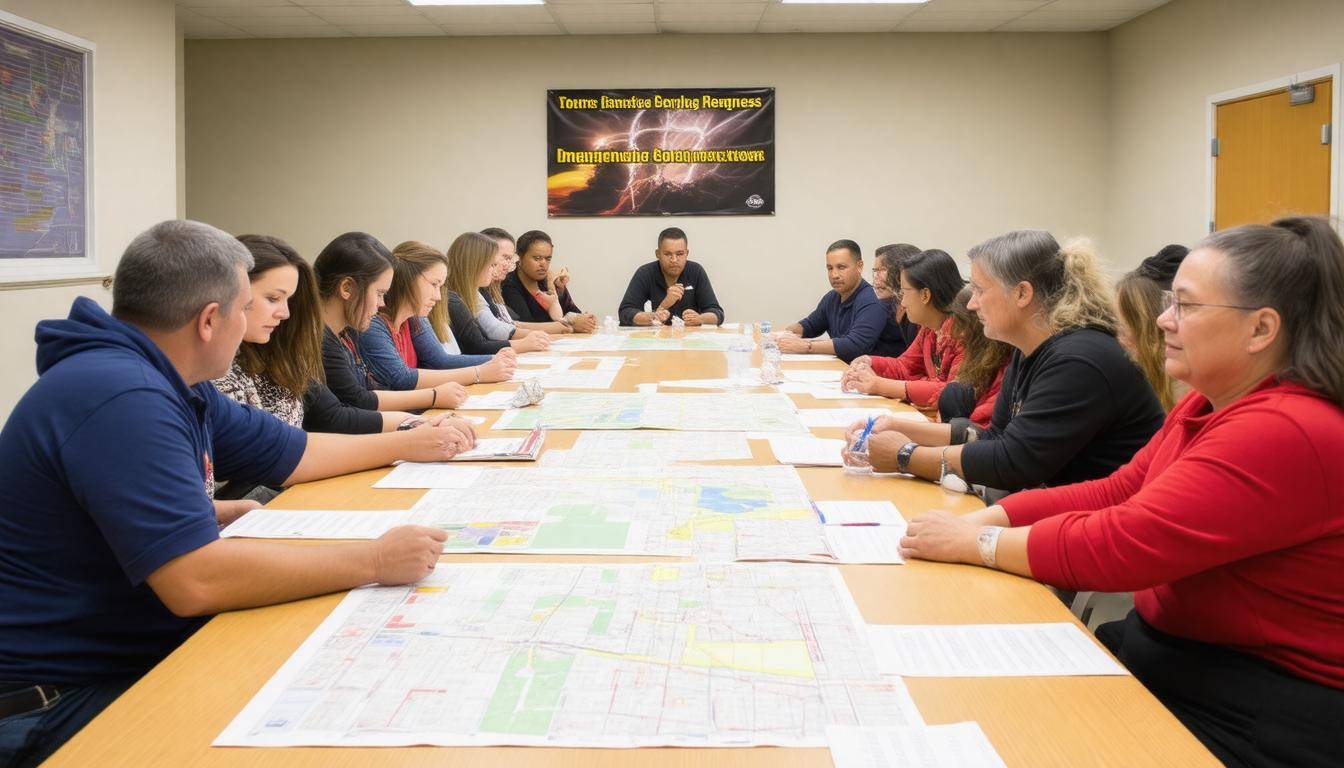
Community coordination is essential for enhancing readiness against tornadoes. By fostering collaboration among residents, you establish a support network and create opportunities for shared knowledge and resources that can make a significant difference when minutes count.
Organize Neighborhood Meetings
Starting with regular neighborhood meetings, you can set the tone for proactive engagement. These gatherings serve as excellent platforms for discussing shared strategies and resources while building rapport within your community.
For instance, in Waterloo, Iowa, residents formed a neighborhood watch dedicated to tornado sightings. As a result, they drastically improved early warning systems by sharing information amongst themselves and keeping each other informed.
Imagine how comforting it would be to hear from a neighbor that they spotted ominous clouds brewing on the horizon before any official alert was issued!
Share Resources
Beyond sharing information, tangible resource sharing can have a profound impact as well. Gather your friends or neighbors to discuss which tools and supplies you have at your disposal, such as generators, chainsaws, flashlights, or emergency kits.
By organizing communal storage locations, you ensure that everyone has access to necessary equipment when disaster strikes.
A case study worth considering is Mississippi, where towns that pooled their resources reported less property damage and quicker recovery times after tornadoes. Although the logistics of sharing can feel daunting—who owns what? Where should we store it?—this process works best if everyone contributes to discussions about items to include in the shared pool.
It transforms mere conversations into actionable plans that can save lives and homes during an actual event.
While community efforts are certainly vital, preparation regarding insurance and legal matters is crucial for effective post-tornado recovery strategies.
Ensuring Insurance and Legal Readiness
One of the most prudent steps you can take prior to tornado season is securing proper insurance coverage, which can act as a safety net against potential financial loss from significant damage. Review your homeowner’s insurance policy carefully; it’s essential that it covers not just general storm damage but specifically includes provisions for wind and tornado-related destruction. The unfortunate reality is that only about 50% of homeowners in high-risk areas possess adequate tornado insurance, leaving them vulnerable when nature strikes. Take a moment to assess your coverage with your insurer so there are no surprises later.
Regularly checking your insurance policy isn’t just a recommendation—it serves as an indispensable part of your preparedness strategy.
Review Your Insurance Policy
While examining your policy, focus on the details regarding deductibles and payout limits. Higher deductibles might lower your premium but could be financially devastating if damage occurs. Be aware of any exclusions, such as restrictions on coverage for older structures or certain types of wind damage. Ask your agent whether any additional policies would better suit your needs during peak tornado season.
In addition to reviewing your policy, keep an inventory of the items in your home, including valuable possessions. A detailed list, accompanied by photographs, will make filing claims easier if disaster strikes. Store these documents both physically, in a safe place, and digitally, using a reliable cloud service for backup—after all, accessibility can be critical when time is of the essence.
Legal Preparations
Next on the list is organizing important legal documents like property deeds, insurance papers, and personal identification. Place these items in waterproof containers to safeguard them against potential water damage caused by severe weather events. It’s surprising how much stress these documents can alleviate when they’re easily retrievable after a storm.
To enhance your legal readiness further, take the time to digitize these essential papers. Scan these documents and securely store backups on trustworthy cloud services so that you can access them quickly even if you cannot return home immediately after the event.
In essence, being prepared extends beyond just physical safety; having sound insurance and easily accessible legal documentation will greatly streamline recovery efforts.
Staying alert to weather warnings and being informed through reliable channels will further bolster your preparedness efforts.
Staying Informed with Alerts and Updates
During tornado season, the importance of receiving up-to-the-minute information cannot be overstated. A quick warning about severe weather could mean the difference between safety and danger. This is why establishing a reliable source of alerts is essential.
First things first, consider subscribing to local emergency alerts. Community alert systems are designed to disseminate real-time warnings to residents. This can include severe weather warnings, evacuation orders, and safety tips tailored to your area. Receiving these notifications directly to your phone ensures that you won’t miss vital information when it matters most.
Essential Tools to Stay Informed
Weather Radios
Investing in a NOAA Weather Radio presents another layer of protection. These radios are dedicated to broadcasting continuous updates specifically related to weather emergencies. They provide timely information about tornado watches and warnings straight from the National Oceanic and Atmospheric Administration (NOAA). For instance, during the notorious tornado outbreak in Tennessee in 2020, individuals who relied on NOAA Weather Radios received life-saving alerts with minutes to react, enabling many to seek shelter effectively.
Smartphone Apps
While weather radios are incredibly useful, don’t overlook the power of technology in your pocket. Download highly-rated weather apps—such as The Weather Channel or AccuWeather—which offer comprehensive coverage and alerts. These apps come equipped with features that enable live maps and storm tracking capabilities, allowing you to visualize developing situations sequentially instead of relying solely on text-based notifications. It’s akin to having a small meteorological command center at your fingertips; you can track the storm’s movement in real-time while being alerted instantly of any changes in severity or direction.
By regularly checking these tools, you’re ensuring that you’re not only informed but also empowered to make rapid decisions about your safety.
Establishing effective communication plans complements these resources, guaranteeing that all family members understand what actions need to be taken should an emergency arise. Next, we will explore how to implement effective drills and escape plans in case disaster strikes.
Practicing Drills and Escape Routes
Regular practice of emergency drills is essential because it enhances the effectiveness of your emergency plan and instills confidence among all family members. Conducting these drills creates muscle memory, so everyone knows exactly what to do in case of an emergency.
In my own experience, our family started conducting monthly drills, and I was amazed at how quickly everyone adapted. It became second nature to rush to our designated safe area without panic.
Monthly Drills
Set aside time once a month for these important practice sessions. As you conduct these drills, take note of any gaps in your plan—this becomes increasingly apparent as the routine unfolds.
For instance, can everyone reach the safe room within five minutes? This is crucial time during a tornado warning. You can keep track of individual times, which will help measure improvement.
Escape Route Planning
Coupling monthly drills with thorough escape route planning further reinforces preparedness. It’s essential to develop multiple escape routes from both your home and within your neighborhood.
Having at least two escape routes dramatically increases the chances of avoiding harm during a tornado—studies suggest it can enhance safety by up to 50%! Picture this: during one drill, we identified an exit through the garage as our primary route and another through the back door leading us to safety.
School and Workplace Coordination
Coordinating your tornado preparedness plan with schools and workplaces adds another layer of security. Communicating with teachers or supervisors about your family’s emergency plan ensures that loved ones are aware of procedures in place at their school or office.
For example, Jane shared how her workplace in Missouri conducts quarterly drills and trains employees on where to take cover and how to respond if a tornado warning sounds. Knowing everyone is on the same page provides peace of mind both at home and away.
By combining monthly drills, careful escape route planning, and coordination with schools and workplaces, families create a robust safety net that prepares them for emergencies like tornadoes, resulting in greater collective resilience through proactive engagement.
In preparing for tornado season, proactive practices not only protect lives but also create a culture of readiness within communities. Staying informed and engaged ultimately empowers families to face these situations with confidence.
What essential items should be included in an emergency kit for tornado preparedness?
An emergency kit for tornado preparedness should include items such as a first aid kit, non-perishable food, water (one gallon per person per day for at least three days), flashlight with extra batteries, portable phone charger, and a whistle to signal for help. Statistics show that about 1,000 tornadoes touch down in the U.S. each year, emphasizing the importance of being prepared. Having these essentials can make a critical difference during an emergency situation, ensuring basic needs are met while awaiting assistance.
How can I stay informed about tornado watches and warnings during the season?
To stay informed about tornado watches and warnings during the season, utilize multiple sources such as NOAA Weather Radio, local news stations, and reliable weather apps that send real-time alerts. It’s crucial to have at least two ways to receive information since over 1,000 tornadoes occur in the U.S. each year, with peak months being April through June. Being proactive about your preparedness can significantly enhance your safety during a tornado event.
What steps should be taken to secure my home before a tornado strikes?
To secure your home before a tornado strikes, start by reinforcing windows and doors with shutters or plywood to prevent breakage from debris; secure outdoor furniture and loose items that can become projectiles; inspect your roof for loose shingles or damage; and ensure your basement or storm shelter is clear and accessible. According to the National Weather Service, homes with properly reinforced structures have a significantly lower risk of severe damage during tornado events, making preparedness vital in reducing potential losses.
Are there specific safety measures to follow if caught outside during a tornado?
If caught outside during a tornado, seek immediate shelter in a sturdy building; if that’s not possible, lie flat in a low-lying area such as a ditch, covering your head with your arms to protect against flying debris. Statistics show that about 70% of tornado-related fatalities occur due to these impacts, underscoring the importance of seeking the lowest possible ground and shielding yourself from potential hazards. Always stay informed through alerts and warnings to maximize your safety during severe weather events.
How can I develop a communication plan for my family in case of a tornado warning?
To develop a communication plan for your family during a tornado warning, establish a designated meeting spot where everyone will go if separated, utilize text messaging or social media for quick updates, and choose an out-of-state contact person who can relay information. Research shows that organized communication can reduce panic and confusion during emergencies; a Federal Emergency Management Agency (FEMA) study found that families with established plans were 50% more likely to remain calm and informed during disasters. Regularly practice your plan to ensure everyone knows their roles and responsibilities.