
When you step into a transit station, you might not think much about what could go wrong. But emergencies can strike anytime—like accidents, natural disasters, or even security threats. That’s why having a solid emergency plan in place is so important. This isn’t just about fitting in some safety protocols; it’s about preparing everyone, from staff to passengers, to respond calmly and effectively when the unexpected happens. In this guide, we’ll explore everything you need to know to craft a well-thought-out emergency plan that prioritizes safety and smooth communication during crises. Let’s dive in and discover how we can make our transit stations safer for everyone involved!
The “Transit Station Emergency Plan: Complete Guide” focuses on providing comprehensive strategies for ensuring passenger safety during emergencies at transit stations, including rapid response protocols, effective communication systems, and well-defined evacuation procedures. It serves as a vital resource for transit authorities to enhance their readiness and response capabilities in the face of unexpected incidents.
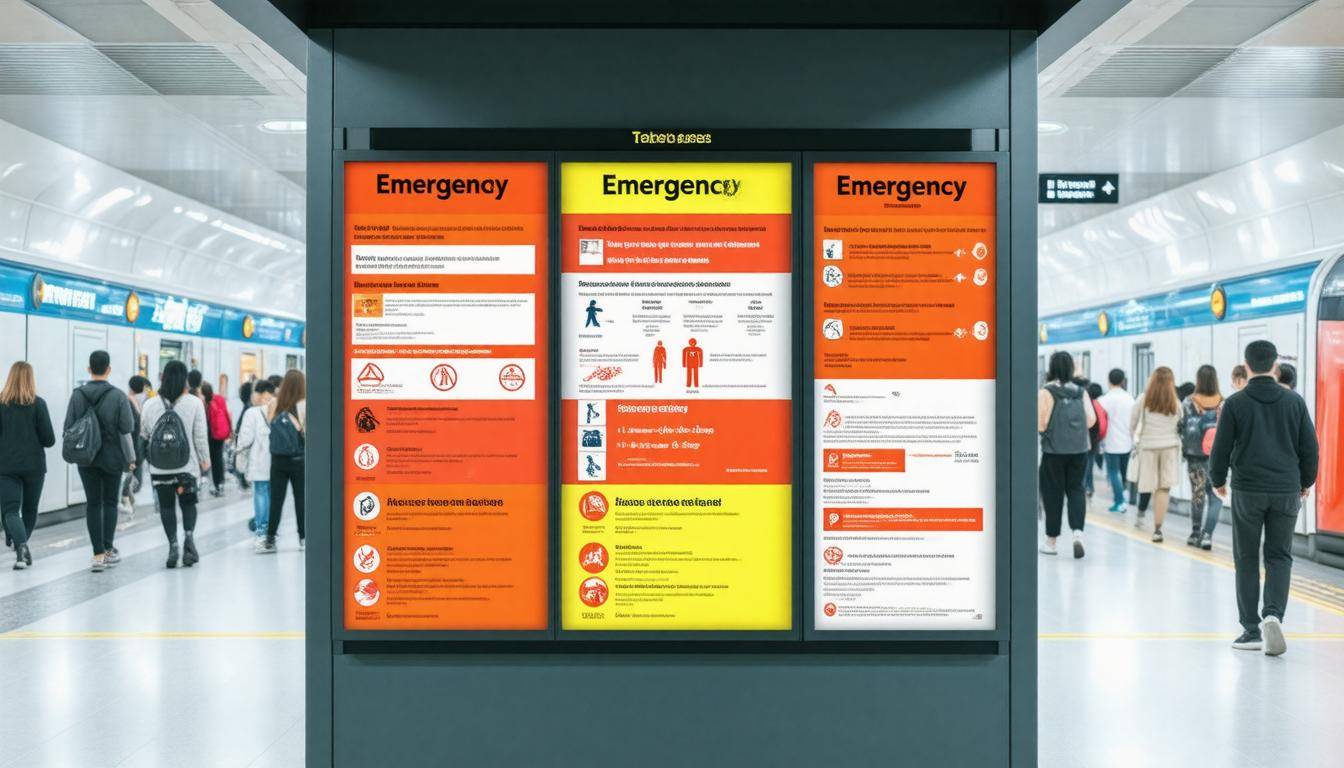
Establishing the Foundation
Creating a robust foundation involves several essential components, starting with defining the scope of the emergency plan. This means considering not only the physical space of the transit station but also the various types of emergencies that could occur, whether they be natural disasters, technical failures, or security threats. Understanding what the plan is intended to cover ensures that every potential risk is recognized and addressed from the very beginning.
Identifying Key Objectives
As you define your foundation, identifying key objectives becomes paramount. These goals should focus on protecting passengers and staff while minimizing disruptions to transit services and ensuring effective communication during an emergency. Clarity in objectives is crucial—everyone involved should know what success looks like. For instance, establishing a timeframe for how quickly passengers can safely evacuate or ensuring that up-to-date information reaches everyone as efficiently as possible helps guide your response efforts.
“Success in any emergency response hinges on a clear understanding of your goals,” says emergency management experts. “When everyone knows what to achieve, chaos can be minimized.”
Establishing a Response Team
Once your objectives are set, it’s crucial to establish a dedicated emergency response team. This group should consist of transit station staff, security personnel, and representatives from local emergency services. Each member plays an integral role in ensuring a well-coordinated effort during any crisis situation. For example, similar practices are successfully utilized by the New York City Transit Authority which has a specialized team responsible for managing emergency operations across its expansive network.
Additionally, forming relationships with local authorities enhances preparedness and response capabilities. Regular meetings between your transit team and local fire and police departments build trust and improve coordination during an actual emergency. Think of it as an investment; when relationships are strong before an incident occurs, maneuvers become seamless when it matters most.
With this foundational framework established—complete with defined scope, concrete objectives, and a unified response team—the next crucial step involves strengthening connections with relevant local organizations to enhance overall safety measures.
Coordination with Local Authorities
When a crisis strikes, communication and collaboration among local authorities—such as police, firefighters, and emergency medical services—become the backbone of an effective response. A well-coordinated team can lead to quick interventions that ultimately save lives. For instance, the successful evacuation during the 2016 Hoboken train crash demonstrated how essential local first responders are in rescuing trapped passengers and minimizing chaos in a high-stress environment.
Memorandums of Understanding
Drafting Memorandums of Understanding (MOUs) with local emergency services is a proactive strategy that outlines the specific support available during crises. These agreements can stipulate resource allocation, personnel availability, and joint operational protocols. By preparing these documents in advance, transit authorities can foster trust and clarity about roles when emergency situations arise.
“A well-prepared team saves not just minutes but potentially lives.”
As part of this approach, it’s essential to ensure that each agency understands its responsibilities clearly. This mutual understanding cultivates a spirit of cooperation, which is critical when every second counts.
Joint Training Exercises
Regular joint training exercises serve as the cornerstone of preparedness for any emergency response plan. Scheduling these drills ensures that all parties—from transit station staff to first responders—are knowledgeable about their roles and how to work cohesively under pressure. These simulations enable everyone to practice real-life scenarios they might face, reducing confusion and hesitation when action is required.
The integrated training conducted during the Los Angeles Metro Red Line fire in 2018 exemplifies the effectiveness of such preparation. Various agencies practiced collaborative procedures in advance. This groundwork ensured that first responders could quickly enact evacuation routes and address medical needs without unnecessary delay.
Aside from improving familiarity with procedures, these joint exercises help build rapport among diverse teams—a critical factor when they need to rely on each other in chaotic situations. The camaraderie fostered through training prepares teams to act effectively together when an actual emergency strikes.
By fostering strong relationships and establishing clear plans through MOUs and intensive training, transit stations bolster their ability to respond effectively in emergencies, ensuring both passengers and staff remain safe during unpredictable incidents. This emphasis on preparation transitions us into examining additional strategies for maintaining readiness in the face of unforeseen challenges.
Ensuring Emergency Readiness
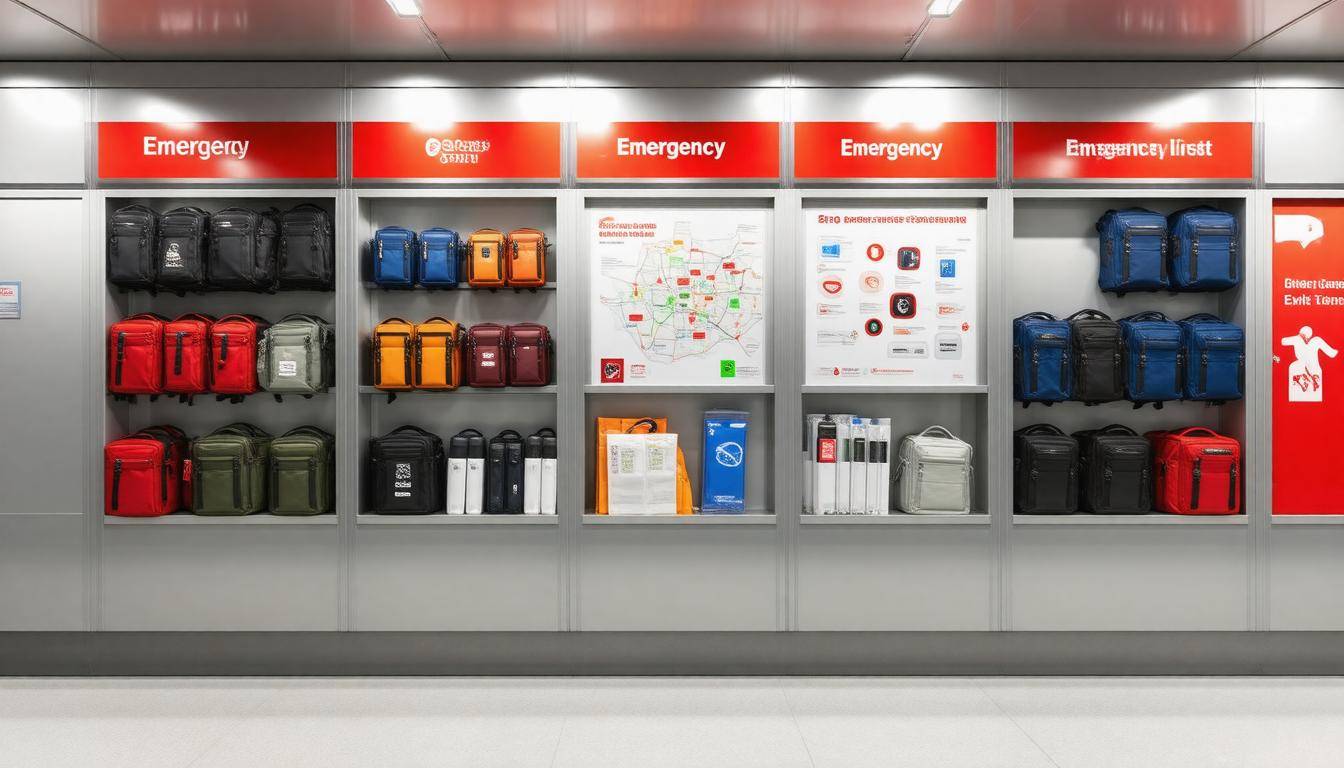
Being prepared for emergencies in a transit station goes beyond just having resources on hand; it’s about creating a culture of readiness and ensuring everyone involved knows what to do in critical moments. Regular checks on all emergency equipment such as fire extinguishers, first aid kits, and communication devices are essential. Imagine a rush hour when an emergency strikes—if your staff cannot quickly access functional equipment, it can lead to chaos. For instance, conducting regular audits of these tools ensures that they are operational and ready when needed.
Consider implementing quarterly inspections similar to those done by the London Underground. Their proactive measures have led them to maintain high standards of safety:
- Fire Extinguishers: Check expiration dates and ensure proper location signage.
- First Aid Kits: Verify contents are up-to-date and restocked regularly.
- Communication Devices: Test functionality for both emergency alerts and routine communications.
However, equipment alone isn’t sufficient for handling emergencies effectively; equally important is the training of personnel who will be operating them.
Comprehensive training for all staff members on emergency procedures and equipment usage forms the backbone of emergency preparedness. Representatives from the Office of Homeland Security and Emergency Preparedness (NOHSEP) often highlight how familiarity with protocols can save lives. It’s essential not only to inform but to educate through practical hands-on training. An annual day-long seminar might seem effective at first glance, yet some experts advocate for more frequent, shorter sessions as these keep skills fresh and top-of-mind.
There’s merit in this approach: shorter training intervals allow staff to frequently practice emergency drills, engage in discussions about updates on protocols, or run simulated scenarios that might occur. Regular reinforcement helps create muscle memory and boosts confidence among employees.
Remember: Each moment spent learning something new contributes significantly to building an effective response team when real crises arise.
Recognizing the full scope of readiness involves equipping the transit station with functional tools while simultaneously empowering staff through consistent training. Establishing this dual focus is key to ensuring that everyone can act decisively, confidently, and efficiently when facing unforeseen challenges.
As we explore further, understanding how to conduct effective exercises will play a crucial role in ensuring everyone is prepared to respond seamlessly during an actual emergency.
Conducting Communication Drills
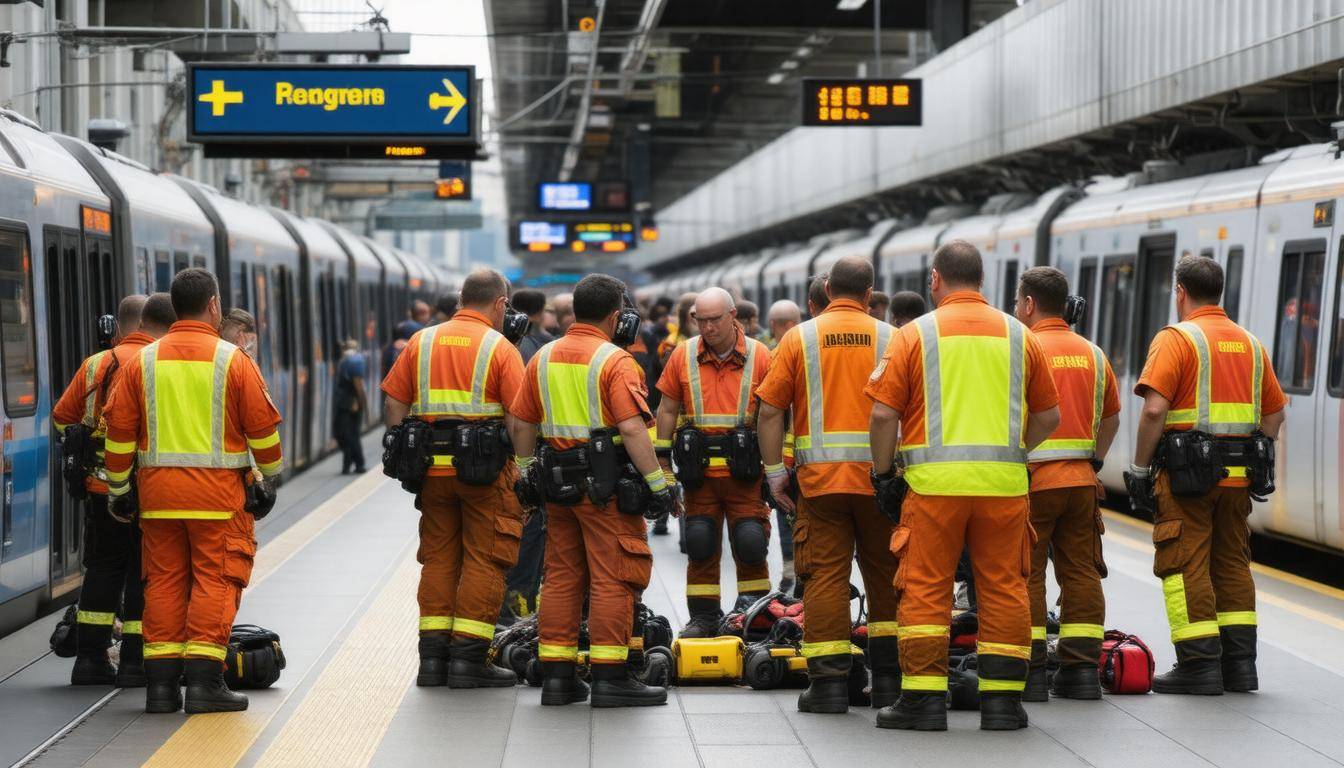
Communication breakdowns during emergencies can lead to chaos, confusion, and ultimately, preventable tragedies. This is why practicing robust communication methods is crucial. The core aim of conducting communication drills is to ensure that all staff members know how to relay critical information efficiently and effectively. These drills simulate real-life scenarios, allowing staff to practice their responses under pressure, ensuring everyone is familiar with their roles and the systems in place.
Internal Communication Systems
One of the first steps in these drills is testing internal communication systems. Using public address systems, radios, and alert software allows you to verify that all channels are functioning correctly, ensuring they can deliver messages quickly when it counts. Picture a scenario where an emergency situation arises—the last thing you want is to be fumbling with equipment. Regular checks on these systems can minimize this risk significantly.
It’s essential to assess the usability and clarity of the equipment in various conditions, as noise levels can vary greatly during emergencies.
Consider scheduling monthly checks of your systems. Gather your team for a brief meeting and run through procedures on how to use each device in case an emergency occurs. This not only helps identify potential gaps but also reinforces familiarity with the technology at hand.
Role-Playing Scenarios
Beyond the technical aspects, acting out responses in role-playing scenarios adds another layer of preparation. Here’s a simple exercise: create realistic emergency situations—these could be anything from an active shooter scenario to a disturbance requiring rapid evacuation. The goal here is not only to respond effectively but also to maintain clear lines of communication with control centers throughout.
Effective Example
Let’s draw inspiration from Tokyo Metro’s annual “Disaster Prevention Day.” This event includes full-scale exercises that simulate earthquake scenarios and subsequent tunnel collapses. Staff are put through their paces from start to finish, handling everything from initial reports of an incident through securing the area and ensuring passenger safety—all while communicating effectively with control rooms.
These kinds of drills instill a sense of preparedness among staff and improve collaboration during high-pressure situations. Transitioning into a more nuanced approach, it’s essential now to focus on various strategies tailored for specific incidents that may arise.
Handling Specific Emergency Situations
Every emergency is indeed unique, and being prepared means recognizing that each incident demands a tailored response. Whether it’s a potential terrorist threat or a natural disaster, knowing the appropriate protocols can make all the difference in ensuring the safety of passengers and staff.
Terrorist Threats
When faced with a potential terrorist threat, it’s vital to adhere to the guidelines set forth by the Federal Emergency Management Agency (FEMA). These guidelines emphasize prompt and effective communication among staff, law enforcement, and emergency services. In an active threat scenario, your first instinct should be to remain calm while assessing the situation. Depending on your role, you must relay any critical information swiftly—this might involve notifying security personnel about suspicious behavior or areas within the station.
A quick tip: Ensure all employees understand their specific roles during such emergencies, as this will help streamline actions and reduce panic.
Natural Disasters
Natural disasters such as hurricanes, floods, or earthquakes require transit stations to implement region-specific protocols. For instance, in earthquake-prone areas, facilities ought to have visible signage detailing evacuation routes and procedures. It’s also crucial to conduct regular drills so everyone knows what to do when the ground starts shaking. Remember that preparation can save lives.
In fact, recall the 2023 San Francisco Bay Area Rapid Transit (BART), which successfully executed its earthquake response plan during a seismic event. The efficiency of their protocols ensured safe evacuation and minimized service disruptions—a testament to diligent planning.
Medical Emergencies
Medical emergencies are perhaps one of the most common incidents faced in transit stations. First responders must have immediate access to resources like Automated External Defibrillators (AEDs) strategically placed around facilities. However, ensuring that personnel are trained in basic first aid cannot be overstated. Staff equipped with these skills can manage medical situations swiftly. An employee trained in first aid could perform life-saving measures while waiting for paramedics to arrive.
On a related note, routine inspections of medical equipment ensure functionality and readiness at all times. Staff should check AEDs monthly and ensure that first aid kits are stocked with necessary supplies.
By emphasizing tailored responses and robust training for various emergency types, transit facilities can significantly enhance overall safety for both passengers and employees alike. Now let’s explore how systematic procedures come into play when responding to emergencies.
Systematic Response Procedures
Outlining systematic procedures for each type of emergency is essential for maintaining consistency and reliability during crises. This ensures that all personnel are prepared and can respond quickly, effectively, and with confidence in the face of unexpected challenges. When developing these procedures, it’s vital to consider the specifics of each potential emergency—be it a fire, an assault, or natural disaster—and tailor your response plan accordingly. A one-size-fits-all approach rarely works in emergencies, as variations in situation require flexibility in response.
Step-by-Step Guidelines
Create comprehensive step-by-step guidelines that detail actions to be taken in the critical first moments after an incident occurs. For instance, if there’s a fire alarm, the immediate response could involve checking for smoke, alerting others, and executing evacuation procedures. This clarity is vital; meticulous delineation not only aids in effective response but also instills a sense of preparedness among the team.
These guidelines should cover initial actions during the first minutes—the time when chaos typically reigns—to days later when recovery efforts are underway. For example:
- Minutes: Evacuate individuals from immediate danger.
- Hours: Begin assessing injuries and gathering information for emergency responders.
- Days: Establish follow-up procedures for affected persons and review the effectiveness of the response.
Ensuring everyone understands their roles within this framework will lead to smoother coordination throughout the crisis.
Chain of Command
Defining a clear chain of command is crucial to eliminate confusion about who is in charge during an emergency. Well-established protocols concerning leadership roles help streamline decision-making processes, ensuring timely responses that save lives. In situations like emergencies on public transit systems, this clarity can literally make the difference between life and death.
Look at the impact made by the coordinated response following the Seoul subway fire in 2022. During this incident, having a centralized command unit allowed officials to manage rescue operations more effectively, significantly reducing casualties. Leadership at every level communicated seamlessly, relaying vital information that bolstered situational awareness.
By learning from past incidents and implementing a solid command structure with precise roles outlined, organizations can enhance their responsiveness to various emergencies.
Systematic response procedures anchored by step-by-step guidelines and an established chain of command form the bedrock of any effective emergency management plan. The more practice and clarity provided to personnel regarding these protocols, the better everyone will perform when faced with real-world challenges.
As we move forward, understanding how feedback mechanisms can refine these protocols is crucial for continuous improvement and effectiveness.
Feedback Mechanisms
Continuous improvement of emergency plans relies heavily on gathering insights from various stakeholders within the transit system. Effective feedback mechanisms help identify strengths and illuminate areas needing enhancement, making them an essential component of a comprehensive safety strategy. This becomes particularly clear when examining practices around post-incident reviews and collecting feedback through surveys from passengers and staff.
Post-Incident Reviews
After any emergency situation, conducting detailed post-incident reviews is vital. These reviews serve as a platform for assessing the effectiveness of the response plan. By evaluating what went smoothly and what fell short, agencies can glean invaluable information about their processes. For instance, was the communication clear throughout the event? Did all staff know their roles, or were there gaps in knowledge? Questions like these can drive the refinement of safety protocols, ensuring they remain relevant and effective over time.
Alongside these reviews, passenger and staff surveys provide another layer of insight into the system’s performance during emergencies.
Passenger and Staff Surveys
Utilizing surveys to gather feedback from those directly involved can reveal nuanced perspectives that might otherwise go unnoticed. Both passengers and staff experience these events differently; therefore, surveys should be designed to capture a broad range of experiences. Here’s a table outlining some categories and sample questions that could be included in feedback forms:
| Category | Sample Questions | Purpose |
|---|---|---|
| Communication | “Was information relayed clearly?” | Assess effectiveness of information sharing |
| Response Time | “How quickly did you receive assistance?” | Identify delays and areas for improvement |
| Safety Measures | “Did you feel safe during evacuation?” | Judge current security protocols |
Such targeted questions not only enable transit systems to pinpoint weaknesses but also empower them to make informed adjustments based on real-world experiences. Engaging with both passengers and staff ensures that multiple viewpoints are considered when refining procedures.
However, collecting feedback is just one piece of the puzzle; it must be actively utilized to make meaningful changes within the transit environment.
Actionable Insights
When feedback is properly analyzed, it can guide future training for staff members or highlight necessary improvements in communication strategies during an incident. For example, if surveys indicate that many passengers felt uncertain about evacuation routes, this is a clear signal for management to enhance signage and training at transit stations.
Creating a culture around regular feedback will not only improve safety measures but also foster community engagement among users of the transit system. This commitment to ongoing improvement connects everyone involved in the transport network—creating safer transportation environments as a shared responsibility.
This continuous effort paves the way for essential revisions and enhancements in protocols as needs evolve.
Updating and Reviewing Plans
Emergency plans must be living documents that evolve with the dynamic landscape of transit safety, technology, and community needs. This adjustment ensures that reactions are swift and effective during incidents, minimizing chaos and maximizing safety. Incorporating regular updates into the lifecycle of these plans is a fundamental practice.
Regular Updates
Scheduling reviews every six months is essential. This routine allows staff to assess the plan against the latest safety guidelines, technological advancements, and lessons learned from past emergencies. Staying proactive is always more effective than being reactive. By evaluating and revising the plan regularly, knowledge gaps can be closed before they become issues in a real crisis.
In practice, this means gathering all involved parties—emergency response teams, transit personnel, and relevant community stakeholders—to discuss recent trends, incidents, or findings in emergency management. Keeping everyone engaged fosters a culture of collective responsibility for public safety. Imagine a dedicated workshop after every drill where participants share experiences; those conversations drive improvements.
Incorporating Feedback
Integrating feedback from post-incident reviews is vital for updating plans effectively. A thorough review after an incident, whether minor or significant, reveals weaknesses within existing protocols. For example, the Chicago Transit Authority adapted their approach following a 2021 derailment incident, using insights from this event to reshape their emergency plan fundamentally. Lessons learned from actual events can significantly influence future actions.
This process isn’t solely about what went wrong; it’s also an opportunity to highlight successes! What aspects of the response worked well? Gathering diverse feedback ensures that comprehensive suggestions for improvement arise from various perspectives within the organization. Each update should reflect not just changes but also affirmations of effective practices already in place.
Ultimately, by continually refining and reviewing emergency plans in light of new information and experiences, transit stations can craft a robust strategy ready to tackle anticipated challenges and embrace unforeseen circumstances gracefully.