
When you think about emergencies, it’s easy to hope you’ll never face one. But the truth is, accidents can happen to anyone, anywhere. Imagine being in a situation where someone needs help, and you’re equipped with the right supplies to make a difference—it can be life-changing. Building a well-stocked emergency medical kit doesn’t just prepare you for the worst; it gives you the confidence to act when it matters most. You’d be surprised at how simple items can have a major impact during a crisis. Let’s dive into what essential trauma supplies you should include in your kit, so you’re ready for whatever life throws your way.
Essential trauma supplies for emergency medical kits include items such as tourniquets for severe bleeding control, Israeli bandages for applying direct pressure to wounds, and QuikClot gauze for rapid hemostatic response. Additional important items are chest seals, gloves, and pressure bandages to manage various types of injuries effectively in emergencies.
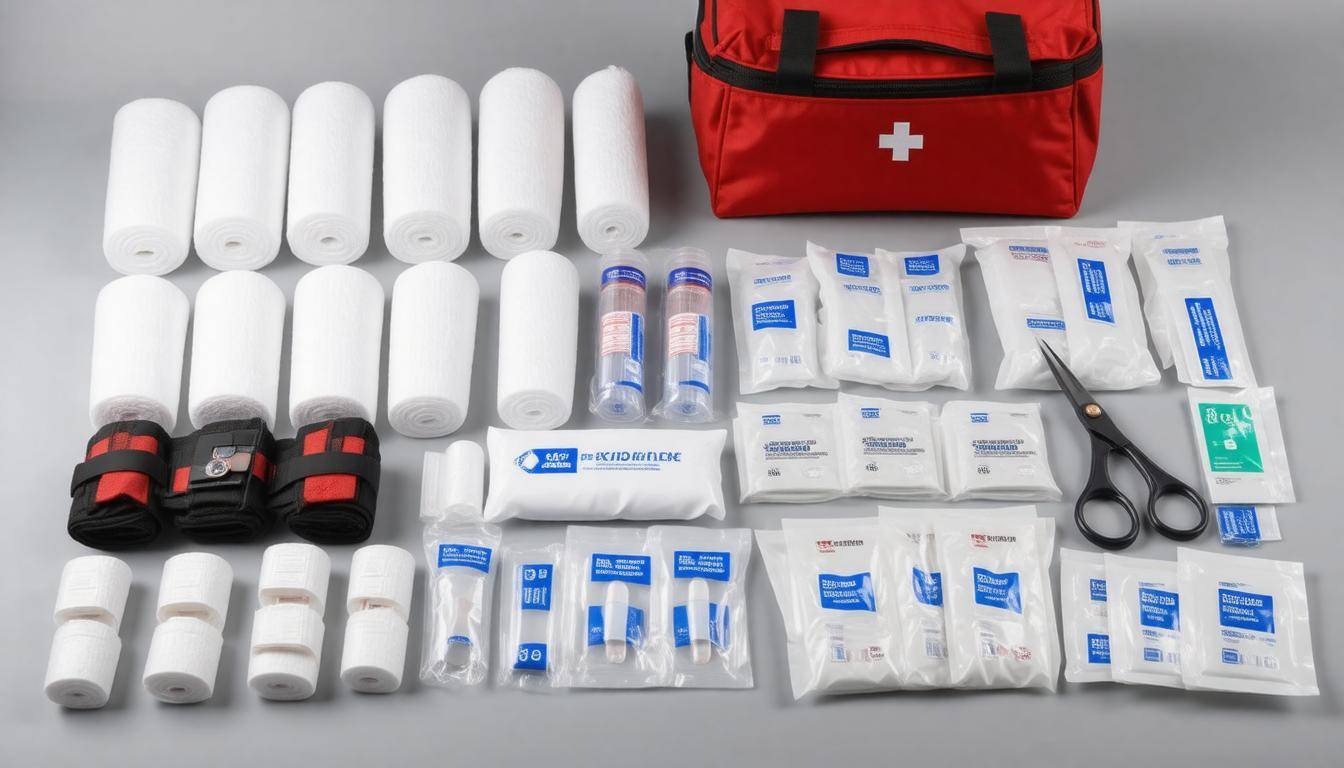
Essential Trauma Supplies for Your Kit
When it comes to creating a reliable trauma kit, it’s important to focus on the items that can truly make a difference in critical situations. Think of these supplies as your lifeline in emergencies. For instance, tourniquets are often at the top of the list because they are essential for controlling severe bleeding. The GEN 7 Combat Application Tourniquet (CAT) is a fantastic option—it’s user-friendly, effective, and priced around $31.99. Its design allows it to be applied quickly with one hand, which can mean the difference between life and death when time is of the essence.
In addition to tourniquets, another critical component revolves around hemostatic agents.
Hemostatic agents like QuikClot Combat Gauze serve a specific purpose—they speed up the body’s natural clotting process. At about $49.95, this gauze is both innovative and lifesaving, making it an invaluable part of your kit. By using specialized materials that enhance coagulation, this product allows you to control heavy bleeding more efficiently than traditional gauze alone. When you’re faced with trauma, every second counts, and having hemostatic agents on hand dramatically increases survival rates.
Beyond these essentials lies the importance of bandages and dressings.
Sterile bandages, particularly Israeli Bandages, are paramount for managing wounds effectively. They are designed to apply direct pressure, thus minimizing blood loss while protecting the wound from infection. A twin pack generally costs around $13.39 and is compact enough to fit comfortably into any kit. Alongside bandages, keeping a variety of adhesive options—like different sizes of adhesive bandages—ensures you can address both minor cuts and larger gashes.
Additional Considerations
While assembling your kit, don’t overlook the value of other supplies such as trauma shears and gloves. Trauma shears play an essential role in cutting away clothing swiftly to access injuries, while nitrile gloves protect both the victim and yourself from potential infections. These might seem like small tools, but during an emergency, they allow you to act swiftly and safely.
As you prepare your trauma kit, knowledge coupled with supplies makes all the difference in crises.
Having high-quality supplies won’t fully prepare you unless you also invest time in training. Learning how to use each item effectively boosts your confidence when facing emergencies. Look into specialized courses such as CPR or Stop the Bleed programs so you understand not just what items to have but how best to use them in real-life situations.
Remember: The combination of a well-stocked kit and proper training will empower you not only to respond effectively but also to potentially save lives during unforeseen emergencies.
With your foundation set in essential emergency supplies, let’s shift our focus to understanding various methods for managing injuries effectively through appropriate coverings.
Bandages and Dressings
When it comes to first aid, direct pressure paired with appropriate dressings is essential for controlling bleeding and preventing infection. Imagine for a moment that you’ve just sustained a cut or a scrape—you wouldn’t want it to get infected or bleed profusely, right? This is where bandages come into play. They protect the wound and stabilize it, ensuring no further damage occurs.
Step-by-Step Application
1. Israeli Bandage
One of the most versatile options in your first aid kit is the Israeli Bandage, which typically retails for around $10 each. Renowned for its dual capabilities of applying both pressure and absorption, this bandage is used by military personnel due to its effectiveness on battlefield injuries. The Israeli Bandage features an attached pressure bar that allows you to easily control bleeding by simply adjusting the tension. For better value, consider purchasing them in packs—this can make stocking up easier without stretching your budget too thin.
2. Pressure Dressings
Another crucial item is pressure dressings, such as the OLAES Modular Bandage. These bandages are designed intricately with several layers, including gauze, elastic wrap, and an occlusive plastic sheet. This multi-layer design manages severe external bleeding and creates a barrier against bacteria, helping to minimize the risk of infection. Applying such dressings requires attention; it’s important to ensure they are snug enough to apply pressure without cutting off circulation.
In critical situations, knowing how to apply these dressings correctly can make all the difference. You’ll want to practice using them on simulated injuries or attend training sessions to better understand their application in real-life scenarios.
With those fundamental bandages discussed, we now shift our focus to various supplies that can significantly enhance your emergency response capabilities during injuries.
Tools and Equipment for Handling Injuries
Beyond the essential bandages typically associated with first aid, it’s crucial to equip your trauma kit with specialized tools that provide deeper assistance during emergencies. Think of these tools not just as accessories but as vital extensions of your ability to respond efficiently to various situations. With the right instruments at hand, you can tackle injuries more confidently and effectively.
Trauma Shears
Starting with trauma shears, these handy scissors are priced from just $4.99 and are invaluable in any medical situation. Designed specifically for emergencies, they sport a blunt tip and serrated edge, making them incredibly effective for cutting through clothing or other materials without risking injury to the victim.
Imagine having to access a wound quickly; regular scissors would frustrate you as you’d have to navigate around fabric layers carefully. Trauma shears eliminate that hassle, allowing for swift access to injuries, ultimately saving precious time. It’s one tool everyone involved in emergency preparedness should prioritize.
In my experience conducting first aid training sessions, I’ve seen how having trauma shears on hand alleviates anxiety. When participants realize they can cleanly and swiftly cut away any obstructions, there’s a palpable sense of relief that comes over them.
Airway Management Tools
Next up are airway management tools that play an essential role in handling respiratory emergencies. Nasopharyngeal airways (NPA) are particularly noteworthy here; they help ensure an unobstructed airway during resuscitation efforts. Priced reasonably and easy to use, these devices keep patients breathing even if accompanied by unconsciousness or other constraints caused by trauma. However, understanding their application is equally important; always accompany NPAs with lubricants to aid effortless insertion.
The inclusion of assorted gloves and face shields is another vital aspect when considering trauma kits. Particularly in emergency situations where blood is likely to be present, wearing these protective items becomes critical in preventing exposure to bloodborne pathogens. Not only do they protect the rescuer from potential infections, but they also lend an element of professionalism that can help soothe a panicked victim. Maintaining cleanliness during emergency interventions cannot be overstated; every additional layer of precaution affirms a commitment to safety.
Equipping yourself with these essential tools transforms a basic first aid kit into a comprehensive trauma management resource. With access to high-quality equipment, you’ll be better positioned to handle emergencies effectively—setting the stage for discovering compact solutions designed for convenience and preparedness.
Pocket-Sized and Portable Solutions
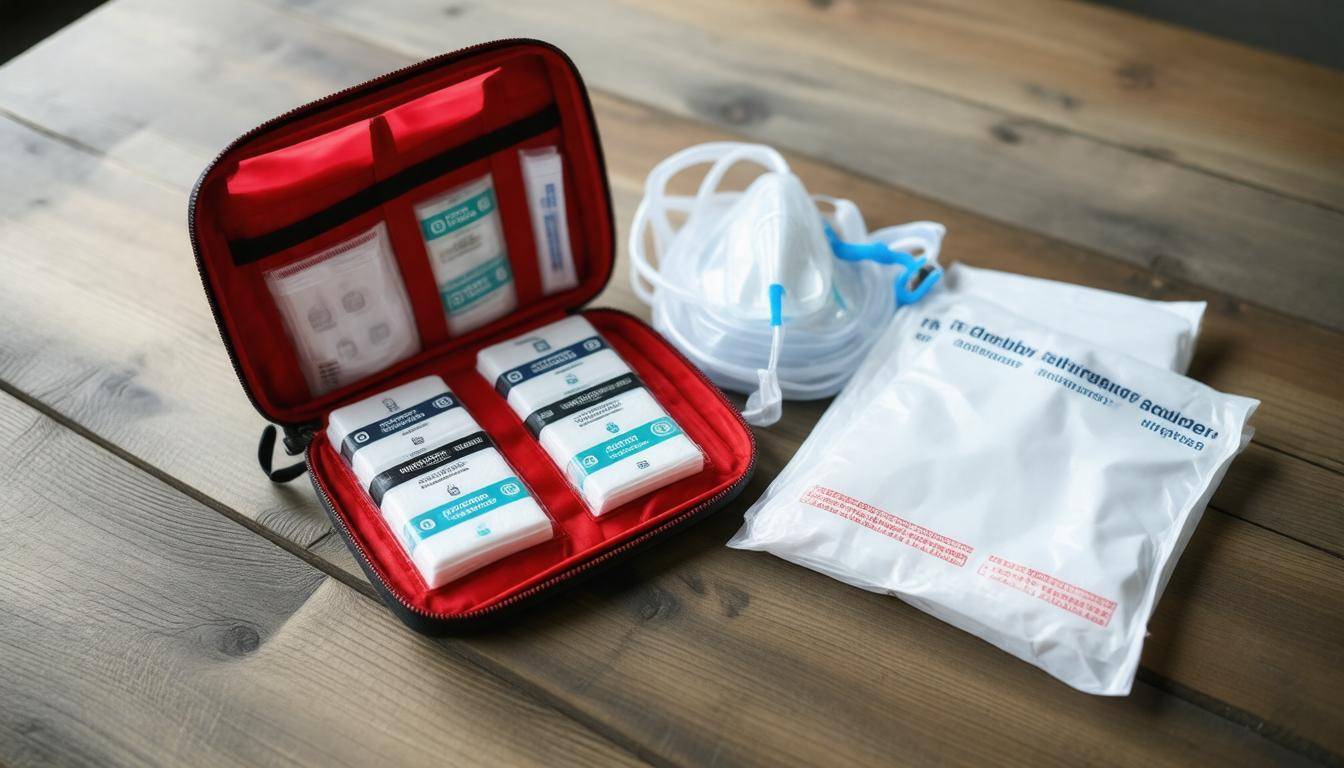
Compact first aid kits are essential for anyone keen on being prepared, especially when time is of the essence. Imagine you’re out hiking or just running errands, and suddenly someone gets injured. In these scenarios, having portable items at your fingertips can significantly impact the outcome. For instance, Mini Boo-Boo Kits are a fantastic solution for those minor cuts and scrapes that happen unexpectedly. Priced affordably at around $9.99, they fit conveniently in your pocket or purse, making them easy to carry along wherever you go.
Just think about how often small injuries occur during daily activities, like at the playground with kids or while cooking in the kitchen. These moments demand quick access to supplies to prevent further complications.
Another must-have is the Emergency Mylar Blanket. These lightweight blankets are not only compact but crucial for retaining body heat in emergencies, especially if someone has gone into shock. With prices starting at just $4.99, they offer significant warmth retention—an invaluable characteristic when every second counts.
Key Portable Items
| Item | Description | Price |
|---|---|---|
| Mini Boo-Boo Kits | Ideal for minor cuts and scrapes. | ~$9.99 |
| Emergency Mylar Blankets | Provide warmth and retain heat in emergencies. | ~$4.99 |
| Small Recon Medical Bleed Kits | Conveniently designed for moderate injuries; fits in glove boxes or backpacks. | Varies |
Lastly, consider investing in Small Recon Medical Bleed Kits. These kits are designed specifically for moderate injury situations where a more comprehensive response is needed. Their size allows them to fit neatly in a glove box or a hiking backpack without taking up much space. This accessibility is key when immediate action could be the difference between life and death.
Think about practical strategies for keeping these portable kits organized—perhaps dedicating a specific pocket of your bag or car just for first aid needs so you can quickly grab what you need without rummaging through everything else.
Understanding the significance of proper equipment leads us seamlessly into our next discussion on advanced medical techniques that build upon these essential supplies.
Professional Medical Preparation
Obtaining high-quality training amplifies the value of your trauma kit beyond just possessing the items. It’s not enough to have essential supplies packed away; the true power lies in your ability to wield them when an emergency arises. Picture this: you’re faced with a traumatic situation—someone’s injured and time is of the essence. In such moments, relying solely on instinct can lead to costly mistakes. If you’ve equipped yourself through proper training, however, your response will be calmer and much more effective.
Enrolling in courses such as CPR, first aid, or Stop the Bleed from accredited organizations like the American Red Cross is a habit that pays dividends.
These classes provide hands-on experience with real-life scenarios that teach you how to manage situations where lives may be at stake. You’ll learn proper techniques for applying tourniquets, managing bleeding, and recognizing signs of shock—all critical aspects of trauma care. Additionally, making these insights a part of your skill set ensures you’re not just a passive bystander but an active participant in preserving life.
Feedback from these training sessions often emphasizes the importance of practice. Just absorbing knowledge isn’t enough; it’s about reproducing that knowledge under pressure. This means it may also be beneficial to join local groups or community programs that focus on emergency preparedness or participate in simulated emergencies which can sharpen your skills further.
Regularly refreshing your training ensures you remain adept at using your kit efficiently. This cycle of learning isn’t merely an academic endeavor but rather a crucial component of being prepared for unforeseen situations. Consider marking your calendar to revisit training every year or so; it’s a proactive approach that will keep your skills honed.
Technology has made accessing first aid information easier than ever. Online platforms such as YouTube offer valuable resources for learning first aid techniques through videos and tutorials from credible sources. With just a few clicks, you could watch demonstrations on how to apply bandages correctly, use airway support tools, or execute CPR. These visual aids may complement formal training or act as quick refreshers before heading into any real-world scenarios.
Knowledge without application can quickly fade away; equipping yourself not only with physical tools but also with necessary training enables you to effectively respond in emergencies. Building this foundation sets the stage for exploring robust methods that enhance preparedness for any situation.
Emergency Preparedness Strategies
Emphasizing a proactive approach ensures you are always ready for unexpected emergencies, as life can throw curveballs when we least expect it. One critical strategy is performing routine inspections of your emergency medical kit. Checking your kit monthly allows you to restock items that have been used or may be nearing their expiration date. Keep it simple with an inventory list for quick reference; this small task can save valuable seconds during an emergency.
Additionally, knowing your environment plays a vital role in making sure you’re adequately prepared. Are you often hiking in remote areas where injuries might occur, or do you find yourself driving long distances? Tailoring your emergency kit based on the common risks associated with your lifestyle activities enhances your readiness.
For instance, if you’re frequently out in the woods, consider adding additional supplies like snake bite kits or advanced wound care items.
Customizing your kit based on your activities not only increases peace of mind but also gives you confidence when facing challenges.
Furthermore, consider adopting a mindset that prioritizes training alongside equipment preparation. Familiarize yourself with how to use each item in your kit effectively—this knowledge is crucial in high-stress situations. Attending local first aid and CPR classes offers hands-on experience that is invaluable when seconds matter. Having first aid supplies is only part of the equation; knowing how to apply them is equally important.
To enhance your preparedness further:
- Practice simulated emergencies with family members to build confidence.
- Regularly remind everyone how to access the kit quickly.
- Stay informed about changes in your surroundings that could affect safety.
Another essential element is ensuring that your emergency kit remains accessible yet discreetly stored away from prying eyes and potential thieves. This balance allows for swift action while keeping your supplies safe from theft or environmental damage.
Finally, don’t forget to include updated emergency contact information within your kit. Having a list of numbers—like local emergency services and poison control—as well as important medical information about each family member ensures that even someone unfamiliar with your situation can act decisively when needed.
With this comprehensive understanding of preparation strategies, we can now shift our focus to practical suggestions for specific items to include in your emergency medical kit.
Specific Product Recommendations
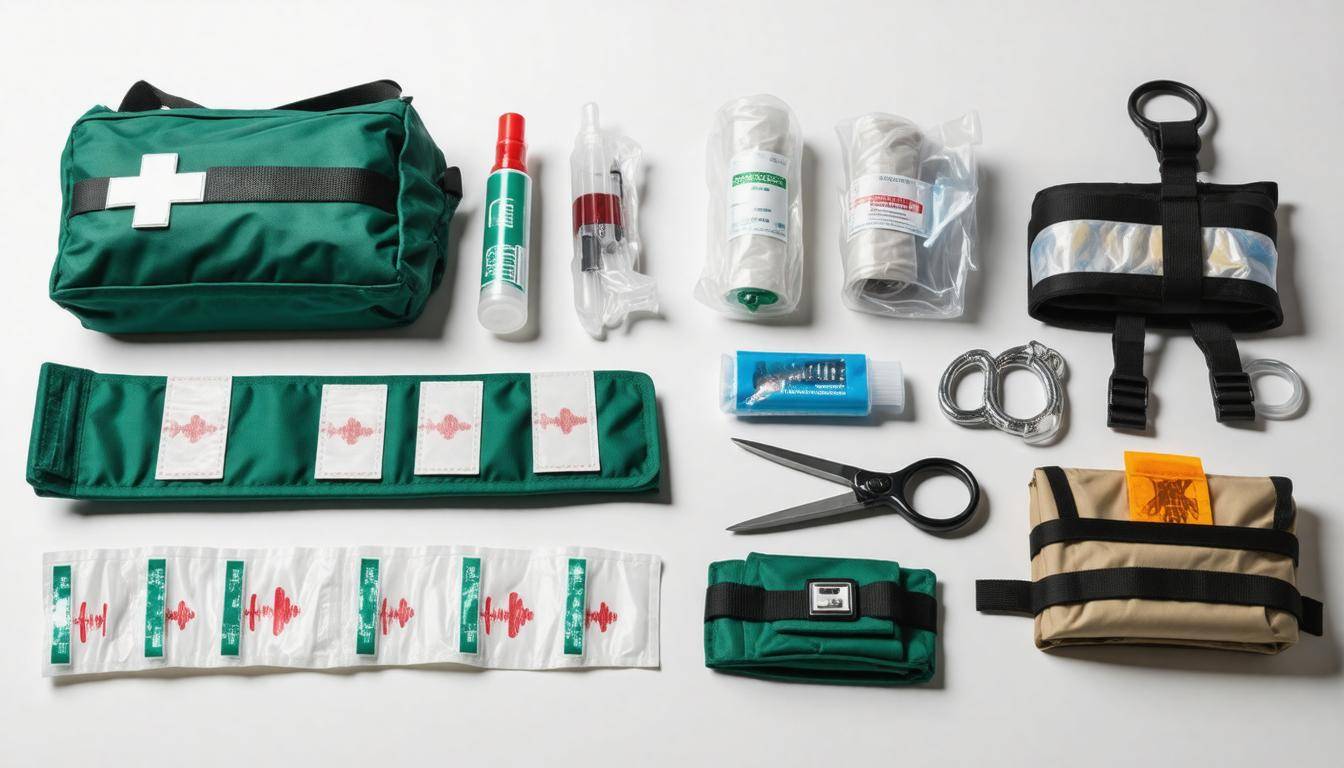
One area that should never be compromised is the quality of the equipment in your trauma kit. Each item should be carefully selected to ensure maximum effectiveness in an emergency situation. Let’s take a closer look at some essential products to make part of your emergency medical kit.
| Item | Recommended Brand | Price |
|---|---|---|
| Tourniquet | North American Rescue | $31.99 |
| Hemostatic Gauze | QuikClot Combat Gauze | $49.95 |
| Pressure Bandages | Israeli Bandage | $10 each |
| Trauma Shears | – | From $4.99 |
| Emergency Mylar Blankets | – | From $4.99 |
| Boo-Boo Kit | – | $9.99 |
Let’s explore the significance of each item on this list. First, you have the Tourniquet from North American Rescue, priced at $31.99. A reliable tourniquet is essential for effectively managing severe bleeding in traumatic injuries. It’s vital to practice using it properly, as knowing how to apply it swiftly can save lives.
The Hemostatic Gauze, at $49.95, is another critical component. This specialized gauze is designed to promote rapid clotting, giving your body a fighting chance against excessive blood loss. In injury scenarios where bleeding is a major concern, having hemostatic agents readily available can make all the difference.
Next, consider investing in Pressure Bandages, such as the Israeli Bandage, which are reasonably priced at $10 each. These bandages not only stop bleeding but also provide compression to stabilize wounds, enabling better care until professional help arrives.
When it comes to cutting through clothing or gear during emergencies, Trauma Shears are indispensable and start from just $4.99. Their rugged design allows them to slice through fabric without putting pressure on any underlying wounds—a handy tool when every second counts.
Additionally, don’t overlook Emergency Mylar Blankets, priced from $4.99; with their ability to retain body heat and prevent hypothermia, these blankets are lightweight and incredibly useful in outdoor settings or during unexpected situations.
Last but not least, a Boo-Boo Kit, available for only $9.99, provides basic first aid supplies for minor cuts and scrapes—something often forgotten in more serious kits but equally vital for everyday injuries.
Always remember to purchase supplies from reputable manufacturers; this helps avoid pitfalls of counterfeit items often lurking on online platforms like Amazon. Reliable sources include trusted brands like North American Rescue and Recon Medical, as well as specialized medical supply retailers where you can find quality items tailored for trauma care.
Understanding the value of each component in your trauma kit lays the groundwork for successful emergency preparedness, which is crucial for safe responses in times of need. Now let’s shift focus toward methods and strategies for effectively using these essential supplies.
Training and Usage Tips
Understanding how to use each item in your emergency medical kit is crucial for ensuring a positive outcome in an emergency. In these situations, time is of the essence, and knowing the right techniques can make all the difference in saving someone’s life. For instance, when applying a tourniquet, it’s vital to always note the time it was applied. Tourniquets are incredibly effective for controlling severe bleeding, but leaving one on for too long can lead to complications such as tissue damage. This simple practice can be lifesaving.
To further enhance efficacy:
-
When using pressure bandages, ensure that they are snug enough to control bleeding, but take care not to apply them so tightly that they restrict blood flow entirely.
-
For hemostatic gauze, which contains agents designed to accelerate clotting, apply it directly onto the wound while maintaining consistent pressure until the bleeding halts. This proactive approach not only stops the blood flow but can significantly reduce the risk of shock in traumatic injuries.
However, having this knowledge isn’t simply about memorizing steps; it’s about practice and preparation.
Enrolling in courses like “Stop the Bleed” is a great way to gain hands-on experience with these items in a controlled environment. These classes often provide scenarios simulating real-life emergencies where you can practice applying techniques on training aids or dummies. Learning from professionals will equip you with valuable insights and enhance your confidence when dealing with actual emergencies. Moreover, YouTube offers a wealth of tutorials featuring professionals demonstrating various first aid techniques.
It’s also important to be aware of mistakes commonly made during first aid. One common error is neglecting to check that all supplies are within reach and organized in your kit before trouble strikes. During an emergency, fumbling around for gear can waste precious seconds that might be crucial for saving a life.
Ultimately, staying prepared means consistently reviewing your skills and being current with what you’ve learned. Regularly checking your supplies and enhancing your skills empowers you to act decisively and effectively in critical situations. By prioritizing education and readiness, you’re taking essential steps towards becoming a capable responder in emergencies.
How do you properly use trauma supplies during an emergency?
In an emergency, properly using trauma supplies involves first ensuring your safety and that of the injured person, then quickly assessing the severity of their injuries. Clean wounds with sterile gauze to prevent infection, use pressure bandages for bleeding (applying firm pressure for at least 10 minutes before reassessment), and immobilize fractures with splints. Statistics show that timely intervention can reduce trauma-related deaths by up to 25%, highlighting the importance of correctly utilizing first aid supplies while waiting for professional medical help.
Are there any special considerations for trauma supplies based on different environments (e.g., home, car, workplace)?
Yes, the environment significantly influences trauma supply considerations. For instance, a study found that 29% of injuries occur at home, highlighting the need for comprehensive first aid kits in residential settings, including items like splints and burn dressings. In contrast, workplace kits should cater to industry-specific risks—such as heavy machinery accidents—necessitating tools like eye wash stations and industrial bandages. Meanwhile, car emergency kits should focus on maintaining compactness and include items like reflective triangles and basic trauma supplies due to the potential for road-related injuries. Each environment requires tailored considerations to effectively address the unique types of emergencies that may arise.
What specific trauma supplies should every emergency medical kit contain?
Every emergency medical kit should contain essential trauma supplies such as adhesive bandages, sterile gauze pads, adhesive tape, antiseptic wipes, scissors, tweezers, a tourniquet, and an emergency blanket. According to the American Red Cross, having these items can significantly increase survival rates in trauma situations by allowing for immediate first aid before professional medical help arrives. Specifically, quick application of a tourniquet can reduce blood loss during severe hemorrhaging, highlighting the importance of being prepared with the right tools at hand.
How can one assess the adequacy of their trauma supplies for potential emergencies?
To assess the adequacy of trauma supplies for potential emergencies, one should first conduct a thorough inventory of their kit, ensuring it includes essential items such as sterile dressings, gauze pads, adhesive tape, and a tourniquet. Regularly checking expiration dates and replenishing supplies is crucial; studies indicate that nearly 30% of first aid kits are found to contain expired or missing items in emergency situations. Additionally, staying informed about the types of emergencies most likely to occur in your area allows for tailored additions to your kit, enhancing overall preparedness.
What guidelines exist for maintaining and replacing trauma supplies in emergency kits?
To maintain and replace trauma supplies in emergency medical kits, it is essential to conduct regular inventory checks every six months to ensure all items are present, within their expiration dates, and in good condition. Items such as bandages, antiseptics, and medications should be replaced before they expire—approximately 20% of first aid supplies go unused and could potentially expire within a year. Additionally, as per the American Red Cross guidelines, any used or damaged items must be replenished promptly to ensure readiness during emergencies. Regular maintenance increases the effectiveness of these kits, thus improving response times in critical situations.