
When it comes to living near the coast, the beauty of ocean views comes with a side of responsibility. Tsunamis, while not everyday events, pose real threats that can strike without much warning. Understanding and preparing for these natural disasters is crucial for keeping yourself and your loved ones safe. In this guide, we’ll explore essential steps to help you find tsunami evacuation routes, identify risks in your area, and connect with local resources that can bolster your preparedness. With the right knowledge and planning, you can navigate through a frightening situation with confidence and calm. So let’s dive into how to stay safe when living so close to the ocean!
To find tsunami evacuation routes, you should consult your local emergency management agency or visit your state’s official emergency preparedness website, which often provides detailed maps and guidelines. Additionally, community centers and public libraries may have printed resources that indicate designated evacuation pathways specific to your region.
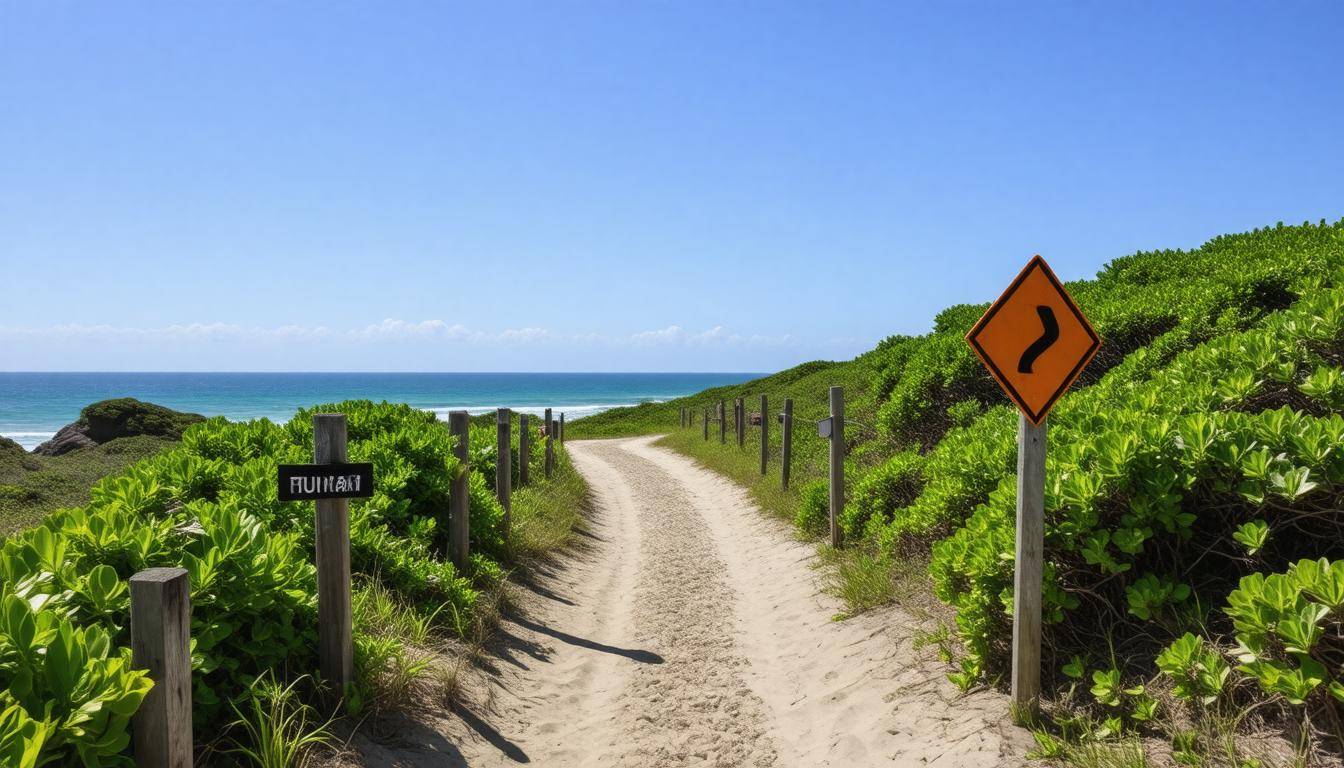
Identifying Tsunami Prone Areas
Recognizing whether you live in a tsunami-prone area is an essential part of emergency preparedness. Most of these areas are located along the Pacific Ocean’s “Ring of Fire,” where the movement of tectonic plates leads to frequent seismic activity. This includes parts of the Pacific Northwest, such as coastal Washington and Oregon, known for their unique geological features—places where the ocean meets these vast land formations.
It is crucial for residents in these regions to be aware of their proximity to these tectonic plate boundaries, which can trigger devastating underwater earthquakes.
Coastal areas that lie within 20 miles of tectonic boundaries should be considered high-risk. Tsunamis can travel vast distances across oceans at incredibly high speeds—sometimes even over 500 mph in deep waters—slowing down only as they approach shallower coastlines. This means that an earthquake occurring hundreds or thousands of miles away could still impact communities living along the coast.
Understanding this pattern helps homeowners and residents assess how immediate their risks might be.
Historical data shows that around 80% of tsunamis occur in the Pacific Ocean, making it vital to understand the history surrounding these natural events in your region. Incidents like the 1964 Alaska earthquake and the more recent 2011 Tohoku tsunami underscore the importance of knowing your area’s vulnerability. These events demonstrated how destructive a tsunami could be and how wave heights can significantly increase when they reach shallower waters.
The waves that start out relatively harmless can grow to towering heights that can devastate coastal regions.
It’s also essential to familiarize yourself with local tsunami evacuation maps and zone designations, where public agencies outline safe areas and escape routes in case a tsunami warning is issued. Such maps highlight designated evacuation zones marked by authorities, helping individuals swiftly plan evacuation strategies should the need arise.
Additionally, resources are available for regular updates on seismic activity and warnings through organizations like NOAA (National Oceanic and Atmospheric Administration) or USGS (U.S. Geological Survey).
“Living near an ocean doesn’t just mean enjoying beautiful views; it’s essential to be informed about its potential hazards.”
Once you understand your region’s susceptibility to tsunamis, it’s time to leverage local resources effectively to enhance your awareness and safety measures.
Utilizing Community Resources
Community resources can be invaluable allies for individuals living in tsunami-prone areas. Beyond providing basic information, they connect you to emergency services, local experts, and fellow residents, creating a network of support that fosters resilience in the face of natural disasters.
Many local government websites offer dedicated sections specifically designed for disaster preparedness. These sections provide detailed maps of evacuation routes along with essential safety tips tailored to your community dynamics. Websites like the Washington Geological Survey host comprehensive guides on tsunami preparedness, helping alleviate confusion during emergencies by ensuring you’re familiar with the proper actions to take.
“Knowledge is power; knowing where to go and what to do can save lives.”
Key Community Resources
-
Community Emergency Response Teams (CERTs): These voluntary teams train citizens in essential disaster response skills, equipping them to effectively assist others while awaiting professional help.
-
Local safety apps: Utilize applications such as MyShake or Earthquake Alert!, which deliver real-time alerts regarding seismic activities and their potential tsunami implications. This immediate access to information could be crucial in a dynamic situation.
-
Public safety meetings: Attend gatherings organized by local officials. These are valuable opportunities to learn directly from experts about tsunami risks specific to your area and ask questions that matter to you.
When you gather initial information from these resources, it paves the way for the next important step—developing a clear understanding of the specific routes that will guide you safely away from danger.
Mapping Evacuation Routes
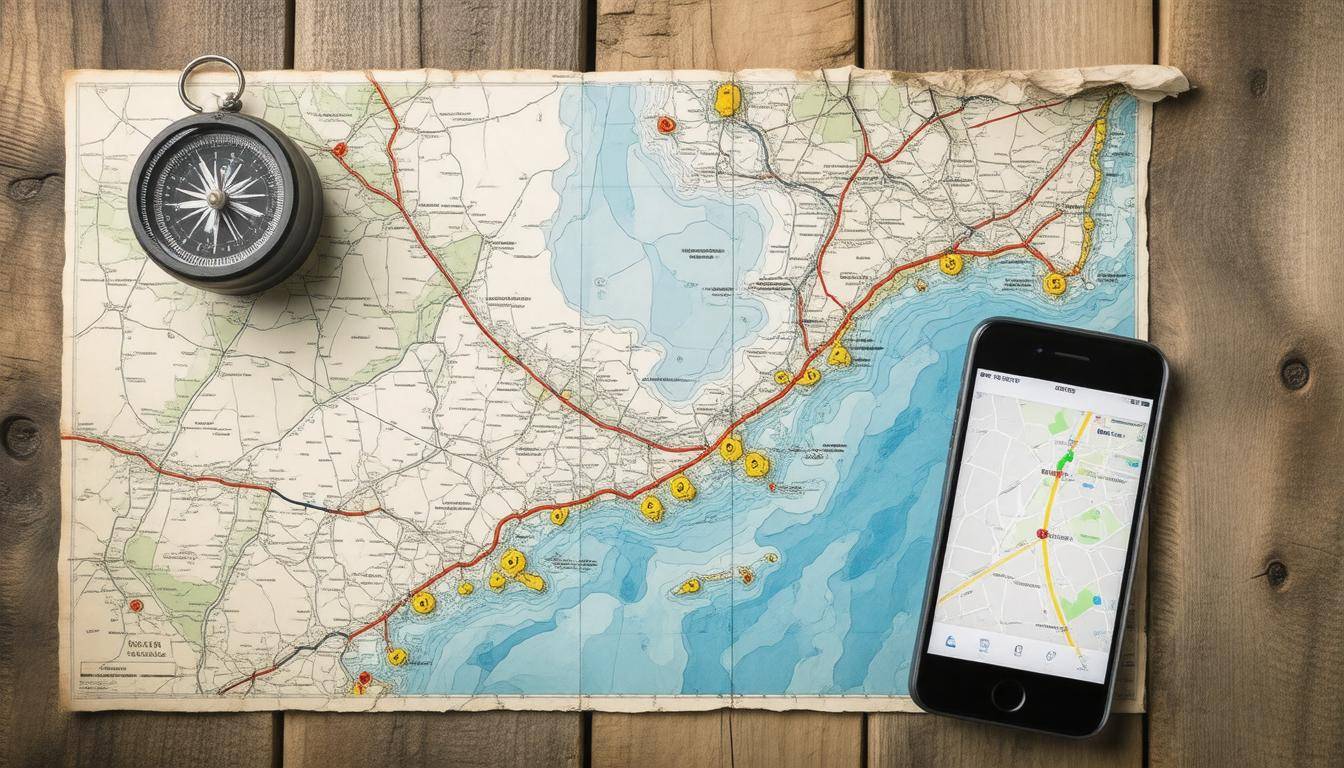
Knowing the best routes to safety is critical during a tsunami. That’s why California provides a wealth of resources, such as Tsunami Hazard Area Maps, which local governments utilize to create effective evacuation paths. These maps serve as a compass in times of crisis, guiding you toward higher ground quickly and efficiently. They are designed with data derived from the 2009 Tsunami Inundation Maps for Emergency Planning, illustrating zones that could be impacted by a tsunami event, allowing residents to strategize their escape.
When using these maps, it’s essential to become familiar with the different evacuation zones indicated. Each zone represents specific geographical areas where evacuations are required during a tsunami alert. By understanding these boundaries and knowing which zone you reside in, you’re better equipped to make informed decisions swiftly when seconds count. Furthermore, engaging with community resources and emergency managers can provide valuable insights into more specific evacuation methods tailored to your locality.
Beyond simply printing or downloading these maps, it’s beneficial to practice identifying the routes they depict. For instance, take time out of your week to visualize your escape; look at the map and walk through the designated paths mentally or even physically if possible. The more familiar you are with these routes before an emergency occurs, the easier it will be to navigate during high-stress situations.
You might want to consider keeping both physical and digital copies of these evacuation maps within easy reach. Digital versions on your smartphone can be especially advantageous during an active crisis since they can provide real-time updates about any changes or roadblocks on your chosen path.
If authorities have updated information—like road closures due to debris or changes in safe zones—having access to this live data will allow you to adjust your route accordingly, potentially saving precious minutes when every second matters.
As we explore further into this subject, gathering insights from local experts can help you navigate safely through challenging situations and make informed decisions during emergencies.
Consulting Local Authorities
Local authorities can be an invaluable resource for residents seeking up-to-date information and tailored advice on tsunami evacuation routes. Regularly reaching out to your local emergency management office is essential; these agencies have access to the most current data about natural hazards and evacuation strategies. They provide insights into the best escape routes and update residents about changes that may affect safety measures. This engagement can mean the difference between chaos and calm during an emergency.
It’s wise to make it a habit to check in with the emergency management office—whether through their website, social media channels, or public meetings. Keep an eye out for drills they conduct, as participation not only prepares you but also familiarizes you with designated evacuation paths. One resident from Maui emphasized this, stating, “Our regular communication with emergency services kept us well-informed when we faced last year’s tsunami warning.” These real-life experiences underline the importance of being proactive rather than reactive regarding disaster preparedness.
Sarah from Honolulu recalls her own experience: “I felt so much more at ease knowing the latest routes and having practiced them with my family.” This highlights how engaging with local authorities keeps you informed and fosters a sense of community resilience.
Moreover, consulting local authorities provides clarity regarding less obvious evacuation routes that may not be covered in standard maps. During emergencies, certain roads may become congested, making alternative paths critical to avoid gridlock. Understanding these back routes is essential, particularly if you’re trying to get children or elderly family members to safety quickly.
Maintaining a strong connection with local emergency officials builds a partnership that enhances community safety and personal preparedness, positioning you well for navigating potential threats like tsunamis effectively. As we further explore safety measures, it’s crucial to also consider planning in advance for every member of your household.
Preparing a Family Evacuation Plan
Having a family evacuation plan isn’t just a good idea; it’s essential. It creates a sense of security and teamwork while ensuring everyone is on the same page about what to do when time is of the essence. To begin crafting this plan, start by designating a meeting spot outside of the evacuation zone—this location should be easily reachable but far enough away from potential hazards. During moments of chaos, it’s easy to lose track of loved ones, so having a predetermined safe place significantly streamlines reunification efforts.
Next, it’s crucial to identify multiple routes to your meeting spot. Think of it as mapping out escape paths on a treasure hunt; you want to ensure that there are several options in case one route becomes blocked or congested. Discuss these pathways with your family members and practice them together. This practice not only helps everyone familiarize themselves with the routes but also builds confidence, reducing panic during an actual emergency.
Remember: The main goal is safety, so encourage your family to always prioritize their well-being over possessions. Often, in times of crisis, individuals might be tempted to gather belongings first. Instilling this mindset could save lives.
Communication is paramount. This includes formulating a clear communication plan. Given that cell service may become unreliable during major disasters like tsunamis, it’s wise to designate an out-of-area contact who can help relay information if needed. Families often overlook this crucial aspect because they assume everyone will remain together when disaster strikes—but reality can be unpredictable.
Consider utilizing various tools for backup communication. Many families have found success using texting apps such as Zello, which operates over Wi-Fi instead of cellular networks. It’s vital that everyone knows how to use these applications ahead of time to ensure smooth coordination during an evacuation scenario.
Practicing Your Plan
Once you’ve established the necessary components of your evacuation plan—meeting points and communication methods—make sure you’re actively practicing them. Hosting practice drills at least twice a year helps keep everyone aware and sharpens your family’s readiness for real-life situations.
By conducting regular drills, you create a routine of preparedness. Kids learn essential responses while adults can identify any areas needing adjustment in the plan. Recognizing individual responsibilities fosters a cohesive unit ready to face challenges together.
Ultimately, preparing means being proactive rather than reactive; having this framework in place could make all the difference when every second counts.
With a solid evacuation framework laid out, we can now explore the critical steps to take immediately following a tsunami warning.
Actions During a Tsunami
Reacting quickly and correctly during a tsunami can save lives. As soon as you receive a tsunami warning—whether from an alert on your phone, a siren, or news reports—it is essential to act without hesitation. The critical first step is to move to higher ground or head inland as fast as possible. Every second counts, and taking the time to gather personal belongings can endanger your life. In some cases, just a wave of mere minutes could mean the difference between safety and disaster.
If you’re near the coast and feel strong shaking from an earthquake, treat it like a fire alarm signaling danger; evacuate immediately. It’s easy to think you have time or that the event won’t be as severe as reported—but assuming the worst prepares you for any outcome and may allow you to beat the rush. Remember that tsunami waves can travel incredibly fast—sometimes up to 500 mph in deep waters—slowing only when they reach coastal shallows.
Always keep an eye out for natural warning signs, such as a sudden retreat of water or a loud roar that sounds like an approaching freight train. These are nature’s alerts that something serious is happening.
Once the immediate danger has passed, there are important measures to consider before returning to evacuated areas. Don’t think it’s safe because one wave has receded; tsunami waves often come in multiple surges over an extended period. This means authorities might take longer than expected to declare areas safe again. Waiting to hear from local officials—who monitor conditions—is key in ensuring everyone’s safety.
Immediate Steps to Take
After reaching higher ground or getting away from the coast, stay informed through trustworthy sources such as local news or emergency services on social media. You will want to know about potential aftershocks, which can generate even more waves in succession.
It’s also wise to connect with family and friends once you’ve reached safety. Having a communication plan established before an emergency occurs allows you to check on each other. Ideally, designate an out-of-state friend or family member who can serve as a central contact point for everyone—this helps avoid overwhelming phone lines that may be down in affected areas.
Even when it feels like the worst is over, never underestimate how unpredictable nature can be. Do not return until authorities announce it’s permissible; this ensures you’re not stepping back into harm’s way unnecessarily.
As we shift our focus toward recovery preparations, we’ll explore essential strategies that help strengthen community resilience against future events of this nature.
Post-Tsunami Safety Measures

Once the initial threat of a tsunami has passed, it’s crucial to conduct immediate safety checks. This is not just another task on your to-do list; it is essential for protecting yourself and those around you.
For starters, avoid any areas with standing water, as these can be contaminated with sewage or hazardous chemicals. Think of standing water like a hidden danger – you can’t always see what’s lurking beneath the surface, so it’s best to steer clear.
If you must enter a building, check for structural damage first. This includes looking for cracks, sagging roofs, or exposed electrical wires that may pose risks.
Immediate Safety Checks
The aftermath of disasters can often echo the chaos experienced during the event itself. Many survivors from past tsunamis have reported injuries due to debris and weakened structures.
For instance, following the 2004 Indian Ocean tsunami, numerous individuals faced severe hazards because they ventured into damaged buildings without assessing the risks first. Imagine walking into what appears to be an ordinary space, only to find pieces of your home in disarray, presenting imminent threats. The lesson is clear: take a moment to evaluate before proceeding.
Health Concerns
In addition to physical checks of your surroundings, be aware of health risks associated with potential exposure to floodwaters and contaminated environments. Waterborne diseases often flourish in areas affected by such disasters; thus, it’s wise to exercise caution.
If possible, use water purification methods and refrain from coming into contact with floodwaters to reduce your risk of illness. Remember that health doesn’t just begin and end with injury prevention but extends to safeguarding yourself from contaminants as well.
Continuous vigilance is key during recovery periods, making it essential to familiarize yourself with resources that can help you prepare for future events and enhance community resilience. Ensuring access to local emergency services and staying updated on disaster response plans will fortify your readiness for what may come next.
Essential Tsunami Preparedness Resources
As you explore tsunami preparedness, you’ll discover many organizations focused on helping individuals and communities stay safe during emergencies. One of the most crucial resources is the National Weather Service. This organization provides real-time tsunami warnings and updates, which can make all the difference when seconds matter. By keeping an eye on their announcements, you can act swiftly if a threat arises, giving yourself and your family the best chance at safety.
Another important resource is the Federal Emergency Management Agency (FEMA). They offer comprehensive guides and practical checklists designed to ensure individuals and families know exactly what to do in different emergency scenarios. Their resources encourage proactive planning, enabling you to prepare not just for tsunamis but for various types of natural disasters.
On a broader scale, the International Tsunami Information Center connects global alerts with educational materials. Their mission goes beyond informing; it actively engages communities about understanding tsunami risks and developing resilience. This knowledge empowers you to respond effectively in case of an emergency.
Information doesn’t always come from national resources alone—your local government websites can be invaluable too.
Local government websites provide tailored information reflecting specific risks faced in your area. These sites usually include evacuation plans developed for your community along with local alerts indicating when action should be taken. Connecting with these localized sources allows you to formulate a preparedness plan that feels relevant to your day-to-day life.
Here’s a roundup of key organizations and what they offer:
| Organization | Resource Description | Website |
|---|---|---|
| National Weather Service | Official tsunami warnings and updates | www.weather.gov |
| Federal Emergency Management Agency | Comprehensive guides and checklists | www.fema.gov |
| International Tsunami Information Center | Global alerts and educational materials | www.tsunamiwave.info |
| Local Government Websites | Tailored local evacuation plans and alerts | Varies by location |
Utilizing these resources effectively can transform your approach to tsunami preparedness, turning uncertainty into confidence as you navigate these potential hazards. With awareness and planning at hand, you’re more equipped to protect yourself and those around you when it matters most.
Your proactive actions today can significantly enhance your safety tomorrow, ensuring that you are ready for any challenge posed by tsunami threats.
Are there mobile apps that provide real-time information on tsunami alerts and evacuation routes?
Yes, there are several mobile apps designed to provide real-time information on tsunami alerts and evacuation routes. Apps like Tsunami Warning System and FEMA’s app offer timely notifications and detailed maps, ensuring users are informed and prepared. According to the National Oceanic and Atmospheric Administration (NOAA), using such technology can significantly enhance personal safety during natural disasters, as timely alerts can make a crucial difference in evacuation times.
How often should I review and practice my tsunami evacuation plan with my family?
It’s recommended to review and practice your tsunami evacuation plan with your family at least twice a year. Regular drills help ensure that everyone knows the fastest routes to safety, reducing confusion during an emergency. According to FEMA, communities that conduct regular evacuation drills can significantly improve survival rates by 50% or more in the event of a tsunami, proving that repetition reinforces preparedness and confidence among all family members.
What resources are available to locate tsunami evacuation routes?
Resources for locating tsunami evacuation routes include local government websites, emergency management agencies, and community disaster preparedness programs. Many coastal states provide interactive maps and mobile apps that detail evacuation routes and safe zones. According to the National Oceanic and Atmospheric Administration (NOAA), nearly 90% of U.S. Tsunami Warning Centers have established educational programs that help residents understand evacuation procedures. Additionally, printed materials such as brochures and signage in high-risk areas enhance public awareness and safety during emergencies.
How can I identify if my area is at risk for tsunamis?
To determine if your area is at risk for tsunamis, check whether you live within a coastal region that has a history of seismic activity, particularly near tectonic plate boundaries. The National Oceanic and Atmospheric Administration (NOAA) states that approximately 80% of tsunamis occur in the Pacific Ocean, especially near the Ring of Fire. You can also consult local government resources or tsunami hazard maps provided by emergency management agencies, which outline evacuation routes and risk zones specific to your location.
What should I include in an emergency kit when planning for a potential tsunami evacuation?
When planning for a potential tsunami evacuation, your emergency kit should include essentials like water (at least one gallon per person per day for three days), non-perishable food, a flashlight with extra batteries, a first-aid kit, essential medications, important documents (in waterproof bags), and a whistle to signal for help. According to the National Oceanic and Atmospheric Administration (NOAA), having these items ready can significantly increase your chances of survival and recovery in the aftermath of a tsunami. Time is crucial during an evacuation, so being prepared ensures you can act quickly and efficiently.