
Climate change is often viewed through the lens of distant threats and far-off predictions, but for countries like Tunisia, those challenges are crashing right onto the shores. With its picturesque coastline now facing unprecedented risks from rising sea levels and stronger storms, Tunisia finds itself at a crossroads where quick thinking and concrete action are paramount. Imagine vibrant beach communities, once thriving with tourists and local life, now grappling with coastal erosion as if caught in a relentless tide. This article dives into the details of Tunisia’s Coastal Flooding Protection Plan, a proactive strategy aimed not only to safeguard its beautiful beaches but also to secure the livelihoods of millions impacted by these climatic shifts. Let’s explore how Tunisia is stepping up to protect its coasts and the people who call them home.
The Tunisia Coastal Flooding Protection Plan focuses on mitigating severe coastal erosion caused by rising sea levels and includes the construction of protective walls, extensive research into local sand reserves for restoration efforts, and sourcing of specific quartz sand to combat erosion. Additionally, the plan emphasizes the importance of long-term strategies such as managed retreat from vulnerable coastal areas and collaborative efforts with local stakeholders to ensure effective implementation.
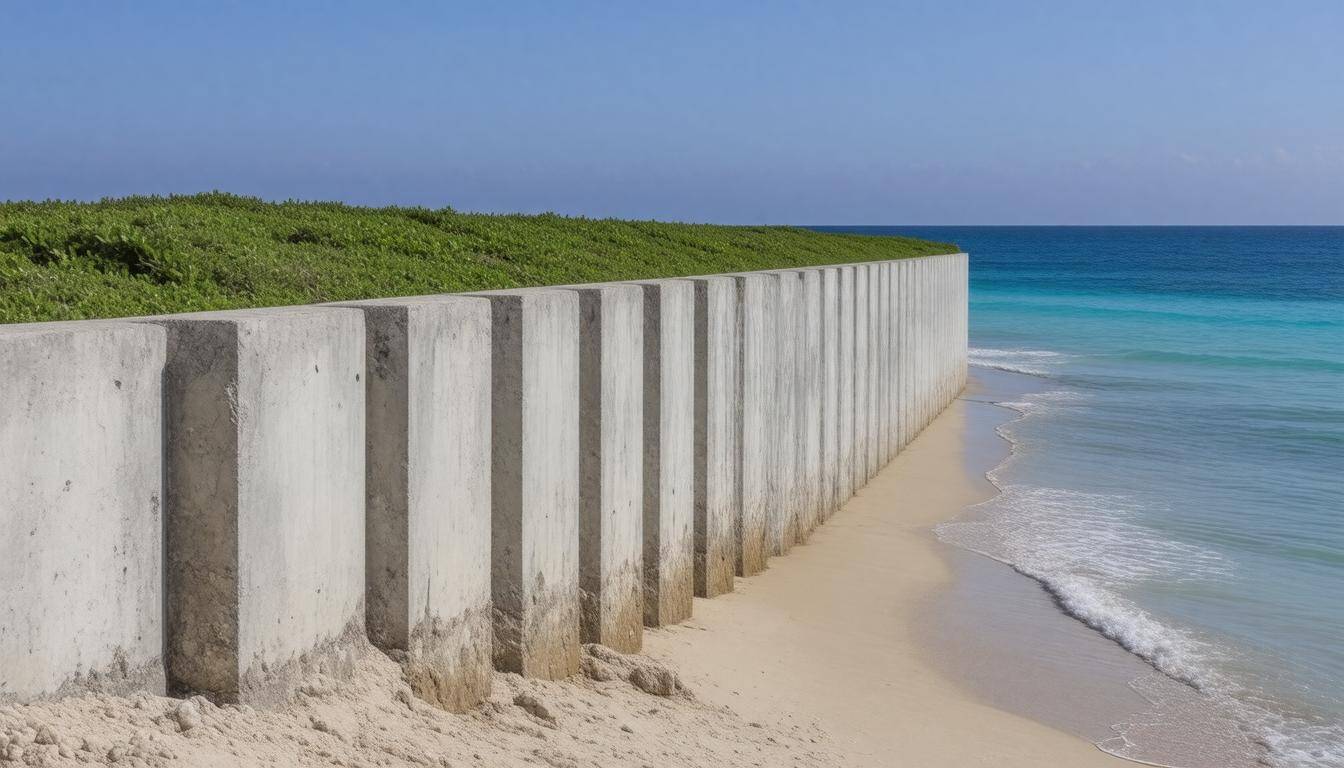
Overview of Coastal Flooding in Tunisia
Tunisia’s beautiful coastline spans approximately 1,300 kilometers, providing stunning sandy beaches and vibrant tourist destinations. Yet, this picturesque setting is under severe threat as rising sea levels and increased coastal flooding are making headlines. Recent data suggests that nearly 50% of the nation’s beaches are at risk due to these changes, a shocking increase from just a few identified in the early 1990s. It’s almost unimaginable to think that those serene shores could be lost forever, impacting local communities and tourism alike.
The current rate of sea-level rise around Tunisia has accelerated alarmingly, jumping from about 0.7 mm per year prior to 2000 to approximately 3 mm per year since the early 2000s. This significant rise, coupled with increasing storm surges, has resulted in coastal erosion, threatening not just the beauty of the landscape but the very livelihoods dependent on it. For instance, in Hammamet Bay, coastlines retreat between 1.3 and 5.6 meters annually, a pace faster than the global average.
Imagine walking along your favorite beach—your footprints pressed into the sand—only to have them washed away year after year by encroaching waters. That’s now the grim reality facing many Tunisians living along the coast. About 1.5 million people reside in areas vulnerable to flooding, making it an urgent matter for both residents and policymakers alike.
The repercussions extend far beyond environmental concerns; they have economic impacts too. Tourism contributes about 8% of Tunisia’s GDP, but this sector is significantly threatened as tourists shy away from beaches riddled with erosion, not to mention previous militant attacks that already reduced visitor numbers. Additionally, local farmers in regions like Nabeul are witnessing their agricultural output decline due to seawater intrusion contaminating groundwater and rendering it saltier—a grim scenario that could exacerbate food insecurity over time.
The stark truth is that if action isn’t taken immediately, economic losses due to coastal flooding in Tunisia could skyrocket to an estimated $1 billion annually by 2050. It places immense pressure on both local economies and national resources.
Effective measures must include comprehensive studies and strategic planning to mitigate these risks. Experts suggest focusing on identifying suitable sand reserves for restoration projects while fostering community engagement. By involving government agencies like APAL and local stakeholders in a cooperative approach, Tunisia can forge a path toward resilience against the harsh realities of climate change.
The conversation does not merely end here; it flows into understanding how these rising tides affect various aspects of life within Tunisia’s borders.
Effects of Rising Sea Levels
The repercussions of rising sea levels in Tunisia extend beyond the immediate threat to the shoreline. Each inch that the ocean rises brings a cascade of challenges, impacting everything from tourism to agriculture—and even the delicate ecosystems that thrive along the coast.
First and foremost, let’s consider the physical landscape. With approximately 670 kilometers of sandy beaches, nearly 50% are now at risk due to erosion—a staggering increase since only three beaches were identified as problematic back in 1995. The Hammamet Bay case is particularly telling; here, the coastline has been receding between 1.3 and 5.6 meters annually, significantly outpacing global averages. Such a retreat threatens not only the beauty of these scenic spots but also the very livelihood of local businesses that depend on beachfront tourism.
Speaking of livelihoods, tourism constitutes around 8% of Tunisia’s GDP. As coastal flooding becomes more frequent and severe, both the allure of sun-kissed beaches and the substantial influx of visitors begin to dwindle. This growing uncertainty adds pressure on individuals whose careers hinge on hospitality and recreation sectors—already affected by prior militant attacks—now find their futures uncertain due to environmental factors they can’t control.
On another front, agricultural production feels the pinch too. Regions like Nabeul, known for its robust orange production, are beginning to face grim realities as seawater intrusion taints precious groundwater supplies. Saltier water affects crops significantly, leading farmers to contend with subdued crop yields and increased costs associated with potential remediation efforts.
“As sea levels rise by about 3.2 mm per year, projections indicate that by 2050, up to 1 million people living in coastal areas will be affected.”
Addressing this critical situation means understanding that preventive measures must go hand in hand with restoration efforts. Sustainable approaches will be necessary for adapting to these changes while mitigating negative impacts on Tunisian culture and economy.
As we consider how to effectively tackle these challenges, it becomes essential to look into proactive solutions that can safeguard both nature and society in Tunisia’s coastal regions.
Key Elements of the Protection Plan
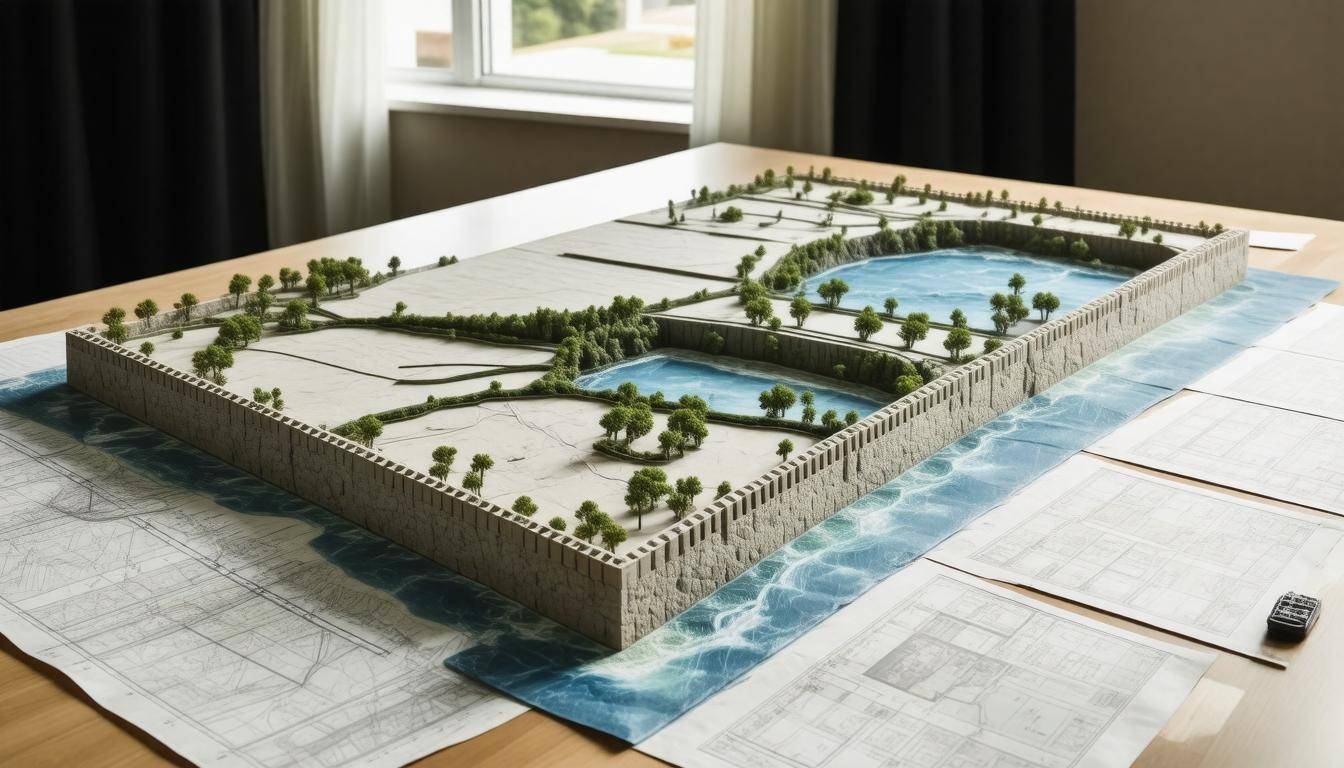
Element 1 – Beach Restoration
At the forefront of Tunisia’s Coastal Flooding Protection Plan is the initiative for beach restoration. Recognizing that sandy beaches act as a natural buffer against waves and erosion, the plan involves sourcing an impressive 1 million cubic meters of specially selected quartz sand. This material replenishes eroded areas and encourages the growth of marine habitats under restored conditions.
Imagine standing on a freshly restored beach—its golden sands glistening under the sun, inviting both tourists and local wildlife back again.
However, restoration alone isn’t enough; strengthening coastal defenses is equally essential.
Element 2 – Protective Walls
The construction of protective walls along vulnerable stretches of coastline represents another cornerstone of the strategy. These walls serve a dual purpose: they deflect harsh wave energy while blending seamlessly into the surrounding environment.
Engineers carefully calculate the dimensions and materials used in these protective structures, ensuring they can withstand severe storm surges—events made more frequent by climate change. A well-constructed wall provides peace of mind to nearby residents and businesses who once watched helplessly as nature took its toll.
Beyond these robust constructions lies the innovative adoption of adaptive infrastructures that can respond to changing conditions.
Element 3 – Adaptive Infrastructures
Emphasizing adaptive infrastructures, this plan looks beyond traditional barriers. These infrastructures include raised buildings and flexible drainage systems designed to handle overwhelming water from extreme weather events. The goal is simple yet profound: make sure communities can withstand and recover from floods rather than merely trying to prevent them.
By using smart technology and integrating informed planning strategies, researchers have devised methods that allow communities to share resources effectively while maintaining cultural significance in their surroundings. Community meetings aimed at educating residents about upcoming changes help ensure everyone understands their roles in building resilience against flooding.
Finally, it’s crucial to recognize that successful implementation hinges on strong community engagement and collaboration.
Element 4 – Community Engagement
A successful Coastal Flooding Protection Plan requires active participation from local communities. Engaging citizens in understanding climate-related risks not only empowers them but also cultivates trust between authorities and residents. Through workshops and awareness campaigns, communities gain valuable knowledge about how they can contribute to their safety measures while preserving their environment.
Moreover, tests for executing pilot projects scheduled to start in early 2026 underscore this commitment by paving the way for sharing insights gained through practical experience before full-scale implementation takes place. Such grassroots involvement makes protecting these coastal treasures a shared vision for the future of Tunisia’s coastlines.
With community backing solidified, we can now shift our focus to explore ongoing initiatives that enhance our ability to adapt infrastructures further.
Adaptive Infrastructure Projects
Adaptive infrastructure projects are more than just buildings; they represent a proactive approach to climate resilience in Tunisia. These projects anticipate the high likelihood of sea-level rise and intensified flooding that often accompanies it.
Take, for instance, the innovative concept of elevating new structures in coastal towns. This strategy significantly diminishes the risk of flooding—when buildings are elevated, water levels from storm surges or heavy rainfall have no place to go but beneath these well-designed defenses.
Furthermore, retrofitting existing buildings plays an equally vital role in safeguarding communities. Retrofitting involves adding advanced flood barriers and waterproofing technologies to older structures, breathing new life into them while fortifying against impending threats. Imagine walking past a once-susceptible home now equipped with state-of-the-art waterproofing methods. Instead of crumbling at the first sign of adverse weather, these homes stand strong, protecting their inhabitants and belongings.
A recent study revealed that properly designed adaptive infrastructures could potentially reduce flood damage by as much as 70%. This statistic underscores the critical need for such improvements; every step forward can prevent thousands of dollars in damages down the line.
It’s worth noting that these infrastructures aren’t just about physical safety; they also encompass environmental health. When adapting infrastructure, consideration must be given to natural habitats that play crucial roles in flood management. For example, incorporating green spaces or bioswales into urban designs not only enhances aesthetic appeal but also promotes effective drainage and reduces runoff.
As the plan encompasses these environmental approaches, it enters deeper waters—literally and figuratively—with economic and social strategies set to complement physical structures. How will businesses thrive amidst rising tides? Or how do communities develop resilience through social initiatives? The answers lie within a holistic vision that recognizes all facets of adaptation.
This comprehensive mindset is essential as we explore the various techniques businesses and communities can deploy to navigate these challenges effectively.
Economic and Community Strategies
Understanding the economic ramifications of climate change on local communities is vital for developing effective protective measures. As Tunisia grapples with the reality of coastal erosion—the very core of its tourism—communities are feeling the pinch more than ever. With tourism representing about 8% of the country’s GDP, even a slight decline in visitor numbers can equate to significant financial losses for hotels, restaurants, and local businesses that thrive along those sandy shores.
Hotels and resorts along the coast are investing heavily in localized protections. However, these piecemeal efforts often lack comprehensive support from broader coordination among municipalities and state agencies necessary for real impact.
Impact on Tourism
The significance of tourism cannot be overstated; as key statistics indicate, the influx of tourists not only supports jobs but also nourishes various sectors from agriculture to retail. Yet, as rising sea levels continue to erode coastal lands, fears grow that these idyllic beaches could become relics rather than thriving destinations.
Local efforts can only take a destination so far without unified action across Tunisia’s coastal regions. Community-focused initiatives that promote sustainable tourism practices can help mitigate these impacts. This might include programs to improve environmental awareness among tourists, encouraging them to protect natural resources while enjoying what the country has to offer.
While tourism takes center stage, the agricultural sector also demands attention as it faces its own set of challenges.
Support for Farmers
Farmers in regions like Nabeul have witnessed firsthand how seawater intrusion affects their livelihoods. Rising salinity in groundwater not only diminishes crop yields but jeopardizes food security within local communities. This situation underlines an urgent need for viable solutions—especially when crops like oranges face dire consequences due to increased salt levels.
Desalination units are one proposed solution; however, they come with caveats. While desalination offers an immediate remedy by providing freshwater, its long-term implications for soil health raise genuine concerns that cannot be neglected. Higher saline concentrations could lead to soil degradation over time, shifting us from one form of fragility to another. Therefore, it is critical that solutions incorporate sustainable farming practices, such as crop rotation and organic farming methods, to ensure soil vitality while addressing water scarcity.
Protecting shorelines and ecosystems forms another critical aspect of the overall protection strategy moving forward.
Essentially, it’s clear that both tourists and farmers play pivotal roles in sustaining Tunisia’s economy. Creating resilient communities that can withstand environmental pressures requires a synergistic approach—leveraging funds for protective measures while promoting sustainable livelihoods. Investing in education and community engagement ensures everyone understands their role in safeguarding both economic stability and environmental health.
Next, we will explore how preserving natural habitats intertwines with these protective strategies to foster a sustainable future.
Shoreline and Ecosystem Preservation
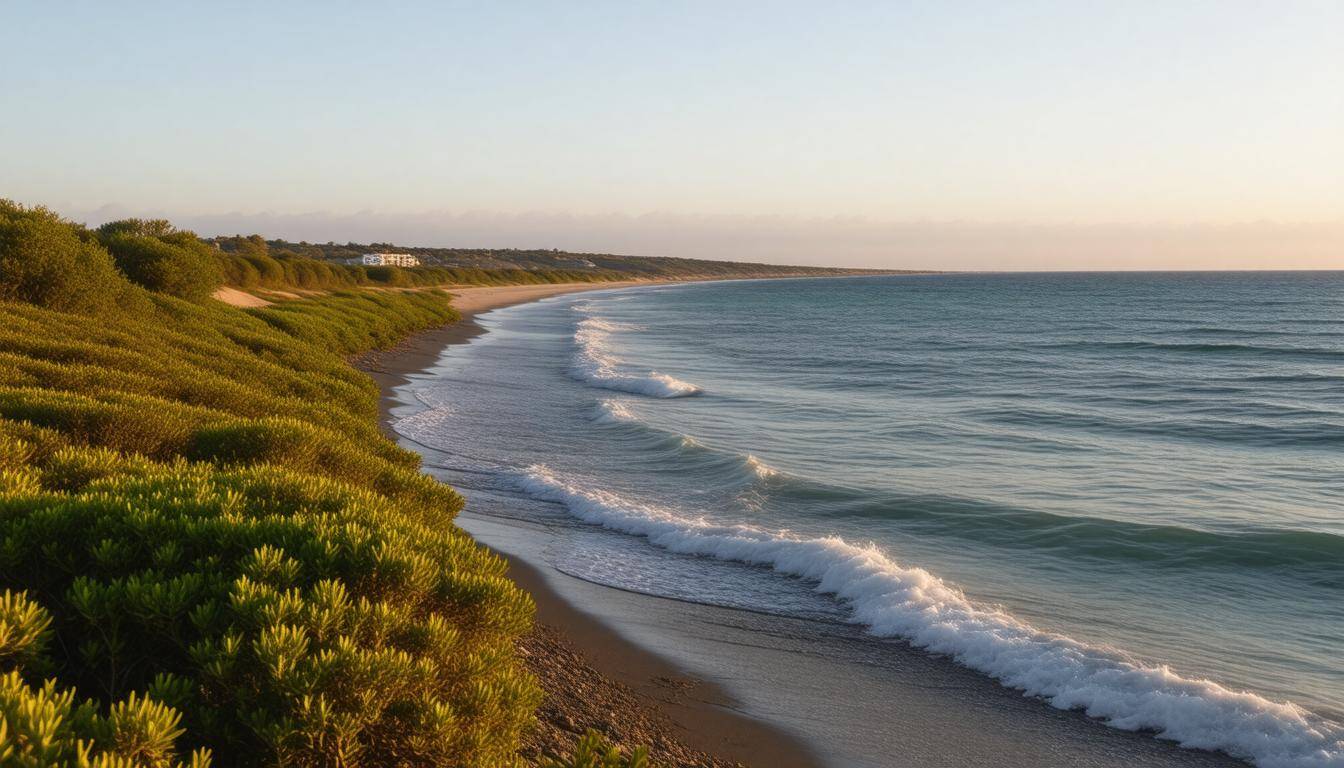
Preserving Tunisia’s shoreline and associated ecosystems is central to the protection plan because without a healthy ecosystem, the coastline is vulnerable to the ever-increasing threats of climate change.
One vital approach involves dune reinforcement, where natural barriers are created to defend against the relentless power of waves. The implementation of dune reinforcement techniques helps provide a buffer between land and sea, reducing both erosion and inland flooding. When native plants are introduced or allowed to grow on these dunes, they act like anchors, stabilizing the sandy soil and providing habitat for local wildlife. This not only enhances biodiversity but also fosters an ecosystem that can better withstand environmental stresses.
APAL has taken significant strides in this direction, initiating programs aimed at protecting existing dunes while also focusing on creating new habitats. But the work doesn’t stop there.
Wetland Conservation
Another critical aspect of shoreline preservation is wetland conservation. These lush ecosystems play an invaluable role as natural flood buffers; their spongy soils absorb excess water during heavy rains, helping mitigate flooding risks further inland.
Additionally, wetlands support an array of species—from birds to amphibians—reinforcing the ecological health of coastal areas. Projects are underway to restore degraded wetlands by reintroducing native flora and fauna, thereby bolstering the coastal region’s ecological resilience.
Conservation efforts in these areas have been shown to increase native plant survival rates by up to 40%, demonstrating the tangible benefits of focused restoration initiatives.
As Tunisia prioritizes shoreline and ecosystem preservation, community engagement is crucial. Local fishermen, farmers, and residents must be involved in these discussions—not only will it empower them but it will also ensure that the solutions reflect real needs and conditions experienced on the ground.
While these conventional methods are impactful, newer technologies present innovative ways to address coastal flooding challenges.
Cutting-Edge Flood Prevention Technologies
Cutting-edge technologies are at the forefront of enhancing traditional flood prevention measures. One notable advancement is the use of artificial reefs, which serve a dual purpose: they not only protect shorelines by breaking wave energy before it reaches land but also foster marine biodiversity. These man-made structures are crafted from durable materials such as concrete and steel, designed to withstand relentless ocean currents and provide habitats for various aquatic life forms.
Imagine standing on a beach, looking out at waves crashing continuously against these sturdy barriers—this innovative approach slows down the impact of storm surges and lessens erosion on valuable coastal property.
With the foundation laid by artificial reefs, we now turn our attention to advanced monitoring systems that are transforming how we respond to impending floods.
Advanced Monitoring Systems
The implementation of real-time monitoring systems has revolutionized our ability to foresee potential flood threats. Equipped with cutting-edge sensors and satellite technology, these systems gather data on sea-level fluctuations, weather patterns, and water flow rates, delivering crucial insights that facilitate proactive decision-making. For instance, in areas prone to sudden downpours or rapid snowmelt, such systems provide early warnings, alerting residents and local authorities to prepare for possible flooding events.
It’s fascinating to think about how data can turn information into action. With the right tools in place, cities can mobilize emergency services more effectively and mitigate damage before disaster strikes.
However, technological innovations alone aren’t sufficient without collaborative efforts among communities.
These innovative technologies require concerted support from both government agencies and local organizations. By fostering partnerships between public and private sectors, communities gain access to resources necessary for implementation and ongoing maintenance of these systems.
Consider community engagement workshops where local residents learn how to interpret data from monitoring systems; this not only raises awareness but empowers individuals to take ownership of their safety.
- Engage with local schools to include flood education in curriculums.
- Organize neighborhood meetings focused on incorporating community feedback into flood management planning.
- Establish volunteer programs for regular inspections of both artificial reefs and monitoring stations.
Pooling technical innovations with active community involvement creates a robust framework that enhances flood resilience while promoting sustainability in the environment.
Government and Local Efforts
The Tunisian government, alongside local stakeholders, is at the forefront of creating actionable strategies in the fight against coastal flooding. This collaboration plays a vital role in developing policies that address both immediate needs and long-term sustainability. A key figure in this initiative, Noomane Haouel, an expert in environmental policy, advocates for managed retreats from the most vulnerable coastal zones. This strategy represents a critical step toward protecting populations from frequent flooding.
Moreover, these efforts are not solely top-down; there’s a growing recognition of community-led initiatives that can dramatically enhance resilience. Local councils are embracing their responsibility by launching public awareness campaigns aimed at educating residents about flood preparedness. For instance, workshops might be held where community members learn about emergency plans and sustainable practices that could mitigate flooding risks, such as planting trees or maintaining wetlands to absorb excess rainwater.
It’s fascinating to see how a community’s involvement can transform the efficacy of governmental efforts. When locals understand their environment and actively participate in its management, they foster a sense of ownership that leads to more lasting change.
The importance of collaboration becomes apparent as various stakeholders share knowledge and resources to promote effective flood mitigation measures. This partnership extends beyond simply addressing flood threats; it also encompasses restoring natural ecosystems important for maintaining balance along coastlines. Indeed, climate adaptation strategies must integrate ecosystem-friendly practices that minimize human impact while empowering communities.
What makes this approach particularly compelling is Tunisia’s commitment to using advanced technology alongside grounded community engagement. Smart technology implementation—such as flood prediction systems—can substantially increase efficiency in combating coastal erosion and managing resources effectively. These innovations improve local infrastructure and inspire community confidence in their ability to respond to changing climate conditions.
Ultimately, Tunisia’s multi-faceted strategy integrates government initiatives with grassroots movements to fortify its defenses against coastal flooding. By working collectively, these efforts position Tunisia as a proactive example for other nations grappling with similar climate-related challenges, emphasizing that both centralized actions and local contributions are essential in crafting effective responses to the climate crisis.
In light of these collaborative efforts and innovative strategies, Tunisia is paving the way toward a sustainable future while demonstrating the power of unity in tackling significant environmental issues. The ongoing commitment to protecting its coastline may serve as a model for others facing similar climate challenges around the globe.