
In an urban apartment, fire safety might not be the first thing on your mind while juggling daily life. However, it’s essential to recognize that every minute counts during a fire emergency, and having a solid escape plan can be a lifesaver. Think about it: what would happen if an unexpected fire broke out in your home? Do you know all the quickest routes to safety? This article will guide you through creating a comprehensive fire escape plan tailored specifically for apartment living, emphasizing its critical elements like clear exit paths, designated meeting areas, and regular practice drills. With just a little bit of preparation, you can transform uncertainty into confidence when it comes to protecting yourself and your loved ones.
An effective Urban Apartment Fire Escape Plan template should include a detailed floor plan of the apartment, clearly labeled exits and escape routes from each room, considerations for individuals with disabilities, and a designated meeting place outside the building for accountability after an evacuation. Additionally, the template should provide guidelines for practicing escape drills and maintaining safety equipment, ensuring that all residents are prepared in case of a fire emergency.
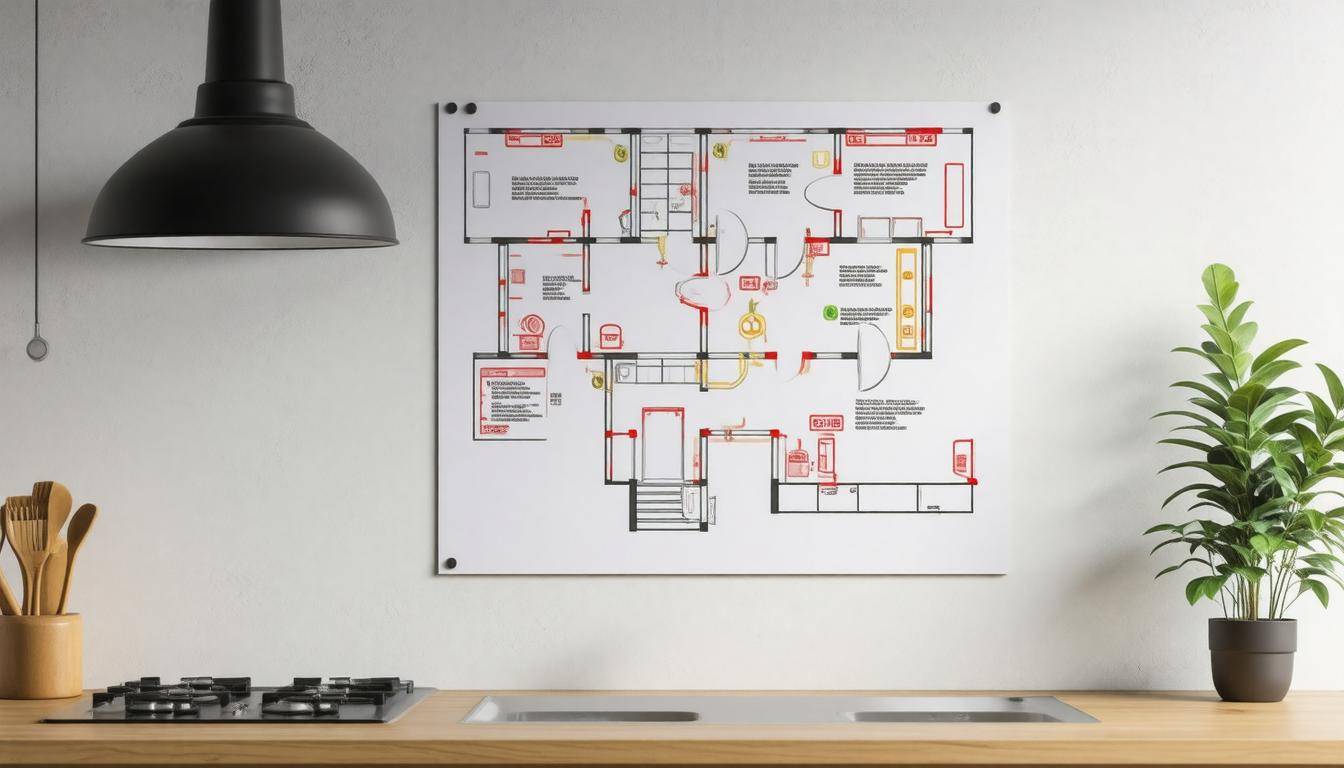
Template for Urban Apartment Fire Escape Plans
When developing your fire escape plan, having a clear and organized template greatly enhances preparedness.
Start by creating a basic layout of your apartment. It should be more than just scribbles; ensure that the floor plan captures each room accurately while identifying all available exits, including doors and windows. Imagine you’re guiding someone who has never been in your apartment before; the clearer your diagram, the better. The paths leading to these exits should be illustrated clearly so that, even in low visibility, everyone can navigate safely.
This is particularly important because, during a fire, time is critical; without proper knowledge of escape routes, you may find yourself wasting precious seconds that could mean the difference between safety and danger.
“During a recent drill, we found that having a designated person to call 911 as soon as everyone is out significantly improved our response time,” shares Chief Fire Officer Mark Thompson.
This statement underscores the importance of not only preparing an escape route but implementing a communication strategy. In addition to assigning roles during an emergency—like who calls emergency services or monitors children’s whereabouts—it’s crucial to educate all household members on this strategy during practice drills. Designating specific tasks ensures accountability and allows for efficient handling of various responsibilities when panic may set in.
Another critical element of your escape plan is a designated meeting point outside the building where everyone can regroup once they’ve escaped. Choose an area at least 100 feet away from the entrance, ensuring it’s far enough from potential hazards like falling debris yet close enough for everyone to reach quickly. This location serves as a central hub to account for all family members and discuss further action if necessary.
Finally, as you assess all components of your fire escape plan template—the layout, communication strategy, and meeting point—keep it flexible and adaptable. Given that families grow and living situations can change, review and update the plan regularly to reflect any changes in the home layout or household members’ needs.
By having a well-thought-out escape plan in place and conducting regular practice drills every six months or so, you give yourself and those around you the best chances of safety in an emergency situation.
Understanding these foundational elements paves the way for detailing essential strategies and measures that further enhance your overall fire safety readiness.
Key Elements of a Fire Escape Plan
A comprehensive fire escape plan is essential for every urban apartment to ensure not only safety but also preparedness among residents. This plan is more than just knowing the quickest way out; it involves details that can make a critical difference during emergency situations. One important consideration is ensuring that every room in your apartment has at least two exit routes.
Two Exit Routes Per Room
Ideally, each room, especially bedrooms where people may be sleeping, should have two exit routes available. For example, a primary door and an adjacent window can serve as effective escape paths. It’s vital that these routes are always accessible; furniture or other obstructions can transform a quick exit into an insurmountable barrier.
Consider testing your escape routes whenever you do maintenance around your living space to ensure nothing has crept into your path inadvertently.
An important element to remember is accessibility for all.
Accessibility for All
We must account for every resident in the apartment, including those with disabilities. When planning escape routes, think about how wheelchair-bound individuals might require wider pathways and potentially more time to travel through them. Installing ramps or ensuring clear areas will help alleviate potential bottlenecks during an evacuation.
Discussing this aspect with all household members ensures everyone understands any special considerations that may arise during an emergency.
Accountability is also a critical part of any fire escape plan.
Accountability
Using a buddy system encourages accountability and ensures that no one is left behind during an emergency evacuation. Assign a “buddy” to each child or person who requires assistance so they can support each other while evacuating safely.
This arrangement not only fosters teamwork but also reduces panic by having predefined roles. Setting up practice drills regularly helps reinforce these responsibilities so everyone knows what to do when the time comes.
Implementing these elements into your fire escape plan significantly enhances the safety and preparedness of your urban apartment home. The attention paid to creating clear exit routes, ensuring accessibility for those with special needs, and fostering accountability within your household creates a robust safety net in the event of a fire emergency.
As we continue exploring fire safety, it’s crucial to understand how to effectively layout and visualize escape routes within your home, ensuring clarity and efficiency during emergencies.
Creating Detailed Escape Routes
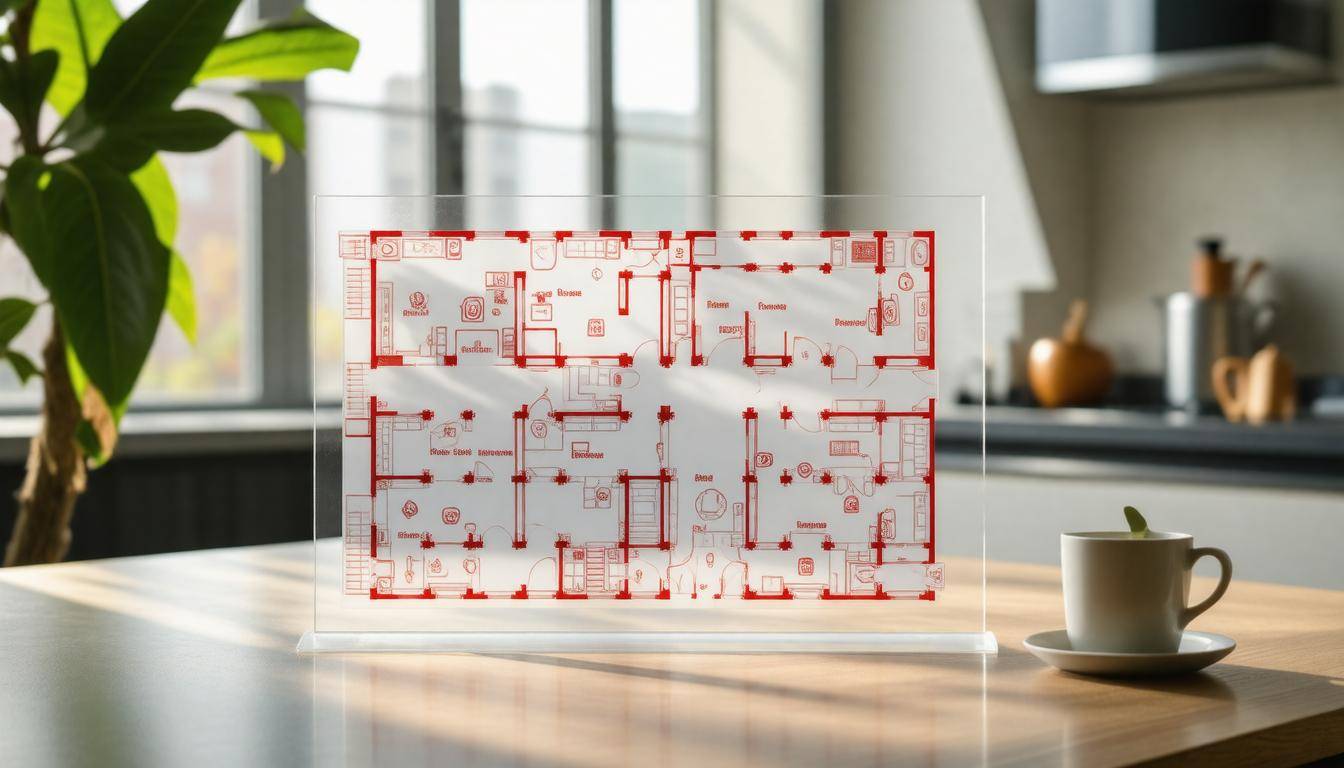
When drafting effective escape routes, one of the very first steps is mapping the route. Start by drawing your apartment’s floor plan accurately. This doesn’t have to be a work of art; simply a straightforward sketch showing the layout will suffice. Use different colors to distinguish your primary escape route from the secondary one. For instance, you might color the primary route in green and the secondary route in red. This visual representation will help clarify options when time is of the essence.
As you continue with your planning, it’s vital to think about how each escape may be impacted by physical obstructions.
The next step involves identifying obstacles along these routes. It’s not uncommon for furniture or belongings to block pathways, especially in a crowded urban apartment setting. Walk through your proposed escape routes and take note of anything that could impede movement, such as coffee tables or chairs. If needed, reorganizing furniture can create clearer paths. During this assessment, keep an eye out for any potential hazards, like loose rugs that could trip someone in a hurry.
Once you’ve designed an unobstructed route, the next logical step is to ensure that all exits are not just marked but functional.
It’s essential to highlight exits clearly on your floor plan once identified. Ensure that each exit is easily accessible and that windows designated as escape points are unobstructed and simple to open, especially under stress. It’s worth testing these mechanisms periodically as well—imagine the panic if a window gets stuck! Additionally, if your escape route requires accessing a balcony or other common areas, those spaces should remain clutter-free at all times to guarantee quick evacuation.
Remember, safety should always come first—make sure that all family members understand where each exit is and how to use it!
Lastly, don’t forget to review your planned routes regularly; even minor changes can impact your escape plans significantly. Each season might bring new furnishings or arrangements into your home that could affect accessibility. By continuously reevaluating your escape routes and being proactive about safety measures, you can dramatically increase preparedness in case of emergencies.
As you focus on escape routes, it’s equally important to consider how best to position essential emergency equipment within your space for maximum effectiveness during an emergency.
Positioning Emergency Equipment

Having the right safety equipment within reach can make the difference between a small mishap and a serious disaster. To put yourself in the best possible scenario, it’s important to think strategically about where you place these items.
For instance, your smoke alarms should not only be installed in every bedroom but also outside sleeping areas to provide ample warning should a fire start while you’re asleep. Regular testing—at least once a month—is essential to confirm they’re fully functional and ready to alert you at a moment’s notice.
Sarah, a resident of New York, recalls, “One night, our fire alarm alerted us to a kitchen fire. The fire extinguisher positioned in our hallway put out the fire before it spread.” This real-life experience underscores the importance of knowing that these tools are both accessible and operational when seconds count.
Next comes the placement of fire extinguishers. Ideally, you should have one in the kitchen—an expected hotspot for fires—as well as in hallways and near exits. Placing extinguishers strategically ensures that you can grab one quickly without having to search for it amid chaos. It’s wise to choose areas that are easily visible and reachable so that everyone in the household knows where to find them in an emergency.
If you live on an upper floor, consider investing in escape ladders, as they could prove vital for an efficient exit if the stairwell is blocked. These collapsible ladders should be stored near windows in easy-to-reach places. Just as importantly, conducting regular checks on those ladders to ensure they function properly can make all the difference when urgency arises.
Multiple first aid kits also deserve thoughtful placement within your apartment. A central location along with another one near potential hazards—like the kitchen or workshop area—ensures quick access when accidents happen. Each kit should be checked monthly to maintain supply levels; this simple act can save someone’s life.
In addition to these recommendations, consider more detailed aspects such as marking clearly visible emergency exit signs by each door and along escape routes within the apartment. These signs should be placed at a height of about six feet off the ground—a comfortable level for most adults—to guide everyone swiftly during an evacuation.
Remember: Precise positioning of equipment is all part of creating an effective urban apartment fire escape plan. Having everything you need where you need it can transform frantic moments into safe, orderly actions.
With your emergency equipment strategically placed for maximum effectiveness, it’s crucial to ensure that all residents are well-trained and familiar with using these vital tools during emergencies.
Resident Training and Drills
Proper training cannot be underestimated when it comes to fire safety; it’s a crucial part of ensuring that your escape plans are effective. You may have the best fire escape plan in place, but if residents aren’t familiar with it, panic can easily set in during an emergency, rendering even the most carefully crafted plans useless. That’s why creating a culture of preparedness is key.
Conducting Drills
It’s advisable to conduct fire drills at least twice a year, providing everyone an opportunity to practice and internalize the escape routes. These drills should simulate various scenarios that might occur during an actual emergency. For example, you might create a situation with blocked exits or thick smoke, requiring residents to adapt quickly to changing circumstances. This kind of responsive rehearsal helps avoid “what-if” scenarios by turning them into known actions, enhancing confidence among all participants.
Each drill should ideally begin with a briefing on the outline and end with constructive feedback sessions where residents can share their thoughts on what went smoothly and what could use improvement. This feedback loop contributes to better future practices and actively engages residents in the process, making them feel like stakeholders in their safety.
Training Sessions
Statistics have shown that individuals who receive adequate training are 40% more likely to execute a fire escape plan successfully. Therefore, organizing annual fire safety training sessions for all residents can make a significant difference. These training sessions should cover critical topics such as proper use of fire extinguishers, identifying potential hazards within the apartment, understanding how to operate smoke detectors, and recognizing the sound patterns of alarm systems. Regularly scheduled trainings reinforce the importance of being alert and proactive regarding fire safety.
A well-informed community generates peace of mind, which is invaluable when facing emergencies.
Practicing these drills ensures efficiency during actual emergencies while allowing residents to become familiar with every aspect of the evacuation process. For instance, do they know how long it takes to reach the nearest exit? Can they distinguish between safe areas and places they should avoid during a fire? Addressing these questions during training helps cultivate knowledge that might just save lives.
Beyond mere visibility in terms of drills and training, maintaining open communication about emergency procedures serves as another layer of preparation that can significantly enhance overall safety in urban residential settings. As we explore further, we’ll examine specific challenges unique to urban environments and how they affect safety planning.
Addressing Urban Setting Challenges
Urban apartments present unique fire escape challenges that necessitate careful planning and adaptation. High-rise buildings often come equipped with limited exit routes; while the verticality of these structures might seem advantageous, it complicates matters during emergencies, especially when every second counts.
In a panic, the dense population in these areas leads to crowded hallways and stairwells that can obstruct swift evacuations. As flames spread and smoke fills the space, the urgency ramps up—it’s imperative to have a robust plan in place.
Smoke Control Systems
One pivotal feature to explore in an urban setting is whether your building has a smoke control system installed. These systems are designed to manage smoke movement through various compartments, effectively slowing its spread and allowing for safer escape routes. If your building is equipped with this technology, familiarize yourself with how it operates; knowing which areas are affected and which remain safe is vital information that can help prevent panic and confusion during an emergency.
Ideally, residents should be proactive about learning their building’s layout—not just where exits are located but also how smoke control systems function. This knowledge creates a sense of preparedness that can significantly alleviate stress when every moment counts.
Crowd Management
Coordinating evacuations in densely populated buildings can be particularly challenging. The narrow stairwells may become bottlenecks as individuals attempt to evacuate quickly, emphasizing the need for effective crowd management strategies.
Tools like evacuation chairs for those with reduced mobility can play a critical role. Such chairs make it easier for designated individuals to assist those who require help while maintaining a steady flow towards safety.
Additionally, controlled-access exits may streamline the process, ensuring that people exit in an orderly manner rather than frantically pushing towards the same route. This approach encourages calmness amidst chaos, providing reassurance that there’s a clear path out—rather than a scrambling mass of bodies all trying to reach one door.
By tackling these unique challenges proactively through careful planning and collaboration among residents and management, safety is enhanced for everyone involved. Let’s now turn our attention to the necessity of keeping these plans current and effective.
Regular Plan Updates and Reviews
Plans are only effective if they are kept up to date. It’s easy to set a plan in motion and then forget about it, creating dangerous gaps in emergency preparedness. Fire safety experts emphasize that regular updates are essential to reflect changes in the living environment or residents’ lives. According to expert Jason Clarke, “Review your fire escape plan monthly and immediately after any structural changes in the apartment.” This simple act of prioritizing updates can make a world of difference when seconds count.
Monthly Checks
Monthly checks serve as a crucial touchpoint to ensure that your escape plan remains functional. Spend a few minutes each month previewing your outlined paths to safety, confirming that exit doors remain operational and accessible. Don’t forget to check smoke alarms while you’re at it, as 60% of fire-related fatalities occur in homes without a working smoke alarm.
Smoke alarms might seem trivial compared to planning whole escape routes, but they play an indispensable role in early warning systems. Each go-through allows residents to familiarize themselves with potential hazards—whether a new piece of furniture has blocked exits or if adjustments need to be made due to daily changes in the layout.
Staying vigilant on a monthly basis is crucial; now let’s think about annual updates.
Annual Updates
Annual updates should consider not just structural modifications but also changes in resident counts or family dynamics. For example, if you’re welcoming a new pet into your home or expecting another family member—each scenario could necessitate adjusting the escape plan. A New York resident shared their experience: “After adding a home office, our plan changed to include a new exit route.”
Such shifts matter because every person, animal, and piece of furniture can impact how effectively an emergency can be navigated.
Remember, if you think about all these elements when updating, you’ll help avoid chaos during an already stressful situation.
Moreover, if you live in a multi-story building—which 80% of urban apartment dwellers do—take time each year to map out specific escape routes per floor. A dynamic approach to planning helps ensure preparedness for everyone involved. After all, many residents lead busy lives where emergencies can feel abstract until it’s too late; updating your fire escape plan annually serves as an element of engagement that brings awareness back into focus.
Continuous evaluation will fortify everyone’s understanding of the escape plan while ensuring that minor adjustments account for life’s unpredictable nature. If everyone knows their responsibilities and available exits—the path towards safety becomes clearer than ever before.
Having established the importance of regular updates, let’s explore the tools you’ll need to create effective designs for these plans.
Best Software for Plan Design
Designing a fire escape plan becomes significantly more manageable when equipped with the right software. Whether you’re a tech-savvy individual or someone who prefers straightforward interfaces, there’s a tool perfectly tailored for your needs. The goal here is to choose software that allows you to visualize and create a detailed escape route while ensuring clarity and efficiency.
Top Choices
| Software | Cost | Features |
|---|---|---|
| Microsoft Visio | $6/month | Detailed diagrams, emergency symbols |
| Draw.io | Free | User-friendly, good for beginners |
| LucidChart | $5/month | Visual diagrams, cloud storage |
| GIMP | Free | Complex, requires advanced skills |
Among these options, Microsoft Visio stands out as a powerful choice. It offers comprehensive functionality, enabling users to draft intricate floor plans that highlight exits, obstacles, and assembly points. With an array of emergency symbols at your fingertips, it’s ideal for creating visuals that communicate the necessary steps clearly to all tenants.
However, if cost is a concern, Draw.io emerges as an excellent free alternative, particularly for those who are new to design software. It combines ease of use with essential features that still allow for creative layout designs.
For those looking for robust features without the expense, LucidChart fits the bill too. Its collaborative cloud-based nature allows multiple family members or roommates to access and contribute to the plan in real-time—perfect if you’re juggling busy schedules or different living arrangements. This fosters teamwork in building a shared responsibility toward safety.
While those seeking high customization might be drawn to GIMP, it’s designed primarily for advanced users comfortable with graphic editing rather than straightforward diagram creation. This software may not be necessary for most individuals focused on designing an effective fire escape plan.
In summary, investing time in selecting the right software will set the foundation for a precise and relevant emergency plan tailored specifically for your apartment. By using these tools effectively, you enhance both your preparedness and your confidence during emergencies.