
In an urban setting, life can feel fast-paced and unpredictable. But when the power goes out, that rhythm is shattered, and everyday comforts can quickly turn into challenges. Whether you’re navigating a sudden storm or dealing with a grid failure, having a plan in place is key to staying safe and comfortable. You don’t want to be frantically searching for candles in the dark while your phone battery drains away. I’ve seen firsthand how putting together an Urban Environment Blackout Kit can change the game—transforming stress into serenity and chaos into a managed situation. So, let’s dive into the essential items and strategies you need to tackle any blackout head-on!
An effective Urban Environment Blackout Kit should include essential items such as high-quality flashlights and batteries, portable power sources like solar chargers, manual tools for cooking and communication, a comprehensive first aid kit, emergency cash, and non-perishable food supplies. It is also important to consider additional items such as extra water, blankets, and means of securing your home to ensure safety and comfort during extended blackouts.
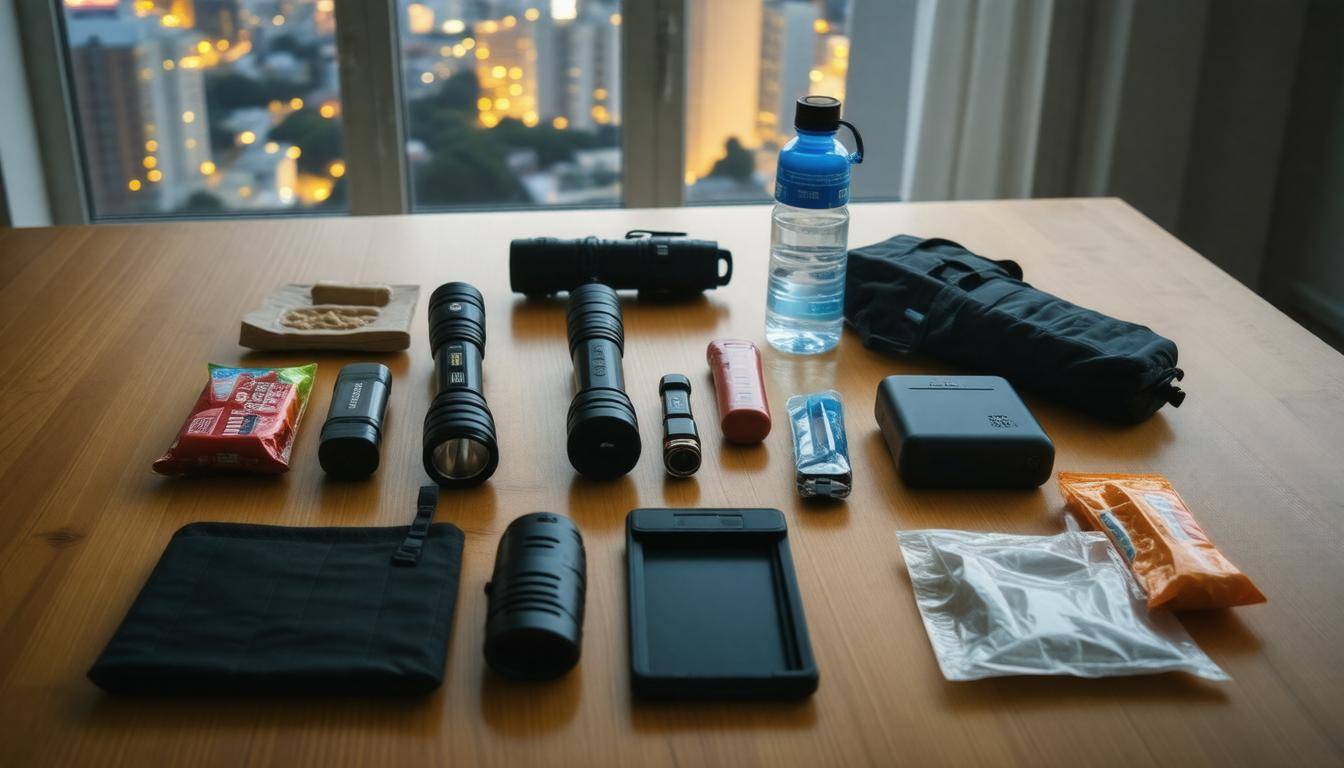
Essentials for an Urban Blackout Kit
It’s easy to overlook what you need until you’re in the midst of a power outage. You might find yourself rummaging through drawers looking for batteries or wondering how you’ll recharge your phone. To be prepared for when the lights go out, it’s essential to gather must-have items that cater to your family’s needs while keeping you safe and comfortable during an extended blackout.
Must-Have Items
-
Flashlights and Batteries: Investing in high-quality LED flashlights is crucial; they last longer and provide better illumination than standard bulbs. Each household member should have their own flashlight, and rechargeable headlamps are great for hands-free tasks. Remember to regularly check battery supplies to avoid surprises.
-
Portable Power Banks: These devices keep your phones and essential gadgets operational when outlets aren’t available. Ensure they are fully charged before anticipated outages, and consider solar-powered options for sustainability.
-
Manual Tools: A multi-tool can serve various purposes, from opening cans to making small repairs. Having a hand-crank radio allows you to stay updated with emergency information while doubling as a flashlight. Don’t forget a manual can opener—when the power’s out, it’s often the simplest tools that become invaluable.
-
First Aid Kit: Ensure your kit is comprehensive and tailored to meet the unique needs of your family members, including specific medications along with standard supplies like bandages and antiseptics. Familiarize everyone with its contents for quick access during emergencies.
-
Emergency Cash: It’s prudent to have cash on hand in small denominations for transactions when electronic payment systems falter. During blackouts, ATMs may not work, so having cash securely but accessibly can ease financial transactions when you need them most.
The importance of these elements goes beyond mere convenience; they can be truly life-saving.
Personal Testimonial
Take Jane from New York, for instance. After experiencing multiple prolonged blackouts in her large urban community, she said, “Investing in a hand-crank radio was a game-changer when we lost power for a week.” Her story reflects how preparation provides peace of mind and equips families to face challenges with resilience.
Incorporating these essentials into your urban blackout kit empowers you and your loved ones to respond effectively during emergencies while ensuring safety throughout unexpected power disruptions.
As we explore further, we’ll look at effective strategies for maintaining light and power during outages.
Light and Power Solutions
Reliable light and power sources are critical in a blackout. Without them, you might find yourself stumbling around in the dark, unsure of where to step or how to charge your devices. As technology advances, solar-powered gadgets have become increasingly popular, offering eco-friendly options that tap into renewable energy. These devices can keep your home illuminated and connected when the grid goes down, ensuring you remain prepared for any situation.
Traditional Generators
While relying on portable generators—be it gasoline or diesel—has its advantages due to their ability to power multiple appliances, they require some foresight. Imagine hosting a cozy evening when suddenly the lights flicker out; having a traditional generator means you can immediately turn on essential devices like your refrigerator or heating system. However, storing fuel safely is crucial because improper storage can lead to dangerous leaks or combustibility. I recommend designating a cool, dry place away from direct sunlight for your fuel cans, ideally kept in an approved container to prevent any mishaps.
Though traditional generators are effective, more homeowners are leaning toward greener alternatives that provide energy without environmental drawbacks.
Renewable Alternatives
Solar-powered chargers represent a fantastic solution for urban dwellers seeking sustainability. Consider this: during a recent blackout, my friends relied on their solar-powered chargers to keep their phones alive while everyone else was left disconnected. These chargers allow device recharging during the day; however, it’s important to understand their limitations—they simply cannot operate when there’s no sunlight. To maximize efficiency, place solar panels in direct sunlight whenever possible and consider investing in a battery storage system like Generac’s PWRcell, which captures excess energy for later use. This way, even when the sun sets, you’ll have power ready at hand.
But lighting options will also play a significant role in keeping your environment safe as darkness falls.
Safe Lighting Options
-
LED Lanterns: They are energy-efficient so they last longer than traditional bulbs. Not only do they consume less power, but they also offer brighter illumination, making them ideal for both indoor and outdoor use.
-
Candles and Oil Lamps: Traditional yet charming, these lighting methods evoke warmth during a blackout; however, they pose a fire risk if not monitored carefully. Always keep them on stable surfaces away from flammable materials.
-
Glow Sticks: A fun alternative for temporary light solutions; they are safe and waterproof but won’t last through long nights. Consider having several on hand for quick access, especially if kids are around.
Integrating reliable light and power solutions into your preparedness strategy is vital. With these options at your disposal—from dependable generators to solar technologies—along with safe lighting methods to illuminate your surroundings, you’ll be much better equipped to navigate unexpected outages with ease and security.
As we explore additional essential components for maintaining safety during crises, the next section highlights the importance of securing adequate nourishment and hydration supplies.
Food and Water Supplies
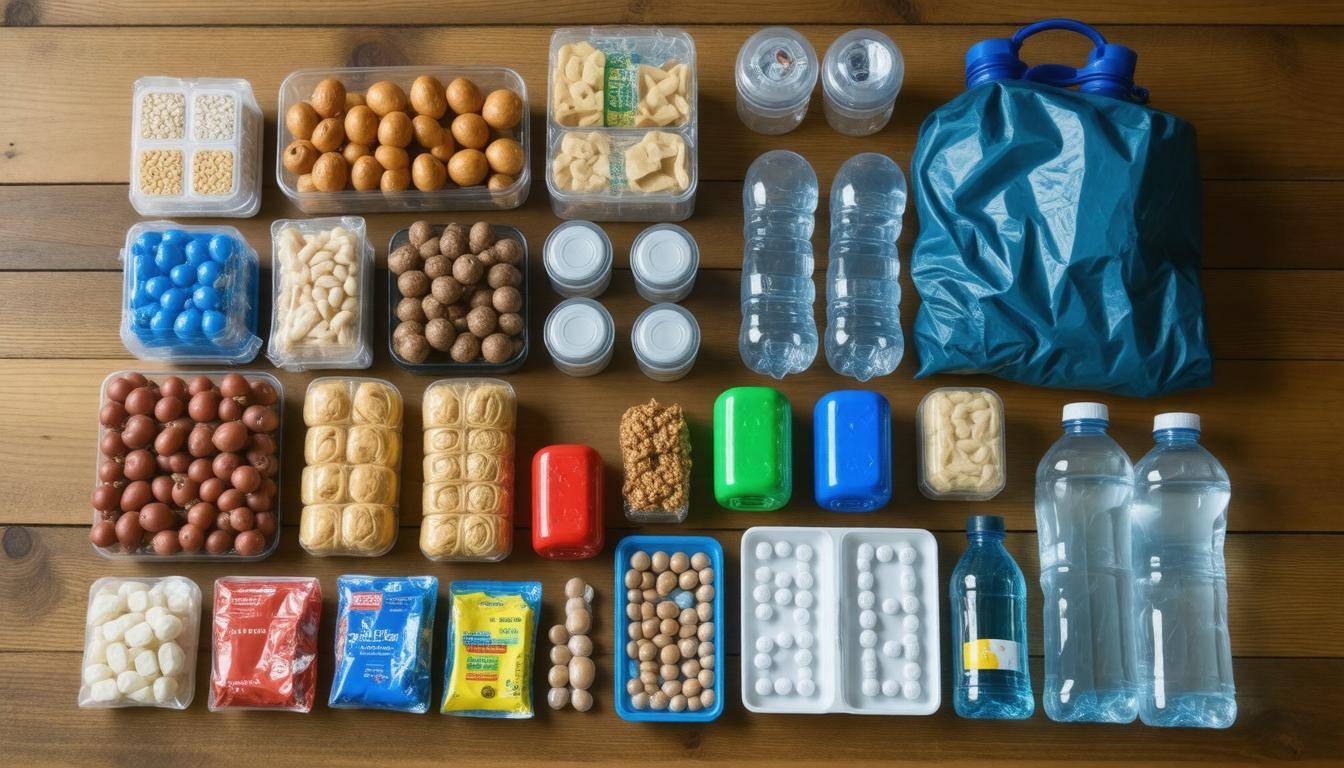
Access to food and water becomes incredibly vital when facing an unexpected urban blackout scenario. To effectively prepare for such outages, one must prioritize stocking up on non-perishable food items. This isn’t about gourmet dining but rather ensuring you have nutritious options that can withstand the test of time.
Start by considering canned goods with long shelf lives—items like beans, vegetables, and soups are not only affordable but also versatile in cooking. Then, think about dry goods such as rice, pasta, and cereal; these staples can nourish you through any disruption.
A balanced approach suggests that it’s best to have a mix within your pantry: cans of protein-rich beans paired with hearty vegetable soups create meals that offer both sustenance and comfort. For instance, a simple bowl of bean soup can fill you up without taking much effort to prepare. And don’t forget the variety! Adding in canned fruits can provide a sweet treat that makes tough times more palatable.
Once you’ve gathered your food supplies, the next essential step is ensuring they are stored correctly.
Proper Storage
Having a well-stocked cache isn’t enough if your storage methods are lacking. The environment in which your food is kept plays a significant role in its longevity and quality. Store your supplies in cool, dark spaces to protect them from heat and light, which can accelerate spoilage.
It’s wise to use airtight containers—not only do they guard against pests like rodents or insects, but they also keep moisture out, extending the life of your dried goods.
Think of your pantry as a fortress; it should be fortified against elements that could compromise your stockpile.
As an insider tip, repurposing old glass jars or utilizing plastic containers with tight-fitting lids can be both economical and efficient for storing food items without sacrificing quality. Not only do these containers help maintain freshness, but they also enable easy organization, allowing you to quickly access what you need during stressful times.
While food is crucial, we mustn’t overlook another core necessity: water supply.
Water Supply
Water is often likened to the lifeblood of preparedness plans. The general guideline states that you should have at least one gallon of water per person per day for minimum periods—and while three days might seem sufficient, aiming for a week provides greater peace of mind. A family of four preparing for a week would need at least 28 gallons; this highlights why establishing your water storage strategy early is paramount.
Additionally, maintaining clean drinking water should be a priority. You may want to include water purification tablets in your resources. These handy tools can turn questionable sources into safe drinking water, acting as a safeguard against potential sediment or contamination during crises.
Don’t forget the importance of periodic inspection of your water supply! Rotating bottled water every six months ensures you’re always stocked with fresh supplies.
With these essentials secured, you’ll be better equipped to navigate any unforeseen circumstances that may arise during a blackout event. Next, let’s explore how to secure adequate shelter when emergencies strike.
Emergency Shelter Options
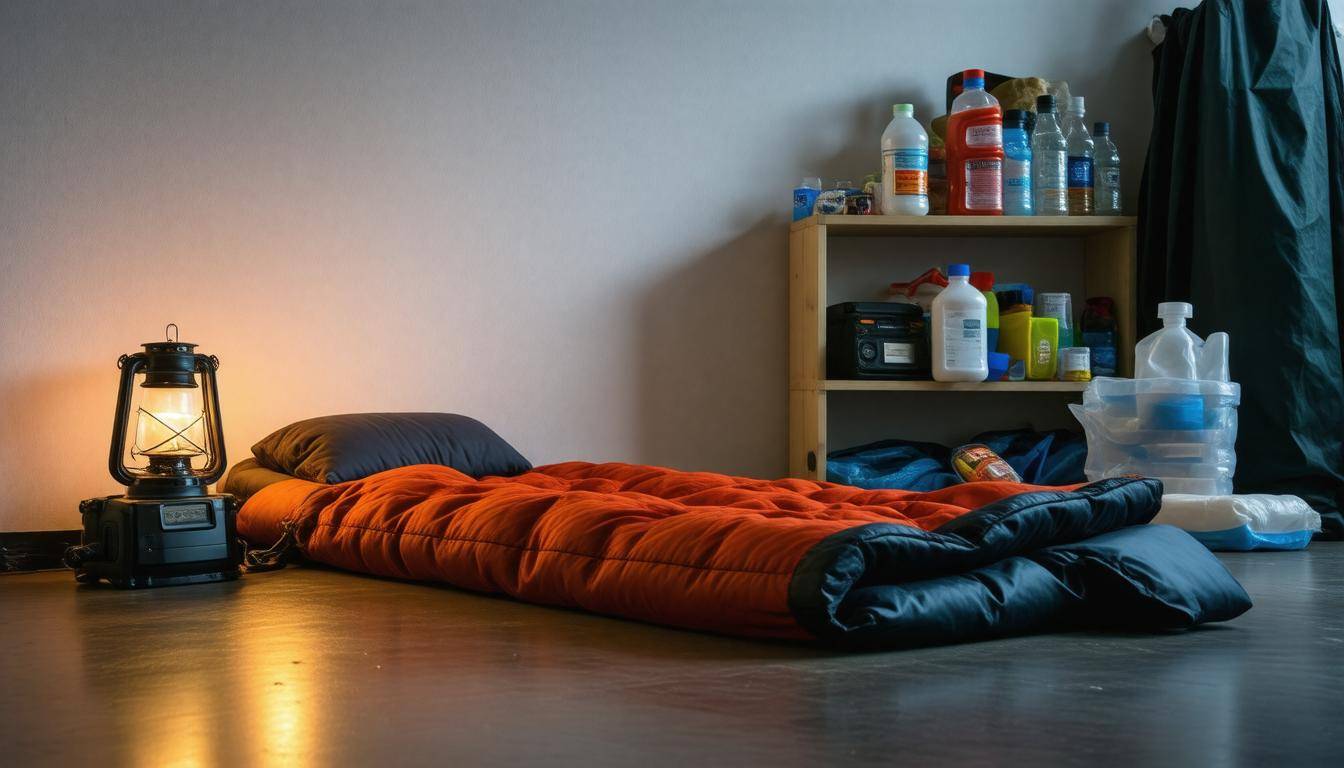
Finding shelter in urban areas during blackouts can be particularly challenging for individuals and families alike. The need for a safe space becomes apparent when the comforts of home transform into obstacles, leaving you feeling vulnerable to the elements or lack of proper resources. Understanding both stay-at-home solutions and evacuation options can make a significant difference.
Stay-At-Home Solutions
If circumstances allow you to remain at home, quick adjustments can create a safe haven. Start by designating a specific area of your house that you’ll use as your main living space during the blackout.
To maintain warmth, close off this area from the rest of the house, creating an insulated space that retains heat more effectively. A practical tip is to hang blankets over windows and doors—this simple act not only retains warmth but also adds a level of security against outside disturbances.
Insulating your stay-at-home area with blankets can make a surprising amount of difference in maintaining warmth, especially if temperatures drop unexpectedly.
Gather pillows, cushions, or any other soft materials you have on hand to further insulate and make this designated space comfortable. Keeping essential supplies such as flashlights, batteries, and non-perishable snacks within easy reach will alleviate anxiety during unexpected situations, allowing everyone to feel more secure.
Evacuation Options
If the conditions at home become unsafe—due to lack of power affecting heating or an unmanageable situation—knowing where nearby shelters are located is vital. Many cities have resources like schools or community centers designated for emergency accommodations. Familiarizing yourself with these locations before a crisis arises provides peace of mind.
To locate these shelters efficiently, consider utilizing local government websites or social media platforms for real-time updates about which facilities are available and operating in emergencies.
As recent shelter data reveals, many urban areas have taken proactive measures, identifying specific shelters that operate as overflow options to accommodate larger populations during crises.
During your quest for safety, don’t overlook transportation resources. For those who aren’t vehicle-dependent, public transportation options like buses running through key routes can offer accessible journeys to designated shelter locations. Keeping track of shuttle services or bus routes—such as WeGo Central’s operations—could mean the difference between arriving safely at a shelter or being left stranded.
Preparation is about more than gathering supplies; it’s also about having a comprehensive plan that includes transportation methods and warming strategies for tough situations. Let’s now explore ways to keep warm and cook in times of need.
Heating and Cooking Methods
Keeping warm and preparing food are crucial elements of safety and comfort when the power goes out. Kerosene heaters stand out due to their efficiency; however, it’s vital to ensure proper ventilation. Without it, you could unintentionally create a dangerous environment with fumes. If you opt for a kerosene heater, treat it carefully—its open flame can provide warmth but also poses a potential hazard if left unattended.
Consider keeping a fire extinguisher nearby; being proactive about safety can make all the difference.
For those fortunate enough to have access to a wood stove, maintaining an adequate supply of firewood is key. Aim to stockpile enough wood to last several days or even weeks based on your usage patterns. Storing it in a dry place will prevent moisture buildup, ensuring that your wood burns efficiently when needed most. Creating a designated spot for your firewood keeps it organized and accessible during an emergency.
Cooking
When the power’s out, small camping stoves can become life-saving tools. Though they may seem unassuming, these portable options enable you to prepare everything from hot coffee to elaborate meals conveniently. A portable propane stove is an excellent addition to your kit; it’s lightweight, easy to use, and delivers adequate heat for cooking simple yet nutritious meals.
It’s worth remembering that meal preparation doesn’t just have to consist of luxurious meals; practicality should be front and center. Think soup or pasta—what’s easier than warming up pre-made food or preparing something quick?
Cooking Safety
As with any method of cooking during a power outage, safety must remain top-of-mind. Always cook in a well-ventilated area to prevent carbon monoxide buildup—this danger can lurk even with smaller stoves that seem harmless at first glance. If you’re using a propane stove indoors, remember that leaving windows open or using battery-operated fans strategically placed around your cooking area can significantly reduce risks.
Also, establish specific rules for family members regarding when and how cooking should occur (for example, not allowing children near the stove without direct supervision). This communication is especially critical during stressful situations when managing multiple tasks concurrently.
With these essential heating and cooking strategies in place, you’re already setting yourself up for comfort during unexpected challenges. Next, we will focus on practical measures to further fortify your home against disruptions.
Home Preparation Tips
To effectively manage power outages, it’s crucial to prepare your home well in advance. Key preparations can make all the difference when the lights go out, creating a warm and safe environment even in challenging conditions. Start by ensuring you have adequate heating sources stockpiled; this could mean anything from firewood for a wood stove to spare fuel for a heater. Having cash on hand in small denominations is another essential step; with digital payment systems likely down during an outage, it’s prudent to be ready for any necessary purchases.
Weeks Before the Blackout
In the weeks leading up to a storm or anticipated blackout, make a checklist of essential preparations. This list should include stocking up on items like canned foods, bottled water, and other non-perishable goods that won’t spoil if stored properly. Remember to rotate these supplies periodically so they remain fresh. Additionally, think about alternative heating methods—maybe explore investing in a portable heater or kerosene lamps should your primary heating source fail you. Proactive preparation ensures that you won’t find yourself scrambling last minute when the lights flicker.
Protect Against Cold Air
When preparing the living spaces in your home, consider how cold air might seep in through windows and doors. A simple but effective method is to use blankets as temporary insulation over your windows. Not only do they help trap warmth inside, but they also act as an added barrier against cold drafts. For extra protection, using plastic wrap combined with duct tape on your windows can create an airtight seal that prevents heat loss. This keeps your home cozier during cold nights and could significantly lower your overall energy consumption.
Home Security
Don’t overlook home security during power outages. A well-lit home acts as a deterrent to potential intruders. Installing battery-operated security systems can enhance safety significantly while dealing with disruptions caused by an outage. These systems often come equipped with night vision capabilities and can alert you via texts or calls if they detect movement around your property. It alleviates one more concern while managing everything else that comes with unexpected blackouts.
By taking these proactive steps, you’ll secure your home while also positioning yourself effectively for potential challenges that may arise next, particularly when considering critical medical supplies.
Medical Supplies and First Aid
When faced with an unexpected blackout, having a well-thought-out medical supply kit can mean the difference between safety and chaos. Medical emergencies don’t wait for the lights to come back on, so ensuring your home is equipped with a comprehensive first aid kit tailored to your family’s specific needs is essential. This means going beyond just the basics like band-aids and antiseptics; it calls for including necessary medications, first aid tools, and even items like splints or burn cream.
One vital element of any emergency kit is customization. If someone in your household has a chronic condition that requires regular management—like asthma or diabetes—include an extra inhaler or glucose monitor. However, remember to periodically check expiration dates and restock supplies to ensure everything is effective when you need it most.
First Aid Kits
It’s advisable to consider investing in a quality first aid kit rather than simply piecing together random supplies. A comprehensive emergency kit typically includes sterile gauze, adhesive bandages, antiseptic wipes, and pain relievers. Moreover, having items like tweezers or scissors readily available can be invaluable during emergencies when you must think on your feet. Ensure that your kit adheres closely to established guidelines—but always feel free to adjust according to personal health requirements.
A pre-packaged first aid kit offers a consistent baseline of care, but adding unique items to reflect your family’s needs elevates its effectiveness significantly.
In addition to stocking up on physical supplies, it’s equally important to educate all household members about basic first aid principles.
Specialized Training
Investing time in basic first aid training for each member of your household can become a lifesaver during moments of duress. Understanding how to effectively respond to common injuries like cuts, burns, or sprains boosts confidence levels among family members and prepares them for real-life application. You may think it’s only beneficial for adults, but considering that children can participate in age-appropriate courses helps them develop safety habits early on.
Local organizations often offer free or low-cost classes on CPR and first aid. These valuable resources are tailored toward practical application—right when you need it most. Remember that knowledge not only empowers your family but also creates resourceful circumstances where help is needed during blackouts.
The final piece of this medical supplies puzzle involves ensuring easy access to necessary prescriptions during times of uncertainty.
Prescription Medicines
Keeping a week’s supply of medication at home is crucial; shortages due to outages can exacerbate existing health issues or lead to new complications if not managed properly. Regularly consult your healthcare provider about securing duplicate prescriptions just in case they might be needed during extended blackouts.
Store these vital medications in a clearly labeled container, ensuring they’re easily reachable in case of emergencies. Keep them away from extreme heat sources or direct sunlight; preserving their efficacy could depend on appropriate storage conditions—especially during stressful situations like power outages.
By preparing adequately with critical medical supplies and encouraging education within the household, you’re setting up safeguards against both physical ailments and panic during urban blackouts. With a solid foundation set through essential medical preparedness, the next step involves reinforcing your overall safety measures and building resilience against potential challenges in turbulent times.
Security Measures and Resilience
Maintaining security is fundamental in urban environments, especially during power outages. Knowing how to safeguard yourself and your neighborhood can make all the difference in uncertain situations like natural disasters. By proactively establishing connections with neighbors and local services, you can build a strong support system during tough times.
Neighborhood Watch
One way to enhance security is by activating or joining a Neighborhood Watch program. Coordinate with your neighbors to increase surveillance in your area; this approach serves as a deterrent for suspicious activity while fostering a sense of community.
For instance, if several households monitor their surroundings and communicate openly about any unusual occurrences, it creates an environment where everyone feels safer. You can set up a simple WhatsApp group or neighborhood bulletin board to share information. Remember, safety isn’t just an individual concern—it’s a collective one.
While community involvement is essential, personal security should not be overlooked either.
Personal Security Measures
Having personal security measures in place is equally vital for individual safety. Keep basic defensive items like emergency whistles and pepper spray handy. These tools empower you to alert others during emergencies or fend off potential threats when necessary. In unpredictable situations, having these items at arm’s reach gives you the confidence to navigate through challenges effectively. It’s also wise to familiarize yourself with your surroundings and have escape routes plotted out ahead of time.
Now that we’ve discussed individual safety measures, let’s explore how strengthening community ties can lead to greater resilience.
Strengthen Your Community
The significance of strengthening your community cannot be understated. Engaging in community preparedness initiatives readies individuals for emergencies while enhancing overall regional resilience. Neighbors can connect over shared resources such as generators or food supplies during prolonged outages. Establishing a cooperative spirit encourages open communication where everyone feels responsible for watching out for each other.
When faced with adversity, communities that unite often emerge stronger and more capable than they were before.
In summary, fostering a cooperative atmosphere through neighborly involvement, securing personal safety measures, and actively participating in community readiness initiatives prepares individuals and neighborhoods alike for unexpected disruptions caused by blackouts. Building layers of security through both individual actions and collective efforts enhances resilience when it matters most.