
Earthquakes can strike when we least expect them, and living in an urban high-rise presents its own set of challenges during such emergencies. It’s essential to be ready, as the shaking can disrupt everything from your daily routine to the safety of your loved ones. Preparing an Earthquake Safety Kit tailored to your unique living situation is a crucial step in ensuring that you can respond effectively. In this article, we’ll explore must-have essentials for your kit, how to build it step by step, and other important measures you can take to keep yourself and those around you safe. Let’s dive in and arm ourselves with the knowledge needed to face potential earthquakes head-on!
An Urban High-Rise Earthquake Safety Kit should include essential supplies such as water (at least one gallon per person per day for three days), non-perishable food for at least a week, a first aid kit, a flashlight with batteries, communication tools like a battery-operated radio, and personal hygiene items. Additionally, consider including sanitation supplies and specialized equipment for power outages, ensuring you are fully prepared for emergencies that may arise during or after an earthquake.
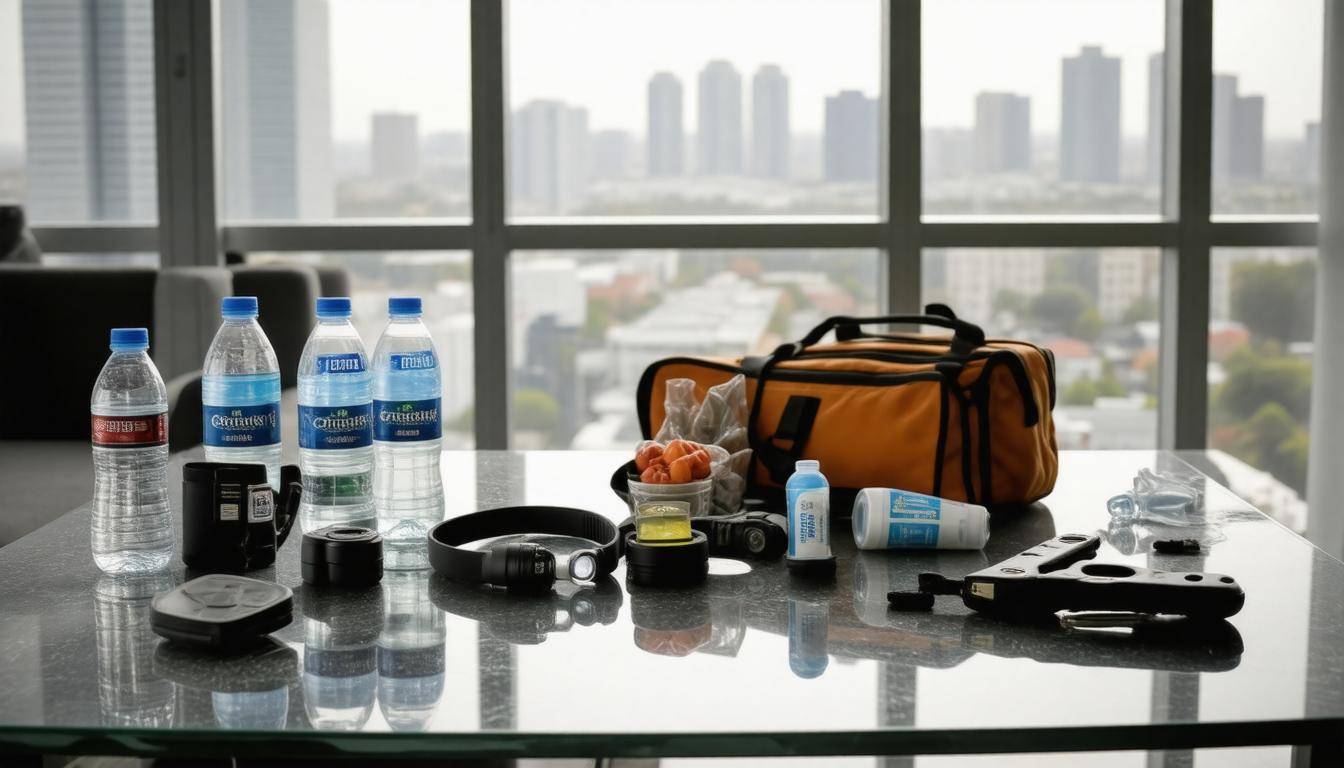
Building the Ultimate Earthquake Safety Kit
The first step in creating your earthquake safety kit is to assess your specific needs. Think about each person in your household and their unique circumstances.
Do you have young children who might require special snacks? Is there an elderly family member with mobility issues? Or perhaps a pet that needs special food?
Considering these factors will help you determine not just how much supplies you’ll need, but what types will be most appropriate. For instance, if someone in your home has severe allergies, ensure your food choices reflect that. This personalized approach sets the groundwork for a robust emergency plan.
With a clear understanding of what you need, you can move on to the next critical phase: creating a comprehensive list.
Step II – Create a List
Crafting a detailed checklist is vital for making sure nothing essential gets overlooked. Start by categorizing items into immediate necessities and long-term supplies.
Water should always take precedence; ideally, plan for at least one gallon per person per day, accumulating at least three days’ worth of supply. Next on the list should be non-perishable food items such as energy bars, canned goods, or freeze-dried options—aim for at least a week’s worth per household member.
After that, consider other essentials like a comprehensive first aid kit complete with both human and pet medical supplies, flashlights with extra batteries, and sturdy multi-tools. Don’t forget personal care items like hygiene products; staying clean amid chaos is more important than some might think.
Once your list is solidified, it’s time to focus on gathering those materials gradually.
Step III – Gather Supplies Incrementally
Rather than succumbing to the overwhelming task of acquiring your entire kit in one go, consider adopting an incremental approach. This can make building your emergency supplies feel less daunting while also being kinder to your budget.
For example, designate one week to focus on purchasing non-perishable food items—explore what’s preferable in terms of both taste and nourishment. The following week could allocate funds for first aid supplies; perhaps even include specialty items like dust masks or battery-operated radios.
Additionally, keep an eye out for sales or discounts on bulk purchases to maximize savings while building your stockpile.
Furthermore, regularly evaluate your kit as new members may join or certain items may need replacing over time due to expiration dates or wear. Efficiently maintaining your earthquake safety kit not only maximizes its effectiveness but also ensures everyone in your house feels secure and ready for any situation that may arise.
As we refine our kits further, it’s essential to pinpoint specific items that enhance preparedness and cater to individual household needs.
Essential Items for Your Kit
Building your earthquake safety kit is about more than just ticking off a checklist; it’s about anticipating your needs during critical times. The essentials you choose should reflect the unique challenges of urban high-rise living and prioritize both survival and comfort.
For instance, water is paramount—at least one gallon per person per day is advised. This amounts to a minimum of three gallons over three days for each household member. Ideally, strive for enough water to last up to seven days. Invest in five-gallon containers, which keep the water fresh and allow for easy bleaching if necessary.
Drinking water isn’t the only vital supply; food is next on the list.
Non-perishable food items should occupy an important place in your kit. Think about easy-to-store options like canned beans, dried fruits, and energy bars—these are packed with calories and nutrients while remaining lightweight and long-lasting. It’s recommended to have a week’s worth of food ready for each family member. A pre-made survival backpack that includes various tools and emergency supplies can simplify your efforts and ensure you’re equipped for unexpected challenges.
Beyond sustenance, don’t overlook health and safety supplies.
A comprehensive first aid kit is another critical component of your kit. This should include antiseptics, tweezers, scissors, gauze pads, and personal medications for all family members, including pets. Consider adding dust or smoke masks as well—these can be lifesavers in hazardous conditions following an earthquake.
With health covered, let’s focus on tools for visibility and communication.
Having proper lighting is essential during power outages. Invest in reliable flashlights with a high lumen output (at least 100 lumens) along with extra batteries to ensure visibility when darkness sets in. Additionally, think about how you’ll stay connected in emergencies: A battery-operated radio will keep you informed of updates when mobile networks are down.
Equipment also plays a vital role in helping you manage needs seamlessly.
Don’t forget about a multi-tool in your kit; this versatile device can come in handy for minor repairs or tasks that require cutting or prying open packages, ensuring that you have what you need at a moment’s notice. To add to your sanitation measures, pack wet wipes and garbage bags; these may seem minor but are indispensable when dealing with waste or maintaining personal hygiene.
Lastly, let’s address the logistics of purchase methods during emergencies.
In uncertain times after an earthquake, access to cash is crucial since electronic transactions may be disrupted. Store small bills within your kit for minor purchases—you won’t want to rely solely on credit cards that might not work due to outages. These essentials significantly bolster your readiness when disaster strikes and safeguard the overall well-being of everyone in your household.
Equipping yourself with these must-have items sets a strong foundation; now it’s time to enhance the security of your living environment against potential damages from earthquakes.
Securing Your High-Rise Home
The first step in ensuring an earthquake-ready home begins with assessing your structural integrity. It’s crucial that your apartment adheres to current earthquake codes. If you reside in a seismic zone, your building should ideally be retrofitted with base isolators, which are designed to absorb shocks and minimize movement.
While many newer apartments, especially those built after 1980, tend to provide better structural reinforcement, it’s always wise to check in with your building management. They can provide insights into any upgrades or modifications made to bolster the building’s resilience against seismic activity.
Remember, knowing the specifics of your building’s construction can prevent hazardous surprises during an earthquake.
However, structural measures are only part of the equation; non-structural preparations also play a critical role.
Non-Structural Preparations
One effective strategy for protecting your space during an earthquake is to secure heavy furniture to walls using sturdy brackets or anchors. This might sound basic, but imagine the chaos of a large bookshelf tipping over when an earthquake strikes; securing these items gives you peace of mind and minimizes risks.
Additionally, avoid placing heavy objects on high shelves where they may tumble down and cause injury. Instead, store heavier items on lower shelves—this not only reduces hazards during quakes but also makes your living space more manageable day-to-day.
Another often overlooked aspect involves smaller items like picture frames and lamps. A little preventive measure can go a long way; consider using museum putty to secure these items in place. This adhesive is effective at preventing them from toppling over while still allowing for easy removal when needed.
Having a conversation about proactive measures with family members can enhance everyone’s readiness and comfort levels as well.
Beyond furniture, it’s also worthwhile to think through emergency exit routes and supplies in your home to ensure full preparedness.
With proper structural reinforcements and thoughtful non-structural adjustments in place, you’re setting up a solid foundation for safety in your high-rise home. By taking these steps now, you’re establishing critical measures that will enhance your overall emergency readiness as you prepare for potential challenges ahead.
Evacuation Safety Tips
Exiting your high-rise building during an earthquake requires not just speed but also careful planning. The first step is to know your evacuation routes; familiarize yourself with all available emergency exits in your building. Many high-rises feature multiple stairwells designed specifically for this purpose. Remember, elevators are a no-go during emergencies—they might malfunction or become unsafe while you’re inside. Instead, practice using the stairs, ensuring you feel comfortable navigating them even in times of distress.
Alongside knowing your route, it’s equally important to have a designated safe space outside the building.
Safe Spaces Outside
Identifying safe areas where you can gather post-evacuation is crucial. Ideally, these should be open spaces, away from structures like walls and power lines that could potentially collapse in an aftershock. Consider parks or open lots nearby as meeting points. In the event of an earthquake, these spaces provide a clear area for you and fellow residents to regroup and assess the situation. Safety in numbers is vital; during the distress of an emergency, having a reliable place to check in can help maintain calm among friends and family.
However, getting out safely is only part of the equation—knowing how to stay informed during and after an evacuation is equally critical.
Stay Informed
Keeping updated during an evacuation can vastly enhance your safety. Ensure you have a battery-operated radio or a solar-powered charger handy to keep devices charged. During emergencies, mobile networks may become overloaded or completely fail, so it’s prudent to have alternative communication methods ready. Additionally, compile a written list of important phone numbers that you might need; this prevents reliance on digital devices that might lose power or signal in chaotic moments.
With safety measures in mind, personal preparedness plays an essential role too.
Personal Safety Measures
Prepare by storing necessary items like helmets and sturdy shoes near your bed for quick access after shaking has stopped. You don’t want to risk stepping on broken glass or dislodged items when evacuating your home. Furthermore, establish a clear communication plan with family members; agree on a designated meeting point if you become separated during evacuation procedures. This information can significantly lessen anxiety and improve coordination once outside.
While these steps will help during an emergency, preparation beforehand can make all the difference in maintaining safety for both individuals and families alike.
Summary of Key Takeaways
To ensure a safer evacuation experience during an earthquake:
- Get familiar with all designated exits within your building.
- Prioritize open areas outside for gathering.
- Stay informed with battery-operated radios or backup chargers.
- Develop personal safety measures including fast-access gear.
These straightforward yet comprehensive tips will empower you to navigate emergency situations with greater confidence and readiness, reinforcing not just your own safety but that of those around you as well.
As we think about these essential elements of preparation, let’s examine how best to store these emergency supplies effectively for quick access when every second counts.
Storing Emergency Supplies
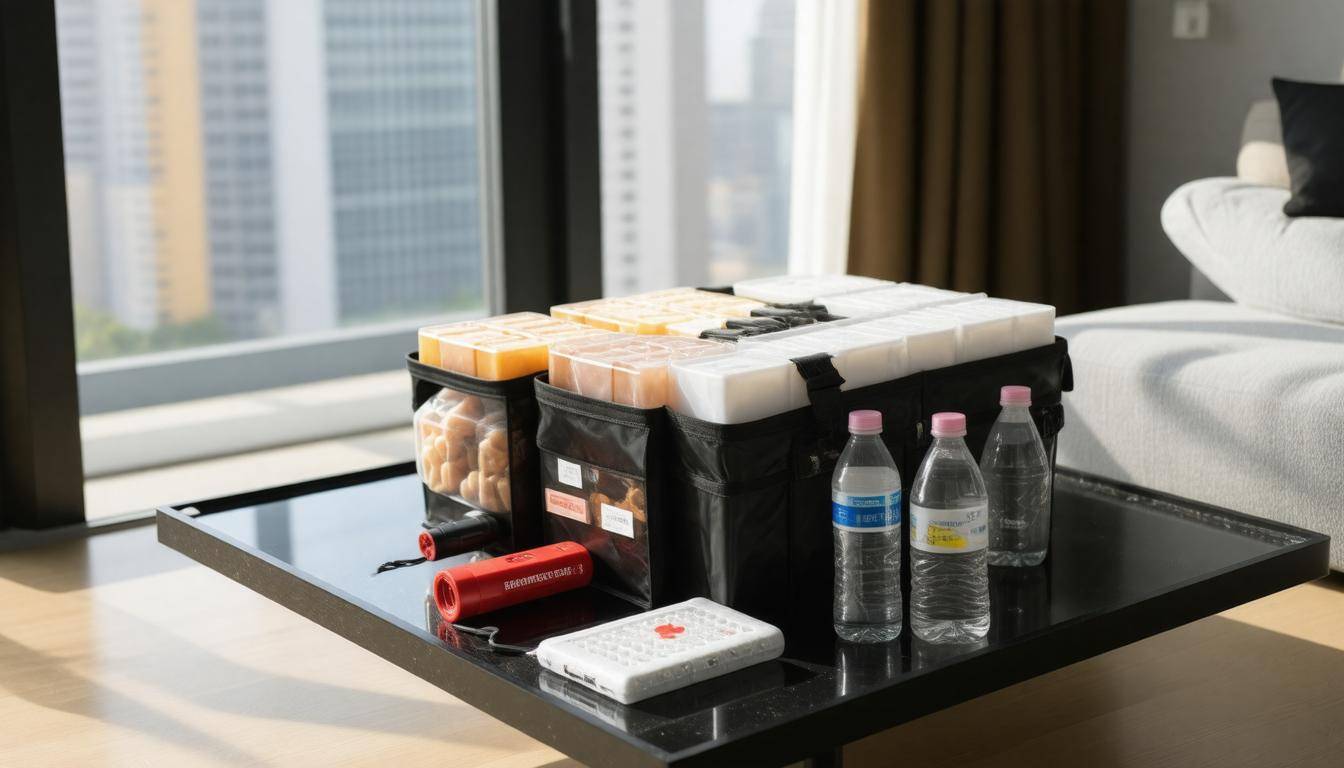
Proper storage of emergency supplies ensures that they are not just accessible but also preserved in optimal condition. When planning where to store your emergency kit, think about quick access during a crisis—when every second counts, there’s no time for searching in hard-to-reach nooks. For urban high-rise residents, keeping these essentials at hand is paramount.
Accessible Locations
Consider placing your emergency kits in easily reachable locations such as near the front door or in a dedicated emergency cabinet. These spots allow for a swift grab-and-go approach. If space is at a premium—which can often be the case in urban settings—you might want to utilize under-bed storage boxes. They fit nicely out of sight and can easily hold everything from food to first aid kits.
Make sure these containers are clearly labeled; with stress running high during emergencies, you don’t want to waste precious minutes trying to decipher what’s inside.
It’s also smart to divide supplies into smaller groups and store them in various locations throughout your living space. For instance, keep some water bottles in the kitchen, food supplies fixed in the pantry, and hygiene products stashed in a bathroom drawer. This method optimizes accessibility and mitigates risk by ensuring you have backup supplies even if one area becomes inaccessible.
Remember: The goal is to create an organized system that facilitates quick action during an emergency while ensuring that all essential items are easily retrievable.
Additionally, regularly checking your stored items is just as important as their initial arrangement. Every six months is a good rule of thumb to rotate perishables and check expiration dates on food and medications. Establishing such routines can become part of your home maintenance plan and ensure that nothing gets overlooked—a well-organized kit is only helpful if the contents are current.
Additional Tips
Be mindful of the environmental conditions where you’re storing your supplies. The ideal temperature for most emergency foods and supplies ranges from 50°F to 70°F (10°C to 21°C), with humidity levels kept between 15% and 30%. Bottled water generally has a shelf life of 1-2 years if stored properly away from direct sunlight and heat sources. Canned goods can last much longer—between 2-5 years—making them perfect staples for your kit.
By taking these steps, you are preparing for unforeseen disasters while building peace of mind within your household. With thoughtful organization, easy access, and regular maintenance, you’re ready for whatever comes your way.
In addition to preparing supplies, ensuring that you have effective ways to communicate during crises is essential.
Communication Tools During Disasters

Staying in touch with loved ones and accessing timely information is paramount during any disaster, particularly an earthquake. Your ability to communicate can make all the difference, so it’s essential to have reliable devices ready when the ground shakes.
For instance, investing in a NOAA weather radio is highly recommended since it provides real-time updates on emergency situations. Not only does this keep you informed about seismic activity, but it also relays life-saving information like evacuation orders or shelter locations. Battery-operated or hand-crank radios are ideal choices because they remain functional even when the power goes out, ensuring that critical news reaches you.
However, radios alone won’t suffice for keeping in contact with family and friends. In the chaos following an earthquake, cell service can become spotty or entirely unavailable due to high demand or infrastructure damage. Here lies the importance of having backup power sources. A solar charger or power bank will ensure your devices stay charged, which allows you to maintain communication with others and receive emergency updates.
Picture this: You’ve safely evacuated your building, but your mobile phone is down to 5% battery. If you don’t have a backup charger handy, you’re left without a way to connect with others who might be trying to reach you. This scenario emphasizes why investing in a portable charging solution is not just practical but essential.
Additionally, consider using text messaging instead of voice calls during emergencies. Text messages often go through when calls cannot; cellular networks can handle lower bandwidth for texts better than voice calls during high traffic periods.
Clearly marked items within your emergency kit can also enhance communication during a disaster. Storing a whistle allows you to signal for help if trapped. Maps of your area are beneficial too, especially if online resources fail—having a physical map on hand lets you navigate post-disaster complexities such as blocked roads or altered routes safely.
Ensuring effective communication during times of crisis is only one part of comprehensive preparedness. As we focus on enhancing safety measures further, let’s turn our attention to essential health-related supplies that every urban resident should consider.
Health and First Aid Essentials
When preparing an earthquake safety kit for an urban high-rise, it’s essential to focus not only on basic first aid supplies but also on specific health essentials that may be crucial in times of emergency. While medical supplies are paramount, maintaining overall well-being can often depend on having access to personal medications and the right nutritional support when these events occur. These seemingly small details can make a significant difference in how you cope with the aftermath of an earthquake.
Personal Medications
A vital part of your earthquake safety kit should be your personal medications. Stock enough medication for at least one week, particularly if you or someone in your household relies on prescription drugs for chronic illnesses. It’s wise to consult your doctor about having extra medication available, ensuring you’re prepared for any weeks-long disruptions.
Additionally, include a list of all prescriptions and dosages with your medications—this way, family members or helpers can assist if you’re unable to communicate clearly due to stress or injury. Think of this list as a critical lifeline; it ensures continuity in care during uncertain times.
After addressing personal medications, we must also consider how to maintain good health and energy levels when resources may be scarce.
Nutritional Support
In emergencies, ensuring access to nutritious food can be just as important as first aid treatment. Backup food supplies should consist of non-perishable goods that are easy to prepare, like energy bars, canned fruits, or high-protein snacks. Make sure these items have long shelf lives and will not spoil easily without refrigeration. Every member of the household should have approximately three days’ worth of food mapped out—this preparedness will help foster a sense of normalcy while allowing you to retain strength in challenging circumstances.
I cannot stress enough the importance of quality over quantity when it comes to emergency food supplies. Many people might think stocking up on cheap calories is sufficient; however, you need options that provide energy without dragging you down. Items like nut butter packets or whole-grain crackers deliver sustained energy and nutrients, making them ideal for stressful situations.
Imagine yourself without power after a quake: your communications are down, perhaps your loved ones are separated from you. Having thoughtfully selected food in your kit can mean the difference between keeping your spirits up or letting anxiety take over during this crucial period.
Yet another aspect of health essentials includes considering items like electrolytes or rehydration salts. When stressed, dehydration can sneak up on you, especially if there were injuries or physically taxing situations following an earthquake. Including oral rehydration solutions in your kit is a straightforward yet effective strategy that helps combat fatigue and keeps you alert.
Maintaining communication with medical professionals even during emergencies remains critical; thus, storing important documents such as health insurance information or vaccination records should absolutely be part of your emergency planning. Securing these documents in a waterproof container expedites care when you need it most while protecting essential information from potential damage.
Each decision regarding the contents of your earthquake safety kit shapes your response and recovery during emergencies; being proactive means anticipating future needs effectively. Following this line of thought, let’s explore the vital aspects of sustenance during an emergency.
Water and Food Preparedness
When disaster strikes, access to clean drinking water and nutrition becomes paramount. Imagine being stuck in your urban high-rise during an emergency, cut off from basic supplies. Your well-thought-out preparedness can keep you calm and nourished. That’s why experts, including FEMA, recommend storing at least one gallon of water per person per day. This isn’t just for drinking; it’s essential for cooking and maintaining personal hygiene in dire situations.
To put that into perspective, if you have a family of four, you’ll need a minimum of 28 gallons of water to sustain yourselves for an entire week. Picture that amount stacked neatly against a wall in your storage area—each jug representing security during uncertainty.
Water Storage
Choosing the right containers is equally important. Opt for food-grade plastic bottles or jugs, as they can handle extended storage without leaching harmful chemicals into your water supply. Clean your containers with a mixture of bleach and water before filling them up. And don’t forget to store your water where it won’t be subjected to extreme temperatures. A dark, cool space is ideal.
Remember to check your supply regularly—aim for every six months—to ensure freshness. It’s best to rotate your stock; using this supply for everyday tasks (cooking, drinking) not only brings peace of mind but also keeps everything within date.
Food Selection
Now let’s focus on food selection. Choose non-perishable items that are easy to prepare and require little or no cooking—think canned vegetables, solar-dried fruits, ready-to-eat soups, and vacuum-packed entrees. Instant noodles might be appealing because they simply require hot water to prepare—but don’t overlook those essential nutrients!
| Item | Quantity | Duration |
|---|---|---|
| Water | 1 Gallon per person per day | 7 Days |
| Canned Goods | 14 cans per person | 7 Days |
| Energy Bars | 21 per person | 7 Days |
Nestled safely in your pantry or storage unit, these carefully chosen items will contribute greatly to your overall disaster response strategy.
After selecting your food items, arrange them for easy access in case of an emergency. Consider labeling each container with the content type and expiration date so you’re always informed about what’s available. Regularly review these supplies—updating them at least every six months ensures you’ll have the most useful options at hand.
In focusing on water and food preparedness, remember that deliberate planning transforms chaos into calm when emergencies strike, allowing you to face any situation with confidence.
In summary, being proactive about your earthquake safety kit can significantly enhance your ability to respond effectively during emergencies. Whether it’s choosing the right food or ensuring sufficient hydration, every detail counts.
Are there recommended evacuation routes and procedures for those living in high-rises during an earthquake?
Yes, most urban high-rises have recommended evacuation routes and procedures outlined in building safety plans. During an earthquake, it is crucial to use designated stairs rather than elevators, as they may fail or trap occupants. Statistics show that approximately 80% of earthquake-related injuries occur from falling debris, which underscores the importance of knowing clear evacuation paths to safely exit the building. Regular drills and familiarization with these routes can significantly enhance safety during such emergencies.
What are the best practices for securing furniture and valuables in a high-rise apartment to minimize damage during an earthquake?
To minimize damage during an earthquake in a high-rise apartment, it’s essential to anchor tall furniture like bookshelves and cabinets to the walls using brackets or straps, as approximately 70% of injuries during earthquakes come from falling objects. Secure valuable items by placing them on lower shelves and using museum putty for fragile items. Additionally, maintaining clear pathways ensures safe evacuation. Remember, proper preparation significantly reduces risk; after the 1994 Northridge earthquake, over 80% of damage in residential buildings was linked to inadequate securing of furniture.
How can I tailor my earthquake safety kit for living on a higher floor in a high-rise building?
Tailor your earthquake safety kit for a higher floor in a high-rise by including essential items that ensure both mobility and accessibility, such as lightweight emergency ladders, a portable emergency radio, and easily transportable first aid supplies. Statistically, over 80% of earthquake-related injuries happen during the shaking event itself, so it’s vital to have sturdy footwear and heavy-duty gloves ready to protect yourself while navigating debris. Also, consider additional water and non-perishable food supplies since higher floors may take longer to access aid following an earthquake. Remember, planning and preparation are key!
How often should I update or check the contents of my earthquake safety kit to ensure it remains effective?
You should check and update the contents of your earthquake safety kit at least every six months to ensure it remains effective. This regular maintenance helps replace expired items, replenish supplies, and adapt to any changes in your household needs or local emergency guidelines. According to the Federal Emergency Management Agency (FEMA), communities that prepare with updated kits are 30% more likely to respond effectively during a disaster. Stay proactive for your safety!
What specific challenges do high-rise residents face during an earthquake compared to those living in lower buildings?
High-rise residents face unique challenges during an earthquake, primarily due to increased swaying and potential structural vulnerabilities at greater heights. The higher floors experience more pronounced motion (up to 4-5 times greater than the ground level), which can lead to panic and difficulty in evacuation. Additionally, access to emergency services can be hindered by blocked elevators, and stairwells may become congested or unsafe. According to a study, in buildings over 10 stories, evacuation times can increase by up to 25% compared to low-rise structures, highlighting the need for tailored earthquake safety kits that address specific high-rise needs.