
Flooding can feel like an unstoppable force, sneaking up when least expected, leaving communities overwhelmed and scrambling for safety. In the Uruguay River Basin, this threat is all too real, especially during those stormy summer months. But the good news? With some smart preparation and a well-stocked flooding kit, you can help protect yourself and your family from disaster. This guide will walk you through creating an effective Flooding Preparation Kit, understanding the risks in your area, and implementing thoughtful strategies to ensure your safety. Let’s dive into how you can stay one step ahead of rising waters and take control of your safety during these unpredictable events.
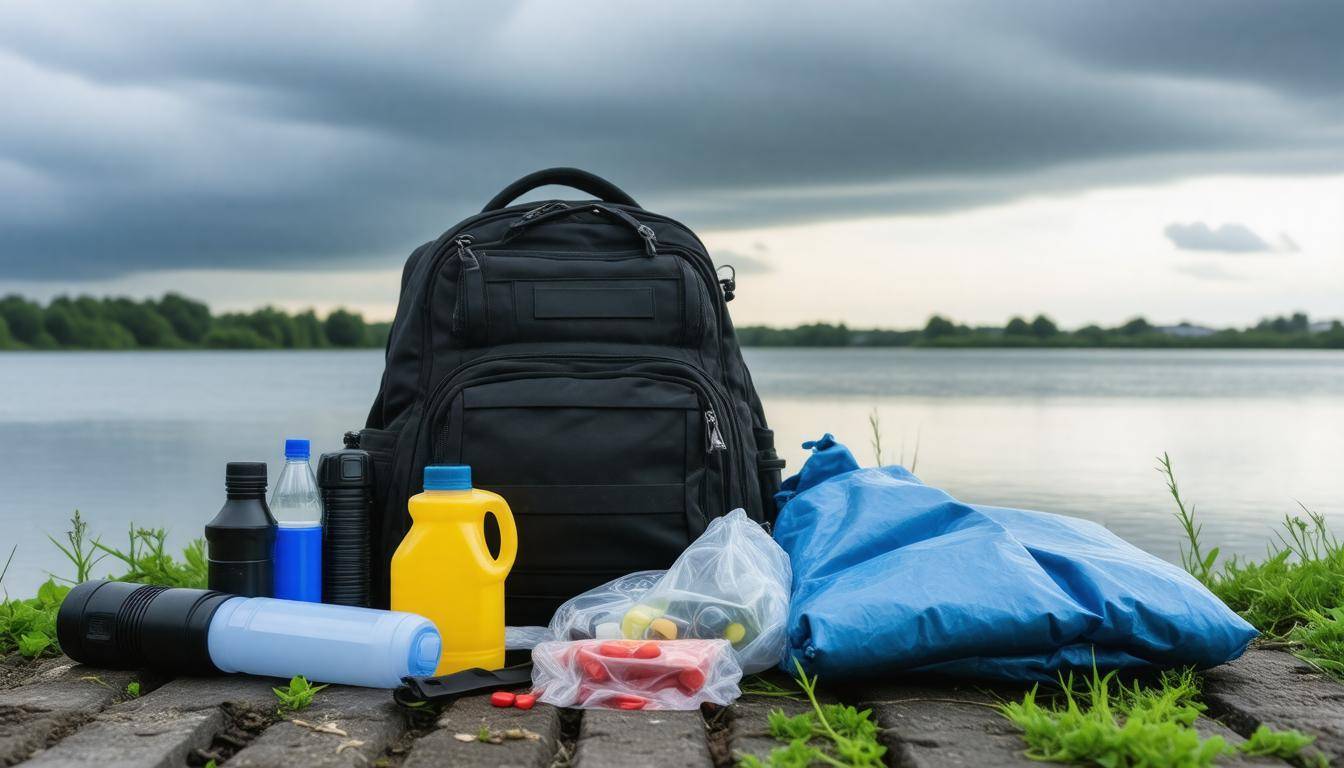
A comprehensive Uruguay River Basin Flooding Preparation Kit should include essential items such as water, non-perishable food, first aid supplies, flashlights, batteries, and important documents secured in waterproof bags. Additionally, it’s advisable to have a battery-powered radio and a means of communication, such as a fully charged mobile phone, to stay informed during flooding events.
Overview of Flood Risks in Uruguay River Basin
The Uruguay River Basin is not just a geographic entity; it is a living pulse of diverse ecosystems and communities that face inherent vulnerabilities. Flood risks here are amplified by a combination of environmental and human factors. Heavy rainfall is the most significant contributor, particularly during the summer months when storms can occur almost suddenly. Seasonal weather patterns can result in water levels rising rapidly, overwhelming riverbanks and causing widespread flooding.
Furthermore, the topography of the region matters significantly. With varied elevations from mountains to flat plains, water tends to drain poorly in certain areas, which leads to pooling and increased flood conditions. Urban development can worsen this scenario—more pavement means less ground absorption for rainwater, leading to increased run-off during heavy downpours. This run-off can create flash floods that catch residents off-guard, leading to disasters in previously safe zones.
Understanding these foundational aspects of flood risks can empower communities to engage in effective planning and response strategies.
The implications of flooding extend beyond immediate threats to safety; there are also long-term repercussions. Homes, businesses, and infrastructure face damage that may take years and significant funding to repair. Floodwaters can carry debris and pollutants that affect both public health and local economies. For example, agricultural lands inundated with floodwaters often suffer from soil degradation and loss of productivity, creating cycles of economic hardship for farmers.
Given this landscape of risk and potential devastation, proactive measures become essential for all communities within the basin. Establishing early-warning systems based on enhanced forecasting technology can dramatically improve response times and resource allocation during high-risk periods. Community preparedness campaigns aimed at educating local populations about emergency plans could also make a vital difference, ensuring that residents know what steps to take before disaster strikes.
Recognizing the various factors that contribute to flood risks serves as a foundation for developing comprehensive strategies and solutions moving forward. Let’s now examine some crucial components necessary for maintaining safety during flooding events.
Essential Items for Your Flood Preparation Kit
Step I – Basic Necessities
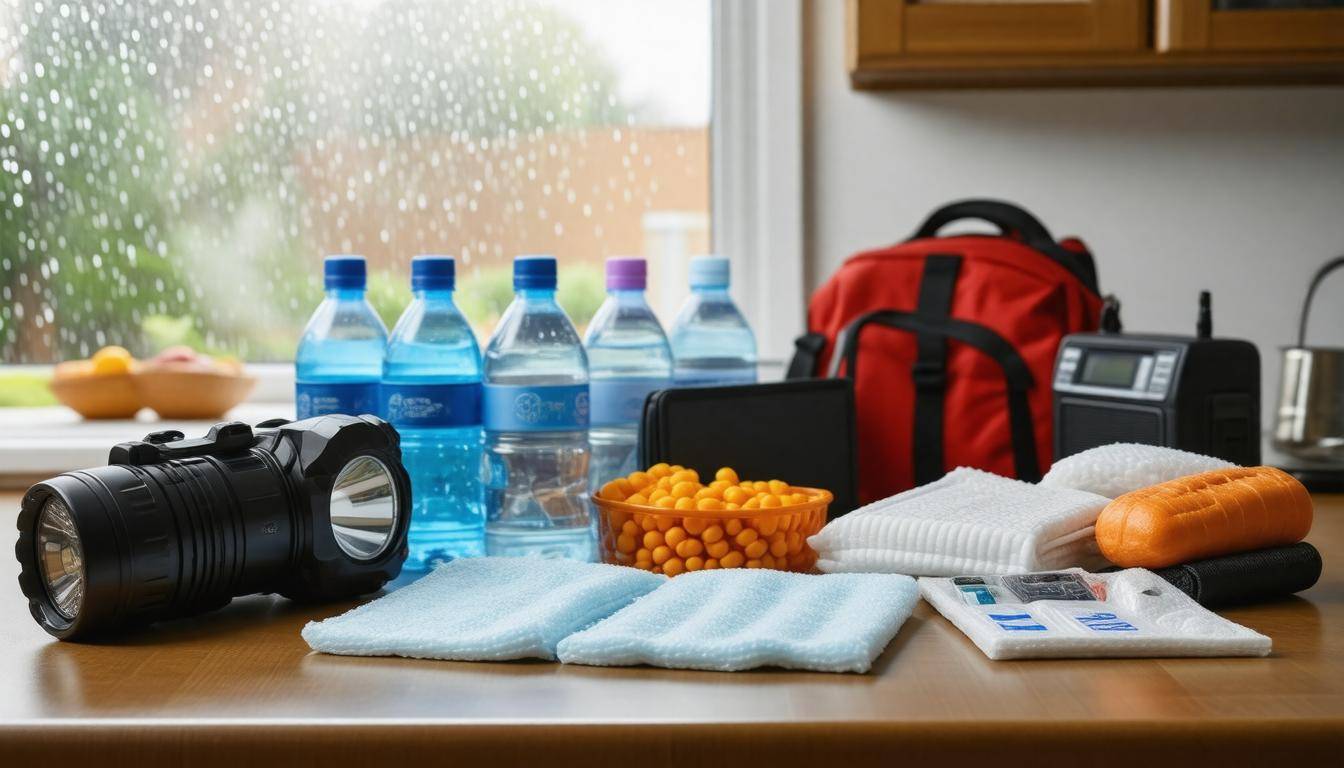
First and foremost, having emergency food and water supplies is crucial. It’s recommended that you pack at least a three-day supply of non-perishable food, which includes items like energy bars, canned goods (vegetables, fruits, soups), and dried fruits.
Importantly, account for at least one gallon of water per person per day. This ensures hydration not only during the initial flood but also in the aftermath when access may be limited.
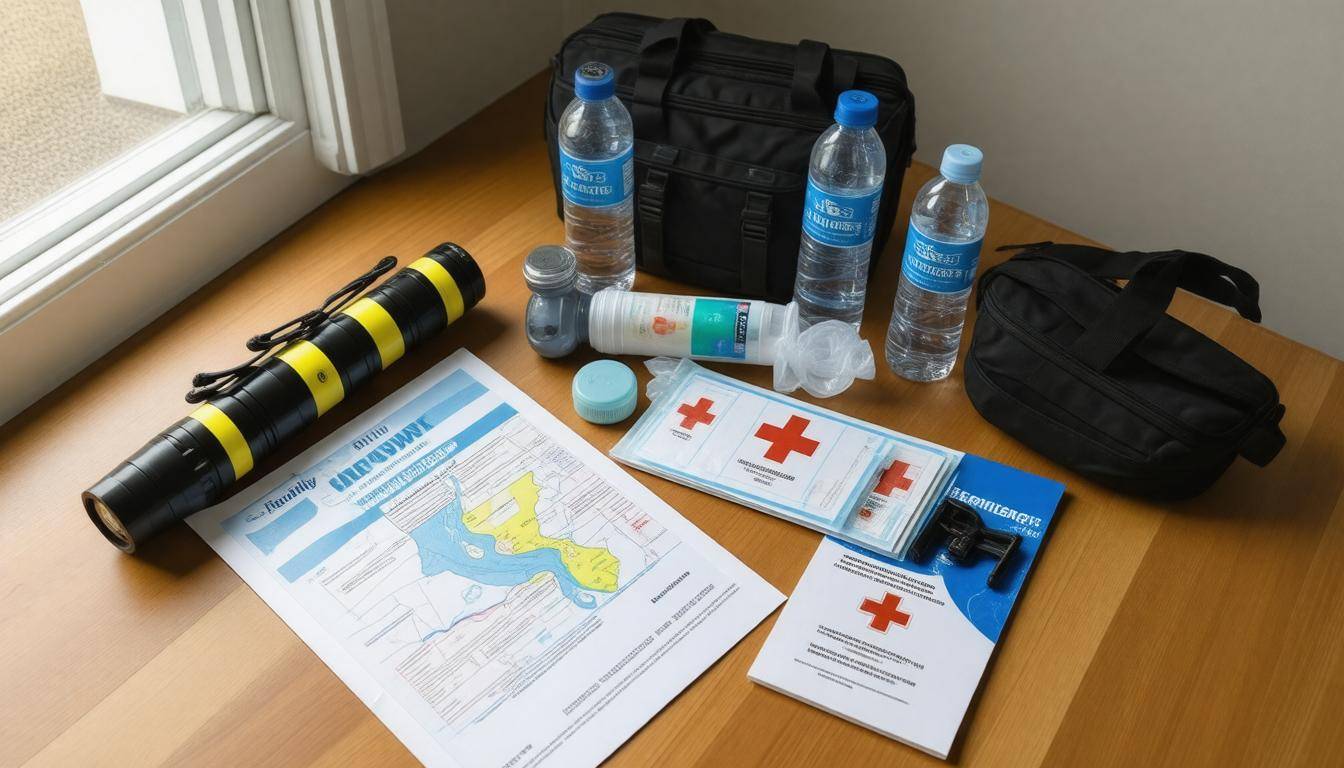
The next critical component is a first aid kit. This should include bandages, antiseptic wipes, adhesive tape, pain relievers, and any prescription medications you or family members might require. Think of it as your very own mini-hospital; without it, a small injury can turn into a larger problem if care isn’t readily available.
Another essential item is flashlights with extra batteries. Power outages are common during floods, so keep several flashlights on hand, preferably LED ones because they last longer. You wouldn’t want to fumble around in the dark trying to find your way or worse, miss an alert about rising water levels due to lack of light.
Once you’ve assured the basics in your kit, it’s time to think critically about how you’ll communicate throughout this emergency situation.
Step II – Communication Tools
An often-overlooked yet vital item is a battery-powered or hand-crank radio. This tool can connect you to weather updates and emergency broadcasts that are crucial in staying informed about evolving conditions in your area.
Remember that mobile networks may go down in a natural disaster—having an alternative means of receiving information can be a lifesaver.
In addition, don’t forget to include a fully charged power bank for your mobile phone within your kit. In times of crisis, keeping your phone charged is important not only for communication but also for accessing emergency apps that can guide you through evacuation routes or shelters.
Having multiple ways to charge your devices increases the chances you’ll stay connected when it matters most.
But let’s not stop there; specialized items can further elevate your flood preparedness and greatly enhance your safety. Next, we’ll examine the specific provisions you should consider for food and hydration needs during emergencies.
Recommended Water and Food Supplies
Ensuring that you have enough water and food supplies can make a significant difference during a flood. It’s not just about having provisions; it’s about making sure they are adequate, practical, and easy to access when the situation arises.
First and foremost, let’s talk about water. As a standard guideline, having at least one gallon of water per person per day for at least three days should be your goal. However, if you have the means, consider stocking up more—especially in areas known for prolonged flooding. Remember, it’s not only for drinking but essential for sanitation too.
One thing many people overlook is hydration needs during high levels of stress, which floods can cause. You may find yourself more thirsty than usual due to anxiety or physical exertion during the early moments of evacuation or preparation. Having that extra supply can keep you feeling better and more energized when it counts most.
When it comes to food, opt for non-perishable options like canned goods, energy bars, and dried fruits that require minimal preparation yet provide essential nutrition. Items like canned beans, soups, and tuna are excellent choices since they have long shelf lives and are packed with protein. Consider incorporating ready-to-eat meals, which can be a lifesaver when cooking might not be an option—or when you simply want to minimize effort.
Investing time in choosing your food wisely can result in critical benefits during a flood situation. A family in Salto experienced this firsthand during the 2019 floods; their comprehensive preparation with these essentials allowed them to sustain themselves for over a week without outside assistance. It’s stories like these that highlight the importance of thoughtful planning.
“Prepare the food that nourishes both body and peace of mind,” as many have learned through necessity.
Lastly, take special care to periodically check your stockpile. Rotate your supplies every six months; this ensures everything remains ready for action when you need it most. High humidity can also affect food storage longevity, so ensure everything is sealed properly to avoid spoiling or contamination. Regular checks will help keep your peace of mind intact as well as your vital resources ready for use when flooding occurs.
With these fundamental supplies in place, you’re already ahead of the game. Now let’s explore additional gear that plays an equally crucial role in enhancing your flood safety preparedness.
Other Critical Equipment for Flood Safety
One often overlooked but crucial piece of equipment is a first aid kit. A well-stocked first aid kit enables you to respond to minor injuries quickly—think cuts or scrapes that could easily occur in chaotic situations. A comprehensive first aid kit should include items like adhesive bandages, antiseptic wipes, gauze pads, and antibiotics like Neosporin. Keeping it accessible and familiar means you won’t waste precious moments fumbling around when every second counts.
In addition to basic first aid supplies, consider incorporating a weather radio into your emergency toolkit.
With flood conditions, staying informed is key. A weather radio allows you to receive real-time updates about changing weather patterns and flood warnings even when there’s no power. Ensure yours has NOAA channels dedicated to emergencies. Furthermore, choose a model that can be powered by solar energy or hand-crank charging methods so you can maintain functionality regardless of electrical outages.
As we build upon gear for safety, let’s not forget the importance of reflecting on how to navigate during high water.
Navigation Tools
GPS devices and maps are invaluable during flood situations when traditional routes may be blocked. While many rely solely on smartphone navigation apps, it’s wise to have paper maps as backups since cell service can falter during severe weather events. Familiarize yourself with local topography beforehand, identifying potential evacuation routes and dry land options ahead of time—this knowledge paired with navigational tools can prevent tripping up in unexpected scenarios.
Lastly, amidst the vital equipment for survival, consider the emotional aspects of enduring such stressful times.
Keeping some form of comfort or item that promotes mental well-being should not be underestimated. Items such as books, puzzles, or even small games can provide respite from the chaos and help keep spirits high among family members during challenging times. This simple addition fosters a sense of normalcy amid disaster preparation that often gets overlooked.
Preparing your toolkit is just one layer of safety; let’s now turn our attention to measures for protecting your living space against potential flooding.
Securing Your Home Against Flooding
One effective approach is ensuring elevation and sealing of critical appliances and electric systems. If you have a furnace or water heater, consider installing them on upper floors or at least above the expected flood level. This step can prevent costly damage. Investing in elevation can save you thousands in repairs after a flood. Moreover, sealing the basement and foundation walls using waterproof coatings creates a barrier against moisture, keeping your living spaces dry.
While elevation and sealing form a solid foundation for protection, they are just the beginning of a comprehensive flood defense strategy.
Step I – Elevation and Sealing
As mentioned earlier, elevating critical appliances is crucial; they should be placed as high as possible above ground level. The same goes for electric outlets—consider having them installed much higher than usual. If floodwaters rise unexpectedly, keeping your key systems safe can make all the difference in recovering swiftly afterward.
Additionally, sealing entry points such as windows and doors helps reduce potential water entry into your home. Invest in quality weather stripping that withstands the test of time, preventing not just weather but also moisture from seeping through any cracks. Using caulk along seams in masonry work or foundation joints can effectively stop water infiltration into your living space.
Now that we’ve set up defenses at elevation points, let’s tackle how barriers help keep water at bay.
Step II – Installing Barriers
While using sandbags and flood barriers may appear to be straightforward solutions for stopping flooding, their effectiveness relies heavily on proper installation. The frontlines of exterior defense need to be strategically placed; stacking bags without awareness can lead to wasted efforts. Research from FEMA supports this assertion, showing that when positioned correctly, sandbags can redirect water flow away from structures—this is key to mitigating property damage during floods.
Note that these protective measures are not permanent solutions. After a flood passes, further maintenance will be necessary to ensure these barriers remain effective over time due to wear and tear or debris accumulation. It’s beneficial to have a plan ready for regular inspections so that barriers stay functional during critical moments.
A comprehensive approach incorporates both proactive measures and consistent maintenance to safeguard your home effectively while preparing you for the next crucial steps to ensure safety during emergency situations.
Immediate Safety Actions During a Flood
Knowing exactly what to do during a flood can literally save your life and the lives of others around you. The very first step is to stay informed. It’s essential to monitor local news channels, weather updates, or any emergency alerts on your phone. This keeps you aware of your surroundings and enables you to make quick decisions based on the evolving situation outside.
Evacuation
When evacuation orders are given, it is critical to follow them immediately. Delaying your departure could lead to getting trapped, as rising water is often unpredictable. Many people underestimate how quickly water levels can rise, leading them to think they have more time than they actually do. In fact, 90% of flood-related casualties happen because people do not evacuate in time, according to statistics from the Red Cross. Therefore, pack essentials like medications, documents, and personal items promptly, and don’t forget about your pets—bring them along!
Just imagine being caught in rising waters while trying to leave. The panic sets in quickly as water creeps higher. Having a go-bag with all necessary supplies ready by your door can provide peace of mind and speed up your exit.
Avoiding Floodwaters
It’s equally important to avoid floodwaters completely; never attempt to walk or drive through them. Six inches of moving water can easily knock you down, and just one foot of rushing water can sweep away a vehicle. These facts might sound exaggerated, but they are based on real stories from those whose lives were affected by floods. If you must move from one place to another, always seek higher ground using established routes that are safe and dry.
Floodwaters pose various risks beyond just physical danger—they can carry debris, chemicals, and even wildlife that have been displaced by the flood. Consider health issues too: floodwaters may contain sewage or other toxic substances that threaten your safety. Making well-informed choices will keep you safe while others may falter under pressure; it’s about staying calm and poised even through chaos.
Preparing for immediate safety actions during a flood means having strategies in place beforehand and putting them into practice quickly when needed. Adopting a mindset ready for action can ensure you’re not just reacting to an emergency but effectively managing it.
With these immediate safety actions laid out, we now turn our attention to ensuring that you’re equipped with the latest information essential for navigating unpredictable weather conditions.
Keeping Updated with Weather Alerts
The importance of real-time weather alerts cannot be overstated. They act as your early warning system, providing crucial information about approaching storms and potential flooding. These alerts can mean the difference between a calm evacuation and being caught unprepared when water begins to rise unexpectedly. Trustworthy notifications from local agencies ensure that you can react swiftly, keeping your family safe and secure.
Step I – Register for Alerts
The first step in staying updated is to register for weather alerts. This couldn’t be easier. Apps like WeatherBug or the National Weather Service (NWS) provide personalized notifications based on your location. This ensures that alerts are relevant and timely. Many of these apps offer push notifications directly to your smartphone, allowing you to receive warnings as they happen. It’s wise to consider registering for both local emergency alerts and national weather updates, as having multiple sources ensures you don’t miss critical information.
Once you’ve signed up for alerts, the next step is to make it a part of your daily routine.
Step II – Monitor Regularly
Continuously monitoring updates from trusted news channels or social media accounts dedicated to severe weather can further enhance your safety preparations. For instance, a family in Paysandú learned about imminent flooding through a timely NWS alert and evacuated safely, preventing potentially devastating harm. This demonstrates how making it a habit to check these updates can save lives.
Nobody wants to be in the dark about severe weather, especially when planning outdoor activities or even mundane errands.
It isn’t just about receiving alerts; it’s about understanding them too. Whether it’s a flash flood watch or an advisory about severe thunderstorms, knowing what each alert signifies helps in taking appropriate actions. Consequently, familiarize yourself with the terminology used by weather agencies so you can respond proactively rather than reactively.
By incorporating these practices into your daily life, you’ll ensure that you’re always informed about weather conditions—an essential part of safeguarding your family’s well-being in emergencies.
Creating a Family Emergency Plan
Planning makes a significant impact on your ability to act effectively during flood situations. Developing a detailed emergency plan requires thoughtful preparation that can save lives and reduce chaos when the time comes. A family emergency plan serves as the foundation for your household’s readiness, so let’s break it down.
Step I – Family Meeting Points
Designating two meeting spots is essential: one should be close to home—a neighbor’s house or a large tree in the yard—and another should be further away, perhaps at a local park or community center outside of your neighborhood. This gives your family clear directions on where to go if they need to evacuate. When everyone knows these locations, it fosters confidence that you’ll have a reliable place to reunite. Make sure all family members are aware of these points and practice how to get there.
Next, consider how you will communicate with each other during an emergency.
Step II – Communication Strategy
Establishing a communication plan involves designating both local and out-of-town contacts who can serve as lifelines in crises. In the event of flooding, local communications may fail, but often you can still reach someone outside the area. Choose a friend or relative who lives far enough away from the flood zone that they won’t be affected by the disaster. Ensure every family member knows how to reach these contacts and that they have all necessary numbers saved on their phones. Having this sort of backup communication eases anxiety when conditions become chaotic.
Now that you’ve mapped out where to meet and who to contact, it’s time for action: practicing these plans.
Step III – Drill Practices
Conducting regular family drills reinforces the information shared during meetings and ensures that everyone knows the actions to take and protocols to follow during a flood event. Make it feel like a routine part of life! Choose a specific day each month to practice your emergency procedures—this allows everyone to become familiar with what needs to happen without feeling rushed or stressed in real emergencies. Be sure everyone understands their roles within the plan; this includes what supplies to gather and where to go. Each practice session builds confidence in your family’s readiness.
| Item | Quantity | Notes |
|---|---|---|
| Bottled Water | 1 gallon/day | Enough for three days for each family member |
| Canned Food | Varies | Include can opener |
| First Aid Kit | 1 | Comprehensive with necessary medications |
| Flashlights | 2-3 | With spare batteries |
| Portable Chargers | 2 | Fully charged |
Creating an effective emergency plan prepares your family and provides peace of mind knowing you’re ready for whatever challenges may arise during flooding events.
In summary, thorough planning, open communication, and regular practice are crucial components for ensuring safety in case of flooding in the Uruguay River Basin. Being proactive today can mean the difference between chaos and smooth operations tomorrow.