
When it comes to preparing for flooding, many people feel overwhelmed by the thought of what they need to do. It can seem like a daunting task, but having a solid plan in place can make all the difference when disaster strikes. Picture yourself facing rising waters and wondering if you have everything needed to keep your family safe and secure. That’s where a Valley Flooding Preparation Kit comes in. By gathering essential emergency supplies ahead of time, you give yourself peace of mind and are better prepared for whatever may come your way. Let’s walk through what you should include in your kit to ensure you’re ready for anything that floods might throw at you.
In your Valley Flooding Preparation Kit, you should include essential items such as non-perishable food, water (one gallon per person per day), a first aid kit, flashlights with extra batteries, a multi-tool, and personal safety gear like masks and sunscreen. Additionally, ensure you have important documents like your emergency plan and contact information readily accessible within the kit to facilitate preparedness during flooding events.
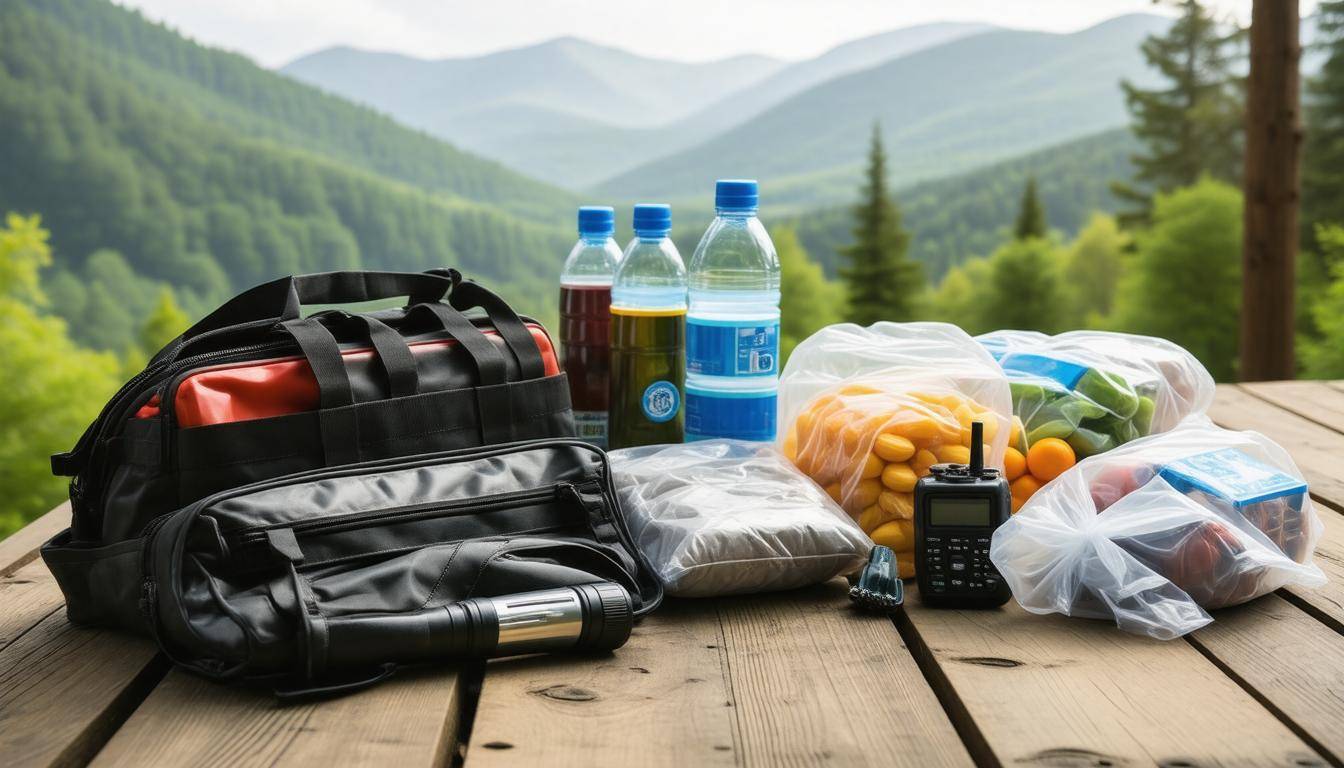
Packing Your Valley Flooding Preparation Kit
Step I – Gather Essential Supplies
Start by gathering fundamental items that will support you and your family in the event of an emergency.
Water should be your first consideration—store at least one gallon per person per day for a minimum of three days, totaling twelve gallons for a family of four. This is often overlooked.
Likewise, non-perishable foods such as canned goods, energy bars, and dried fruits are critical since they provide sustained energy without needing cooking equipment.
Don’t forget necessary medications; having a supply could make all the difference in maintaining health amid chaos.
Keep in mind that you may not have access to your usual comforts, so having adequate supplies is imperative.
Once you’ve secured these essentials, it’s time to think about protection and safety for you and your family.
Step II – Personal Protective Equipment (PPE)
As you pack your kit, personal protective equipment becomes vital.
Waterproof boots are essential for traversing potentially hazardous floodwaters, protecting both your feet and ensuring safe movement through debris-strewn ground.
Gloves serve a dual purpose: they protect your hands while also providing grip should you need to navigate hazardous materials or rescue someone.
Furthermore, N95 masks are crucial as flood conditions can stir up mold spores and dust particles that pose serious respiratory hazards. Protecting yourself from what lies hidden beneath the murky waters is just as important as ensuring you have enough food and water.
With essentials gathered and protective gear packed, attention shifts to keeping lines of communication open during emergencies.
Step III – Tools for Communication
Including tools for communication within your kit is equally important.
A battery-operated radio will keep you informed of updates regarding the flood’s status and other emergency information. During power outages—a common occurrence in severe weather—it’s important to have this technology easily accessible within your kit.
Pair that with a fully-charged power bank; keeping phones charged ensures you maintain contact with loved ones and emergency services when needed.
Note that having local maps printed out can help guide your evacuation route should digital navigation fail.
As preparation intensifies, exploring specific items to include in your supplies becomes essential for maximizing safety during perilous situations.
Essentials List for Flood Emergencies
When faced with potential flooding, having the right supplies can mean the difference between being overwhelmed and staying safe. Your emergency kit should start with a three-day supply of water—this translates to one gallon per person per day. Hydration is essential, especially if you’re cut off from clean water sources due to flooding, so ensure you have enough on hand for every member of your family.
Alongside hydration, consider non-perishable food items such as canned goods and granola bars. These foods not only provide necessary nutrients during a stressful time but are also easy to store and prepare. It’s smart to pack items that require minimal cooking or just need water to rehydrate since access to cooking facilities may be limited.
Imagine you’ve just experienced a flood warning, and everyone is anxious about what might happen next. The last thing you want is to rummage through cupboards looking for food when stress levels are high. Having a well-stocked kit can alleviate those worries.
Next on your list should be an adequately stocked first aid kit. This should include essential medications and supplies like band-aids, antiseptic wipes, and over-the-counter pain relievers such as Tylenol. You never know when someone might need medical assistance, so having this kit ready ensures you’re prepared for minor injuries or emergencies.
Besides medical supplies, it’s vital that you pack a flashlight with extra batteries. Power outages are common during floods, and having light can provide comfort and safety in dark, challenging situations. A whistle is another small yet essential tool; it can help you signal for help in case you find yourself isolated.
Local maps are crucial too; GPS may be unreliable if networks are down or satellites are obstructed by clouds or debris. Knowing alternative routes out of your area—or even simply understanding where local shelters might be—is imperative in an emergency.
One of the often-overlooked needs during flooding is sanitation supplies. Items like wet wipes, garbage bags, and basic hygiene necessities play a key role in maintaining health amid challenging circumstances. Personal hygiene items like toothbrushes, toothpaste, and sanitary products help one feel more at ease when living in unpredictable conditions.
Finally, ensure your emergency kit includes sleeping bags or warm blankets for each person. In the event that you need to sleep away from home—for instance, at a shelter—having these items on hand guarantees warmth and comfort. The emotional impact of a flood can be intense; little comforts can create a sense of normalcy amidst chaos.
| Item | Quantity | Purpose |
|---|---|---|
| Water | 1 gallon/day | Hydration |
| Non-perishable Food | 3-day supply | Nutrition |
| First Aid Kit | 1 | Medical emergencies |
| Flashlight | 1 | Vision during power outage |
| Whistle | 1 | Emergency signaling |
| Local Maps | 1 | Navigation if GPS fails |
| Multi-tool | 1 | Various uses |
| Sanitation Supplies | Variable | Hygiene |
| Personal Hygiene Items | Variable | Comfort and cleanliness |
| Sleeping Bags | Per person | Warmth and comfort |
As you gather these vital supplies into your preparation kit, remember that understanding safe locations will further enhance your readiness for any upcoming challenges.
Choosing a Safe Location
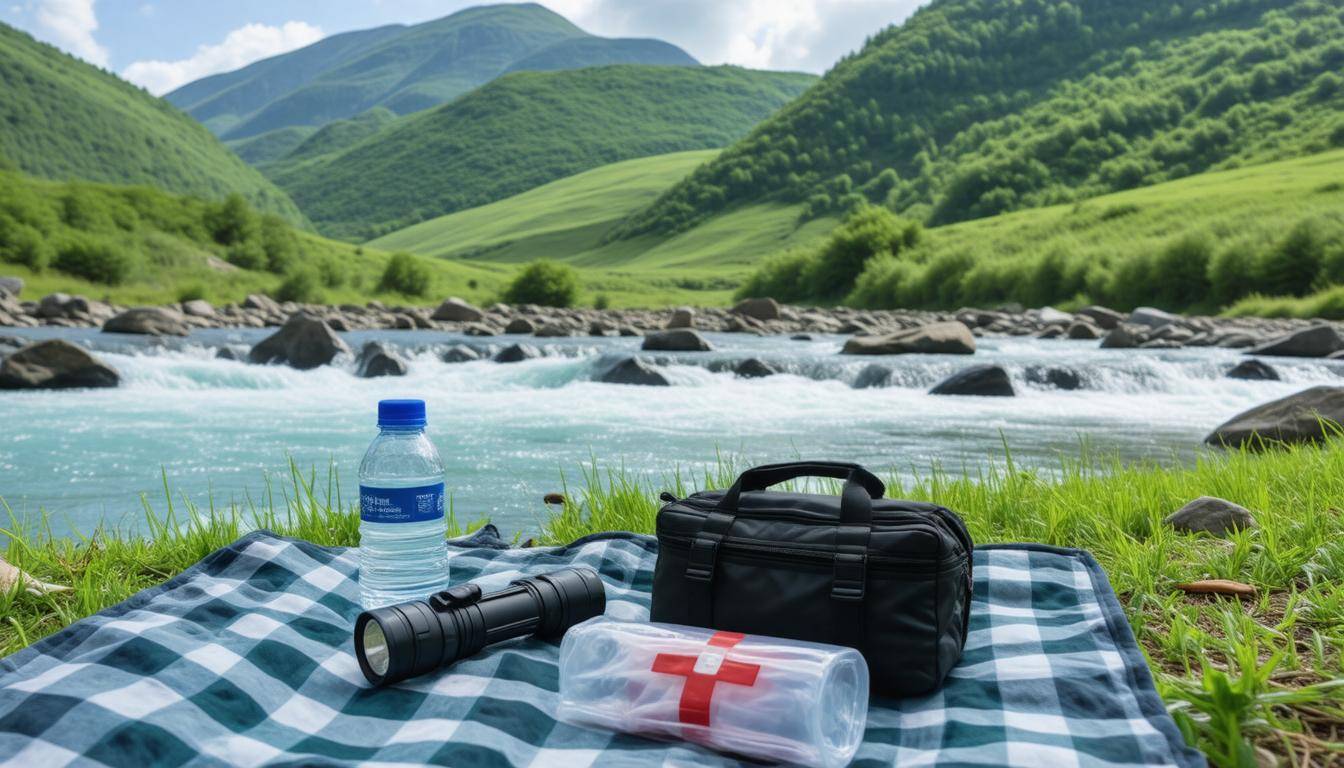
When it comes to flood preparedness, selecting a safe location is crucial. First and foremost, you want to ensure that the area you choose is at least 10 feet above the expected flood level. This is critical to avoid the rising waters that can cause damage to property and endanger lives. In your search for higher ground, think about places that are commonly known for being resilient against floods—these include hillsides or elevated land far away from waterways.
Step I – Identify Evacuation Routes
Familiarize yourself with local evacuation routes. Your local municipality often provides detailed maps illustrating paths to safety zones that are less likely to be affected by flooding. These routes may change depending on the extent of the flood, so it’s wise to have a backup plan in place. Make sure these pathways remain accessible during inclement weather because heavy rains can obstruct roads quickly, and knowing alternative routes could make all the difference when you’re in a hurry.
Keeping an eye on your surroundings is only one piece of the puzzle; knowing where to store your valuables also plays a significant role in staying safe.
Step II – Choose Higher Ground
Designating a high location within your home for placing valuables and important items is vital. This means picking an upper floor or even a high shelf where you can keep critical documents, family heirlooms, and electronic devices above potential floodwaters. The last thing you want is for cherished possessions to become waterlogged or irreparably damaged during a deluge. You might even consider using waterproof containers for storing critical documents or irreplaceable items; this will provide an extra layer of protection.
Additionally, it’s beneficial to check local flood maps and historical data risks related to your area. Engaging with your community’s floodplain managers can offer insights beyond what general maps show, helping you identify specific areas of risk around your home. Understanding not just where the floodwaters rise but also how quickly they can reach certain elevations will further empower you to make informed decisions based on your surroundings.
Considering elevation isn’t just about safety; it’s also about protecting everything you hold dear amidst unpredictable circumstances. With preparation in mind, let’s examine additional strategies for safeguarding your most important assets when disaster strikes.
Protecting Your Home and Family
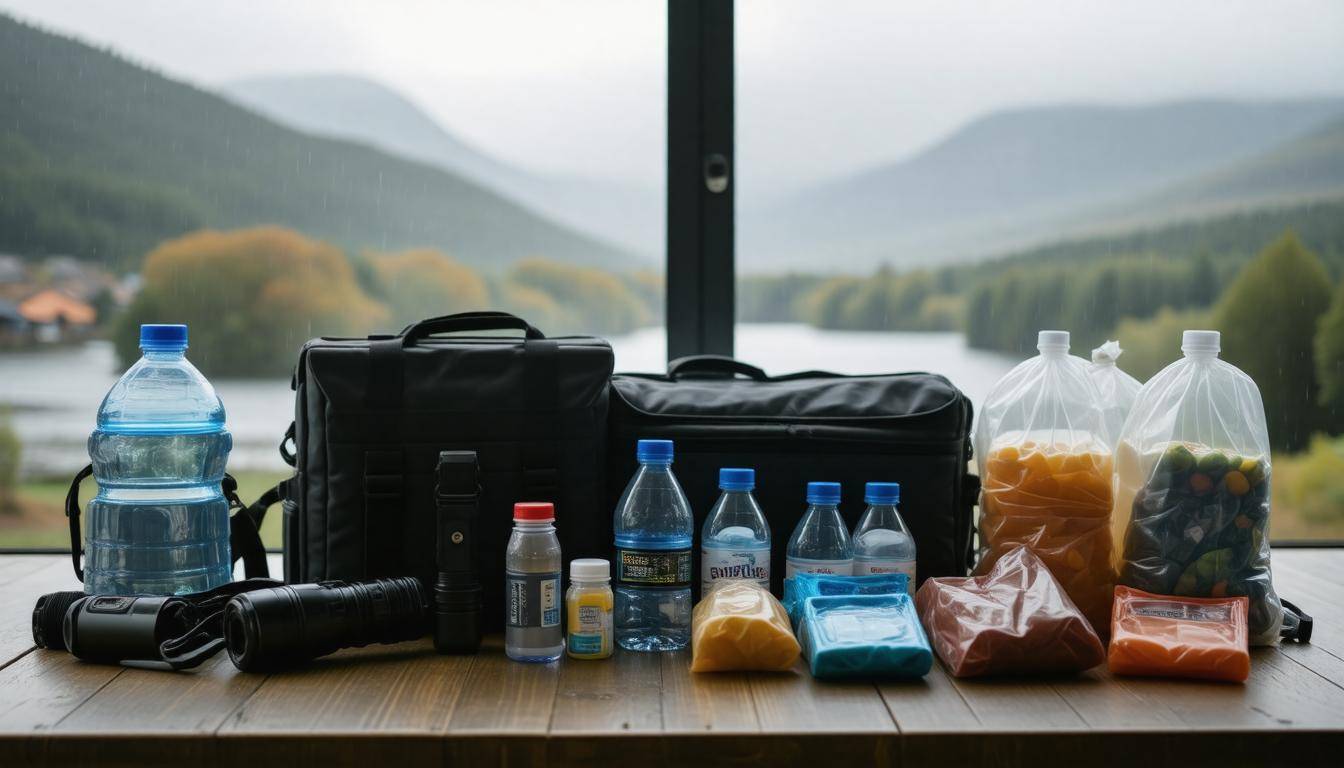
The reality is that valley flooding can happen without warning, and being prepared requires careful planning and a few key actions. One effective method of preparing your home involves sandbagging, a straightforward yet crucial step. Sandbags can easily be obtained from local suppliers or community organizations, and when strategically placed around vulnerable areas such as doors and windows, they act as a temporary barrier against rising water levels.
Sandbagging
When building these barriers, you want to ensure that the bags are stacked tightly together, creating an impenetrable line against floodwaters. It’s similar to constructing a small fortress—each layer adds stability and strength to your defense. A general rule is to build the wall at least three feet high for optimal protection.
However, preparation is key; it’s smart to create a stockpile of sandbags ahead of time rather than waiting until rain clouds start gathering overhead. By being proactive, you’ll have everything on hand when you need it most.
While safeguarding your property is essential, ensuring everyone in your household knows what to do during an emergency is equally important.
Emergency Family Plan
Developing a robust family emergency plan can make all the difference when faced with a disaster. This should start by designating meeting spots—both local and safe locations further away—so that if you are separated, every family member knows where to go. Imagine the chaos during a flood when you haven’t discussed where to regroup; panic might set in, making an already difficult situation that much worse.
Furthermore, conduct practice drills regularly so that everyone knows their role in the event of an emergency. Knowing how to quickly grab essential emergency supplies (like those sandbags you’ve stacked) or even how to safely evacuate can save valuable minutes during critical moments.
A unique yet vital part of this plan is establishing a communication system involving both local contacts and out-of-town family members. In case local lines go down, having someone outside the potentially affected area who can relay messages can keep your loved ones informed and provide peace of mind.
Finally, remember to think about your home’s structural integrity beyond sandbagging and communication plans.
Further Protective Measures
Elevating electrical systems, installing sump pumps with backup power sources, and sealing foundation cracks are proactive steps that will fortify your home against flooding. Each action reflects not just preparedness but resilience against unpredictable weather patterns due to climate change.
Turning knowledge into practice ensures greater safety for both your property and precious family members amid potential flooding events.
As we consider further strategies for safety and security during adverse weather conditions, let’s shift our focus to the steps you can take when facing imminent flood threats.
Safety Measures During Valley Floods
One of the most crucial steps during valley floods is to avoid floodwaters entirely. Picture this: You might stumble upon what seems like a harmless puddle, but according to the National Weather Service, just six inches of moving water can easily knock an adult off their feet, while twelve inches could sweep away a small car. This is no trivial matter.
It may be tempting to navigate through shallow waters or check on properties, but it’s simply not worth the risk that comes with unpredictable currents and hidden hazards beneath the surface. Keeping a safe distance from flooded areas is essential for your safety.
Think about it: Would you jump into a pool filled with sharks because you think they’re friendly? Just as you wouldn’t take that risk, avoiding floodwaters is the smart choice when faced with flooding situations.
Transitioning now to another important aspect of flood safety—staying informed. In today’s world, reliable information is your best ally. Use trusted sources, such as local news stations or NOAA Weather Radio, to monitor weather changes and updates on emergency responses.
These resources can provide vital insights into developing situations in real-time. Moreover, consider downloading apps like AlertSCC or similar services tailored to your local area; these apps ensure you receive immediate notifications about floods or severe weather alerts right on your mobile device.
Take a moment to visualize this: You wake up in the dead of night to discover rainfall heavier than you’ve seen before. Your heart races as your phone vibrates relentlessly with alerts about rising water levels nearby.
With the right apps set up ahead of time, you’ll be equipped with timely updates that could guide your decisions, whether that’s evacuating yourself and your family or taking protective measures at home.
While accessing information is critical, being prepared should also involve having essential supplies and plans in place well before floodwaters threaten your community. This proactive approach helps manage risks and prepares you for sudden flooding events effectively.
As we explore what items are necessary for preparedness, it’s essential to consider how different environments can influence what you may need.
Terrain-Specific Considerations
Different terrains pose unique challenges during floods, and understanding these specific challenges can help you better prepare. Take hilly areas, for instance; when rain falls heavily on steep slopes, gravity acts quickly. Water rushes down these inclines and can accumulate rapidly in the valleys below. If you find yourself living near these vulnerable zones, it’s wise to consider solutions such as installing water-diversion barriers. These barriers act as a dam against rising waters, allowing you to protect your property effectively before an emergency arises.
Now, shifting our focus to low-lying areas, the issues become more pronounced. Floodwaters naturally gather in depressions, meaning properties situated in these regions are at a higher risk. If you’re living in a low-lying area, constructing levees or raised barriers can make a significant difference in reducing potential flooding risks. This proactive approach may save not just your home but also your peace of mind.
Additionally, having a sump pump installed can be particularly beneficial for coping with low-level flooding. This device works tirelessly to remove accumulated water from unwanted spaces in and around your home. It’s somewhat like having a loyal guardian dedicated to keeping your living space dry and secure during stormy weather.
It’s worth noting that taking terrain-specific precautions will not only help mitigate flood damage but can also ensure that you and your loved ones remain safe and prepared in the event of a major flooding incident.
As you consider these terrain-specific recommendations, implementing effective strategies is crucial for ensuring comprehensive readiness. Now let’s look into the meticulous preparations you’ll need to execute as you finalize your emergency kit and packing necessities.
Final Checklist and Packing Tips
As you finalize your preparations, it is crucial to conduct a meticulous check of your emergency supplies. Ensure all items from your essentials list are packed neatly and easily accessible, while regularly checking them against expiration dates. Regular upkeep helps you avoid unpleasant surprises when you need these items the most.
Moving beyond just listing what to pack, let’s explore some practical packing tips that can make all the difference.
Packing Tips
One of the best ways to secure your emergency kit is by storing it in a waterproof container. This protects your supplies from moisture damage, which can be critical during flooding situations. Opt for lightweight yet durable containers that can be easily carried if evacuation becomes necessary. Mobility is essential while ensuring your crucial items are secured.
To enhance organization, consider using resealable plastic bags for smaller supplies. Not only do they keep items dry, but they also allow you to group similar items together. For instance, band-aids and antiseptics can go into one bag, while snacks like energy bars are stored in another. This organization saves time when you’re in a rush because you’ll know exactly where each category of item resides.
It’s also wise to remember: “It’s better to have everything organized than sorting through an uncooperative pile at crunch time!”
Important Documentation
Additionally, ensure that important documents such as insurance papers, identification, and medical records are copied and placed in waterproof containers as well. Keeping duplicates in multiple locations—perhaps one at home and another with a trusted friend or family member—will prevent loss if disaster strikes, keeping you covered even if something goes awry.
By following these final checklist guidelines and packing tips diligently, you’ll not only pave the way for a more organized approach but also bolster confidence in your preparedness for potential flood emergencies. Remember that it’s not just about survival; it’s about ensuring peace of mind as well.
To gain further insights into various emergency kits, visit our affiliate site for detailed reviews on the best flood-preparation kits available on the market today.
In preparation for floods, being organized not only enhances your safety but also provides reassurance during chaotic times.