
Flooding can be a sneaky danger, especially for those living in valleys where water likes to gather. As the skies darken and storms brew, it’s natural to wonder: am I really ready? Knowing what steps to take before a flood hits can make all the difference between chaos and calm. This guide is here to help you navigate the ins and outs of flood preparation for your property in valley areas. With practical advice and useful resources at your fingertips, you can pair safety with peace of mind and ensure that you not only survive but thrive even when waters rise. Let’s dive into how you can assess your risk and arm yourself against flooding in your home.
The “Valley Property Flood Preparation: Complete Guide” covers essential steps for safeguarding your property against flooding, including creating an emergency plan, understanding flood risk through FEMA maps, assembling an emergency kit, and implementing home protection measures such as acquiring sandbags. It emphasizes community engagement and real-time data resources to enhance flood awareness and preparedness.

Evaluating Your Flood Risk in Valley Areas
The first step in evaluating flood risk in valley regions is to consult the FEMA Flood Map Service Center. This resource provides crucial information about whether your property lies within a Special Flood Hazard Area (SFHA). Properties designated within an SFHA have a 1% or greater chance of experiencing flooding each year—this annual likelihood defines what is commonly referred to as a “100-year flood” zone. These maps are updated regularly, so it’s vital to check for any changes that may affect your risk status. Keeping track of these updates can save not only property but potentially lives.
Once you have reviewed the FEMA maps, the next aspect to consider is historical flood data. By examining local government websites or accessing archives from the National Weather Service, you can uncover past flood events that have impacted your area. This compilation of information will paint a clearer picture of how frequently your community has experienced significant flooding and provide insights into the severity of those instances. For example, if your neighborhood was subject to substantial flooding just five years ago, it could indicate similar potential in the future.
Knowing past trends aids in predicting future risks and helps you make informed decisions.
As you analyze your flood risk, it’s equally important to consider local topography and climate changes. Valleys are naturally predisposed to gather and channel water during heavy rains. Water tends to flow downwards, concentrating in lower areas, which means that if your property resides deep within a valley, the risk of flooding can be significantly heightened. Additionally, recent climate changes, such as increased rainfall intensity and unpredictable weather patterns, exacerbate potential flooding threats. Historic norms may no longer suffice; even modest rainfalls can lead to unexpected overflows.
Therefore, being aware of these factors can drastically alter your preparedness strategies. When assessing local geography, look around at nearby creeks or rivers: Are they prone to overflow? How often do they experience high water levels? By understanding both your environment and the prevailing weather conditions, you may better anticipate flooding events and take appropriate actions.
This comprehensive evaluation—taking into account FEMA maps, historical data, local geography, and ongoing climatic shifts—will equip you with the essential knowledge necessary to plan effectively for potential floods in valley areas. The next critical step involves establishing a strategy for communication and alert systems.
Creating a Communication and Alert Plan
Developing a robust communication and alert plan is essential for ensuring everyone in your household knows exactly what to do during a flood. It’s not just about making calls; it involves thoughtful preparation and organization that can prove invaluable when rapid decisions are necessary. Start by identifying the various ways you can keep in touch with family and friends during an emergency. This includes using group messaging apps like WhatsApp or even social media platforms that allow for quick dissemination of information. Think of it as setting up a network; one message can reach several people promptly, keeping everyone informed without overwhelming any single person.
Step I – Establish Communication Channels
As you outline your communication plan, designate both primary and backup methods. While text messages may be the most convenient option, there could be scenarios where cellular service is unreliable. Incorporate various channels into your strategy: emails, phone calls, or even walkie-talkies if you reside in areas prone to power outages or severe flooding. Having this variety allows flexibility.
For instance, while coordinating evacuations, a family in Minnesota effectively utilized a group text on WhatsApp to relay instructions quickly and efficiently during a flash flood warning.
Even with robust communication channels established, it’s crucial to have physical locations agreed upon beforehand.
Step II – Predefined Meeting Points
To further enhance your safety strategy, set up predefined meeting points where all family members can reconvene if separated during a flood event. This could be a safe, elevated location such as a community center or a friend’s home on higher ground. When choosing these locations, ensure they are easily accessible to everyone, including children who may need guidance finding their way during stressful situations.
Discuss these designated spots with your family regularly so that everyone is familiar with them before an emergency strikes. Involving children in planning fosters responsibility and reassurance while empowering them with knowledge that can aid in navigation during chaotic times.
Now that we’ve established where to meet, let’s focus on who to contact and their roles during an emergency.
Step III – Emergency Contacts and Roles
An effective communication plan is incomplete without maintaining a list of emergency contacts. This should include local emergency services alongside family members and trusted neighbors who can assist in crisis situations. It’s wise to have this list saved directly onto your smartphone or written down in accessible places throughout your home.
Assigning specific roles enhances your readiness further. For example, you might designate one person to grab emergency kits while another focuses on securing pets during an evacuation. These assignments not only streamline the process but also provide everyone in the household with clear responsibilities, eliminating confusion when every second counts.
Efficiency in action is simply knowing who does what; together with clear communication methods, you’re far better prepared for whatever mother nature throws at you.
With these strategies in place, you’ll find that preparing for floods doesn’t feel as overwhelming but rather builds confidence within your household team—ready to face challenges head-on together.
Next, we will shift our focus to the necessary supplies and equipment that will aid in effectively managing any flooding situation.
Assembling Your Flood Response Equipment
Being ready for floods goes beyond having a plan; it’s about having the right physical gear on hand. Imagine a stormy night, rain pouring down, and suddenly your basement begins to fill with water. In moments like these, your preparedness can really make a difference. Having essential items at your disposal doesn’t just help manage a flood emergency; it can save your home and ensure your safety.
Essential Items
-
Sandbags: Crucial for blocking floodwaters, they are easy to fill and stack, forming barriers against rising water levels and protecting vulnerable entry points in your home.
-
Portable Sump Pump: This battery-operated device is invaluable during heavy rains. By removing standing water quickly, it helps prevent extensive water damage to your property.
-
Flood Barriers: Whether inflatable or quick-dam types, flood barriers act as shields against water intrusion. They can be deployed swiftly to protect doorways or other openings before conditions worsen.
-
Waterproof Containers: Use these to safeguard important documents like insurance papers or identification. Keeping them protected ensures you won’t lose vital information in the chaos of flooding.
-
Battery-Powered Radio: In times of flood emergencies when power might go out, a battery-powered radio keeps you updated on weather conditions and safety instructions from authorities.
The Federal Emergency Management Agency (FEMA) often runs community workshops that teach how to use these tools effectively.
Attending such workshops not only equips you with knowledge but also provides hands-on experience, ensuring that when the time comes, you’re not fumbling through unfamiliar equipment in a state of panic.
Additional Considerations
While purchasing these essential items is crucial, maintaining their readiness is just as important. Regularly check sandbags to ensure they’re intact and stored properly, keep the sump pump charged or ready with fresh batteries, and practice setting up flood barriers ahead of time.
Preparation isn’t just about tools; it’s about knowing how and when to use them. By understanding local flood patterns and predicting potential areas of concern within your property, you’ll enhance your ability to respond effectively when nature tests you.
As you gather these items and familiarize yourself with their usage, remember that being proactive is key to reducing stress and enhancing safety during flood events. With this foundation laid out, the next step involves examining the impacts of environmental changes on drainage systems.
Landscape Changes and Drainage Solutions
Understanding how to manage water flow on your property is vital for reducing flood risk. One of the simplest yet most effective strategies is grading your yard. This means ensuring that the area surrounding your home slopes away from its foundation. A slope of just 2% can make a significant difference, directing rainwater away rather than allowing it to pool near your home, where it can seep into basements or compromise foundations over time. In some cases, consulting with a professional landscaper may be advisable as they can assess your specific situation and implement necessary changes.
Grading your yard isn’t just about aesthetics; it’s a practical necessity for every homeowner.
Next up, consider installing French drains. These systems are designed specifically to redirect water away from vulnerable areas like basements. French drains consist of gravel-filled trenches containing perforated pipes that capture excess water and funnel it away from your property. They act like a moat, safely managing runoff and significantly preventing flooding. In fact, one homeowner in Texas managed to see an incredible 80% drop in basement flooding simply by implementing this system. If you’re dealing with frequent wetness or standing water after heavy rains, a French drain might be just the solution you need.
Furthermore, selecting the right plants for your landscape can greatly enhance your property’s ability to handle excess moisture. Planting water-tolerant vegetation not only beautifies your garden but also aids in absorbing significant amounts of water. For instance, willows and ornamental grasses thrive in soggy conditions and have deep roots that help draw up water from the soil. This creates a natural drainage system while adding greenery and life to your space.
By making these thoughtful landscape adjustments—like grading your yard, installing French drains, and incorporating water-savvy plants—you can protect your home while enhancing its aesthetic appeal. This proactive approach sets the stage for further safety enhancements involving structural reinforcements.
Basement and Structure Reinforcements
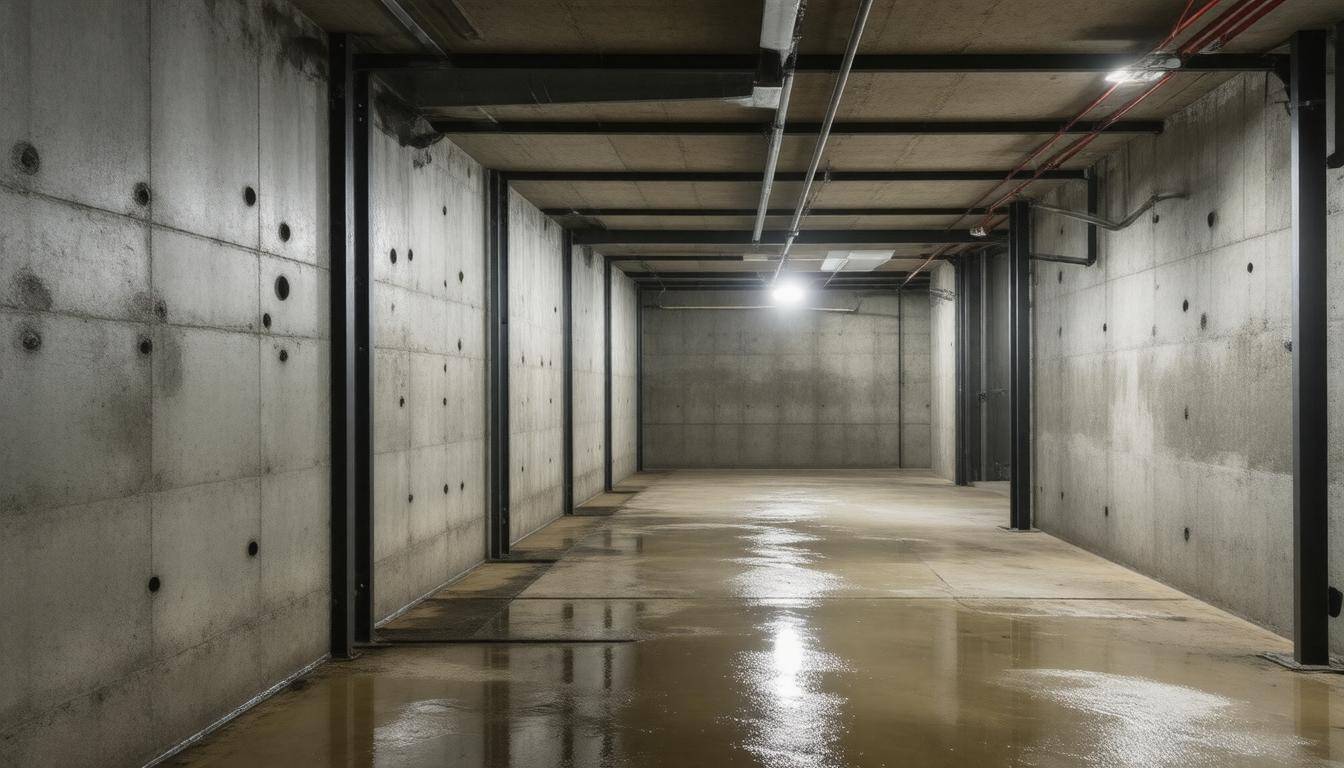
Structural reinforcements can significantly protect your home from severe damage during floods. Think of them as an insurance policy for your property; by taking proactive measures now, you can save yourself considerable trouble down the line. A well-executed reinforcement plan not only enhances your home’s durability, but it also adds to its overall market value.
Step I – Waterproofing Your Basement
One of the most critical aspects of flood preparedness lies in waterproofing your basement. Applying waterproof sealants to basement walls and floors prevents water seepage, which can lead to both damage and mold—the bane of any homeowner’s existence. For the internal walls, silicate-based sealants are effective as they penetrate deep into the concrete. When it comes to the exterior, epoxy-based sealants form an impermeable barrier that repels water and keeps moisture at bay. The payoff from regularly maintaining these barriers far outweighs the inconvenience; preventing even a small amount of water intrusion can save countless dollars on repairs.
After ensuring your basement is watertight, let’s examine how flood vents can further enhance its resilience.
Step II – Installing Flood Vents
Flood vents play an essential role by allowing water to flow through rather than piling against your foundation, dramatically reducing pressure on basement walls during flooding events. By equalizing water pressure on either side of a wall, these vents help save your foundation from cracking or other serious damages. The National Flood Insurance Program recommends having one square inch of vent area for every square foot of enclosed space, which means it’s vital to assess your particular needs carefully. Such installations are often straightforward and highly effective, giving you peace of mind during storm season.
While flood vents will help mitigate pressure, bolstering the foundation itself takes protection a step further.
Step III – Strengthening Foundation
Strengthening your foundation with concrete reinforcements can produce a remarkable increase in resilience against flood waters. This involves adding additional concrete or steel supports that serve to fortify the base of your home. However, it’s crucial to consult with a structural engineer before undertaking this task to ensure that you apply the best methods suitable for your property type and local conditions. They can provide tailored advice and identify any potential weaknesses unique to your structure that would benefit from reinforcement.
These steps—waterproofing, installing flood vents, and reinforcing foundations—are vital elements of a comprehensive flood preparation strategy. Each plays a unique role in safeguarding your home against nature’s unpredictability, fundamentally enhancing comfort and security for your family.
As we look deeper into safeguarding valuable assets, understanding coverage options becomes paramount in effectively managing risk.
Understanding Flood Insurance Coverage
Knowing your insurance options can truly be a lifeline when disaster strikes. In areas prone to flooding, selecting the right type of coverage is essential for financial recovery. Flood insurance may seem confusing at first, but breaking it down into key components will clarify its importance and functionality.
Types of Coverage
There are two main types of flood insurance that every homeowner should familiarize themselves with:
-
Building Property Coverage: This type covers the actual structure of your home—walls, floors, and even built-in appliances like water heaters and furnaces. Essentially, it protects the bones of your dwelling.
-
Personal Property Coverage: This takes care of the contents within your home, including furniture, electronics, and personal belongings. It can help you replace items that might be damaged or lost during a flood.
Each type has its own limitations and exclusions. While you may feel secure having one or both coverages, understanding what they do not cover is just as vital.
Government vs. Private Insurance
While the National Flood Insurance Program (NFIP) provides standardized policies that are often more accessible for residents in flood-prone areas, some homeowners opt for private insurers due to potentially broader coverage options and personalized service. This choice can lead to different premiums and terms, so it’s worth investigating both routes when deciding on your flood insurance.
“Having comprehensive flood insurance is not just a precaution; it’s essential for protecting your home and possessions.”
According to a 2024 report by the Insurance Information Institute, only about 15% of U.S homeowners have flood insurance. This highlights a major risk factor; many homeowners underestimate their exposure to flooding and overlook the importance of obtaining adequate coverage before disaster strikes.
To navigate the intricacies of flood insurance effectively, it’s critical to educate yourself further on local flooding risks and ensure you are adequately covered based on where you live. As we move forward, understanding the immediate steps to take when facing these situations can significantly enhance your safety and preparedness.
Immediate Actions During a Flood
In the face of rising waters, quick and decisive action can save lives and protect your property. The first step during a flood is turning off utilities. This cannot be overlooked. Turn off your gas, electricity, and water mains if there is even a hint of impending flooding. This precaution is vital because live electrical currents combined with water can create extremely dangerous conditions not just for you but for emergency responders as well.
The National Safety Council emphasizes that shutting off these utilities protects both you and your home from additional damage.
After ensuring your home’s safety, the next step is to have an actionable evacuation plan in place.
Step II – Evacuation Plan Execution
When it becomes clear that you need to evacuate, act fast. Always prioritize moving to higher ground immediately but never forget to use designated evacuation routes. These paths are established for safety reasons, avoiding low-lying areas that are prone to flooding. During Hurricane Harvey, many residents managed to evacuate safely only because they adhered to these pre-planned routes, steering clear of particularly treacherous areas known for flash floods.
Be familiar with your local map before the storm hits—knowing the terrain and potential hazards can help keep you safe when quick decisions are essential.
Once you’ve secured a safe exit strategy, focus on finding shelter away from the floodwaters.
Step III – Safe Shelter
Look for community shelters or locations where friends or family live outside of the flood zone. These places often provide not just safety but support during a crisis. If you’re utilizing a shelter, ensure it is equipped with essentials: food, clean water, safety kits, and communication tools like battery-powered radios for up-to-date news and guidelines during emergencies.
Always remember that waiting until flood warnings sound might put you at risk; early evacuation ensures you avoid unnecessary panic and complications later on.
Being proactive in preparation significantly enhances your safety during flood events and ensures you have crucial information at hand as we transition into the steps necessary for recovery and rebuilding.
Recovering and Rebuilding Post-Flood
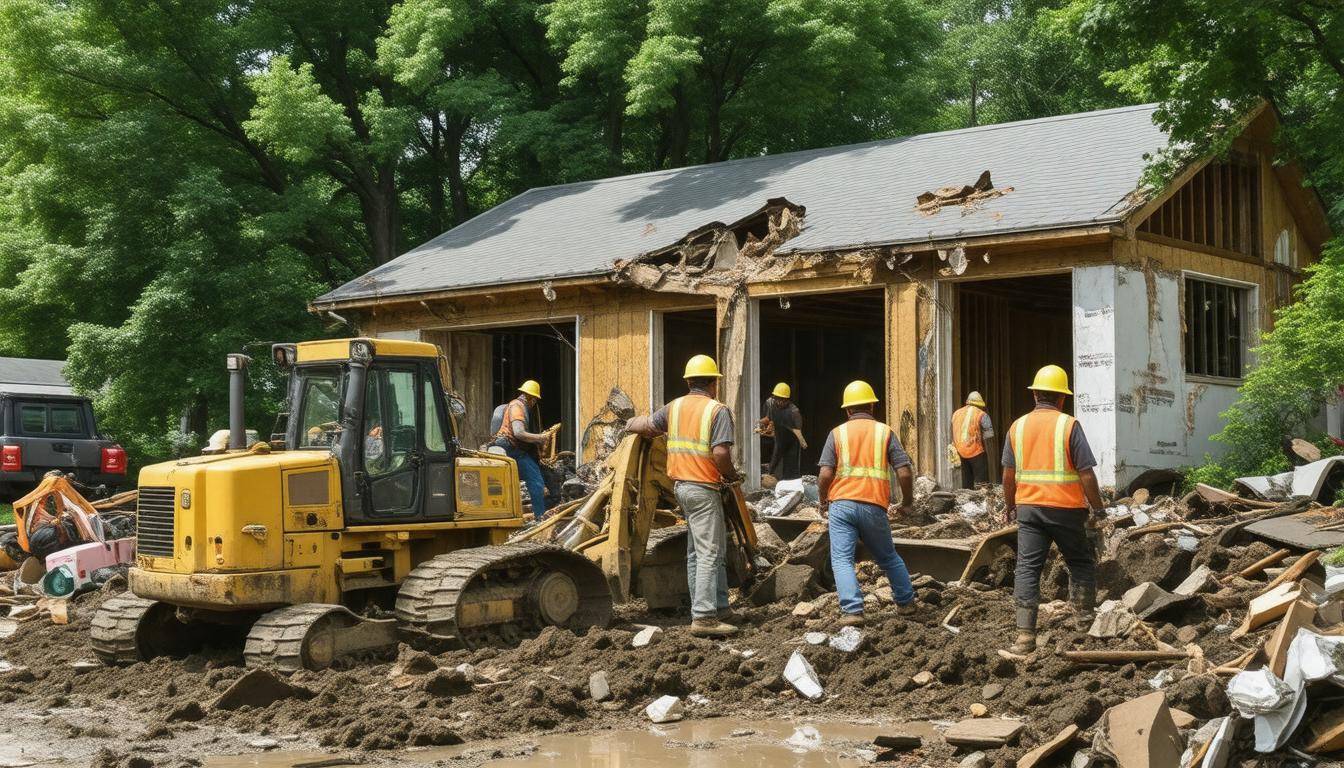
Recovery from a flood can feel overwhelming, but understanding the process will give you clarity as you navigate each step.
The first step involves performing initial safety checks before re-entering your home. Look closely for any visible signs of structural damage or hazards like gas leaks; this quick decision could make a lifetime of difference.
The best course of action is to lean on professionals who can conduct thorough inspections. Remember, no inspection is too thorough when your family’s safety is at stake.
With safety confirmed, we move forward into an essential yet often overlooked aspect of recovery: documenting damage.
Taking photos and videos serves not just as a means of memorializing the event but plays a crucial role for insurance claims. Documenting every inch of damage will significantly streamline discussions with insurers and ensure you receive the funds necessary for repairs. A digital trail helps substantiate your claims, so don’t underestimate the power of careful documentation—your future self will thank you.
Now that you’ve secured an accurate record of damage, it’s time to pivot towards cleanup and mold prevention.
The urgency to remove water and debris cannot be overstated; stagnant water invites mold, which poses serious health risks. Equip yourself with high-powered fans and dehumidifiers to dry out affected areas effectively. Check behind furniture and in hidden nooks; mold loves to hide in dark places. Approach tasks with a methodical mindset—clean up one room at a time for both productivity and peace of mind.
Once your living space is cleared and safe, we must discuss the crucial step of rebuilding stronger than before.
When considering materials for reconstruction, think flood-resistant options like tile instead of carpet or marine-grade plywood rather than traditional wood. These choices make a substantial difference, particularly in flood-prone areas. Always adhere to local building codes designed to minimize risk in future floods—these regulations exist for a reason.
Take inspiration from communities that have successfully rebuilt with these principles; for instance, neighborhoods in Florida adopted advanced design features that resulted in significantly fewer damages during subsequent storms.
By methodically approaching each stage of the recovery process—from ensuring safety through thoughtful rebuilding—you not only restore your home but also enhance its resilience against future challenges.
How can property owners assess their risk of flooding and stay informed about weather conditions?
Property owners can assess their risk of flooding by consulting local flood maps, which indicate flood zones and historical flood data for their area. Additionally, staying informed about weather conditions through alerts from the National Weather Service or using apps that provide real-time updates can help. According to FEMA, areas in a 100-year flood zone have a 26% chance of flooding over a 30-year mortgage period, making it crucial for homeowners to understand their vulnerability and prepare accordingly.
What emergency supplies should be kept on hand in case of a flood?
In the event of a flood, it’s crucial to have emergency supplies like water (one gallon per person per day for at least three days), non-perishable food, a flashlight with extra batteries, a first-aid kit, and essential medications. Additionally, having important documents sealed in waterproof bags can be invaluable. According to the National Flood Insurance Program, nearly 20% of flood insurance claims come from low-risk areas, emphasizing the unpredictable nature of flooding and the importance of being prepared regardless of your location.
What specific characteristics of valley properties make them more susceptible to flooding?
Valley properties are more susceptible to flooding due to their geographical location, which typically involves lower elevation areas that collect water runoff from surrounding higher ground. The natural topography can channel rainwater and melting snow into these valleys, leading to increased flood potential. Additionally, studies indicate that structures built within a 100-year floodplain are significantly more vulnerable, with about 25% facing a risk of flooding over a 30-year mortgage period. Effective planning and awareness of these characteristics are crucial for minimizing flood risks in valley regions.
How should drainage systems be designed or improved in valley areas to handle excess water?
Drainage systems in valley areas should be designed with a combination of increased capacity, proper slope for efficient water flow, and strategically placed retention basins to handle excess water effectively. Incorporating natural drainage features and using permeable materials can promote infiltration and reduce runoff. According to studies, valleys can experience up to 30% more rainfall in certain storm events, so designing systems to accommodate this variability, such as ensuring that drain pipes are sized appropriately based on predicted peak flows, is crucial for minimizing flooding risks.
What preventive measures can homeowners take to minimize flood damage?
Homeowners can minimize flood damage by elevating major appliances and utilities above potential flood levels, installing sump pumps with backup power, and sealing foundation cracks to prevent water intrusion. Additionally, creating a rain garden or using permeable paving can help manage stormwater runoff effectively. According to the National Flood Insurance Program, properties that are elevated are often able to reduce flooding risk significantly, potentially lowering insurance premiums by 30% or more.