
When you’re on the road, there’s always a chance that something might go wrong. Whether it’s a flat tire, a dead battery, or an unexpected breakdown, being prepared can make a world of difference. Imagine finding yourself stranded without the right tools or supplies; it can feel overwhelming and scary. That’s why creating a complete Vehicle Emergency Breakdown Kit is so important. Not only will it help you handle those pesky roadside mishaps, but it could also keep you and your passengers safe while you wait for help to arrive. In this article, we’ll break down the must-have items to include in your kit so that next time you’re out driving, you’ll be ready for anything that comes your way.
A complete Vehicle Emergency Breakdown Kit should include essential items such as a first aid kit, flashlight with extra batteries, jumper cables, tire repair kit, and non-perishable snacks along with water. Additionally, it is important to have safety tools like reflective triangles or flares, a multi-tool and basic repair supplies, ensuring you’re well-prepared for roadside emergencies.
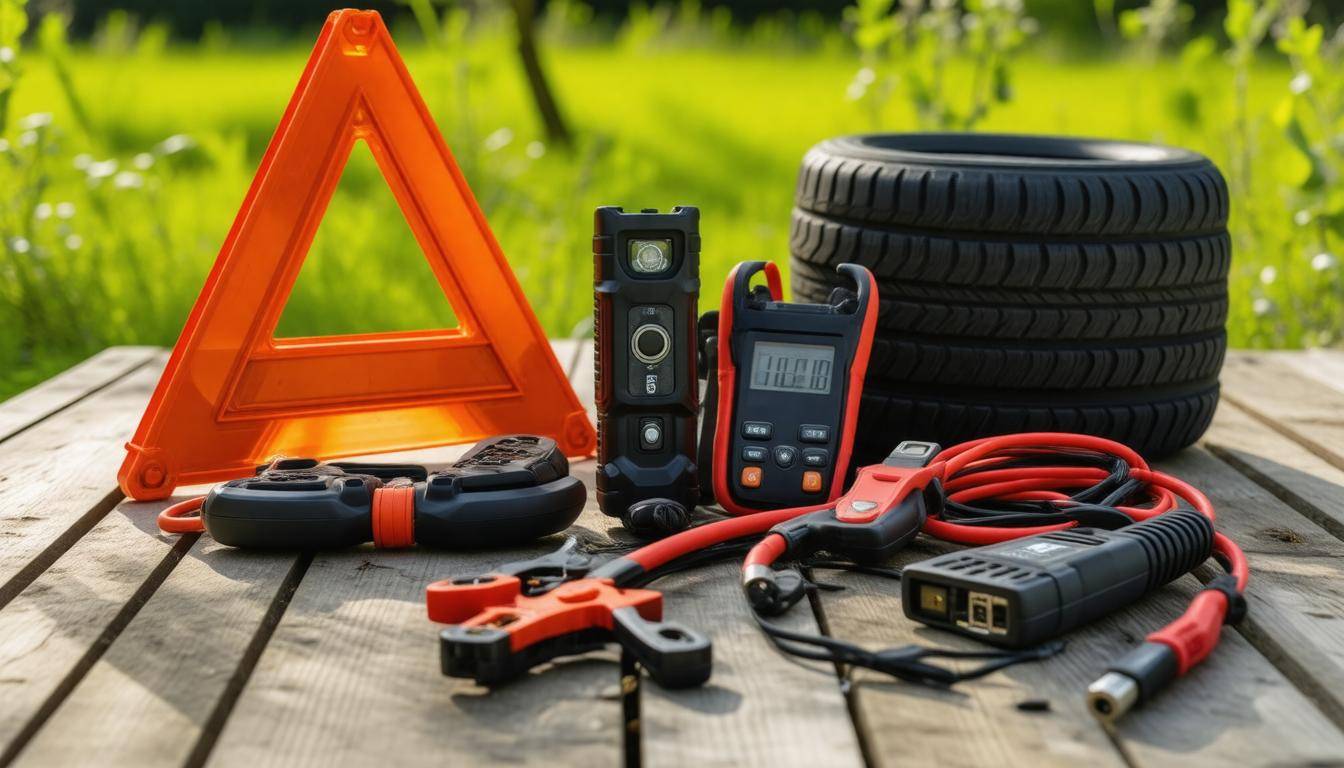
Top Items for Your Emergency Kit
A well-equipped vehicle emergency breakdown kit can be a game-changer when you’re facing roadside troubles. First and foremost, the First Aid Kit is an essential component. In this kit, include a variety of items such as bandages in different sizes, antiseptic wipes to clean wounds, adhesive tape for securing dressings, scissors for cutting materials, and pain relievers to help manage discomfort while waiting for assistance. Having these supplies at your fingertips is crucial for managing minor injuries until professional help arrives.
Basic Necessities
-
Fire Extinguisher: An automotive-rated fire extinguisher is vital for tackling small fires that might occur due to flammable materials in vehicles. Ensure it’s compact enough to store easily but powerful enough to handle emergencies; regular checks on its pressure gauge can save lives.
-
Reflective Triangle and Flares: Visibility is paramount during roadside emergencies. A reflective triangle alerts oncoming traffic to your presence, especially in low-light conditions or bad weather. Coupling this with roadside flares provides an extra layer of safety by increasing visibility from further away.
-
Multi-tool: A versatile multi-tool is indispensable for minor repairs or adjustments. Whether it’s a Swiss Army knife or a dedicated multitool, having features like pliers, screwdrivers, and knives means you can perform quick fixes that might otherwise require professional help.
-
Portable Jump Starter: Imagine being stranded because your car battery quits while you’re miles away from civilization. A portable jump starter allows easy battery boosting without needing another vehicle nearby, providing peace of mind whether at home or on the road.
Beyond just these essentials, consider adding items like jumper cables, which can aid others in need while providing you with a backup plan if your starter fails unexpectedly. Similarly, including a flashlight with extra batteries ensures visibility during nighttime emergencies—a simple yet lifesaving addition when every moment counts.
Keeping your vehicle’s emergency kit stocked is not just about convenience; it’s about preparedness and safety. Regularly check and rotate supplies like food and water as they expire to ensure everything remains functional when truly needed.
Now that we’ve covered the basics of what should be included in your emergency kit, we can look at tools that can facilitate repairs directly on your vehicle.
Tools for Vehicle and Tire Repairs
To navigate unexpected hiccups on the road effectively, your vehicle repair kit should be well-stocked with a variety of tools. Imagine you’re stranded on the side of the road with a flat tire. Having the right tools at your fingertips can turn a potentially stressful situation into a manageable one.
At the top of this list is a tire repair kit. This kit typically includes tire plugs, sealant, and a tire pressure gauge—all critical components that enable you to assess and address the problem without waiting for assistance. Having the ability to plug a small puncture or inflate your tire can save hours of waiting time.
Next, consider jumper cables. When you realize your battery has died, jumper cables ensure you can revive it by drawing power from another vehicle. It’s important to choose cables long enough to reach across two cars comfortably while being rated for your engine size to ensure efficiency and safety. Remember, improper connections can damage both vehicles’ electrical systems.
Another vital tool is a tow rope or chain. If you ever find yourself stuck in mud or snow, this piece of equipment could be your best friend. However, not just any rope will do—ensure that it matches your vehicle’s weight capacity for safe towing. Brands often produce recovery ropes specifically designed for automotive use; investing in one tailored for your vehicle type offers peace of mind during emergencies.
When things go wrong mechanically, quick fixes become essential as you might not always have access to professional help right away.
Enter duct tape, the unsung hero of many roadside repairs! Its versatility is unparalleled; whether stabilizing a broken window or holding together loose hoses until proper repairs can be made, keep a roll in your toolkit—it could literally mean the difference between continuing your journey or calling for help.
Equally important is a socket wrench set; it’s invaluable when dealing with various bolts during minor repairs. Ensure your set includes both metric and standard sizes since vehicles often incorporate different types of fasteners. The comfort of knowing you can tighten or loosen something on-the-spot cannot be overstated.
With these essential tools in hand, you’re better equipped to tackle any roadside emergency that comes your way and maintain uninterrupted travel.
High Visibility Safety Gear
Safety gear is essential for alerting other drivers of your presence in case of a roadside emergency, acting as a beacon during those potentially dangerous situations. Wearing high visibility clothing dramatically increases the likelihood that you’ll be seen, especially at night or during heavy rain. Think of it this way: when you’re standing beside a broken-down vehicle on the side of the road, wearing bright colors—especially those designed to reflect light—sends a clear message to passing drivers that there’s something to pay attention to nearby.
One crucial item is a reflective vest. These vests can easily be slipped on and off and are designed specifically for maximum visibility. It’s advisable to have one readily accessible in your vehicle at all times. In fact, wearing a reflective vest can reduce the risk of roadside accidents by up to 70%. This reflects not just safety but self-preservation while waiting for help.
Additionally, consider incorporating high visibility gloves into your emergency kit. These aren’t just about keeping your hands warm—they serve a two-fold purpose. Not only do they protect your hands while you’re inspecting or repairing your vehicle, but their bright colors also make your movements more noticeable to other drivers around you.
Essential Gear Attributes
As you think about what types of high visibility gear to include in your kit, pay attention to these common characteristics:
-
Fluorescent Colors: Bright yellow and orange are standout choices against asphalt and greenery.
-
Reflective Materials: Look for gear that uses retroreflective materials, which return light back toward its source, amplifying your visibility under headlights.
-
Durable Fabric: Good-quality fabric ensures that your gear will withstand the elements without tearing easily.
Incorporating high visibility gear into your emergency toolkit isn’t just being cautious; it’s part of smart preparation for any roadside emergency situation. Next, we’ll explore critical components that enhance visibility and ensure you’re equipped when light is sparse.
Essential Lighting and Batteries
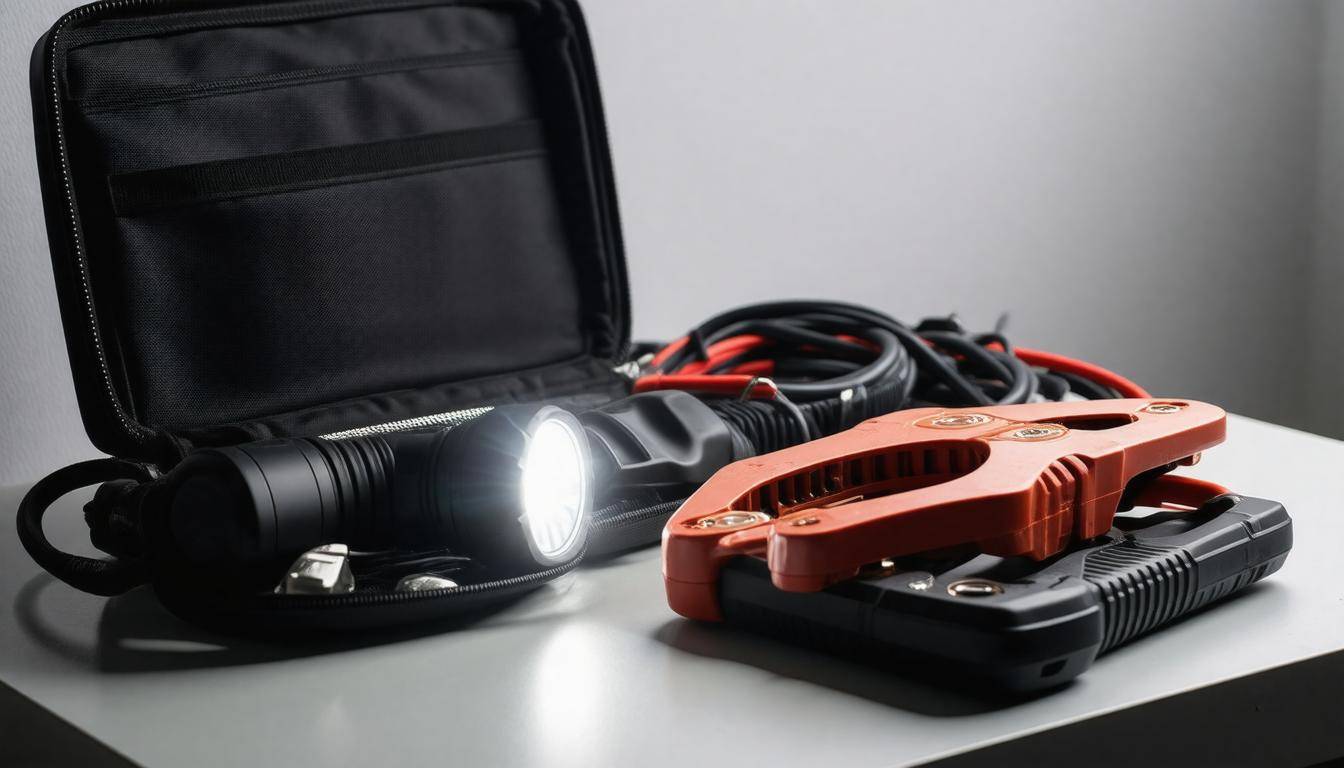
Proper lighting is vital during nighttime breakdowns or low-visibility conditions. Imagine you’re stuck on the side of a dimly lit highway with your vehicle, engine hissing softly as it cools down. The last thing you want to do is struggle in the dark while trying to diagnose an issue or set up safety measures. This is where an effective lighting setup comes into play.
A good flashlight is essential; one with a high lumen output can pierce through darkness and illuminate areas you need to access quickly. LED flashlights are particularly effective because they not only produce brighter light but also conserve battery power significantly longer than traditional bulbs. It’s a smart choice for emergencies, allowing you to see clearly without worrying about your batteries dying at a critical moment.
Additionally, consider carrying a headlamp for those scenarios where both hands will be needed. These versatile devices provide light exactly where you need it while leaving your hands free to work with tools or other equipment.
This leads us to another crucial aspect: having extra batteries on hand. It’s important to ensure that your flashlight or headlamp won’t just fizzle out when you need it most. There’s nothing worse than clicking a switch only to be met with darkness due to a dead battery. Keeping spare batteries in your kit means you have security against being caught unprepared.
| Item | Purpose |
|---|---|
| LED Flashlight | Powerful beam and long-lasting |
| Headlamp | Hands-free illumination during repairs |
| Spare Batteries | Ensure continuous power for lights |
Never underestimate the importance of proper lighting in emergencies. Just like a well-stocked first aid kit or reliable roadside tools, quality lighting sources paired with extra batteries can keep you safer, help you fix problems more efficiently, and allow for quicker communication with others if they arrive to assist.
These foundational supplies create essential safety nets for any vehicle owner. By ensuring these items are on hand, you pave the way for discussions about even more critical preparations related to health and safety during emergencies.
Comprehensive First Aid Supplies
Having a first aid kit in your vehicle is not just a good idea; it’s crucial for ensuring safety on the road. In any emergency, treating minor injuries promptly can prevent them from becoming more serious, and that’s where well-stocked supplies come into play. While traditional bandages are foundational, there are many additional items that will elevate your kit’s usefulness.
For instance, including two large gauze pads measuring at least 8 inches by 10 inches can be vital for managing larger wounds effectively. They can help control bleeding and are versatile enough for various situations.
Beyond the basic supplies, consider adding:
- Gauze pads (4 x 4 inches) for smaller cuts and scrapes.
- A box of adhesive bandages (commonly known as Band-Aids) for quick wound closure.
- At least one package of gauze roller bandage (2 inches wide) for versatile applications.
- Two triangular bandages, which can serve multiple purposes such as slings or securing dressings.
These components provide immediate support during incidents but don’t stop there—cleaning agents and additional tools are also paramount.
To ensure proper care of injuries, don’t forget to include wound cleaning agents like sealed moistened towelettes. These ensure antiseptic care for cuts and abrasions while minimizing the risk of infection—a key component for anyone handling injuries.
Speaking from experience, you’ll want scissors handy as well; they’re needed for cutting tape or clothing away from injuries without fumbling about. Imagine trying to help someone in distress without the right tool; it can lead to delays in providing care.
An often-overlooked item is a blanket. Keeping at least one blanket in your kit not only helps treat shock but also provides warmth during cold exposure—two scenarios that can become life-threatening quickly if left unattended.
But what about those little things that seem insignificant?
The truth is, small items like tweezers for removing splinters or debris and adhesive tape to secure dressings or bandages play pivotal roles in effective first aid treatment. As simple as they sound, these tools can make significant differences when dealing with injuries on the road.
Finally, let’s discuss some equipment that ensures you’re prepared for more serious emergencies.
Including emergency equipment such as latex gloves is essential to maintain sanitary conditions while providing first aid. It allows you to assist someone else without putting either of you at risk of cross-contamination. Furthermore, resuscitation equipment—a bag-valve mask, specifically—ensures readiness for respiratory emergencies. This single item can be lifesaving; not having it at a critical moment could mean the difference between life and death.
Keeping your kit robust means giving thought to quantities too; two elastic wraps help manage sprains effectively, while a splint should always be available for immobilizing injured limbs. Remember to regularly check your supplies and replenish anything that’s expired because an outdated first aid kit is almost as bad as having none at all!
Regular maintenance of your vehicle emergency breakdown kit ensures your preparedness level stays high no matter what situation arises.
As we shift our focus toward enhancing comfort during unexpected events, let’s explore how essential gear can keep you warm and cozy in colder weather conditions.
Comfort and Cold-Weather Gear

When facing an emergency in a cold climate, thoughtful preparation can turn a potentially overwhelming experience into something more manageable. One of the best ways to keep yourself comfortable is by including items specifically designed to help retain warmth and provide protection from the elements. For instance, emergency blankets or sleeping bags made from lightweight foil can reflect body heat, effectively insulating you against the chill. These essentials are compact and incredibly effective, providing warmth without taking up much room in your vehicle.
Another great addition to your cold-weather kit is hand warmers. These small packets may seem trivial, but they can make all the difference when you’re waiting for assistance during biting temperatures. Simply shake them to activate; they produce heat for several hours, offering immediate relief for cold hands. Along with hand warmers, don’t overlook the importance of heavy-duty gloves. Not only do they keep your extremities warm, but they also offer protection if you need to perform any quick fixes on your vehicle while waiting for help.
It’s vital to remember that staying dry is just as important as staying warm.
A rain poncho should definitely find its way into your emergency kit. These lightweight covers will shield you from unexpected rain or snow—elements that can rapidly sap your body heat. Additionally, having a poncho keeps you dry while you wait for roadside assistance or try to manage any mechanical hiccups your vehicle may face.
To further enhance your preparedness, there are a few more thoughtful additions that could greatly improve your safety and comfort.
Consider including thermal socks in your kit as well; they can help regulate body temperature and keep feet cozy during long waits. Completing your comfort gear with insulated footwear might seem excessive until you realize how much better it feels when you’re not battling the cold directly against your skin.
Finally, a small folding chair can also be very handy if you’re stuck waiting outside for extended periods; it’s essential for avoiding prolonged exposure to cold ground and adds extra comfort while you stay alert for approaching assistance. By curating this array of comfort and cold-weather gear, you’re preparing for the unpredictable while ensuring that the situation remains under control, no matter the season.
As we explore further into enhancing your safety plan, there are practical tools and accessories that can seamlessly integrate into your emergency strategy to boost readiness and efficiency.
Practical Toolkit Additions
When assembling your vehicle emergency breakdown kit, a few less obvious tools can significantly impact your safety and ability to handle unexpected situations. For instance, a hand crank phone charger may seem unnecessary, but when your vehicle’s battery dies or you’re stranded without power, this little device can be a lifesaver. By using muscle power to generate electrical energy for your phone, you ensure a means of communication no matter the circumstance, allowing you to call for help or stay updated on weather conditions.
Just as important as keeping your devices charged is knowing where you’re headed, especially when technology fails.
Navigating without GPS can be daunting nowadays, so including maps and a compass in your toolkit is crucial. A physical map might feel outdated, but it provides a reliable resource if technology goes awry. Knowing how to read a map will give you confidence in unfamiliar territories, guiding you home when the digital route goes south. Pairing this with a compass allows you to determine directions properly and avoid getting lost, especially in remote areas where landmarks are sparse.
Once you’ve established navigation preferences, consider how weather conditions affect your mobility.
When winter weather makes driving treacherous, carrying sand or cat litter can be incredibly useful. Picture yourself stuck in snow; simply tossing sand around your tires can enhance traction and assist in regaining control over your vehicle. These materials are lightweight and take up minimal space in your kit yet could make all the difference during an unpleasant encounter with inclement weather.
As you gather supplies for unforeseen challenges, don’t forget about financial flexibility.
Bringing along cash is essential in situations where card transactions aren’t available. Whether due to a power outage or remote locations lacking payment infrastructure, having cash on hand ensures you can purchase fuel or food when necessary. Smaller denominations often come in handy; not every vendor will have change for larger bills.
Lastly, let’s not overlook one of the most fundamental aspects of preparedness: knowing who to reach out to in case of emergencies.
Keeping a list of emergency contacts within reach is invaluable. This list should include insurance information and roadside assistance numbers among others. You’ll want this readily accessible—maybe even laminated—to avoid fumbling through paperwork when time is of the essence. In moments of stress or confusion, being able to quickly reference critical contacts can streamline emergency responses and help resolve situations more efficiently.
With these practical additions equipped in your vehicle, you enhance your preparedness for chaotic moments ahead. Next, let’s navigate the importance of maintaining and updating these essential supplies regularly.
Regular Kit Maintenance and Updates
Your emergency kit should be as dynamic as your life. Just like your personal needs evolve, so too should the contents of your kit. It’s not enough to throw items in a bag and hope for the best. You want a well-curated collection of resources that are relevant and functional when emergencies arise.
Steps for Maintenance
First and foremost, quarterly inspections are non-negotiable. Every three months, set aside a few minutes to go through your emergency supplies. Open up that tote or backpack and check everything inside. Batteries can die, food can expire, and even tools can rust or break if left unattended. It can be surprisingly eye-opening to discover how quickly things become obsolete or unusable.
During these inspections, ask yourself whether anything has been damaged or if any items have outlived their usefulness. Note down what’s missing or what needs replacing so you can address it during your next shopping trip.
Following that, make seasonal adjustments part of your routine. For instance, when the weather warms up, consider adding sunscreen, insect repellent, or extra water bottles to keep hydrated under the sun’s heat. Conversely, as winter approaches, add items like hand warmers or blankets for warmth during unexpected weather-related events. The idea is to anticipate your environment and proactively prepare for temperature-related challenges.
As seasons change, so must your strategy.
Another critical aspect of maintenance is ensuring you replace expired items promptly. This might seem tedious, but perishables in your kit—like food, medicine, and batteries—have finite lifespans. According to the National Highway Traffic Safety Administration (NHTSA), nearly 60% of drivers fail to carry an emergency kit, meaning you’re ahead of the curve by having one. But what’s the point if you can’t trust what’s inside? Make it a habit to visually inspect expiration dates on all consumables every few months.
Lastly, don’t forget to review usage over time. If you find you’ve used certain items frequently—like first-aid materials or non-perishable snacks—mark those for restocking after each incident. Keeping track ensures that your kit adapts to real-life demand rather than remaining stagnant.
By taking these steps toward regular maintenance and updates of your emergency vehicle kit, you’ll be preparing yourself for any unexpected roadside occurrences while keeping running costs down by avoiding last-minute purchases for essential supplies. Ultimately, consistency is key: An organized and well-maintained emergency kit translates to peace of mind when setting out on journeys.
In summary, don’t wait until something goes wrong; proactive attention will ensure you’re always ready for whatever lies ahead on the road. Being prepared is a simple yet powerful way to safeguard both yourself and your passengers on every journey.