
Venezuela is a country blessed with stunning landscapes but also challenged by weather extremes that can lead to devastating floods and landslides. These natural events can happen quickly and unexpectedly, leaving families scrambling for safety with little time to prepare. That’s why it’s crucial to have a solid emergency response plan in place. By being proactive and aware of potential risks, you can protect yourself and your loved ones. This checklist will guide you through essential steps and considerations, from forming an evacuation plan to knowing what supplies to gather, ensuring that you’re ready when disaster strikes.
The Venezuela Flooding & Landslide Emergency Checklist should include essential components such as establishing a communication plan with family members and local authorities, stocking emergency supplies including water, non-perishable foods, first aid kits, and flashlights, and developing an evacuation plan that identifies safe routes, especially if you live in flood-prone areas. Prioritizing these steps will enhance preparedness and ensure safety during extreme weather events.

Preparing for Potential Flooding and Landslides
Floods and landslides are inevitable realities in Venezuela’s geography, but with the right preparations, you can significantly minimize their impact. Understanding the environmental context is fundamental; areas like Caracas and Maracay are prone to heavy rains, making them vulnerable during peak rainfall months. Hence, preparation becomes not just a precaution but a necessity.
Identify Risk Zones
According to a geological survey from 2022, 35% of Venezuelan cities are susceptible to landslides. This statistic underscores the importance of knowing your surroundings. To take control, start by checking local government maps that highlight these risk areas. It’s crucial information that can help create a safer home environment. Families residing in more susceptible zones should be proactive; even if the rain seems light today, it’s wise to prepare for heavier storms in the future.
For instance, knowing that your home lies within a red zone can motivate you to take further precautions rather than waiting for disaster to strike.
Implement Flood Mitigation Measures
Once you’ve identified at-risk areas, it’s time to implement targeted flood mitigation measures. Protecting your property from water intrusion can prevent damage. Begin by installing barriers around your home—these can be simple solutions like sandbags or more permanent features such as levees or trenches designed specifically to redirect water flow away from your property. Residents of La Guaira have successfully employed sandbags during torrential downpours, showcasing an effective method to prevent flooding.
In addition to physical barriers, consider your landscaping: planting vegetation that naturally absorbs water can also benefit in managing runoff. Often overlooked, flooring materials can factor into this equation too; elevating floors or using waterproof materials in basements may save considerable repair costs later on.
After putting these measures in place, having a solid evacuation plan is essential—knowing where to go and how to get there during an emergency could be lifesaving. Make sure all family members understand evacuation routes well in advance. It’s also wise to keep a list of emergency contacts handy and designate safe meeting places outside of your neighborhood to further streamline coordination during crises.
Taking these preparatory steps lays a strong foundation for ensuring safety and readiness, which leads us now to considerations necessary for effective planning when facing emergencies.
Creating an Emergency Evacuation Plan
Having a well-thought-out evacuation plan can mean the difference between safety and chaos during a flood or landslide. The first step is to designate safe zones where you and your family can gather. Look for locations on high ground or sturdy buildings, such as local schools or community centers, ideally those accustomed to providing shelter during emergencies. For instance, residents in Merida often turn to schools situated on elevated terrain as temporary shelters during heavy rains.
After choosing these safe zones, the next step involves informing everyone involved in the plan.
Communication is key during an emergency situation. Ensure all family members are aware of the designated safe zones and how to reach them quickly. Additionally, compile a list of emergency contacts, including each family member’s phone number and crucial local emergency numbers—like the Civil Protection agency (which can be reached at 911). Historical tragedies, such as the Vargas disaster in 1999, demonstrate that families with established communication lines were able to reunite more effectively amidst chaos.
Alongside your communication strategy, it’s vital to prepare for potential obstacles.
Think about possible barriers that could hamper your plans. For example, rushing waters may block road access, so having multiple designated routes is essential. Identify at least two primary evacuation routes from your home to these safe zones, considering alternative paths. You might also create a simple map illustrating these routes—a visual guide can make navigating during stressful situations easier for everyone involved.
Furthermore, regular practice drills are encouraged; they help ensure that every family member knows their role and the quickest way out of the house when trouble looms.
Lastly, let’s not overlook the importance of gathering essential supplies.
Preparing an emergency kit is paramount to your evacuation plan’s effectiveness. Pack essentials such as water—one gallon per person per day for at least three days—non-perishable foods, first aid supplies, flashlights with extra batteries, and important documents like identification and insurance papers. This kit should be easily accessible and stored in a location known to every family member.
Conducting regular checks on this emergency kit will help you stay prepared; replenish any expired items while ensuring it remains ready for use at a moment’s notice.
By systematically implementing these components of your evacuation plan, you can create a robust strategy that ensures safety amid unpredictable conditions. Now, let’s turn our attention to what essential items you need to pack in your emergency kit.
Essential Supplies List
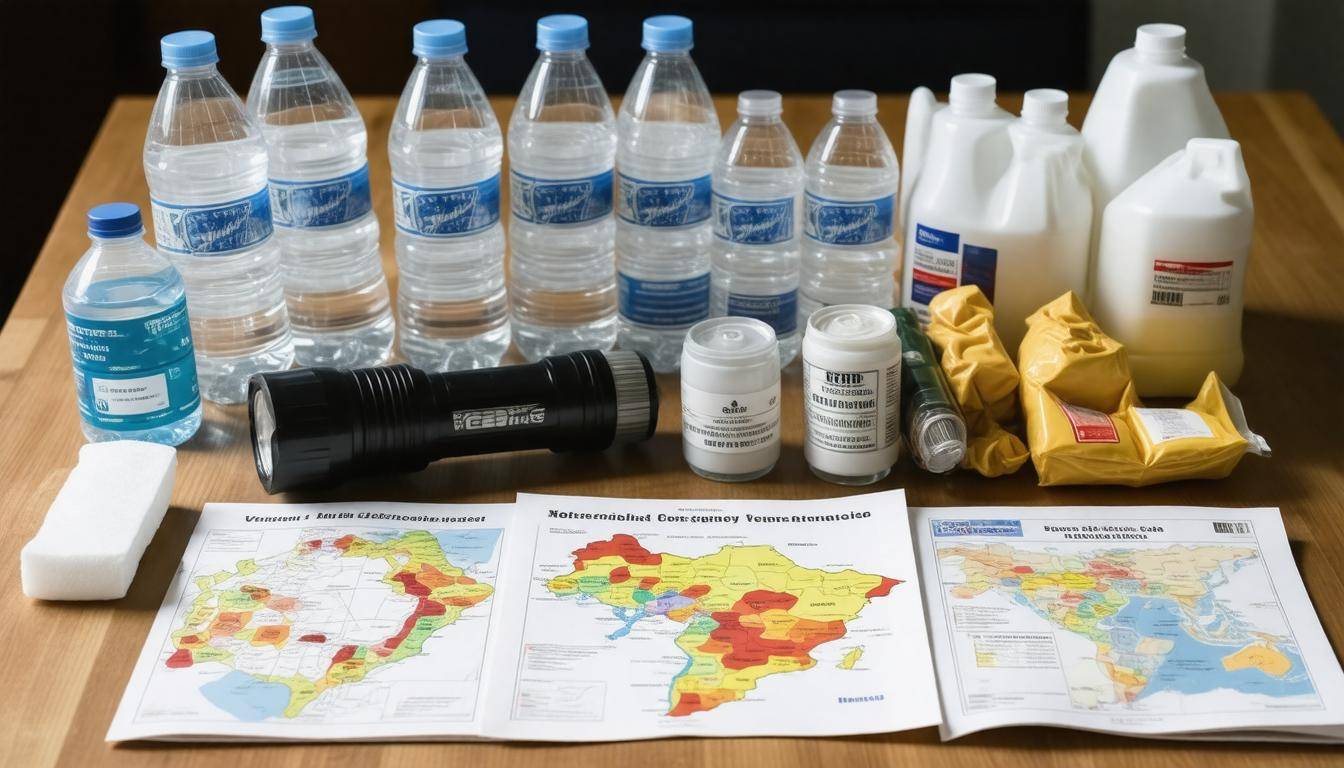
A well-stocked emergency kit is crucial for your safety during unexpected disasters like flooding or landslides. The right items can make a significant difference in how you and your family cope in the wake of such events. Let’s break down the must-have items that should be included in every emergency kit.
Must-Have Items
-
Bottled Water: Aim for at least one gallon per person per day for a minimum of three days. In times of flooding, clean water sources can quickly become contaminated. Having enough bottled water on hand ensures that you can stay hydrated without worrying about water quality.
-
Non-perishable Food: Pack a three-day supply of items like canned goods, energy bars, and dried fruits. Foods high in protein are particularly useful, as they provide lasting energy during stressful situations when normal meals might not be possible. Your food stock should also include a manual can opener if you’re relying on canned goods.
-
First Aid Kit: This is vital for treating injuries when getting immediate medical help isn’t an option. Make sure your kit includes bandages, antiseptic wipes, adhesive tape, gauze, scissors, and any personal medications required by members of your family.
-
Flashlights with Extra Batteries: Natural disasters often lead to power outages, and having a reliable flashlight ensures that you can navigate through dark environments safely. Consider solar-powered or hand-crank models to eliminate the worry about battery depletion.
-
Personal Hygiene Products: Maintaining hygiene during emergencies helps prevent health issues from arising. Include items like moist towelettes, garbage bags for waste disposal, and sanitation supplies in your kit.
Interestingly, a study found that 70% of Venezuelans caught in the 2017 floods lacked essential supplies, complicating rescue missions. This paints a vivid picture of how preparedness can save lives during times of crisis.
It’s not just about stocking these supplies; it’s equally important to regularly check and refresh them to ensure they remain usable and effective when an emergency arises. Keeping your stock up to date will also give you peace of mind knowing that you’re ready should disaster strike.
Once your kit is ready, understanding how to access timely information about evolving situations becomes paramount for safety and response strategies.
Staying Informed During Disasters
Keeping up with the latest information allows for timely actions that can make a significant difference in your safety during emergencies. Regularly checking reliable sources of updates keeps you prepared for any changes in the situation, enabling you to act quickly and effectively when needed. It’s all about getting the right information at the right time—knowing whether evacuation is necessary or if it’s safe to stay put can mean the difference between disaster and preparedness.
Reliable Information Sources
One of the first places to tune into during an emergency is your local radio station. Not only are they often broadcasting real-time updates specific to your area, but they are also reliable in reporting emergencies as they unfold. As you listen, ensure your radio is fully charged—consider keeping a battery-operated radio available in case of power outages. Additionally, don’t overlook the value of traditional media; television news can provide visual information that can help you gauge the severity of disasters around you.
In this digital age, it’s wise to bookmark reputable websites like Inameh (Venezuela’s meteorological institute) for weather updates. There are many apps and services that send alerts directly to your phone, so signing up for those notifications is smart. Having multiple platforms means you are more likely to receive important alerts quickly; redundancy is key when lives are on the line.
Statistically speaking, in 2024, 60% of flood-related casualties could have been avoided with timely information. This statistic underscores the importance of not just gathering information but ensuring that it is reliable and accessible promptly. Knowing where to look for it can empower individuals to take preventive measures ahead of imminent threats.
It’s also beneficial to engage with community social media channels or neighborhood watch groups where real-time updates might be shared by fellow residents who may have firsthand insight about conditions affecting your area. These sources occasionally provide a more immediate on-the-ground perspective than official channels.
Staying informed isn’t merely about collecting information; it’s about understanding what it means for you and your loved ones in an emergency situation. Be proactive—collect these sources before disaster strikes, so you’re ready to respond when needed. The heart of preparation lies within knowledge, and knowing how to access that knowledge efficiently can greatly enhance your response during crises like flooding or landslides.
As we explore these necessary steps in greater detail, let’s now focus on critical actions that should be taken when faced with such natural disasters.
Actions During Flood or Landslide
When flooding occurs, it is crucial to move without hesitation. The first step is to evacuate to higher ground immediately. Each second counts; a quick response can save lives. For instance, in the past Santa Cruz floods, decisive actions by the community to quickly relocate to elevated areas undoubtedly prevented countless tragedies. Once safely positioned above rising waters, keep monitoring local news for updates about the situation.
It’s important to remember that water’s force can be deceiving. Even just six inches of fast-moving water can sweep you off your feet, making it imperative to avoid walking or driving through floodwaters.
Now, when it comes to landslides, the approach varies but is equally critical for ensuring safety.
Landslide Actions
In the event of a landslide, your first instinct should be to stay indoors if you find yourself sheltered from danger. Secure windows and doors, and remain vigilant while monitoring reports about the land’s stability in your area. Should you find yourself outside as a landslide occurs, getting to higher ground must be your top priority—moving quickly away from any slope is essential.
Remember that landslides can occur suddenly without prior warning signs, so being alert and prepared merely helps mitigate risks. If you hear rumbling noises reminiscent of thunder or see sudden movement in the soil or trees, take immediate action.
Having an emergency kit ready can also make all the difference in these situations. Essential supplies such as water, non-perishable food items, and a flashlight are vital for circumstances when evacuation might not be possible immediately. Ensure your first aid kit is stocked with necessary items and don’t forget critical documents like identification and insurance papers.
Establishing a communication plan with family members in advance guarantees that everyone knows how to reach out during emergencies which alleviates some anxiety during chaotic moments. Designating specific meeting points can also keep families connected should they become separated while evacuating.
Staying informed during turbulent weather patterns and having actionable steps readily available empowers individuals and communities alike to respond effectively when floods or landslides strike. This proactive mindset sets the stage for understanding how to evaluate the impact of these natural disasters on affected areas.
Assessing Post-Disaster Damage
Once the chaos of flooding or landslides subsides, the next task is to systematically assess the damage. This is a critical undertaking for ensuring safety, understanding the extent of destruction, and facilitating recovery efforts. Start with a careful initial inspection to identify any visible damages, particularly structural flaws in buildings. You want to prioritize safety above everything else, as even a seemingly intact structure may have underlying weaknesses due to soil erosion or flood-related stresses.
As you survey your surroundings, be vigilant for signs of structural instability such as cracks in walls, sagging roofs, or compromised foundations. These indicators could reveal underlying issues that might not be immediately apparent. If you’re unsure about the stability of a building, it’s best practice to wait for professionals before entering.
Additionally, documentation should be an immediate priority. Photographic evidence of damage plays a crucial role when filing insurance claims and securing financial assistance for repairs. Capture different angles and details of affected areas; having thorough documentation speeds up the claims process and informs local disaster response initiatives. For instance, during the Maracay landslide incident years ago, prompt and comprehensive documentation proved beneficial for those affected by enabling faster claims processing.
Beyond individual efforts, tapping into community and government resources becomes paramount during recovery.
Well-established networks can provide necessary support as you navigate through rebuilding efforts. National disaster response agencies, such as Venezuela’s Civil Protection agency, along with local community groups often mobilize rapidly after disasters to offer assistance with evacuations and resource distribution. They may also conduct damage assessments alongside officials to determine which areas need urgent intervention.
While personal inspections are essential for immediate safety concerns, collaborating with these entities can amplify your efforts significantly. Engaging with them not only gives you access to additional resources like trained personnel but also provides an avenue for proper alignment within broader recovery protocols undertaken at municipal or national levels.
Understanding the scope of the damage isn’t simply about numbers; it’s about experience shared through recovery stories from previous disasters. Communities that band together tend to rebound quicker, emphasizing communal spirit while addressing housing shortages or food scarcity resulting from natural disasters over time. Therefore, sharing what is observed from assessments becomes crucial not just for individuals but for fostering a cultural fabric of resilience and responsive recovery.
With this extensive damage assessment complete, gathering insights will be pivotal in guiding you toward available support systems that can enhance your recovery journey significantly.
Leveraging Government and Community Resources
Leveraging available resources can dramatically speed up recovery efforts, providing immediate assistance and long-term solutions for affected communities. Utilizing both government assistance and local community capabilities is vital, particularly in areas devastated by flooding or landslides. The synergy between these resources ensures that aid reaches those who need it most, allowing families to regroup and rebuild their lives more quickly.
Government Assistance
It’s essential to contact agencies such as Venezuela’s Civil Protection, which specialize in urgent response and relief efforts. By reaching out, you can access emergency supplies, medical assistance, and shelter services crucial for those feeling the brunt of a disaster. For instance, after a severe event like the heavy rains leading to floods, government agencies mobilize rapidly to restore safety and stability.
“We couldn’t have done it without the government’s help,” says community leader Maria Rosales. She recounts how coordinated efforts with local community groups allowed for an efficient distribution of aid following the devastating floods of 2019. With timely government support, first responders were able to set up relief centers, dispense food, and provide financial assistance to families struggling to secure basic needs.
Beyond immediate relief, various governmental programs can address additional long-term requirements within the community. Initiatives might range from funding housing repairs to providing training for residents on disaster preparedness—steps that significantly strengthen community resilience.
Additionally, forging partnerships with local NGOs enhances overall outreach and effectiveness. When organizations team up with government bodies, they can leverage their unique skills, networks, and resources to create a more noticeable impact on recovery efforts. Local NGOs often serve as the bridge connecting state agencies with affected citizens.
Community Engagement
Equally important is fostering collaboration among community members. Encouraging individuals to take part in local recovery programs not only promotes solidarity but also invites innovative ideas that reflect specific community needs. Through this collective effort, communities can develop their strategies for rebuilding while ensuring that no family is left behind.
Enhancing awareness about available resources empowers affected families to seek assistance actively. Organizing workshops and informational sessions helps inform communities about how to access aid and navigate bureaucratic processes—using tools such as social media or local newsletters to disseminate information effectively.
By engaging on all fronts—governmental support coupled with grassroots activism—we facilitate lasting recovery that honors both immediate needs and long-term community growth. Let’s now shift our focus to preventive measures that can better equip individuals facing natural challenges.
Safety Tips for Natural Disasters
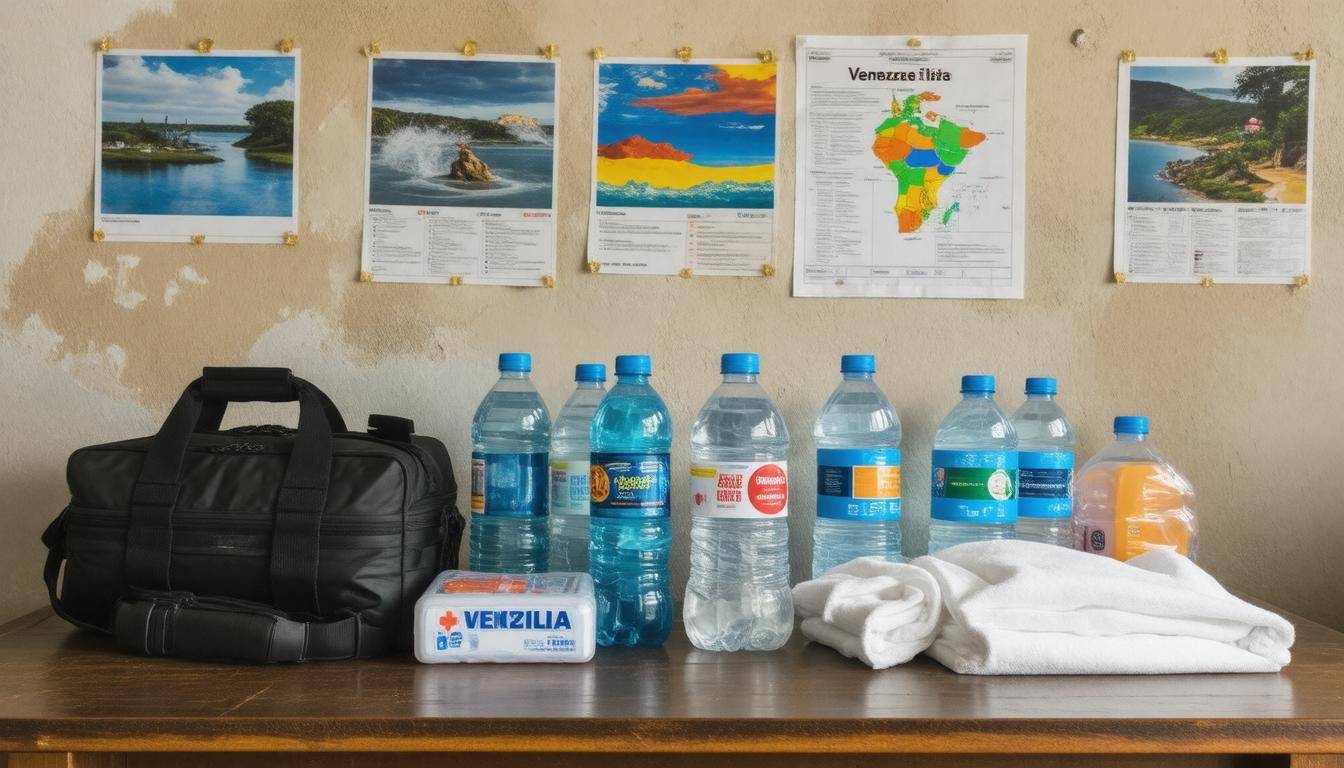
Knowing and implementing effective safety measures can indeed save lives, especially when flooding and landslides threaten your community. Start by having a robust emergency plan tailored to your family’s needs. This includes assigning specific roles to family members in case of an emergency. Discuss and write down how each person can actively participate during crises—whether it’s gathering emergency supplies or checking on neighbors. Communication is vital; ensure that everyone knows the plan, including where and how to meet if you become separated.
While creating a solid plan is essential, regular updates and preparedness practice are equally vital.
Emergency Checklist
| Emergency Kit Essentials |
|---|
| Water: 1 gallon per person per day for at least three days |
| Non-perishable food: A three-day supply |
| Flashlight and extra batteries |
| First aid kit |
| Whistle for signaling help |
| Dust mask, moist towelettes, local maps |
Your emergency kit should not only be well-stocked but also regularly reviewed. Life changes rapidly—people come and go, seasons change, and emergencies evolve. Make it a habit to check the contents of your kit every couple of months. Are there expired items or outdated medications? Replace them immediately. Additionally, include personal hygiene items to maintain cleanliness during distressing situations, as sanitation often gets overlooked yet is incredibly important.
Remember, practice makes perfect. Engaging in regular evacuation drills can significantly reduce panic during real events. These drills help everyone familiarize themselves with different emergency routes from your home to designated safe zones. In regions like Zulia, where practice drills are common, casualties from recent floods have reduced significantly—emphasizing the value of preparedness.
It’s crucial to keep your vehicles fueled and ready at all times during the rainy season—especially if you live in flood-prone areas. When rains begin, ensure you’ve checked the gas levels before they reach alarming levels, thus avoiding that last-minute dash for fuel amidst chaos. Furthermore, stay informed through local news channels or weather alerts about impending storms or flash flood warnings so you can act quickly upon receiving official advice.
A proactive approach now can pay off immensely when calamity strikes unexpectedly.
By implementing these safety tips into your routine, you boost not only your chances of survival but also fortify your community’s overall resilience against natural disasters. Knowledge coupled with action creates an empowered individual prepared to tackle challenges head-on.
Taking these precautions not only protects you but also helps build stronger communities ready to face nature’s challenges together.