
Vertical gardening might sound like a trendy buzzword, but it’s actually a lifesaver for those with limited space—especially during tough times when growing your own food becomes more important. Imagine transforming your small balcony or backyard into a lush green haven where you can harvest fresh vegetables and herbs without needing a sprawling garden. Vertical gardening isn’t just about being creative; it’s a smart solution for dealing with food insecurity during emergencies. I’ve spent time experimenting with various setups, and trust me, there’s something truly rewarding about seeing plants thrive even in tight conditions. So, let’s dive into some practical tips and strategies to help you make the most out of vertical gardening, ensuring you have fresh produce when you need it the most!
The Vertical Gardening Space-Saving Guide for Emergency Use provides practical strategies on maximizing small areas to grow food, focusing on space utilization, soil preparation, and the best plants suited for emergencies. The guide emphasizes building raised beds, using containers, and selecting fast-growing crops to ensure a sustainable food source during critical times.
Benefits of Vertical Gardening
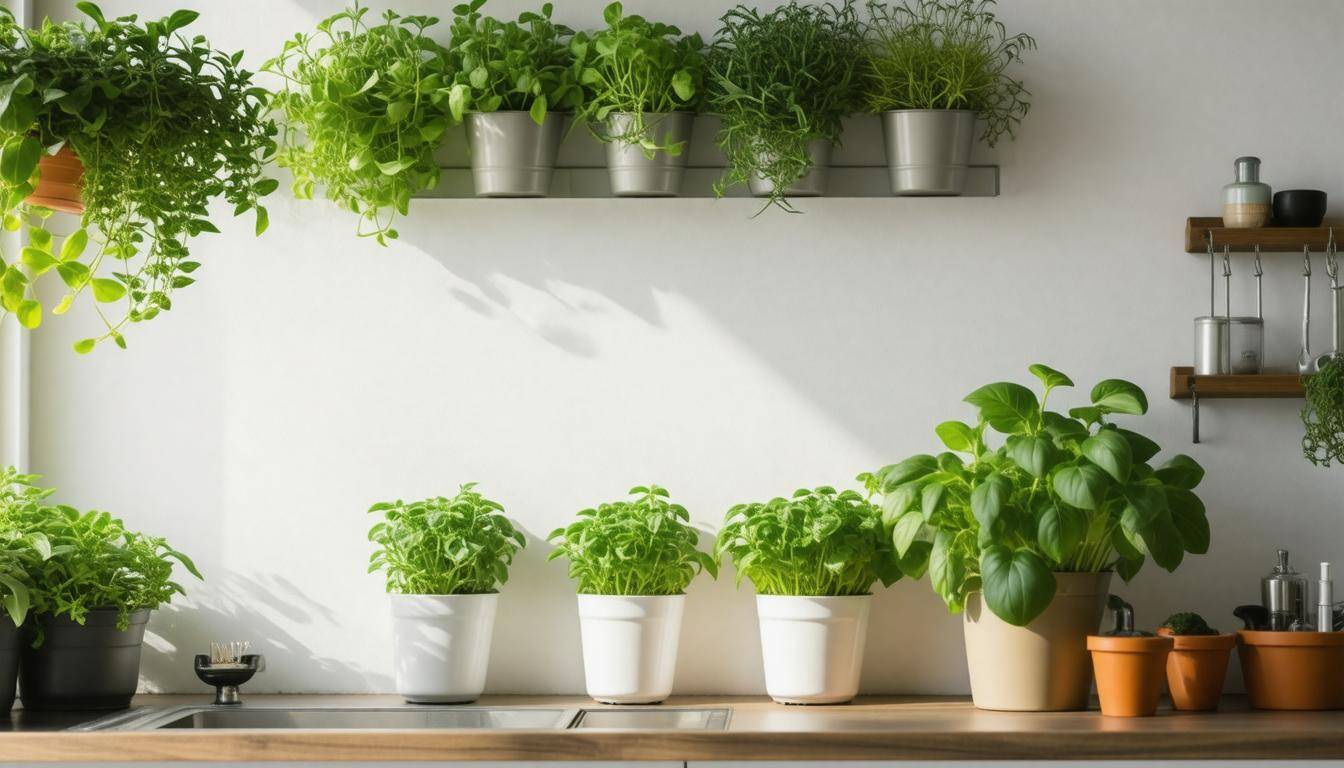
One significant advantage of vertical gardening is the improved air circulation it provides. Plants arranged vertically can breathe more easily as they are less congested compared to their spread-out counterparts. This means reduced humidity at the plant level, which lowers the risk of fungal diseases.
With good airflow around your plants, you create an environment that fosters healthier growth while minimizing pest problems. Notably, when you train plants like cucumbers or espaliered fruit trees to grow upward on supports, they take up less ground space and enjoy enhanced airflow, leading to less stress and disease.
Increased Yields
Vertical gardens truly shine when it comes to productivity. According to research from the University of Portsmouth, these innovative gardening techniques can yield up to five times more produce in equivalent ground space compared to traditional gardening methods.
The reason lies in how vertical gardens exploit the upward space. By layering plants and allowing them to climb structures instead of spreading horizontally, each plant has better access to sunlight without competing intensely with neighbors for nutrients or light. For example, peas and beans thrive when grown vertically; they reach for the sun through trellises, increasing their exposure and ultimately delivering better yields relative to their horizontal-growing counterparts.
In addition to these core benefits, vertical gardening contributes positively to environmental health by improving air quality. Studies have shown that vertical gardens can dramatically filter pollutants from the air and produce oxygen more efficiently than traditional beds. Just imagine stepping outside your home into a vibrant garden that not only nourishes you but also enhances your surroundings!
There’s also something profoundly uplifting about engaging with plants in this fashion—offering emotional and psychological benefits that go hand-in-hand with nurturing life. Engaging with your vertical garden may lead to improved well-being and a greater sense of community among urban dwellers looking for green solutions in challenging environments.
Planning for Emergencies
When it comes to positioning your vertical garden, selecting the right spot is essential for optimizing growth and ensuring that your plants thrive. Aim for an area that receives at least four to six hours of direct sunlight daily. This exposure is crucial because most edible plants depend on this light to photosynthesize and produce energy needed for growth. For example, a south-facing wall often provides ample sunlight throughout the day, making it a prime location for your garden.
However, it’s not just about sunlight; consideration should also be given to how plants will interact with their environment. Wind can be a concern as well, particularly in exposed areas. A sheltered corner or patio can protect your garden against harsh gusts while still providing good access to sunlight. You might even want to consider adding trellises or supports that can serve as windbreaks while allowing plants to grow upwards.
Water Source
In addition to finding just the right sunny spot, having easy access to water cannot be overlooked. Watering quickly becomes cumbersome when your plants are at the far end of your yard or on a tall balcony. Close proximity to a water source ensures you can easily maintain consistent moisture levels, which is vital for plant health.
Setting up a simple irrigation system such as drip irrigation could save you time and effort—especially during dry spells or crises where water consumption may need to be optimized. Consider adding a rain barrel to collect water; not only will it reduce your reliance on tap water, but it will also utilize a precious resource effectively.
Garden Structure
The structural integrity of your vertical garden plays a significantly transformative role in its success, especially during emergencies when conditions may become unpredictable. Properly constructed supports are important to ensure that your plants can reach their full potential without toppling over due to high winds or heavy rain.
When selecting materials for your garden structure, durability matters. Half cinder blocks, wood pallets, and specialized vertical gardening systems are popular choices because they provide stability and support while being relatively easy to assemble. As you build these structures, take the time to secure them properly; using screws and bolts instead of merely stacking components can enhance their longevity and resilience against adverse weather conditions.
An investment in sturdy structures translates into peace of mind during those emergency situations when every advantage counts. Sustainable gardening is about creating environments that work with nature—not against it!
As you focus on gathering materials and planning out the design elements for your upcoming setup, remember that each component plays an important role in cultivating a thriving environment for your plants.
Simple Vertical Garden Structures
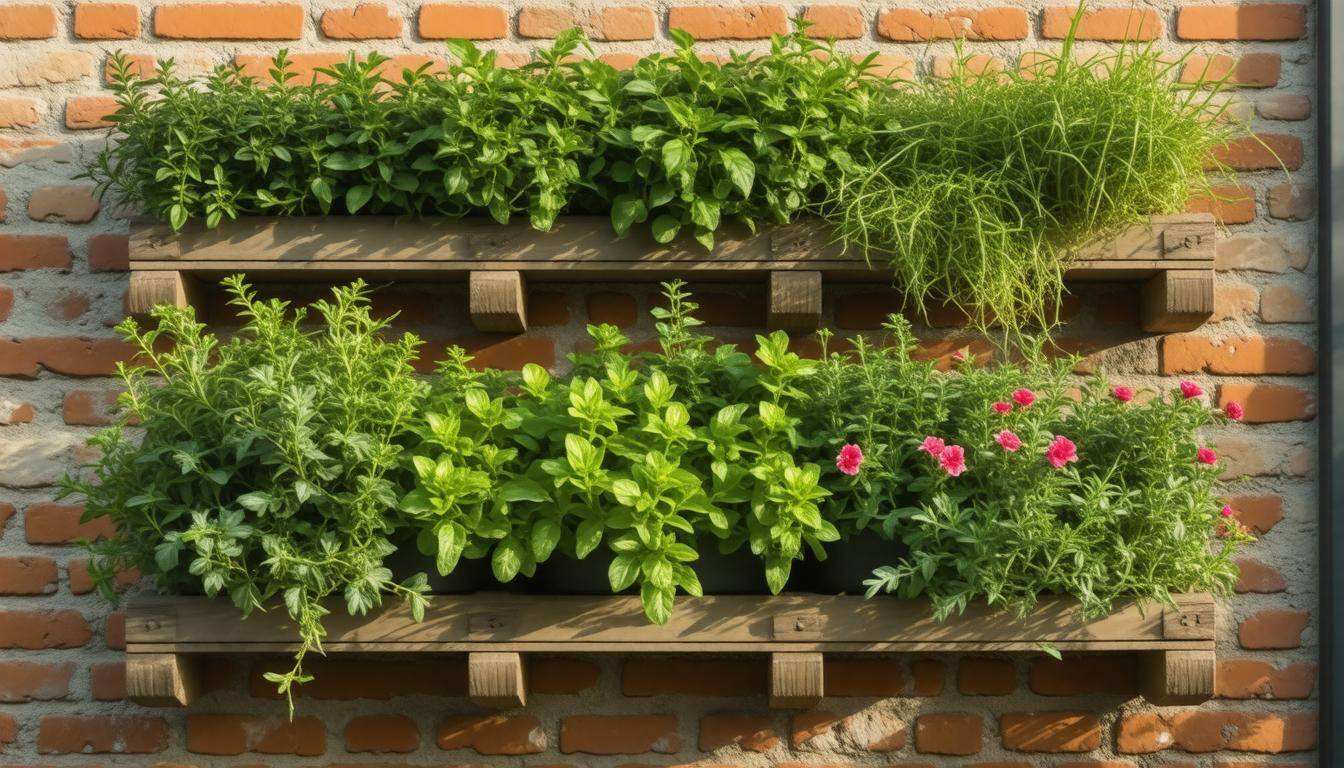
For anyone looking to dive into the world of vertical gardening, the good news is that you don’t need to invest heavily in pricey kits or complicated systems. Instead, you can utilize household items and a bit of creativity, leveraging what you have on hand to create effective garden supports. The beauty of this approach lies not only in its cost-effectiveness but also in how quickly you can set these up when time is of the essence during an emergency situation.
DIY Structures
One highly functional structure is the pallet garden. With wooden pallets readily available from local shops or even your own backyard, you can easily transform them into a vertical growing system. By securing landscape fabric inside the pallet—this will help contain soil and plants—you create a compact garden space that can thrive in limited areas.
Imagine standing on your balcony, colorful leaves peeking over the edge of the pallet; it’s both a lovely sight and a productive use of space.
Moving on from pallets, let’s talk about trellises. These are fantastic for climbing plants like beans or peas and can be made with just a few supplies. Grab some bamboo stakes or wooden dowels, and tie them together with twine to fashion an efficient trellis. Once you plant your climbing vegetables at the base, they’ll reach for the sun, saving precious ground space while also adding height to your garden display.
Have you heard about PVC pipe planters? This unique idea involves cutting PVC pipes in half lengthwise and securely mounting them onto a wall or fence. They make excellent planters for herbs or smaller flowering plants that don’t require deep soil.
This way, you not only enhance your garden’s aesthetic but also maximize available sunlight.
The versatility of these simple structures makes them appealing for anyone interested in vertical gardening. Their simplicity allows for quick modifications based on available resources.
As you begin working with these structures, remember to consider several factors: the height and width of your setups should ideally allow for easy access to your plants while ensuring stability; a trellis measuring around 6-8 feet tall is usually ideal for most climbing plants. When putting together your planters, keep a spacing of at least 12 inches between each so that air circulation remains optimal and plants don’t compete too aggressively for light or nutrients.
By exploring these innovative approaches, you’ll also discover exciting ways to enhance your gardening endeavors while remaining mindful of budget considerations. Let’s now shift our focus to selecting plants that won’t break the bank yet will still yield satisfying results in your garden.
Budget-Friendly Plant Choices
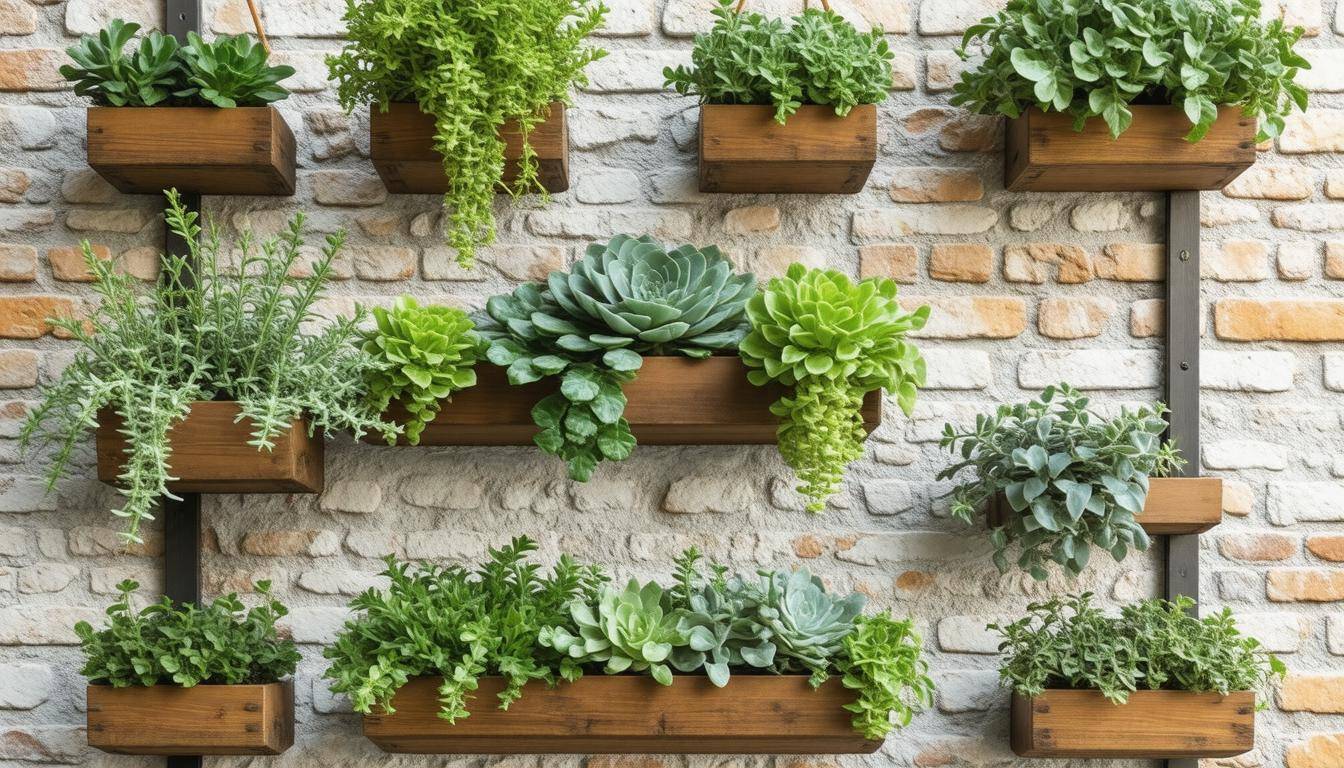
Opting for budget-friendly plants is crucial when you’re navigating limited resources, especially in emergency situations. You’re looking for plants that are inexpensive to grow, maximize yields, and thrive in small spaces. The more efficient your plant options, the better your chances of maintaining food security when times get tough.
Fast-Growing Vegetables
Among the best choices are leafy greens and compact vegetables that offer quick turnaround times. Leaf lettuces are a fantastic addition to any vertical garden; they typically take about 40 days from seed to salad bowl. One benefit is their ability to regrow after being cut above the soil level, allowing for multiple harvests throughout the growing season.
When I grew them last summer, I consistently had fresh greens for salads and sandwiches without constantly replanting.
Another great option is radishes. These little gems mature in an astonishingly short 25 days! Their rapid growth and minimal space requirements make them perfect for vertical gardens. Not only can they fit into tight spots, but they also provide essential nutrients with minimal upkeep.
As we consider other exciting options, let’s not overlook climbers like peas.
Peas flourish in vertical structures—think trellises or simple supports—allowing them to reach for the sky while ensuring efficient use of precious soil. Sugar snap or snow peas can be terrific additions; they require very little floor space yet yield bountiful harvests when properly tended to. Using just a couple of square feet, you could produce quite a number of pods.
Last spring, I grew sugar snap peas up a makeshift trellis made of bamboo stakes, and it was quite rewarding to see them climb while keeping my garden organized.
More Budget-Conscious Choices
Beyond those mentioned earlier, consider incorporating herbs like basil and parsley into your garden as well. Not only are these herbs delightful kitchen companions, but they’re typically low-cost—around $1-3 per seed packet—and can be harvested multiple times over their life cycle. Fresh herbs can elevate even the simplest dishes.
Additionally, if you’re feeling adventurous, try adding strawberries! Everbearing types do extraordinarily well in vertical setups and while they might cost between $5-10 each, they can yield fruit for several years, making them a worthwhile investment for both flavor and enjoyment.
Selecting these affordable options not only enhances your vertical garden but also ensures that you’ll have vital sources of nutrition during unpredictable times. The next aspect to focus on will be maintaining these flourishing plants and maximizing their potential.
Essential Maintenance Tips
Every gardener knows that maintenance is paramount to ensure a thriving vertical garden, but fortunately, it’s not as overwhelming as it sounds. Being proactive with a few simple techniques can cultivate a flourishing oasis right in your home or community space. It starts with understanding how to effectively provide water, manage plant health through pruning, and focus on your garden’s overall environment.
Watering Techniques
When watering your vertical garden, it’s best to adopt a top-down approach. This ensures that water trickles down through the layers, reaching plants at all levels effectively. For the best results, consider investing in a drip irrigation system; these systems set up easily, require minimal investment, yet provide significant water-saving advantages.
Imagine setting up a network of tiny tubes delivering moisture precisely where needed without wasting a drop—it’s like having an automatic watering assistant! By using drip irrigation, you also help prevent water from pooling at the base of your containers or beds, which can lead to root rot.
Remember, consistency is key. During warm months, you may need to check in more frequently—perhaps every couple of days—to ensure your plants aren’t drying out. I’ve seen gardens thrive by sticking to a regular schedule, adapting only when weather dictates an adjustment.
Regular Pruning
Another essential practice for sustaining your vertical gardening dream lies in routine pruning. Think of this as pampering your plants; removing dead leaves and spent blooms not only beautifies your garden but enhances its overall health. Pruning allows better air circulation and light penetration—two critical factors for optimal growth in densely planted areas.
When I prune my vegetables and herbs, I’m always amazed at how revitalized they look within just a day or two.
Aim for trimming every 2-4 weeks during the growing season. By consistently removing any unhealthy foliage, you discourage pests and diseases from taking residence in your cherished greenery. Consider it giving your plants the room they crave; without adequate space to thrive, you’re limiting their potential yield.
By committing to these essential maintenance tips—effective watering methods and regular pruning—you are cultivating an atmosphere ripe for productivity and abundant growth. Taking these small steps not only elevates your vertical garden and enriches the quality of produce but fosters an enduring return on the effort you invest.
With maintenance practices secured, we can explore strategies focused on enhancing the efficiency and output of your limited gardening space.
Maximizing Space Yield
Achieving maximum yield from limited space isn’t as daunting as it sounds. In vertical gardening, the key is not just how you plant, but how you choose the right companions for each crop. This concept, known as companion planting, maximizes growth potential while utilizing every inch of available space.
Companion Planting
Pairing compatible plants can yield remarkable benefits, enhancing growth and productivity while repelling pests naturally. For example:
-
Pole Beans with Corn: This duo creates a vertical living structure; beans can climb up hearty cornstalks while contributing nitrogen back into the soil—a mutually beneficial relationship that allows both crops to thrive without competing for ground space.
-
Tomatoes with Basil: Not only does this combination produce delicious tomatoes that are often bolstered by the aromatic presence of basil, but basil also helps repel pests that typically prey on tomatoes—think of it as an aromatic bodyguard for your precious crop.
-
Lettuce with Radishes: This is a particularly ingenious pairing, as radishes take advantage of underground space while lettuce grows above, allowing the two to coexist harmoniously in a shared container or raised bed.
If you’re looking to simplify your garden care and increase productivity, embracing companion planting will go a long way toward creating a thriving ecosystem.
Another powerful technique to maximize yield is implementing vertical supports like trellises or grids. Using these structures can significantly increase your growing area; climbing plants like cucumbers and beans can burgeon upward rather than outward, freeing up more gracious space for those low-growing crops beneath them. Trellising can add 50% more growing area, increasing yields while keeping the harvest accessible and manageable.
Plants that are well-chosen not only grow together but also enrich their environment, benefiting from each other’s unique traits and abilities. Consider integrating hydroponic vertical systems for even greater efficiency; these systems have been shown to yield up to ten times more produce per square foot compared to traditional soil-based gardening.
By strategically selecting plant partnerships and employing efficient support systems like trellises or hydroponics, you can turn your limited space into a flourishing source of fresh food. These methods serve as vital tools in enhancing your gardening experience amidst challenges that may arise.
Common Issues and Solutions
Vertical gardening, while rewarding, presents its own set of challenges. Whether you’re growing fresh herbs on your balcony or cultivating a small vegetable patch in an urban space, being prepared for potential pitfalls is essential.
One of the most frustrating problems is pest control. For instance, aphids can be a nuisance—sap-sucking pests that congregate on new growth. A great way to combat them is by introducing ladybugs, which naturally prey on these bugs. You can also apply neem oil, an effective organic solution that disrupts their life cycle without harming beneficial insects.
Another potential adversary in your vertical garden is powdery mildew.
This fungal disease appears as a white coating on leaves and thrives in humid environments with poor air circulation. To prevent it, ensure that your plants have ample breathing room; spacing can significantly improve airflow. If you spot signs of mildew, applying a fungicide designed for use on edibles can help curb the spread before it decimates your hard work.
Yet another common challenge is root rot, a sneaky issue that often goes unnoticed until it threatens plant survival.
Root rot occurs when plants sit in waterlogged soil, depriving roots of oxygen and leading to decay. To avoid this plight, focus on using well-draining soil mixtures—not only do they allow excess moisture to escape but also encourage healthy root development. Consider incorporating perlite into your soil blend to enhance drainage further.
While these are some prominent issues, vertical gardening often presents questions beyond just pests and diseases.
Many gardeners face limitations regarding light exposure. If your plants aren’t getting enough sunlight—which ideally should be about 4-6 hours daily—they won’t thrive. In situations where natural light dips below optimal levels, grow lights can be lifesavers. Using full-spectrum LED grow lights tailored for plant growth ensures you mimic natural conditions indoors.
Lastly, overwatering is a frequent error that many vertical gardeners encounter due to enthusiasm or misjudgment when caring for plants. Installing a drip irrigation system or investing in self-watering containers can efficiently regulate moisture levels—allowing you to enjoy the garden without constantly worrying about drowning your plants.
Taking proactive measures to address these common challenges will indeed contribute to the overall health and productivity of your vertical garden, ensuring it flourishes even in tight spaces and less-than-ideal situations.
As we navigate these challenges together, it’s inspiring to observe success stories from urban gardeners who have turned their limited spaces into lush green havens filled with life and productivity.
Urban Success Stories
Many individuals have successfully implemented vertical gardening in urban settings, showcasing its feasibility when space is limited and food accessibility is crucial. One shining example comes from Sarah, a New York City resident who transformed her small balcony into a lush vertical oasis using repurposed wooden crates as planters.
By stacking these crates against her balcony wall, she created an efficient garden that utilized vertical space effectively. Her creativity not only made her living area more inviting but also had tangible benefits; her garden yielded enough fresh vegetables to supplement her diet throughout the summer months.
Sarah’s story is just one instance; community efforts reveal how collective action can really amplify the impact of vertical gardening.
In San Francisco, a determined community came together to convert an abandoned lot into a thriving vertical garden. This project illustrates the immense potential that neglected spaces harbor if people are willing to put in the effort.
By organizing and pooling their resources, they cultivated enough food to supply local shelters, addressing both hunger and beautifying their neighborhood. This initiative does more than just provide nourishment; it fosters community ties and engagement among residents while demonstrating how creative projects can revitalize urban areas.
Beyond these individual and community successes, notable organizations are backing such initiatives, further supporting the expansion of vertical gardening practices.
Organizations like Common Ground Producers and Growers are enhancing urban agriculture by implementing entrepreneurial projects designed to offer job training and mentorship for new farmers. These localized efforts empower individuals in cities like Kansas to engage with food production even in space-constrained environments.
Meanwhile, the Tampa Family Health Centers address barriers to healthy food access through initiatives like their “Garden Steps Project,” ensuring that nutrition reaches those most in need. With support from entities like USDA, investing millions into grants targeted at sustainable practices, vertical gardening has garnered significant momentum across various urban landscapes.
Overall, these narratives showcase how versatility and innovation can help overcome challenges tied to space in cities. When people embrace vertical gardening, they find creative solutions that yield fresh produce while nurturing communal relationships and fostering educational growth about nutrition and sustainability.
As these promising stories reveal, the key lies in shared effort and ingenuity—turning even the smallest patches of land into valuable sources of sustenance.
Have you embraced this enriching plant practice? Share your own vertical gardening successes and tips to inspire others who face similar challenges in their quest for better food access!
These inspiring examples illustrate that with commitment and creativity, urban gardening can foster not just food security but also strong communities in challenging environments.
What maintenance tips should I follow to ensure the health of my vertical garden in limited-space conditions?
To ensure the health of your vertical garden in limited-space conditions, prioritize regular watering and adequate light to prevent wilting and growth stagnation; most plants in vertical arrangements need about 6-8 hours of indirect sunlight daily. Additionally, implement a routine of pruning and rotating your plants to encourage even growth and reduce overcrowding—statistics show that well-maintained vertical gardens can yield up to 30% more produce than traditional gardens due to optimized space usage. Lastly, don’t forget to monitor nutrient levels; using a balanced fertilizer can enhance plant vigor and overall output.
How can vertical gardening contribute to food security during crises or emergencies?
Vertical gardening can significantly enhance food security during crises or emergencies by maximizing limited space and resources; it allows individuals to grow fresh produce in urban environments, even indoors. For instance, research indicates that vertical gardens can yield up to 10 times more crops per square foot compared to traditional gardening methods. This is particularly crucial during emergencies when access to food becomes limited—vertical gardens can reduce dependency on supply chains and offer a sustainable source of nutrition, ensuring communities remain resilient in the face of adversity.
How can I create an effective vertical garden using recycled materials?
To create an effective vertical garden using recycled materials, start by collecting items like old pallets, plastic bottles, or wooden crates. Use these as structures for your plants; for example, a pallet can be leaned against a wall and filled with soil and herbs or flowers, maximizing space in small areas. According to studies, vertical gardens can yield up to 30% more produce per square foot compared to traditional gardening methods, making them ideal for emergency situations where space and resources may be limited. Be sure to choose plants suited to your climate and ensure proper drainage to maintain healthy growth.
What are the best structures or systems for vertical gardening in small spaces?
The best structures for vertical gardening in small spaces include wall planters, tiered shelving, and trellises. Wall planters maximize vertical space while providing excellent drainage and accessibility, making them ideal for both herbs and ornamental plants. Tiered shelving allows for multi-level planting, effectively utilizing height without taking up much floor space. Trellises support climbing plants like beans and cucumbers, which can save ground space significantly—up to 35% when compared to traditional gardening methods. With about 60% of urban dwellers living in apartments or homes with limited garden space, these systems are essential for maximizing yield in compact environments.
What types of plants are most suitable for vertical gardening in emergencies?
In emergencies, suitable plants for vertical gardening include fast-growing leafy greens like spinach and lettuce, nutrient-rich beans such as pole beans, and hardy herbs like basil and parsley. These plants not only thrive in limited space but also produce food quickly—leafy greens can be harvested within 30 days, while beans provide protein in just a few months. Statistics show that vertical gardening can increase yield by up to 75% per square foot compared to traditional gardening methods, making it an efficient solution during crises.