
In emergencies, clear communication can mean the difference between safety and chaos, yet many people overlook the importance of visual signals. When sirens wail or alarms sound, not everyone can hear what needs to be done. That’s where visual emergency communication comes into play—using signs, colors, and symbols to convey information quickly and effectively. It isn’t just about helping those who are deaf or hard of hearing; these methods benefit everyone by reducing confusion and speeding up response times. With nearly half a billion people worldwide living with hearing loss, creating inclusive visual cues isn’t just thoughtful; it’s essential. Drawing on my experiences working within diverse communities, I’ve watched how effective visuals can dramatically improve understanding during high-stakes scenarios—they’re truly life-saving tools we should all embrace.
The “Visual Emergency Communication Methods: Guide” outlines various strategies designed to aid in emergency situations, including using large print materials for visually impaired individuals and employing light signals or physical cues for those who are deaf or hard of hearing. This guide emphasizes the importance of clear, accessible communication to ensure that all individuals can understand and respond appropriately during a crisis.
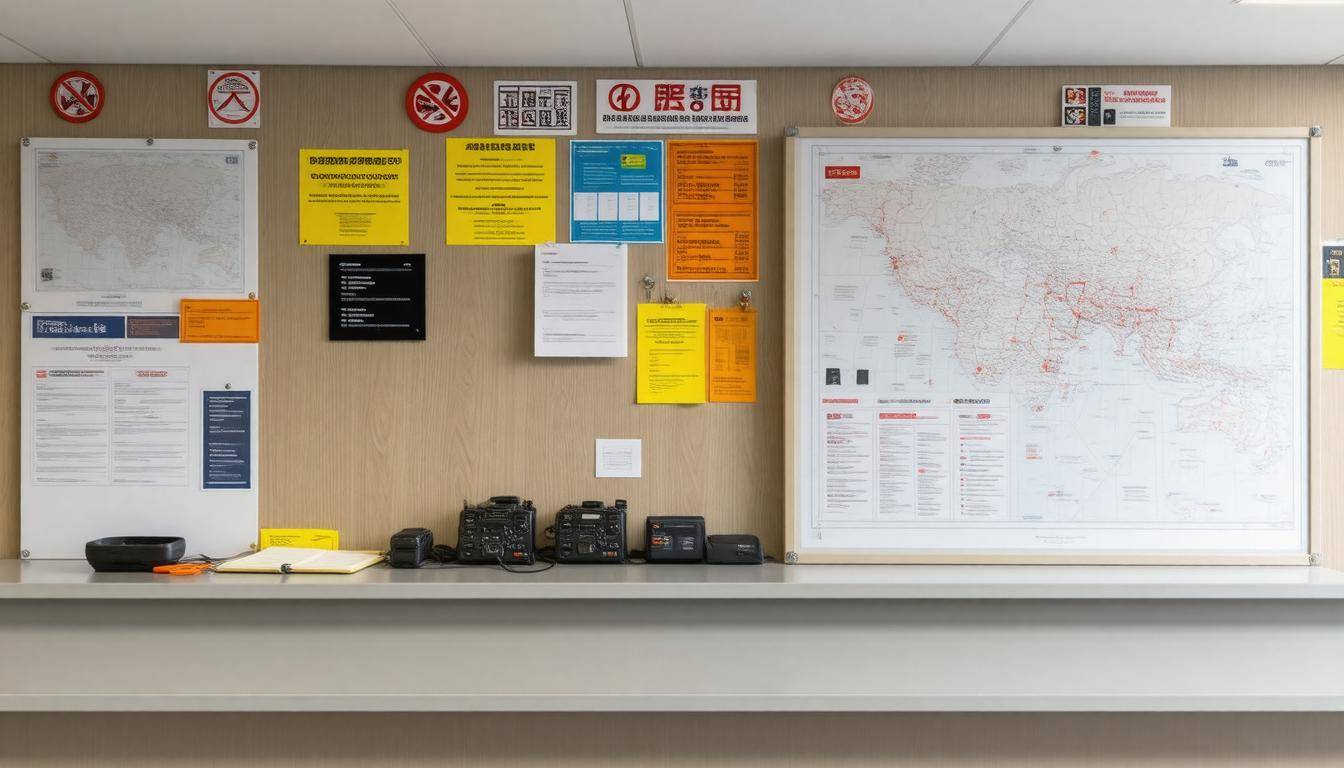
Overview of Visual Emergency Communication
Visual emergency communication is an essential strategy that utilizes images, symbols, and colors to convey critical information swiftly and effectively. This method proves invaluable in various situations, particularly those where sound cannot penetrate, like during loud alarms or chaotic scenes.
Think about it: when alarms are blaring, people often struggle to hear instructions. For individuals with hearing impairments, these conditions can be even more challenging. This is where visuals shine, bridging the gap between urgency and understanding.
The beauty of visual communication lies in its universal appeal. Approximately 466 million people worldwide live with disabling hearing loss, according to the World Health Organization. These individuals heavily depend on visual cues not just for day-to-day living but also in navigating critical situations. Visual signals provide not only safety but also inclusivity, ensuring that everyone, regardless of their hearing ability, can respond effectively during emergencies.
In my experience working with diverse communities, I’ve seen firsthand how visual aids improve understanding and response times significantly—sometimes by as much as 30% in urgent scenarios. That could mean the difference between getting out safely and facing dangerous situations.
Using visuals doesn’t just assist those with disabilities; it’s beneficial for everyone in any crisis. Easy-to-grasp signage, clear diagrams showing exit routes, or color-coded alerts foster immediate recognition and understanding. It’s a bit like using traffic lights: red means stop, green means go—simple enough that most people can react without hesitation. Incorporating such tactics into emergency plans creates a more prepared environment.
Research reveals some compelling statistics illustrating the necessity of these methods. For instance, visual communication methods can increase message retention by up to 65% compared to solely verbal communication. Implementing graphics clarifies messages while enhancing comprehension by an astounding 83%, making it easier for everyone to follow critical instructions when every second counts.
As we dive deeper into effective strategies for implementing visual communication during emergencies, clarity is key. Informative visuals should be straightforward and strategically placed where they are easily noticed—in hallways, near exits, or posted on walls where people gather frequently.
Keep in mind that different situations call for different visual strategies; thus maintaining an adaptable approach will ensure effectiveness across varied circumstances. This ability to tailor visual cues highlights their versatility while reinforcing the importance of including them as part of comprehensive emergency plans.
As we turn our attention to specific techniques that enhance cognitive understanding during emergencies, we’ll discover how these visual tools facilitate effective responses for everyone involved.
Essential Visual Signals
Essential visual signals are not just arbitrary; they are crucial lifelines during emergencies, and their standardization ensures that everyone can interpret them correctly. In a tense moment, with adrenaline pumping and clarity critical, a bright red light flashing overhead can instantly notify you of impending danger.
One of the most recognized forms of signal is flashing lights. Used widely in evacuation alarms, these lights serve as vital attention grabbers. Their brightness should be sufficient to stand out against varying backgrounds, ensuring visibility even amidst chaos.
Variations of Visual Signals
In addition to flashing lights, variations such as strobe lights come into play. These are commonly found in fire alarm systems and designed to flash at specific intervals, each pattern conveying distinct emergency statuses. Pairing these with intuitive color codes adds another layer of clarity. Each hue carries meaning—red signals fire alerts, blue indicates medical emergencies, yellow offers cautionary messages, while green represents safe zones or “all clear” situations.
Moving beyond color and lights, we arrive at the power of symbols and icons. Universal recognition plays an essential role here; using symbols like the exit sign or a running man indicating evacuation routes provides immediate understanding without needing lengthy explanations. Imagine a crowd during an emergency—quickly identifying safety equipment like fire extinguishers through standardized icons can save vital time when seconds count.
This practical application extends across various venues like hospitals, where combining these signals fosters seamless communication among departments. Visual signals make an impact because they efficiently convey information while minimizing confusion.
Consider how hospitals employ a variety of methods: flashing red lights may signify a critical emergency, while an announcement over the PA system directs staff members to respond accordingly. By strategically placing universally recognized symbols throughout their premises—like emergency exits and first aid stations—hospitals ensure that even those who may be overwhelmed can quickly identify where help resides.
As we further explore this topic, remember that these visual signals form an intricate web designed for safety. They need to be thoughtfully implemented and regularly assessed for clarity and functionality to meet the unique needs of diverse populations, including those with disabilities.
Understanding these key elements serves as a foundation for examining advanced systems that enhance alert mechanisms in real-time scenarios.
Technology in Visual Alerts
In the ever-evolving landscape of emergency communication, technology stands at the forefront of innovation. It allows for sophisticated systems that can respond rapidly to various crises by integrating visual alerts with existing infrastructure. Imagine, for a moment, walking through an airport or large public venue when suddenly an emergency arises. You don’t have time to read long text instructions; instead, visual cues play a critical role in guiding you to safety.
Smart Lighting Systems
At the heart of many modern emergency protocols are smart lighting systems. These advanced tools can automate responses by altering their colors and patterns based on the nature of the emergency. For example, Philips Hue smart lights can be programmed to flash red during a fire alarm to immediately catch your attention and signal urgency. Similarly, they might switch to blue when there’s a medical situation requiring immediate action. This use of color provides visual clarity and leverages our instinctual reactions to color-coded signals.
Customizing lighting systems isn’t just about aesthetics; it’s about creating an intuitive response pathway that reduces confusion in stressful situations.
In addition to smart lighting systems, digital signage plays a pivotal role in enhancing visibility during emergencies.
Digital Signage
Digital signage has become ubiquitous in airports and other large public spaces for a reason: it effectively conveys critical information through visually engaging means. These displays can present emergency instructions using animation—drawing the eye while maintaining simplicity. This approach is crucial, as people are more likely to comprehend and retain instructions presented dynamically rather than through static text alone.
Ensuring these signs are placed in strategic locations can significantly improve viewer engagement. Regularly testing these systems will help guarantee functionality when needed most.
Research from the National Fire Protection Association highlights that incorporating dynamic visuals can increase comprehension rates by as much as 50% during an emergency. This statistic emphasizes why investing in quality digital signage is vital for emergency preparedness—it serves not just as an informational tool but as a lifeline during chaotic moments.
The integration of technology into visual alerts enhances not only safety but also fosters clearer communication during emergencies.
It’s important to understand that while advancements like smart lighting and digital signage provide powerful tools, they should be part of a broader strategy involving comprehensive training and regular drills for both personnel and civilians. Keeping everyone informed about how these technologies function ensures their effectiveness when the stakes are high.
As we shift our focus, let’s explore how design principles come into play to optimize communication effectiveness within these systems.
Effective Signal Design

The design of visual signals goes beyond mere aesthetics; it encompasses the very essence of safety during emergencies. An effective visual signal conveys necessary information quickly and clearly. Imagine being in a chaotic situation where every second counts—clear, unambiguous signals can be the difference between calm actions and panic. Crafting these signals requires attention to detail in several facets.
Guidelines for Designing Visual Signals
One of the most critical principles in signal design is simplicity. A complicated signal can lead to confusion, so keeping the design straightforward is vital. When people are under stress, as in an emergency, their ability to process complex information diminishes. Hence, using basic shapes and familiar symbols helps ensure that your messages are understood at a glance.
Next is consistency. Consistent use of symbols and colors across various contexts fosters familiarity and trust. For instance, if a red circle consistently indicates danger in one scenario, it should not mean something entirely different elsewhere. This recognition can save precious moments when individuals need to evacuate quickly.
Additionally, visibility is paramount. Your signal should be designed for various lighting conditions—not just the bright outdoors but dim emergency scenarios too. An ideal visual signal might incorporate high-contrast colors to stand out against any background. For example, a combination of yellow with black is often more visible than standard colors like blue or green.
Standards recommend that the minimum contrast ratio for text and background should be at least 4.5:1 for normal text and 3:1 for large text, following WCAG.
Another area of debate exists around the inclusion of text within visual signals. Some argue that adding words enhances understanding; however, relying solely on symbols effectively eliminates language barriers. Think of symbols as a universal language—they transcend linguistic limitations, ensuring that all individuals receive critical messages regardless of their spoken language.
The synthesis of these guidelines allows for the creation of functional visual signals that are crucial during emergencies. As we consider the implications of effective communication methods in crisis situations, we now shift our focus to how these strategies integrate into broader community safety measures.
Public Safety Applications
Visual emergency communication plays a critical role in ensuring swift and effective responses during crises. For instance, consider how emergency lights on vehicles function. Their bright flashes cut through traffic congestion, immediately communicating urgency to surrounding drivers and helping them navigate safely out of harm’s way.
It’s fascinating how this simple yet effective method aids in preventing accidents during emergencies, enhancing a community’s overall safety.
Moreover, public transit systems are increasingly adopting similar visual alert systems to streamline evacuations. These systems utilize blinking lights and digital screens to convey vital information in real-time. In emergencies, passengers rely heavily on these visual cues, as they help guide people quickly towards safe exits while averting chaos and confusion.
Case Study: Tokyo Metro
One exemplary model is the Tokyo Metro system, which exemplifies effective visual communication during emergencies. The system doesn’t just stop at auditory announcements but goes a step further by incorporating flashing lights along platforms and tunnels, guiding passengers swiftly toward exits. Additionally, they have strategically installed floor lighting that illuminates escape routes, making them easily identifiable even in moments of panic or reduced visibility.
This multilayered approach ensures that passengers with varying abilities can navigate the crisis effectively. For instance, visually impaired individuals benefit from lighted paths directing their movements, while those who may be hard of hearing receive critical visual alerts assisting their situational awareness.
Such implementations underscore the importance of combining visual aids with innovative strategies to foster inclusivity and enhance emergency communication. Now let’s explore various devices designed for seamless communication in critical situations.
Communication Devices
The landscape of communication devices has evolved significantly over the years, giving rise to innovative tools that ensure people receive important information quickly and effectively. Among these devices, various technology options cater to different environments and needs. One prevalent type is mobile alerts, which serve as immediate notifications about emergencies happening around us.
Mobile Alerts
Modern smartphones are equipped with advanced capabilities to transmit emergency notifications, often incorporating visual alerts. For instance, when an Amber Alert is issued, your smartphone emits a loud noise and flashes on your screen, drawing attention regardless of background noise. This capability transforms how we engage with critical information swiftly—ensuring we remain informed about potential dangers, such as child abductions or severe weather warnings.
But mobile phones aren’t the only players in this field; wearable technology is also stepping up.
Wearable Tech
Smartwatches and other wearable tech have become increasingly vital for receiving alerts. These devices vibrate—providing discreet notifications that won’t get lost in everyday noise. For example, if you’re in a crowded environment like a concert hall or busy café, a smartwatch can discreetly alert you to emergencies without needing to pull out your phone. This feature is particularly beneficial for individuals with hearing impairments who may struggle to notice standard audio alerts.
| Device | Use Case | Example |
|---|---|---|
| Smartphones | Mobile Alerts | Amber Alerts, weather warnings |
| Smart Watches | Wearable Alerts, vibrations | Apple Watch, Samsung Galaxy Watch |
| Digital Signage | Public Spaces, guided instructions | Airport displays, mall evacuation maps |
Moving beyond personal devices, we also encounter digital signage—a crucial element in public spaces.
Digital Signage
Digital signage represents another method where visual communication comes into play. In various public spaces such as airports and shopping malls, digital signs are strategically placed to communicate essential information quickly and clearly. Imagine arriving at an airport and seeing digital screens displaying real-time flight updates alongside urgent evacuation instructions during an emergency situation. The clarity of this visual aid helps guide individuals effectively, ensuring they know precisely what steps to take.
The use of digital signage not only enhances safety but also promotes better communication among large groups of people where traditional methods might falter.
As subsequent advancements continue to emerge in technology, the blend of reliability and innovation will be key in shaping how we perceive safety communications. Each device serves its unique purpose in fostering a safer environment by ensuring messages are effectively delivered to those who need them most.
With the foundation of communication devices laid out, it’s now time to explore specific techniques and examples that enhance our ability to respond effectively in emergencies.
Practical Techniques and Examples
One of the most telling illustrations of how visual emergency communication can be put into practice is through drills designed for crisis situations. Take, for example, the “Run, Hide, Fight” drills widely adopted in schools across the USA. These drills employ color-coded cards to convey room statuses succinctly and quickly—green signifying safety while red signals immediate danger. This system allows students and staff to respond intuitively, minimizing chaos during an already tense moment.
The effectiveness of color-coded systems in emergencies cannot be overstated; studies suggest they can improve response times by up to 30%.
Similarly, hospitals implement effective visual paging systems that enhance communication without creating disruptive noise. In these environments, different colored lights are activated to denote various types of emergencies—each color representing a specific response protocol or situation. Picture this: a sudden medical emergency occurs, and instead of a loud announcement that could escalate panic, a discreet visual cue quietly alerts the necessary medical personnel. This helps keep noise levels down and accommodates individuals sensitive to auditory stimuli.
Another critical technique includes the use of pictograms and icons in public spaces. These universal symbols provide clear direction during emergencies, guiding people toward evacuation routes or first aid stations without extensive verbal instructions. Pictograms can significantly increase comprehension rates—some studies suggest a boost as high as 70% for non-native speakers facing complex language barriers during stressful situations.
Building on the idea of universal understanding, digital displays and LED boards serve as important tools in conveying real-time updates about emergency procedures in high-traffic areas. Imagine walking through a busy airport or train station when suddenly an emergency arises; having immediate access to visual displays that clearly outline next steps makes all the difference. Reports indicate that organizations using these technologies note up to a 50% increase in information retention among individuals during crises.
Additionally, employing visual alert systems, such as strobe lights alongside alarms, enhances overall situational awareness. These flashing lights serve as an instant signal that something requires urgent attention—a method proven to reduce panic by around 40%. By combining auditory cues with visual signals, individuals are less likely to overlook essential information when every second counts.
It’s fascinating to think about how infographics can play a crucial role in emergency procedures too; these step-by-step visual guides can simplify complex information and dramatically improve understanding.
After all, we rarely read dense texts during an evacuation; we want clarity and simplicity!
These methods emphasize a shift towards more accessible and inclusive strategies for all individuals by putting visual elements at the forefront of emergency communication. As we continue to integrate these practical techniques, we enhance safety protocols while creating an environment where everyone can respond effectively—regardless of their individual communication needs.
With these established techniques shaping the present landscape, it’s intriguing to consider what innovations lie ahead in this field.
Future Trends in Visual Communication
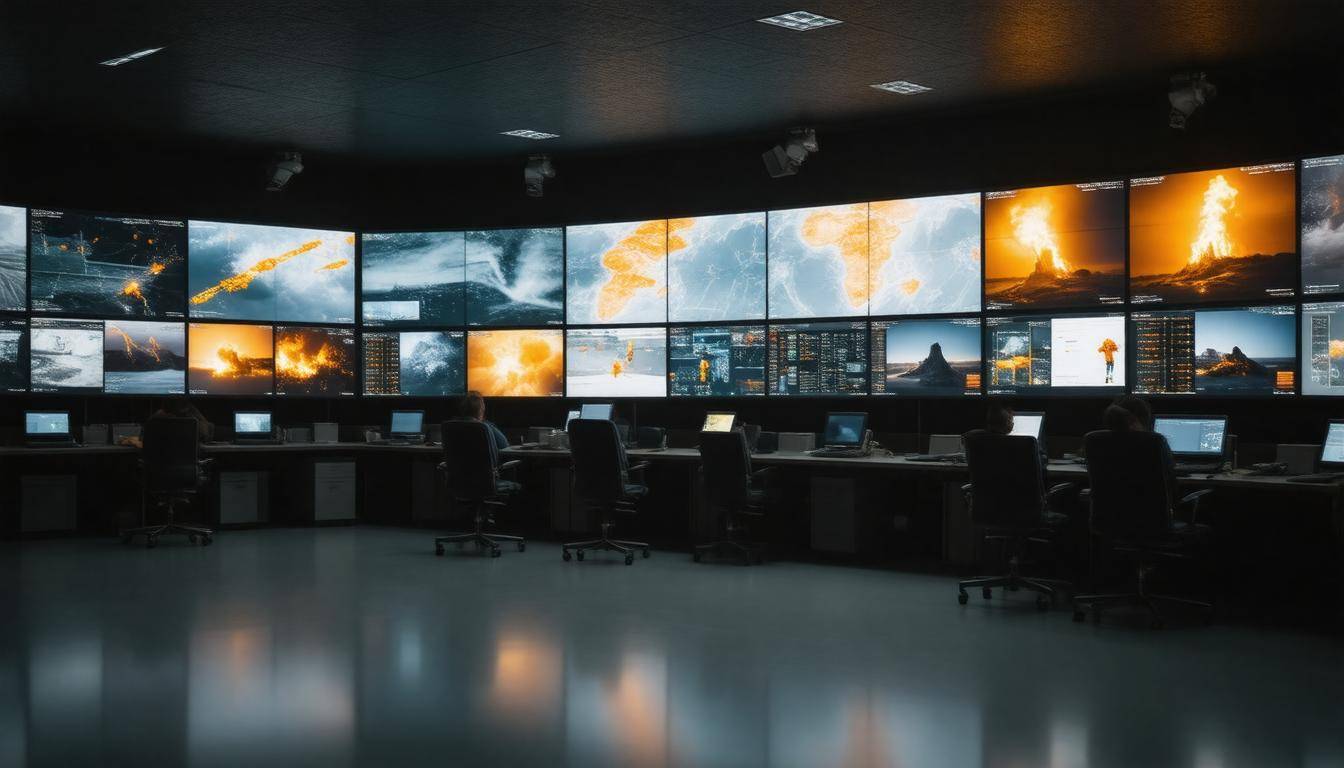
The landscape of visual emergency communication is on the brink of transformation, driven by technological advancements and a desire for immediate clarity in crisis situations. It’s not just about presenting information; it’s about making that information impactful and life-saving in real-time. A key trend here is Augmented Reality (AR), poised to revolutionize how we interact with information during emergencies.
Augmented Reality (AR)
Imagine wearing smart glasses that seamlessly overlay crucial safety information right before your eyes. In an evacuation scenario, AR can highlight safe exits while revealing potential hazards in your path. This innovation allows responders to visualize building layouts at a glance, ensuring efficient navigation through chaos. For example, firefighters could view blueprints of buildings as they enter, guiding them through complex environments where every second counts.
As AR progresses, it will not only enhance situational awareness but also empower individuals to make informed decisions quickly under stress.
Machine Learning
Another compelling aspect shaping the future of visual communication is Machine Learning (ML). With its ability to analyze vast amounts of data, ML algorithms can predict when emergencies might occur and trigger timely alerts. Advanced algorithms could analyze weather patterns to warn communities of impending natural disasters long before they happen. If machine learning can identify patterns linking certain environmental factors and emergency scenarios, it could generate warnings that save lives and minimize panic.
Questions arise about how these advanced technologies will impact our response strategies in the next decade. Will they facilitate faster evacuations? Can they reduce misinformation in chaotic situations? The potential for these tools lies not just in their technical aspects but in their capacity to connect people with the right information at the right time.
Ultimately, the evolution of visual emergency communication isn’t merely an exercise in technology; it’s a commitment to creating more inclusive, effective methods aimed at preserving life during critical moments. By embracing both contemporary design trends and cutting-edge technologies, we pave the way for safer communities equipped with powerful tools for crisis management.
In embracing these future trends in visual communication, we can harness the power of technology to create a safer and more informed society.