
In uncertain times, having an emergency supply kit can be a real lifesaver. Imagine facing a natural disaster or unexpected event without the basics – food, water, and medical supplies. It’s a worry we all share, which is why preparing ahead makes so much sense. The good news is that you don’t have to break the bank to get ready. Warehouse stores offer great deals on bulk items that can keep you and your family safe while saving you money. In this guide, we’ll break down the best buys for your emergency supply kit, ensuring you’re well-prepared for whatever challenges come your way.
The Warehouse Store Emergency Supply Guide highlights top purchases such as bulk staples like rice and beans, medical supplies like first aid kits, and hygiene products. Additionally, investing in portable power sources such as batteries and flashlights can significantly enhance your preparedness for any emergency situation.
Key Emergency Supplies
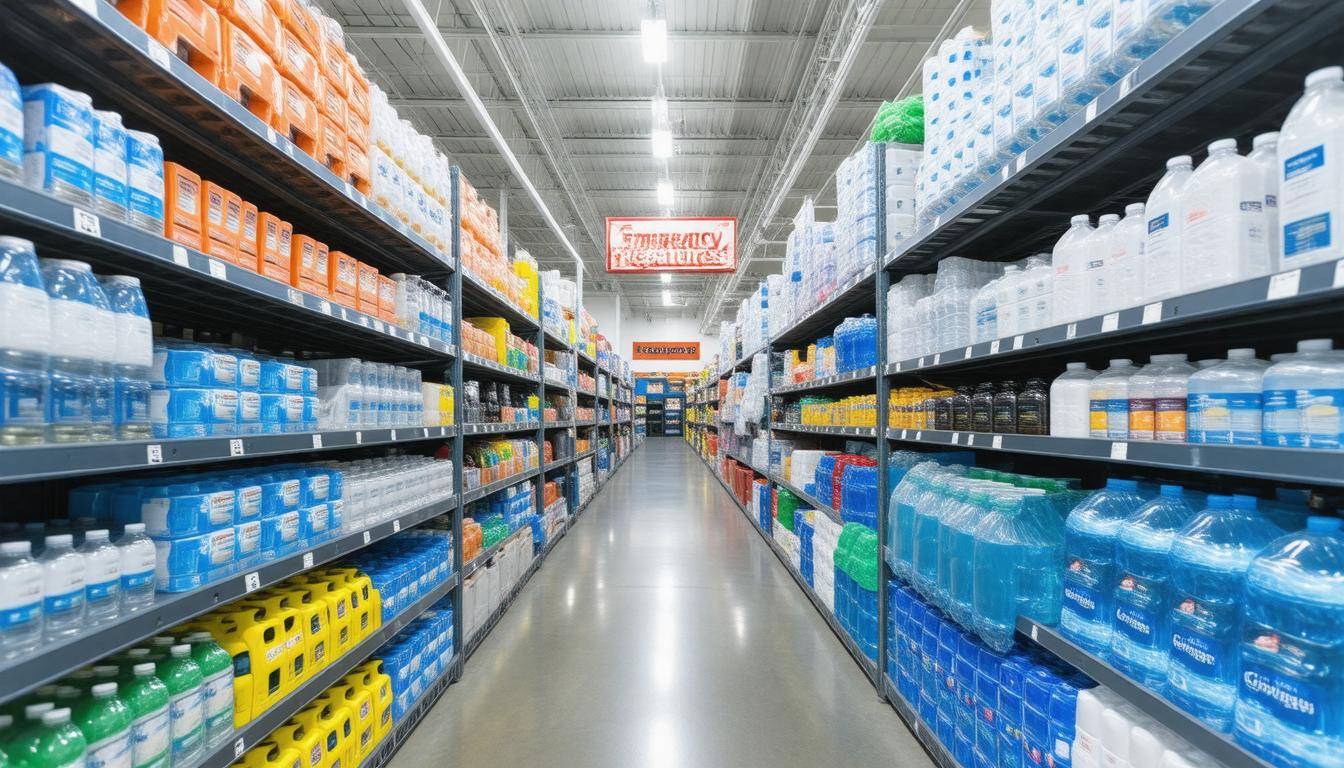
When thinking about emergency preparedness, it’s essential to focus on key components. Food, water, medical supplies, and hygiene products can sustain you and your family during a crisis. For food selection, prioritize non-perishable items such as canned goods, freeze-dried meals, and bulk staples like rice and beans. These foods not only have a long shelf life but also provide the energy needed to keep your spirits up when times are tough. Aim for at least a two-week supply of food per person by making an inventory of your pantry to assess your essentials.
Did you know that the CDC recommends having one gallon of water per person per day? That’s right—this is vital for drinking and sanitation purposes. If you have a family of four, stock up on 56 gallons of water to cover two weeks. It may seem like a lot, but it provides peace of mind during an emergency.
When compiling your medical supplies kit, be thorough. Important items include bandages, antiseptics, pain relievers, and any prescription medications that family members may need. It’s beneficial to have not just the basics but also adhesive strips or a first aid manual for injuries. Hygiene products are equally critical; include soap, hand sanitizer, feminine hygiene products, and other personal care items since maintaining cleanliness can reduce health risks when resources are scarce.
Power Sources
Interestingly enough, many people overlook the importance of power sources during emergencies. Having a reliable portable power bank or solar charger is invaluable for keeping communication devices operational when the grid goes down. Additionally, include light sources in your emergency supplies; flashlights or lanterns provide visibility during the night or power outages. Ensure you have extra batteries on hand so that you won’t be left in darkness when you need light.
By focusing on these key categories—food, water, medical necessities, hygiene products, and power sources—you lay a solid foundation for your emergency supply kit. Proper preparation enhances resilience during unforeseen events while significantly improving peace of mind.
From understanding what essentials to gather, we can now explore effective approaches for stocking up on these vital supplies without overspending.
Bulk Purchasing Strategies
Buying in bulk can indeed be a game changer when preparing for emergencies, allowing you to save significant money while stocking up on essentials.
However, to truly leverage this method effectively, it’s essential first to identify your needs. Start by creating a comprehensive list of all the necessary items you’ll need to have on hand during an emergency. This should include food supplies, hygiene products, medical necessities, and any additional items unique to your household.
Once your list is complete, prioritize these items based on urgency and the anticipated length of their use. For instance, canned goods may take precedence over personal care items if you anticipate relying more heavily on them.
After identifying what you need, the next step involves ensuring you are getting the best deals available.
Researching and comparing prices at different warehouse stores is critical. While places like Costco might shine with unbeatable bulk prices on canned goods, other stores such as Sam’s Club may offer exceptional deals on hygiene products or larger packs of medical supplies.
Taking time to shop around online and in-store can uncover savings that would otherwise go unnoticed. Additionally, don’t forget to check for any special discounts or membership deals that could lower costs even further.
With your shopping list in hand and price comparisons completed, it’s vital to consider where you will store all these supplies effectively.
Ensure you have adequate storage space before diving into bulk purchasing; there’s nothing worse than arriving home with tons of items only to realize there’s no space to put them! It may require some reorganization of existing pantry shelves or even clear some garage space for larger items.
Further enhancing your setup is just as important; investing in airtight containers can keep food items fresh and viable for long-term storage. If you’re dealing with perishables like meats or cheeses, consider vacuum-sealing them; doing so can greatly extend their shelf life while preventing freezer burn or spoilage.
Be mindful of packaging—bulk items often come in large quantities that can be difficult to manage alone.
One fantastic way to mitigate costs while maximizing resources is by forming collective buying groups with neighbors or family members. By sharing bulk purchases together, everyone benefits from both reduced individual costs and an increased variety of stored supplies without sacrificing volume. However, it’s essential always to check expiration dates when purchasing; aim for products with the longest shelf lives available so that none of your investments go to waste.
Embracing smart purchasing strategies lays the groundwork for an organized supply system that will serve you well. Now we can explore product recommendations designed to stand the test of time while keeping your preparedness on point.
Long-Lasting Product Recommendations
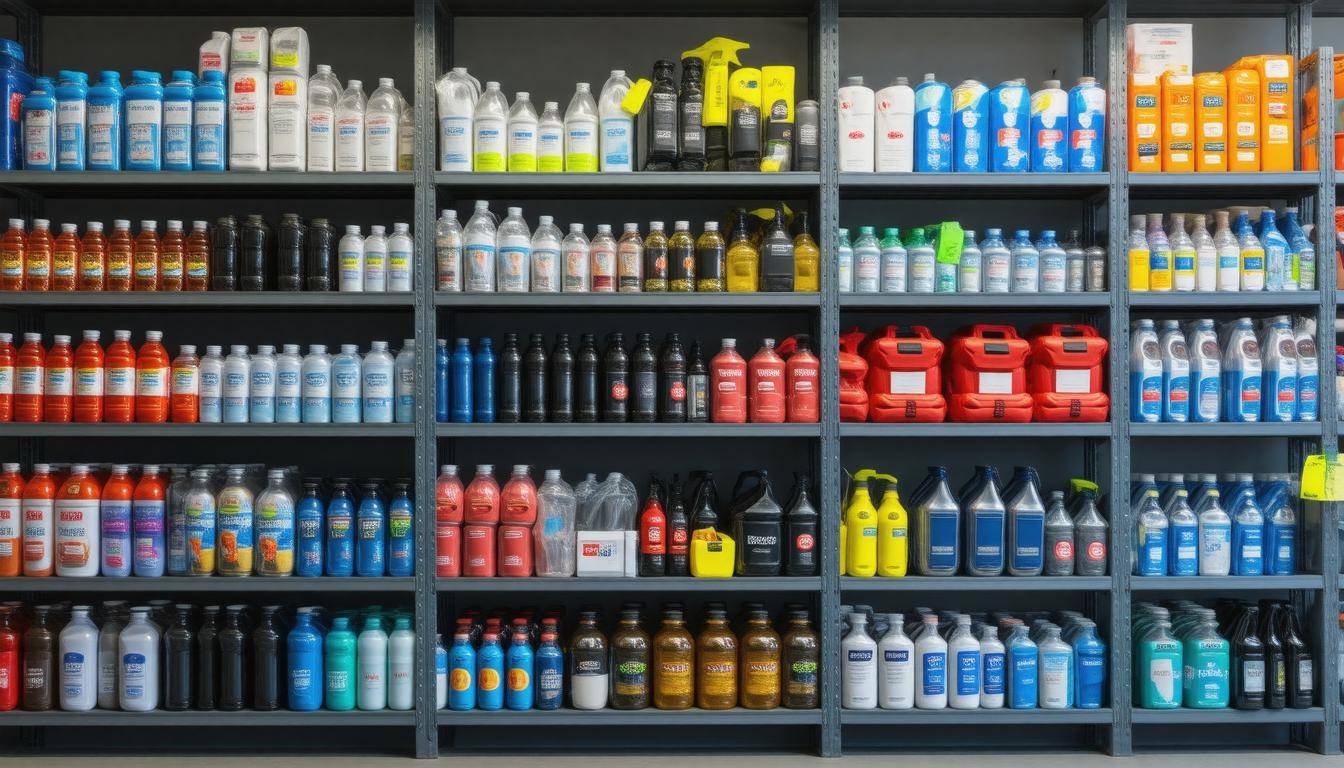
Durability and shelf life are paramount when choosing emergency supplies. One of the best choices you can make is to opt for items that won’t spoil or become unusable easily. Canned goods, for instance, have been a staple in pantries for generations and can last anywhere from one to five years depending on the specific item. Think about stocking up on canned meats, vegetables, and fruits—you’ll not only be prepared but also have nutritious options available when they’re needed most.
But let’s discuss dehydrated foods as well. These are real game-changers in the world of emergency supplies. If stored correctly in a cool, dry place in sealed containers, items like pasta, beans, and instant potatoes can last up to thirty years! Imagine the peace of mind knowing you have a reservoir of food that can outlast most situations you might face. For a more gourmet touch during tough times, turn to brands like Mountain House which offer freeze-dried meals with an incredible twenty-five-year shelf life—perfect for those who want easy-to-prepare options without sacrificing taste.
Now, while food is essential, you shouldn’t forget about water. Though bottled water typically has a shelf life of one to two years, it can remain safe indefinitely if stored properly. Keeping it away from heat sources and sunlight will ensure that your water stays fresh for emergencies.
Here’s another angle: don’t overlook non-food items! Consider multi-tools—the Swiss Army knives of survival gear—with their versatility enabling them to serve various functions. Solar-powered radios are fantastic because they operate without batteries—keeping you informed during critical times—and rechargeable LED lanterns offer efficient light without the hassle of replacing batteries every few weeks.
The right choices today pave the way for security tomorrow. Investing in these essentials means you’re preparing not just for uncertainty but also ensuring peace of mind for you and your loved ones.
Whether it’s wholesome canned goods or functional gear like multi-tools and lanterns, making smart selections will ultimately empower you during unforeseen events. The key lies in prioritizing items with extended shelf lives and versatility to ensure that your emergency supply truly stands the test of time.
As we transition from discussing essential supplies, it’s crucial to shift our focus toward assessing how these preparations can effectively safeguard your well-being and resources during trying times.
Evaluating Safety and Efficiency

Safety and efficiency should be at the forefront when you’re selecting emergency supplies. Understanding this can significantly influence your ability to respond effectively during a crisis. It’s not just about having supplies; it’s about having the right ones that work optimally when needed. Imagine being in a situation where you reach for your emergency food supply only to find it expired or having a flashlight that doesn’t turn on because its batteries were poorly stored—frustrating, right? This is why thorough evaluation is crucial.
Step I – Check Certifications
Begin by scrutinizing the items you’re considering. For medical supplies, checking for FDA approval ensures that they’re up to formal safety standards. Not only does this build confidence in their efficacy, but it also alleviates potential health risks during emergencies.
Similarly, electrical products should bear certifications such as UL (Underwriters Laboratories), which guarantees that they’ve been tested for safety in various scenarios. If you’re looking into water purification options, “NSF Certified” items indicate they’re effective at removing contaminants, making them reliable choices.
Step II – Performance Reviews
Next comes the invaluable realm of consumer feedback. Websites such as Consumer Reports provide unbiased evaluations of emergency gear, including portable generators and first aid kits. Examining user reviews offers perspectives from people who’ve faced similar situations and can provide insights you might not have considered otherwise. Online forums like Reddit can also reveal personal stories that may sway your purchasing decision based on real-world performance.
Step III – Practical Testing
Finally, it’s imperative to conduct practical tests of your supplies. Even if you’ve chosen top-rated products, regular testing cannot be overlooked. For example, running your generator every few months checks that it’s functioning properly and avoids surprise malfunctions when you need it most. Additionally, if you have new tools or gadgets that you’re not familiar with, take some time to practice using them. This will reduce fumbling and anxiety during an actual emergency, making you feel more confident and prepared.
This proactive approach ensures your supplies will be functional when you need them most. By focusing on safety certifications, digging into performance reviews, and regularly testing your gear, you create a robust safety net that allows you to respond effectively during emergencies.
With a solid understanding of evaluating your supplies in place, it’s equally important to compile an actionable list tailored for urgent situations.
Shopping Checklist for Emergencies
When it comes to preparing for emergencies, knowing what to buy is half the battle. A clearly defined checklist serves as an effective guide, allowing you to focus on gathering items that will protect your family during unforeseen situations. Starting with non-perishable food is paramount; think canned goods, rice, pasta, and dried fruits, all of which can sustain you when fresh food isn’t available.
Water and Purification Supplies
Next to food, water is the most critical item on your list. Aim for at least one gallon per person per day for a minimum of three days. Don’t forget to grab some purification tablets; during an emergency, you may need to turn questionable water sources into safe drinking options.
With these essentials in hand, a first aid kit is next on the checklist. Ensure it contains basic medical supplies like adhesive bandages, antiseptic wipes, and gauze pads. If any family member has prescription medications, it’s wise to stock at least a week’s worth, ensuring you’re covered if access to pharmacies becomes limited.
Hygiene Is Key
- Hygiene supplies are often overlooked but are vital for maintaining health during emergencies.
- Stock up on items such as soap, hand sanitizer, toilet paper, and moist towelettes.
- Personal hygiene not only contributes to overall health but helps lift spirits during tough times.
As night falls and the sun recedes, having flashlights and lanterns with extra batteries becomes crucial. Power outages are common during disasters; being well-lit turns a stressful situation into manageable hours. Adding portable chargers or even solar panels ensures you have access to communication when it matters most.
Multi-Tools and Blankets
Including a reliable multi-tool should also be part of your plan—a versatile piece of equipment with various functions like cutting and screwing can come in handy more than you’d expect. To keep warm in chilling conditions, don’t forget ample blankets and warm clothing. Throw in a few emergency survival blankets that are compact and lightweight; they can effectively trap body heat without taking much space.
Another often-neglected aspect involves securing important documents—think identification cards, insurance policies, and financial records—in a waterproof container. Keeping documents organized and protected can save time and stress when dealing with the aftermath of an emergency.
The Importance of Entertainment
Lastly, while it might seem trivial amid stocking necessities, adding entertainment items like books or games can provide mental relief in challenging times. Whether reading a book or playing a card game with family members can foster cohesion when tensions are high.
By checking off these items methodically as you shop at warehouse stores or local markets, you’re laying down a solid foundation for readiness. Understanding the nuances of different options available may further enhance your preparedness strategy.
Comparing Warehouse Store Options
When it comes to warehouse stores and emergency supplies, each retail giant has its unique offerings that cater to different needs. For instance, Costco is often revered for its bulk deals. If you prefer to stock up on essentials all at once, this could be a great choice. They carry high-quality emergency food kits such as the ReadyWise Emergency Food Bucket, which contains nutritious meals meant for long-term storage—perfect for unexpected situations. Keep in mind that shopping at Costco typically requires a membership fee, which you should factor into your decision.
Shifting our focus to Sam’s Club, this option shines with competitive prices on hygiene and medical supplies. If you have a larger family or need to prepare for a group during emergencies, Sam’s Club offers bulk items that help maximize savings while ensuring everyone has what they need. However, some shoppers find that the selection of specialty items might be limited, which could become problematic if you require specific medical kits or unique equipment during an emergency.
On the other hand, BJ’s is another contender worthy of mention because of its value packs and frequent promotions designed to help consumers save even more money. This can be particularly attractive when building an emergency kit on a budget. Additionally, BJ’s offers a more straightforward membership plan compared to Costco, though one potential downside is the smaller selection of specific emergency items—a crucial factor if your needs dictate products that must meet particular specifications.
To better summarize these comparisons, let’s take a look at how these stores stack up against one another:
| Warehouse Store | Strengths | Weaknesses |
|---|---|---|
| Costco | Bulk food kits, high-quality items | Membership required |
| Sam’s Club | Competitive prices, hygiene items | Limited specialty items |
| BJ’s | Frequent promotions, value packs | Smaller selection of emergency supplies |
By examining their pros and cons closely, you can make informed choices tailored specifically to your family’s requirements and financial constraints when preparing for emergencies. Each store indeed comes with various offerings, so analyze what complements your personal situation best before making your purchase.
Knowing where to buy can save you both time and money in stressful situations, especially when emergency preparedness is essential.
How do prices at warehouse stores compare to regular retail stores for emergency supplies?
Prices at warehouse stores for emergency supplies are generally lower than those at regular retail stores, primarily due to bulk purchasing and membership models that allow for savings on high-volume items. For example, studies show that consumers can save anywhere from 20% to 30% on essential goods like canned food, batteries, and first-aid kits when buying in bulk from warehouses compared to traditional retailers. This makes warehouse stores a cost-effective option for those looking to stockpile emergency supplies without breaking the bank.
What factors should I consider regarding storage and shelf life when purchasing supplies in bulk?
When purchasing supplies in bulk, consider factors such as storage conditions (temperature, humidity), container integrity, and the specific shelf life of each item. For instance, canned goods can last for 2 to 5 years if stored in a cool, dry place, while dried foods like rice or pasta can last up to 25 years when kept airtight and away from moisture. Ensuring proper rotation (FIFO: First In, First Out) helps minimize waste and ensures freshness, ultimately making your bulk purchases more cost-effective.
What specific categories of emergency supplies should I prioritize when shopping at a warehouse store?
When shopping at a warehouse store for emergency supplies, prioritize categories such as non-perishable food, water storage solutions, first aid kits, sanitation products, and battery-operated tools. According to FEMA, having enough non-perishable food and water for at least three days is essential for any emergency plan. Additionally, bulk buying can save money while ensuring you have ample supplies during crises. By focusing on these categories, you can create a well-rounded emergency kit that prepares you for various situations effectively.
Are there certain brands or products that are particularly recommended for emergency preparedness?
Yes, certain brands stand out for emergency preparedness due to their reliability and quality. For instance, ReadyWise offers a range of long-lasting freeze-dried meals that can last up to 25 years, making them an excellent choice for long-term food storage. Additionally, LifeStraw water filters are highly regarded for their ability to remove 99.9999% of bacteria and parasites from contaminated water, providing safe drinking options in emergencies. According to various consumer reports, these products consistently receive high marks for performance and durability, reinforcing their position as top choices for emergency kits.
How can I create a comprehensive emergency supply kit using items from a warehouse store?
To create a comprehensive emergency supply kit using items from a warehouse store, start by selecting essentials such as non-perishable food (canned goods, granola bars), water (at least one gallon per person per day), first aid supplies, batteries, flashlights, hygiene products, and a multi-tool. Additionally, include blankets and a portable phone charger. According to the Federal Emergency Management Agency (FEMA), having an emergency kit can significantly improve your chances of survival in situations like natural disasters, with the recommendation to prepare for at least 72 hours without external help. Warehouse stores often offer bulk purchase options which can be both cost-effective and time-saving.