
When it comes to emergency preparedness, having a reliable water supply is non-negotiable. Imagine facing a crisis without access to clean drinking water—it’s a scary thought. Therefore, choosing the right water container for your storage needs can make all the difference. With so many options out there, it’s important to evaluate what works best for you and your unique situation. In this article, we’ll explore various water container types for emergency storage, weighing their pros and cons so you can make informed decisions that ensure you’re well-prepared when it counts the most. Let’s dive in!
The primary types of water containers recommended for emergency storage include plastic containers, stainless steel containers, and cement cisterns. Plastic containers offer a cost-effective option but may leach toxins if exposed to heat; stainless steel is durable and safe with minimal risk of contamination, though it comes at a higher cost; and cement cisterns provide robust long-term storage solutions often used in rainwater collection systems.
Top Water Container Types for Emergency Storage
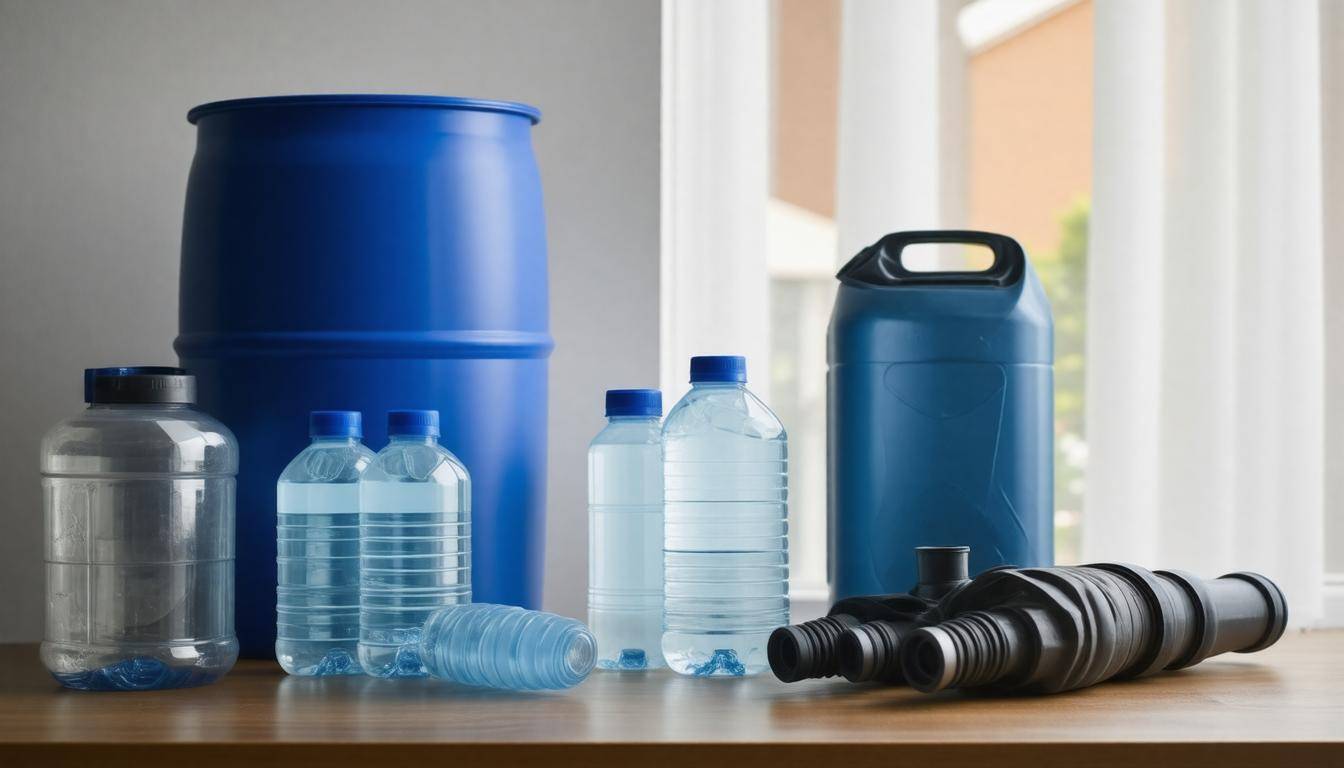
When it comes to ensuring you have a reliable supply of water during emergencies, understanding the various container options is crucial. Among these, plastic bottles, metal barrels, and storage tanks stand out. Each type offers unique features that cater to different storage needs.
Plastic Bottles
Plastic bottles are perhaps the most common choice for water storage. Their affordability and lightweight nature make them ideal for short-term use. Widely available in various sizes, they can be easily transported and are perfect for quick grab-and-go scenarios. However, there’s a catch. Over time, especially if exposed to heat or sunlight, plastic can degrade and crack, potentially leaching harmful chemicals into the water. This concern is significant for long-term storage solutions.
It’s advised that even if you opt for BPA-free materials, regular rotation of water supplies every six months will help mitigate any potential issues.
Metal Barrels
Next up are metal barrels—often made from stainless steel or food-grade materials—which provide a more durable option compared to plastic. Their resistance to temperature changes and corrosion makes them suitable for long-term storage, especially if you expect them to sit unused for extended periods. Many users appreciate their robust nature, as metal barrels can handle outdoor conditions without compromising integrity.
However, these come with downsides as well—for instance, they tend to be heavier than plastic options and are often higher in price. If you anticipate needing to move your water frequently, keep their weight in mind when selecting this option.
Storage Tanks
Finally, we have storage tanks which truly shine when it comes to volume. These units are ideal for those who want to collect rainwater or store large amounts of emergency water. Often constructed from durable materials, they can hold anywhere from hundreds to thousands of gallons. That said, they require ample space—both in terms of dimension and installation—making them less practical if you’re working with limited area.
Furthermore, it’s important to ensure that these tanks are fitted with proper filtration systems and regularly maintained to prevent contaminants from settling within the reservoir.
It’s encouraged to couple these tanks with purification methods such as Berkey filters or Sawyer filters, guaranteeing clean potable water.
The selection of the right container plays a pivotal role in your emergency preparedness planning. Building on this knowledge will guide us into exploring another practical solution for storing essential liquids.
Plastic Bottles and Jugs
Plastic bottles and jugs are among the most common choices for emergency water storage, often regarded as the unsung heroes of preparedness. Their ready availability in various sizes—ranging from petite single-serving bottles to large, multi-gallon jugs—makes them incredibly versatile.
For example, many people have learned to repurpose 2-liter soda bottles for this task; with proper cleaning and sterilization, they become handy vessels for storing potable water.
However, while their accessibility is appealing, there are crucial factors to consider that may affect your long-term storage strategy. Lightweight and easily portable, these containers make it simple to grab a few when heading out for camping trips or emergency preparations. Moreover, thanks to their affordability—most people can secure a couple dozen for just a few dollars—they are frequently the first choice for those looking to prepare on a budget.
Pros
-
Lightweight and easy to carry: Whether you’re filling up a few bottles or transporting them during an evacuation, the light weight of plastic containers makes them ideal.
-
Generally affordable: They often cost less than other materials like stainless steel or specialized cisterns, making bulk purchasing feasible.
-
Available in various sizes: With options ranging from single-serve bottles to massive jugs, you can mix and match according to your specific space and usage needs.
But, like every superhero has their kryptonite, plastic containers come with drawbacks that warrant attention. If exposed to heat or improper storage conditions, plastics may begin to leach chemicals into the water—making it unsuitable for consumption over time. Research indicates that certain types of plastic can release toxins if left to soak under direct sunlight or high temperatures. Furthermore, even though the containers can be reused multiple times, they tend not to hold up well when stored long-term.
Cons
-
Potential for chemical leaching: This risk underscores the importance of proper storage conditions; always keep them in cool, shaded areas.
-
Less durable over long periods: The structural integrity of plastic diminishes with time; when regularly exposed to sunlight or fluctuating temperatures, cracks may develop.
-
Environmental impact due to plastic waste: While convenient today, relying heavily on plastic can contribute negatively to environmental issues in the future.
Despite these drawbacks, their affordability and convenience undoubtedly make them a popular choice among preppers. Understanding how to best utilize these containers while mitigating potential downsides will enhance your emergency water supply strategy as we explore alternatives like robust metal options next.
Metal Barrels
If you’re looking for a strong option for long-term water storage, metal barrels indeed stand out. They typically come in sizes ranging from 30 gallons to 55 gallons, making them ideal for storing significant amounts of water. Made from materials like stainless steel or food-grade aluminum, these barrels bring durability and reliability to the forefront. When filled, a steel barrel can weigh a hefty 400 pounds, while an aluminum one weighs around 300 pounds. Be prepared—these aren’t easy to move once filled.
Benefits
One of the most significant advantages of metal barrels is their resistance to rust and corrosion. Imagine having a reliable source of clean water that won’t degrade over time, even when exposed to the elements. This characteristic ensures that water quality remains stable and protects against the leaching of harmful substances often found in lesser containers. Additionally, because metal barrels are impermeable, they do not absorb contaminants from their surroundings—an essential factor when planning for emergencies.
Here’s a quick rundown of some other benefits:
- Longevity: With proper maintenance, steel barrels can last over 30 years, making them a sound investment.
- Safety: The sturdy build protects your water supply from potential external hazards.
- Heat Resistance: Unlike plastic containers, they can handle temperature fluctuations without warping or degrading.
Drawbacks
Despite these advantages, there are some downsides to consider. The cost can be significantly higher than plastic options, with prices ranging up to $300 for high-quality aluminum compared to about $50-$150 for steel barrels.
Some people mention finding the weight intimidating; managing such large containers can pose challenges. Their size may complicate transport or installation, especially if you plan on moving them frequently.
There’s ongoing debate regarding their portability: while some argue that the heaviness makes evacuation scenarios difficult, others feel that the benefits outweigh these concerns—especially when stability and safety are paramount for stationary storage solutions.
With a clear understanding of the capabilities and limitations of metal barrels for water storage, we can now shift our focus towards determining how much water you’ll actually need to store for effective preparedness.
Assessing Capacity and Usage Needs
When determining your emergency water storage capacity, it’s essential to take a thoughtful approach. Start by asking yourself a few questions:
- How many people are in your household?
- What are your daily water usage habits?
- Are there any specific needs like pets or infants that could increase your consumption?
These variables play a significant role in calculating the right amount of water to store for emergencies.
Estimation Guide
The general guideline suggests having at least one gallon of water per person per day. This ensures you cover all essential needs—drinking, cooking, and sanitation. Consider how long you may need to rely on your stored supply during an emergency. For example, if you’re preparing for two weeks, your calculations change accordingly.
Household Size Impact
| Household Size | Recommended Storage (Gallons per week) |
|---|---|
| 1 | 7 |
| 2 | 14 |
| 4 | 28 |
| 6 | 42 |
As seen in the table above, larger households naturally require more water. If you have kids or pets, you might want to adjust these figures further. On a scorching summer day or after heavy activity, everyone may need more than the minimum recommendation. Thus, factors such as health conditions, climate, and activity levels should influence your overall storage strategy; those with higher demands will want to plan accordingly.
Special Considerations
Beyond just numbers, consider the dynamics of your household. A family with several young children will likely need more water than a couple of adults doing minimal cooking. Pets also add another layer—in fact, dogs alone typically require nearly an ounce of water per pound they weigh every day! So when evaluating your needs, multiply your base requirements based on realistic scenarios while including some buffer for unforeseen circumstances.
Each calculation serves as an opportunity to optimize preparedness while fostering peace of mind.
Once you’ve established your optimal capacity and extended usage needs, it’s time to explore the durability and weather resistance of your storage containers—an equally important consideration that can affect the efficacy of your emergency supplies.
Evaluating Durability and Weather Resistance
Durability and resistance to external conditions are critical factors in choosing an emergency water container. When contemplating which container to stock for emergencies, consider how resilient it is against various weather conditions, from extreme heat that can warp plastics to freezing temperatures that may crack fragile materials.
Key Considerations
Look closely at what the container is made from, as the choice of material plays a fundamental role in its overall durability. Containers made from stainless steel or specific types of food-grade plastics are excellent options because they can withstand harsh conditions without deteriorating. These materials not only resist rust and corrosion but also ensure that your water supply remains untainted and safe for consumption. The benefit of stainless steel is clear: it can endure temperature fluctuations without warping, making it a smart investment for long-term preparedness.
Consider how UV rays from the sun can affect your containers. If they’re stored outdoors or in bright light, UV-resistant materials will mitigate degradation over time, prolonging the lifespan of your water storage solution.
Real-World Scenarios
Let’s take a closer look at different environments. In regions susceptible to hurricanes, where high winds and debris become factors, opting for reinforced containers becomes paramount. Reinforced designs minimize the risk of breaking under intense impacts. Conversely, in colder climates, emphasizing materials that withstand freeze-thaw cycles is key; otherwise, containers may develop cracks that compromise their integrity.
Imagine a scenario where you’ve prepared for an emergency, but once the storm strikes, you find your containers have splintered or ruptured due to less resilient materials—missing out on crucial hydration when it matters most.
In addition to environmental concerns, portability may influence your decision on container choice. Some situations might require you to transport water supplies quickly during evacuations or relocations, making lightweight yet durable options essential.
Recognizing these essential attributes will guide you toward informed decisions about water containers and set the stage for exploring whether you need solutions that are easy to move or those meant for long-term placement.
Portable vs. Permanent Solutions
Portable containers are fantastic for those who may need to move their water supply frequently or quickly. They come in various forms, from small plastic jugs to collapsible water containers that can easily be tucked away when not in use. Their lightweight design makes them ideal for evacuation scenarios—think of camping trips, travel, or sudden emergencies—where carrying flexibility is crucial. Imagine being able to grab a few of these containers and head out without a second thought! However, they usually offer smaller storage capacities compared to their permanent counterparts.
On the other end of the spectrum, we have permanent storage solutions designed for more long-term needs. Often larger in size, these include options such as water tanks and metal barrels that provide a stable setup for storing emergency supplies at home. They can hold substantial amounts of water—hundreds to thousands of gallons—which means less frequent refills and greater peace of mind during extended emergencies. While the initial investment might be higher and installation can present challenges, their durability and longevity make them well worth it for serious preppers.
A common debate persists among preparedness enthusiasts regarding which type is superior: those who prioritize mobility argue for portable solutions, while others advocate for the long-term stability offered by permanent setups. Each approach has its merits depending on personal circumstances. For example, if you live in a populated area where evacuations are likely due to natural disasters, investing in portable containers makes practical sense. In contrast, individuals in rural settings, who anticipate needing a reliable backup supply over time, might find permanent storage options more beneficial.
In addition to their logistical advantages or disadvantages, it’s important to reflect on how the choice of materials affects our environment. Not every container is created equal, especially when considering aspects like chemical safety and sustainability. It’s imperative to explore this when selecting your water storage solution so that you’re not only prepared for emergencies but also mindful of the wider implications your choices create.
Examining these various elements will aid in making informed decisions that consider both immediate needs and broader ecological impacts.
Environmental Impact of Materials
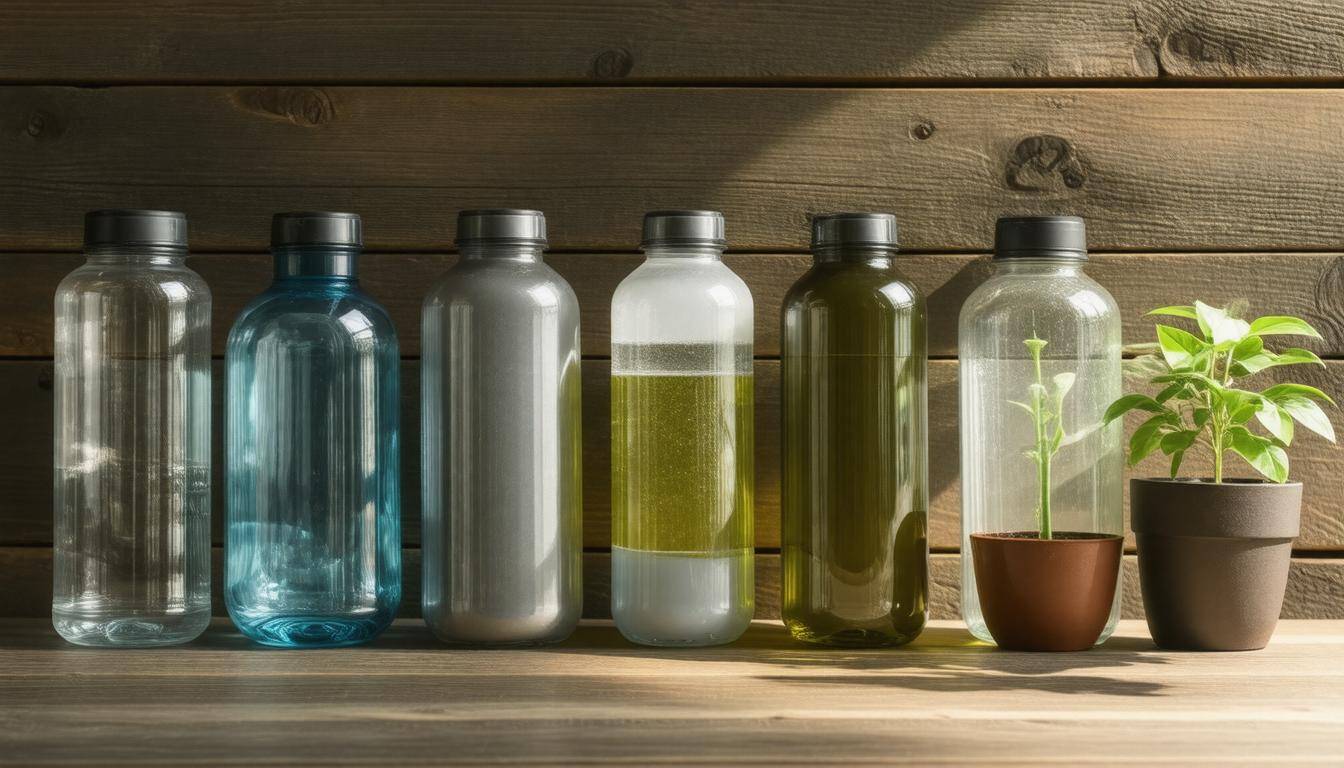
When it comes to selecting a water container for emergency storage, material choice significantly influences both environmental sustainability and user safety. While plastic containers offer convenience, they also present notable drawbacks. Many plastics are not biodegradable; this contributes significantly to plastic pollution. In fact, studies reveal that billions of tons of plastic waste end up in landfills and oceans each year, harming wildlife and ecosystems. Additionally, prolonged exposure to certain conditions can cause some plastics to leach harmful chemicals into the stored water over time, potentially compromising its quality.
Consequently, exploring alternatives becomes essential for eco-conscious consumers.
Materials Analysis
Alternatives such as metal barrels and glass containers can provide more environmentally friendly options. Metal containers are durable and long-lasting. They do not leach harmful substances like some plastics do, thus preserving the integrity of the water within. Glass produces no toxic waste during its production and can be recycled repeatedly without losing quality. However, these options often come with higher initial costs and may require more logistical planning due to their weight and fragility compared to their plastic counterparts.
As we weigh these factors, the debate between disposable and reusable containers also surfaces.
Disposable vs Reusable
The distinction between single-use and reusable containers has substantial environmental implications. Single-use containers often end up in landfills after only one usage cycle, contributing to environmental degradation. Conversely, reusable containers—while they may require a higher upfront investment—tend to have a much lower long-term environmental impact. Simply cleaning and reusing them allows individuals to reduce waste significantly over time. Moreover, some reusable containers are designed to last for years or even decades if maintained properly.
When considering the best container for emergency water storage, it’s vital to consider not just function but also how our choices affect the environment in both the short term and long term.
In making material choices, it’s important to understand that what we select today could influence not only our preparedness but also future sustainability efforts.
Long-term Storage Strategies
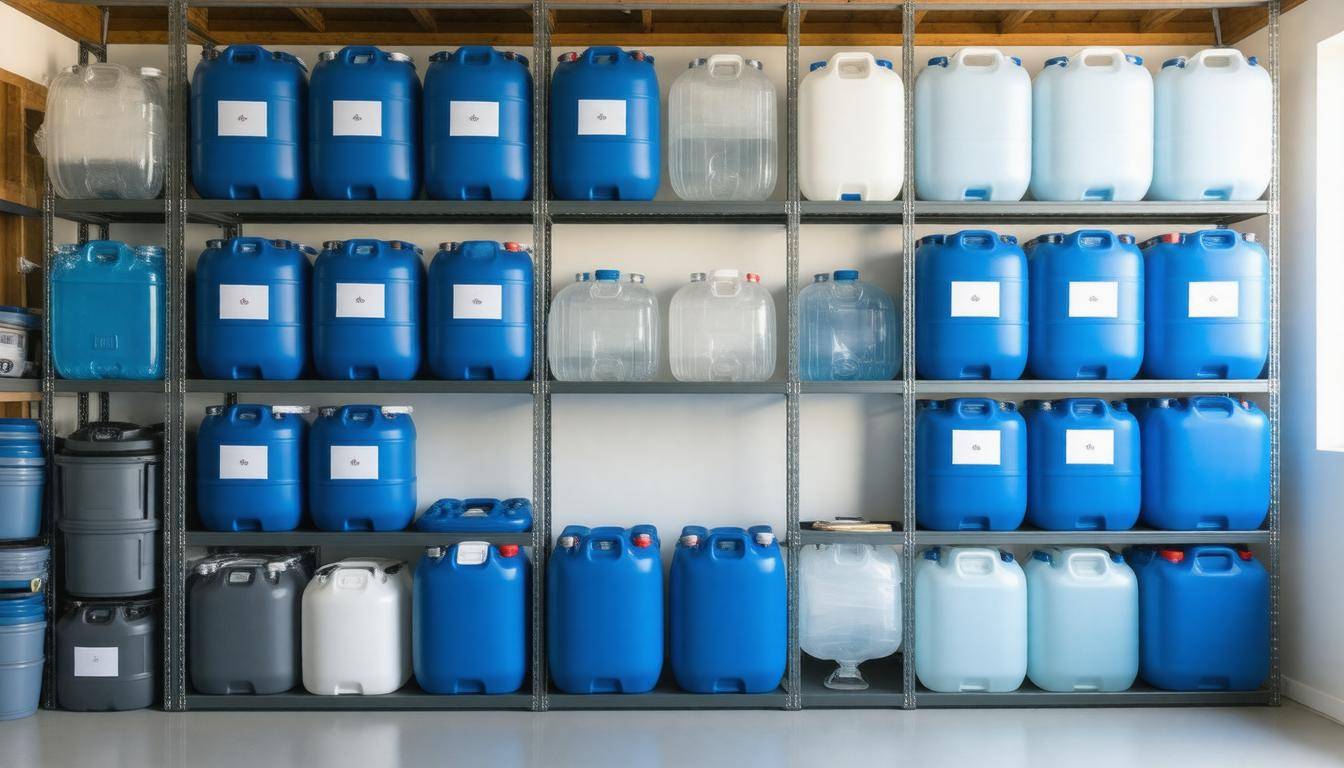
Successfully storing water for long-term use requires more than just choosing the right containers; it’s about creating a system that prioritizes quality and safety. Each action taken during storage plays an essential role in preserving the water’s integrity over time.
Steps to Successful Storage
Each step is critical. Let’s start with the most foundational aspect—cleaning before filling. Before you add water, make sure that your containers are clean. This doesn’t just mean rinsing them out; a thorough cleaning using a mixture of one teaspoon of unscented liquid household chlorine bleach per quart of water is necessary. This solution disinfects the container and prevents old residues from lingering. After washing, thoroughly rinse the container with clean water to ensure there’s no bleach left that could taint the water.
Once your containers are clean, the next step is crucial: ensuring proper sealing.
Step I – Proper Sealing
After cleaning, it’s essential to seal your containers tightly. Loose lids or improperly secured closures can allow contaminants to enter, rendering your water unusable. As you seal each container, listen for that satisfying click that tells you it’s closed properly. Remember, air and external contaminants are your enemies here.
Having secure containers leads us to where you store them—this step can greatly impact maintaining water quality.
Step II – Storage Environment
Store your filled containers in a cool, dark place away from direct sunlight and heat sources. UV rays can promote algae growth and chemical reactions that compromise water quality. Ideally, place them in a closet or basement; anywhere that’s temperature-controlled will work best. Heat loves to break down plastics and leach chemicals into your precious supply; keeping them cool helps mitigate these risks significantly.
Regardless of how careful you are initially, regular maintenance remains vital.
Step III – Regular Checks
Don’t forget about regular checks! Water supplies should be rotated every six months to maintain their freshness and safety. By doing this, you’re not only refreshing your stock but also ensuring any potential contaminants or pesky bacteria don’t have a chance to settle in. If you’re using clear plastic containers or AquaTainers, it’s easy to spot changes that might indicate contamination—mold, cloudiness, or unsettling changes in color signal trouble and require immediate attention.
“Staying proactive with your storage process ensures you can always rely on your emergency supply when you need it.”
The last piece of the puzzle involves looking at alternative methods to diversify your preparedness strategy.
Incorporating Multiple Sources
While focusing on these storage principles is important, consider diversifying your approach by storing water in various formats. Smaller portable solutions like 5-gallon jerry cans can complement larger tanks or food-grade barrels perfectly. This versatility means that in an emergency, you’ll have accessible options tailored for both mobility and bulk needs. Beyond merely stacking containers, think of creative solutions such as rainwater catchment systems for those who have space and desire self-sufficiency.
Through these strategies, you’ve created a reliable water storage practice capable of weathering many challenges ahead while maximizing safety and usability over extended periods.
What features should I look for in a water storage container to prevent contamination?
When selecting a water storage container to prevent contamination, look for features such as food-grade materials, sealed lids, UV resistance, and BPA-free construction. Food-grade plastics help ensure that harmful chemicals do not leach into the water, while airtight seals can prevent exposure to contaminants like dust and pests. According to the Centers for Disease Control and Prevention (CDC), over 60% of waterborne illness outbreaks are associated with improperly stored or contaminated water, highlighting the importance of using quality containers in emergency preparedness.
What are the different materials commonly used for emergency water containers, and how do they affect water safety?
Common materials for emergency water containers include plastic (usually food-grade polyethylene), glass, and metal (such as stainless steel or aluminum). Food-grade plastic is lightweight and resistant to breaking, but it can leach chemicals if exposed to sunlight or high temperatures, potentially compromising water safety. Glass is non-reactive and eliminates leaching concerns, but it is fragile. Metal containers are durable and resistant to UV light, yet they can rust or corrode if not coated properly. According to the CDC, using approved containers helps ensure safe drinking water during emergencies, as inappropriate materials can lead to contamination rates exceeding 15% in long-term storage scenarios.
Are there specific containers recommended for long-term versus short-term water storage?
Yes, there are specific containers recommended for long-term versus short-term water storage. For short-term storage, food-grade plastic bottles or jugs (with a lifespan of 6 months to 1 year) are ideal due to their convenience and low cost. In contrast, for long-term storage, larger containers such as 55-gallon drums made from high-density polyethylene (HDPE) are preferred as they can last up to 5-10 years when properly maintained and kept in a cool, dark place. According to the CDC, storing water in appropriate containers is crucial, as improper storage can lead to contamination and reduces shelf life significantly.
How should I properly clean and maintain my emergency water containers?
To properly clean and maintain your emergency water containers, wash them with a solution of 1 tablespoon of unscented liquid chlorine bleach per gallon of water, ensuring you scrub all surfaces thoroughly to eliminate any bacteria or residues. After rinsing, let the containers dry completely in sunlight to further sanitize them. It’s crucial to check your water supply every six months and replace the water annually, as statistics show that prolonged storage can lead to contaminant growth; thus, regular maintenance is key for safe drinking water during emergencies.
How much water should one store per person in case of an emergency?
In an emergency, it is generally recommended to store at least one gallon of water per person per day for at least three days, totaling a minimum of three gallons. This guideline is supported by FEMA and the CDC, emphasizing that adequate hydration is crucial for health and survival in crisis situations. Additionally, factors such as climate, age, and activity level should be considered, as some individuals may require more water to stay hydrated.