
When it comes to accessing clean drinking water, the methods we choose can make all the difference. Many of us might think that our tap water is safe or that a simple filter will get the job done, but as contaminants evolve and new pathogens emerge, understanding water purification techniques becomes essential for our health. From traditional boiling to advanced ultraviolet treatments, knowing which method suits your environment and needs can be overwhelming. I’ve spent countless hours diving into various purification methods, exploring their effectiveness, limitations, and practical applications so you won’t have to. By the end of this guide, you’ll be well-equipped to choose the right system for safe drinking water—whether you’re in the city or out in nature. Let’s dive in!
The Complete Guide to Water Purification Methods includes detailed descriptions of various techniques such as boiling, filtration, chemical treatments, and ultraviolet light disinfection, along with their benefits and limitations. Additionally, it offers practical recommendations based on factors like group size, water source quality, and user reliability to help you choose the most suitable method for ensuring safe drinking water in different scenarios.
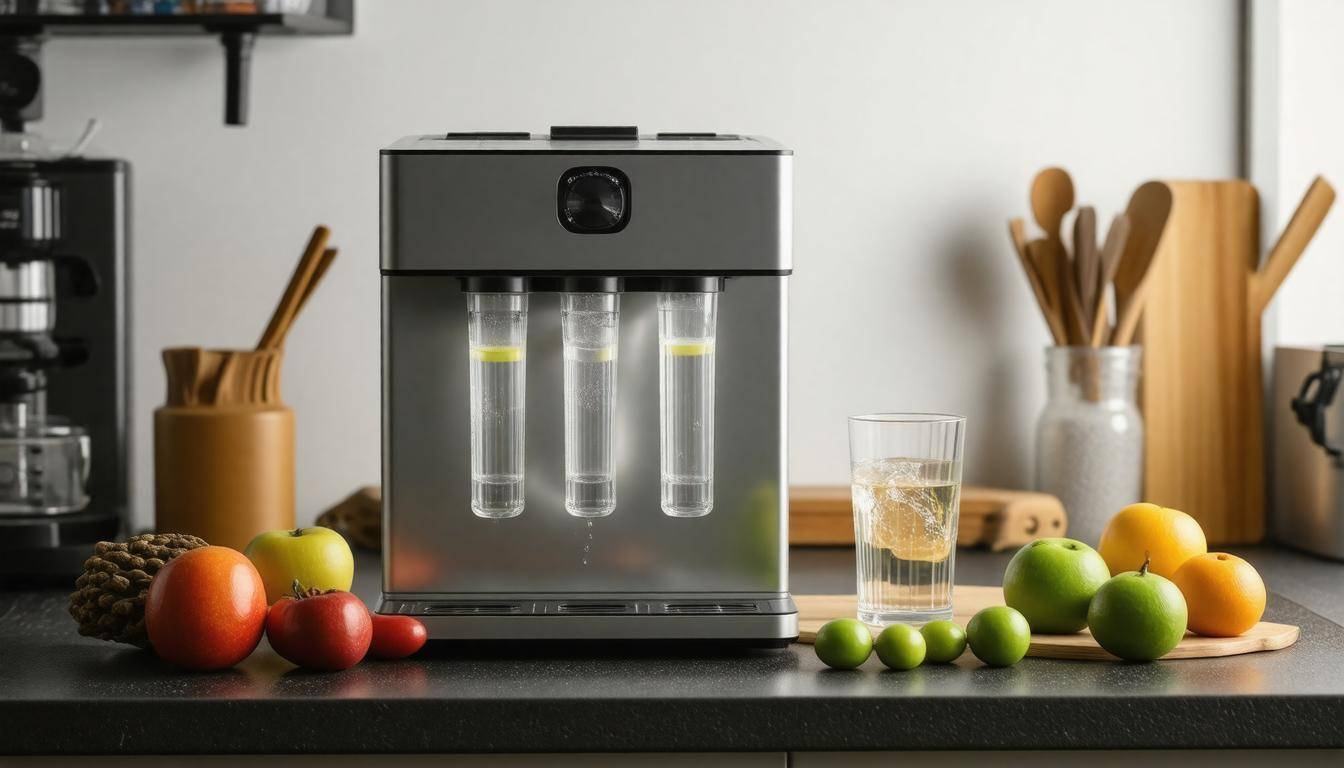
Overview of Water Purification Methods
Water purification is a necessity, especially when considering the uncertain quality of sources in both urban and wilderness settings. Among the many methods available, boiling, filtration, UV treatment, and chemical treatments stand out. Each method has its own strengths and weaknesses, making understanding their processes vital for safe drinking practices.
Common Methods
When it comes to boiling, this time-honored method involves bringing water to a rolling boil for at least one minute—three minutes at higher altitudes—to effectively kill bacteria, viruses, and protozoa. However, boiling does have limitations; while it eliminates living pathogens, it fails to remove harmful chemicals or heavy metals that might be lurking in your water source.
In contrast, filtration systems physically remove contaminants from water as it passes through. They range from simple ceramic filters to more advanced options capable of filtering out viruses. For example, products like the MSR Guardian are praised for their ability to filter even viruses, although they come with a heftier price tag and weight—drawbacks for backpackers seeking lightweight options.
Effectiveness
If we’re looking at effectiveness through the lens of statistics, boiling consistently kills about 99.9% of pathogens but falls short against dissolved chemicals. Filtration systems can remove sediments and certain parasites effectively but may struggle with viral threats. On the other hand, UV light treatment devices—like the SteriPEN—combat microorganisms in water. In just 90 seconds per quart, these devices scramble pathogen DNA to render them inactive; however, it’s essential to note that they don’t filter out particulates or address chemical contaminants.
Use Cases
The use case for each method varies based on location and situation. In urban environments with reliable water supplies, combining filtration and chemical treatment often yields optimal results. For instance, you might start by running tap water through a filter to improve taste and remove sediment before using chlorine tablets or drops like Aquamira for added safety against germs. Conversely, in backcountry situations where every ounce matters and water sources can be unpredictable, portable filtration systems and UV purifiers shine due to their ease of use and efficiency in providing immediate safe drinking options without extensive preparation or equipment.
The choice among these methods hinges not only on personal preferences but also on specific conditions encountered during adventures or daily life. Understanding these intricacies sets the stage for exploring more advanced solutions tailored to home environments.
Home Purification Systems
Home water purification systems are specifically designed to deliver safe, clean drinking water right from your tap. They provide an effective way to ensure the hydration we rely on doesn’t come with a side of contaminants. Central to any discussion about these systems is understanding the various types available and how they operate.
Types of Home Systems
-
Reverse Osmosis (RO): These systems harness incredible filtering technology to remove a broad spectrum of contaminants, ranging from heavy metals like lead to harmful nitrates and even fluoride. It’s a robust choice for those who want peace of mind knowing their water is thoroughly purified.
-
Activated Carbon Filters: Perhaps one of the most popular options, activated carbon filters excel at catching organic contaminants that often affect taste and odor. They efficiently remove chlorine, providing you with water that not only meets health standards but also tastes fresh and clean.
-
Ultrafiltration: While ultrafiltration systems work wonders on bacteria and viruses, it’s essential to note that they don’t filter out dissolved chemicals. They rather act as a fine mesh, eliminating pathogens while allowing minerals to remain in the water.
-
UV Purifiers: These innovative systems use ultraviolet light to disinfect water by effectively killing bacteria and viruses present in it. While they excel in sterilization, they don’t physically remove particulate matter.
With each type of system offering distinct benefits, it’s crucial to select one that aligns with your specific requirements.
Example: Reverse Osmosis (RO)
Among the several options available, Reverse Osmosis (RO) treatment systems have gained immense popularity for household use. The reason is straightforward: they can eliminate up to 99% of contaminants, providing an exceptional level of purity. Brands like APEC Water Systems not only offer reliable performance but also make installation easy by design—many models can fit conveniently under your sink, ensuring convenient access to clean water whenever you need it for both drinking and cooking.
Of course, opting for such advanced systems comes with considerations; consumer feedback often plays a significant role in making informed choices.
Consumer Feedback
Many users laud their decision to switch to an RO system, often remarking on the significant improvement in both taste and quality of their drinking water. However, it’s worth considering some common concerns as well; regular maintenance is paramount as these systems require periodic filter replacements. Consumers frequently mention this inconvenience as a drawback, yet many agree that the trade-off is well worth it for such a substantial enhancement in water quality.
By investing time into selecting the right home purification system tailored to your needs and preferences, you empower yourself and your family to enjoy safer drinking water every day while avoiding many of the potential health risks associated with unfiltered tap water.
Next, we’ll explore more specialized approaches that can further enhance your access to clean drinking water.
Filtration Purifiers
Filtration purifiers are incredibly effective tools for making water safe to drink, and they come in a variety of types tailored to different purification needs. Each filter has unique properties that allow it to tackle specific contaminant classes, providing you with better choices depending on your water source and your health requirements. Understanding these filters can help you make the best decision for your household.
Types of Filters
-
Ceramic Filters: These filters excel at removing bacteria and protozoa from drinking water. Their porous structure acts as a sieve, trapping unwanted pathogens while allowing clean water to flow through. However, they do fall short against viruses, which can slip through their microscopic openings.
-
Activated Carbon Filters: This type is famed for its ability to remove organic compounds and improve taste. They function by adsorbing contaminants onto their surface, thereby enhancing the flavor and clarity of the water. They are particularly effective for removing chlorine and sediment, making them a popular option for home use.
-
Hollow Fiber Filters: Known for their high flow rates, these filters offer an excellent balance between efficiency and effectiveness against pathogens like bacteria and protozoa. Their fibrous structure enhances filtration performance while maintaining a lightweight design, which is beneficial during outdoor activities.
Each of these filter types serves distinct purposes and can significantly enhance the quality of your drinking water when chosen wisely.
Popular Brands
Among the array of filtration options out there, products like the Sawyer Squeeze and Katadyn BeFree have gained recognition for their lightweight designs and efficiency, especially among outdoor enthusiasts. The Sawyer Squeeze is particularly notable for its compact size, allowing hikers to easily pack it without adding weight to their gear. Similarly, the Katadyn BeFree features a fast flow rate that makes hydration quick and easy during long treks.
Investing in reliable brands ensures you’re not just getting a filter but peace of mind knowing you’re consuming safe water. Additionally, regular maintenance of these filters is key to maximizing their lifespan.
Maintenance Tips
To get the most out of your filtration system, adhering to proper maintenance practices is essential. Regular backwashing can significantly extend the lifespan of many filter types by flushing out accumulated sediments that may clog the system. For ceramic filters specifically, give them a gentle scrub with a soft brush every so often; this will help maintain their effectiveness by preventing buildup on the surface. By prioritizing maintenance, you ensure that your filtration methods provide consistently clean drinking water for years to come.
With a clearer understanding of how filtration purifiers work and how to choose the right one, we can now explore another promising technology that plays a crucial role in ensuring safe drinking water.
UV Technology
UV purification technology employs ultraviolet light to neutralize harmful pathogens lurking in water. It operates on a simple yet effective premise: by exposing contaminated water to a specific wavelength of UV light, bacteria, viruses, and other microorganisms are rendered harmless. This method has gained popularity not just for its efficacy but also for being eco-friendly since it uses no chemicals in the process.
How It Works
The magic of UV technology lies in its process. When water passes through a UV chamber, the light penetrates the microbial cells’ membranes and disrupts their DNA. Imagine it as a fortress with cleverly camouflaged intruders; the UV light identifies these threats and disarms them without physical contact. Once their DNA is altered, they can no longer reproduce or cause harm. This means that while they might still be present in the water, they won’t pose a threat to your health.
However, while this technology excels at killing pathogens, it’s important to understand both its strengths and its limits.
Advantages and Limitations
One significant advantage of UV purifiers is their rapid disinfection capability. Unlike chemical treatments that require time to take effect, UV light acts almost instantaneously—disinfecting your water supply as it flows through the system. Yet, this technology does come with limitations. Notably, UV purifiers do not remove particulates like dirt or chemicals such as chlorine or heavy metals. Therefore, if you pour turbid water directly into a UV purifier, those particulates remain untouched and may even shield some microorganisms from full exposure to the light.
As we see how effective UV purifiers can be, let’s look at some of the popular models on the market today.
Popular Models
One standout product in the realm of UV purification is the SteriPEN Ultra. Known for its portability, this lightweight device can treat a liter of water in just 90 seconds—making it an excellent companion for travelers seeking quick and safe water solutions during hiking trips or international journeys. However, users must remember that while the SteriPEN is efficient at disinfecting water, it relies on batteries and requires you to replace them regularly. Planning when you’ll need replacements is essential for ensuring you don’t run out in the middle of a wilderness adventure!
User experiences provide valuable insights into these purifiers’ effectiveness and practicality.
Consumer Insights
Many users appreciate the convenience and speed offered by UV purifiers like the SteriPEN Ultra. They find it refreshing to have clean drinking water available anywhere they go. However, a recurring piece of advice among users emphasizes pre-filtering water before using UV purifiers. Why? Because larger particles can block the light’s path or lead to incomplete disinfection—essentially reducing the overall effectiveness of this technology. Taking that extra step can ensure that you’re truly protecting yourself alongside enjoying the advantages of rapid purification!
With a clearer understanding of how these devices work alongside user feedback, we can now explore traditional techniques that have stood the test of time.
Boiling and Distillation
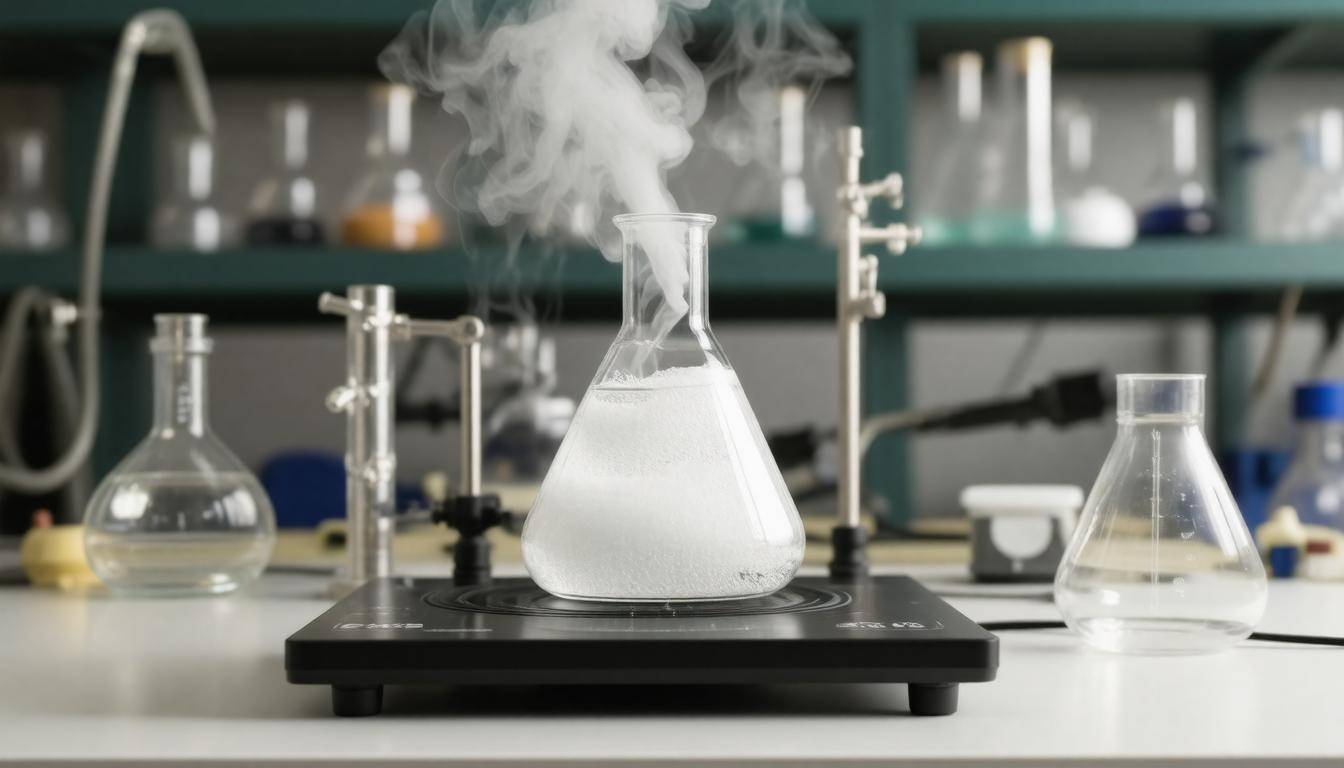
Boiling water is one of the simplest and most dependable ways to purify it. When you bring water to a rolling boil for at least one minute—and particularly three minutes at higher altitudes—you effectively kill harmful bacteria, viruses, and protozoa. This method is affordable, requiring just a heat source and a container, making it especially useful during emergencies or when you’re out in the backcountry.
Picture yourself camping under the stars; if you suddenly find yourself with questionable water from a stream, boiling it becomes an immediate solution that ensures your safety.
However, while boiling is effective for pathogens, there’s an even more robust method for purifying water: distillation.
Distillation
Distillation works by heating water to its boiling point, converting it into steam, and then cooling that steam back down into liquid form. This process allows it to leave many contaminants behind, effectively removing heavy metals, salts, and other impurities from the water.
The removal efficiency can be as high as 99.9% for certain contaminants. Imagine transferring the steam into a clean container as pure water drips down—this method becomes advantageous when you’re concerned about chemical pollutants or household sources of contamination.
With these methods on hand, it’s essential to understand how they compare regarding effectiveness and practical use.
Effectiveness Comparison
In comparing boiling and distillation, boiling excels at killing living pathogens but does not necessarily remove harmful chemical contaminants that could be lurking in the water. Conversely, while distillation effectively eliminates a broader range of impurities, including heavy metals and chemicals, it requires more energy and time to produce potable water—typically processing up to four liters an hour depending on the system used.
For most backpackers or outdoor enthusiasts carrying limited supplies, these energy requirements may seriously impact practicality for large amounts of water.
Therefore, choosing between these purification methods depends critically on your specific need.
Use Cases
Boiling is often deemed ideal in emergency situations where quick access to safe drinking water is paramount—it’s straightforward and requires little additional equipment. Yet, if you’re setting up a permanent residence somewhere that might have concerns about chemical contaminants (think industrial runoff), investing in a distillation unit can provide peace of mind over long-term health risks.
Making an informed decision based on your unique situation or environment can ensure reliable access to safe drinking water whenever necessary.
The nuances of each technique pave the way for further exploration into more targeted approaches that enhance the safety of drinking water. Let’s now examine some specific methods that focus on chemical treatments designed to neutralize contaminants effectively.
Chlorination Techniques
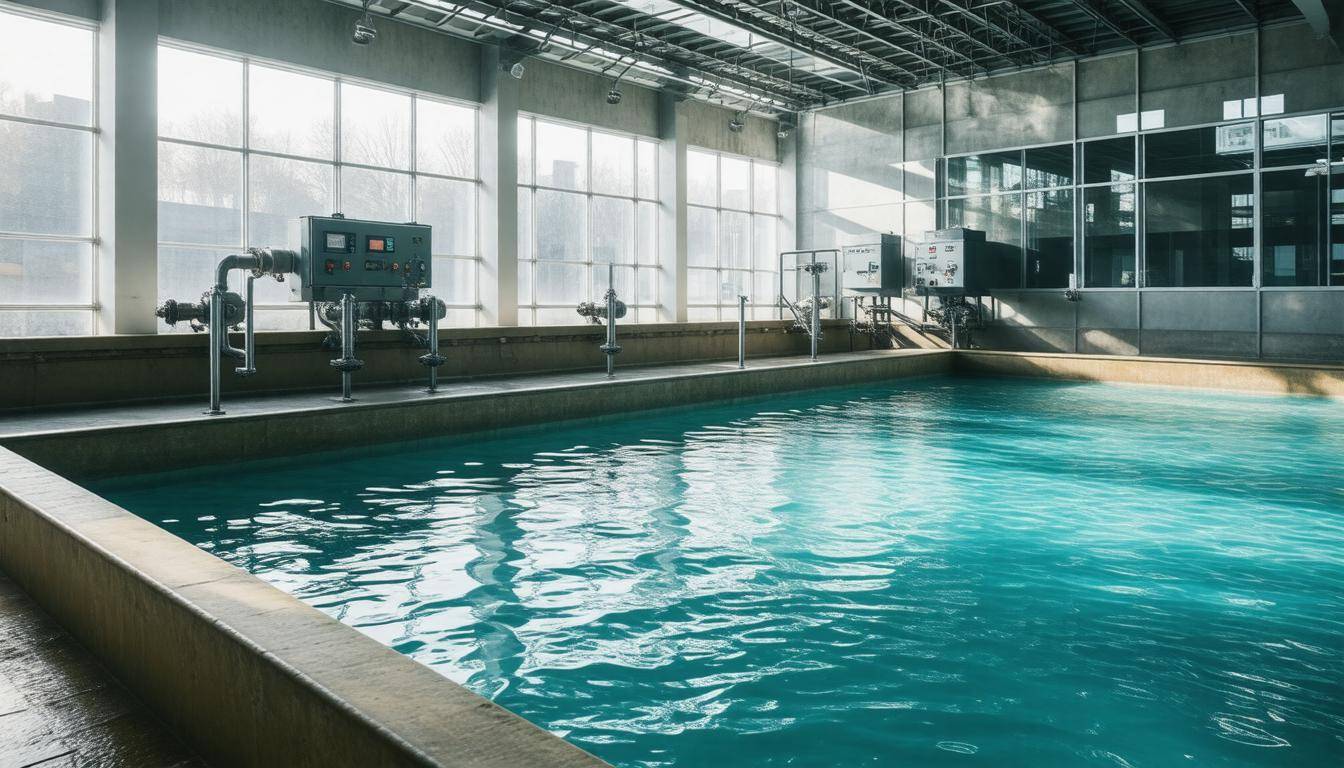
Chlorination is a practical method where chemicals—primarily chlorine or chlorine compounds—are introduced into water to eliminate harmful pathogens. The mechanism behind chlorination is straightforward: when chlorine is added to the water, it connects with available organic and inorganic substances. As a result, this reaction produces hypochlorous acid, which effectively targets and destroys bacteria, viruses, and other microorganisms. Think of it as a fierce warrior set out to cleanse the water of invisible threats.
While this process sounds effective, it’s vital to consider both its advantages and drawbacks to understand how to use it best.
How It Works
The beauty of chlorination lies in its simplicity. As chlorine enters the water, it operates swiftly—often killing pathogens almost instantly upon contact. This effectiveness makes chlorination one of the most common water treatment methods worldwide. However, the efficacy does rely on factors such as the concentration of chlorine used and the time it is allowed to react with the contaminants present in the water.
Proper application means paying close attention to both the concentration levels and contact times used during chlorination.
However, like any powerful tool, chlorination has its pros and cons.
Pros and Cons
On the positive side, chlorination is celebrated for being not only highly effective but also inexpensive compared to alternative purification methods. It enables municipalities and individuals alike to provide safer drinking water efficiently. Furthermore, due to its residual nature, when performed correctly, it continues to protect against recontamination as water moves through pipes.
However, some users notice a distinctive taste that persists in treated water—a side effect many find unappealing. Additionally, while chlorination excels against many pathogens, it may struggle against certain parasites such as Cryptosporidium, which require more advanced treatment methods to eradicate completely.
Given these diverse perspectives on chlorination, it’s essential to explore products that can maximize its benefits while minimizing downsides.
Popular Products
There are several user-friendly solutions available for those looking to incorporate chlorination in their routine. One standout product is Aquamira Water Treatment Drops. These drops are not only easy to use—just add them to your water—but they are also portable enough for camping trips or emergency kits. They offer convenience without sacrificing effectiveness, ensuring you have access to safe drinking water wherever you go.
Yet before diving in with any product or technique, safety is paramount in ensuring that the data aligns with best practices.
Safety Insights
When using chlorination methods for purification, it’s essential to follow guidelines regarding concentration and contact time closely. Over-chlorinating can lead not only to off-putting flavors in the finished product but could also cause health concerns if consumed excessively over time. Users should familiarize themselves with recommended levels (typically around 2-5 mg/L of chlorine), ensuring that they leave sufficient time for effective treatment—usually around 30 minutes before consumption.
This understanding sets the stage for making informed decisions about which methods suit your needs best as we move forward.
Choosing the Right Method for You
Selecting the appropriate water purification method is not a one-size-fits-all decision. It varies based on multiple factors such as the type of contaminants present in your water source and the environment in which you’ll be using these methods. Identifying whether you’re dealing with particulates, harmful chemicals, or pathogens can lead you to a more effective solution. For instance, if you’re backpacking in an area where water quality is uncertain, you may want to ensure you’re equipped to handle microorganisms. Alternatively, if you’re filtering water from a city tap, your primary concern might be removing sediment or chlorine taste.
The next aspect to consider is the usage environment.
Think about where you plan to use the purification system—at home, on a trip, or during outdoor adventures. If you’re looking for something long-term for your household, a reverse osmosis (RO) system may be suitable, providing comprehensive filtration for various contaminants. On the other hand, if you are camping or hiking, portable options like the Sawyer Squeeze allow for quick and efficient purification without taking up much space or requiring large amounts of fuel or power.
Yet another consideration is convenience.
Convenience can significantly impact your daily life or outdoor experience. Ask yourself: How easy is it to set up? What maintenance will be required? Some methods like chemical treatments—such as Aquamira Drops—are lightweight and incredibly user-friendly but necessitate waiting 15 minutes before drinking. Others like UV purifiers are quick but depend on battery life and may not always be reliable in remote areas where backup options are limited. Finding a balance between speed and ease of use is key.
Factors to Consider
- Contaminant Type: Identify whether you need to remove particulates, chemicals, or pathogens.
- Usage Environment: Consider if the method is for home, travel, or outdoor use.
- Convenience: Ease of use, maintenance, and speed of purification.
It’s enlightening to look at practical examples that illustrate these choices.
Practical Examples
Urban homes might benefit from an RO system which provides extensive contaminant removal, while hikers often find great success with portable filtration systems like the Sawyer Squeeze. Not only does this filter offer portability and ease of use, but it also has a decent flow rate that meets the needs of those on extensive treks without carrying excessive weight.
A well-rounded approach can bring additional clarity to your decision-making process.
Expert Opinions
Experts suggest combining purification methods to achieve maximum safety and effectiveness—perhaps using a combination of filtration followed by UV treatment can protect against a broader spectrum of potential contaminants while ensuring reliability in different environments.
| Purification Method | Best For | Pros | Cons |
|---|---|---|---|
| Reverse Osmosis (RO) | Home Use | Comprehensive filtration | Higher cost & maintenance |
| Sawyer Squeeze | Hiking & Outdoor Activities | Portable; easy setup | Flow rate slower than some |
| Aquamira Drops | Quick Treatment | Lightweight; no moving parts | Wait time required |
| UV Purifiers | Fast Sterilization | Quick; effective | Dependent on batteries |
By weighing these factors thoroughly—contaminants present, intended usage location, and convenience—you can make insightful choices tailored to your safety needs as you venture into different environments seeking safe drinking water.
With a solid grasp of how to choose the right water purification method for your needs, it’s equally important to ensure that your chosen system remains effective over time through proper care and troubleshooting techniques.
Maintenance Tips and Troubleshooting
Proper maintenance is crucial to ensure the effectiveness of your water purification system. A well-maintained system keeps your drinking water safe and extends the life of your equipment, making every sip just that much better.
Maintenance Tips
One of the most important aspects of maintaining your purification system is regular cleaning. This involves following the manufacturer’s instructions regarding how to clean filters and UV lamps specifically. The build-up of debris can affect how efficiently your system operates. I recall a time when I neglected to clean my UV lamp, which led to noticeably sluggish purification. A quick wipe down made all the difference! It’s a small task but essential for smooth operation.
Additionally, there’s the necessity of filter replacement. Each type of filter has its own lifespan, so refer to the manufacturer guidelines for replacement frequency. Sticking with outdated filters can lead to poor water quality and increased maintenance costs down the line. Establishing a routine is only effective if you remember this critical step!
Storing your purification equipment is just as vital. Ensure that you keep your items in a clean, dry place. Humidity can encourage microbial growth and contamination in parts. I always keep mine in a dedicated cupboard to protect it from dust and dirt. This might seem basic, but it does wonders for keeping things fresh!
Troubleshooting Common Issues
Sometimes, despite our best efforts, hiccups occur. Take reduced flow rate, for instance. If water isn’t flowing as quickly as usual, it’s likely due to clogged filters or an air bubble trapped within the system. A simple fix? Check the filters first; if rinsing doesn’t help, you may need a replacement.
Another common issue is an off-taste in the water. This can stem from improper chemical levels during purification or dirty storage containers. When I noticed a funny taste in my water, I realized it resulted from neglecting my storage tank’s cleanliness. After scrubbing it thoroughly, everything was fresh again!
For those relying on UV purifiers, encountering a malfunctioning unit can be concerning. Often, this relates to battery failure or needing to replace the UV lamp itself. It’s like changing batteries in any gadget; don’t wait until things go dark to address it!
Additional Recommendations
Keeping a maintenance log is one of my best suggestions for tracking when parts need replacement or servicing—this can prevent surprises down the line! Make notes each time you clean or replace something according to the user manual’s specific guidelines.
By taking these simple steps towards regular maintenance and monitoring, you’ll not only ensure your water supply remains safe but also help prolong the life and performance of your purification system.
In summary, staying proactive with maintenance and monitoring will enhance both safety and efficiency in your water purification journey.
Are there any emerging technologies in water purification that show promise for the future?
Yes, emerging technologies in water purification that show great promise include advanced membrane filtration systems and solar-powered disinfection methods. For instance, researchers have developed graphene-based membranes that can filter contaminants at a molecular level, achieving over 90% removal efficiency for heavy metals and pathogens. Additionally, solar disinfection (SODIS) techniques are gaining traction, as studies indicate they can reduce disease-causing microorganisms by up to 99.9% in just a few hours in sunny conditions, offering an affordable solution for rural areas lacking infrastructure. These innovations could significantly enhance global access to safe drinking water.
What factors should be considered when selecting a water purification method for home use?
When selecting a water purification method for home use, consider factors such as the specific contaminants present in your water supply, cost-effectiveness, ease of installation and maintenance, and the desired volume of purified water. For instance, reverse osmosis systems can effectively remove up to 99% of common contaminants but may waste more water compared to other methods like activated carbon filters. Additionally, it’s crucial to evaluate local water quality reports—approximately 15% of U.S. households rely on private wells where the risk of contamination is higher, necessitating tailored purification solutions.
How does the cost of different purification methods influence their adoption in developing regions?
The cost of different water purification methods significantly influences their adoption in developing regions, as limited financial resources often dictate the choice of technology. For instance, solar disinfection and simple filtration systems are more affordable compared to advanced technologies like reverse osmosis, making them more accessible to rural communities. According to a 2021 study, households spending less than $5 per month on purification solutions were able to improve their drinking water safety by over 50%, underscoring that economical options can lead to substantial public health benefits when adopted widely.
How do specific contaminants affect the choice of water purification method?
Specific contaminants significantly influence the choice of water purification method, as different methods are designed to target various types of pollutants. For instance, chemical contaminants such as heavy metals require methods like reverse osmosis or activated carbon filtration for effective removal, while biological contaminants necessitate disinfection techniques such as UV treatment or chlorination. Statistics show that nearly 2 billion people rely on unsafe drinking water containing harmful pathogens, emphasizing the need for tailored purification strategies depending on the predominant contaminants present. Choosing the right method ensures not only safety but also efficiency in addressing specific water quality issues.
What are the most common methods of water purification, and how do they compare in effectiveness?
The most common methods of water purification include boiling, filtration, chemical disinfection (like chlorine), and reverse osmosis. Boiling effectively eliminates pathogens if maintained for at least one minute, while filtration can remove sediments and some microorganisms, with effectiveness varying by filter type. Chemical disinfection can kill bacteria and viruses but may leave harmful byproducts; however, it is effective up to 99.9% against common pathogens when done correctly. Reverse osmosis provides the highest purity level by removing up to 98% of contaminants, including heavy metals and dissolved solids, making it one of the most effective methods overall.