
Water is essential for life, but when nature calls, finding a clean source can sometimes feel like a quest. Whether you’re hiking deep in the woods, camping under the stars, or traveling to distant lands, the last thing you want is to risk your health with unsafe water. That’s where water purification tablets come in—they’re small but mighty heroes that turn murky streams into safe drinking water. Before you head out on your next adventure, it’s important to know how to choose the right tablets based on effectiveness and the specific threats in your environment. In this guide, we’ll break down everything from different types of tablets to their effective uses, ensuring you’re fully prepared to stay hydrated, no matter where your journey takes you. Let’s dive in!
When purchasing water purification tablets, consider the type of chemical used (such as chlorine or iodine), effectiveness against specific pathogens like Giardia and Cryptosporidium, shelf-life, and any taste residuals they might leave. Additionally, review user recommendations and ensure that the tablets meet your needs for outdoor activities or emergency situations.

Choosing Water Purification Tablets
Selecting the right water purification tablet goes beyond just picking a brand off the shelf; it involves understanding the specific needs of your situation. Different outdoor activities, from backpacking in remote areas to enjoying a picnic by a lake, can mean varying levels of contamination. Being aware of what pathogens might lurk in those waters is crucial, as some tablets effectively target only certain types while missing others entirely.
Consideration 1: Specific Pathogens Targeted
To really understand how effective a purification tablet will be, one must examine which pathogens each type targets. For example, chlorine tablets are great for neutralizing bacteria and protozoa but fall short when it comes to viruses. This is where chlorine dioxide shines, offering coverage against a broader spectrum of harmful organisms, including viruses that might be present in less-developed areas where the stakes are higher.
It’s fascinating to realize that while chlorine dioxide handles a wide range of threats, iodine tablets can treat many pathogens but may not cover all viral concerns. Here’s a brief overview:
| Pathogen Type | Bacteria | Protozoa | Virus |
|---|---|---|---|
| Chlorine Tablets | Yes | Yes | No |
| Chlorine Dioxide | Yes | Yes | Yes |
| Iodine Tablets | Yes | Yes | Some Viruses |
Knowing which pathogens are targeted isn’t enough; timing plays a significant role in deciding which tablet to use in different scenarios.
Consideration 2: Contact Time
The amount of time required to effectively purify water is another critical factor. For instance, chlorine dioxide requires around 15-30 minutes for bacteria and most viruses to be neutralized, but you need to allow up to 4 hours for it to effectively tackle Cryptosporidium. Conversely, iodine and chlorine tablets can work more quickly on bacteria and certain viruses, making them handy options for situations where time is of the essence.
As frustrating as it might be to wait for purified water, it’s important to respect these timing guidelines if you want truly safe drinking water. Always refer to the product-specific instructions you have at hand for precise results.
Choosing the right water purification tablet involves carefully considering both what pathogens you need protection from and how much time you’re willing to invest in the purification process.
With these factors in mind, we can now explore the exciting variety of options available and how they differ in effectiveness and usage.
Types and Differences
Understanding the differences among purification tablets helps you choose the one that best fits your needs. There are several types available, each with its own strengths, weaknesses, and specific use cases.
Chlorine Tablets
Chlorine tablets are among the most common and inexpensive choices for water purification. Their effectiveness at killing bacteria and viruses makes them a go-to option for many outdoor enthusiasts. However, they do have a notable drawback: they can leave behind an undesirable taste in treated water. This can be particularly off-putting for those who rely on these tablets during extended trips where water quality is paramount.
Chlorine tablets usually require about 30 minutes of wait time for effective purification, but bear in mind that after-treatment may still involve a noticeable chlorine flavor.
Chlorine Dioxide Tablets
On the other side of the spectrum, we have chlorine dioxide tablets. Brands like LifeSystems and Aquamira offer these high-performance tablets that excel in effectiveness while minimizing any unpleasant taste. Unlike their chlorine counterparts, chlorine dioxide targets a broader range of pathogens, including protozoa like Giardia and Cryptosporidium—making it an excellent choice for areas where these concerns are prevalent.
Although more expensive than traditional chlorine tablets, the additional cost often seems justified when considering the comprehensive pathogen protection offered by chlorine dioxide tablets. With wait times ranging from 30 minutes to 4 hours depending on the pathogen, they provide flexibility—especially perfect for situations where time isn’t as pressing.
Other Options to Consider
Beyond just chlorine and chlorine dioxide, there are several other noteworthy types of water purification chemicals. For example, iodine tablets are effective against certain bacteria and viruses but come with restrictions—they aren’t suitable for pregnant women or those with thyroid issues. Then there are sodium hypochlorite tablets; typically found in household bleach, they are also effective against bacteria but may leave a strong taste in your water as well.
CHLORINE DIOXIDE FACTS:
- Effectiveness: Targets bacteria, viruses, and protozoa.
- Wait Time: 30 minutes to 4 hours.
- Taste: Minimal to none.
As you evaluate your options, it’s important to remember that while some solutions prioritize speed of action, others edge out in flavor profile and spectrum of efficacy—as they say, there’s often a trade-off.
Your choice will depend largely on specific needs during your activities; whether you’re heading out on a quick day hike or planning a longer trek into remote areas will determine what kind of purification plan is necessary. Next, we’ll take a closer look at popular choices that dominate the market.
Leading Brands and Models
One standout option is Sawyer Squeeze, which has earned a reputation for its durability and longevity among users. Many people recommend pairing it with Smartwater bottles or a CNOC 28mm bladder to maximize performance during trips. The filter’s ability to produce clean drinking water is coupled with an easy backflushing technique, keeping it running smoothly even after heavy use. Some users have found success soaking it in vinegar post-trip for a thorough clean, extending its lifespan.
Meanwhile, Katadyn Befree offers another compelling alternative, particularly favored by those embarking on longer journeys.
This model boasts a 3-liter gravity bag version that allows for swift filtration without the fuss. Hikers appreciate its simple setup and fast flow rate, making it ideal for extended trips where you might need to purify a large amount of water quickly. Users describe the Befree as efficient and effective, enhancing their overall backpacking experience through reliable hydration.
Moving on from these popular filters, there’s also the Grayl Filter, which provides high-quality purification but at a heavier weight.
While it may not suit light packers, those who prioritize thorough purification will find value in Grayl’s extensive filtering capabilities. Its slightly higher price tag reflects its advanced technology, delivering peace of mind when you’re unsure about water sources—ideal for international travel or adventurous explorations into remote areas.
Lastly, let’s not overlook the practicality offered by Aquatabs Water Purification Tablets.
They are celebrated as the lightest option, perfect for any backpacking kit due to their compact size. Easy to carry and straightforward to use, Aquatabs ensure that no matter where you are, clean drinking water is within reach. Many seasoned hikers include them as part of their emergency supplies for good measure.
It’s worth noting that choosing between different systems comes down to personal preference and specific needs. For example, some users opt for chemical treatments like Aquatabs alongside filtration methods for versatility. Ultimately, the best choice integrates your significant criteria—be it speed, weight, cost, or purification quality—leading you to enjoy your adventures with safe drinking water at your fingertips.
With various options available, understanding the strengths of each solution is crucial as we explore the myriad advantages of utilizing these purification tablets in different scenarios.
Key Benefits of Purification Tablets
Water purification tablets serve as a beacon of safety for those venturing into the wild or navigating unexpected emergencies. Their essential role in ensuring safe drinking water cannot be overstated, especially since even seemingly pure sources may harbor contaminants. Their advantages extend beyond just practicality; they provide peace of mind in uncertain environments.
Convenience and Portability
One of the standout features of these tablets is their lightweight nature, making them incredibly easy to carry along on your adventures. Imagine hiking through a dense forest and needing to purify water from a stream—it’s far simpler to pull out a small tablet than it is to haul around an unwieldy filter system. In fact, within a compact pocket, you could carry enough tablets to purify liters of water without feeling weighed down. This portability means there’s no need for heavy equipment that can slow you down when every ounce matters during outdoor activities.
The appeal to survivalists becomes clear here: the ease of packing tablets allows you to prioritize other essential gear while not compromising on hydration needs. Pack smartly, carry efficiently—this mantra embodies the essence of outdoor exploration.
Beyond convenience, another noteworthy advantage lies in their versatility across diverse water sources.
Versatility
What makes purification tablets particularly favorable is their ability to function in varied environments. Whether you’re scooping up water from a murky lake, relying on a river’s flow, or uncertain about tap water quality in less-developed areas, these tablets are designed to target potential threats effectively. With time-tested effectiveness against protozoa like Giardia and bacteria including E. coli, they are reliable options for treating water that may be compromised.
In some scenarios, such as traveling in remote regions, accessing clean water can become daunting. The versatility of purification tablets could mean the difference between falling ill from contaminated water and enjoying your journey unhindered.
Furthermore, different types of tablets offer tailored solutions for specific needs; for example, chlorine dioxide tablets eliminate pathogens with minimal aftertaste—a critical factor for long-term hikers who depend on many doses over days or weeks.
As we continue exploring further insights, it’s important to consider the implications these products have on accessibility and decision-making for outdoor enthusiasts.
Price and Availability
The affordability of water purification tablets is one of their greatest advantages. Most reputable brands such as Katadyn and AquaMira offer their products in the $10 to $20 range for packages that typically contain 20 to 30 tablets. Given that each tablet is designed to purify about one liter of water, this pricing makes purchasing these tablets an economical choice, especially when traveling or preparing for emergencies. When you think about the potential cost of contaminated water resulting in illness or even hospitalization, investing in these tablets becomes a financially savvy move.
To break it down further, if you were to buy a package of Aquatabs with 100 tablets for approximately $25, you’re looking at just 25 cents per liter of purified water, which is significantly cheaper than buying bottled water or relying on alternative filtration methods.
Beyond just the price point, let’s explore the availability of these essential items.
Accessing water purification tablets is remarkably convenient as they can be found in various stores and platforms. You can easily purchase them at outdoor equipment stores—ideal for campers and hikers—or explore online marketplaces like Amazon, where you’ll find numerous brands and options available for quick shipping. The trend in 2025 shows that even local pharmacies are beginning to stock these products due to increased awareness around safe drinking practices. This versatility in purchasing locations ensures that whether you find yourself planning an adventure or facing an unexpected emergency, you can obtain water purification tablets without much hassle.
Accessibility plays a crucial role when making sure you’re prepared for travel or outdoor activities. Just knowing that these tablets are readily available often provides peace of mind.
However, it’s important to note that while most common brands are widely available, some specialized types may not be as easily found in every store.
For instance, while popular brands like Potable Aqua may be on most store shelves, others could potentially face stock shortages due to high demand. This is something to consider when planning your trips or stocking up for emergencies—it’s worthwhile checking availability ahead of time instead of waiting until the last minute. In some cases, if you already know you have a trip coming up, ordering online ahead of time might save you any unnecessary stress and ensure you’re prepared.
While understanding the price and availability is crucial, exploring their effectiveness and safety will empower you to make informed decisions regarding your choices.
Ensuring Safety and Efficacy
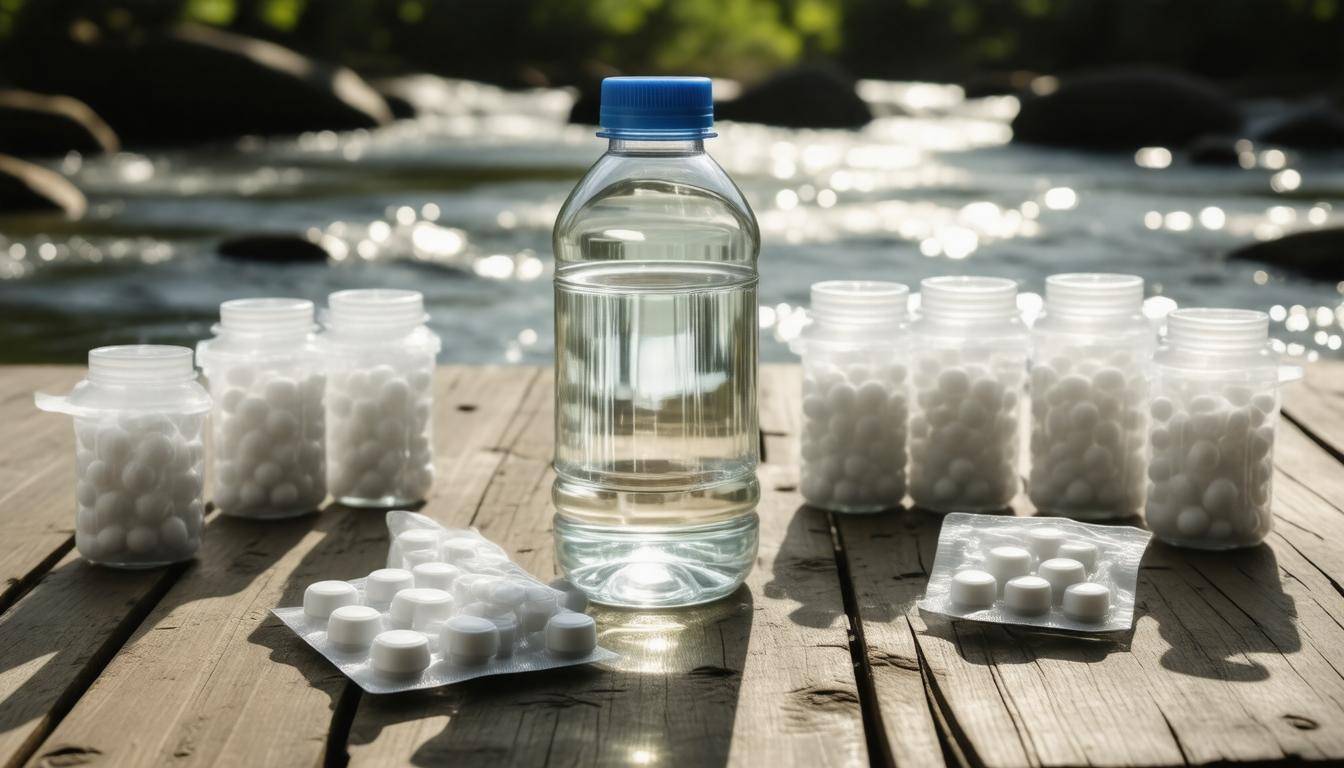
The significance of following the manufacturer’s guidelines cannot be overstated. These instructions typically encompass crucial details such as dosage and contact time, which are vital for achieving the intended purification results. For instance, if a tablet indicates a wait time of 30 minutes, waiting any shorter may not effectively neutralize harmful pathogens. Always remember that although water may appear clear, unseen contaminants could remain in that well water or stream.
Following these instructions closely is equally important both for your health and for the efficacy of the treatment.
Additionally, know your products well. While many people reach for chlorine tablets due to their availability and low cost, they do have limitations. Chlorine-based tablets can struggle against protozoan cysts like Giardia or Cryptosporidium. If you’re venturing into areas known for these pathogens—perhaps near agricultural zones or lakes frequented by wildlife—it’s worth investing in chlorine dioxide tablets instead. These tablets offer broader efficacy against various pathogens, including those tricky protozoa.
Understanding the Limitations
It’s also important to comprehend that no single product is a silver bullet in purification. Each tablet works distinctly against specific contaminants. For example, while chlorine may effectively eliminate bacteria, its performance against certain viruses can also emerge as an issue if the concentration is insufficient.
Keep in Mind: Relying solely on chlorine when hiking in areas frequented by livestock might not be wise, particularly if Cryptosporidium poses a risk there.
Therefore, identifying the water source is paramount; knowing its potential contamination levels will guide your choice of purification method and product.
Finally, don’t forget about shelf life and storage conditions. Most purification tablets maintain effectiveness for 3 to 5 years when stored properly—cool and dry places are ideal. However, this can vary between brands and formulations, so always check your product beforehand. If you’re planning a lengthy trek or camping trip, be sure to go through your supplies before setting out; expired tablets won’t get you far in terms of safe drinking water.
With a solid understanding of how to ensure safety and efficacy with water purification tablets, it’s time to look at how these products can enhance your outdoor experiences.
Tablet Uses for Outdoor Activities
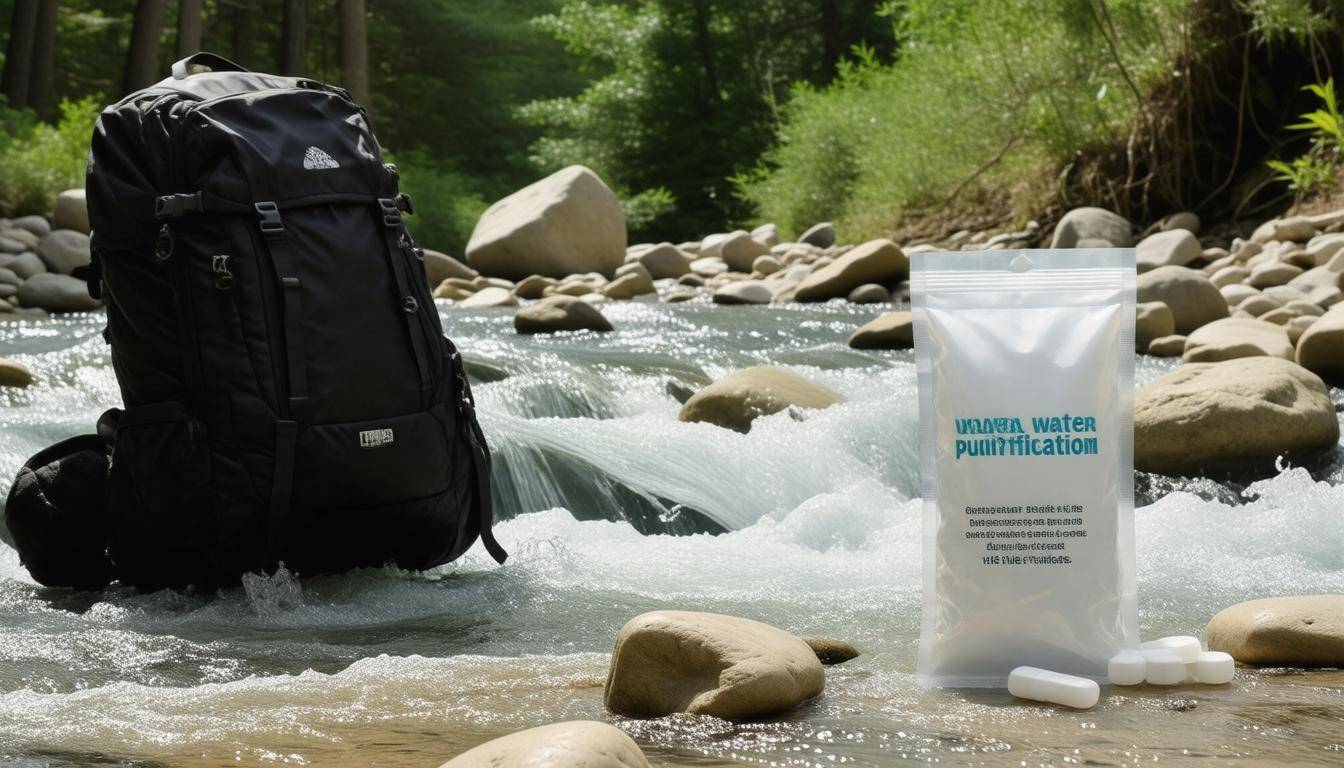
Water purification tablets are game-changers for anyone who spends time outdoors, particularly in situations where the opportunity to access clean drinking water is limited. Imagine being miles from civilization, surrounded by towering trees and the sound of a bubbling brook. It’s tremendous to connect with nature, but that brook may not be as pristine as it appears. This is where purification tablets come into play, transforming potentially unsafe water into a safe source of hydration.
Hiking and Backpacking
A seasoned hiker once shared, “These tablets saved me on a trip where my filter broke. They were easy to use and gave me peace of mind the whole time.” This real-life experience captures the essence of why preparedness is essential when enjoying the great outdoors. Tablets can easily slip into your pack without taking up much space. When you find yourself in a pinch—perhaps with unexpected rain or an unplanned detour—they’re there to ensure you remain hydrated and healthy.
Beyond hiking, let’s explore other outdoor activities where these tablets shine.
Camping and Fishing
Camping trips often lead to some of the most memorable experiences in nature, yet those excursions can expose you to water sources that might not be so friendly. Whether you’re collecting water from a nearby lake or river for cooking or drinking, using purification tablets can make a world of difference. Simply dropping these tablets into your container of questionable water offers immediate relief by killing harmful bacteria and viruses lurking within. A practical tip: always let the treated water sit for at least 30 minutes before consumption to maximize effectiveness.
Similarly, when you’re fishing, having a reliable source of drinking water is crucial. Whether it’s taking breaks along the shoreline or extending your stay for catch-and-release fishing, having these tablets will ease your mind. You don’t need to worry about contaminating your health while out enjoying the thrill of reeling in your next big catch.
Now let’s examine how these handy tablets can assist during travel.
Travel Adventures
For travel enthusiasts going abroad, especially to areas with limited access to clean drinking water, purification tablets are essential companions. Unlike the conveniences found at home, many regions lack straightforward access to hygienic sources. This is where having purification tablets in your travel kit becomes indispensable. Picture needing water after a long bus ride through rural landscapes—these compact solutions allow travelers to adapt quickly without worrying about local contamination levels.
- Convenience: Most tablets are lightweight and easy to carry, requiring no special equipment.
- Versatility: They work effectively in various scenarios—hiking, camping, fishing, or traveling.
- Safety Assurance: By eliminating common pathogens like bacteria and viruses, they ensure safe hydration even in unfamiliar environments.
It’s apparent that having access to safe drinking water is crucial for outdoor enthusiasts. Next, we will discuss some important factors to consider when choosing these lifesaving products for your adventures.
Essential Buying Tips
When it comes to purchasing water purification tablets, making an informed choice is essential in ensuring you select the best option. A great starting point is to consider the active ingredients in the tablets you’re considering, as these are crucial for their effectiveness against various pathogens. Tablets containing chlorine dioxide are often recommended for their ability to tackle bacteria, viruses, and protozoa effectively. This versatility makes them a favorite among outdoor enthusiasts who may encounter a range of water sources.
Moreover, it’s vital to check that these tablets have a contact time of 30 minutes or less; this ensures prompt purification, an especially critical factor in emergency situations when every second counts.
Beyond the active ingredients, shelf life should be on your checklist as well.
Expiry Dates Matter
Always verify the expiry date of any water purification tablets before buying them. You want to make sure they will remain effective throughout your trip duration; after all, you wouldn’t want to find out mid-hike that your water treatment method has become ineffective due to age! Selecting products with at least a 2-5 year shelf life enables peace of mind during your adventures, knowing you’re equipped with reliable tools.
Along with shelf life, compatibility with your intended water sources is another crucial factor to consider.
Compatibility with Water Sources
Choose tablets that specifically target the types of pathogens prevalent in your intended areas. If you’re unsure about the water quality or type of pathogens, opting for broad-spectrum tablets like chlorine dioxide is smart; they tend to be effective against a wide array of potential contaminants. This way, whether you’re drawing from a pristine mountain stream or a more questionable source, you’ll have confidence in your purification method.
Lastly, let’s not forget how valuable user feedback can be.
Reading Reviews and Comparisons
Customer reviews and comparison charts serve as invaluable resources for assessing product performance and reliability. Peer insights can highlight long-term usability and effectiveness, helping you avoid subpar items. You’ll often find insightful feedback on various platforms, including our website, where we provide thorough comparisons and detailed user testimonials that guide potential buyers in making informed decisions.
Ultimately, by focusing on these essential tips—active ingredients, expiry dates, compatibility with water sources, and user reviews—you’ll be well-equipped to choose the right purification tablets for your next adventure. Each element enhances your confidence as you traverse different environments while ensuring safe drinking water remains accessible.
As you embark on your next outdoor adventure, remember that the right choice in water purification tablets can mean the difference between safety and uncertainty. Equip yourself wisely for every journey ahead.
Are there specific conditions or guidelines to follow when using water purification tablets?
Yes, there are specific conditions and guidelines to follow when using water purification tablets. It’s crucial to read the manufacturer’s instructions carefully, as different tablets may have varying contact times and water temperature requirements for optimal effectiveness. Generally, it’s recommended to allow the tablets to dissolve completely in water and wait at least 30 minutes before consumption to ensure that harmful pathogens are effectively neutralized. Studies show that properly used water purification tablets can reduce bacteria by up to 99.9%, making them a reliable option for treating unsafe drinking water in emergency situations or during outdoor adventures.
How do different brands of water purification tablets compare in terms of efficacy and taste?
Different brands of water purification tablets vary in efficacy and taste largely depending on their active ingredients, such as chlorine dioxide or iodine. For example, chlorine dioxide tablets typically neutralize contaminants more effectively than iodine, providing a broader spectrum of microbial protection while leaving minimal aftertaste. In studies, tablets containing chlorine dioxide have shown over 99.9% efficacy in killing bacteria and viruses within a 30-minute period, whereas iodine may take longer and can impart a noticeable taste to the water. Therefore, for those prioritizing both safety and palatability, chlorine dioxide tablets are often the recommended choice.
What are the shelf lives of various water purification tablets, and how should they be stored?
Water purification tablets typically have a shelf life of 3 to 5 years when stored in a cool, dry place away from direct sunlight and moisture. Proper storage is crucial, as excessive heat or humidity can significantly reduce their effectiveness; it’s recommended to keep them in their original packaging. It’s worth noting that some manufacturers provide specific expiration dates, so always check the label before use. According to studies, maintaining ideal storage conditions can help ensure that over 90% of the tablets retain efficacy even near their expiration date.
What types of contaminants can water purification tablets effectively eliminate?
Water purification tablets are designed to effectively eliminate a range of contaminants, including bacteria (like E. coli and Salmonella), viruses (such as Norovirus), and some protozoa (like Giardia and Cryptosporidium). Typically, these tablets contain chlorine dioxide or iodine, which work by disrupting the cellular functions of pathogens. Studies show that chlorine dioxide can reduce bacteria levels by 99.9999% within 30 minutes, making them a reliable choice for emergency situations or outdoor adventures where water quality may be compromised.
Can water purification tablets be used for outdoor activities, like camping or hiking, and what should be considered?
Yes, water purification tablets are ideal for outdoor activities like camping or hiking as they provide a convenient and reliable way to ensure safe drinking water from natural sources. When choosing tablets, consider factors such as the time required for purification, effectiveness against specific pathogens (such as bacteria and viruses), and the water’s clarity; cloudy water may require filtration before treatment. According to a study by the CDC, using proper water disinfection methods can reduce the risk of waterborne diseases by over 90%, making these tablets an essential addition to any outdoor gear.