
Flooding can disrupt lives in ways we often don’t think about—especially when it comes to our drinking water. After a flood, assessing whether your water is safe to drink isn’t just important; it’s essential for keeping you and your family healthy. Floodwaters can introduce all sorts of nasty contaminants into municipal systems or private wells, making what seems like harmless tap water potentially harmful. Following the chaos of flooding, understanding how to properly test and treat your water becomes crucial. This guide will walk you through practical steps to ensure that your drinking water remains safe, with insights on common contaminants, testing procedures, and emergency treatment methods. Don’t let uncertainty about your water quality add to your stress; knowledge is key to staying safe after the storm.
The “Water Safety Testing After Floods: Complete Guide” covers essential procedures for testing drinking water safety post-flooding, including identifying common contaminants such as bacteria, the importance of inspecting water systems for damage, and guidelines for safe water sampling. It also provides recommendations on emergency water sources, necessary precautions before using potentially contaminated water, and steps to take if water tests indicate contamination.

Common Contaminants in Floodwater
Floodwaters can introduce a host of dangerous substances into our drinking water, and recognizing these potential threats is critical for public health. Bacteria are often the most prevalent contaminants found in floodwater. Among them, E. coli and Salmonella are prominent culprits, both originating from fecal matter, which can easily enter the water supply during heavy rains and floods. These bacteria not only pose significant health risks but can also lead to severe gastrointestinal illnesses if ingested.
The mere presence of E. coli, a common indicator organism, should trigger immediate testing and safety precautions—after all, safe levels in drinking water are zero CFU/100 mL.
In addition to biological contaminants, there are chemical hazards to consider as well. Floodwaters can carry industrial chemicals along with runoff that may contain heavy metals like lead and arsenic. These metals seep from urban infrastructures and pose long-term health risks when consumed over time. For instance, lead concentrations above 15 ppb render drinking water unsafe, as children are particularly vulnerable to its harmful effects.
- Heavy Metals: Lead, arsenic—often from aged pipes or industrial pollution.
- Pesticides: Concentrations of certain pesticides, such as glyphosate, must remain below 0.1 ppb for drinking water safety.
- Chemical Contaminants: Certain volatile organic compounds (VOCs) like benzene should be under 5 ppb to ensure user safety.
As we’ve seen, evaluating these potential threats isn’t just about identifying pollutants; it’s about taking appropriate actions to prevent contamination.
The story from Michigan in 2020 serves as a stark reminder of what can happen when floodwaters mix with municipal systems. Communities faced widespread concerns regarding hazardous lead levels detected after floods disrupted existing infrastructure. This situation highlighted the urgent need for consistent and reliable testing protocols for water quality following natural disasters.
Staying informed about local conditions post-flooding can help guide individuals towards safer water practices. Until authorities confirm the water’s safety through comprehensive testing processes, it’s wise to avoid using contaminated sources for drinking or cooking altogether.
This context sets the stage for understanding specific methodologies that ensure accurate assessments of water quality during crisis situations.
Validated Testing Procedures
Testing floodwater for contaminants is not just about diligence; it’s also about using scientifically sound methods to ensure the results reflect the true state of the water. That’s where validated testing procedures come in, providing guidelines that have withstood rigorous scrutiny and can be relied upon for accurate assessments. For instance, groundwater testing approval is crucial when dealing with sources like wells or aquifers. Here, the process should adhere strictly to the recommended protocols established by environmental regulatory bodies, ensuring safety and compliance.
During this testing, it’s essential to focus on bacteria analysis, particularly for total coliform and E. coli. These pathogens can pose significant health risks if present in drinking water. Standardized testing kits are invaluable here—designed specifically for reliable results, they take out much of the guesswork. Although there is some debate surrounding the effectiveness of DIY kits, industry experts still regard lab testing as the gold standard due to its comprehensive nature and reliability.
As we shift our focus from groundwater to surface water, sampling becomes a bit more nuanced.
Surface Water Inspection
When dealing with lakes or rivers, following a rigorous procedure during surface water inspections is crucial for obtaining credible data. The process involves a strategic approach: collect samples not just from the surface but also from different depths and various locations within the body of water. This method ensures that you get a broad representation of the water quality across the entire area. To prevent contamination from your sampling instruments, always use sterilized containers—this simple step can save you from getting skewed results regarding pollutant levels.
Once you’ve collected these samples, sending them off to certified labs is key for thorough testing. The types of analyses performed cover a variety of contaminants, which is vital for understanding what you’re up against. For instance, refer to the following table which outlines common tests conducted on flooded water samples:
| Type of Test | Procedure | Time Required |
|---|---|---|
| Bacterial Test | Collect water in sterilized bottle, send to lab | 24-48 hours |
| Chemical Test | Sample different depths, lab analysis | 3-7 days |
| Heavy Metals Testing | Use specific sample vials based on protocols set | 7-10 days |
While lab testing is ideal and remains essential for comprehensive analysis, many people might seek alternative methods in light of time sensitivity—and that’s where home testing kits often come into play.
Home Testing Kits Overview
Home testing kits serve as an essential tool for homeowners who want quick insights into the quality of their water. While they offer immediate results, it’s important to understand that these kits typically provide preliminary assessments rather than exhaustive analyses. Their primary function is to help you identify potential contaminants, allowing you to address issues before they escalate.
Kit Types
There are various types of home testing kits available on the market, catering to different needs and contaminants. Each kit can offer unique benefits depending on what specifically you’re looking to test. Here are some common options:
-
Bacteria Detection Kits: Focus primarily on identifying harmful bacteria such as E. coli and other coliform bacteria that can pose significant health risks.
-
Chemical Contaminant Kits: Designed to check for substances like chlorine, pH levels, nitrates, and pesticides, helping you monitor chemical impurities that may linger from floodwaters or agricultural runoff.
-
Heavy Metal Kits: With growing concerns about heavy metal contamination from aging pipes and environmental factors, these kits can detect lead, mercury, and arsenic levels in your water.
Companies like Safe Home Products and Watersafe have established themselves by offering reliable kits that simplify the testing process. Typically, users dip a reactive test strip into a sample of their water; each color change indicates the presence or absence of specific contaminants. While this method is convenient, it’s crucial to remember that these tests highlight potential issues but should not replace comprehensive lab testing for accuracy.
It’s worth noting that while home testing kits are useful, they only scratch the surface regarding water quality assessment. Confirming results with laboratory analysis is essential for those serious about ensuring their water is safe for consumption.
After detecting contaminants through these home kits, it becomes imperative to consider further steps to ensure access to safe drinking water.
Emergency Water Treatment Methods
In the wake of flooding, emergency water treatment methods become invaluable. One of the simplest yet effective means is boiling water. By bringing water to a rolling boil for at least one minute, you can eliminate most pathogens like bacteria, viruses, and parasites. However, it’s essential to note that boiling doesn’t remove chemical contaminants; therefore, you must be cautious about the source of your water. If flooding has mixed with potential pollutants, boiling alone might not suffice.
Chlorination
Another method you can employ during emergencies is chlorination. Using unscented household bleach can effectively disinfect your water. To treat a gallon of water, add 1/8 teaspoon of bleach and mix thoroughly. It’s vital to let the treated water stand for 30 minutes before using it to ensure the bleach has time to kill harmful microorganisms. This method works well for biological hazards but, again, does not address chemical contamination.
Keep in mind that both boiling and chlorination primarily target pathogens and may not protect against all types of contaminants that could enter your water supply during a flood.
When it comes to managing hazardous chemicals post-flooding, other strategies must be employed to ensure your drinking water remains safe.
Activated Carbon Filtration
If you’re dealing with chemical contaminants such as heavy metals or volatile organic compounds (VOCs), using an activated carbon filter can be particularly effective. These filters leverage activated charcoal’s porous structure to absorb and trap harmful substances, improving drinking water quality significantly. While some commercial filters effectively reduce various contaminants, always check the product specifications to ensure they meet your specific needs.
Reverse Osmosis
For a higher level of purification, consider reverse osmosis systems. These systems force water through a semi-permeable membrane that traps impurities in their tiny pores while allowing clean water to pass through. It’s effective against a wide range of contaminants including dissolved solids, lead, and nitrates. However, they tend to be more expensive than other emergency filtration options and require careful installation.
Regardless of which method you choose, staying informed about local advisories and guidelines from entities like the EPA is crucial for your family’s health after any flood event. Each treatment method serves its purpose in making sure your drinking water is as clean as possible amidst environmental pressures.
Next, we will explore essential precautions and measures regarding potentially dangerous substances that can compromise water safety post-flooding.
Chemical Contaminant Safety
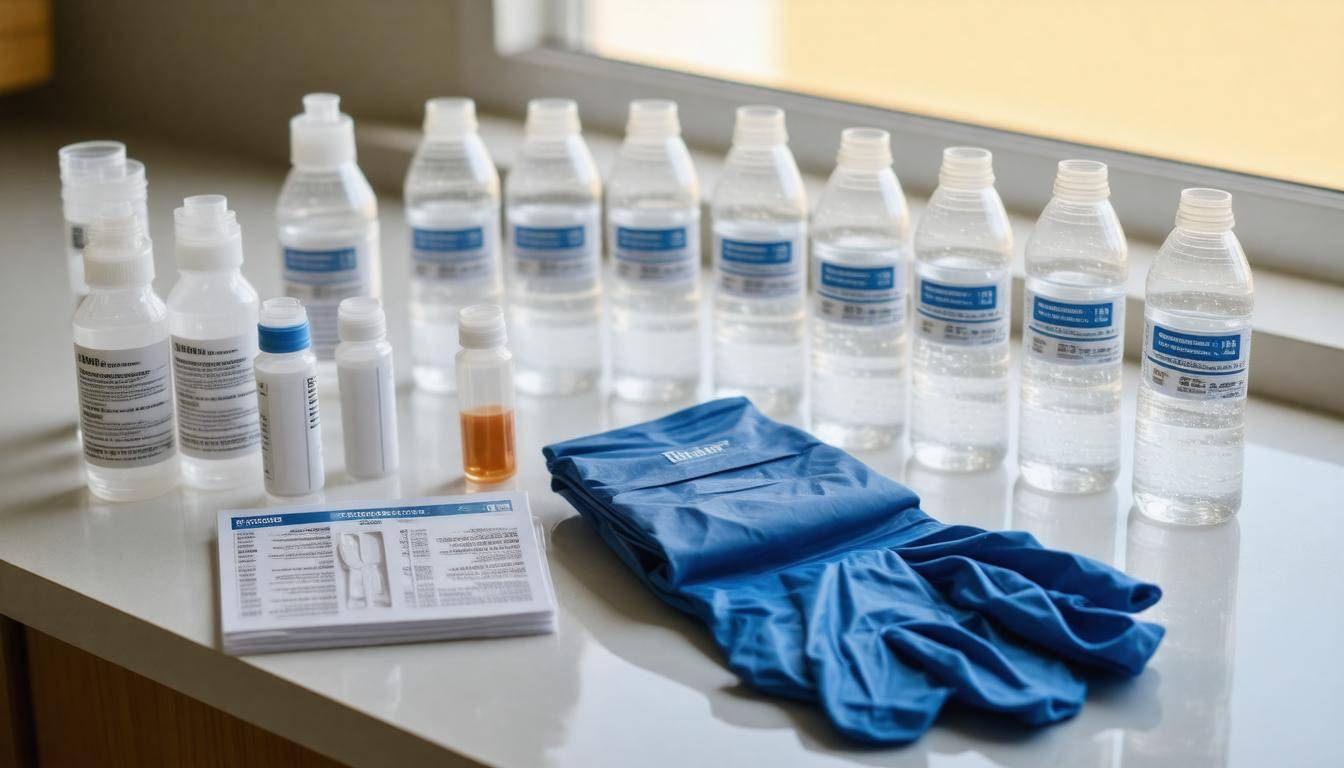
Chemical safety following a flood is a multifaceted challenge. Those murky waters can hide an array of contaminants that might not be visible to the naked eye—pesticides, industrial solvents, and heavy metals are just a few examples. Identifying these chemical dangers is essential, especially when thinking back to the Flint, Michigan crisis in 2014. Studies from that time revealed lead levels that far exceeded safe drinking limits; it was a wake-up call for communities about the unseen dangers lurking in contaminated water sources.
Identification
The first step in addressing chemical safety is identification. This process involves laboratory testing to pinpoint what specifically is present in your water supply. Collecting samples requires following precise procedures to ensure accuracy. It’s important to avoid complications by preparing beforehand: removing any debris or flushing out your plumbing before sending off your samples can make a significant difference in test results.
After taking samples, experts use advanced techniques like Gas Chromatography-Mass Spectrometry (GC-MS) or Inductively Coupled Plasma Mass Spectrometry (ICP-MS) to detect contaminants at parts per billion (ppb) levels.
Knowing what’s in your water leads us into another important aspect: how to deal with and purify these hazardous chemicals effectively.
Addressing Contaminants
Once you’ve identified harmful contaminants, it’s crucial to employ appropriate purification methods. Some of the most effective techniques include activated carbon filtration, reverse osmosis, and distillation. Each method has its unique advantages depending on the types of contaminants found. For instance, activated carbon filtration excels at removing common chemical pollutants such as pesticides and volatile organic compounds, while reverse osmosis systems can effectively reduce levels of heavy metals such as lead and arsenic.
It’s important to follow EPA guidelines diligently as they set benchmarks for safe drinking water. The Maximum Contaminant Level (MCL) for lead is capped at 0.015 mg/L, while arsenic and mercury have thresholds of 0.010 mg/L and 0.002 mg/L, respectively. Staying informed not only protects you but can also help safeguard vulnerable community members who may not have immediate access to information on how to handle their drinking water.
Addressing chemical contaminants is not just a personal responsibility; it extends outwards into community well-being.
Community Engagement
Local health authorities play a pivotal role in monitoring water quality after floods. Their frequent testing helps preemptively address health risks posed by pollutants and pathogens introduced during severe weather events. Proactive dialogue within communities—perhaps through platforms like local forums or social media—can bridge the gap in information regarding which bodies of water are safe for recreational activities after flooding.
In this interconnected environment, knowledge becomes power; keeping everyone informed ensures collective safety and promotes engagement regarding solutions to this ongoing issue. By coming together as a community to share information and resources about safe practices, we create reliable avenues for navigating this complex landscape of chemical safety in flood-affected areas.
With community knowledge as our foundation, we can explore more sustainable solutions that offer long-term protection for our water resources.
Long-Term Purification Solutions
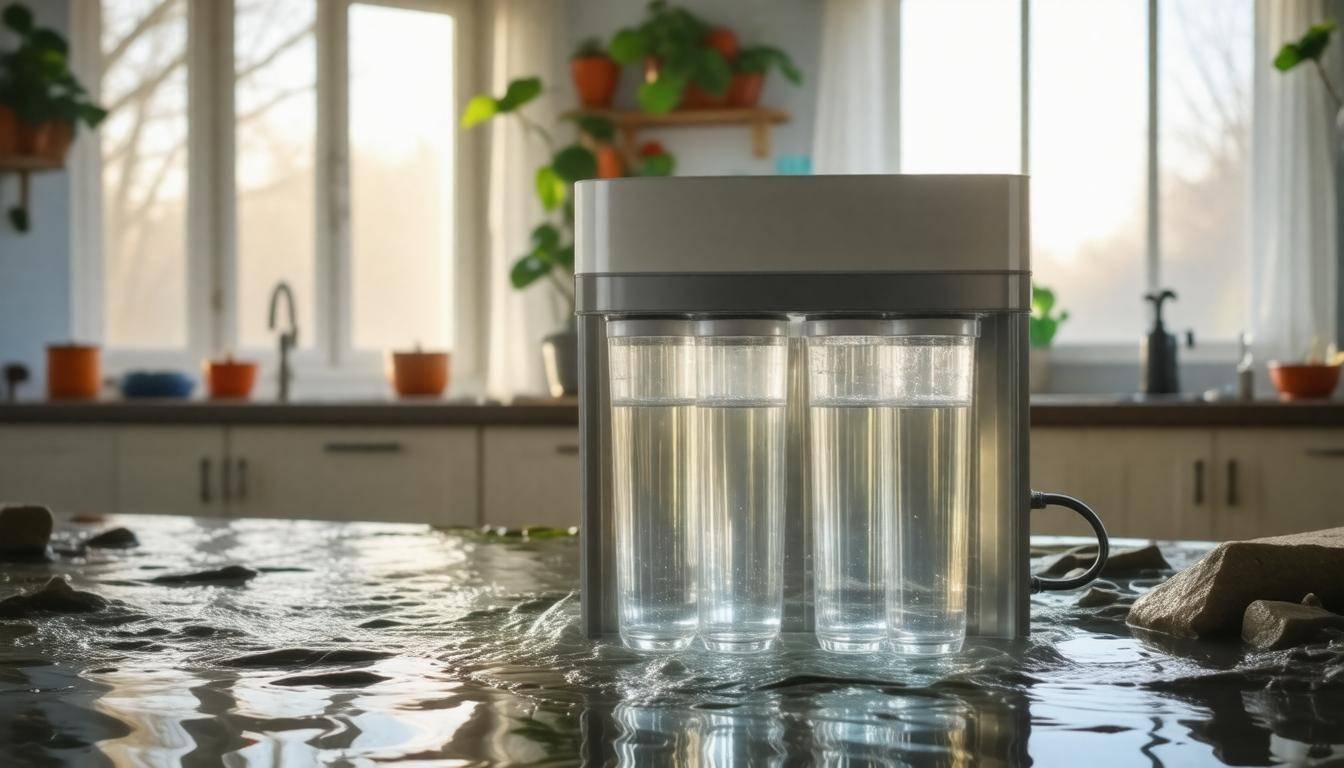
Installing filtration systems is a proactive way to safeguard communities from unsafe drinking water, especially in regions impacted by flooding. One of the most effective options available is the reverse osmosis unit. This system operates by forcing water through a semi-permeable membrane, effectively removing contaminants such as heavy metals, pesticides, and salts. However, while reverse osmosis systems are impressively efficient, it’s essential to factor in maintenance costs which can vary significantly; regular filter replacements and system check-ups can add up over time.
Small-scale home solutions offered by brands like Brita and Pur provide accessible alternatives for residential use. These systems may not be as comprehensive as reverse osmosis but serve well to improve the taste and safety of tap water in immediate terms.
In addition to filtration, another forward-thinking solution worth considering is UV purification systems. They utilize ultraviolet light to eliminate both bacterial and viral pathogens from the water supply. This process involves exposing contaminated water to UV light which disrupts the DNA of microorganisms, effectively neutralizing them. As a result, UV purification provides an added layer of security that works alongside traditional filtration methods.
However, adopting these methods independently is just part of a larger conversation about water safety; understanding the synergies between different purification technologies enhances their efficacy in real-world applications. For example, integrating filter systems with UV technology can create a multi-barrier approach that shields communities from various types of contaminants.
While individual solutions are important, fostering collaborative efforts among NGOs, local governments, and community members will significantly bolster public health initiatives aimed at improving water safety in flood-affected areas. With this in mind, it’s essential to explore how broad-reaching protocols can enhance collective safety and preparedness.
Community-Wide Safety Protocols
Ensuring water safety in flood-affected areas goes far beyond individual efforts; it involves the whole community coming together to tackle a vital issue. For a community to thrive, it must be proactive and coordinated in its approach to maintaining clean and safe water supplies. This collective action can save lives and protect public health while building resilience against future flooding incidents.
Public Awareness Campaigns
A powerful way to galvanize community support is through public awareness campaigns. These initiatives should focus on educating residents about water safety practices, flood risks, and emergency response strategies. Imagine a neighborhood where everyone knows how to respond during a flood and understands what steps they can take to ensure their drinking water remains uncontaminated. Engaging local schools, community centers, and organizations can amplify these educational programs.
Utilizing social media platforms can have an immediate effect during flooding events. With real-time updates—notifications about contaminated water sources or tips on safe drinking options—communities can keep their residents informed. Picture a scenario where a family receives a text alert about potential contamination in their area, guiding them swiftly toward safer alternatives. Such clear communication can greatly reduce panic and confusion.
Central Water Testing
Another cornerstone of effective community-wide safety protocols is central water testing. Local authorities should implement regular testing of community water sources—especially following flooding episodes. Residents should feel reassured that their local government monitors their water supply closely. Transparency is key: results from these tests should be made readily accessible to all residents, so they are armed with knowledge about their own water quality.
Contamination reports must elicit prompt responses from authorities as well. Think about how critical it is for a resident who suspects contamination in their home’s water supply to receive timely assistance. Knowing there are protocols in place that prioritize swift action reinforces trust between the community and local agencies.
By establishing robust protocols that include public education and reliable testing systems, communities can effectively address challenges to water safety after flooding events. Integrating feedback mechanisms for residents ensures that concerns regarding water quality are heard and acted upon.
Addressing these vital safety measures lays the groundwork for ensuring that everyone has access to safe drinking resources. Next, we’ll explore the essential steps necessary for protecting potable water quality in these challenging conditions.
Ensuring Safe Drinking Water
Following flooding, the importance of clean drinking water cannot be overstated. Floodwaters can introduce harmful contaminants from various sources, making it essential for households to prepare and respond adequately.
One effective measure is to encourage families to stockpile emergency water supplies that can last at least 72 hours. This not only supports immediate needs but also promotes a sense of security during uncertain times.
As flooding can compromise local water systems, it’s wise for residents to rely on bottled water or seek out certified safe water sources until thorough testing confirms their public supply is safe once again.
Beyond just individual preparedness, communities must work together to ensure no one goes without access to clean drinking water—vulnerable populations often need more support. For some households, especially those without reliable transport or resources, maintaining an emergency supply is immensely challenging during crises.
Here lies the potential for community-driven initiatives, where neighbors help each other acquire and distribute safe water.
Installation of Public Dispensers
Alongside personal preparations, the installation of temporary public water dispensers can significantly enhance accessibility. These dispensers should be strategically placed in easily reachable areas around the community, ensuring that all residents have access to safe drinking water.
Local organizations like the Red Cross can prove invaluable by facilitating these installations and mobilizing volunteer support. By doing so, they create a lifeline for those in urgent need of fresh water when local systems are disrupted.
“During the 2024 floods, our local library served as a water distribution point to great effect,” recounts resident Maria Gomez. Community centers have been instrumental in connecting people with these resources, often transforming into hubs of support where families gathered not just for water, but also for information on further assistance and guidance through tough times.
This sort of collaboration fosters resilience within communities, enabling them not only to meet immediate needs but also to build networks for future events. The collective effort in ensuring everyone has access to clean drinking water reinforces community bonds and illuminates a path toward recovery in the aftermath of such disasters.
Recognizing that clean water is a shared responsibility empowers citizens to take action and support each other—even when facing unprecedented challenges like flooding.
In addressing water safety after floods, both individual and community actions play crucial roles in securing access to clean water for all. This shared commitment underlines the importance of preparation and cooperation in overcoming disaster-related challenges.
What are the recommended guidelines for treating water after a flooding incident?
After a flooding incident, it is crucial to treat water by first ensuring its source is safe; boil water for at least one minute to kill pathogens, or use water purification tablets as an alternative. It is also recommended to test for contaminants such as heavy metals and chemicals, as over 70% of floodwaters can be unsafe due to runoff and sewage overflow. Always prioritize safe drinking practices to prevent waterborne diseases, which account for approximately 3.4 million deaths globally each year.
When should I contact professionals for water safety testing?
You should contact professionals for water safety testing immediately after a flood or significant water event, as unsafe water can pose serious health risks. According to the CDC, contaminants can remain in flood-affected water, with pathogens increasing in concentration over time. In areas impacted by flooding, over 50% of wells can become contaminated, making it crucial to have expert assessment and treatment to ensure safe drinking water for you and your family.
What types of contaminants are typically found in floodwater?
Floodwater typically contains a variety of contaminants, including pathogens such as bacteria, viruses, and parasites from sewage and decaying organic matter. Additionally, chemical pollutants like heavy metals, pesticides, and oils can leach into floodwaters from industrial sites and agricultural areas. According to the CDC, after significant flooding events, about 30% of floodwater samples may show elevated levels of harmful microorganisms, posing severe health risks to affected populations.
What steps should be taken if my water tests positive for contaminants after a flood?
If your water tests positive for contaminants after a flood, first stop using the water for drinking, cooking, or personal hygiene; instead, rely on bottled water. Next, contact local health authorities for guidance and consider additional testing by certified laboratories. It’s crucial to properly disinfect your well or water system using chlorine bleach or other recommended methods, as approximately 18% of flood-affected households experience waterborne illnesses due to contaminated supplies. Finally, stay informed on local advisories and ensure safe re-entry into affected areas only when told it is safe to do so by officials.
How can I safely test my water for safety after a flood?
To safely test your water after a flood, first ensure that the supply is free from any electrical hazards by turning off the power. Use a clean container to sample water from your tap and send it to a certified lab for testing; they can check for harmful pathogens, chemical pollutants, and heavy metals that could compromise safety. According to the CDC, floods can introduce contaminants into drinking water that are not typically present, making professional testing crucial for ensuring safety, as about 15% of privately sourced wells may become contaminated following flooding events.