
Finding a reliable source of water can feel like searching for a needle in a haystack, especially in areas where it’s scarce or hidden beneath layers of soil. Whether for gardening, farming, or daily living, knowing how to locate water is essential. It’s more than just getting lucky; it involves using various techniques—some passed down through generations and others powered by modern technology. In this guide, we’ll explore both the old-school and cutting-edge methods that can lead you to this vital resource, ensuring you’re well-equipped to tackle your water-finding challenges. So grab your tools, and let’s dive into the art and science of locating water!
The “Water Source Location Methods: Complete Guide” covers traditional techniques such as observing natural indicators and modern approaches like Ground Penetrating Radar (GPR) for locating underground water sources. Additionally, it emphasizes the importance of proximity to water when establishing gardens or agricultural projects to enhance irrigation efficiency.
Traditional Methods for Water Location
One of the most intriguing methods is dowsing, also known as water witching. This technique employs a Y-shaped or L-shaped rod made from materials such as willow or hazel. Practitioners claim that the rod will dip, jiggle, or move when it passes over an underground water source. While many label dowsing as pseudoscience due to the lack of empirical evidence supporting its efficacy, the anecdotal success rates are remarkable. Farmers and individuals in rural communities often swear by their experiences using dowsing rods. Perhaps the charm of this practice lies not just in the outcome but in the simplicity and connection to nature it fosters.
“I’ve seen my grandfather find water time and again,” a farmer once told me. “He would just walk around with his rod, waiting for it to pull him down.”
Yet dowsing is far from the only traditional practice for locating water; indigenous techniques offer rich insight into how communities have historically navigated challenges related to sourcing.
Indigenous Techniques
Indigenous communities have honed their skills in recognizing environmental cues that signal the proximity of water. For instance, certain plants like willows are commonly associated with higher moisture levels in the ground. Observing animal behavior also provides crucial clues: ants building their nests vertically may indicate a source of water beneath them.
A tribesman from Australia encapsulated this wisdom perfectly, stating, “We read the land. Nature shows us where the water is.” His words reflect an understanding developed over generations; each observation builds a foundation for knowledge passed down through storytelling and ritual.
Beyond flora and fauna, many cultures have relied on landscape features such as valleys and depressions where rainwater naturally collects. Such caregiving relationships with nature clarify how crucial observation is—not just as a survival tactic but as a profound appreciation for interconnectedness within ecosystems.
While these traditional methods provide valuable insights into finding water, technological advancements continue to evolve, offering new possibilities for exploration and discovery. Let’s explore how modern science enhances our approach to locating this vital resource.
Modern Techniques for Finding Water
Among these innovative methods, Ground Penetrating Radar (GPR) stands out as a game-changer in water location. Think of GPR as a detective using radio waves to search for hidden treasures beneath the Earth’s surface. By emitting high-frequency radio waves into the ground, GPR can reveal the locations of subsurface water accumulations based on how those waves bounce back.
Imagine being able to pinpoint water sources up to 100 feet below the surface without ever digging a hole! This technology is often utilized in construction and archaeology due to its non-invasive nature and ability to provide clear images of what’s going on underground.
This exciting technique has introduced an unprecedented level of accuracy, but we also have other powerful tools that can assist in water discovery.
Geological Surveying
Geological surveying is another crucial method that relies on thorough analysis rather than sheer technology alone. Here, geologists take on the role of detectives, examining soil types and rock formations to predict where water is most likely to reside. By looking at specific indicators such as mineral compositions and stratification patterns, experts can establish educated guesses about water availability in any given area.
According to findings from the US Geological Survey, these geological methods significantly improve water location accuracy by an impressive 70%. Imagine tackling a project or venture with such precision—the ability to identify potential water resources before they become problematic.
Understanding your surroundings through geological surveying is like having a map in hand. By correlating soil characteristics with historical data on aquifers and regional hydrology, one can effectively navigate towards successful water sourcing. All this knowledge helps safeguard not just immediate needs but prevents broader environmental issues tied to over-extraction or inadequate resource allocation.
Embracing these modern techniques not only provides enhanced accuracy but also promotes sustainable practices when managing one of our most vital resources—water.
As we explore the landscape of innovation further, we are bound to discover even more advanced systems that enhance our ability to detect and utilize this precious resource effectively.
Technology for Water Detection
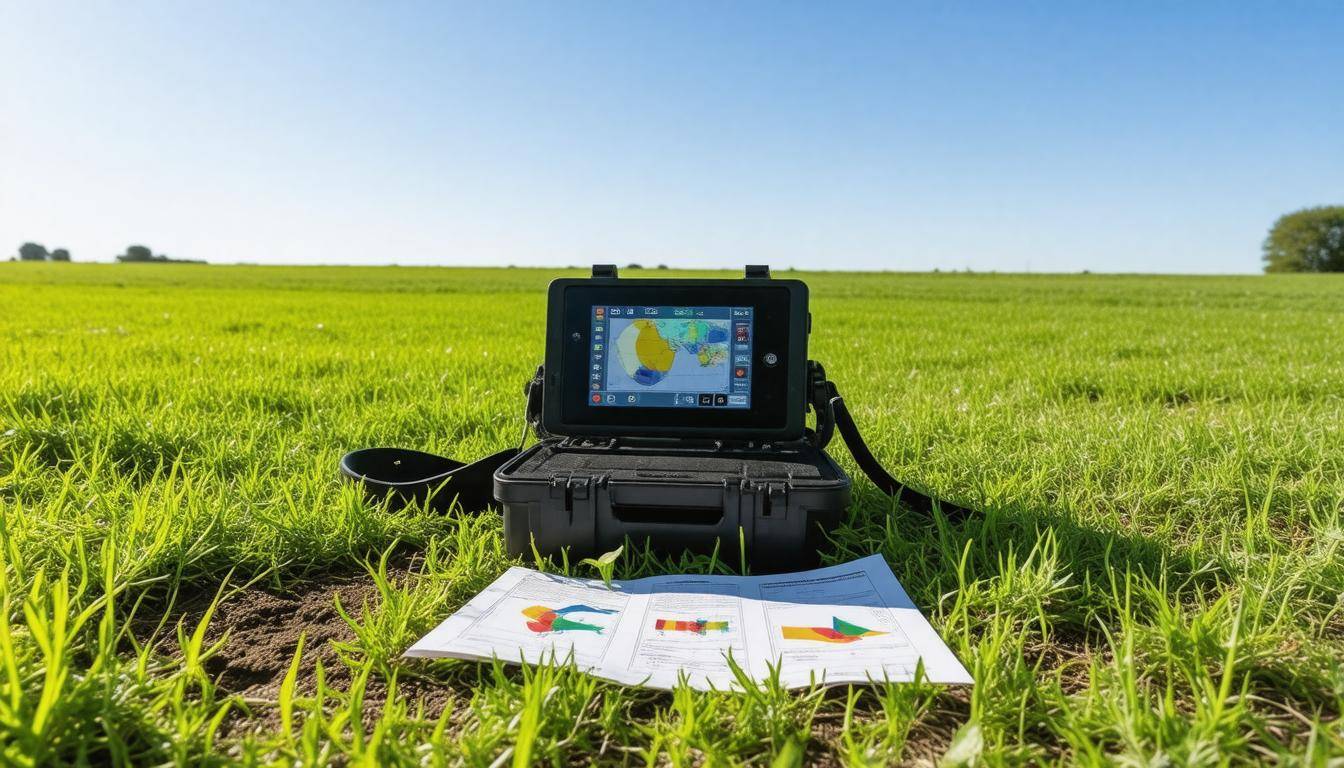
Technology has truly revolutionized how we find water sources. Gone are the days of relying solely on traditional methods of trial and error. Today, sophisticated tools such as satellites and drones play a significant role in uncovering hidden reserves of freshwater. This innovative approach enhances efficiency and conserves resources in an ever-drying world.
Satellite Imagery
One of the most groundbreaking methods involves satellite imagery. Utilizing infrared sensors, satellites can analyze the moisture levels in soil across vast landscapes. These images target areas with potential water presence similar to a weather map. Some studies have demonstrated that satellite-based assessments have identified previously unknown water reserves in arid regions—showcasing how technology can surface hidden solutions.
This advances not only the search for fresh water but also offers new opportunities for sustainable practices in agriculture and urban development.
Drones
Another technological marvel is the use of drones equipped with moisture sensors and thermal cameras. These flying devices can quickly survey large areas that may be challenging or time-consuming to navigate on foot or by vehicle. Farmers have found drones incredibly beneficial; they use them to identify where irrigation is most needed, saving both time and costs.
Imagine a farmer facing delays digging test wells only to find dry ground—a common scenario. By utilizing drones, this farmer pinpointed ideal drilling locations, significantly reducing unnecessary expenditures while maximizing crop yield. Not only do these advancements help individual farmers, but they also contribute to broader agricultural sustainability by preventing overexploitation of resources.
As we explore these innovative approaches further, it will be essential to understand the next phase of locating water sources, which focuses on examining surface water options and their accessibility.
Identifying Surface Water Sources
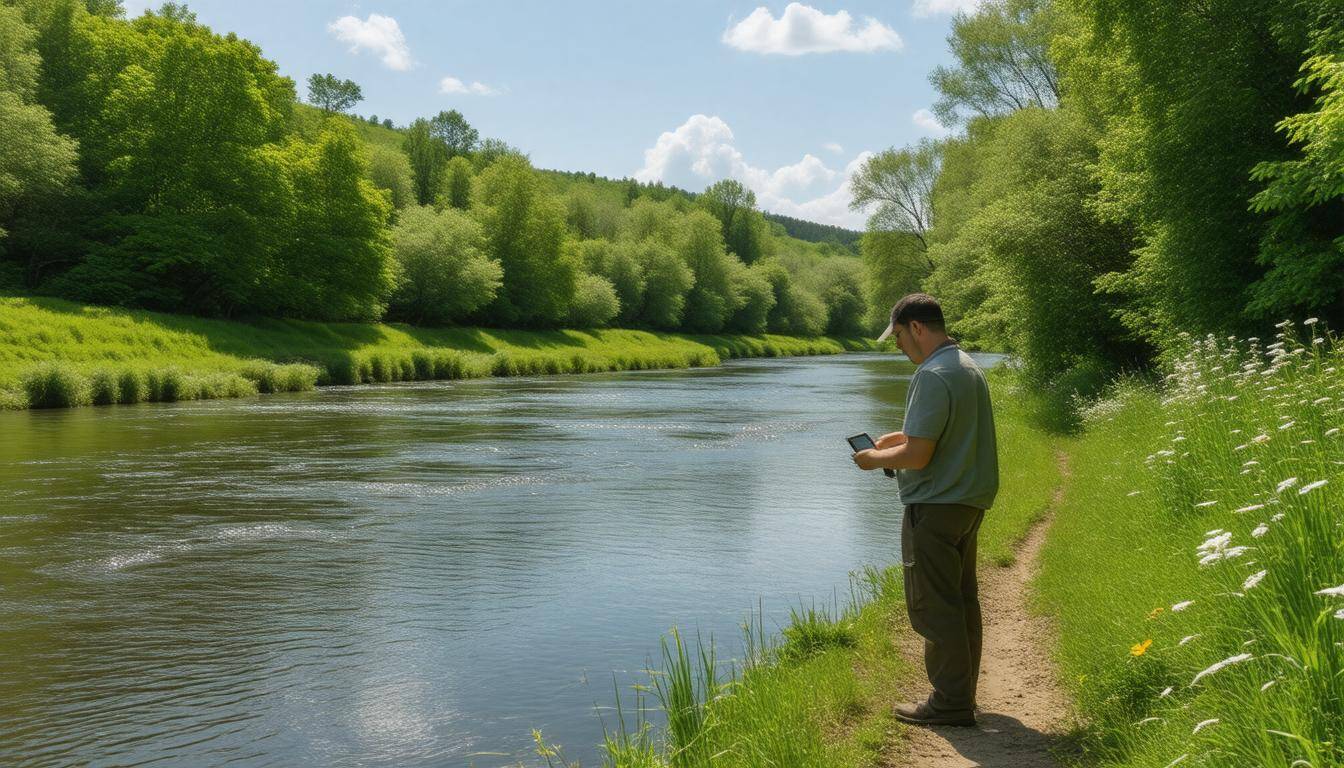
Identifying surface water is essential for gardening, agriculture, and even for survival in outdoor settings. Recognizing features such as rivers, lakes, and ponds can provide not only inspiration for your landscape but also crucial resources for irrigation and livestock. Observing the landscape around you reveals hints of moisture beneath its surface.
Visual Markers
Among the most prominent indicators of nearby water are plants themselves. Plants tend to flourish near water sources. If you notice particularly lush vegetation—trees with vibrant green leaves or dense shrubs—consider that they may be drawing from an underground aquifer or a nearby stream. Observations like these can point you toward potential water sources just waiting to be discovered.
Healthy greenery often signifies abundant moisture, so take note of where plant life is thriving!
However, plants aren’t the only hint towards surface water; topography plays a significant role in guiding our search.
Topographic Maps
When employing topographic maps, look for elevation changes that frequently indicate the presence of rivers or streams nestled within valleys or low-lying areas. These maps illustrate the contours of the land, enabling you to identify regions where water is likely to pool or flow due to gravity’s relentless pull. It’s like having a cheat sheet that exposes nature’s hidden channels.
| Marker | Indication |
|---|---|
| Lush Vegetation | Surface water presence |
| Low Depression | Potential streambed |
| Valley Contours | River or creek location |
By combining visual markers and topographical insights, you can create a comprehensive approach to discovering surface water sources effectively.
Being attuned to both the flora in your environment and the landscape itself will enhance your understanding of where water might lie hidden beneath the surface. This keen observation sets the stage for uncovering more precise methods employed in identifying unseen reservoirs beneath our feet.
Locating Underground Sources
Underground water can be trickier but more rewarding to locate than surface water. It’s not just about luck—having a systematic approach can greatly increase your chances of finding aquifers, which are essentially natural underground reservoirs. Finding these aquifers is akin to uncovering buried treasure. These large rock formations have the capacity to hold substantial amounts of water, making them ideal targets for extraction. In fact, aquifers supply an astonishing 30% of the world’s irrigation water, playing a pivotal role in sustaining crops and supporting food production globally.
Aquifers
To effectively identify where these formations lie, it’s indispensable to familiarize yourself with local geology as it significantly impacts groundwater availability. A good starting point is analyzing geological maps or conducting hydrogeological surveys to discern which areas contain sedimentary rocks conducive to aquifer formation. Understanding underlying layers of soil and rock can save you both time and resources when searching for water.
Remember that not all rock formations yield equal quantities of water; some may provide enough for your garden while others could supply whole communities. This knowledge improves your chances and allows for better planning of how you’ll manage your water usage efficiently.
Water Wells
Once you’ve identified a promising area containing an aquifer, the next step is often drilling wells to tap into that underground resource. However, this process isn’t as simple as digging a hole and hoping for the best. It requires careful consideration of geological formations, as drilling into dry deposits will yield little more than frustration and wasted effort.
Properly drilled wells can provide a reliable source of water for decades when executed correctly. Understanding specific geology is crucial; knowing where water-bearing formations lie helps minimize costs and improve efficiency in extracting that precious resource.
Before embarking on drilling efforts, seeking advice from professionals who specialize in hydrogeology can offer insights that might prevent wasted investments in dry holes.
By marrying historical data with modern methodologies—like geophysical surveys or analyzing soil moisture levels—you can enhance your odds of successfully locating underground water sources. This approach ensures a consistent supply far into the future and sets the stage for effective ways to collect and utilize this valuable resource.
Harvesting Rainwater
Rainwater harvesting is an increasingly popular method for collecting and utilizing rainwater, a resource that is often overlooked. By capturing rainwater running off your roof, you can create a reliable source of water for irrigation, toilet flushing, and even laundry—helping to ease the strain on municipal supplies. This approach not only slashes water bills but also promotes sustainability by utilizing a natural resource that would otherwise go to waste.
Roof Catchments
One of the most efficient ways to harvest rainwater is through roof catchments. This means installing gutters that funnel rainwater from rooftops into storage tanks or barrels. Consider the placement of these gutters carefully; they should direct all the possible runoff from your roof into these storage solutions. To keep this system functioning optimally, it’s crucial to ensure that the gutters are periodically cleaned, allowing water to flow freely without contamination from debris or leaf litter.
Just imagine how much water you could collect! A 1,000-square-foot roof can yield approximately 600 gallons of rainwater for every inch of rainfall. With an average annual rainfall in the U.S. hovering around 30 inches, that’s a staggering potential!
Ground Catchments
Beyond rooftops, ground catchments represent another ingenious method of rainwater collection. Various indigenous communities have effectively used terraced fields to capture rainwater where it falls. These terraced systems slow down the flow of water across the landscape, allowing it to seep into the ground rather than run off into nearby streams and rivers. This technique conserves water for agricultural purposes and minimizes erosion—ensuring the soil remains rich and fertile.
Incorporating both roof and ground catchment systems offers a comprehensive approach to water harvesting. By blending traditional practices with modern infrastructural adaptations, anyone can harness nature’s resources more effectively. It also reflects a growing trend toward sustainable living, showing that we can adapt ancient wisdom to meet contemporary needs.
With these methods in mind, considering practical applications within your own space—whether you’re optimizing your home’s design or exploring landscape possibilities—will further enrich your understanding of leveraging natural resources effectively.
Water Collection Techniques
Understanding different water collection methods broadens our approach to gathering this precious resource, especially for those in areas where conventional sources are scarce or unreliable.
One popular technique involves the use of fog nets, especially effective in coastal or mountainous regions where fog is common. These specialized nets capture tiny droplets from the fog as it passes through, collecting them into reservoirs that can yield significant amounts of water over time. In fact, the effectiveness of fog nets has been highlighted by residents of arid regions—“Fog nets have changed our lives,” says a resident of the Atacama Desert, emphasizing just how much these simple yet effective devices have improved access to water.
Beyond fog nets, there are additional methods worth considering when looking to collect water efficiently.
Solar Stills
Another innovative solution for water collection is the solar still. This technique involves heating water (which could be contaminated) through sunlight until it evaporates. The vapor then rises and condenses on a cooler surface, typically made of glass or plastic, allowing clean water to collect underneath while leaving impurities behind.
While solar stills can be incredibly useful for emergency situations or small-scale needs, they do require consistent sunlight and are more energy-intensive than other methods. Thus, their practicality often comes into play when larger-scale operations aren’t feasible.
It’s essential to remember that both fog nets and solar stills exemplify how nature offers solutions to our water needs. Each method serves its purpose optimally under the right environmental conditions.
As we continue exploring additional techniques for efficient water collection, let’s dive into strategies such as rainwater harvesting and other innovative practices that promote sustainable living.
Essential Tools for Water Location
Utilizing the right tools can significantly ease the water location process. Among these tools, water divining rods, soil moisture sensors, and portable water quality testers play critical roles, each offering unique insights into identifying where water hides beneath the surface.
Water Divining Rods
Water divining rods are fascinating instruments steeped in history. These simple devices, often made from Y-shaped branches or metal rods, have been used for centuries to locate underground water sources. While many swear by their effectiveness during a dowsing session, their scientific credibility remains hotly debated.
Even so, these rods can bring an element of traditional charm to your search for water. Some individuals report that when they walk over a water source, the rods instinctively move away from them, suggesting a lurking water presence underground. This anecdotal evidence keeps them popular despite lacking empirical backing.
The intrigue lies not only in their potential utility but also in the unwavering belief held by many practitioners. Whether you’re skeptical or a believer, trying out divining rods could add an interesting twist to your journey in locating water.
Soil Moisture Sensors
Shifting gears toward practicality, soil moisture sensors present themselves as remarkably efficient tools when searching for hidden waterways. These devices measure moisture content within the soil, revealing valuable information about the landscape’s hydration levels.
For farmers aiming to optimize irrigation schedules or gardeners nurturing their plants, these sensors prove especially useful. They can also indicate underlying water tables by observing higher moisture concentrations in certain areas of your land.
Imagine walking through your backyard with a sensor unit; you might discover unexpected wet spots indicating nearby groundwater. This technique offers an accessible route to inform your land management practices while making your search for water both precise and efficient.
Portable Water Quality Testers
Once you’ve located a potential source of water, ensuring its safety is paramount. Portable water quality testers step in as essential allies at this stage of locating and utilizing water supplies.
These compact devices analyze water samples for harmful contaminants—think nitrates, lead, bacteria—letting you know if what you’ve found is safe to use. Understanding the quality of potential water sources helps prevent disastrous situations that might arise from using contaminated water.
By employing these testers after you’ve dug or sourced water from underground pockets, you gain peace of mind about your supply’s safety and usability.
Armed with these tools—water divining rods for exploration, soil moisture sensors for precision, and portable testers for safety—your quest for water becomes significantly more informed and effective. It’s a blend of tradition and modern technology that allows you to decipher the secrets of what lies beneath our feet.
In summary, whether leveraging ancient techniques or state-of-the-art technology, understanding how to find reliable sources of water is essential for sustainable living and effective land management.