
Water storage containers are essential tools for anyone looking to prepare for emergencies, support gardening efforts, or embrace self-sustainability. Whether you’re capturing rainwater or ensuring access to clean water in case of a disaster, the right container can make all the difference. However, jumping into the world of water storage without understanding the different types available can lead to more confusion than clarity. As someone who has navigated this landscape myself, I can assure you that knowing the pros and cons of each option will save you time, money, and hassle down the line. In this article, we’ll dive into the various types of water storage containers, examining what works best for different uses and situations so you can choose wisely.
Water storage containers offer several pros, including convenience for emergency preparedness, supporting gardening needs, and promoting self-sustainability through rainwater collection. However, they also come with cons such as potential maintenance requirements to prevent contamination, varying initial costs depending on type and size, and risks of leaking if not properly maintained.
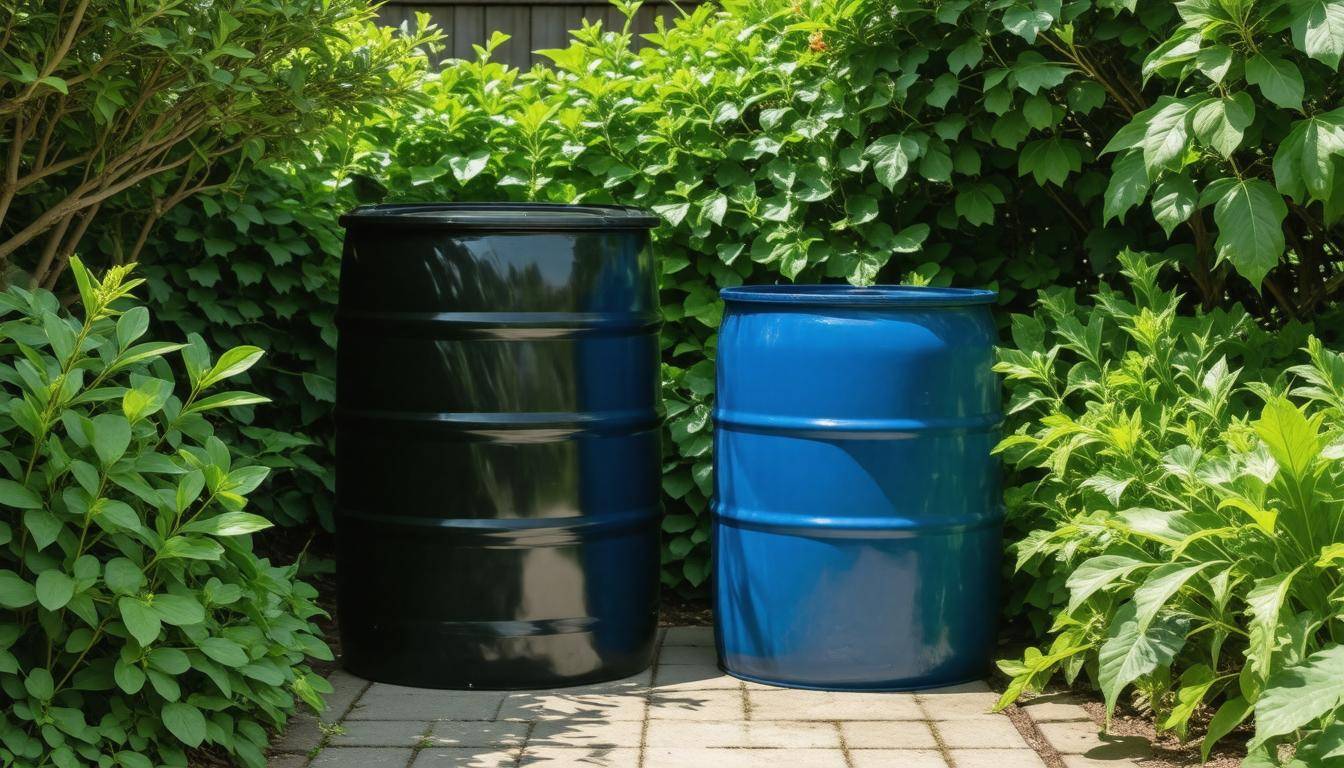
Water Storage Containers: Types and Varieties
When choosing a water storage container, understanding the nuances of each option can guide you toward making the best choice for your specific needs.
Let’s explore some popular types of containers, starting with plastic tanks. Known for their lightweight and portable design, plastic tanks are perfect for those who need flexibility in their storage solutions. They’re available in various sizes, which makes them incredibly convenient whether you’re collecting rainwater or utilizing them in a hydroponic setup.
However, it’s essential to be cautious about UV exposure; over time, sunlight can degrade these tanks, causing them to weaken and potentially leach harmful chemicals into the water.
Moving on from plastic, we enter the world of metal containers.
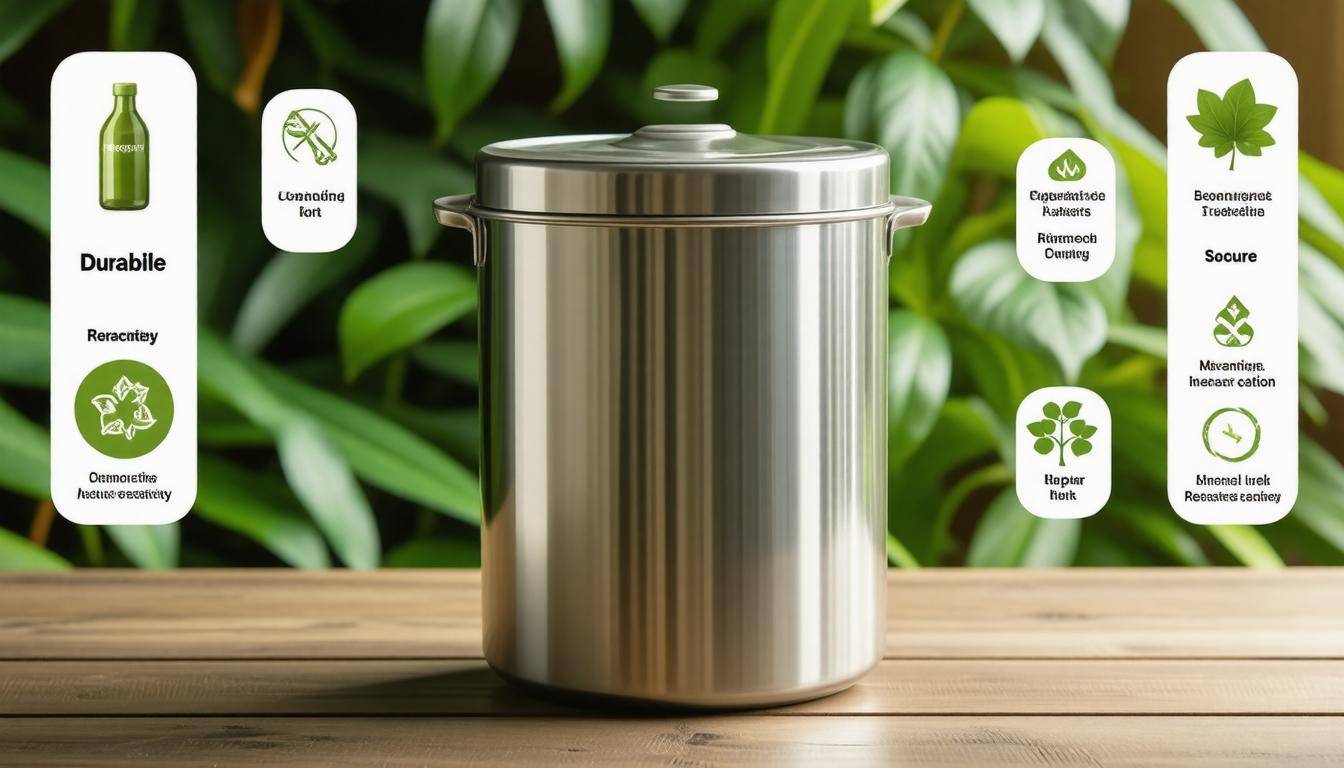
Metal containers, especially those made from stainless steel, boast remarkable durability. Their resistance to corrosion means they can serve as long-lasting water storage solutions. Not only do they maintain consistent water temperature, but they also avoid the risk of chemical leaching—making them safe for drinking water storage.
However, these sturdy options come with a higher price tag and added weight that might not suit everyone’s requirements. It’s crucial to consider whether you need a stationary container or one that can easily be moved.
Next up are collapsible containers that cater to versatility.
Collapsible water containers present an excellent option for those seeking space-saving solutions when capacity is not a pressing concern. Lightweight and easy to transport, they’re ideal for travel or occasional use during camping trips.
Yet, their construction often limits durability, so it’s important to handle them carefully and avoid using them in extreme weather conditions where risks like punctures can arise. If you’re considering collapsibles primarily for emergency preparedness or infrequent use, keep in mind that regular checks for leaks would be beneficial.
Finally, let’s examine glass storage units.
Glass units stand out due to their non-reactive nature; they ensure that no chemicals leach into the water—preserving its quality. This makes glass containers an attractive choice for anyone wanting to maintain pristine water purity. Moreover, being recyclable adds an eco-friendly aspect to their profile.
That said, their heaviness and fragility require careful handling; if dropped or knocked over, glass containers can shatter easily—an important consideration before opting for this type.
By examining the characteristics of each container type, you equip yourself with the necessary knowledge to make informed decisions regarding your water storage needs effectively.
Plastic Options and Their Benefits
Plastic water storage containers are widely acclaimed not just for their myriad advantages; they also play an essential role in sustainable living. The lightweight nature of plastic is a significant draw, especially for those who need to frequently transport water. This isn’t just about convenience; it’s about practicality.
Imagine trying to haul a hefty glass jug filled with water. It’s cumbersome and can lead to accidents, like a spill that could damage your prized hardwood floors or carpet. In contrast, a plastic container holds the same volume while being far easier on your back and your floors.
Flexibility and Size Range
One of the most appealing aspects of plastic water containers lies in their versatility. These tanks come in an array of sizes—from compact portable jugs ideal for family outings or emergency kits to large cisterns perfect for rainwater harvesting. You can easily find just the right vessel for whatever situation you may encounter.
For instance, if you’re planning to stock up for hurricane season, a few 50-gallon tanks can ensure that your household has enough hydration on hand without sacrificing available space.
Lightweight and Easy to Transport
Not only do these containers come in different capacities, but their weight plays a pivotal role as well. Imagine setting off on a family camping trip with cumbersome gear; easy-to-transport plastic containers lessen the burden dramatically. A friend of mine who cultivates veggies using portable hydroponics swears by these lightweight vessels due to their effortless maneuverability—it’s a vital feature when moving setups around!
Additionally, because many plastics used for water storage are UV-resistant, they work wonders outdoors. This resistance allows them to maintain structural integrity even when subjected to varying weather conditions—a feature other materials might struggle with.
Furthermore, sustaining durability means that you’re investing in products that won’t require immediate replacement after a single season.
However, it’s important to remain mindful of certain drawbacks associated with plastic tanks as we explore further into the nuances of these storage solutions.
Drawbacks of Plastic Tanks
One major downside of plastic tanks is their susceptibility to degradation due to sunlight. Prolonged exposure to UV rays can significantly weaken the structure of the plastic over time. This degradation may manifest as cracks, warping, or increased brittleness, compromising the tank’s integrity and leading to leaks.
Though newer models come with UV-resistant coatings, they often carry a higher price tag and are still not entirely secure against sun damage. In my own experience, I had a 100-gallon plastic tank prominently placed in my garden for two years. Even with a supposedly UV-protected design, I observed tiny cracks forming at the seams after just a season, which ultimately resulted in unsightly leaks.
Another critical consideration is the potential for chemical leaching from the plastics used in these tanks. The ongoing debate surrounding this issue raises valid concerns—especially for those who intend to use the stored water for drinking or cooking purposes. While many popular plastics are FDA-approved food-grade variants, some studies suggest that even these can gradually release trace amounts of chemicals into the water they contain when left over time.
This poses a health risk that cannot be overlooked; consumers may find themselves uneasy about using stored water, fearing they might unknowingly ingest harmful substances. Given these complications, opting for metal containers may offer a more appealing and safer alternative for long-term water storage solutions.
By keeping these significant drawbacks in mind, you can make an informed choice about your water storage needs, leading to more effective decisions about materials and uses. As we shift our focus, let’s explore one specific type of container that boasts its own set of advantages.
Advantages of Metal Containers
Durability and Longevity
Metal containers stand out for their unparalleled strength and lifespan. Their composition—primarily stainless steel or galvanized steel—ensures that they withstand the test of time. This is important because longevity translates into reduced replacement costs down the road. Interestingly, studies, such as one from the Water Research Institute, indicate that metal water tanks can endure for up to 30 years with only minimal maintenance involved. This means fewer disruptions in access to stored water.
Think about it: when you invest in a metal tank, you are not just buying a container for today but essentially securing a reliable source of water for decades. That’s a comforting thought, especially in times of emergency preparedness or firefighting situations when every drop counts. Having a robust structure that can withstand diverse conditions makes it easier to trust that your water supply remains safe and reliable.
UV and Rust Resistance
Another vital aspect of metal containers is their inherent resistance to UV radiation, which is crucial when these tanks are installed outdoors and subject to various weather conditions. Over time, many materials suffer wear due to prolonged sun exposure; however, protective coatings applied to metal containers significantly enhance their UV resistance.
Adding an extra layer specifically designed to combat rust makes them formidable candidates for outdoor usage. This prevention method helps maintain their integrity over the years, even in environments with significant moisture or harsh climates.
With all these benefits discussed, it’s essential to acknowledge that there are also some challenges when it comes to using metal containers.
Cost Considerations
While the advantages of metal tanks shine brightly, one cannot ignore the financial implications. The upfront costs associated with purchasing and installing new metal containers can indeed be higher than alternatives like plastic tanks. However, this perceived disadvantage often diminishes when viewed through the lens of long-term savings in maintenance and replacements.
In essence, investing in a metal container isn’t just about spending money; it’s about making a smart decision for both economic viability and community safety regarding water availability.
As we address these considerations further, it becomes important to focus on specific drawbacks associated with certain types of tanks and how they impact practical applications.
Metal Tank Disadvantages
One prominent disadvantage of metal tanks is their higher initial costs. When you opt for a metal tank, you’re making an investment; for example, a 100-gallon stainless steel tank can cost as much as three times more than a similar-sized polyethylene tank. Many users justify the upfront expenditure by factoring in longevity and durability over time. However, if you’re on a budget or need multiple tanks for various purposes, this higher price can quickly add up.
Another consideration is the heavier weight of metal tanks. These containers are typically heavier than their plastic or fiberglass counterparts, presenting challenges during installation and relocation. If you envision needing to rearrange your water storage setup in the future, a hefty metal tank might not be the best option.
For instance, imagine trying to move a 500-gallon metal tank across uneven ground in your yard—without specialized equipment like forklifts, relocation would not just be cumbersome; it might be nearly impossible.
Moreover, the potential for corrosion is another significant aspect to consider. While galvanized steel tanks are designed to resist this issue, exposure to moisture over time can lead to rust and degradation. Regular inspections are necessary to mitigate this risk, requiring an additional commitment of time and resources from owners.
Have you ever considered how easily a minor leak could escalate into a major problem? That’s another factor when using metal tanks; if something goes wrong inside a heavy-duty tank, repairs can be both expensive and difficult due to its size and weight. The upkeep required may deter some users who prefer hassle-free alternatives.
All these factors highlight the significance of careful consideration before investing in a metal water tank. As we transition from examining the drawbacks of one type to exploring alternatives, understanding different material choices can reveal exciting opportunities for effective storage solutions.
Benefits of Glass Storage Units
Glass storage units aren’t just about looks; they serve crucial functional roles as well. One of the most significant benefits is chemical inertness. This characteristic means that glass does not chemically interact with the liquids contained within. Unlike plastic containers that might leach chemicals into your water over time, glass remains unchanged. Imagine pouring a refreshing drink from a container you know is neutral, one where you won’t have to second guess what’s been absorbed into the liquid. This makes glass an ideal choice for long-term storage of drinking water, ensuring you’re consuming only what you intend without any unwanted substances.
Beyond their safety features, glass units truly shine in terms of their aesthetic appeal.
Many people find glass storage units not only functional but also visually captivating. When I think of the elegance a clear glass bottle brings to my kitchen counter compared to its plastic counterparts, it’s hard not to appreciate its beauty. The clarity of glass allows you to see the contents without guesswork, inviting a sense of freshness and cleanliness into the aesthetic of your space. Whether used as decorative decor or simply a practical storage solution, they can be seamlessly integrated into various design styles without clashing. Their sleekness elevates surroundings and invites compliments when guests notice them tucked away on shelves or displayed prominently.
However, while we enjoy discussing the beauty and safety of glass storage units, we must also acknowledge their fragility.
Yes, glass is beautiful, but its vulnerability means you need to handle it with care. Unlike durable metal tanks or robust plastic containers, glass can break if dropped or bumped against a hard surface. This factor may make them less ideal for outdoor activities, where rough handling is commonplace, or for families with small children prone to accidents. However, certain insulated designs do offer cushioning and protection which mitigate this risk just a bit. Understanding all these pros and cons gives us a clearer picture of how best to incorporate glass storage into our lives based on needs—whether for aesthetics in the home or practicality on adventurous outings.
Knowing how to weigh these aspects will help anyone navigate the next steps in selecting the most appropriate type of container tailored to specific needs.
Choosing the Ideal Container
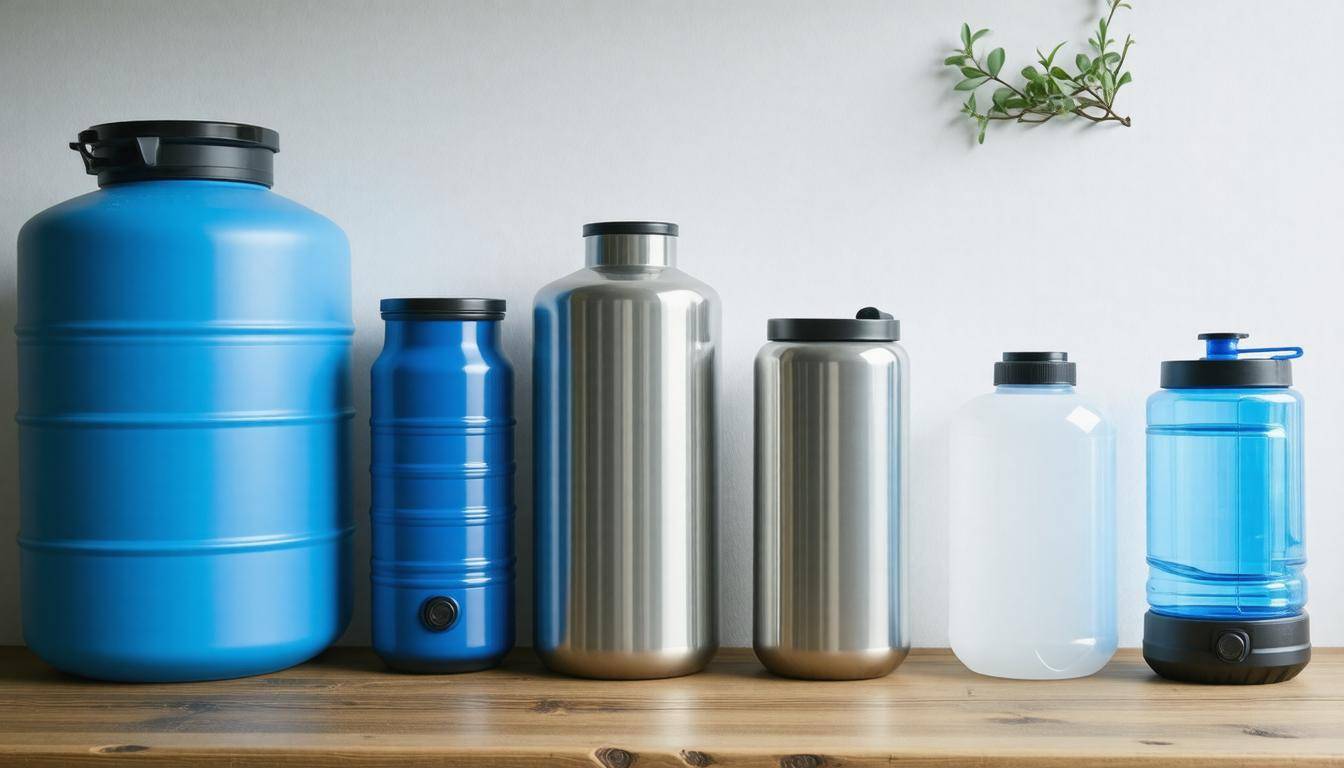
When it comes to choosing the ideal water storage container, several factors can significantly impact your experience. Understanding your specific needs is vital. For instance, if you’re preparing for emergencies, a large-capacity container made from durable materials like heavy-duty plastic or metal might be preferred. If portability is key, lightweight plastic may better suit your lifestyle. Each material offers distinct advantages and drawbacks that can shape your decision.
Beyond size and material, environmental conditions also factor into your choice of container. Will the container be stored outdoors where it might be exposed to UV rays or extreme temperatures? If so, you might want to consider containers with UV resistance designed for outdoor use. Conversely, if it will be kept in a controlled indoor environment, any of the aforementioned materials will likely suffice.
As you explore the selection process, remember that not all containers are created equal; their specifications can influence their utility.
Tailor to Purpose
The purpose behind choosing a container can influence design preferences as well. Metal containers are known for their robustness and ability to withstand harsh conditions—perfect for camping or long-term storage—but they might not be as user-friendly for everyday transport. In contrast, extra-large plastic tubs equipped with wheels offer remarkable flexibility and mobility but may lack durability in rugged settings.
It’s also worth noting that some newer types of containers come equipped with additional features. Many plastic options now boast reinforced handles for enhanced comfort during transport or lids that secure tightly to prevent spills during movement. An added benefit is square-shaped designs that maximize storage efficiency without wasting precious space.
These little features can really increase convenience and flexibility; it’s wise to consider them when weighing your options.
Think Long-Term
Once you’ve chosen the right container, don’t overlook the importance of regular maintenance. It’s essential for ensuring longevity and safety in water storage. Regular cleaning is crucial; stagnant water can promote bacteria growth, compromising the quality of stored water. Rinse out your container every few months and refill it with fresh water if you expect to store it long-term.
Additionally, inspect your container routinely for signs of wear or damage. Look out for cracks, warps, or loose seals which could affect performance or cause leaks. Remember that investing time in upkeep can save you from costly replacements down the road while ensuring that your chosen storage solution meets all practical needs efficiently.
By focusing on these aspects when selecting and caring for your water storage containers, you’ll lay a strong foundation for their effectiveness in various situations, seamlessly paving the way toward crucial guidance on keeping them safe and functional.
Maintenance and Safety Tips
Regular maintenance is crucial for preserving the lifespan and ensuring the safety of your water storage containers. A bit of attention goes a long way in keeping them functional and clean, allowing you to have peace of mind when using these resources, especially in RVs where they play a vital role in daily living.
Cleaning Schedules
It’s recommended to clean your storage containers at least twice a year using mild detergents and warm water. Don’t underestimate the impact of a simple cleansing; this process removes dirt, debris, and any potential contaminants that might affect the water quality.
With your metal containers, be vigilant about signs of rust or corrosion. If you notice any deterioration, it’s imperative to address it immediately by applying an anti-rust coating. For plastic tanks, give them a thorough inspection for cracks or UV damage, as even small issues can escalate if left unchecked.
You might find yourself shocked by what can grow inside these containers if you don’t take regular actions to maintain them.
Algae Prevention
To effectively prevent algae growth in your water storage systems, try storing your containers in shaded areas whenever possible and utilizing covers when they’re not in use—this simple step reduces sunlight exposure that fosters algae growth. Additionally, consider incorporating chlorine bleach solutions for periodic cleaning; this treatment kills any bacterial buildup and helps keep your water safe. Just remember to rinse thoroughly after using bleach to avoid contamination.
| Issue | Solution |
|---|---|
| Algae Growth | Use covers, store in shade, treat with bleach |
| Rust in Metal Tanks | Apply anti-rust coating |
| Cracks in Plastic | Inspect regularly, replace if necessary |
Alongside these preventive measures, make it a habit to regularly inspect all seals and connections on your tanks. Ensuring there are no leaks can save you from unexpected disasters later on, such as spills or worse—contaminated water supplies.
By committing to these simple yet effective maintenance practices, you’re not only prolonging the life of your storage containers but also enhancing the overall efficiency of your system.
In conclusion, diligent upkeep is essential for maintaining both the functionality and safety of your water storage containers. Regular reviews and maintenance efforts will ensure peace of mind and clean water access for all your needs.
Can water storage containers be reused for other purposes after their initial use, and what safety considerations are involved?
Yes, water storage containers can often be reused for other purposes, but safety considerations are crucial. For example, plastic containers that formerly held non-food substances may leach harmful chemicals into food or drink if reused improperly. According to the U.S. Environmental Protection Agency, reusing containers can help reduce waste by diverting up to 75% of materials from landfills when appropriately repurposed. Always ensure that any container used for a different purpose is cleaned thoroughly and is made from food-safe materials to avoid contamination risks.
What regulations or guidelines should be considered when selecting a water storage container for potable versus non-potable water?
When selecting a water storage container, it’s crucial to adhere to regulations set forth by organizations such as the Environmental Protection Agency (EPA) and the American National Standards Institute (ANSI). For potable water, containers must meet NSF/ANSI 61 standards to ensure they do not leach harmful contaminants; for non-potable water, the focus may shift toward durability and resistance to algae growth rather than toxicity. Approximately 13% of homes in the U.S. utilize alternative water sources where such distinctions become increasingly critical to health and safety. Choosing appropriate materials like polyethylene for potable use can significantly mitigate risks associated with chemical leaching compared to generic plastic containers meant for non-potable applications.
What materials are commonly used for water storage containers, and what are their respective benefits?
Common materials for water storage containers include plastic, metal, and glass. Plastic containers, often made from high-density polyethylene (HDPE), are lightweight, durable, and resistant to corrosion, making them suitable for outdoor use; they can typically last over 10 years with proper care. Metal containers, particularly stainless steel, offer excellent durability and are non-reactive, ensuring the water’s taste remains untainted; however, they can be heavier and more expensive. Glass containers, while fragile, do not leach chemicals and maintain water purity for long periods; recycling rates for glass jars stand at around 33%, promoting sustainability. Each material has its specific benefits depending on the intended use and environment of the container.
How do different sizes of water storage containers impact their usability and effectiveness?
The size of water storage containers significantly influences their usability and effectiveness, as larger containers can store more water, making them ideal for long-term use or emergency supplies; however, they may be cumbersome to transport. For instance, 50-gallon barrels are often used for bulk storage but can be difficult to move without assistance, while 5-gallon jugs are portable yet require more frequent refilling. A study found that households with a mix of sizes improved water conservation practices, as smaller containers encouraged regular usage while larger ones served as reserves during droughts or emergencies, demonstrating the importance of having a variety of sizes tailored to specific needs.
What maintenance practices should be followed to ensure water quality in storage containers?
Regular maintenance practices such as cleaning storage containers every 6 to 12 months, using food-grade materials, and inspecting for leaks or cracks are essential for ensuring water quality. It’s recommended to use a mixture of bleach (1 tablespoon per gallon) to disinfect, which can reduce bacteria levels by up to 99.9%. Additionally, keeping containers out of direct sunlight can prevent algae growth, as sunlight promotes photosynthesis in aquatic organisms, leading to contamination. Following these practices helps ensure safe and reliable water storage for various uses.