
When it comes to dealing with plumbing issues, the first thought that often crosses our minds is, “What do I do if a pipe bursts?” Water system repairs can feel overwhelming, especially when unexpected leaks threaten your home. Fortunately, having the right tools and knowledge can make all the difference between a minor inconvenience and a major disaster. In this essential guide, we’ll walk you through the must-have tools for emergency water repairs, practical tips for tackling common problems, and strategies to ensure you’re always prepared for whatever water-related emergencies might come your way. With a little preparation and the right approach, you can tackle these issues head-on and keep your plumbing running smoothly.
The “Water System Repair Tools: Emergency Guide” outlines essential tools and equipment needed for quick response to water line failures, including wrenches, fittings, sealants, and pipe cutters. Additionally, the guide emphasizes the importance of having service line protection insurance to cover potential high repair costs associated with emergency situations.
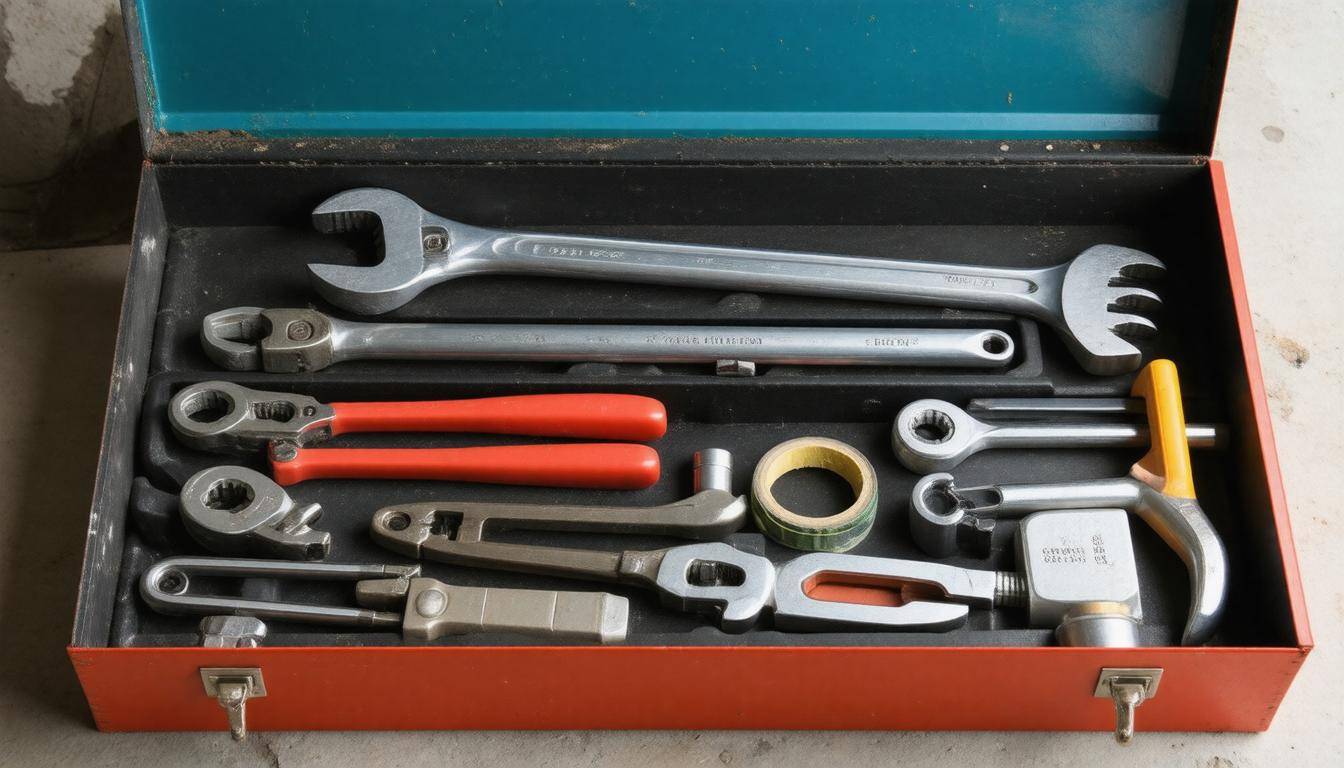
Essential Tools for Emergency Repairs
The right tools can make all the difference in getting your water system back up and running quickly. Start with Plumber’s Tape — this simple yet effective solution, often referred to as Teflon tape, is essential for sealing pipe threads. It’s amazing how something so thin can prevent leaks that could lead to much bigger problems. Using plumber’s tape efficiently is straightforward: wrap it around the male threads of a pipe before connecting it to a fitting; this ensures a tight seal that can greatly reduce the risk of future leaks.
Next on your list should be a Pipe Cutter. If you’ve ever tried to replace a section of damaged piping, you know how vital having clean, straight cuts can be. A good-quality pipe cutter will slice through both metal and plastic pipes effortlessly, allowing you to install new sections without creating additional problems down the line. Remember, jagged edges can cause misalignment and potential leaks when joining new sections together.
Alongside your pipe cutter, an Adjustable Wrench is another versatile tool to keep handy. This tool adapts to various sizes of nuts and bolts, making it indispensable for tightening or loosening fittings throughout your plumbing system. Its adaptability means you won’t need multiple wrenches crammed into your toolbox – just one reliable adjustable wrench does it all.
At this point, your toolkit is shaping up nicely; however, we can’t overlook the importance of having a robust Pipe Wrench in your kit. Its design provides leverage crucial for manipulating larger pipes or stubborn fittings that resist movement. Whether you’re working with your main water supply or hefty sewer lines, a pipe wrench helps get the job done without excessive strain or damage to the pipes themselves.
A Plunger is a foundational tool every homeowner should have close at hand. While often thought of merely for toilets, plungers are effective tools for clearing blockages in sinks too. They create pressure that dislodges clogs quickly; knowing how to use them effectively saves time and prevents needing more invasive measures like snaking the drain.
Now let’s talk about temporary fixes — that’s where a Pipe Repair Clamp comes into play. This handy tool acts as your first line of defense against burst pipes by providing a quick and effective way to halt leaks until permanent repairs can be made. Think of it as an insurance policy for your plumbing system: while not meant to be a permanent solution, they definitely buy you some precious time during an emergency.
And last but not least, when it’s absolutely necessary to cut through pipes, having a Hacksaw on hand is critical. Hacksaws are perfect for slicing through metal or hard plastic pipes with precision; this tool becomes invaluable when you’re faced with stubborn materials that refuse easy manipulation. However, keep in mind that control is key here — ensure you have a steady grip while cutting to avoid jagged edges or slipping.
With these essential tools readily available in your home toolbox, you’ll find yourself well-equipped to tackle most water system-related emergencies. To enhance your preparedness even further, let’s examine specialized kits designed to streamline the repair process during unexpected situations.
The Water Pipe Repair Kit
Water pipe repair kits are indispensable in any home equipped with plumbing. They contain all the necessary materials for quick fixes that could save you from devastating water damage. Imagine it’s the middle of the night, and you hear that dreaded sound of rushing water—having a well-stocked repair kit within arm’s reach could be your key to immediate relief. These kits cater to various scenarios and come packed to assist even those who might not consider themselves handy.
Components and Usage
A typical water pipe repair kit includes items like a pipe cutter, coupling, rubber sleeves, and various clamps, each serving an essential function. The pipe cutter allows you to chop away damaged sections of a pipe cleanly—creating a fresh start for repairs. Couplings serve as connectors that make it possible to join new piping sections seamlessly with old ones, enabling efficient restoration without needing to replace entire lengths of piping.
Tip: Before you start working on any plumbing issues, ensure the water supply is shut off. This small step can prevent any messy surprises while applying your repairs.
Rubber sleeves are lifesavers during emergencies. When a pipe bursts unexpectedly, simply slide a rubber sleeve over the compromised area before securing it with clamps from the kit. This temporary seal can hold up long enough for you to schedule a visit from a professional plumber without panicking about excessive water damage in your home. Many kits provide easy-to-follow instructions that guide users through various scenarios—a handy feature for novice DIYers.
Each component plays a role in providing peace of mind during stressful situations. Clamps not only secure rubber sleeves but can also hold together broken pipes until you have time for more permanent solutions. Understanding how these tools work together can make all the difference between minor inconveniences and catastrophic repairs.
Now that we’ve explored the specifics of what constitutes an effective repair kit, let’s shift our focus to the broader tool categories essential for effective plumbing maintenance around the house.
Wrenches and Shutoff Tools
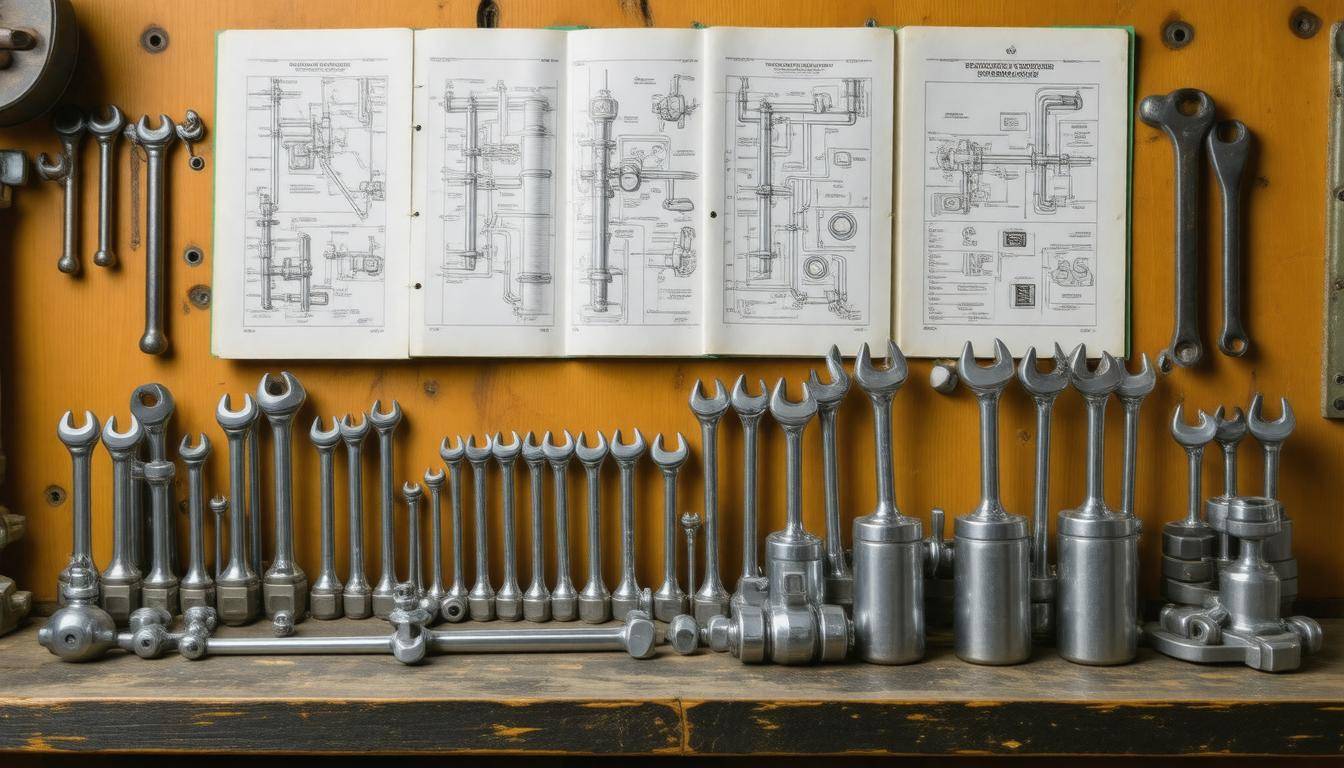
Wrenches and shutoff tools are indispensable when it comes to any plumbing task, acting as your first line of defense against leaks and inconsistent water flow. Imagine coming home after a long day only to find a small puddle under your sink; it’s crucial to have the right equipment readily available to address these issues.
An adjustable wrench is often a necessity because its versatility allows you to grip various sizes of nuts and bolts effectively. This adaptability means you won’t have to carry an entire toolbox around; instead, you can focus on that one handy tool that gets the job done.
Pipe wrenches shine in their ability to tackle larger fittings and pipes with ease. They have serrated jaws that provide a secure grip, essential for working with stubborn pieces of plumbing that refuse to budge. Using a ratcheting pipe wrench can save you time; instead of repositioning the wrench every turn, you can keep applying pressure as needed.
Consider an unexpected water emergency. This is where a water meter key plays an essential role in any emergency toolkit. It allows you to quickly shut off the main water supply before the situation escalates, saving you from potential flooding or overflow. A mere twist with this simple tool can prevent considerable damage to your home and belongings.
However, even with the proper tools, sometimes leaks still pop up unexpectedly. That’s where channel lock pliers come into play. These pliers’ adjustable jaw width makes them ideal for tackling almost any fitting without requiring multiple tools for different sizes. Picture yourself swiftly addressing a leaking valve under the sink; it hardly takes more than a few adjustments and stable grips to get everything tightened back up.
Remember, it’s not just about having the tools—it’s about knowing how and when to use them.
While understanding these essential tools is vital, recognizing common leaks around your home can empower you to act decisively and maintain your plumbing system’s health.
Common Household Leaks and Fixes
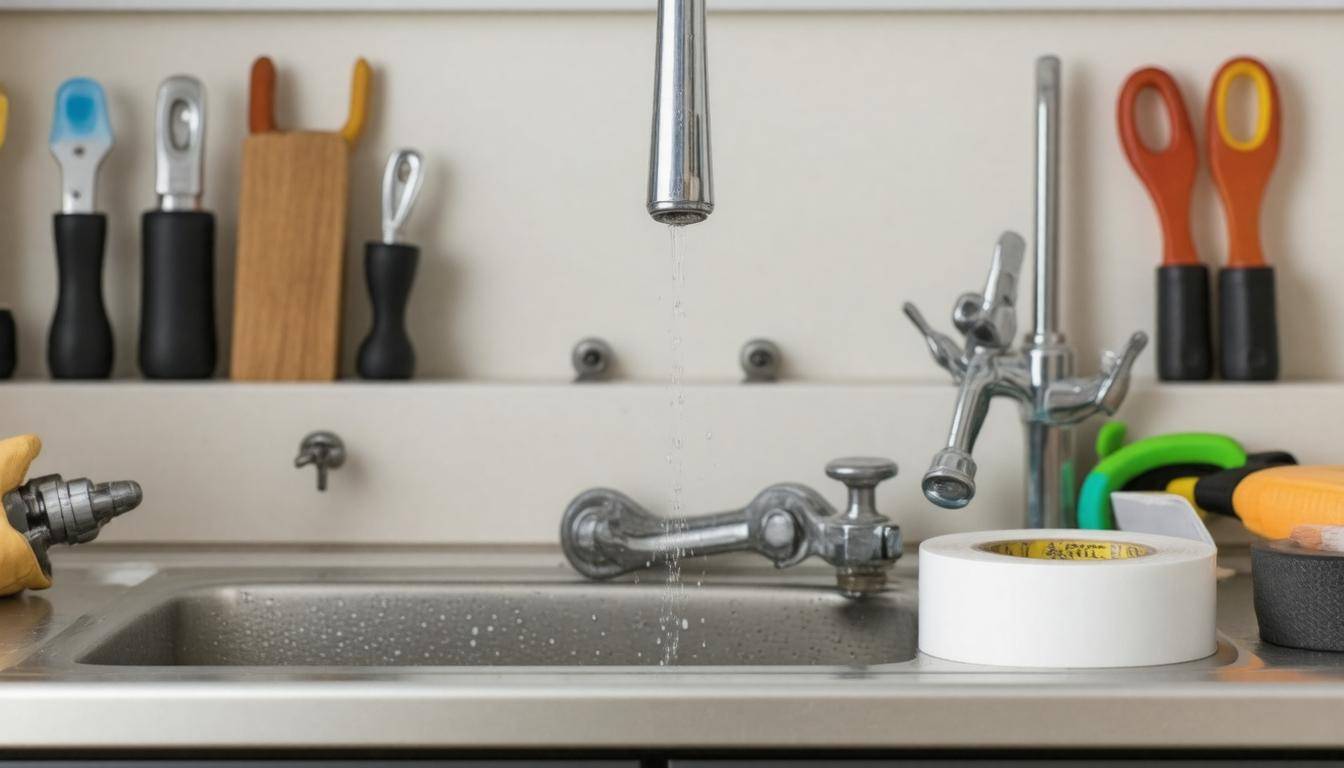
When it comes to household leaks, even the smallest drip can lead to bigger problems down the road. For instance, you might find yourself frustrated by a seemingly innocent dripping faucet. This common issue often arises from a worn-out washer or O-ring, which requires little more than a simple replacement. If you’ve got a couple of hours on the weekend, this small fix can prevent wasted water—potentially hundreds of gallons—saving you money and conserving resources.
Think of that old drip as an ongoing reminder of your need for maintenance; each drop could be interpreted as a tiny echo of time spent repairing it!
Running toilets are another widespread issue in many homes. They not only disrupt peace during the quiet hours but also incrementally increase your water usage and bill. The primary culprits are usually the flapper valve or float mechanism inside the tank. Adjusting or replacing these parts can remedy the behavior in mere minutes. It’s fascinating how much control you have over such costly problems just with a little bit of know-how.
Identifying Common Leaks
Pipe leaks can be another headache, caused often by corrosion or joint failure. They require more than just a quick fix. While applying plumber’s tape might solve minor issues temporarily, ultimately replacing the damaged pipe is usually necessary for long-term health. These repairs might seem daunting, but facing them head-on ensures your home’s plumbing remains sound and efficient.
| Leak Type | Quick Fix | Long-term Solution |
|---|---|---|
| Dripping Faucet | Tighten the valve or replace the washer | Install new faucet |
| Running Toilet | Adjust the float or replace the flapper | Upgrade to modern models |
| Pipe Leak | Apply plumber’s tape or use a repair clamp | Replace the damaged pipe |
Now that we’ve outlined some common leak scenarios and their fixes, it’s clear that many simple solutions exist once you’ve correctly identified the problem. Understanding the right tools can significantly enhance your ability to tackle these issues effectively.
Techniques and Tips for Quick Water System Repairs
Quick repairs often rely on a blend of innovative thinking and practical knowledge to get the job done efficiently. One of the most straightforward and effective techniques is using Plumber’s Tape. It’s a game-changer for creating watertight seals. When dealing with threaded pipes, simply wrap plumber’s tape around the threads before tightening them—this helps prevent leaks by ensuring a tighter fit. This technique is particularly vital in situations where you’re under time pressure and need to stop leaks promptly, giving you confidence in your repair.
While plumber’s tape addresses minor leaks, there are occasions when pipe integrity is compromised, requiring a bit more ingenuity and elbow grease.
In instances where you discover cracks in pipes, epoxy putty becomes an invaluable tool in your arsenal. Mold the putty around the cracked area—it’s easy to use and typically cures within hours, forming a robust bond that withstands water pressure. While it’s always best to replace damaged pipes entirely when feasible, epoxy serves as an excellent temporary or emergency fix that maintains your water flow until you can make a more permanent repair.
As things heat up during troubleshooting, remember that temperature can play a significant role in loosening stubborn components.
Utilizing heat is another effective method for fixing stuck fittings. For example, employing a hairdryer or heat gun to warm the metal pipe expands it slightly. This thermal expansion can be just enough to break loose those tenacious connections without causing damage to surrounding materials. However, exercise care not to overheat adjacent surfaces which can lead to additional issues. Always assess the materials involved and monitor closely while applying heat.
Alongside these quick tips and methods lies the importance of having makeshift solutions ready at hand for those moments when you must respond swiftly.
Practical Tips
- Use Plumber’s Tape: Wrap it around threading to ensure a tight seal.
- Apply Epoxy Putty: For cracks in pipes, mold the putty around the affected area and let it cure.
- Heat and Cool: Use heat to loosen stuck fittings but be careful not to damage surrounding materials.
By incorporating these tips into your repair routine, you’ll enhance both your efficiency and effectiveness when addressing various water system issues. Preparation is key; having these tools readily available allows you to react quickly when leaks occur, safeguarding your home from potential water damage.
Now that you’ve equipped yourself with essential repair tactics, let’s explore creative solutions for managing more persistent plumbing challenges.
Using Tape and Patch Solutions
When dealing with water leaks, it’s vital to have quick and effective solutions at your disposal. Two of the most widely recognized methods include waterproof tape and pipe repair patches. These options provide immediate assistance and can help control leaks until a comprehensive repair is possible.
Imagine a scenario where you discover a leak in your plumbing while preparing for guests; panic might set in if you don’t have the right tools close at hand. However, utilizing these tape and patch solutions can help manage the situation seamlessly.
Diverse Solutions
Waterproof tape, often durable and resistant to moisture, serves as an excellent temporary fix. When you notice a pipe seeping water, wrapping waterproof tape around the punctured area can significantly reduce leakage, giving you critical time to source professional help or attempt a more permanent repair later.
It’s important to ensure that the surface is dry and clean before applying the tape for maximum adhesion. A simple wipe down with a cloth ensures that any dirt won’t hinder the effectiveness of your fix.
This method isn’t just limited to severe leaks; even small drips can benefit from this approach. In my experience, I once used waterproof tape on an underground irrigation pipe that had developed a slight crack—this resulted in weeks of functionality before I could schedule a proper repair!
While tape can be an immediate savior, it’s essential to recognize its limitations. Over time, water pressure can compromise the strength of the adhesive or cause it to peel away, leading to potential leaks if left unattended for extended periods. Thus, after applying, make a mental note to check back periodically or set reminders for a thorough inspection.
Similarly, pipe repair patches are another reliable option for tackling leaks. These patches typically consist of a fabric impregnated with adhesive and can be molded around damaged sections of pipes. They offer adaptability and strength that matches various shapes and sizes of fittings.
However, as efficient short-term fixes as they may be, neither option is guaranteed to withstand extreme conditions over time. Therefore, while they are immensely beneficial, your long-term strategy should involve assessing potential risks involved with each use. Considerations might include determining how long you’ll depend on these temporary solutions before securing a more permanent fix.
Emphasizing preparation will go a long way when handling emergencies like water system leaks; having quality waterproof tape and reliable pipe patches means you’ll never feel underprepared. Just remember to familiarize yourself with how these products should be applied properly—having this knowledge at your fingertips can make all the difference between frustration and success when tackling those inevitable plumbing issues.
As we navigate through the realm of emergency repairs, understanding when it’s best to call in professionals becomes equally important.
When to Call a Plumber
Not every plumbing issue is created equal. While some drips can be resolved with a bit of tape and patching, there are certain scenarios where your best bet is to call in a plumber. For instance, if you find yourself facing persistent leaks that refuse to budge no matter how many times you tighten the fittings or apply sealants, it’s time to call someone more experienced. Persistent leaks can lead to long-term water damage and mold growth, risks that are too severe to ignore.
Another situation demanding expert attention involves complex pipework or repairs that go beyond your basic DIY skills. If you’re dealing with the intricate maze of pipes beneath your sink or walls, thinking you can handle it without proper knowledge could result in a chaotic mess. Take the time when I tried to replace an old faucet: I ended up creating an unexpected flood instead. After a few soaked towels and panic-fueled phone calls, I realized the cost of calling a plumber was far less than what I’d spent on emergency supplies and cleanup.
Complex issues like sewer line blockages or extensive pipe replacements should always involve a professional. They understand local regulations and can navigate permits you might need—essentially taking the burden off your shoulders.
You should never hesitate when safety concerns emerge around plumbing repairs. For instance, if electrical wiring is accessible near leaking pipes, the risk of shock becomes too high to take chances with general repair techniques; getting a plumber involved is not just smart—it’s necessary. Furthermore, if there’s any potential for mold growth due to water damage, calling professionals ensures remediation protocols are properly followed to safeguard your health.
If you lack the tools or expertise for a repair task, contacting a licensed plumber is your best course of action. The right tools and know-how will save you time and money while ensuring the job gets done correctly.
With an understanding of when to seek help, it’s vital to explore proactive measures for safeguarding your home against plumbing challenges.
Preparing for Water System Emergencies
When it comes to preventing chaos during a plumbing crisis, a little foresight goes a long way. Knowing how to act quickly can save you time, money, and even prevent property damage. Imagine coming home to discover a small leak has turned into a gushing fountain; it’s not a pleasant sight. This is why familiarizing yourself with your water system and taking proactive steps is essential.
Steps for Preparedness
-
Know Your Main Shutoff: The first line of defense against unexpected leaks or bursts is your main water shutoff valve. Locate this vital mechanism within your plumbing structure and mark it clearly. Practice turning it off periodically to ensure you can do so swiftly when every second counts in an emergency.
-
Stockpile Essentials: Think of your essential tools as your firefighting gear against plumbing emergencies. A collection of basic but crucial tools—such as a pipe wrench, adjustable pliers, screwdrivers, and plumber’s tape—should be easily accessible. Storing these items in a designated toolbox prevents frantic searching during a crisis.
-
Regular Maintenance: Conducting routine inspections provides insight that might otherwise go unnoticed. Regularly check hoses, connections, and fixtures for wear and tear; replacing parts before they fail can significantly extend the life of your system. Familiarity with your plumbing system puts you in a better position to handle issues.
-
Emergency Contacts: In case things do go awry despite your best efforts, having emergency contact numbers readily available is invaluable. Create a list of trusted plumbers along with their phone numbers. Print this list or save it on your phone; ensure everyone in the household knows where to find it.
With thorough preparation under your belt, you’ll feel much more confident facing water system emergencies. There’s something comforting about being prepared—you’re no longer at the mercy of chance when an unexpected leak unfolds.
Incorporating these foundational strategies into your household routine will enhance your readiness for potential water-related events and cultivate peace of mind knowing you’re equipped to handle whatever comes your way. By fostering awareness and preparedness today, you’re guarding against costly repairs or unwelcome chaos tomorrow.
Being well-prepared not only saves you from potential disasters but empowers you to take charge in challenging situations. Equip yourself with knowledge and resources today for a smoother tomorrow.