
In an age where unexpected events like floods or fires can catch us off guard, ensuring our important documents are protected should be a top priority. Imagine losing crucial records like birth certificates, financial statements, or cherished family photos in the blink of an eye—it’s a nightmare many would like to avoid. Whether you’re planning for a natural disaster or just looking to keep your documents safe from accidents, exploring waterproof storage solutions is essential. With so many options available today, from simple waterproof bags to sturdy fireproof safes, making informed choices can save you from potential heartache. In this complete guide, we’ll dive into the various waterproof document storage options, providing insights that will help you secure your vital papers effectively.
In the Waterproof Document Storage: Complete Guide, you will find essential information on various waterproof storage options such as bags, safes, and bins that protect your important documents from water damage. Additionally, the guide discusses key considerations for selecting quality products, including material durability, fire resistance, and recommended brands to ensure that your vital papers remain safe during adverse conditions.
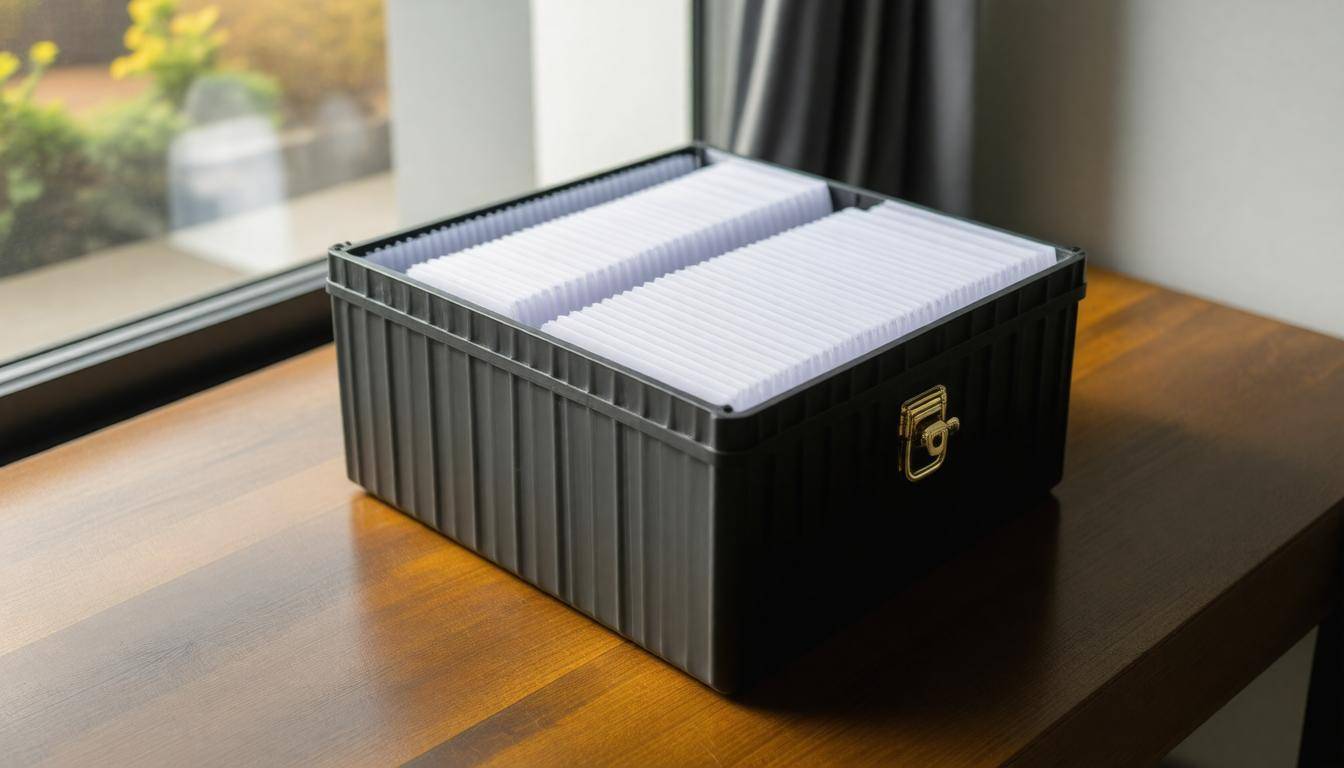
Top Waterproof Document Storage Options
When it comes to keeping essential documents safe from unforeseen disasters, there are a variety of waterproof storage solutions available. Each has its unique characteristics that cater to different needs and situations. One of the most versatile options is waterproof document bags. These bags are portable and provide an easy way to seal important papers securely.
For example, the WiseLife Waterproof Bag is notable for its silicone-coated layers designed to withstand up to 24 hours submerged in water. I remember when my friend faced the tough realities of Hurricane Ida; thankfully, her vital papers were safe and sound inside this reliable bag. It’s these real-life applications that make investing in good waterproof bags an easy choice.
Beyond bags, there are also more robust solutions like fireproof and waterproof safe boxes that offer high levels of protection.
When thinking about safety in terms of both fire and water damage, fireproof and waterproof safe boxes should be at the top of your list. These safes combine both features, making them ideal for residential use. A well-known example is the SentrySafe HD4100, which is certified for both fire and water resistance.
Although their bulkier design means they aren’t as portable as waterproof bags, the peace of mind these safes provide is immeasurable. The dual protection against fire and water ensures that even in dire circumstances—like a severe house fire—the contents remain unscathed.
For those needing a long-term storage solution that offers additional protection against pests and dust, heavy-duty plastic bins serve as an excellent alternative.
Heavy-duty plastic bins come into play as an excellent option for long-term document storage. Brands like Sterilite manufacture stackable bins particularly effective for storing important items over extended periods, especially in basements or attics where moisture can be a concern.
These bins keep out not just water but also pests and dust, preserving your belongings in every sense. It’s always beneficial to think of how and where you’re storing these items; using durable bins enhances the likelihood that you won’t have to deal with deteriorated documents later on.
By examining these various methods of document protection, you can make informed decisions about how best to keep your precious information secure going forward.
Evaluating Document Storage Needs
Understanding your specific storage needs will ensure that you choose the right waterproof solutions for your documents, protecting them from potential disasters and extending their life. Start by identifying the various types of documents you possess. Each category can have unique needs based on vulnerability and usage frequency.
Types of Documents
-
Legal Documents: These include vital records such as birth certificates, marriage licenses, and wills that often require long-term preservation and sturdy protection.
-
Financial Records: Important papers like tax returns, investment statements, and bank account documentation need reliable storage to prevent loss due to water damage or deterioration.
-
Personal Items: Family photos, letters, or irreplaceable memorabilia may not only need waterproofing but could also benefit from fire resistance under certain circumstances.
For example, while legal documents demand a robust fireproof storage solution to keep them safe during unforeseen events, sentimental items like family photographs might just require basic waterproofing to prevent moisture-related issues. It’s essential to tailor your storage choice according to the nature of your documents.
Volume of Documentation
After sorting through the types of documents you have, consider how many you need to store. This volume plays a significant role in determining the appropriate size and style of your storage solution. If you find yourself with a large collection of records—perhaps due to years of collected paperwork—you may need a spacious safe box that can securely hold everything without risk of cramming or overcrowding. Conversely, if you’re simply storing a handful of important papers or travel documents, a portable waterproof bag might be sufficient for your needs.
Assessing your document storage requirements not only helps in selecting the most suitable waterproof solutions but also paves the way for comprehending what features matter most in these products moving forward.
Essential Features of Storage Products
When considering waterproof document storage solutions, it’s crucial to focus on features that truly matter. The materials used often set the groundwork for a product’s effectiveness in preserving your important documents. Look for high-quality materials like high-density polyethylene or nylon, both of which are renowned for their excellent water resistance.
For instance, the JUNDUN Document Bag is crafted from these premium materials, providing not only water resistance but also durability over time. You can trust that your documents will remain safe from potential water damage.
But material quality isn’t the only factor to consider; size and capacity also play a significant role.
Size and Capacity
Think about the types of documents you’ll be storing. Can the container accommodate standard document sizes, such as 8.5 x 11 inches? It’s essential to ensure that any storage solution can handle different paper types, including legal-sized documents if you have them. Versatility is vital!
A larger option might provide greater flexibility in what you decide to store within it. Having a product that can cater to various sizes without compromising on security makes it much easier to manage one’s important papers.
Next, let’s examine how accessibility can impact your experience when using a storage product.
Ease of Access
When you’re in a hurry or need to grab something quickly, ease of use becomes critical. Consider products that incorporate efficient closure mechanisms. Zipper or latch closures generally offer a great balance between accessibility and security; for example, the AmazonBasics Safe Box exemplifies this convenience beautifully.
These options allow you to open and close easily while maintaining a secure lock, ensuring that your documents don’t just sit safe but are also easy to retrieve when necessary.
Evaluating these features is key for enhancing your user experience with storage solutions.
Taking the time to assess these aspects—material quality, size and capacity, and ease of access—will guide your decisions toward waterproof document storage solutions that genuinely align with your needs.
With these essentials in mind, we can now explore innovative methods for safeguarding your important documentation.
Creative Solutions for Document Safety
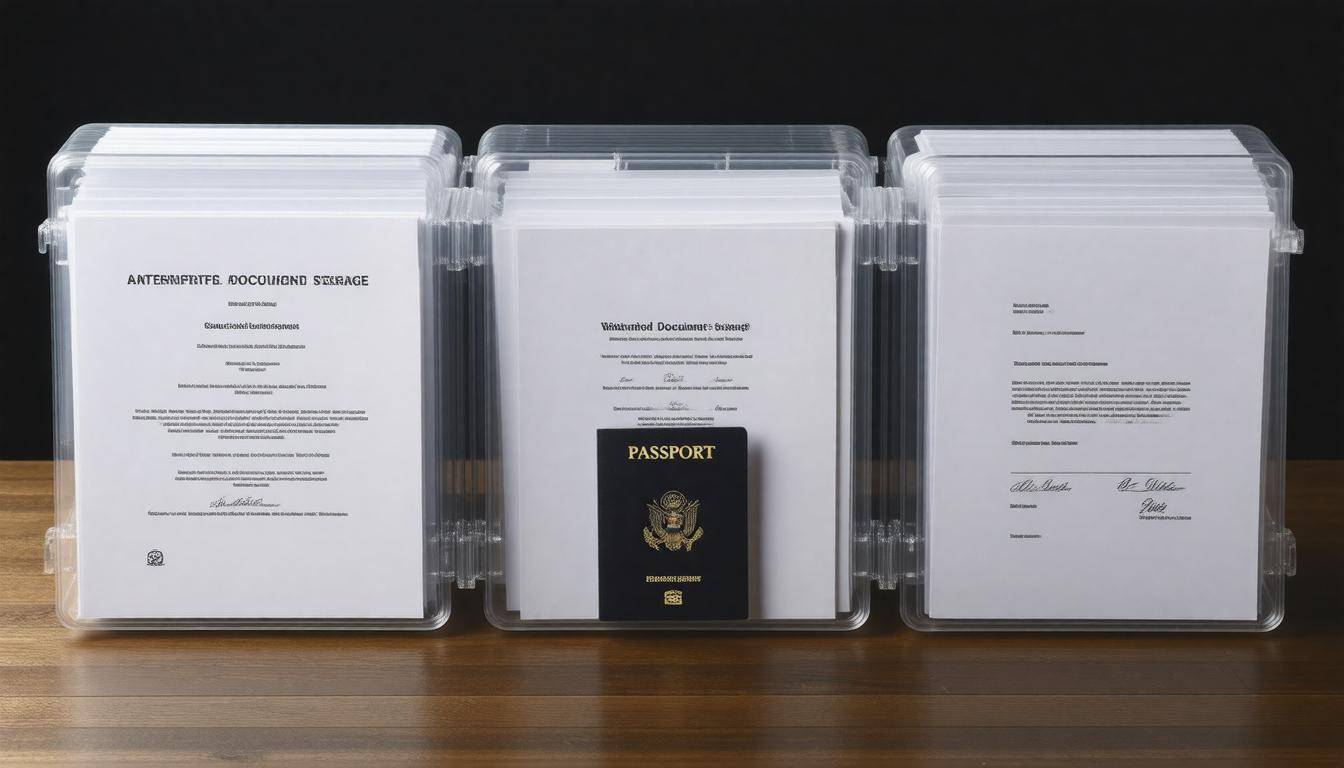
Sometimes, standard waterproof document storage isn’t enough to safeguard against potential risks. That’s where creativity comes into play, transforming how we think about protecting valuable paperwork. One promising method is vacuum sealing. By using a vacuum sealer, you effectively eliminate air and moisture from the environment surrounding your documents. This dual-action method not only prevents water damage but also compresses the materials, significantly conserving space.
For instance, I once stored my important documents in the attic during a home renovation; vacuum sealing them ensured they remained intact despite the dust and debris around.
While vacuum sealing offers great advantages, it may require equipment or preparation time. Luckily, simpler DIY methods are also effective, albeit with some limitations.
DIY Waterproof Containers
A simple yet functional DIY solution involves enveloping your documents in plastic wrap before placing them inside a sturdy plastic container. It may sound basic, but this approach provides an additional layer of safety against water exposure and typical environmental hazards.
Ensure you choose containers made from durable materials that include secure lids to prevent accidental openings or slips.
While this method might not be foolproof, it serves as a quick temporary fix for immediate needs and can be done on a whim—perfect for unexpected situations like moving or traveling.
However, it’s essential to keep in mind that these temporary solutions may not withstand severe weather conditions or flooding over extended periods. Thus, always consider enhancing your storage methodology by combining them with more robust options like dedicated waterproof bags or safe boxes when it comes to long-term protection.
Exploring these creative avenues encourages a proactive mindset toward document safety in various circumstances, setting the stage for more effective strategies in preserving your essential papers.
Tips for Storing Documents Safely
Safe storage isn’t just about buying the right product; it’s equally about how you use those storage solutions. One essential tip is to always keep copies of important documents, both physical and digital. This means not only having a waterproof bag or safe but also scanning your files and saving them on a cloud storage service. Imagine the panic of losing that irreplaceable birth certificate or family heirloom documents! Having a backup ensures you have a second chance should anything unfortunate happen.
Another crucial aspect of document safety lies in how and where you store your documents. Consider storing your waterproof document solutions high up, preferably on higher shelves or cabinets. This simple act can significantly reduce risks associated with potential flooding—because when floods strike, water levels might rise quickly, leaving the lower levels vulnerable. Remember my cousin who learned this lesson the hard way? By moving her crucial documents higher, she was able to protect them from the aftermath of a minor flood.
Regular checks can also greatly benefit the longevity and effectiveness of your document storage system. It’s wise to routinely inspect your stored documents to ensure there’s no hidden dampness, deterioration, or other issues brewing out of sight. This could be as simple as a monthly peek into that waterproof container or bag. Maybe even keep an eye out for signs of pests! By maintaining diligence, you’re investing in your peace of mind and protecting what matters most.
“Establishing a routine for checking storage conditions can prevent minor issues from snowballing into catastrophic problems.”
When selecting your storage products, always consider their specifications. Look for material types such as polypropylene or heavy-duty polyethylene, which offer excellent waterproof protection. Checking the water resistance ratings, specifically seeking products with an IPX7 rating or higher is advisable; these ratings indicate that items can withstand immersion in water for specified durations without damage.
As we continue exploring the best practices for safeguarding your vital information, it’s essential to identify suitable options tailored to your unique needs.
Choosing Your Waterproof Storage Solution
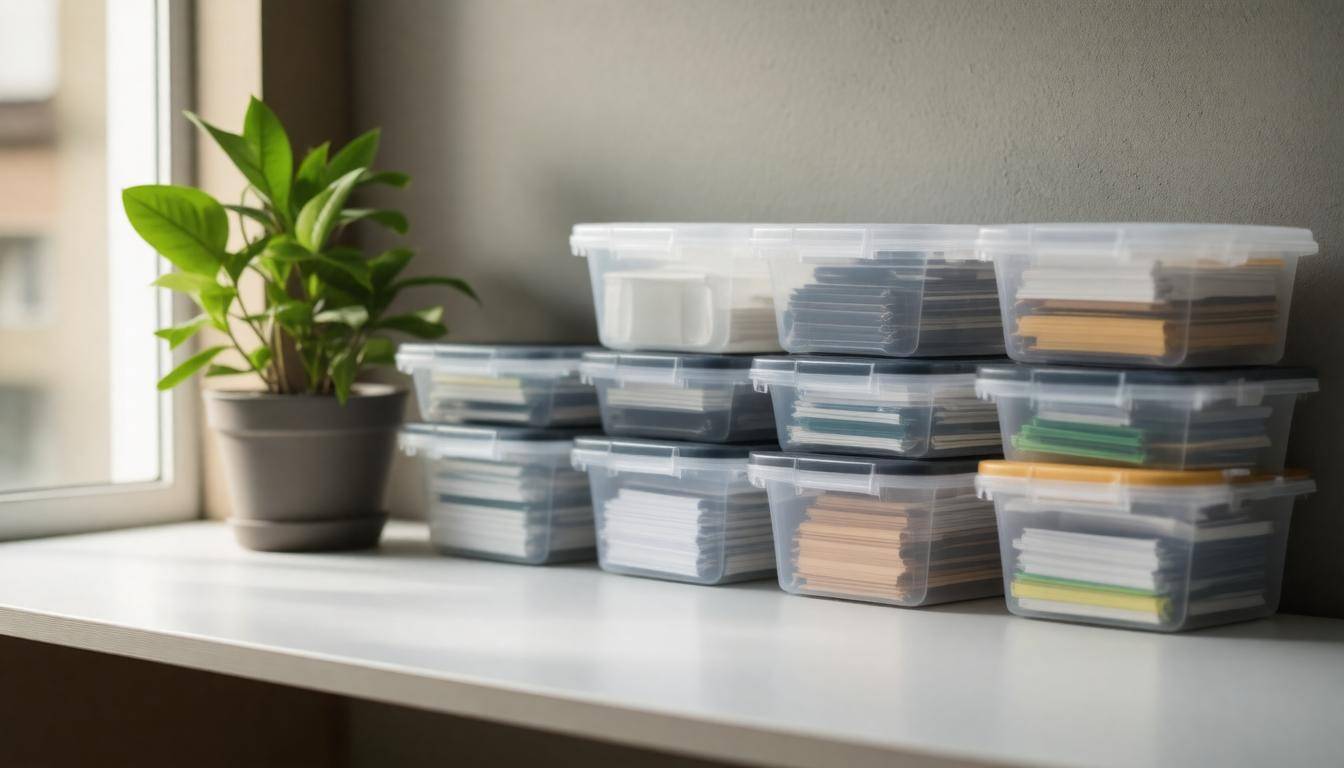
Every environment has its unique risks, from flooding to fires or even pests that jeopardize important papers and sentimental keepsakes. The first step in your selection process should be to assess your individual risk level. For instance, if you live in an area prone to natural disasters like hurricanes or wildfires, opting for more robust protection becomes paramount. It’s not just about safeguarding documents; it’s about preserving the memories and essential information that could otherwise be lost.
A good rule of thumb is to opt for heavy-duty products like safe boxes in high-risk areas, as they provide peace of mind along with their protective features.
Beyond risk assessment, you’ll want to consider your budget. Many people hesitate to spend a little extra for high-end solutions simply because they seem pricey upfront. However, investing in quality storage solutions often pays off in the long run. Mid-tier products—such as the Honeywell 1114—are excellent examples of this balance between cost and quality, offering solid protection without breaking the bank. On the flip side, while cheaper options can lure you in with their price tag, they often lack comprehensive features such as effective fire resistance and waterproof capabilities.
| Product Type | Example | Price Range | Key Features |
|---|---|---|---|
| Waterproof Document Bag | WiseLife Waterproof Bag | $20 – $50 | Portability, silicone-coated layers |
| Fireproof & Waterproof Safe | SentrySafe HD4100 | $100 – $300 | Fire & water resistance, bulkier |
| Heavy-Duty Plastic Bins | Sterilite Plastic Bins | $30 – $70 | Stackable, additional pest protection |
With these considerations in mind and armed with knowledge about various options available on the market, you are now ready to make an informed decision that best matches your needs and concerns regarding document safety.
Taking the time to choose the right waterproof storage solution will ultimately protect your invaluable documents and provide you with lasting peace of mind.
In a world where unpredictability reigns, securing what matters most has never been more critical. Prioritize quality and thoughtful choices for your document storage needs.
What additional precautions should be taken to preserve important documents aside from waterproofing?
In addition to waterproofing, it’s crucial to ensure proper climate control and pest management when storing important documents. Keeping documents in a temperature-controlled environment (ideally between 65-70°F with 30-50% humidity) can prevent mildew and degradation, as studies show that high humidity contributes to mold growth on paper. Furthermore, using acid-free materials for storage can help avoid chemical reactions that cause yellowing and brittleness over time. According to the Library of Congress, improper storage conditions can reduce the lifespan of paper documents by up to 500%, making these precautions essential for long-term preservation.
How does humidity affect the preservation of stored documents and what steps can be taken to mitigate this?
Humidity significantly impacts the preservation of stored documents, as high humidity levels can promote mold growth and lead to paper deterioration. Ideal humidity levels for document storage are between 30% to 50%. To mitigate humidity’s effects, use a dehumidifier in storage areas, place silica gel packets in storage boxes, and regularly monitor humidity levels with hygrometers. According to studies, maintaining optimal humidity can increase the lifespan of documents by preventing mold-related damage, which can occur when humidity exceeds 60%.
What materials are most effective for waterproof document storage containers?
The most effective materials for waterproof document storage containers include high-density polyethylene (HDPE), polypropylene, and aluminum. HDPE is known for its durability and resistance to water, making it ideal for long-term storage; research shows it can withstand exposure to moisture without degrading. Polypropylene offers excellent chemical resistance and is lightweight, while aluminum provides a robust barrier against water infiltration. Statistics indicate that containers made from these materials significantly reduce the risk of damage from flooding or spills compared to inferior options.
Are there specific brands or products recommended for waterproof document storage?
Yes, there are several brands highly recommended for waterproof document storage. For instance, Fireproof Document Bags by Titan and WaterSeals offer excellent protection against water damage while also being fire-resistant. According to user reviews and industry ratings, these products maintain integrity even when submerged, making them suitable for protecting important documents during floods or accidents. Additionally, it’s advisable to check for certifications or waterproof ratings (like IPX7) to ensure the effectiveness of these storage solutions.
How can I determine the right waterproof storage solution based on the types of documents I have?
To determine the right waterproof storage solution for your documents, first categorize your items based on their sensitivity and material types—such as paper, digital media, or photographs. For instance, a waterproof fireproof safe is ideal for critical paper documents, ensuring both water and heat protection. Statistics show that over 70% of homeowners experience water damage at some point, highlighting the necessity of proper storage solutions. Additionally, consider the frequency of access and select containers that balance security with convenience; for example, a waterproof document bag may suffice for less critical documents needing occasional access.