
When you think about taking your favorite electronics on an adventure, you probably picture them nestled safely in a bag. But have you ever worried about what happens if they get wet or damaged? Waterproof electronics cases are a smart solution to keep your gadgets protected from the unexpected splashes or downpours that can ruin a good time. With so many options available today, it’s easy to feel overwhelmed deciding which one is right for you. This article is here to help simplify that process by reviewing the top waterproof cases on the market, focusing on aspects like durability, water resistance, and user-friendliness. Let’s dive in and find the perfect case to safeguard your devices for all those outdoor adventures!
In the “Waterproof Electronics Cases: Top 10 Compared” article, you can expect a detailed comparison of various waterproof electronics cases based on factors such as material quality, water resistance ratings, durability, and usability features. Each case will be evaluated against criteria important for protecting sensitive electronic devices from moisture and environmental hazards, helping you make an informed purchasing decision.
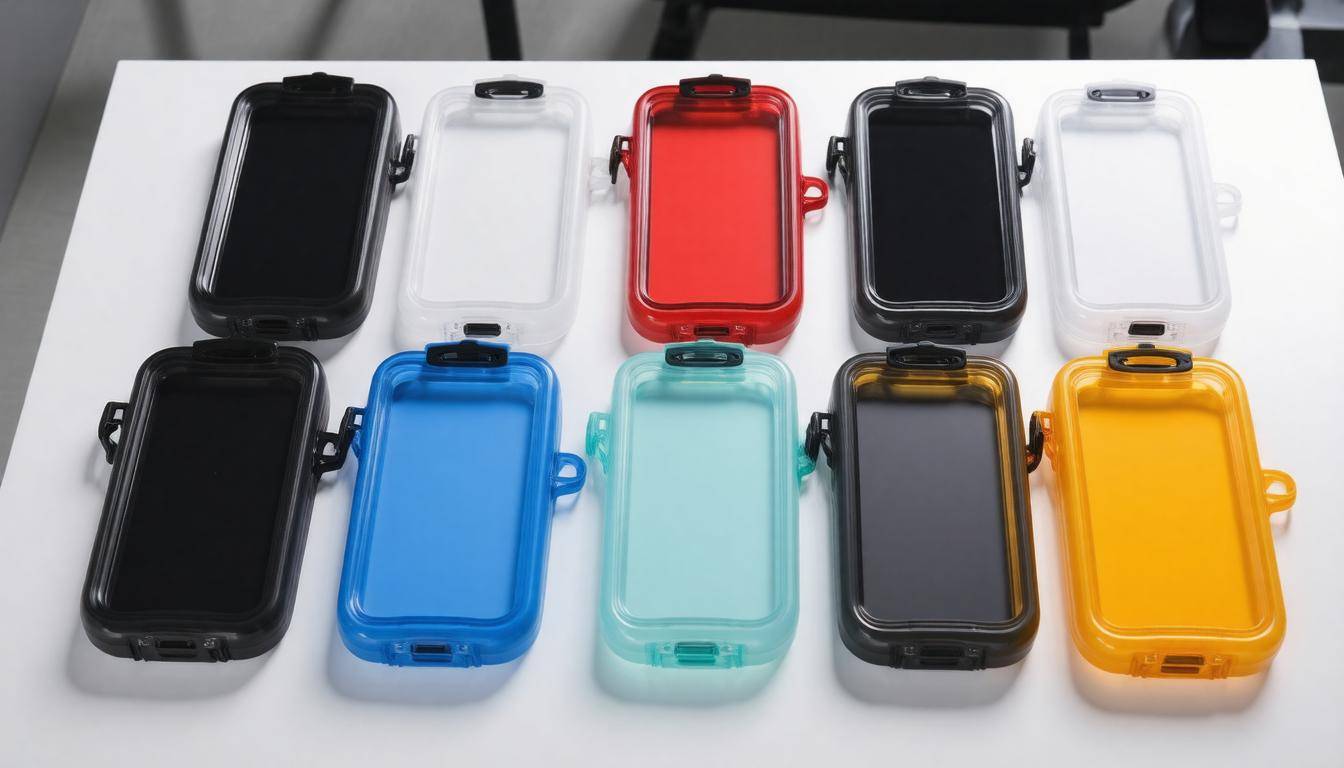
Top 10 Waterproof Electronics Cases
For users seeking the best waterproof electronics cases, we’ve rounded up the top 10 based on durability, water resistance, and customer reviews. These selections showcase a variety of options tailored to different types of devices and usage scenarios, ensuring you’ll find something that fits your needs while keeping your electronics safe.
1. Pelican 1200 Case
Known for its crushproof and dustproof properties, the Pelican 1200 Case is a fortress for any small electronic device. With an impressive watertight seal, this case can withstand rough handling—ideal for those who love adventure photography. Whether you’re hiking through rain-soaked forests or navigating sandy beaches, rest assured your camera gear is well protected.
2. Nanuk 905 Waterproof Hard Case
This case boasts military-grade protection with an IP67 rating. It offers complete water resistance for up to thirty minutes while submerged at depths of one meter. It’s perfect for individuals who need reliable protection during challenging excursions like kayaking or fishing trips.
3. OtterBox Defender Series
The OtterBox Defender Series is widely recognized in the smartphone market. What sets it apart is its built-in screen protector, providing additional shielding against impacts while ensuring water resistance. Users often praise it for merging robust defense with usability, making it a favorite among daily smartphone users.
4. LifeProof FRĒ
Many users highlight the sleek design and dependable seal that the LifeProof FRĒ offers. It protects against snow, ice, dirt, and water without adding bulk to the device, allowing for easy handling and versatility in various environments.
5. Pelican Marine Waterproof Phone Pouch
Perfect for beach vacations, the Pelican Marine Waterproof Phone Pouch allows you to take stunning seaside photos without worrying about water damage. The pouch even enables touchscreen functionality so you can capture moments without removing your phone from the protective casing.
6. OverBoard Waterproof Large Phone Case
Tested to hold up underwater up to nineteen feet deep, this case is particularly suited for divers and snorkelers alike. Its transparent design ensures that you can take photos while exploring underwater environments.
7. Catalyst Waterproof Case for Apple Watch
Designed specifically for smartwatches, the Catalyst case ensures they remain operational while you swim or engage in other outdoor activities such as running in the rain or cycling through puddles. Users have expressed great satisfaction about its snug fit that doesn’t hinder watch functionality.
8. UAG Plasma Case
The UAG Plasma Case strikes a balance between rugged design and style; while many users appreciate its aesthetics and functionality, some question whether its bulkiness suits their lifestyle needs. It’s noteworthy that if you want protection without sacrificing appearance, this could be a solid choice.
9. JOTO Universal Waterproof Pouch
This universal pouch accommodates most smartphones but is also effective at holding smaller items like credit cards and keys—up to one hundred feet underwater! Users rave about its versatility; truly a favorite among travelers looking for multi-purpose solutions.
10. Aquapac Waterproof Case for Radios
Specifically tailored for radios and GPS devices, the Aquapac Waterproof Case ensures continued functionality even in heavy rain. Whether you’re sailing or navigating through inclement weather, this case allows you to maintain communication without compromising device safety.
These cases demonstrate a variety of strengths such as ruggedness and versatility, offering tailored options for specific user needs. Next, we turn our focus to an in-depth exploration of leading brands and what sets them apart in this competitive market.
Detailed Comparison of Leading Brands
Pelican vs. OtterBox
Pelican cases have long been a favorite among professionals who prioritize durability and protection in demanding environments. Known for their rugged build, these cases can withstand harsh conditions, whether it’s extreme weather or rough handling during transport. This makes them a top choice for photographers, outdoor enthusiasts, and military personnel who rely on their gear maintaining functionality regardless of the circumstances.
On the flip side, OtterBox offers a wider range of options that cater to everyday users, providing sleek designs without sacrificing protection. Their products are particularly popular among smartphone users seeking to keep their devices safe while maintaining aesthetic appeal.
Ultimately, choosing between Pelican and OtterBox often boils down to usage scenarios—professionals may lean towards Pelican for its ruggedness, while casual users might opt for OtterBox for stylish everyday safe-keeping.
Warranty Policies
Understanding warranty policies can be key when investing in protection. Pelican stands out with its lifetime warranty on most products, demonstrating confidence in its durability and performance. This speaks volumes about the manufacturer’s commitment to customer satisfaction. In contrast, OtterBox provides a one-year limited warranty, reflecting a different market position targeting everyday usability rather than heavy-duty resilience.
Knowing these details can significantly influence your decision—if you anticipate needing robust case protection over many years, Pelican’s lifetime coverage might sway you toward their brand.
Nanuk vs. LifeProof
When we switch gears to Nanuk and LifeProof, we see two brands with different approaches to protection. Nanuk focuses primarily on heavy-duty gear featuring enhanced water resistance, ideal for adventurous users and those engaged in outdoor activities where conditions can be unpredictable. These cases are designed to ensure that your gear stays safe and functional no matter what situation arises—be it rain or accidental submersion.
Conversely, LifeProof balances adequate water protection with slimmer design principles, appealing to consumers looking for functionality without bulk. This makes LifeProof a favored choice among iPhone users seeking reliable protection without compromising their device’s sleek aesthetics.
Your personal lifestyle will guide your choice; if you’re engaging in high-adventure activities, Nanuk is likely your best bet while daily urban life might call for LifeProof’s streamlined approach.
Warranty Policies
Focusing on warranties provides another layer of assurance regarding quality and durability between these two brands. Nanuk aligns with Pelican by offering a lifetime warranty, indicating strong confidence in its protective capabilities. This could be especially reassuring if you’re investing in high-end electronics or plan to expose your gear to extreme conditions.
On the other hand, LifeProof follows suit with its one-year warranty. While still respectable for most consumers, it’s worth considering how often you’ll use your device and under what circumstances; frequent exposure to water or active lifestyles may justify going with a longer warranty period inherent in Nanuk’s offerings.
Price Ranges
- Pelican: $50 to $200
- OtterBox: $20 to $100
- Nanuk: $30 to $150
- LifeProof: $50 to $90
As you weigh your options, consider the price ranges too; they help elucidate each brand’s marketplace positioning. Whether you’re drawn towards the rugged vulnerabilities offered by Pelican at higher price ranges or prefer the wallet-friendly variety from OtterBox and LifeProof, understanding these dimensions contributes valuable insight into selecting the perfect case tailored to your specific needs.
Having navigated through comparisons of various brands based on features and warranties, we now shift our attention to identifying the essential characteristics that will enhance your experience when selecting waterproof cases for your electronics.
Key Features to Look For
1. Ingress Protection (IP) Rating
The Ingress Protection (IP) rating is your first line of defense when it comes to understanding how well a case can stand up against water and dust. These ratings offer valuable insights into the expected performance of the enclosure under different environmental conditions.
For example, if you see an IP68 rating, you can breathe easy knowing that this case offers complete protection against dust and can sustain submersion in water beyond one meter for prolonged periods. It’s essential to consider the activities you’ll be doing; wet environments require a higher IP rating, while places with airborne dust may need something more modest.
With IP ratings in mind, let’s discuss the materials used in these cases.
2. Material and Durability
When it comes to materials, durability should be near the top of your shopping list. Cases made from polycarbonate and thermoplastic polyurethane (TPU) are popular choices due to their combination of toughness and lightweight properties. They resist impacts remarkably well while being portable enough to not weigh you down on your adventures.
Think of it like choosing between a sturdy umbrella that’s heavy versus a lightweight one that bends easily in the wind; you want the robust option that doesn’t compromise on weight or mobility.
Once you’ve evaluated material, it’s crucial to focus on how well the cases keep water out.
3. Sealing Mechanism
The sealing mechanism plays a critical role in determining how watertight your electronics case will be. A case fitted with silicone gasket seals or featuring double-lock systems provides added layers of security against any potential leaks by creating a firm barrier against moisture intrusion.
Imagine trying to keep a glass of water still; without a good lid, even the tiniest ripple can lead to spills! Therefore, ensure your case is designed with an effective sealing mechanism – this will give you peace of mind when you’re out exploring, knowing your gear is shielded properly.
Functionality makes up another essential layer to consider.
4. Usability and Extra Features
Finally, usability shouldn’t be overlooked when scouting for the right waterproof electronics case. Consider looking for models that allow access to touchscreens or key buttons while your devices are secured inside – this way, you don’t have to unpack everything just to change tracks on your playlist or answer an urgent call.
Some excellent cases even come with extra features like straps for easy carrying or floatation aids for those slippery boat adventures on turbulent waters. Whether you’re hiking through drizzles or kayaking across serene lakes, usability and practical features enhance your experience by making technology accessible and easier to manage while ensuring maximum protection.
Combining these key factors creates a reliable choice for protecting your precious electronic devices from potential water damage. Understanding these aspects will set a strong foundation as we explore various levels of protection available for waterproof cases.
Levels of Water Protection
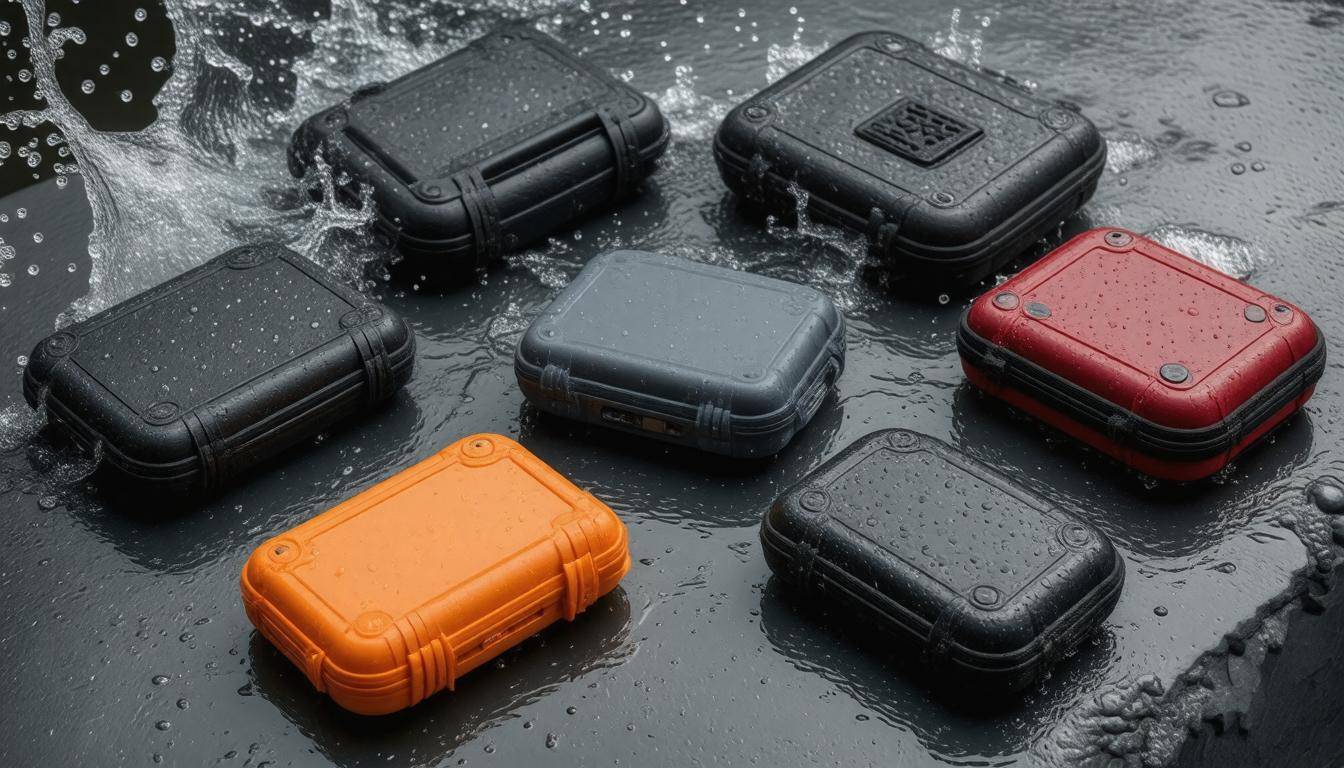
When it comes to choosing a waterproof case, the ratings can often sound like a foreign language. However, they are crucial for making informed decisions about protecting your equipment. The two main systems you should familiarize yourself with are IP (Ingress Protection) ratings and NEMA (National Electrical Manufacturers Association) ratings. Each serves a distinct purpose and provides valuable insight into how well a case can protect against dust and moisture.
IP Ratings Explained
The IP rating system utilizes a two-digit code that indicates the degree of protection from solids (like dust) and liquids (like water). For example, an IP67 rating means that the case is dust-tight and can withstand immersion in water up to 1 meter for 30 minutes. An IP68 rating usually signifies that the case can handle submersion beyond 1 meter—often tested up to 3 meters for also 30 minutes—making it an excellent choice for situations where your electronics might be fully submerged.
| IP Rating | Water Resistance |
|---|---|
| IP67 | Up to 1 meter for 30 minutes |
| IP68 | Over 1 meter submersion (specifics vary) |
| IPX7 | Up to 1 meter for 30 minutes |
It’s important to note that even though cases with higher IP ratings offer better protection, they may also come at a premium price. Therefore, it’s vital to assess your unique needs versus budget constraints when selecting a waterproof case.
NEMA Ratings
Moving on to NEMA ratings, these classifications are primarily used in industrial applications and denote how effective an enclosure is against environmental hazards. A rating such as NEMA 6P indicates that the enclosure is protected against dust ingress and can endure prolonged submersion in water. This level of durability is often overkill for most casual users, but if your electronics will be used in extreme conditions—such as agricultural settings or marine environments—NEMA-rated enclosures could provide peace of mind.
While NEMA ratings are less commonly found in consumer electronics compared to IP ratings, their ability to indicate high-level protection makes them essential for specific applications. Choosing between these two systems ultimately depends on your environment: a creative project requiring basic weatherproofing may be satisfied with lower IP levels, while heavy-duty tasks might necessitate robust NEMA protection.
As you navigate through waterproofing solutions, understanding these rating systems plays a pivotal role in pinpointing the right options tailored to your specific needs. This foundation sets the stage for examining more accessible selections that fit within your budget.
Budget-Friendly Options
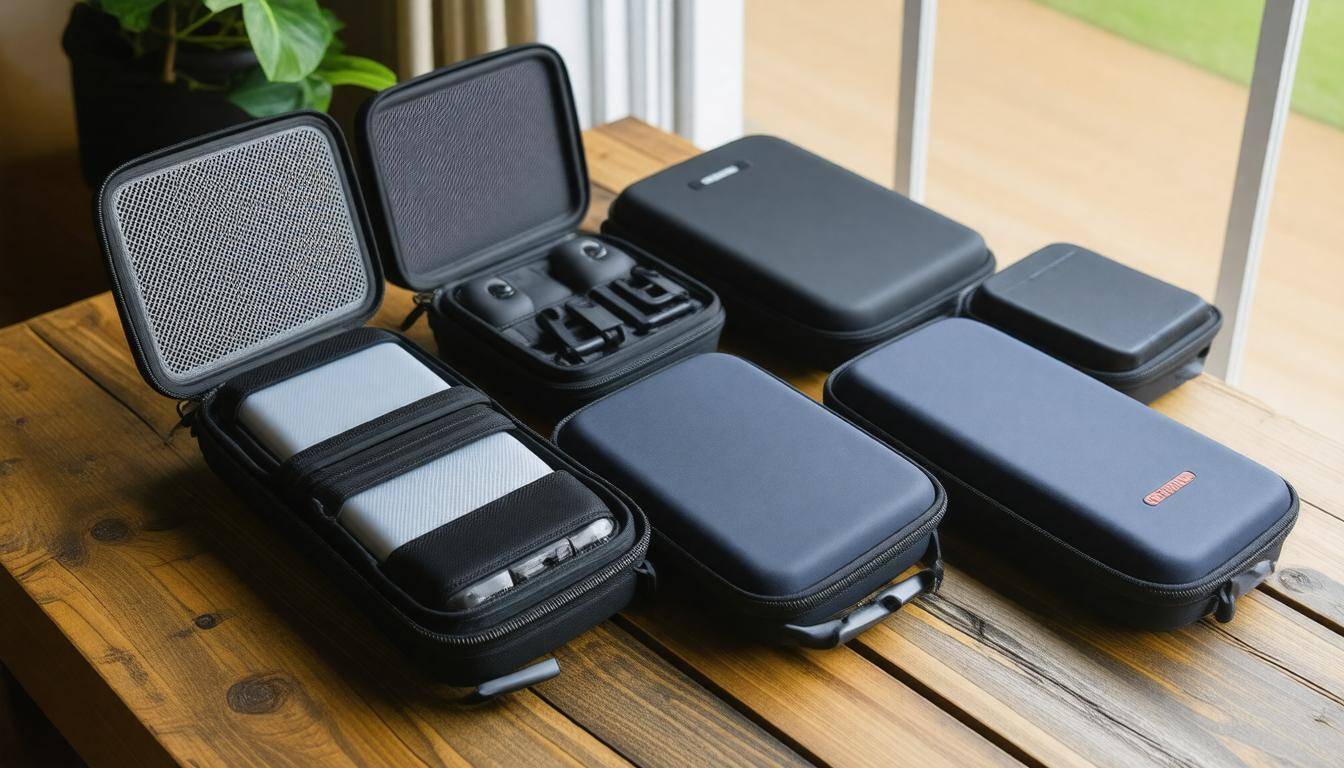
Not everyone needs high-end waterproof cases to keep their electronics safe. There’s a whole range of budget-friendly solutions that can be surprisingly effective while keeping your wallet intact.
Affordable options don’t mean you have to compromise on quality or performance. Take the JOTO Universal Waterproof Case, for example; sold at around $12.99, it boasts an impressive IPX8 rating. This means it withstands submersion in water beyond one meter, making it reliable and perfectly sized for most smartphones. Combined with a user rating of 4.5 out of 5 based on over 5,000 reviews, it’s clear this product has earned its spot as a favorite among budget-conscious consumers.
However, if you’re looking for even cheaper barriers against moisture, let’s explore some do-it-yourself alternatives that provide good protection without the price tag.
DIY Solutions
In various situations, DIY methods can be just as valuable as store-bought solutions. Heavy-duty Ziplock bags are commonly recommended for temporary scenarios like kayaking trips or outdoor adventures where exposure to water might occur. While they shouldn’t replace a dedicated waterproof case for prolonged exposure or high-pressure environments, they can effectively shield smaller electronics from accidental splashes or brief showers.
For instance, I once used such bags on a canoeing trip and managed to keep my phone totally dry—even when capsizing briefly! Just remember to check the seams of these bags, as that’s often where leaks can start.
Adding layers is another great strategy: using Ziplock bags in tandem with pack liners helps ensure that moisture stays at bay during unexpected downpours—it’s all about creating multiple layers of security.
As market trends evolve, there are also exciting materials for waterproofing options that lend themselves to both affordability and functionality.
Innovative Materials
Exploring newer materials like Dyneema Composite Fabric (DCF) opens up possibilities for lightweight yet highly durable protection against moisture. DCF has gained popularity due to its strength-to-weight ratio, making it ideal for outdoor enthusiasts wanting robust solutions that won’t add excessive bulk or weight to their gear.
Many low-cost dry bags incorporate DCF and offer impressive functionality without the professional-grade price tag. With this shift toward advanced materials at competitive price points, consumers can find options that meet functional requirements while remaining gentle on the pocketbook.
With innovative materials paving the way forward, it’s important to consider how these advancements stack up against rugged designs made for extreme conditions.
Rugged Cases for Extreme Conditions
When you venture into unpredictable terrains, such as deep forests or windy mountain peaks, a rugged case becomes your electronics’ first line of defense against hazards. These cases are not just built to look tough; they are meticulously designed to protect sensitive equipment from everything nature throws at them. From the roughest tumbles to torrential rains, these enclosures ensure that what matters most—your devices—are kept safe and functional.
Structural Integrity
One of the standout features of rugged cases is their structural integrity. Pelican cases are well-known and trusted within military circles because they can withstand severe impacts thanks to their reinforced plastic or metal materials. This isn’t just marketing hype; many users have recounted experiences of dropping their Pelican cases from significant heights—only to find the contents completely unscathed. Similarly, the Nanuk 905 case offers exceptional durability with additional features like a pressure equalization valve, which allows air to escape during abrupt changes in elevation, preventing internal pressure buildup and ensuring your gear remains intact.
This intense attention to structural resilience is a game-changer when you’re scaling cliffs or racing through rough terrain.
Extreme Temperature Resistance
Another critical aspect of rugged cases is extreme temperature resistance. Many high-performing options can operate effectively under astonishing temperature ranges of -40 to 210 degrees Fahrenheit. This means whether you’re frozen on a ski slope or sweating it out in a desert hike, your electronics will continue functioning properly. Such temperature tolerance isn’t just about comfort; it ensures reliability when you need it the most. If you’ve ever heard horror stories about gadgets freezing in frigid conditions or overheating in direct sunlight, that’s a reminder that this feature should not be overlooked.
To put things into perspective:
- Cold weather can cause battery life to diminish rapidly, but a case designed for harsh climates helps retain battery efficiency.
- High temperatures might alter the functionality of delicate components; a rugged case provides insulation against those extremes.
The importance of investing in rugged cases equipped with vital features cannot be overstated, especially for anyone serious about protecting their electronics while tackling extreme environments. Now, let’s turn our focus to real-world insights that spotlight how these products perform in everyday scenarios.
User Reviews and Ratings
Genuine user reviews provide invaluable insight into the real-world performance of waterproof electronics cases, illuminating both their strengths and weaknesses. These testimonials often reflect the unique situations users encounter, offering a window into how these cases truly hold up when the unexpected happens. Travelers, in particular, share their experiences threaded with practicality and emotion—because when you’re protecting your cherished device, every experience matters.
Aggregated Ratings
For instance, according to Amazon reviews, the Pelican 1200 case proudly holds an impressive 4.8-star rating from over 2,500 customers. Users repeatedly highlight its robust durability under various conditions—a testament to its reliability as a travel companion.
Additionally, many customers emphasize that its waterproof features are not just a marketing gimmick; during rainy hikes or accidental splashes, users report that their devices remained perfectly dry inside. This kind of aggregated feedback can significantly influence purchasing decisions because it shows how trusted a product is across diverse environments.
Qualitative Feedback
Specific stories deepen this understanding further. One satisfied user shared their harrowing experience with the LifeProof FRĒ case, recounting how it ultimately saved his iPhone when he unexpectedly found himself taking a dip during a boat trip. This life-saving moment underscores not just product efficacy but also peace of mind for travelers who rely on their electronics daily.
However, contrasts emerge when looking at products like OtterBox cases. Some users have described them as bulky; they appreciated the reliability and protection they afford but felt hindered by the added weight in their bags.
Such qualitative insights can powerfully guide decision-making because they anchor buyer choices in real experiences rather than theoretical marketing claims.
As you gather this intel from various forums like Reddit or Amazon, pay attention to patterns in user comments—such trends can signal broader community sentiment about what works best for travel circumstances. For instance, portability seems to be key for many e-reader users who frequent coffee shops or embark on vacations; a lightweight design is often prized above all else.
The ongoing discussions around new releases in 2025 may suggest potential buyers prefer to wait for updated models that offer enhanced features without sacrificing portability.
Weighing aggregated ratings alongside personal testimonials equips you with essential knowledge as you explore tailored options that suit your lifestyle and travel situations seamlessly.
Protecting Your Gadgets with Cases
Using a waterproof case is not just about adding an extra layer of protection; it means creating a reliable fortress for your sensitive electronics. These cases are designed to withstand the harsh elements, whether it’s rain, splashes from a nearby pool, or even full submersion in water. However, there’s much more to properly using a case than simply placing your gadgets inside.
Correct Sealing Techniques
First, let’s discuss correct sealing techniques. Always check the seal before exposing your case to moisture. Inspect both zips and locks carefully, ensuring they are fully closed and free from debris that may have accumulated over time. Dust and dirt can interfere with the seals, creating openings that might compromise your gadgets’ safety. A handy tip is to run your fingers along the zipper and seams to feel for any bumps or catches that shouldn’t be there. Remember: a moment spent checking could save hours of heartache.
Periodic Checks
Next up are periodic checks. Regular inspections are crucial, particularly before use in water. Look for signs of wear and tear on seals, which are vital for water resistance. Check for cracks, frayed edges, or any unusual appearance that could lead to costly damage later on. If you find weak spots, replace the case – your devices’ safety isn’t worth the gamble.
Best Practices
Finally, here are some best practices for using these cases effectively. Avoid exposing your waterproof case to extreme temperatures or direct sunlight for extended periods; while it may be tempting, heat can degrade materials over time. Additionally, adding desiccant packets inside the case can absorb moisture and minimize humidity levels – this small step will greatly benefit your electronics.
By mastering these techniques and adopting best practices, you’ll ensure that your waterproof electronic cases provide maximum protection against the elements while keeping your important gadgets safe and sound for years to come.
In summary, using waterproof cases effectively involves proper sealing techniques, regular inspections, and adopting best practices to maximize their protective capabilities. Keeping these essentials in mind ensures the longevity and safety of your cherished electronic devices.