
When the sky darkens and winds pick up, knowing what weather alerts mean is essential for staying safe. Have you ever wondered how different regions cope with severe weather? It’s fascinating to realize that not all areas respond the same way to similar situations. A heavy rain in Miami might signal a flooding warning, while in Seattle, it’s just another Tuesday. To help navigate these local differences, our Weather Alert Threshold Guide offers insights into regional warnings based on specific weather conditions. It’s all about understanding what’s happening in our unique backyards so we can be prepared and react swiftly when the forecast turns ominous. Let’s dive in!
The Weather Alert Threshold Guide by Region provides critical data on local weather conditions, including established thresholds for alerts based on factors such as wind speed, temperature, and humidity. This guide assists users in understanding regional differences in weather alerts, ensuring they are well-informed about potential risks and emergency preparedness in their specific area.
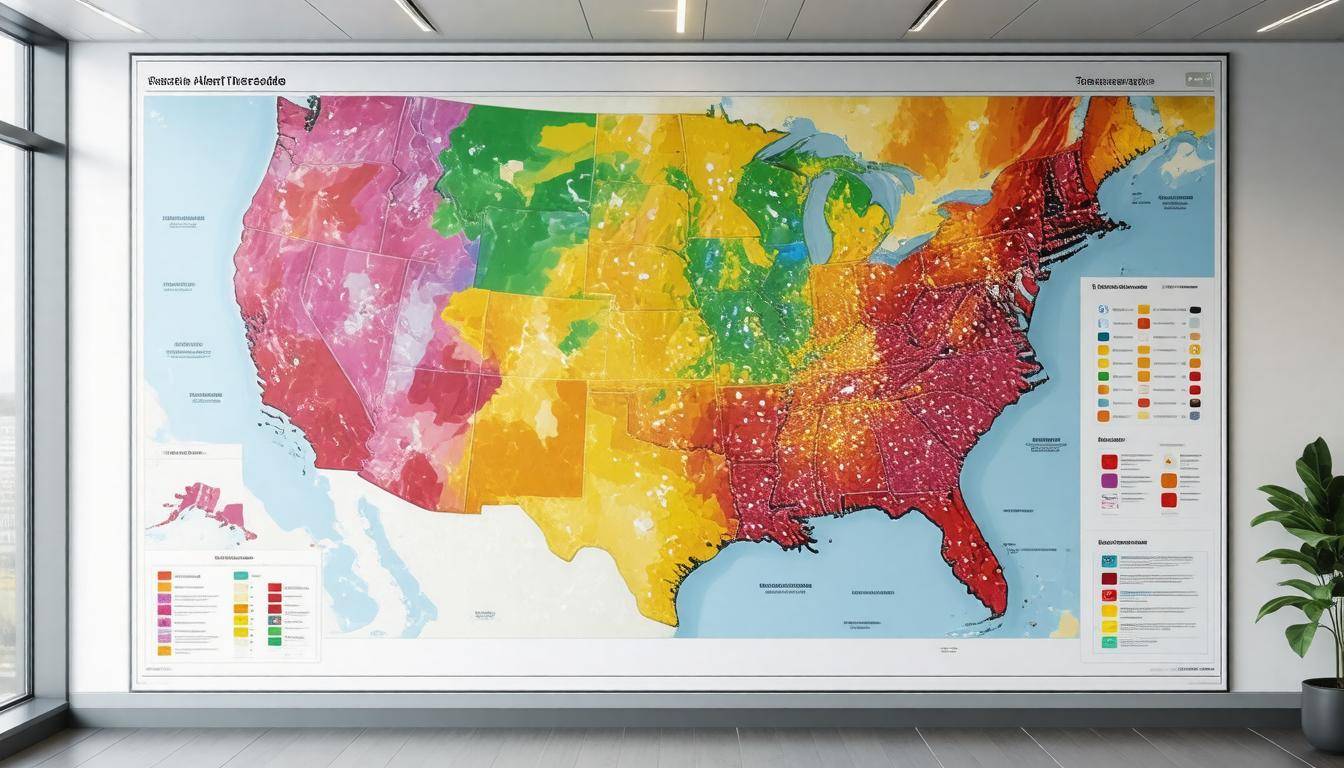
Weather Alert Threshold Explained
Weather alert thresholds define the exact parameters that trigger alerts for different weather events. Think of these thresholds as the guardrails that help define what we consider dangerous weather. They encompass a range of factors such as temperature, wind speed, humidity, and precipitation levels, which interact and sometimes exacerbate each other. For example, it’s not just about how hot it is; feeling like you’re melting in high humidity can be just as hazardous.
These specific thresholds vary widely from one region to another, primarily due to local climate norms. For instance, in an arid environment like Phoenix, Arizona, a heat alert may be triggered at temperatures exceeding 110°F because the residents are accustomed to such heat. In contrast, Seattle’s milder climate makes residents less tolerant of high temperatures; thus, a heat alert might come into effect at only 95°F. This adaptability reflects the area’s historical weather patterns and the community’s resilience.
Types of Alerts
Understanding the types of alerts based on these thresholds is essential for effective response actions. Each alert serves a distinct purpose.
Advisories typically inform residents about less severe weather conditions that may disrupt daily activities but aren’t life-threatening. For instance, a flood advisory might mean that there’s significant rainfall but that flooding isn’t currently occurring.
Watches signal that severe weather is possible or imminent in your area. They serve as fair warning that conditions are right for severe events to develop, such as thunderstorms or tornadoes; think of it as an opportunity to prepare yourself and your family for potential action.
Finally, we have warnings, which indicate that severe weather is either occurring or has been definitively spotted. An example would be a tornado warning stating that a funnel cloud has been sighted or detected on radar, necessitating immediate protective measures.
With an understanding of these thresholds and their associated alerts now established, we can examine the specific systems and their implications across different regions, particularly focusing on localized practices and protocols in various communities.
North America Specific Alerts
In North America, weather alert thresholds are established based on extensive research and local conditions, allowing residents to prepare for the unique climate challenges they face. Whether it’s the blistering heat of the Southwest or the icy winters of the Northeast, each type of alert communicates potentially dangerous conditions effectively. The National Weather Service (NWS) plays a pivotal role by applying precise criteria based on regional patterns, ensuring that communities have access to timely information they need.
Common Alerts & Their Thresholds
For instance, let’s take a closer look at some prevalent alerts and their respective thresholds across the United States:
- Tornado Warning: Issued when a tornado is imminent or has been detected by radar; this alert can save lives.
- Heat Advisory: Activated when the heat index reaches 100°F or higher for two consecutive days, particularly when nighttime temperatures remain above 75°F. It’s essential to stay hydrated during these times.
- Winter Storm Warning: Called upon when heavy snow, six inches or more, is expected within a short span of 12 hours. This warning allows individuals to prepare for travel disruptions and home safety.
John Smith, a seasoned meteorologist with NOAA shares: “Our thresholds are tailored to regional conditions therefore becoming highly effective in alerting and taking preventive measures.” This insight emphasizes how critical it is for alerts to align with community needs and local climates.
As we shift our focus from the United States to explore weather alert systems in neighboring regions, it becomes clear that different methodologies are employed to address local environmental challenges.
Europe Weather Thresholds
European countries implement specific thresholds tailored to their unique climatic conditions, responding effectively to the nuances of weather throughout the year. For instance, in the United Kingdom, heatwaves are a serious concern during the summer months. The Met Office issues amber warnings when temperatures soar above 30°C for two consecutive days. These warnings allow residents to prepare for potential health impacts and increased demand on power grids due to air conditioning use.
Germany’s Storm Warning Criteria
Germany’s weather service, Deutscher Wetterdienst (DWD), prioritizes safety with stringent criteria for storm warnings. When wind speeds exceed 75 km/h, the DWD sounds the alarm for citizens who may face disruptions from fallen trees and damaged structures.
France’s Rainfall Monitoring
Moving southward in France, Météo-France monitors rainfall closely. They issue orange alerts when heavy rain surpasses 50mm within an hour, indicating potential flooding risks that could impact transportation systems and local economies. This proactive approach allows timely preparations among residents and authorities alike.
Furthermore, it’s essential to recognize that these systems encompass various weather phenomena too. In mountainous regions like the Alps, avalanche warnings are crucial and are issued based on snowpack stability tests—parameters vital for both skiers and local inhabitants traversing these treacherous terrains.
Understanding these various thresholds sets the foundation for exploring how similar alert systems adapt in regions marked by distinct climates, preparing communities for the diverse challenges they face.
Asia and Pacific Alerts
The region is characterized by a unique blend of tropical and temperate climates, which brings about various weather events. These include powerful typhoons, torrential monsoon rains, and severe droughts. In Japan, for instance, the Japan Meteorological Agency is vigilant in issuing typhoon warnings whenever wind speeds rise to around 64 knots (approximately 74 mph). This threshold not only alerts residents but also prepares them for potential evacuations and disruptions in daily life.
Understanding these warnings can save lives. The same level of vigilance can be seen in India, where the India Meteorological Department closely monitors river levels to provide flood warnings during the monsoon season. When regions like Maharashtra or Kerala experience heavy rainfall, predictions based on river data become vital in forewarning communities about impending floods.
Let’s take a closer look at some other countries: In the Philippines, PAGASA—the country’s weather bureau—issues flood warnings when rainfall exceeds 100mm within a mere 24 hours. Imagine waking up to a forecast predicting such downpour; knowing this could drastically change your day-to-day plans, making you more aware of the flooding risks and potential evacuation measures.
Meanwhile in Australia, the Bureau of Meteorology plays an equally crucial role by issuing severe weather warnings for tropical cyclones that surpass wind speeds of 125 km/h. These alerts ensure that Australians not only know what type of cyclone is approaching but also how to prepare effectively for it.
An essential aspect often overlooked is the importance of adhering to suggested action plans following these weather warnings. Each alert comes with a set of recommended actions designed to keep people safe. Being prepared means having an emergency kit ready, knowing alternative routes in case of road closures, or even forming a community support network to help those who may need extra assistance.
As we navigate through such unpredictable weather, keeping ourselves informed about local regulations and emergency responses allows us to act quickly in times of crisis. By understanding regional weather thresholds and their implications, residents can stay ahead of nature’s whims, ensuring both safety and security for themselves and their loved ones.
This proactive awareness sets the stage for understanding guidelines tailored specifically to diverse locales, underscoring the importance of regional considerations as we explore further.
African Regions’ Guidelines
Africa’s diverse climates mean its inhabitants are exposed to a variety of weather-related events, such as storms, droughts, and extreme heat. The African Centre of Meteorological Applications for Development (ACMAD) plays an essential role in monitoring these conditions by issuing alerts that keep communities informed and prepared. For instance, the thresholds set for drought warnings are crucial; ACMAD issues alerts when rainfall drops below 75% of average for three consecutive months. This proactive approach allows local authorities and communities to act before conditions worsen.
In addition to drought alerts, specific countries have tailored alerts based on their unique weather patterns. In Kenya, the Meteorological Department issues flood warnings during the rainy season when river basins reach overcapacity. This is vital knowledge for residents living near those riverbanks who might be at risk of sudden flooding. Similarly, South Africa utilizes heatwave thresholds; when temperatures soar to 40°C (104°F) or above, the South African Weather Service promptly disperses heatwave alerts. Understanding these specific thresholds can help citizens respond appropriately and proactively.
It’s remarkable how timely alert systems can make a life-saving difference. A noteworthy incident occurred in 2022, when Kenya’s rapid dissemination of alerts during heavy rains saved countless lives. Early evacuations were carried out, and continuous communication ensured that residents were kept up to date with evolving conditions.
The importance of weather alerts resonates not just as a series of numbers or thresholds but echoes in the lives they protect and the proactive measures they enable. Efforts from organizations like ACMAD demonstrate that while many African regions face severe weather challenges, effective meteorological applications can transform this adversity into resilience.
Now, turning our attention to the next region, we will explore the critical weather thresholds specific to another part of the world.
South American Thresholds
In South America, the diversity of geography and climate calls for a keen focus on localized thresholds. The Brazilian National Institute for Space Research (INPE) has set an important benchmark by issuing flood warnings whenever rainfall exceeds 150mm within a single day in the Amazon Basin. This figure is not arbitrary; it aims to safeguard communities living in a region known for its expansive wetlands and heavy precipitation seasons. Flooding can lead to devastating consequences, thus timely alerts can save lives and minimize property damage.
As we explore other nations in the continent, each has adopted specific criteria tailored to their unique climatic challenges. For instance, in Argentina, the Servicio Meteorológico Nacional (SMN) monitors wind conditions closely. They issue storm warnings when winds reach velocities of over 60 km/h while being accompanied by heavy rain. The rationale here is straightforward: strong winds combined with rain can significantly increase the risks of uprooted trees and downed power lines, leading to widespread disruption.
Similarly, Chile’s approach to alarming its citizens reflects the local environmental realities that require urgency in heat management.
In Chile, particularly in the central valleys where temperatures can surge, the Dirección Meteorológica de Chile responds proactively by issuing heat alerts when temperatures soar beyond 35°C. Such alerts are vital during peak summer months as they help mitigate health risks related to extreme heat exposure; particularly for vulnerable populations such as the elderly or those with pre-existing health issues. Heat waves are often exacerbated by urbanization and changing land use, making these alerts ever more critical.
These thresholds are not merely numbers but represent a framework designed to pave the way for proactive action. They leverage statistical data which consider both short-term forecasts and historical weather patterns to formulate response strategies in light of impending dangers.
This approach creates resilience among communities by ensuring they are adequately prepared before weather events escalate into emergencies.
After all, nobody wants a surprise downpour ruining your barbecue plans!
Understanding how specific regional factors interact with these alert levels is crucial as we navigate the complexities of weather response systems.
Factors Influencing Alert Levels

A multitude of factors plays a significant role in determining how weather alert thresholds are established. Climatology, for example, lays the foundation by analyzing long-term weather patterns to set baselines for what constitutes “normal” conditions. Regions with a history of heavy rainfall will have different expectations compared to arid areas where such rain is a rare event. By recognizing these climatic norms, meteorological agencies can tailor alerts that suit the specific needs of each region.
Imagine a rancher in Texas expecting rain as if it’s an uninvited guest—always welcome, yet rarely seen.
Another pivotal aspect is topography. The physical geography of an area profoundly affects its weather behavior and response to climate events. For instance, mountainous regions might experience rapid weather changes compared to flat valleys, causing them to have stricter thresholds for warnings about potential landslides or flash floods. Coastal areas often establish lower thresholds for storm surges than inland locations because the immediate threat to life and property is far greater when you’re just feet away from the water.
Accompanying climatology and geography, urbanization introduces its own set of complexities. The phenomenon known as the urban heat island effect leads cities to have higher temperature thresholds than rural areas due to concrete and asphalt absorbing heat during the day. This can amplify health risks during heat waves, resulting in more urgent alerts in metropolitan zones.
Agricultural zones provide yet another context where alert levels must be strictly defined. Given that crops are highly sensitive to changing weather patterns, these regions often implement stringent drought alert thresholds. Farmers rely heavily on accurate and timely information to protect their livelihoods; thus, agricultural communities can sometimes operate under different rules than urban ones when it comes to weather alerts.
| Factor | Description | Example |
|---|---|---|
| Climatology | Long-term weather patterns determine “normal” baselines | The expectation of snow in Minnesota vs. sunshine in Arizona |
| Topography | Geography affects how weather behaves and impacts local thresholds | Mountainous areas needing stricter flood alerts |
| Urbanization | Cities experience heat differently due to human structures | Higher heat thresholds in urban areas |
| Agriculture | Farming focuses on crop sensitivity, necessitating precise alerts | Stricter drought preparedness in farming communities |
Knowing these influences enhances preparedness, allowing individuals and communities to recognize why certain alerts are issued and understand their implications. With this foundation in place, we can explore the effective responses needed for navigating these vital weather notifications.
Best Practices for Responding to Alerts
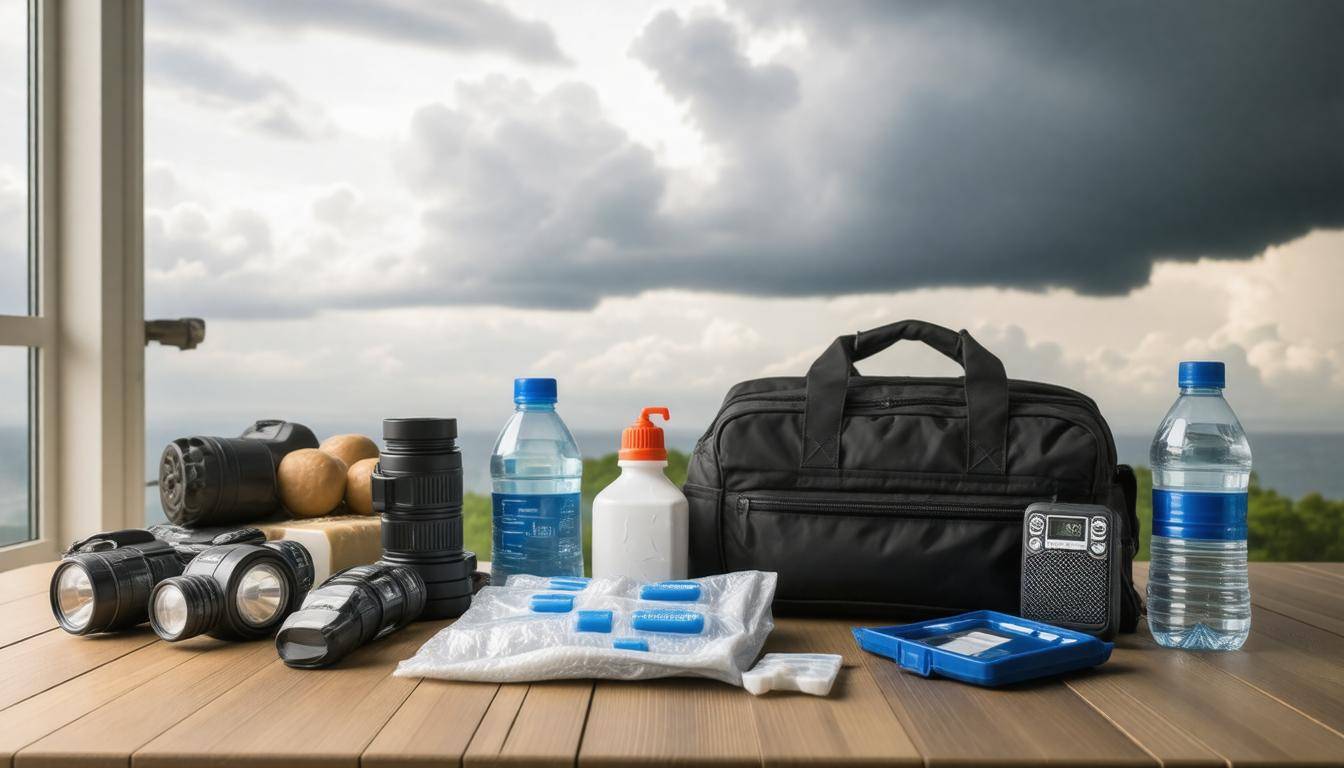
The first step in ensuring your safety when facing severe weather alerts is to stay informed. This means regularly checking updates from reliable sources, such as the National Weather Service or trusted weather apps. Having access to accurate and timely information is critical; it helps you understand not just the present conditions but also what is expected to unfold.
For instance, during the onset of a tornado watch, you might receive notifications on rapidly changing conditions that can escalate into a warning. Imagine sitting comfortably at home, and suddenly, you see an alert pop up indicating a tornado warning—being aware of such changes can make all the difference in how you respond.
Just as you wouldn’t ignore a “dinner’s ready” call from your loved ones, don’t ignore weather alerts!
After getting informed about potential risks, it’s crucial to adhere to the instructions provided by local authorities.
When an eviction order comes through or specific safety measures are recommended, following those guidelines must take priority. Ignoring such directions can put your life at risk and hinder emergency services. Picture this: As heavy storms approach, local officials recommend evacuating certain areas due to flooding risks. If you remain behind out of stubbornness or disbelief that the storm will reach your home, you not only jeopardize your safety but also complicate the efforts of rescue services.
Creating an emergency plan for your family adds another layer of protection in times of crisis. What would happen if members of your household were separated? Having a family communication strategy that includes methods for checking on each other’s safety—is that not essential? Establishing a meeting point so everyone knows where to regroup can ease fears and clarify recovery steps when faced with chaotic circumstances.
It’s crucial to tailor this emergency plan around weather-specific events since different situations require distinct actions. For example, flooding calls for moving to higher ground swiftly while avoiding walking or driving through floodwaters, which could sweep you away more perilously than anticipated. Similarly, during heatwaves, staying hydrated becomes vital along with minimizing strenuous activities. Check in on elderly family members or those who might be more vulnerable—you’ll ensure everyone remains safe and cared for.
By incorporating these best practices into your routine, you empower yourself and your loved ones against potential threats posed by severe weather conditions.
Remember that preparedness is both proactive and reactive; staying engaged with weather updates allows you to be ahead of the curve. Every practice—whether it’s developing family plans or adhering strictly to evacuation orders—ensures better outcomes when calamities strike. So next time alerts begin flashing on your devices or screens, remember that reacting effectively isn’t merely luck; it’s the result of preparation and mindset.
In summary, being informed, prepared, and responsive can be key determinants in safeguarding yourself and others during unpredictable weather events. Your commitment to these best practices may very well save lives.