
When disaster strikes—be it a sudden flood or a powerful earthquake—our first concerns often focus on safety and shelter. However, many forget that the very water we rely on for drinking and cooking may also be at risk of contamination. It’s too easy to overlook how natural events can disturb well water, introducing harmful bacteria and chemicals into our supplies. If you’re someone who draws water from a well, understanding the importance of testing after such incidents is crucial. That’s where this guide comes in. We’ll walk you through why necessary testing is important, what contaminants to watch for, and how to ensure your well water remains safe to drink. With the right knowledge, you can take the steps needed to protect yourself and your family in a crisis.
The “Well Water Testing After Disasters: Complete Guide” provides essential information on the importance of testing well water for contaminants following natural disasters, such as floods or earthquakes. It outlines necessary steps to take, recommended testing protocols, potential pollutants to be aware of, and resources for safe drinking water, ensuring that homeowners can effectively protect their health and safety in such situations.
Reasons for Testing Well Water After Disasters
Disasters such as floods and earthquakes can disturb the natural barriers that protect well water, making it susceptible to contaminants. Harmful bacteria like E. coli, viruses, nitrates, heavy metals, and chemicals can easily leach into wells during these events, posing serious health risks. For example, floods may carry sewage or agricultural runoff directly into well systems, while earthquakes might compromise the structural integrity of the well itself, allowing pollutants to seep in.
It’s sobering to note that 60% of private wells are at risk of contamination after flooding or natural disasters.
Additionally, specific contaminants present unique threats; high levels of nitrates are especially dangerous for infants and can lead to methemoglobinemia—often referred to as blue baby syndrome. Therefore, prioritizing nitrate testing immediately after flooding is essential for vulnerable populations.
Moreover, testing well water isn’t just about identifying harmful bacteria or chemicals; it’s also about ensuring peace of mind.
Regular testing reduces the likelihood of waterborne illnesses significantly. The CDC reports that homeowners who test their well water post-flood can lower their risk of these illnesses by nearly 50%. Yet alarmingly, only around 25% of homeowners actually follow through with this critical step. This gap highlights a major need for increased awareness and education on water safety in disaster-prone areas.
Not only should regular checks be conducted, but specific signs indicate that additional testing is needed. For instance, if you notice recurring gastrointestinal illnesses among family members or changes in water taste and odor, it’s crucial to conduct further evaluation immediately.
Post-disaster conditions can change rapidly, which means that even previously safe water supplies may become contaminated overnight. Therefore, ensuring that your well remains safe isn’t a one-time task but an ongoing commitment.
To take proactive measures, always utilize state-certified laboratories for drinking water tests after any significant event. Local health departments often provide free or low-cost testing options and resources to navigate this process effectively.
As we explore this critical topic further, understanding how to identify what kinds of impurities may lurk in your water supply becomes essential for maintaining its safety.
Identifying Types of Contaminants
Understanding the specific contaminants that can seep into your well water is essential for both effective testing and subsequent treatment. Disasters like floods or earthquakes can create pathways for various harmful substances to enter your water supply.
A few primary categories of contaminants warrant particular attention based on their potential health risks.
Bacterial Contaminants
One of the most alarming types of pollutants is bacteria. The presence of E. coli and coliform bacteria in well water is a significant red flag, indicating that fecal matter has potentially contaminated the supply. The consequences of consuming water tainted with these bacteria can lead to severe gastrointestinal illnesses, characterized by symptoms such as diarrhea, vomiting, and abdominal cramps. In fact, E. coli infections can be particularly dangerous for young children and older adults with compromised immune systems. Regular testing for total coliforms and E. coli should be one of your top priorities when assessing your water safety after a disaster.
To add another layer to this reality, we need to consider how chemicals can filter into drinking supplies after such events.
Chemical Contaminants
During disastrous situations like flooding, the threat of chemical contamination dramatically increases. Pesticides from nearby agricultural lands or industrial chemicals can wash into water sources with heavy rain or floodwaters. These substances not only threaten human health but also harm aquatic ecosystems. For instance, some pesticides are neurotoxic and can adversely affect both short-term and long-term cognitive functioning if ingested even in small amounts. Therefore, proactive testing for specific chemicals becomes paramount; many homeowners may not realize the risks involved until it’s too late.
Heavy metals present a different urgency altogether.
Heavy Metals
Another category to vigilantly monitor is heavy metals, which may leach into groundwater from corroded pipes or old plumbing systems. Metals like lead and mercury are notorious for their toxicity, particularly affecting children who are more vulnerable to their harmful effects during developmental stages. Lead exposure can result in serious cognitive impairments and developmental issues, while mercury affects neurological health. Regular testing for these metals is vital, especially if construction work has occurred near your well or if it’s located in an area with known industrial pollution.
In addition to these, there’s another common contaminant that deserves attention—nitrates.
Nitrate Contamination
Lastly, nitrates, often stemming from agricultural runoff and fertilizer applications, pose considerable health risks particularly to infants. Elevated nitrate levels in drinking water can lead to conditions like methemoglobinemia—often referred to as “blue baby syndrome.” This condition impairs the blood’s ability to carry oxygen, leading to a bluish tint on the skin and potentially severe health complications. Checking for nitrates immediately after flooding is critical; you don’t want to risk the health of your loved ones by consuming unsafe water.
Identifying these contaminants lays the foundation for targeted testing strategies and effective remediation options. Prioritizing safety means being informed about potential hazards lurking in your well water so you can take appropriate actions when necessary, ensuring clean drinking water for you and your family.
As we continue our exploration of ensuring safe drinking water, we’ll now focus on tools that empower homeowners in their quest for clean H2O—specifically the kits designed for home use.
Using Home Water Testing Kits
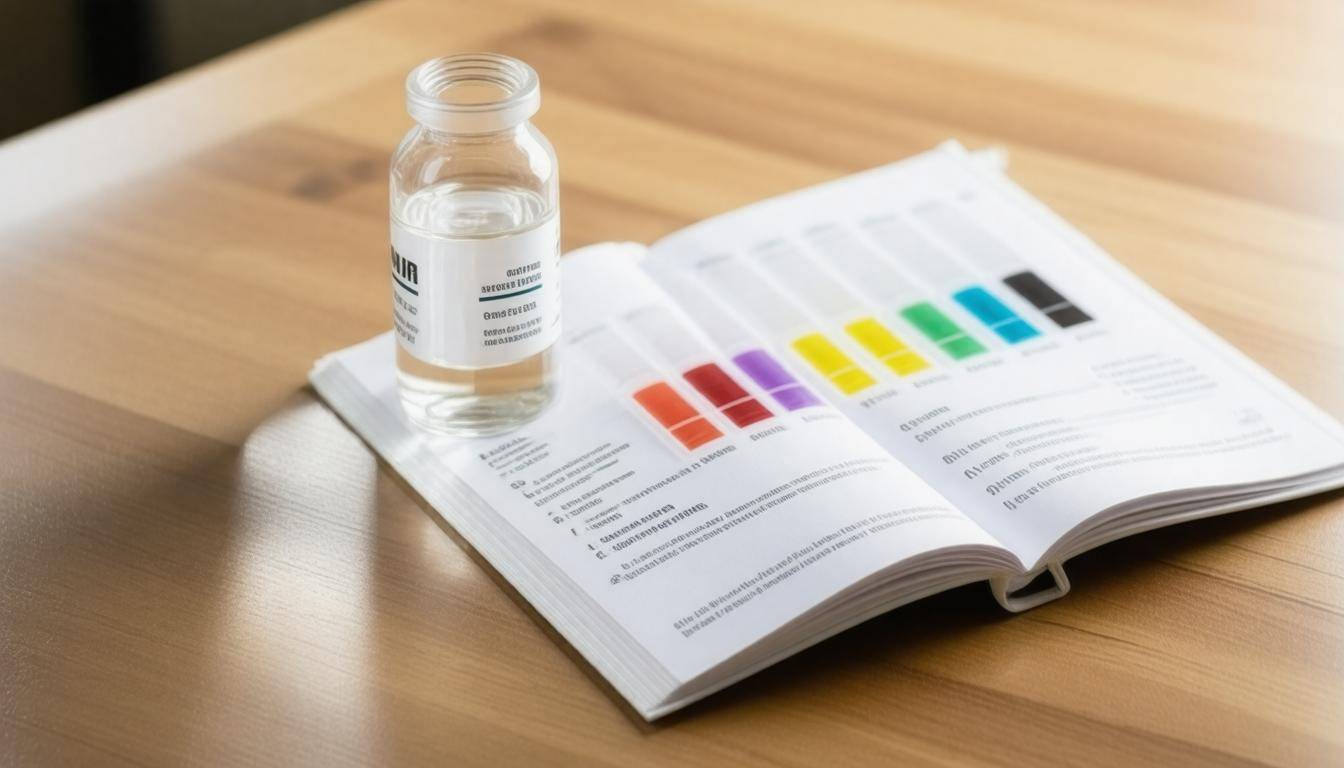
Leveraging home water testing kits can be both empowering and straightforward. The convenience they bring allows homeowners to assess their water quality without waiting for professional help, especially right after a disaster. By following a simple yet thoughtful process, you can ensure you’re getting the most out of these kits.
Step-by-Step Guide to Using Home Water Testing Kits
The process begins with careful selection of a reliable testing kit. When choosing, look for one that tests for a wide array of contaminants like bacteria, nitrates, heavy metals, and volatile organic compounds (VOCs). It’s crucial to invest in a good quality kit—brands like WaterSafe or Tap Score offer trustworthy options that can detect several potential hazards in your water. Opt for kits that are certified by reputable laboratories whenever possible, as this ensures the credibility of the results.
Once you’ve selected the proper kit, the next step involves collecting your water sample with caution.
To collect a water sample, follow the kit’s specific instructions closely; this usually involves running the tap for a few minutes before filling the sample container. This practice helps flush out any stagnant water that may have accumulated in your plumbing—stagnation can dilute test accuracy. Use clean hands and avoid touching the inside of the container to prevent contamination from external sources.
Collecting a sample is more than just filling up the container; it’s about ensuring that every variable is accounted for in your assessment of water quality.
After gathering your sample, it’s time to conduct the tests using the provided tools.
Most testing kits come equipped with simple test strips or vials designed to evaluate various parameters when appropriate chemical solutions are added. For instance, you might dip a test strip into the sample water or mix chemicals in specified vials, observing any color changes that occur over time. Water testing kits typically provide immediate results for aspects like pH levels, total dissolved solids (TDS), and even instant readings for more harmful contaminants such as bacteria or nitrate levels.
Interpreting Your Results
Interpretation is where clarity comes into play. Each testing kit includes an informational chart with color scales used to determine contamination levels based on your observations. It’s essential to take your time during this stage and accurately match any color changes observed in the test to those on the chart provided. Doing so gives you insight into whether your water meets safe drinking standards.
However, while these home kits can indicate potential problems swiftly, it’s vital to remember their limitations compared to professional tests.
While home testing kits offer useful insights into your water quality post-disaster, they may not capture everything comprehensively. For example, complex contaminants such as PFAS and microplastics often require specialized equipment beyond what standard home kits can provide. Initial tests are crucial and helpful; however, following up with professional lab tests—particularly if any concerning results appear—is always a prudent decision.
As you consider addressing potential safety issues within your well water system, understanding professional resources becomes essential for ensuring comprehensive safety and peace of mind.
Professional Well Water Testing Services
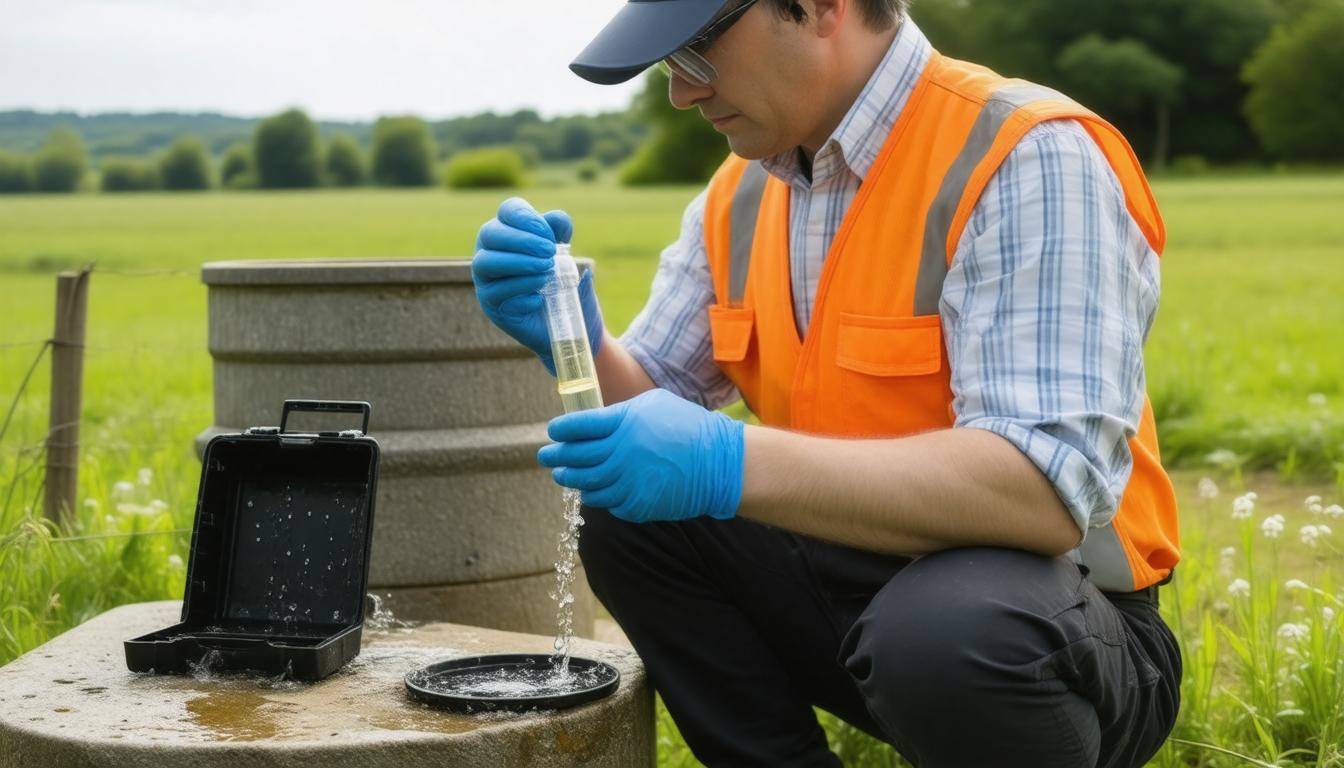
For those seeking peace of mind regarding their drinking water, professional testing services are invaluable. These services not only ensure accurate and comprehensive results but often provide a level of detail that home tests simply cannot match. When you contract with a state-certified laboratory, you can be assured that your samples are handled by trained professionals who follow strict protocols. This leads to reliable data about the safety of your well water.
Why Choose Professional Testing?
One of the significant advantages of using a professional service is the depth of analysis they provide. State-certified labs analyze contamination levels while also offering insights into potential sources of the contaminants detected in your samples. For instance, if your test reveals elevated levels of bacteria, the lab may help you trace possible sources such as nearby septic systems or surface runoff from heavy rainfall.
Speaking of costs, it’s crucial to understand that while professional testing can come with a price tag, it’s often worth every penny.
Understanding the Costs
The costs for these services can vary significantly, depending on what types of tests you need. Basic bacterial tests might run from $50 to $100 and return results within just a couple of days. On the other hand, comprehensive chemical testing could cost between $100 and $300, typically taking longer to process—around three to seven days. Heavy metal screenings usually fall within the $75 to $150 range and take two to three days for results. Such an investment is often worth it when considering the health risks associated with contaminated water.
| Test Type | Cost Range | Typical Turnaround Time |
|---|---|---|
| Basic Bacterial Testing | $50 – $100 | 1 – 2 days |
| Comprehensive Chemical Testing | $100 – $300 | 3 – 7 days |
| Heavy Metal Screening | $75 – $150 | 2 – 3 days |
As a homeowner, it’s advisable to contact local health departments for lists of certified laboratories in your area. They can also provide guidance on which tests might be most relevant given the history of your water supply and any recent environmental changes.
Investing in professional well water testing offers critical information that fosters not only safety but confidence in what you consume daily. Gaining insights from these tests will guide you as we turn to understanding how to interpret the results effectively.
Interpreting Your Water Test Results
When you get your water test results, it’s not just a collection of numbers; it represents your family’s health and safety. Check closely for any contaminants that exceed the levels deemed safe by the Environmental Protection Agency (EPA). For instance, if you see nitrate levels higher than 10 mg/L, this could pose serious risks, especially for young children, as elevated nitrates can lead to methemoglobinemia—commonly known as “blue baby syndrome.” Similarly, keep an eye out for heavy metals like lead, which should fall below 15 µg/L. If any tests indicate higher concentrations, take swift action.
The presence of total coliform bacteria deserves particular attention. This indicator bacterium suggests contamination from fecal matter and signals potential dangers. If your results show any positive findings for coliforms, don’t delay: immediate steps such as shock chlorination or other disinfection methods must be undertaken to make your water safe again.
Remember, interpreting these figures is not always straightforward. Each contaminant has its own risk profile based on concentrations and health effects.
A vital aspect to consider is pH levels in your well water. The acceptable range is between 6.5 and 8.5; outside this range could mean that your water is too acidic or alkaline. Both extremes can affect plumbing systems over time and may also correlate with metal leaching into your water supply. Notably, a low pH can wear down pipes faster while high pH can contribute to hardness issues leading to scaling and deposits.
Furthermore, looking at a comprehensive breakdown of all contaminants helps paint a fuller picture of your water quality. For example, testing for total dissolved solids (TDS) offers insights into overall water purity; acceptable TDS levels are generally below 500 mg/L. If numbers exceed this guideline, not only does it affect taste but may also indicate the presence of harmful substances needing treatment.
Regular monitoring is fundamental in keeping track of changes in water quality over time. Here are some key points to remember:
- Test at least once a year under normal conditions.
- Increase testing frequency after significant rainfall or natural disasters.
- Identify local pollution sources that may introduce new contaminants.
With a solid understanding of how to interpret your results, you’re now prepared to address any issues effectively. Next, we will explore the necessary steps you can take to enhance your well water quality safely and efficiently.
Essential Treatment Procedures
When contaminants are detected in your well water, prompt treatment is crucial to safeguard your health. This not only addresses current issues but also helps establish a proactive approach toward potential future risks. It all begins with immediate treatments, which focus on eliminating any harmful bacteria present in the system.
Immediate Treatments
One of the most effective ways to disinfect your well is through a method known as shock chlorination. Following the EPA guidelines for this process ensures maximum effectiveness while maintaining safety. While it may feel tedious, adding chlorine and allowing it to circulate through your system results in your water being free from many bacterial contaminants that could pose serious health risks.
Consider preparing yourself for this process: ensure you have all necessary supplies on hand such as chlorine, a measuring bucket, and clean water containers for use after treatment. It’s important to flush the system thoroughly before resuming normal usage so that any residual chlorine can be effectively cleared away.
After addressing these immediate needs, it’s time to think long-term. Investing in solutions beyond disinfection will help maintain clean water over time.
Long-Term Solutions
A key aspect of promoting ongoing water safety involves installing a filtration system appropriate for the types of contaminants found in your well. For instance, if tests indicate chemicals in your water, utilizing activated carbon filters can offer an effective barrier against these impurities. These systems improve taste and can reduce certain odors associated with volatile organic compounds (VOCs).
If testing reveals higher levels of nitrates or heavy metals, a reverse osmosis system may serve you better. This advanced filtration technology effectively removes these harmful substances, ensuring cleaner, healthier drinking water.
The beauty of implementing a tailored filtration solution is that it allows you to address specific concerns based on your unique circumstances. Additionally, routine maintenance checks and regular water testing should accompany these installations to ensure their continued efficacy.
Investing in long-term solutions not only protects your family’s health but also enhances the overall quality of your well water, turning a temporary fix into a sustainable approach for years to come.
As we move forward, we’ll explore even deeper strategies for preserving water quality and ensuring that your well remains a safe resource for years ahead.
Ensuring Long-Term Water Safety
Continuous monitoring and maintenance play a crucial role in ensuring your well water remains safe for consumption. Over time, both natural and human-made changes can affect groundwater quality, making routine testing indispensable. For instance, heavy rainfall can wash contaminants into the ground, while nearby construction might disturb earthy layers, potentially exposing harmful substances that could leach into your water supply.
Aim to test your well water annually, but also consider retesting after any significant environmental changes. This includes hefty rains or snowmelt seasons when potential runoff is high. If you notice a change in color, taste, or odor from your well water, don’t hesitate to have it tested sooner rather than later. Well water may contain bacteria or parasites that might be harmful if left unchecked; immediate action is always the best policy.
Beyond regular testing, implementing additional safety measures will minimize risks associated with well water contamination. Consider investing in a proper well cap; this simple act creates a barrier against rainwater entering the well and helps prevent surface runoff from infiltrating it. Also, installing backflow prevention devices is critical because these can stop contaminants—such as sewage or chemicals—from entering your well through the main water line.
Taking proactive steps like these not only protects your health but also ensures peace of mind for you and your family in times of crisis.
Additionally, staying informed is key to safeguarding your well’s integrity over time. The U.S. Environmental Protection Agency (EPA) offers several resources detailing how to conduct proper tests, interpret results, and choose state-certified laboratories for comprehensive assessments on various contaminants. Staying connected with local environmental agencies can provide updates on groundwater conditions specific to your area and any advisories that may arise following a disaster.
Being proactive in these areas establishes a sturdy defense against potential hazards and promotes a healthy living environment. As we explore further, awareness and resources available to the community become essential tools in this ongoing battle for safety.
Community Awareness and Resources
Raising awareness within the community about well water safety can significantly enhance collective protection for all well owners. Just imagine a neighborhood coming together, armed with knowledge and tools necessary to safeguard their drinking water. Collective action fosters a sense of responsibility and encourages individuals to participate in enhancing their environment. This effort creates a ripple effect that benefits everyone involved.
One of the simplest ways to stay connected is by attending local planning meetings. These gatherings serve as a platform for residents to discuss potential projects that could impact groundwater quality. Being informed about upcoming developments enables community members to voice their concerns and influence decisions affecting their water sources. For instance, if there’s a proposal for new construction near a water source that could introduce pollutants, those who attend these meetings can advocate for better safeguards.
To further empower communities, utilizing resources like EPA guides and CDC checklists is essential. These documents provide actionable steps focusing specifically on disaster preparedness related to well water safety. Homeowners can glean valuable information, develop effective testing schedules, and understand treatment options available. For example, these guides may suggest specific contaminants to test for in light of recent natural disasters or environmental changes.
Many communities still lack adequate education when it comes to understanding well water safety, which poses potential health risks.
Local seminars and workshops can bridge this gap effectively. By inviting experts to share insights and field questions, communities can gain practical knowledge that may not be readily available in pamphlets or online resources. Imagine someone sharing their experience about how regular testing revealed high levels of arsenic in their water, ultimately leading others to take action before facing similar issues.
Engaging the community also means establishing connections with organizations focused on private well safety. Collaborating with these groups can lead to enhanced planning, evaluation, and funding of initiatives related to drinking water quality. Integrating such efforts into everyday conversations makes it easier for residents to prioritize water safety in their homes and across the community.
Thus, having a well-informed populace while fostering strong community ties ensures that households remain vigilant regarding water quality—creating a safe environment for everyone.
In conclusion, focusing on community education and collaboration can make a significant difference in safeguarding well water. Together, proactive actions pave the way for healthier living conditions.
What actions should I take if my well water tests positive for contaminants?
If your well water tests positive for contaminants, immediately stop using the water for drinking and cooking. Next, contact your local health department for guidance on specific actions based on the type of contaminant detected. It’s crucial to investigate the source of contamination—this may involve inspecting nearby septic systems or agricultural runoff. Additionally, consider installing a proper filtration system or boil water before consumption until you achieve a safe level of purity; studies show that effectively treating contaminated well water can reduce health risks by over 90%.
What steps can I take to protect my well before a disaster occurs?
To protect your well before a disaster, ensure it is properly sealed and maintained, elevate the wellhead above potential flood levels, and create a buffer zone free of contaminants. Regularly test water quality—more than 70% of private wells are contaminated but can be safeguarded with proactive measures. Additionally, keep emergency supplies and testing kits on hand to quickly address any issues that arise post-disaster.
What specific contaminants should I test for in my well water after a disaster?
After a disaster, you should test your well water for specific contaminants including bacteria (like E. coli), nitrates, heavy metals (such as lead and arsenic), and volatile organic compounds (VOCs). These contaminants can infiltrate groundwater due to flooding, chemical spills, or damages to the well system. For instance, the CDC notes that approximately 16% of private wells are contaminated with harmful bacteria, which can pose serious health risks. Testing ensures safe drinking water and helps prevent potential outbreaks of waterborne diseases.
How quickly should I conduct water testing following a natural disaster?
Conduct water testing as soon as possible after a natural disaster—ideally within 24 to 48 hours. Contaminants can quickly infiltrate drinking water supplies, and research indicates that nearly 20% of private wells may become contaminated following events like floods or earthquakes. Delaying testing increases the risk of consuming unsafe water, which can lead to serious health issues such as gastrointestinal diseases. For your safety, prioritize immediate testing to ensure the integrity of your water supply.
Are there recommended procedures for collecting a water sample from a well?
Yes, there are recommended procedures for collecting a water sample from a well to ensure accurate testing results. First, you should run the water for at least 5-10 minutes to flush out any stagnant water. Use a clean, sterilized container specifically designed for water sampling—typically a polyethylene bottle—and avoid touching the inside of the cap or container. It’s also essential to collect samples away from any inlet or faucet to minimize contamination. According to the EPA, improper sampling methods can lead to inaccurate results in more than 30% of tests, underscoring the importance of following these procedures.