
As the sun beats down and the rivers dwindle, the looming threat of water shortages in the Western Cape becomes all too real. It’s easy to overlook something so vital until we suddenly don’t have enough of it for our daily needs. Being prepared isn’t just smart; it’s essential for survival. With each passing year, understanding how to effectively manage this precious resource is crucial—not only for ourselves but for our community as well. So, how can we equip ourselves to face these challenges head-on? By assembling a Water Shortage Survival Kit filled with the right tools and strategies, we can navigate the tough times ahead and emerge better prepared than ever.
A Western Cape Water Shortage Survival Kit should include essential items such as water purification tablets, reusable water bottles, rainwater collection systems, dry food provisions, and hygiene supplies. Additionally, it’s vital to have a reliable source of information on local water restrictions and conservation tips to maximize your preparedness during a water shortage crisis.
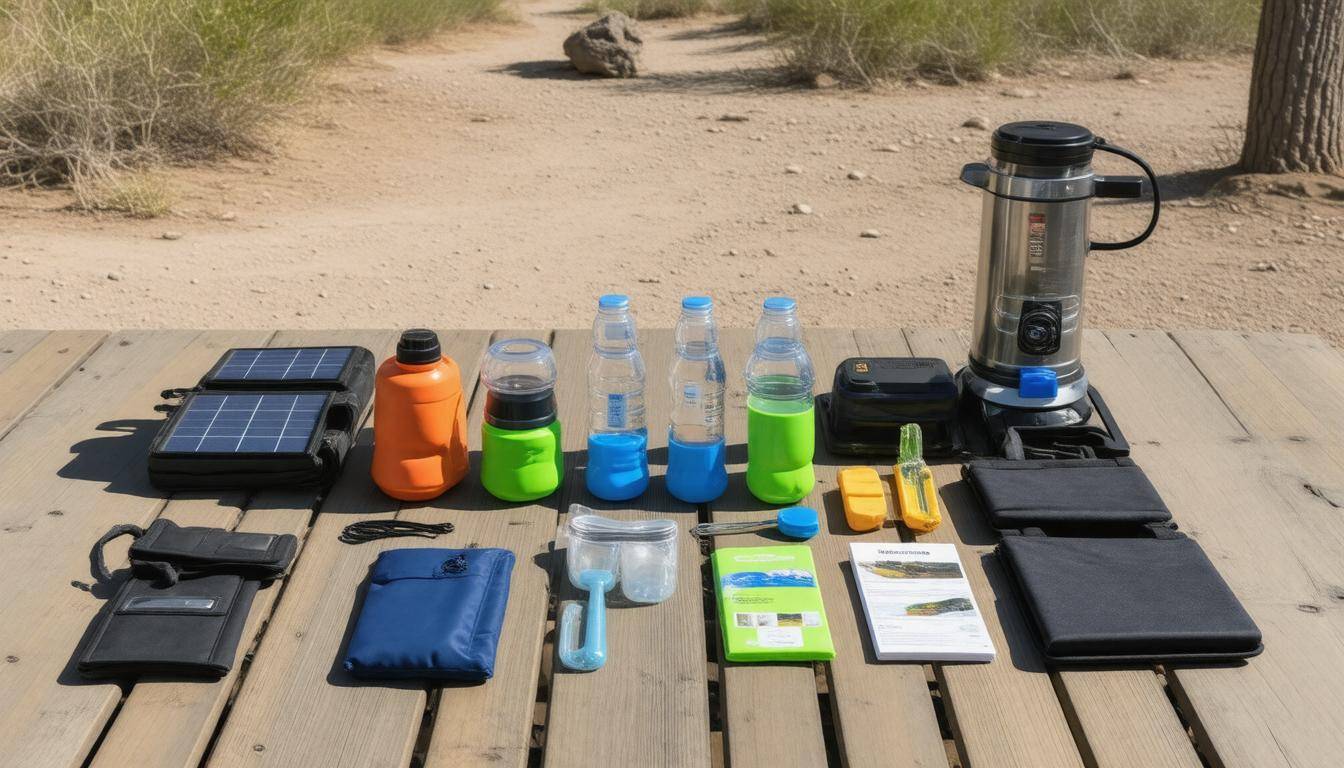
Essential Supplies for Your Kit
The first item on your list should always be water. It’s a no-brainer, but often overlooked in terms of quantity and preparation. For each person, aim to pack at least one gallon of water per day, not just for drinking but also for sanitation needs. Ideally, you’ll want to stock up three days’ worth for emergencies, but if you can manage it, a two-week supply is even better. This means ideally three gallons per person for those critical weeks. When storing water, use clean, food-grade containers, or better yet, invest in commercially bottled water that has a long shelf life.
Next up is food—the fuel to keep your energy up. Focus on stocking non-perishable items that are easy to prepare without water. Think canned foods like vegetables and proteins, freeze-dried meals which tend to have long expiration dates, and energy-packed snack bars that can serve as quick sustenance during stressful times. These will not only make sure your nutritional needs are met but also keep your morale high when fresh options are limited.
After securing your food and hydration essentials, consider how you’ll prepare these meals.
Cooking Supplies
It’s critical to equip yourself with the right cooking supplies to navigate food preparation smoothly during a shortage:
-
A portable stove or camping stove — something versatile enough to use indoors or outdoors.
-
Extra fuel canisters for your stove; don’t leave this component to chance.
-
A manual can opener because some canned goods will resist opening without power.
-
Disposable utensils and plates—necessary for hygiene and convenience when washing dishes becomes restricted.
Maintaining cleanliness becomes another challenge during a water shortage; hence, hygiene products are indispensable. Stock up on hand sanitizer with at least 60% alcohol content, antibacterial wipes for surfaces or personal cleaning, and dry shampoo—a small but mighty comfort when showers aren’t an option. Keeping hygienic practices alive will not only help you feel human but can also prevent illness in tense situations where medical help may not be readily available.
With these essential supplies established, it’s time to turn our attention to effective methods for ensuring access to clean water and safe storage practices.
Water Storage Containers and Purification
Proper storage of water is the foundation of a strong water management strategy. When it comes to selecting water storage options, food-grade plastic containers are your best bet. These containers don’t leave harmful toxins in the water and help maintain its cleanliness. A valuable tip is to look for collapsible containers when space is limited—they save room while still holding a respectable amount of liquid. The Western Cape water utility specifically recommends containers that can contain anywhere from 15 to 50 liters, which strikes a good balance between ease of transport and adequate supply.
It’s essential to note that proper labeling and maintenance of these containers elevate their effectiveness further. Always clearly label your containers; this simple step avoids confusion about which are for drinking versus non-potable uses. Furthermore, to prolong the life of your containers, clean them with appropriate solutions or diluted vinegar regularly, ensuring no residual bacteria compromise your water.
Purification Methods
Having a robust purification plan is key to ensuring that stored water remains safe for consumption. Think of the three pillars of water purification: tablets, portable filters, and boiling. Each method comes with its own set of advantages and limitations, making it crucial for you to choose what aligns best with your situation.
-
Water purification tablets are a go-to option due to their simplicity and ease of use. Just drop one into your container and wait the prescribed time. However, some people report that they can leave behind an unpleasant taste.
-
Portable filters, such as LifeStraw or other similar systems, allow you to purify on-the-go by filtering directly from a source. They’re compact but limited in how much they can handle at once—ideal for personal use but may not suffice for larger groups.
-
Finally, boiling remains one of the most tried-and-true methods. Simply bring the water to a rolling boil for about one minute (or longer at high altitudes), and you can effectively eliminate pathogens. That said, boiling requires time and energy—thus, it’s wise to reserve this method as a last resort when the other options aren’t available.
| Method | Pros | Cons |
|---|---|---|
| Purification Tablets | Easy to use | May leave taste |
| Portable Filters | Compact | Limited capacity |
| Boiling | Effective | Time-consuming |
Understanding how to store safely and purify effectively prepares you not only for immediate needs but also lays the groundwork for strategies necessary to navigate potential future shortages efficiently.
Planning for Long-Term Scarcity
Preparing for extended water shortages involves a delicate balance of effective conservation strategies and securing sustainable sources. As water becomes scarcer, every drop counts, so developing mindful habits will be essential in our daily lives. For instance, consider the benefits of utilizing greywater systems which allow you to reuse water from your baths or sinks, directing it toward irrigation or toilet flushing. Accessories like low-flow showerheads can dramatically reduce daily consumption without sacrificing comfort.
Conservation Techniques
Implementing water-saving devices is just one aspect of conservation. Regular maintenance of your plumbing is equally important; even minor leaks can waste gallons of water before they’re noticed. Keep an eye on your faucets and toilets, repairing any drips promptly.
Moreover, being conscious of your daily use can lead to remarkable shifts in consumption patterns. Maybe set a goal to cut your showers by a few minutes or limit the number of times you flush. It’s surprising how little adjustments can have a significant cumulative effect.
Education plays a pivotal role here as well. Sharing ideas with neighbors encourages a community-wide effort to conserve. Simple workshops on water-wise gardening or composting can inspire collective action, creating a ripple effect that benefits everyone involved.
Sustainable Sourcing
When considering sustainable sourcing, think about integrating a borehole or well within your property if feasible. Accessing groundwater can be a game-changer in combatting drought conditions but remember that this requires proper permissions from local authorities like the Department of Water and Sanitation. This ensures that your extraction does not disrupt the natural ecosystem or affect the water supply for other residents.
Additionally, rainwater harvesting systems are becoming increasingly popular. Catching rainwater off rooftops provides an excellent supplementary source during dry spells and contributes significantly to sustainability efforts through natural weather patterns.
Always do your research! Knowing local regulations about water sourcing will keep you ahead technically and ethically while ensuring that your plans align properly with community needs and environmental standards. By combining careful conservation practices with innovative sourcing solutions, you empower not only yourself but also contribute positively to your community’s long-term resilience against water scarcity.
As we explore practical methods to secure additional resources, understanding how to effectively gather and preserve these crucial supplies becomes paramount.
Collecting and Preserving Rainwater
Rainwater harvesting might seem simple, but it fundamentally alters how you engage with water scarcity. Imagine being able to collect water directly from the sky and use it for various needs at home. To get started, a well-thought-out rainwater collection system is crucial.
Rainwater Collection System
Begin by installing gutters along the edges of your roof that will funnel rain into downspouts. These downspouts should lead directly to a storage barrel or tank, which can be conveniently placed in your yard or against a wall. Choose barrels that come with mesh tops; this not only filters out larger debris such as leaves and twigs but also prevents unwanted pests from entering your water supply. It’s wise to select barrels that have a spout at the bottom, ensuring easy access when you’re ready to use the collected water.
A little creativity goes a long way here—some people even repurpose old trash cans or garden containers as collection vessels.
Once you’ve got your system in place, it’s just as important to think about how you treat and utilize that water effectively.
Treatment Procedures
While rainwater can be a fantastic resource, treatment is essential if you plan to consume it. Start by filtering the collected rainwater through fine mesh or specialized filters designed to eliminate smaller particles and contaminants. Boiling the water is another effective method; this not only kills bacteria but also purifies the water for drinking purposes.
However, not all uses necessitate such rigorous treatment. For tasks like watering your garden or cleaning outdoor items, untreated rainwater is perfectly acceptable and can save your household valuable drinking water. Think of it as an eco-friendly approach that extends your resourcefulness in times of need.
Employing these simple steps allows you to make the most out of every drop of rain that falls on your property—turning an often-overlooked natural resource into a reliable source of sustenance during droughts.
With effective rainwater collection and treatment methods established, we can now shift our focus to practical changes individuals can make to adapt their daily routines amid ongoing water challenges.
Adaptations for Daily Life
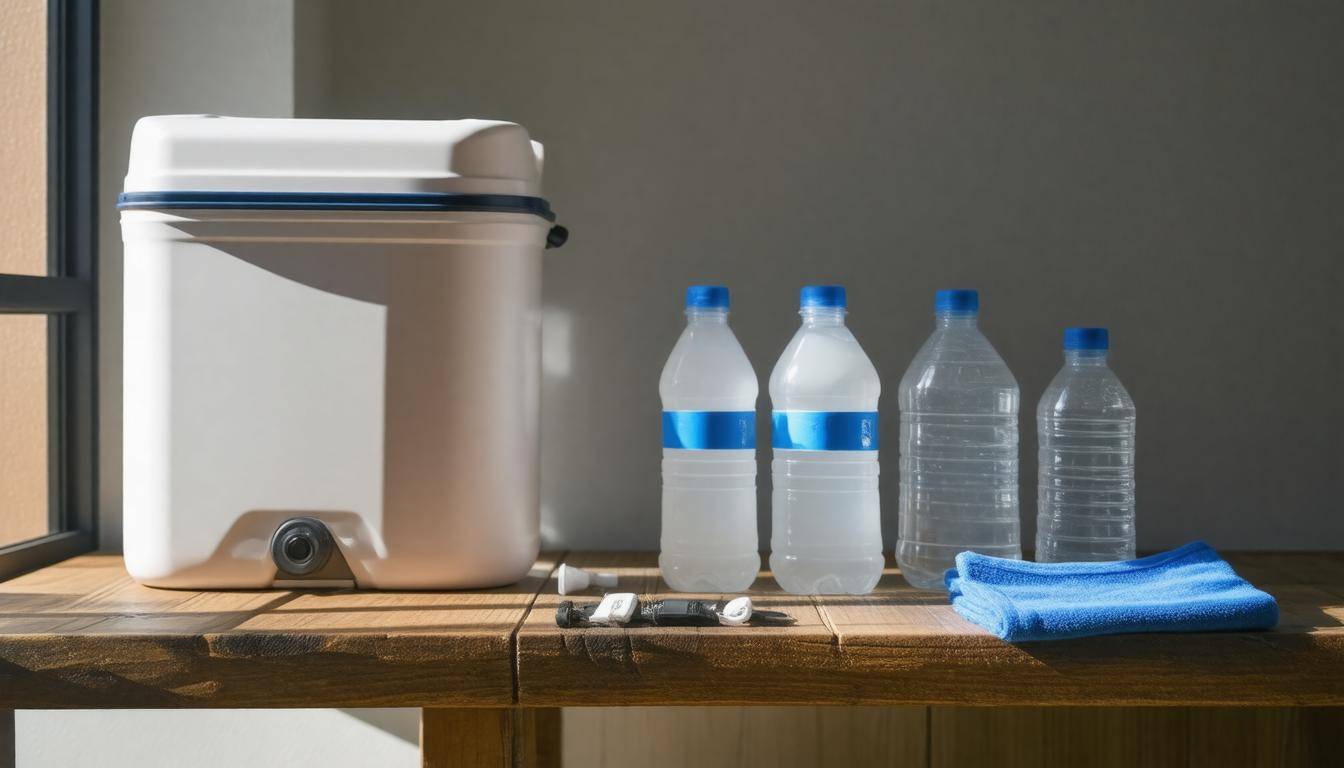
Altering daily habits can significantly extend water supplies. For instance, when it comes to your daily hygiene, consider substituting full showers with sponge baths that only require a tiny fraction of water. It might feel odd at first, but using a washcloth dampened with just enough water to clean effectively can be refreshing and sufficient. If you’re really trying to conserve, look into dry or waterless bathing solutions. Many products are now available that allow you to maintain cleanliness without using any water at all—ideal in a pinch.
Next on the list is perhaps the most tedious chore: laundry.
Laundry can be a significant water drain, but several options exist to minimize this consumption. Aim to collect laundry until you have a full load, optimizing the use of your washing machine by doing fewer yet larger loads. Utilize water-efficient machines that are designed to use significantly less water than traditional models; setting them to short, cold-wash cycles will also help conserve gray water. Alternatively, handwashing clothes using collected rainwater offers an even more sustainable approach. It requires some elbow grease but is incredibly rewarding, not only conserving resources but also connecting you back to the essentials of home care.
Combine these adaptations with mindful practices such as keeping a bucket in your shower to collect excess water while waiting for it to warm up, which can then be used for flushing toilets or watering plants. Every little bit counts, and consciously adjusting your routines can profoundly impact both your lifestyle and the local ecosystem.
These modifications foster a broader sense of community resilience in the face of unprecedented water shortages. Embracing these changes together ensures we remain proactive stewards of our environment while cultivating resourcefulness and sustainability within our households.
As we transition from practical adjustments in our daily lives, let’s take a closer look at factors specific to this region that further influence our water conservation efforts.
Regional Considerations in Western Cape
The unique geography of the Western Cape, characterized by rugged mountains and coastlines, influences water availability significantly. Residents need to be acutely aware of how these attributes shape their water supply. For instance, mountain ranges trap moisture-laden winds, creating localized rainfall while other areas remain parched. This discrepancy can impact where to source or store water.
Climate Specifics
The Mediterranean climate of the region presents its own challenges; dry summers demand proactive measures, while mild, wet winters can offer sporadic relief. However, relying solely on winter rains for annual water needs can lead to pitfalls. Each season presents unique requirements for your survival kit. During the summer, techniques such as rainwater harvesting become essential while in winter, one might want to store additional water to compensate for less evaporation when it rains heavily.
Local Regulations
Staying updated with local water restrictions cannot be overstated; ignorance here can lead to unnecessary penalties or contribute to the ongoing crisis. For example, ‘Level 6B’ restrictions during peak drought mandated that residents cut their usage down to just 50 liters per person per day—this shows how quickly regulations can shift based on circumstances. Tailoring your survival kit accordingly means knowing these limits. If you’re in an area currently facing stringent regulations, think about how you can adapt your daily life. This could mean using greywater for irrigation or investing in efficient fixtures to help stay compliant while conserving as much water as possible.
By understanding the region’s climate and current regulations, residents are better equipped to take meaningful steps towards preparedness in the face of potential water shortages. This knowledge lays the groundwork for exploring effective methods to access reliable and alternative sources of water.
Securing Alternate Water Sources
Diversifying your water sources ensures you’re not putting all your eggs in one basket. By pinpointing different avenues to access water, you create a safety net, especially in the unpredictable climate of the Western Cape.
Natural Sources
Identifying and safely utilizing nearby natural water bodies can be a significant boon. Rivers, streams, or lakes in your vicinity may provide a source of fresh water when municipal systems fail. However, it’s vital to remember that this water can harbor contaminants like bacteria or chemicals, so it needs thorough purification before use.
Consider investing in a good filtration system capable of handling sediment and microbes. Portable water purifiers or purification tablets can also be lifesavers, allowing you to treat what may appear to be clean but could still be unsafe.
Imagine being on a nature walk with your family, and you discover a stream glistening in the sunlight. It offers a seemingly perfect opportunity for hydration. But would you dare to drink straight from it? That’s where awareness comes into play; taking the time to understand how to safely collect and purify that water makes all the difference. Having purification methods ready at hand reaffirms your preparedness without compromising health.
Community Resources
Another great strategy is engaging with community water programs. Many municipalities in the Western Cape set up communal water points during critical shortages, providing residents with supplementary access to water supplies. Knowing their locations and schedules can give you an edge in securing necessary water. Stay updated on municipal resources by checking local government websites or social media channels dedicated to community announcements.
Joining neighborhood groups can also help; these networks often share real-time information about when and where communal resources will be available, saving you unnecessary trips and time.
Additionally, consider organizing community efforts such as group purchases of bottled water for those who might struggle during shortages or collaborating with local NGOs focused on resource distribution. This way, you’re not only securing your own needs but helping others in your community as well.
By establishing alternate sources, you’re setting the stage for long-term solutions that help communities stay prepared and resilient amid ongoing challenges related to the water supply.
Preparing for Future Water Shortages
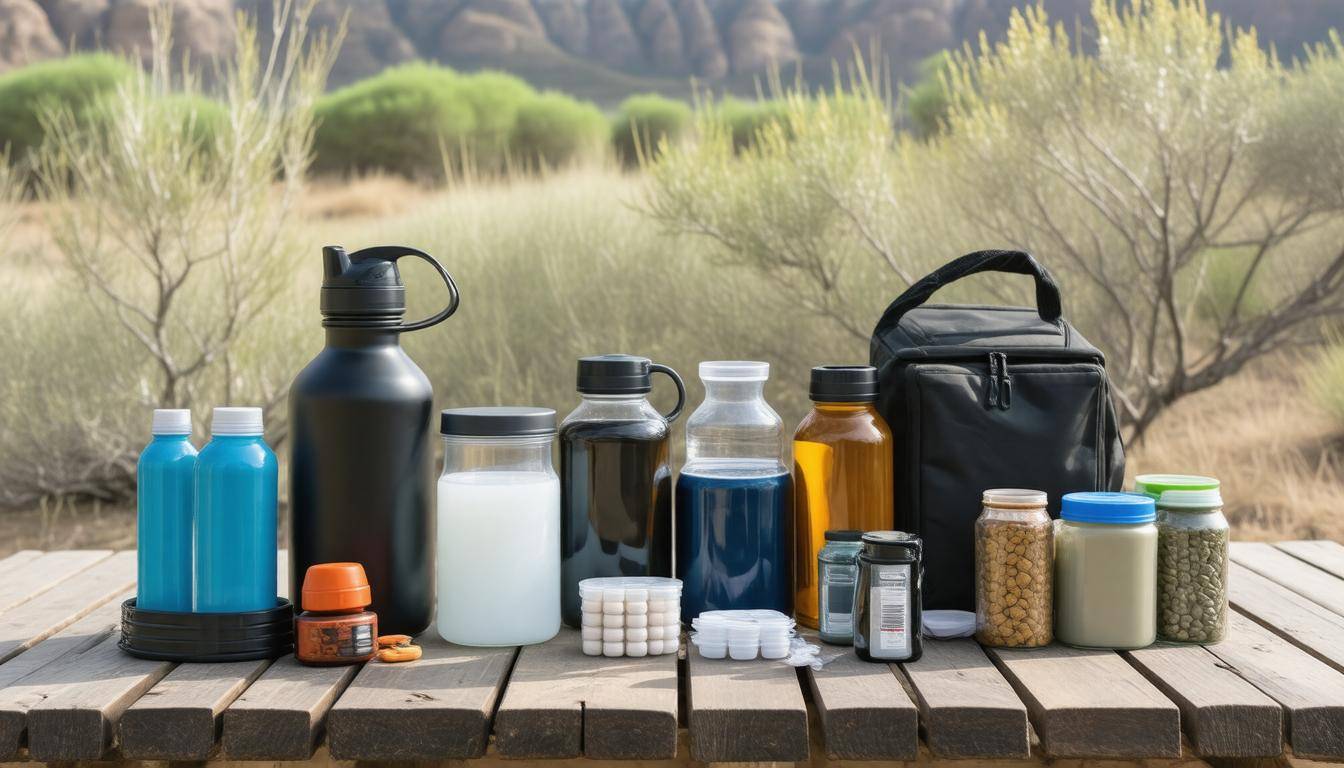
Being ahead of the curve is essential for managing your water resources effectively. One vital aspect involves incorporating forecasting tools into your planning. Using apps like the National Water and Sanitation Master Plan or other weather forecasting resources can provide invaluable insights into upcoming water availability trends. By staying informed, you’ll be better positioned to make timely adjustments to your water supply management.
For instance, if forecasts indicate a prolonged drought, you can enhance your water conservation efforts or increase your storage capacities well ahead of time.
But technology alone can’t guarantee preparedness. Regular reviews of your survival kit are equally important.
Regular Reviews
Schedule biannual check-ins to examine your water shortage survival kit. Just like we periodically clean out closets or update our wardrobes, keeping your supplies fresh is crucial. Check for any expired items—such as bottled water or purification tablets—and replace them as necessary. It’s also wise to adjust your kit based on new regulations or guidelines that might arise from local governments during water crises.
Always consider which supplies work best depending on personal experiences; perhaps you need more portable water filters after a family camping trip where they became useful.
The act of reviewing isn’t merely administrative; it’s an opportunity to refine your water strategies according to what has or hasn’t worked in the past. Think about lessons learned during previous shortages in the Western Cape—these insights can inform future strategies.
It’s not just about having supplies but ensuring that those supplies align with evolving conditions and needs.
Lastly, consider community involvement as part of your preparatory plan. Engaging with local groups focused on sustainability and resource sharing can be incredibly beneficial. Not only does this expand your knowledge through shared experiences, but it also builds a network of support that can lend hands during times of need.
Collaborate with neighbors to establish rainwater harvesting systems, share filtering systems, and even swap best practices for conserving water at home.
Each step you take today can contribute significantly to mitigating the impact of future water shortages, turning potential adversity into manageable challenges.
In facing such a critical issue, proactive measures and community collaboration emerge as powerful tools for ensuring resilience against future water shortages.