
Surviving in the Western Sahara Desert isn’t just about having the right gear; it’s about being prepared for an environment that often feels like it’s trying to outsmart you. Imagine trekking through scorching heat, barren landscapes, and unpredictable weather, wondering how you’ll find enough water or shelter. You might think you’re just going on an adventure, but without proper planning and the right tools, that excitement can quickly turn into a struggle for survival. In this article, we’ll walk you through creating an essential emergency survival kit and share key tips to ensure you not only endure but thrive in one of the world’s toughest terrains. Let’s dive in!
A Western Sahara Desert emergency survival kit should include essential supplies such as ample water, navigation tools like a map and compass, first aid materials including wound care items, emergency gear such as ponchos and fire-starting kits, and preventative supplies like sunscreen and insect repellent. Additionally, it is crucial to consider your personal medical needs and prepare a clear exit strategy in case of emergencies.
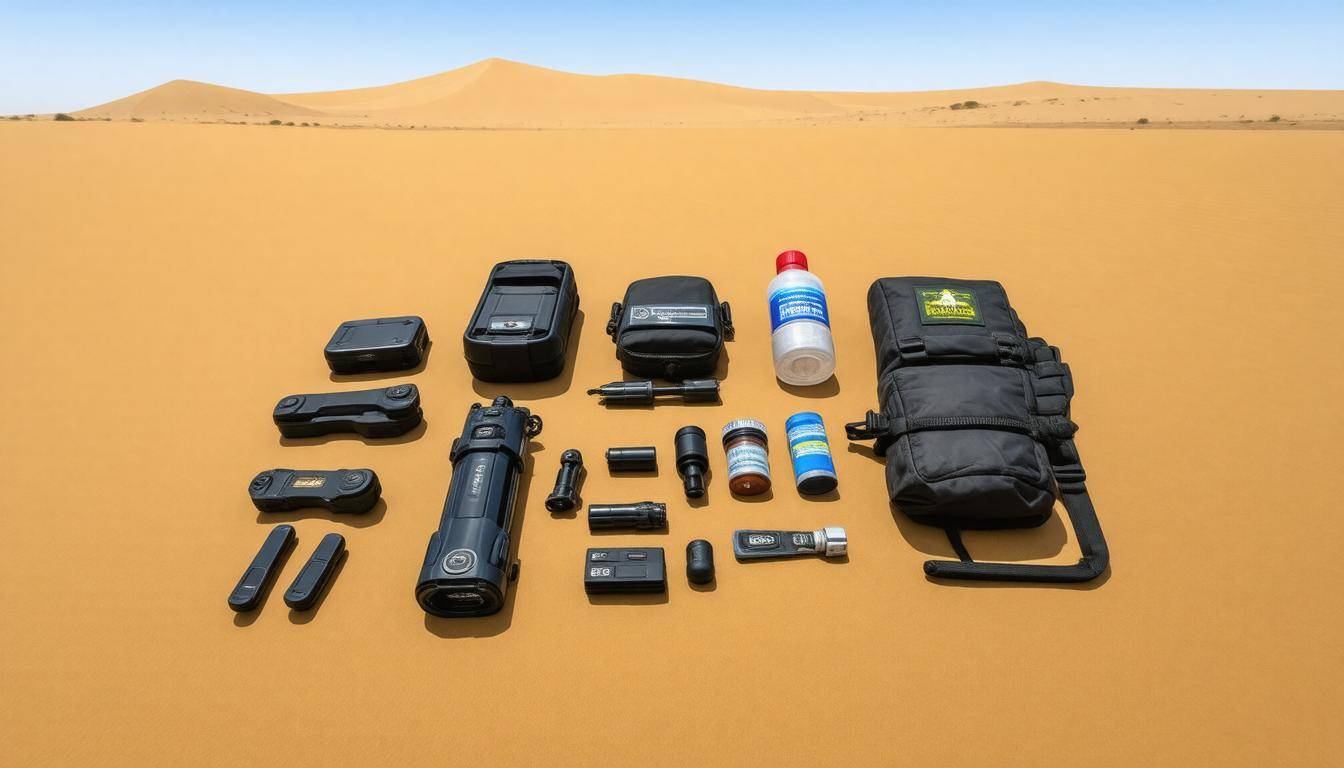
Resilience and Preparedness: Surviving the Desert
The extreme conditions of the Western Sahara require an unwavering spirit of resilience and thorough preparedness. To thrive in this unforgiving climate, you must tap into both your physical stamina and mental fortitude. Imagine yourself navigating sun-baked terrain; knowing how to recognize signs of dehydration is essential, as is understanding when to stop, regulate your energy, and care for yourself.
Planning is just as vital as execution. Consider this: the more you familiarize yourself with the desert landscape through maps or even local guidebooks, the better prepared you will be to tackle any challenges that may arise. As you prepare for your adventure, a systematic approach is key. Start by enhancing your physical conditioning; having the ability to traverse tough terrain can significantly improve your chances of survival. This means incorporating endurance exercises into your training routine—think hiking with weight, interval running, or using stair climbers at the gym.
But it’s not just about physicality; mental preparation plays an equally important role.
There’s an old saying that goes, “What doesn’t kill you makes you stronger.” This rings particularly true in desert survival scenarios. Remaining calm under stress helps in decision-making—whether that involves finding shade during midday heat or carefully rationing water. A clear head allows for calculated actions, essential when every move counts towards your survival.
In addition to cultivating resilience through mindset and fitness, consider some practical steps for preparation:
-
Practice Navigation Skills: With vast expanses devoid of landmarks, honing skills with a map and compass will become invaluable.
-
Build Knowledge of Terrain: Learning about plants and wildlife familiarizes you with potential food sources and hazards.
-
Emphasize Water Management: Knowing where and how to find water is crucial. Look for signs like vegetation or animal tracks that might lead to sources.
Now let’s touch on gear selection; it cannot be overstated how critical it is to have reliable equipment on hand. Lightweight shelters that reflect sunlight can provide respite, while durable hydration packs ensure that water remains accessible at all times. Include emergency gear like ponchos or fire-starting kits prepared for unexpected weather changes or emergencies.
Each element of preparation feeds into another; without one part functioning properly—be it physical conditioning or knowledge—your overall effectiveness may wane when you’re faced with the harsh reality of desert survival.
Finally, don’t forget about psychological resilience; it’s often overlooked but immensely powerful. Engaging daily in mindfulness practices can enhance focus and calm. Envisioning scenarios beforehand —such as encountering an unexpected storm—can train your mind to adapt quickly when those situations materialize. Aim to break the challenges ahead into manageable pieces while maintaining the goal of emerging unscathed from adversity.
As you prepare for the trials ahead in such an unforgiving landscape, understanding each element of resilience primes you for what lies ahead, paving the way for skillful construction of your essential supplies.
Building Your Own Desert Survival Kit
First and foremost, it’s essential to understand that a proper survival kit should be tailored to your specific needs and those of your group. The glaring sun and extreme dry conditions of the desert can quickly deplete resources, so prioritizing items that cater to hydration, navigation, and shelter is crucial. For instance, carrying sufficient water purification tablets ensures you always have access to safe drinking water when natural sources may be scarce.
Comprehensive Supplies
A comprehensive kit will address multiple survival needs, enhancing your chances of emerging from challenging situations safely. Here’s a closer look at some vital components you should consider:
| Item | Purpose |
|---|---|
| Water Purification Tablets | Ensure safe drinking water |
| Multi-tool | Versatile tool for various uses |
| Fire-starting Kit | For warmth and cooking |
| Emergency Blanket | Retain body heat at night |
| Signal Mirror | Attract attention for rescue |
Each item on this list serves an essential function, but their importance magnifies when combined during an emergency. The fire-starting kit not only aids in cooking food but also provides warmth on chilly nights—a necessity in the desert’s stark climate.
However, it doesn’t stop there; other crucial items further enhance your preparedness.
Additional Essential Items
- Strong, windproof flashlight
- High-energy, non-perishable food items
- Rope and duct tape for repairs
- Waterproof matches or lighters
- Whistle for signaling
The inclusion of a strong, windproof flashlight can make navigating after sunset significantly safer—a time when many mistakes happen due to poor visibility. High-energy snacks like energy bars or dried fruits are indispensable as they provide immediate fuel without taking up much space in your pack.
In high-pressure situations, a well-placed whistle can be critical for signaling rescuers; its sound carries far more efficiently than shouting would.
James, a seasoned hiker who faced an unforeseen desert challenge shared his story: “The multi-tool saved my life when I needed to repair my water container.” His experience highlights the value of versatile gear; having tools that can serve multiple purposes is invaluable.
These essential supplies set the groundwork for effective survival strategies—next, we will explore the integral aspects of maintaining hydration and essential nutrients in the harsh environment.
Essential Water and Nutrient Supplies
Hydration truly is the lifeblood of your desert adventure. The recommendation to drink at least one gallon of water per person per day isn’t just a guideline; it’s a necessity for preventing dehydration and heat exhaustion. When you’re out under that blazing sun, sweating away the fluids, it’s essential to replace what you’re losing, and then some.
It might seem heavy – about 24 pounds for a three-day trip – but there are ways to lighten the load without compromising safety. One tip is to use collapsible water containers that can be refilled as you find sources along your journey. Another option is hydration bladders, which comfortably fit into your backpack and make sipping on the go effortless.
But remember, it’s not all about water. You need high-energy food that complements your hydration efforts to fuel your body effectively.
High-calorie, nutrient-dense foods are vital in sustaining energy levels during your trek. Think of trail mix packed with nuts, seeds, and dried fruits – they provide a perfect blend of fats, proteins, and carbohydrates. Not only are they lightweight and portable, but they also deliver quick energy boosts when you need them most.
Energy bars are another great option; they offer concentrated calories without taking up much space in your pack, providing easily digestible fuel on the move. Additionally, dehydrated meals can be excellent for dinner time; just add boiling water, and voilà! You’ve got a warm meal ready in minutes. These foods hold up well in extreme temperatures and won’t spoil like perishable items would.
In deserts like the Western Sahara, planning your meals around these simple yet effective options can make all the difference when it comes to maintaining strength and stamina.
Don’t forget that electrolytes are as critical as water. Consider adding electrolyte tablets or powder to your water supply to replenish lost minerals from sweating. This small addition can help stave off fatigue and muscle cramping during arduous hikes.
Beyond just food and water, understanding caloric requirements for survival becomes vital as you prepare for your journey.
It’s worth noting that adults typically require 1,500 to 2,000 calories a day for survival – even more if you’re exerting yourself in such challenging conditions. To meet this caloric intake efficiently while hiking through desert terrain, carefully chosen food items can play a key role:
| Food Item | Approximate Calories (per serving) |
|---|---|
| Dried Fruits | 250 calories per 100 grams |
| Nuts | 600 calories per 100 grams |
| Energy Bars | 200-300 calories per bar |
With these appetizing choices at your disposal, you should have no trouble meeting your nutritional needs while tackling the arid wilderness.
Understanding how to manage both hydration and nutrition significantly enhances your chances of survival during harsh desert conditions. As you gather these essential supplies, recognizing the importance of navigation tools will further equip you for a successful journey ahead.
Tools for Navigation and Safety
Navigating the vast expanse of the Sahara is not just about finding your way; it’s about survival. The landscape can be disorienting, with endless dunes stretching in every direction, making it crucial to have reliable tools by your side. Electronic devices, while convenient, should never overshadow the importance of mastering traditional navigation skills. It’s a partnership; technology provides helpful convenience, but traditional tools offer essential backup when things go awry.
Electronic and Traditional Tools
Your first line of defense should be an accurate GPS device, which can pinpoint your location within ±5 meters—an invaluable asset when you’re lost in the swirling sands. Aim for devices with robust battery life, ideally lasting 20-30 hours on a single charge. However, don’t let this technology create false confidence; always carry a traditional compass as well. A liquid-filled baseplate compass offers precision, typically accurate to within ±1 degree.
Remember, maps hold a wealth of information that electronic devices might overlook. A waterproof and tear-resistant topographical map of your region can provide insights that might save your life if your GPS fails.
The debate surrounding reliance on GPS continuously surfaces among outdoor enthusiasts. Many argue that GPS has revolutionized navigation to such an extent that old-school methods have become unnecessary. Yet experience teaches us differently: GPS devices are notoriously finicky in extreme conditions; they can overheat or suffer battery depletion silently. In contrast, compasses turn naturally towards magnetic north without fail. Herein lies the truth: blending both technologies can bolster safety—for instance, knowing how to read a map and taking bearings from landmarks ensures you won’t be caught off guard if one element fails.
Consider the cautionary tale of a hiker who ventured into the Sahara in 2021 without understanding this balance. His GPS device failed him amidst the unforgiving heat, leaving him disoriented and anxious as he scrambled for solutions. Luckily, with his trusty compass and a well-worn map tucked away in his pack, he was able to navigate towards a nearby outpost where rescuers located him.
Preparation is critical when exploring wilderness areas like the Sahara. By equipping yourself with these indispensable tools—GPS devices for quick pinpoint accuracy and compasses alongside maps for reliability—you’ll boost your navigational skills and significantly increase your chances of a safe return home. Planning ahead means anticipating challenges before they arise—empowering yourself with knowledge and equipment that will see you through adversity.
As vital as effective navigation is in harsh environments, proper sun protection and choosing the right clothing are equally important in ensuring safety against the elements.
Sun Protection and Clothing Choices
The sun’s rays can be relentless in the desert, leading to severe burns and an increased risk of heatstroke if you’re not adequately protected. First off, it’s essential to invest in clothing that is lightweight and provides coverage. Layering your clothing creates a barrier against the sun’s harmful ultraviolet (UV) radiation while still allowing your body to breathe. Fabrics such as polyester or nylon are preferable as they offer moisture-wicking properties, keeping you cooler and more comfortable than traditional cotton, which traps heat and moisture.
As you prepare for your adventure, make sure to choose loose and light-colored clothing that reflects sunlight rather than absorbs it. This kind of attire protects your skin and helps keep your body temperature down.
Additionally, layering allows you to adjust easily to changing temperatures throughout the day. For instance, an outer layer made of breathable material can protect against wind or unexpected evening chill without overheating during the day.
When dressing for the desert, think of it as creating a protective shell around yourself, ensuring both comfort and safety.
A wide-brimmed hat also plays a crucial role in shielding your face, neck, and ears from the harsh sun. Opt for hats with at least a three-inch brim; this ensures maximum coverage and protection from UV rays.
Furthermore, don’t forget about eye protection! Sunglasses should have UV protection to safeguard your eyes from glare and harmful rays. They help reduce eye strain and protect sensitive skin around the eyes too. Many people overlook this aspect of sun safety, leading to discomfort and potential long-term damage.
Adjusting your clothing choices to include these elements—loose layers, light colors, ample hats, and serious sunglasses—will profoundly impact your comfort level while navigating the unforgiving terrain of the desert. Remember, this isn’t merely a matter of style; it’s about ensuring functionality and well-being under those fierce desert skies.
Emphasizing these strategies is crucial because preparation doesn’t stop once you’ve packed your backpack; investing time in selecting suitable clothing can save you from unnecessary suffering or even life-threatening situations on your journey through one of the world’s most challenging environments.
Having equipped yourself with the right clothing essentials, let’s now explore how to create effective shelter solutions that will enhance your survival prospects in extreme conditions.
Emergency Shelter Strategies
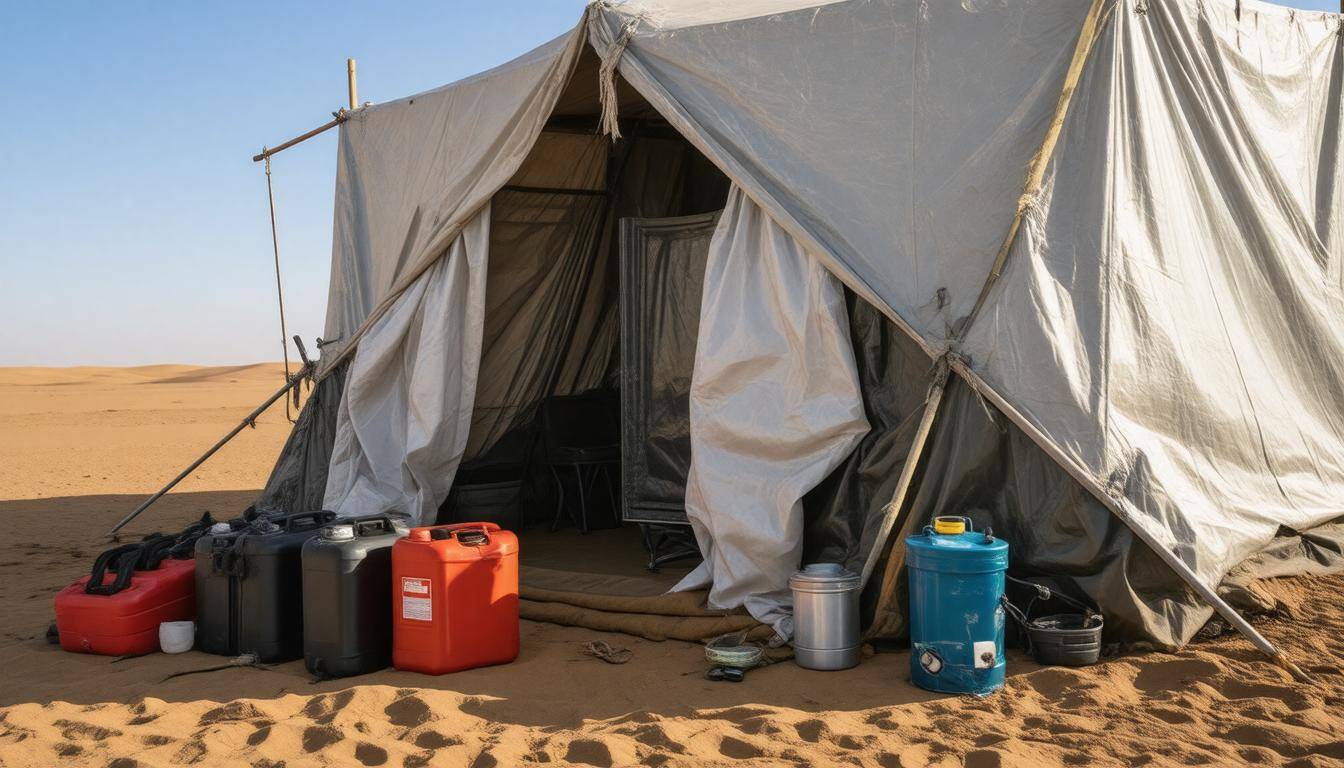
Building an emergency shelter is crucial for protection against extreme temperatures and sudden sandstorms common in desert environments. The intense heat during the day can sap your energy and cause dehydration if you’re not adequately shielded, while nighttime temperatures can plunge to chilling lows. Therefore, having a sound strategy for providing shelter can make all the difference between life and death.
Shelter Types
It’s essential to use adaptable materials for shelter that you may have on hand. A lightweight, reflective emergency blanket can be versatile; during sunny days, it serves as an effective shade shelter, protecting you from harmful UV rays. At night, this same blanket can act as a windscreen, helping to retain body heat while you sleep. Take it from experienced adventurers: those who rely on this ingenuity often find that resourcefulness saves lives.
Moreover, constructing a simple lean-to with poles and ropes can significantly enhance your safety. This method involves placing a sturdy branch against a rock or another solid surface to create an angled roof, using leaves or other debris as additional insulation. The undercover will shield you from flying debris during sandstorms while also providing some cover from the elements.
Another practical option is digging a trench and covering it with fabric or a tarp—this provides excellent protection from wind and heat. Not only does this create a cozy enclave to rest in, but the earth itself serves as natural insulation both during hot days and frigid nights.
Tactical desert explorers frequently utilize bivouac sacks, which are compact and facilitate quick shelter setups. Jim Slack, a seasoned desert survival instructor, swears by these simple yet efficient solutions because of their effectiveness in environments where every ounce of gear matters.
Incorporating various shelter strategies ensures that you adapt to changing conditions effectively. Your choices reflect not just your preparedness but also your ability to survive against the odds.
As you consider how to protect yourself from the harsh desert environment, the next focus shifts to vital aspects of ensuring your well-being amidst potential injuries or health risks.
First Aid Essentials for Desert Survival
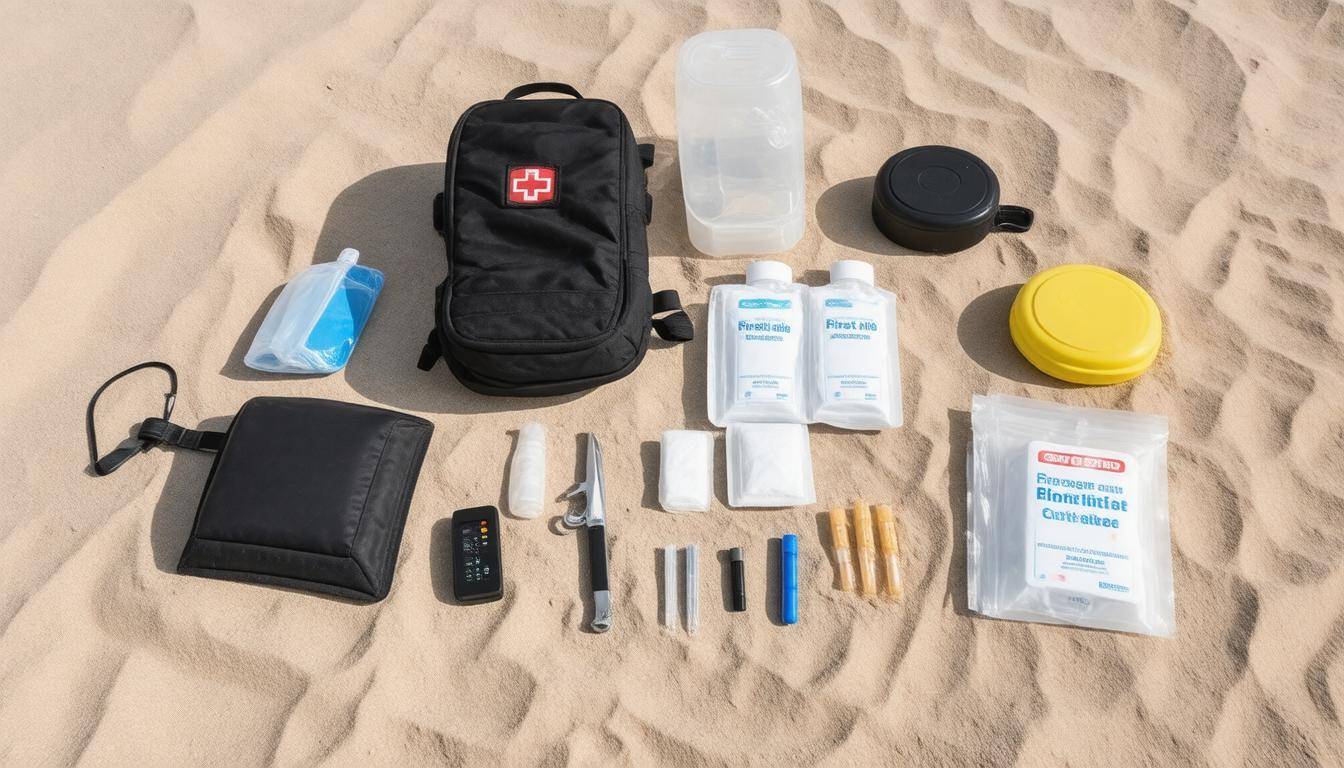
In the harsh conditions of the desert, even minor injuries can morph into significant issues if not addressed promptly. The dry climate and exposure to elements make wounds susceptible to infection, which can escalate quickly if you’re far from help. Therefore, a well-stocked first aid kit is your best ally in managing any injuries that may occur during your adventure. Think of it as your personal lifeline, a small but mighty resource brimming with essential items.
Just like you wouldn’t pack for a trip without clothes or food, neglecting to prepare your first aid kit is equally unwise. It’s crucial to include antiseptic wipes for cleaning cuts and scrapes; this helps reduce the risk of infection significantly. Bandages in various sizes are also indispensable since they allow you to cater to different types of wounds—think large abrasions versus tiny blisters on your feet. Tweezers are another essential tool for removing splinters or debris trapped in your skin that could become problematic later.
Managing Hydration and Allergies
Dehydration can sneak up on you in arid environments, so including electrolyte tablets is a must for replenishing essential minerals lost through sweat. Similarly, antihistamines should find a home in your kit as they provide relief from allergic reactions to flora or fauna you might encounter—this is especially important given that desert plants often trigger allergies.
Remember, prevention is always better than cure. Being prepared allows you to act swiftly when something goes awry.
Wounds need immediate attention; contaminants in the air can lead to infections if left untreated. By preemptively packing these items, you’re not just ensuring comfort but actively safeguarding your well-being during excursions into the wilderness. Timely cleaning and dressing wounds is critical; what seems like a minor scrape today could threaten your health tomorrow if neglected.
A comprehensive first aid kit fosters peace of mind as well. It isn’t merely about equipping yourself with supplies but also about empowering yourself with the knowledge that you are prepared for any situation that may arise when trekking through unpredictable terrains.
As we move forward, understanding how to locate and save essential resources will become equally vital in ensuring safety and survival.
Tips for Finding and Conserving Water
Finding water in the desert can feel like searching for a needle in a haystack, yet a well-honed strategy can turn desperate thirst into assured hydration. One effective approach is to remain vigilant for clues within your environment. Vegetation clusters are crucial indicators; plants like cacti not only provide shade but may also hold precious moisture inside their thick skins.
When traversing the landscape, pay attention to depressions or dips in the terrain, as these areas often collect water runoff during rare rains, making them potential sources of hydration.
For instance, the Tuareg people, who have thrived in similar climates for generations, possess extensive knowledge on sourcing water in challenging conditions. They expertly dig around dry riverbeds, where they know that underground aquifers might lurk just a few feet below the arid surface. This technique exemplifies how understanding local geography can enhance your chances of finding water.
Once you’ve successfully sourced water, the next critical step is to make sure you conserve it wisely.
Conservation Techniques
Water conservation is essential when you’re in a hot climate, given that every drop counts. To start, ration your intake: take small sips rather than gulping down large amounts at once. This way, you stretch out your supply over a longer period while ensuring you stay hydrated enough to function. Furthermore, avoid drinking water unless absolutely necessary—this helps preserve what you have until you can find more.
Timing is everything when navigating desert terrains. It’s imperative to avoid strenuous activities during peak heat hours, typically between 10 AM and 4 PM, when temperatures soar to dangerous levels. Instead, consider sheltering in shaded or cooler areas during this time; this not only protects you from the sun but also minimizes excessive sweating which could lead to dehydration.
“Remember that conserving energy is as valuable as conserving water.”
Plan your travels for early morning or late evening when temperatures drop; this strategy will allow you to cover distance efficiently while managing both your energy and water reserves better.
Additionally, wearing light-colored clothing can help reflect sunlight rather than absorb it — an often-overlooked strategy that contributes to staying cool and reducing sweat production.
With these strategies at your disposal, you’ll significantly increase your chances of surviving one of nature’s harshest environments while keeping hydrated. Always remember that preparation is key; being proactive about finding and conserving water can mean the difference between life and death in the unforgiving deserts of the Western Sahara.
In facing the realities of such extreme environments, knowledge and readiness transform challenges into manageable quests for survival. Prioritizing essential strategies ensures that hydration remains constant amidst adversity.