
When you think about adventure in the great outdoors, wetlands might not come to mind first. Often considered muddy and full of mosquitoes, these unique ecosystems actually provide excitement and beauty for those willing to explore them. However, as enchanting as they are, wetlands can turn treacherous if you’re not prepared. From unexpected weather changes to tricky terrain, having a Wetland Emergency Survival Kit is your ticket to safety and thrill. In this article, we’ll walk you through essential items that will help ensure that your time spent in these magical landscapes remains enjoyable and secure. So, gear up and let’s dive into what you need to stay safe while exploring!
A Wetland Emergency Survival Kit should include fire starting tools, water purification methods such as iodine tablets, first aid supplies for managing minor injuries, a flashlight for visibility, compact paracord for versatile uses, and a cash reserve for emergency purchases. These items ensure preparedness and safety during outdoor activities in wetland environments.

Must-Have Items for Wetland Emergency Survival
When venturing into wetlands, the right tools can mean the difference between a minor inconvenience and a serious survival situation. Start with a multi-tool; it’s an indispensable piece of gear that packs a lot of functionality into one compact unit. Whether you’re building a makeshift shelter or repairing broken equipment, having a multi-tool on hand will help you tackle various challenges without adding excessive weight to your pack.
Next up, consider including paracord in your kit. This strong yet lightweight cord is incredibly versatile; not only can it be used to secure gear, but it’s also invaluable when it comes to setting traps for small game or fashioning an emergency shelter. Its utility extends beyond survival situations—paracord can also come in handy for everyday tasks like fixing tired shoelaces or tying down a flapping tent.
Now that we’ve discussed essential tools, let’s talk about the critical need for water purification.
Clean drinking water cannot be overlooked. Including iodine tablets in your survival kit is essential, as they enable you to purify water quickly, making it safe for consumption. Just one tablet can treat approximately one liter of water, allowing you to hydrate efficiently even if you’re far from clean sources. Additionally, consider investing in a portable water filter like Lifestraw. This remarkably effective tool eliminates bacteria and parasites from any sourced water, serving as an excellent backup for more immediate purification needs.
It’s vital to remember that while wetlands may seem idyllic, the untreated water can be breeding grounds for harmful microorganisms that could affect your health.
With hydration addressed, let’s illuminate how to navigate through these often dimly lit environments.
Navigating wetlands during low-light conditions can be tricky; thus, packing a reliable waterproof flashlight is non-negotiable. Opt for an LED model with extra batteries so you remain prepared even in heavy rain or foggy scenarios. A flashlight with at least 200 lumens will ensure you maintain visibility while exploring, spotting hazards before they become problematic. Ensure it’s compact enough not to weigh down your gear but powerful enough to light the way through densely vegetated areas or when night falls unexpectedly.
Always check your flashlight’s battery life before heading out and carry spares to avoid being left in the dark literally!
As we explore more about outdoor safety, understanding what protective wear and gear is necessary will be crucial for ensuring complete preparedness in the field.
Protective Clothing and Gear
Wetlands present unique challenges that require careful consideration when selecting your clothing and gear. The unpredictable weather changes and varied terrain demand attire that protects you and enhances functionality during outdoor activities. For this reason, investing in moisture-wicking, quick-dry materials is crucial. These fabrics help keep sweat away from your skin, preventing discomfort and chills, especially if you find yourself caught in an unexpected rain shower.
Furthermore, layering your clothing is a smart strategy; it allows you to adjust quickly to fluctuations in temperature, ensuring that you stay comfortable whether you’re hiking in the heat or resting during a chilly evening.
Clothing Essentials
Opting for waterproof outer layers should be at the forefront of your mind when choosing how to dress for wetland adventures. A good quality waterproof jacket can be your best ally against wind and rain while still allowing for breathability. Look for jackets with features like ventilation zippers; they provide airflow without compromising protection from the elements.
Underneath, wearing thermal base layers helps keep your body warm without adding bulk. Remember, the right attire enhances comfort and can also prevent hypothermia if you encounter unexpected wet conditions.
As we transition down to the feet, let’s discuss what footwear will keep you stable during all those muddy encounters.
Footwear
Your choice of footwear is another essential element of your wetland survival kit. Invest in high-quality waterproof boots that offer ample ankle support. These boots should have non-slip soles designed particularly for slippery surfaces to prevent falls and ensure you can traverse muddy patches safely.
A well-fitting boot is vital; something too tight can lead to blisters after hours of walking, while boots that are too loose may make it difficult to navigate uneven ground effectively. It’s also worth considering boots lined with insulating material if you’ll be exposed to cold waters or chilly air.
Beyond clothing and footwear exists additional protective gear that further safeguards you against the elements.
Additional Gear
Besides clothes and boots, equip yourself with other critical pieces of gear. Waterproof gloves are indispensable for keeping your hands dry and warm while you handle equipment or perform tasks related to your adventure. They also protect against scrapes while navigating through underbrush or rough terrain.
Don’t forget about headgear—a wide-brimmed hat offers great sun protection during hot days while shielding your face from rain when the weather turns sour. If you’re keen on maximizing versatility, consider a water-resistant cap with ventilation holes; it keeps moisture out and provides adaptability across different types of weather.
Having prepared with appropriate clothing and gear positions you well for success in dynamic environments where every detail matters. Let’s explore tools that enhance navigation efficiency, ensuring you find your way through these rugged terrains.
Efficient Navigation Tools
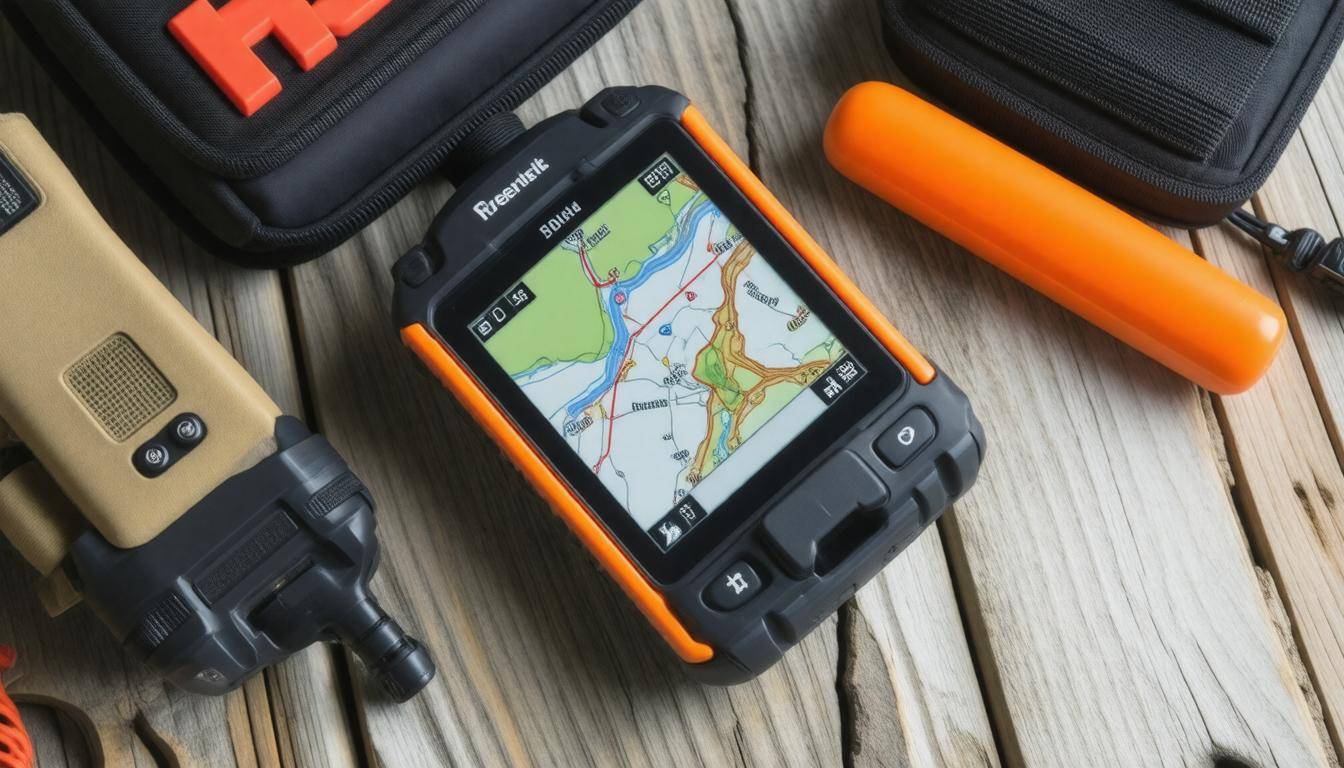
Navigating wetlands can be treacherous, especially when familiar landmarks disappear behind dense vegetation or when paths converge in confusing ways. In these moments, reliable navigation tools become your lifeline. The harmony between modern technology and timeless traditional instruments ensures that you’re never truly lost.
GPS Devices
Modern GPS devices serve as the first line of defense against getting lost in the wilderness. Their real-time location tracking capabilities allow you to pinpoint your position with impressive accuracy. However, not all GPS units are created equal. Look for models specifically designed for outdoor adventures—those with long battery life and waterproof casings stand out during inclement weather or extended treks into wetland terrain where you’re bound to encounter splashes and spills. It’s wise to recharge your device before any major journey and keep a portable charger just in case!
Imagine the peace of mind you’ll have knowing that you can locate yourself even under thick foliage or amid unforeseen obstacles.
Traditional Tools
While GPS devices are invaluable, they can fail unexpectedly, such as during low battery or loss of signal. This is why carrying traditional navigation tools is essential. A good quality compass paired with a detailed topographic map can save you when technology is rendered useless. Learning how to read and use these tools allows you to maintain spatial awareness of your environment.
Consider how simple yet effective these components are: a compass gives direction, while a topographic map reveals elevation changes, bodies of water, and other vital landscape features that may not be apparent at a glance. When the digital world shuts down, these traditional tools ensure you’re equipped to navigate back safely.
- GPS Device: Ensure it has long battery life and waterproof casing.
- Compass: Invest in a durable model for consistent reliability.
- Topographic Map: Familiarize yourself with local terrain and study potential landmarks.
Embracing both high-tech gadgets and reliable traditional tools empowers you to venture confidently into the wild. Each tool plays its role, making it possible to explore with security and assurance while preparing for what lies ahead in terms of food and water supplies.
Sustenance Essentials: Food and Water Supplies

Ensuring you have the right food and water supplies is vital for survival, especially in challenging environments like wetlands. When adrenaline kicks in during an emergency, maintaining energy and focus becomes paramount, and this is where strategic planning pays off.
Food Supplies
-
Energy bars and trail mix: These are staples in any outdoor survival kit due to their high-calorie content and long shelf life. They’re lightweight, easy to pack, and provide quick energy. Think of energy bars as a compact power source—perfect for when you need to restore stamina quickly.
-
Freeze-dried meals: Ideal for a survival kit because they require minimal preparation. Simply add hot water and wait a few minutes; you’ll have a nourishing meal that’s incredibly light to carry. Their long shelf life means you won’t need to worry about spoilage.
Aim to carry enough food supplies to last at least 72 hours. This time frame ensures that you can sustain yourself until help arrives or until you’re able to find your way back.
Water Supplies
Securing a reliable source of drinking water cannot be overstated. In addition to purification tablets—useful for turning questionable sources of water into safe drinking options—portable water bladders serve as excellent storage solutions that conserve space while carrying the essential liquid resource.
It’s important to remember that while water is heavy, carrying just enough to get through to the next clean water source can be a lifesaver. For planning purposes, consider at least 1 gallon (or roughly 3.8 liters) per person per day when strategizing your supplies. This guidance not only covers hydration but also sanitation needs.
Practical Tips
A well-rounded approach includes blending both food and water preparations tailored specifically for the conditions you anticipate facing. Whether navigating through heavy undergrowth or staying put in uncharted territory, be ready by packing a blend of pre-packaged high-calorie options alongside easily consumable items.
Focusing on these essential components—food and water—increases your chances of staying energized and effective in any survival scenario. As we transition to discussing tools necessary for igniting flames, let’s explore ways to ensure warmth and safety in wetland environments.
Fire-Starting Tools
Fire is not only an essential ally for warmth and cooking but also a critical tool for signaling help in emergency situations. When you’re out in nature, temperatures can drop unexpectedly, and being able to create fire can be lifesaving. The choice of fire-starting tools can significantly impact your chances of success, which is why equipping yourself with the right gear is paramount.
Electric Lighters
One of the standout options available today is the electric lighter. These devices are becoming increasingly popular due to their reliability and USB rechargeable feature, making them an eco-friendly choice. Unlike traditional lighters, electric models do not rely on lighter fluid or gas that can run out or fail in wet conditions. They generate an electric arc that ignites tinder effortlessly, allowing you to start a fire even when it’s rainy or windy—a game changer for outdoor enthusiasts.
Imagine standing in the rain, struggling to light a match while shivering from the cold; an electric lighter would not only be quicker but more effective.
Traditional Methods
Alongside the modern innovations of electric lighters, it’s wise to include traditional fire-starting methods in your kit. Waterproof matches and magnesium fire starters are time-tested tools that should be part of your arsenal. However, those fragile matches need protection! Storing them in a waterproof container ensures that they remain dry and ready to use when needed.
Here’s a valuable tip: Always have multiple sources of ignition—think of it as redundancy for safety. Even if you pack waterproof matches, consider adding additional fire starters like ferrocerium rods or magnesium kits. These methods complement each other well; traditional items may seem simple, but they work effectively when it really counts.
Additional Considerations:
- Ferrocerium Rod: Produces sparks exceeding 3,000°F (1,650°C) when scraped with metal.
- Waterproof Matches: Especially useful during rainy conditions; they ignite easily even when wet.
- Magnesium Fire Starter: Provides excellent versatility with its dual function as both spark source and fuel.
By incorporating a mixture of modern and traditional techniques into your survival kit, you can prepare effectively for any situation while enjoying peace of mind during your outdoor adventures.
This layered approach to fire-starting tools ensures you’re never without a way to create warmth and safety when you need it most.
With fire-making gear secured, it’s crucial to consider how you’ll keep in touch with others during uncertain times. Let’s explore tools that enhance communication under various conditions.
Communication Devices
In the unpredictable environment of wetlands, having reliable communication devices can significantly increase your chances of survival. Among these, satellite phones are a must-have. Unlike standard cell phones that often struggle to connect in remote, swampy areas, satellite phones offer coverage almost anywhere on Earth, ensuring you can reach help when you need it most.
When selecting a satellite phone, prioritize models known for their excellent battery life and rugged designs. This way, you ensure durability in harsh conditions while maintaining long-lasting performance, which is vital during emergencies.
Furthermore, consider backup options like signaling devices. These tools serve as an effective complement to your primary means of communication, especially when technology fails or if you find yourself without power. Think about adding flares and whistles to your kit—these items are compact and lightweight but can prove instrumental in attracting attention when you’re in distress.
A simple flare can light up the night sky, making you visible from miles away, while a whistle can carry over long distances without exhausting your energy.
Additionally, don’t overlook the importance of a signaling mirror. This seemingly simple tool can reflect sunlight and catch the eyes of searchers from afar, serving as a silent yet effective beacon. Always include some non-battery reliant communication methods in your survival kit; they can be invaluable when electronic devices fail due to water exposure or low battery.
The beauty of keeping these backup signaling devices handy is that they require no complex operation—no coding or intricate tech skills, just simplicity and effectiveness. When assembling your kit, remember: it’s about diversifying your means of communication so that you can adapt to whatever challenges nature throws at you.
These various communication tools not only safeguard your ability to call for help but also empower you with greater preparedness. As we shift our focus now, let’s explore how to create a supportive shelter and essential first aid supplies for emergencies in the wild.
Emergency Shelter and First Aid
Being protected from the elements while tending to injuries is not just a luxury; it’s essential for survival. When you’re out in wetlands or remote areas, weather can turn unexpectedly, and without proper shelter, you may find yourself exposed to harsh conditions.
A portable shelter option like a compact waterproof bivvy or an emergency space blanket can provide immediate refuge. Keeping it lightweight ensures you’re not burdened during your outdoor adventures. If your pack allows for a little extra room, consider including a small, lightweight tent. Such tents offer more robust protection against the elements and give you a secure space to rest or treat any minor injuries.
Moving on from shelters, let’s explore the essentials of a comprehensive first aid kit.
Now let’s talk about what a well-prepared first aid kit should contain. At a minimum, every kit should include basic items such as bandages, antiseptic wipes, tweezers for tick removal, medical tape, and pain relievers like ibuprofen or acetaminophen. However, being slightly overprepared can save the day in urgent situations. Adding items like an aluminum splint can provide necessary support for sprains or fractures while a skin stapler may be invaluable for closing deeper cuts until professional help is reachable.
“Preparedness is next to godliness.” It’s vital to take stock of what’s inside your kit before you head into the field.
ONLINE RESOURCE
For those looking to enhance their preparedness, check our detailed first-aid kit guide for more specifics on what to include. Proper preparation isn’t just about having items; it’s about knowing when and how to use them effectively. This awareness could mean the difference between a minor setback and a serious emergency in the wilderness.
As we transition from understanding essential gear to focusing on how to efficiently organize these vital supplies, let’s examine effective ways to package everything for your next adventure.
Packaging Your Wetland Survival Kit
How you pack your survival kit can significantly affect your efficiency during a critical moment. Take the time to consider each item and how best to store it.
Begin with a durable waterproof backpack or dry bag—preferably one with a capacity between 20 to 30 liters—to keep all your gear secure against wet conditions. This decision alone can protect your supplies from the elements, which is paramount in unpredictable environments like wetlands. Aim for a total weight of no more than 10-15% of your body weight; this not only makes transport more manageable but also helps avoid fatigue during outdoor pursuits.
Effective organization plays a key role in survival. If items are jumbled together, the last thing you want is to be fumbling around when time is of the essence.
Step-by-Step Guide
When packing, start with waterproof packs for each category of your supplies. First aid materials should be stored in small, sealed bags within the larger pack. This arrangement keeps them dry and ensures that if one part gets wet, the rest stays safe. Consider food supplies; these can go in a distinct pouch clearly labeled as “food.” The clearer your system, the easier it will be to find exactly what you need on short notice.
Another essential consideration is accessibility. Place frequently used items at the top of your pack or in easy-to-reach side pockets. Items like your map, compass, and water purifier should be immediately available since they play an intricate role in both navigation and hydration—critical aspects of survival in remote areas. No one wants to dig through layers of gear for essential tools when every second counts.
Extra Tip
Lastly, I highly recommend attaching a small inventory list inside your pack. Regularly check and update it to reflect what’s been used and what remains on hand. This simple task can save you much confusion later when you’re trying to recall what’s available or restock after your adventure. Just picture it: you’re stuck in a challenging situation and need a specific item—but you can’t remember if it’s actually there because it wasn’t listed! Keeping track ahead of time mitigates panic and helps maintain focus on safety.
By packaging your Wetland Emergency Survival Kit properly, you increase not only your chances of easily locating needed supplies but also enhance your overall safety during outdoor excursions.
In summary, meticulous preparation combined with thoughtful organization can transform your wetland adventures into safer experiences. Prepare well and enjoy your time outdoors!