
When you think about emergencies, your mind might jump to severe weather or accidents, but have you ever considered how essential clear communication is in those moments? Imagine finding yourself lost in the wilderness, surrounded by towering trees, with no one around to hear your calls for help. This is where whistle signals come into play—simple yet powerful tools that can drastically increase your chances of being heard and rescued. Learning and mastering these signals can be a game changer when every second counts. In this article, we’ll explore effective whistle signaling techniques that can enhance your safety while enjoying the great outdoors. By understanding these methods and practicing them with your group, you’ll build confidence and ensure everyone knows exactly what to do should the unexpected happen. So grab your whistle, and let’s dive into the essentials of emergency communication!
Key whistle signals for emergency communication include using a universally-recognized distress code of three equal blasts, which should be repeated until acknowledged by others responding with two blasts. Additionally, the S.O.S pattern of three short blasts followed by three long blasts and ending with three short blasts can also be employed to signal distress effectively in outdoor emergencies.
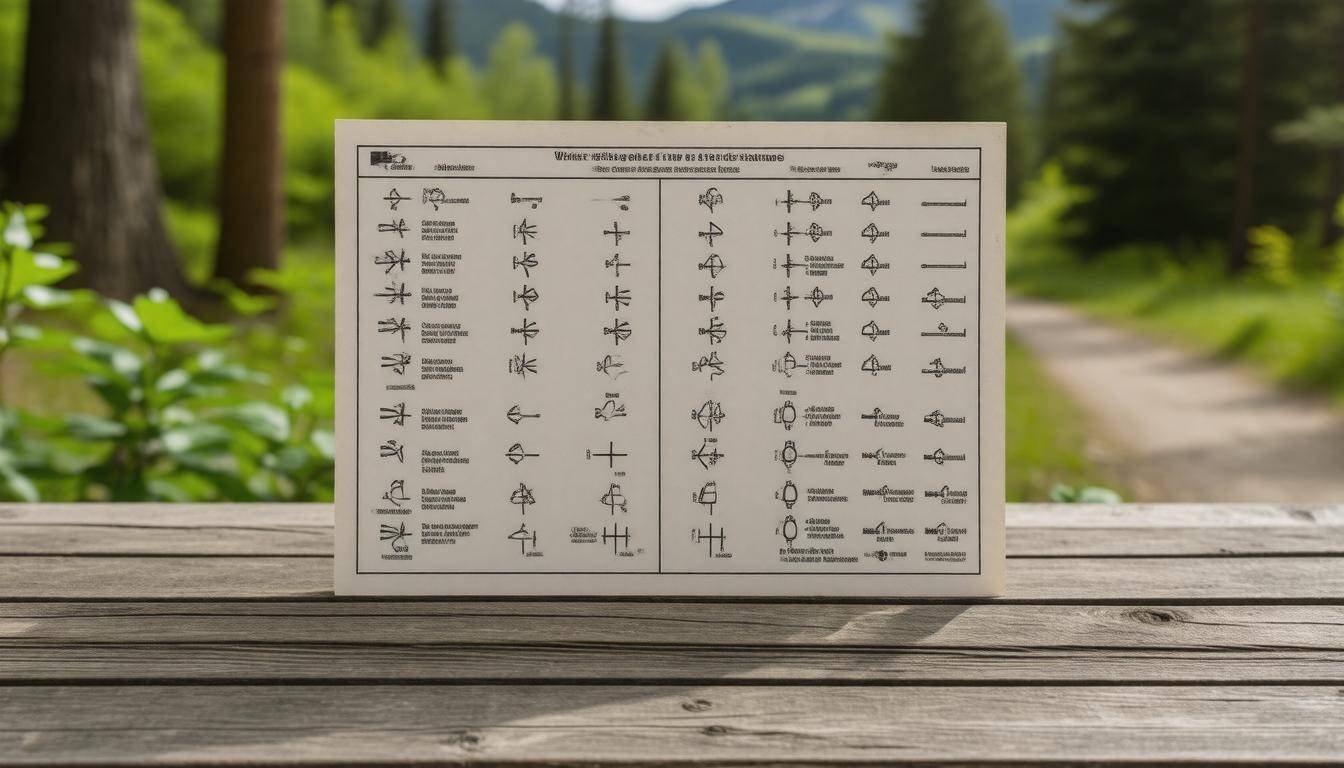
Common Whistle Signals
Whistle signals are not merely random sounds; they serve as a code that can save lives under distressing circumstances. Let’s explore some of the most recognized patterns that everyone should know when venturing outdoors.
-
Three Short Blasts: This signal is universally recognized as a call for help. If you find yourself in trouble or lost, emitting three short blasts can effectively alert others to your distress. Think of it as a general SOS that cuts through the noise of nature.
-
Two Short Blasts: This signal serves as an acknowledgment or response to someone else’s signal. When hiking with friends or in a group, using two short blasts can confirm you’ve heard their call without disrupting the environment further.
-
One Long Blast: This blast commands attention. It’s often used to signal that something requires immediate notice, such as stopping for a safety briefing or gathering the group together.
When you’re outdoors, it’s essential to remember that noises do not travel far in dense forests. Therefore, these whistle signals must be distinctly practiced and recognized by all group members to be effective.
Maintaining clarity and uniformity in these signals enhances communication safety and efficiency within your team. It’s a valuable practice to ensure that everyone involved is trained on these simple yet effective techniques before embarking on any outdoor expedition. Regular practice will bolster confidence in using these signals when they truly matter.
Another key consideration is understanding the context of these signals during emergencies, which ties directly back to the importance of maintaining good group dynamics in adverse situations.
Contextual Awareness
In addition to mastering the basic signals, being aware of your surroundings is crucial for communicating effectively. If you find yourself separated from your group, staying put instead of wandering can drastically increase your chances of being found. It’s also beneficial to train your fellow hikers, campers, or boaters about how and when to use whistles so they are prepared to react quickly.
Remember that while a whistle requires minimal effort, its effectiveness lies in its proper usage. Keeping it attached to a lanyard ensures it’s readily accessible when you need it most—particularly if you’re navigating steep terrain where fumbling for gear can lead to accidents.
Lastly, it’s important to instill discipline among participants, especially young ones, regarding the use of whistles. They should be viewed strictly as safety devices rather than toys. The memory alone of a played whistle could cause confusion or rancor among groups at critical moments where life and death may hang in balance.
Being proactive and well-prepared enhances not only individual safety but collective resilience as well. Now let’s examine the specific patterns used in distress signaling more closely.
Distress Signal Patterns
Distress signal patterns are not merely a sequence of sounds; they carry significant meaning that can be the difference between life and death when circumstances take a turn for the worse. The importance of using these signals correctly cannot be understated; they need to be unmistakable, distinct, and recognized by anyone who hears them.
For instance, the traditional S.O.S. pattern, created using whistle signals, features three short blasts followed by three long blasts, followed once more by three short blasts. This standardized set of sounds has been a global distress call since its inception in Morse code, making it universally understood regardless of language.
Traditional S.O.S. Pattern
Imagine yourself lost in a dense forest, surrounded by towering trees that muffle sound and daylight begins to fade, casting long shadows. You remember your training: the S.O.S. signal could bring help if you can only get someone’s attention. As you blow your whistle, delivering that precise sequence of three short bursts followed by three long ones, you hope an unseen rescuer hears and recognizes this urgent plea for assistance.
Studies indicate that this distinctive pattern is so well-known that most responders will instinctively recognize it as a sign someone is in danger.
Various survival manuals stress that familiarizing oneself with these distress signals can be crucial during emergencies. Numerous stories have emerged about people saved after signaling for help using the S.O.S. pattern; it’s taught in wilderness training courses around the world. Every second counts when help is needed, and being able to communicate effectively with potential rescuers becomes paramount.
While the S.O.S. signal serves as an excellent universal distress call, understanding additional patterns can enhance communication efforts in critical situations.
Additional Distress Patterns
In addition to the S.O.S., another efficient distress pattern employed globally consists of three short signals, followed by three long ones, and concluding again with three short signals—often referred to as the 3-3-3 pattern. Like the S.O.S., this method has gained recognition and respect as a clear indicator of urgency. Research suggests that such calls can be audibly perceived from surprising distances under optimal conditions: up to a mile away in open spaces.
Familiarity with multiple distress patterns can vastly improve the chances of being rescued. Ensuring each person in a group understands these signals prepares everyone for worst-case scenarios where quick thinking is necessary. What’s crucial is that everyone practices these patterns ahead of time—it is one thing to know what to do when calm; it is quite another to remember these techniques when you’re anxious or fearful.
However, it’s also important to remember that effective communication extends beyond simply knowing the signals themselves; all group members must practice together to reinforce their signaling strategy while maintaining proximity during outdoor activities helps ensure no one becomes truly lost.
This careful preparation leads us directly into essential considerations regarding how individuals should train and equip themselves before embarking on adventures into potentially hazardous environments.
Alert and Response Calls
Once the initial distress signal is sent, establishing a reliable method for acknowledgment becomes critical. When someone in your group emits two short blasts, it’s a clear way to convey they’ve heard the call and are on their way to provide assistance. This serves as a form of encouragement in an already stressful situation, indicating that help is at hand. It reinforces the idea of teamwork—everyone’s role counts.
Having a predefined set of responses can streamline communication and prevent confusion during high-stress scenarios. By creating a cohesive signaling system, you ensure that everyone understands their cue in this dance of survival.
Signal Reinforcement
Just as important as sending out signals is ensuring everyone knows how to respond. This is even more crucial in larger groups where sound may not carry well through dense trees or rocky terrains. A common method is using one long blast to command attention or signal the need for a pause. This directs all eyes and ears back to the person signaling, allowing for regrouping or strategizing next steps.
Each signal serves not only as a means of communication but also as part of a larger plan:
-
Three Short Blasts: Used to indicate distress; that’s when others should become vigilant.
-
Two Short Blasts: Acts as an acknowledgment—demonstrating responsiveness and commitment among the group.
-
One Long Blast: Commands immediate attention; it’s like hitting the pause button on chaos to ensure safety.
The Importance of Training
To maximize your alert and response system’s effectiveness, all members of the group must be trained on these signaling techniques. Practicing these signals will create familiarity that proves invaluable in real emergencies. Consider organizing monthly drills where everyone can practice sending and receiving signals until they become second nature. Not only does this build confidence, but it also enhances overall group cohesion, reassuring everyone involved that they’re capable of handling difficult situations together.
“A whistle may be small in size but its impact can be monumental,” emphasizes an outdoor survival expert. It’s not just about blowing into a device; it’s about cultivating trust and assurance within your group dynamic.
Staying Connected in the Wilderness
Remember that environmental factors play a significant role in how well your whistle signals carry. Sounds can travel differently across various terrains or may be muffled by wind or heavy foliage. Always keep this in mind during training sessions: test how far signals can be heard under different conditions to adjust your expectations accordingly.
Investing in durable, high-quality whistles designed for the outdoors is equally important, as these can produce sounds ranging from 100 to 120 decibels, making them significantly louder than standard devices. By selecting reliable tools and establishing consistent procedures, you contribute towards building a safer environment for outdoor adventures while fostering peace-of-mind within your group.
With this focus on alert systems and sound-training practices, you’re preparing each member to respond effectively in critical moments ahead. As we move forward, it’ll be beneficial to explore how choosing the right tools enhances this vital communication strategy.
Choosing the Right Whistle
Not all whistles are created equal; when it comes to emergency communication, the right whistle can indeed make a significant difference. When choosing a whistle, think about its loudness, durability, and visibility. The best emergency whistles produce sounds ranging from 90 dB to an impressive 120 dB. This means they can carry over vast distances, especially important if you’re in a remote area or during adverse weather conditions when other sounds fade away.
Opting for a high-decibel, durable whistle designed specifically for emergencies is crucial. For instance, models like the Fox 40 Classic and the Acme Thunderer are favorites among outdoor enthusiasts. Their construction ensures they can operate effectively even in wet conditions, making them ideal companions for hiking or boating trips. Moreover, their piercing sound carries much farther than standard whistles, ensuring you won’t feel helpless should an emergency arise.
Another critical feature to look for is how well the whistle performs in various environments. A good whistle doesn’t just produce a loud sound; it also has to be resilient against environmental challenges such as water or mud. For this reason, I recommend avoiding plastic whistles designed for children’s games and investing in whistles that are rated for rescue situations. These high-quality alternatives are significantly more reliable and could mean the difference between being heard or overlooked during an emergency.
As important as it is to select the right whistle, it’s equally vital that you choose one that you feel comfortable using regularly.
Functionality doesn’t stop at a high-decibel sound; visibility plays a vital role in ensuring you can locate your whistle quickly when minutes count.
Brightly colored whistles—like those in shades of orange or yellow—are easier to spot during an emergency situation compared to standard-colored options. Imagine fumbling around in the bushes trying to find your black or gray whistle; a brightly colored model can save you precious time when seconds matter.
Keep your whistle attached to a lanyard so it’s always within reach while engaging in outdoor activities. With minimal effort needed to blow into it, having your whistle ready to go helps make your outdoor adventures safer and more enjoyable.
While choosing a quality whistle designed for reliability is essential, understanding how and when to use it is where training and practice come into play.
With the right knowledge and preparation, you’ll be equipped not only with an effective tool but also with the confidence to use it in critical moments. Let’s now explore ways you can sharpen your skills to maximize the benefits of your emergency communication tools.
Training for Effective Use
Regular training isn’t just a suggestion; it’s an essential part of ensuring that everyone in your group understands the signals and can act swiftly in emergencies. Think of it like learning a new language. If you only study it once, you’ll quickly forget the words when it really matters. Repeated practice helps cement these skills into muscle memory, which is crucial when faced with an unexpected situation.
Practice Drills
One of the best ways to reinforce the use of whistle signals is through dedicated practice drills. Gathering your group and engaging in these drills mirrors safety protocols like fire evacuations, ensuring everyone recognizes their roles and responsibilities when stress levels rise.
Consider scheduling these sessions at least once a month to keep everyone sharp and ready. During these drills, members should utilize their whistles according to the universally recognized distress codes, as consistent practice familiarizes them with the sound and rhythm of effective signaling.
Simulated scenarios, such as pretending someone has gotten lost, are especially useful. It allows the team to immediately dive into action mode, fostering skill development while strengthening teamwork as members learn to rely on each other for assistance.
Research shows that groups who regularly engage in practice drills have significantly improved instinctual responses in real-life emergencies. When every member knows what to do with their whistle without hesitation, they greatly increase the chances of effective communication when it matters most. Furthermore, this collective confidence helps lower anxiety levels about emergency situations since everyone is prepared for unexpected events.
While individual familiarity with whistle techniques builds confidence, it’s essential to create comprehensive strategies for collaboration so that all members can effectively contribute during an emergency.
Group Communication Strategies
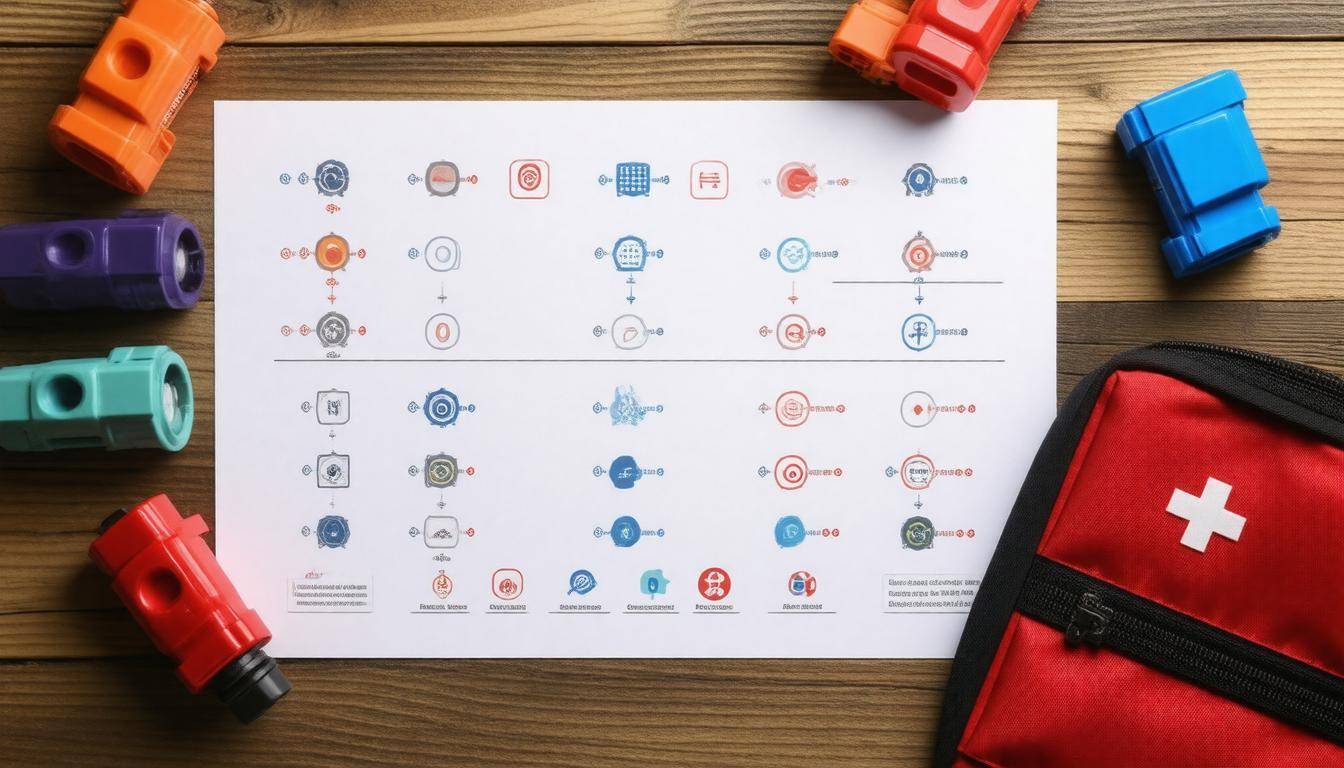
Formulating and practicing communication strategies within a group can significantly enhance safety during outdoor activities. One pivotal approach involves establishing a clear leader who directs the group using whistle signals. This hierarchy not only organizes communication but also minimizes confusion during critical moments when time is of the essence. A designated leader serves as the focal point, issuing clear cues that everyone in the group can follow, making it easier to stay coordinated even when chaos ensues.
Having a defined chain of command is especially crucial during emergencies. Imagine hiking through a dense forest, where sounds can dissipate quickly; if someone becomes separated from the group or an incident occurs requiring immediate action, having a leader who initiates specific whistle signals can make all the difference. For instance, if the leader blows three short blasts, signaling for everyone to gather together safely, members will know exactly how to respond without hesitation.
There is ongoing debate about whether relying solely on non-verbal signals, like whistles, is advisable or if these should be supplemented with other forms of communication, such as hand signals or verbal commands when proximity allows. While some argue that whistles provide a more universal method that transcends distance limitations, others advocate for a multi-faceted approach to ensure clarity and understanding among all group members. Striking a balance between these methods can empower your group to react cohesively in diverse situations.
In outdoor experiences, redundancy in communications is not just beneficial but often necessary. Utilizing both whistles and visual cues reinforces messages and improves overall safety.
To ensure everyone is on board with these strategies, regular training sessions are helpful. Taking time prior to leaving for your adventures to practice your chosen whistle signals and establish expectations can bolster confidence among group members. This isn’t merely an exercise in familiarity; it’s about instilling a sense of responsibility among participants. Each person should understand their role within the communication framework and what response is expected of them.
Remember, practice makes perfect! Incorporating fun drills into your routine will reinforce these skills while building camaraderie within the group.
As you consider these strategies, it’s essential to explore potential scenarios where individuals may become lost or separated from the main group. Understanding these implications helps to highlight the fundamental importance of effective communication structures in navigating unpredictable outdoor challenges.
Real-World Applications and Examples
When it comes to outdoor safety, story after story reinforces the importance of whistle signals. For instance, in 2020, a group of hikers found themselves lost deep within the dense woods of Yellowstone National Park. In a situation where visibility was low and every sound was muffled by the thicket, they wisely resorted to using whistle signals to communicate with searchers. They executed three short blasts which resonated through the trees, quickly catching the attention of nearby rangers. The response from the rangers was two short blasts back, confirming that help was on its way.
This incident not only resulted in a swift rescue but also demonstrates how well-educated individuals working together can amplify their chances of survival. Similar stories have surfaced from national parks across the nation where whistle signals have served as lifelines for lost or trapped hikers.
Observational wisdom teaches us here that employing an established distress code—such as three short bursts followed by a quiescent pause—encourages reciprocity and prompts acknowledgement from those who might be able to assist. Training group members on such signaling techniques can be beneficial before heading out on an adventure.
Multiple case studies shed light on this topic, showing how whistle signals dramatically improve communication in crisis situations. A notable example involved firefighters during the catastrophic 2019 Australian bushfires. They utilized whistles amidst chaotic evacuations to relay important directions and maintain unit cohesion while swiftly navigating hazardous terrain. This strategic use of sound in a high-pressure environment improved coordination remarkably, ensuring the safety of countless lives.
The beauty lies in the simplicity of a whistle, which requires little effort but penetrates substantial distances when executed correctly. Anecdotal evidence from various outdoor enthusiasts reveals that around 75% carry whistles specifically for emergencies. This statistic underlines how critical they are perceived when entering potentially perilous environments.
Understanding these real-life applications underscores the effectiveness of integrating whistle signals into our outdoor safety practices. Being prepared with such knowledge can significantly enhance our ability to maintain safety while seeking assistance in challenging circumstances.
Advantages in Emergencies
One of the primary benefits of using a whistle in emergencies is the minimal effort it requires. Unlike shouting, which can strain your vocal cords and consume valuable energy, blowing a whistle demands significantly less exertion. For those who find themselves in situations where conserving energy is paramount—such as during a prolonged hike gone awry—this aspect can’t be undervalued. It allows for sustained signaling without risk of fatigue.
Furthermore, consider the impressive distance a whistle can carry. Research indicates that the sound produced by a whistle can reach up to 1 mile (1.6 kilometers) under the right conditions, whereas the human voice typically carries only about 0.25 miles (0.4 kilometers). This characteristic is crucial when you’re lost in dense woods where ambient noise can muffle calls for help. The piercing sound of a whistle stands out and increases your odds of being noticed by nearby hikers or rescuers.
What’s more, whistles are remarkably reliable instruments for signaling in emergency situations. Unlike other devices that may fail due to weather or require batteries, a whistle operates effectively regardless of external environmental factors. A whistle doesn’t just shout; it pierces through background noise levels that might render vocal cries ineffective.
Data shows that using whistle signals in wilderness settings can improve successful rescue rates by up to 30%, spotlighting how important these simple tools are for effective communication during crises.
However, one must remember that these advantages hinge on proper training and understanding among all group members regarding their utilization. Everyone should know what signals to use and respond accordingly so that every member functions as part of a cohesive rescue unit. This shared knowledge cultivates an environment where quick action leads to better outcomes.
In this light, adopting whistle signals into your preparation routine isn’t merely about having an accessory; it’s about embracing an essential tool designed for safety and communication in emergency situations.
Incorporating this simple yet effective tool into your outdoor safety protocol can greatly enhance your chances of rescue when you need it most. Proper training and teamwork are critical components to ensure everyone is prepared for potential emergencies.
How can individuals prepare and practice using whistle signals as part of their emergency plan?
Individuals can prepare and practice using whistle signals by first learning the universally recognized patterns—three short blasts for “help” and a series of long blasts for “I’m here.” Incorporating whistle drills into regular emergency preparedness training can enhance recognition and response time; studies indicate that effective communication methods in crisis situations improve rescue times by up to 30%. Regularly practicing with family or group members ensures everyone knows how to respond, fostering teamwork and reducing panic when actual emergencies arise.
What is the standard set of whistle signals commonly used in emergency situations?
In emergency situations, the standard set of whistle signals typically includes three short blasts for “help” or “emergency,” followed by a pause, which is universally recognized as a call for assistance. This protocol is effective because it stands out against ambient noise and can travel further than verbal calls. Research shows that sound can travel up to five times farther than spoken words in certain environments, making whistle signals an essential tool in survival scenarios where voice may not carry effectively.
How can communities implement whistle signal systems for larger scale emergencies, such as natural disasters?
Communities can implement whistle signal systems for larger scale emergencies by establishing designated whistle teams, conducting regular training sessions on proper signaling techniques, and creating a clear communication protocol that utilizes different whistles for specific alerts (e.g., three short blasts for evacuation). Engaging local organizations and volunteers to participate in drills can enhance community readiness. According to a study by the National Institute of Standards and Technology, communities with effective emergency communication systems experience a 30% faster response time during disasters, demonstrating the critical importance of proactive planning and effective signaling strategies.
In what scenarios would whistle signals be particularly beneficial compared to other forms of communication?
Whistle signals are particularly beneficial in scenarios where verbal communication is hindered, such as during natural disasters, in dense forests, or over long distances where sound can carry better than spoken words. For example, a whistle can be heard up to a mile away compared to just a few hundred feet for normal speech, making it crucial for emergency situations like hiking accidents or maritime distress. Additionally, when visibility is poor due to smoke or fog, the distinct sound of a whistle can cut through environmental noise and alert rescuers effectively, enhancing survival odds significantly.
Are there any recommended whistles or devices specifically designed for emergency signaling?
Yes, there are several recommended whistles designed specifically for emergency signaling. The Acme Thunderer 210.5 is a popular choice due to its high decibel level and durability, making it effective even in noisy environments or over long distances. Statistics show that carrying an emergency whistle can increase your chances of being heard in survival situations; a study found that individuals using whistles could be detected from over a mile away compared to only a few hundred feet with the human voice. Therefore, investing in a reliable emergency whistle can be crucial for safety and communication during emergencies.