
When you’re out exploring the great outdoors, the thrill of adventure is often mixed with an underlying reality: accidents can happen. Whether it’s a slip on a rock, an unexpected allergic reaction, or twisting an ankle during a hike, knowing how to respond to these situations can turn a potential disaster into a manageable challenge. This article dives into Wilderness First Aid fundamentals, giving you the tools and knowledge you need to handle emergencies in remote settings. From essential skills like CPR to understanding the ABCDE method for patient assessment, we’ll cover everything necessary to keep you and your fellow adventurers safe. Plus, drawing on personal experiences and practical insights will make navigating these wilderness skills all the more relatable and applicable. Let’s prepare you for your next outdoor journey!
The “Wilderness First Aid Fundamentals: Complete Guide” equips you with essential skills to assess and respond to medical emergencies in remote locations, focusing on patient evaluation, unique challenges of the wilderness environment, and initial assessment techniques. By familiarizing yourself with critical topics such as the ABCDE method, mechanisms of injury, and vital signs monitoring, you’ll be better prepared to provide effective care until professional help is available.
Essential Skills for Wilderness First Aid
Having a solid grasp of fundamental skills is crucial when venturing into remote environments, as you never know when you might need them. Take CPR (Cardiopulmonary Resuscitation) for instance; it’s an essential skill, especially in cases of cardiac arrest. When every second counts, studies show that immediate CPR can double or triple survival chances. The process may sound intimidating, but with some practice, you’ll find that the rhythmic compression of the chest—at a rate of 100 to 120 compressions per minute—becomes second nature.
Now imagine you’re out on a beautiful hike with friends when suddenly, someone falls and sustains an injury resulting in severe bleeding. This is where knowing how to control bleeding becomes crucial. You should apply direct pressure and elevate the injured area if possible. Just remember: if those methods don’t work quickly enough, using a tourniquet may be necessary; your knowledge here could quite literally be life-saving.
Another important skill is fracture management, which involves splinting techniques designed to immobilize broken bones. This not only reduces pain but also prevents further injuries during transport to a medical facility. It’s often easy to overlook fractures out on the trail because they might not always look severe at first glance. However, taking the time to assess and treat fractures correctly can make all the difference.
In addition to trauma-related care, hygiene and infection control are vital in Wilderness First Aid. Proper hand hygiene and meticulous wound cleaning are indispensable for preventing infections that can arise from unclean environments. A small scratch could become infected if proper measures aren’t taken promptly. I’ve heard stories of hikers who spent more time treating an infection than enjoying their trip simply because they overlooked this aspect of care.
Furthermore, another critical area to master is recognizing heat-related illnesses such as heat stroke and dehydration—conditions that can sneak up on you when you’re busy trekking through your favorite landscapes. Being knowledgeable about rehydration techniques becomes paramount here; knowing what fluids to consume and how to maintain your body’s cooling mechanisms can keep you safe under the sun.
Mastering these skills not only equips you to handle emergencies effectively but also fosters confidence in managing situations that arise in the wilderness. As you sharpen your abilities, you’ll find that understanding basic interventions allows for greater security and peace of mind while navigating outdoor adventures.
Basic First Aid Procedures
Basic first aid procedures are your first line of defense when facing a medical emergency in the wilderness. They serve as essential skills that can mean the difference between stabilization and deterioration of a patient’s condition until professional help can arrive. It all begins with a calm yet decisive approach—your actions in these moments can pivotally alter outcomes.
Step-by-Step: Performing Basic First Aid
When an incident occurs, the first thing to do is to assess the situation. This involves not only looking at the injured person but also ensuring your own safety. After all, rushing into a chaotic environment without understanding potential dangers could put you at risk as well. Are there loose rocks nearby? Is there an angry bear lurking off to the side? Taking a moment to evaluate can save more than just your skin; it sets the stage for effective care.
With safety established, the next step is to call for help if possible. Depending on your location, this could mean contacting local emergency services or rallying other hikers for assistance. Text or call someone who can coordinate an evacuation, or alert any nearby campers. The idea is to communicate your situation clearly so that additional resources can be mobilized while you focus on immediate care.
Now comes the heart of first aid: administering aid. Here, you’ll apply techniques suited to the person’s injuries. For instance, if a fellow hiker suffers a deep cut, applying direct pressure with sterile gauze is paramount until bleeding stops. If too much time passes and blood continues to seep through, don’t remove the already applied dressing; instead, add more layers on top and maintain that pressure.
In critical situations, it’s also vital to monitor vital signs like pulse and breathing, as this information is useful when you finally connect with professional medical responders.
By utilizing our knowledge of basic procedures—such as employing the ABCDE method (Airway, Breathing, Circulation, Disability, Expose)—you’re ensuring that urgent issues receive immediate attention while maintaining a clear mind amidst chaos.
These foundational steps significantly enhance your effectiveness during emergencies; however, having a well-equipped first aid kit readily available amplifies your preparedness immensely. It’s essential to consider what items you should include in that kit to ensure you’re ready for any situation that may arise.
Building Your First Aid Kit
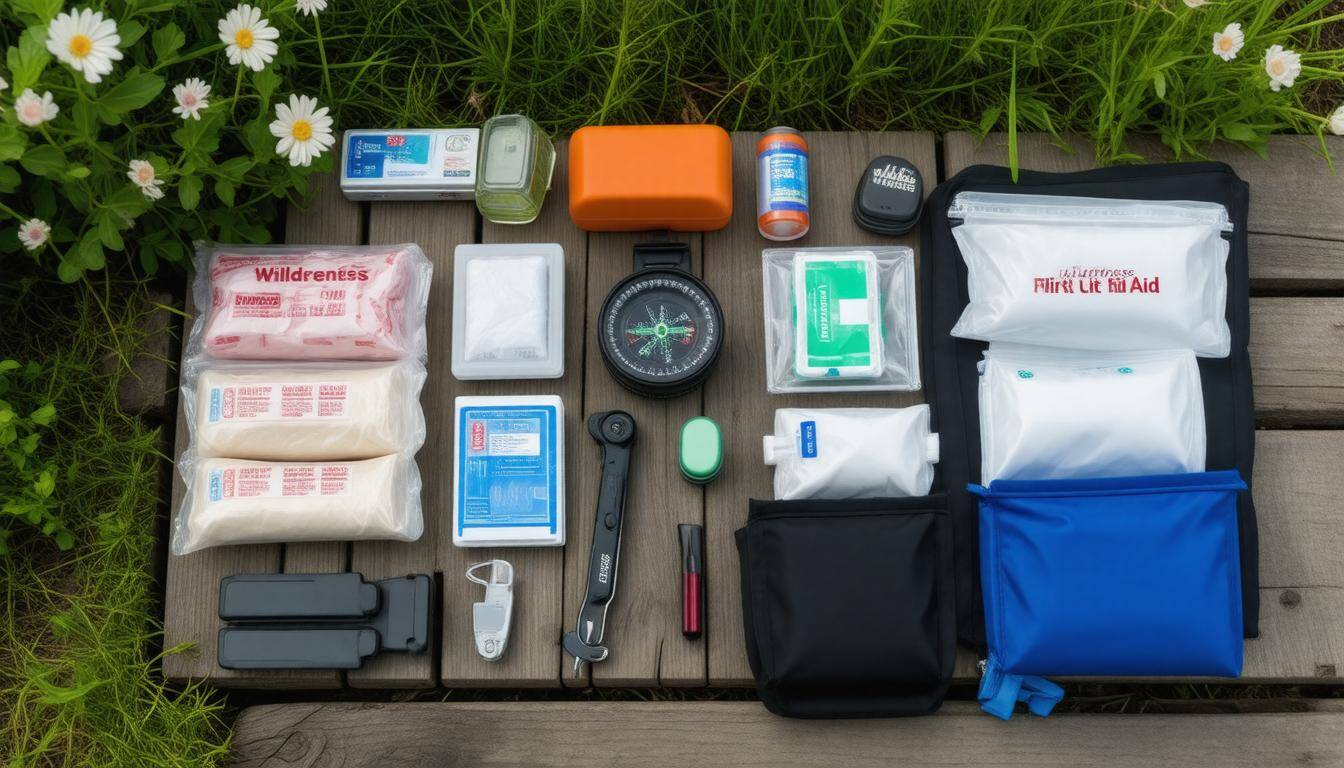
When it comes to wilderness adventures, having a proper first aid kit can mean the difference between a minor incident and a situation that spirals out of control. A thoughtfully curated kit not only needs essential items but also must cater to the specific outdoor environment you plan to explore. Those who embark on trips in more remote areas with unique risks, like high altitudes or harsh weather conditions, should consider these factors while packing.
Start by ensuring your kit contains all essential items tailored for various emergencies. Imagine reaching for your first aid kit during a sudden injury, only to find it’s missing a crucial element! Include items such as adhesive bandages, which are vital for minor cuts and abrasions, and sterile gauze pads for larger wounds that need more comprehensive care. You should also have adhesive tape ready to secure those pads effectively in place.
In addition, antiseptic wipes play an important role in cleaning injuries to minimize infection risk, while tweezers will be indispensable for removing splinters or debris—a common occurrence when venturing into nature. Also, don’t forget about scissors; they’re particularly useful for cutting tape or gauze and can even assist in creating makeshift slings if necessary.
To illustrate why preparedness is so significant, think of John again. En route to a hiking adventure, he encountered an unexpected snake and was able to apply his knowledge alongside the supplies found in his first aid kit. With everything from a snake bite kit to additional bandages at hand, John easily managed the situation without making it worse. This kind of real-life experience reminds us all why detailed planning can pay dividends when emergency strikes.
Here’s a detailed breakdown of must-have items for any wilderness first aid kit:
| Items | Quantity | Purpose |
|---|---|---|
| Adhesive Bandages | 10 | Manage minor cuts and abrasions |
| Sterile Gauze Pads | 5 | Address larger wounds |
| Adhesive Tape | 1 roll | Secure gauze pads or splints |
| Antiseptic Wipes | 10 | Prevent infections during wound cleaning |
| CPR Mask | 1 | Facilitate safer resuscitation |
| Tweezers | 1 pair | Remove foreign objects like splinters |
| Pain Relievers | 1 bottle | Alleviate discomfort and manage swelling |
| Snake Bite Kit | 1 | Treat snake bites effectively in the wilderness |
After assembling your essential kit perfectly attuned to your outdoor needs, understanding how to use it effectively becomes critical for managing life-threatening situations whenever they arise.
Assessing Life-Threatening Conditions
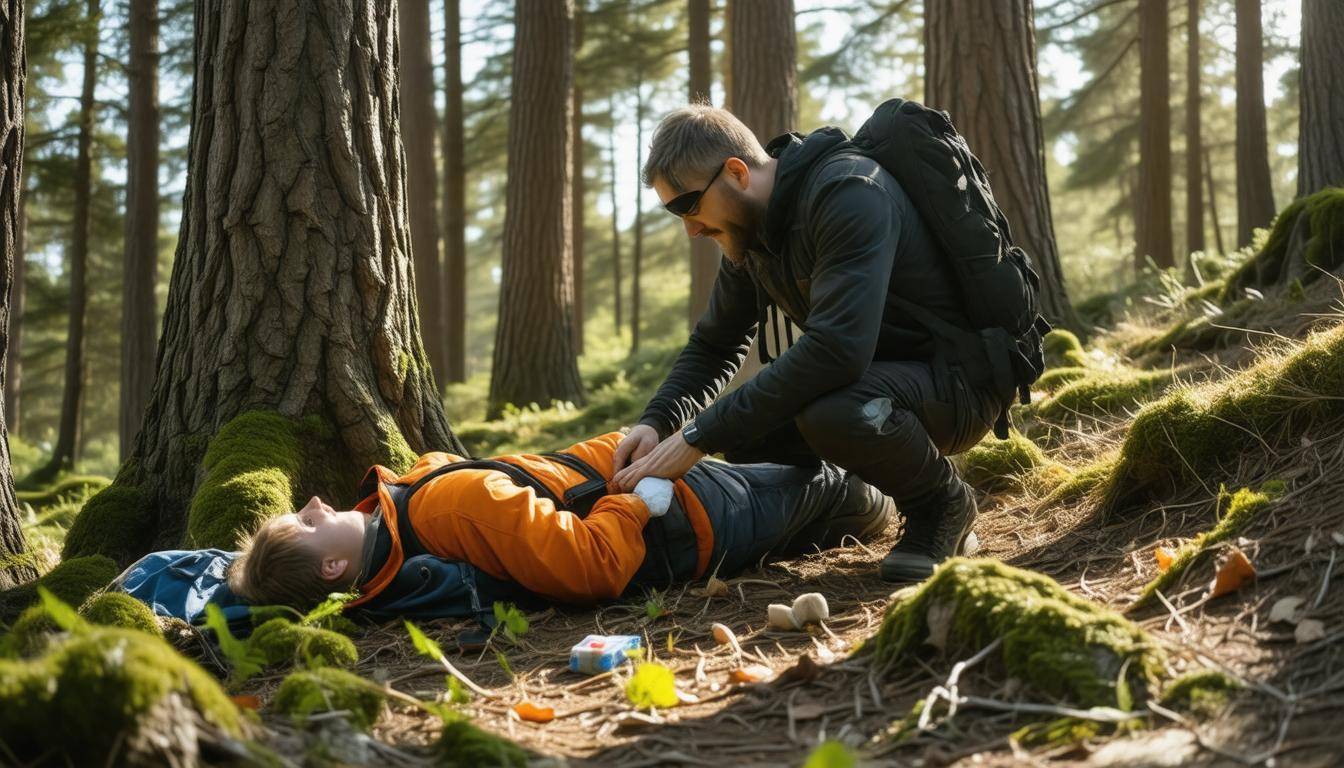
The ABCDE method is your best ally when facing an emergency situation in the wilderness. This systematic approach ensures you don’t overlook any critical aspects of a patient’s condition while you gather information efficiently. It’s about acting swiftly yet thoughtfully, and it all starts with assessing the Airway.
The ABCDE Method
The ABCDE method—Airway, Breathing, Circulation, Disability, Exposure—is a straightforward framework for assessment that everyone should memorize for effective emergency care.
First up is Airway. You need to ensure that the patient’s airway is clear. An obstructed airway is one of the most common life-threatening conditions. Think of it as the highway for oxygen; if it’s blocked, nothing gets through. You might gently tilt the head back or lift the chin to open the airway, checking for any obstructions like food or fluid. Keep an eye out for signs of snoring or gasping breaths, as these indicate a serious issue.
Next comes Breathing. After confirming an open airway, assess the patient’s breathing patterns. Are they breathing normally? Listen, look, and feel—spending about ten seconds on this step is crucial. Look for any abnormal sounds such as wheezing or stridor, which could signal respiratory distress. Pay attention to their chest movements; are they rising symmetrically? Remember, someone might appear to be breathing but could be in danger if those breaths are too shallow or rapid.
Moving on to Circulation involves checking for signs of bleeding or poor circulation. Look for external signs like blood pooling or unusual colors such as blanched lips and nails indicating inadequate blood flow. Feel for a pulse at the wrist or neck; a weak pulse can signal shock and require immediate attention. If there’s severe bleeding, apply direct pressure and elevate the injury site when possible.
The next element is Disability: this focuses on checking the patient’s level of consciousness and assessing neurological function using the AVPU scale—Alert, Verbal response, Pain response, Unresponsive. Each response provides insight into their condition and helps gauge urgency since alterations in consciousness can indicate possible brain injury or other severe conditions.
Finally, there’s Exposure. This step involves fully exposing the patient to identify hidden injuries while being cautious not to induce hypothermia. Ensure you shield them from environmental factors like cold weather as you strip away layers—this means using whatever gear you have handy to keep them warm while taking stock of any trauma injuries beneath their clothing.
In essence, each component of ABCDE builds upon the last, creating a comprehensive profile of the patient’s condition and guiding your next actions.
Mastering this technique is essential. In wilderness settings where help may be delayed by hours or even days, knowing how to effectively assess life-threatening conditions transforms you from an unprepared individual into a capable rescuer who can stabilize a patient until professional assistance arrives.
Equipped with these foundational skills, you’re ready to tackle more specific scenarios that require attention and care tailored to various types of injuries.
Managing Wounds and Injuries
Imagine this: you’re enjoying a peaceful hike when suddenly, a slip sends you tumbling, resulting in a deep laceration on your leg. Your heart races as panic begins to set in, reminding you how important it is to respond calmly and effectively to such injuries. Knowing the right steps can prevent complications and even save lives.
The first step in managing any injury is applying pressure. For a deep laceration, grab some sterile gauze or even a clean cloth if that’s all you have at hand. Use it to apply firm, direct pressure over the wound for about 5 to 10 minutes. This will help control the bleeding and give you time to assess the situation. It’s crucial during this phase to resist the urge to peek underneath too frequently; keep that pressure steady.
Once you’ve stabilized the situation with pressure, it’s time to turn your attention to cleaning the wound.
Cleaning is essential because any dirt or debris left behind could lead to infection, which is especially concerning in remote settings where medical assistance may be far away. Rinse the wound gently under clean running water, taking care to remove any visible dirt or detritus. If available, antiseptic wipes can provide an extra layer of protection against pathogens. However, avoid using alcohol or hydrogen peroxide directly on a fresh wound, as they can damage the tissue and prolong healing.
After you’ve successfully cleaned the area, it’s time to protect the wound with proper dressing.
Next comes dressing the wound. Cover it with a sterile bandage or gauze pad, securing it well to avoid further contamination. Make sure it isn’t too tight; you want it snug yet comfortable. During your outing, regularly check your bandage for signs of infection such as increased redness, swelling, or pus accumulation. These indicators call for professional medical attention as untreated infections can rapidly escalate.
“During our hike, my friend cut his leg on a sharp rock. Our quick response following these steps helped prevent infection, and we even managed to hike back to our base camp safely,” recalls Emily, an avid hiker.
Understanding how to manage wounds arms you with confidence and self-sufficiency in challenging outdoor environments. Coupled with knowledge of essential first-aid supplies—such as sterile gauze pads and antiseptic wipes—you’ll be better prepared for any injuries while adventuring in the wild. Equipped with skills and knowledge benefits not just you but also those around you when emergencies arise in unexpected situations.
Having recognized proactive measures in wound management, we now shift focus toward evaluating patients effectively under wilderness conditions.
Patient Evaluation Techniques
Effective patient evaluation is at the heart of wilderness first aid and begins with a clear understanding of the environment and the individual needing help. When you’re in the backcountry, your ability to rapidly assess a situation can mean the difference between life and death.
Start by ensuring that the scene is safe; look for any potential hazards like unstable terrain or nearby wildlife. If it’s not safe, you may become another victim, which would do no one any good.
Basic Evaluation Steps
Once you’ve ensured that you’re in a secure setting, move into what’s referred to as the primary survey. Utilizing the ABCDE method—Airway, Breathing, Circulation, Disability, and Exposure—helps you quickly but thoroughly assess critical life threats. Ask yourself: Is the patient conscious? Can they speak? Are they showing signs of distress?
Remember, addressing airway issues is priority number one. A blocked airway can lead to rapid deterioration, so if there are any obstructions, clear them immediately.
Following this initial assessment, conduct a secondary survey by performing a head-to-toe examination. This part of the evaluation helps uncover additional injuries that might have been masked by more visible ones. Look for deformities or wounds; palpate gently to detect any abnormalities or areas of extreme tenderness.
It’s crucial to gather accurate information about the patient’s medical history to inform your care plan effectively.
The next step in your evaluation involves collecting pertinent patient history. Ask open-ended questions about their condition, medication usage, allergies, and previous medical history. Understanding the mechanism of injury (MOI) helps you determine not only how an injury occurred but also what potential complications may arise. Using resources such as SA-MPLE—Signs and symptoms, Allergies, Medications, Past medical history, Last oral intake, and Events leading up to the incident—provides a structured way to collect crucial information.
Monitoring Vital Signs
As an integral part of this process, monitoring vital signs becomes essential. Establishing norms for pulse rate (60-100 beats per minute), respiratory rate (12-20 breaths per minute), and blood pressure (typically 90/60 mmHg to 120/80 mmHg) gives insight into the patient’s condition. Pay close attention to changes; even slight fluctuations can indicate worsening trends in their health.
Taking all these steps seriously prepares you for unpredictable situations in the wilderness.
Being equipped with effective patient evaluation techniques empowers you to act decisively in emergency scenarios. By rigorously following these methods, you’re setting a strong foundation for managing complex situations until professional help arrives.
Wilderness First Aid Training Programs
Comprehensive Wilderness First Aid (WFA) programs prepare individuals for a broad spectrum of emergencies they might encounter while exploring the great outdoors. The Green Mountain Club, for instance, offers a thorough 16-hour course that spans two days, allowing participants to immerse themselves in essential concepts and practical skills. This course is ideal for a variety of people—from seasoned wilderness responders and backcountry guides to casual outdoor enthusiasts eager to enhance their readiness for any situation.
Enrolling in courses from reputable organizations like NOLS Wilderness Medicine and the Red Cross can provide invaluable hands-on experience in simulated wilderness environments. These programs are designed to facilitate real-world practice and foster decision-making skills under pressure. By learning through effective role-playing scenarios, participants not only grasp theoretical knowledge but also how to apply it practically.
Statistics reveal that participants in wilderness first aid courses are 65% more likely to feel confident and prepared during an actual emergency. When individuals complete structured training programs, they emerge with a stronger awareness of potential risks and the ability to respond appropriately.
As you contemplate joining a WFA program, consider the challenges unique to your preferred outdoor activities. For instance, even in a place as delightful as Vermont’s Green Mountains, various hazards lurk, including rugged trails and sudden weather changes like lightning storms during summer months. Such insights will deepen your understanding of why being trained is essential—knowledge is your best protection.
Once you have this foundational training, the focus shifts towards preventive safety strategies. By mastering emergency response techniques now, you can not only mitigate risks on your next adventure but also enjoy the outdoor experience knowing you’re prepared for whatever nature may throw at you.
Equipped with these essential skills and an understanding of potential threats, it’s crucial to further explore ways to ensure your safety during outdoor excursions. Let’s examine key measures that can bolster your preparedness and make your adventures safer.
Safety Precautions and Preparedness Strategies
Your safety depends heavily on how well you plan and prepare before stepping into the great outdoors. One of the first steps is to understand your environment. What challenges does it present?
For instance, if you’re hiking through bear country, knowing how to react during a bear encounter can be a lifesaver. This understanding applies to all kinds of wildlife as well: snakes, insects, and even plants that might cause allergic reactions.
Additionally, make a pre-trip checklist to ensure nothing important is overlooked. It should cover everything from outdoor gear to emergency items and personal medications like EpiPens or inhalers. Having this handy can help streamline packing and allow you to focus on the adventure itself rather than worrying whether you have everything you need or not.
Being aware of the specific risks related to your excursion is crucial; ignorance can turn an exciting adventure into a dangerous circumstance.
As mentioned earlier, the importance of a communication plan cannot be overstated. Carrying devices like satellite phones or personal locator beacons allows for communication even when cellular networks fail. It’s also smart to establish a check-in schedule with someone back home—this way, if you don’t return on time, they’ll know to alert authorities.
Another key aspect of preparation is having the right gear. This includes not only first aid kits but also versatile tools such as multi-tools, fire starters, and portable water purifiers. However, simply having these items isn’t enough; knowing how to use them effectively can make all the difference in an emergency situation.
Just imagine trying to fix a wound while fumbling with your multi-tool! It’s always better to practice beforehand than learning the hard way in the middle of nowhere.
Weather awareness plays a significant role in wilderness safety. Regularly checking weather forecasts provides valuable information about what conditions you may face. However, as any seasoned adventurer knows, nature can be unpredictable. Sudden storms or temperature drops can happen without warning. It’s wise to pack appropriate clothing layers and gear designed for various weather conditions, ensuring that you’re never caught unprepared when the elements change.
Furthermore, developing basic survival skills is akin to enrolling yourself in an ongoing course on self-sufficiency. This means not just memorizing survival techniques but actually practicing skills like CPR, wound care, and splinting regularly until those actions become second nature.
“Survival skills aren’t just safety nets; they begin as precautions but soon become empowering tools that let you explore with confidence,” explains Sarah, who has taken multiple WFA courses over the years.
By proactively applying these strategies and remaining vigilant in your preparations, you’ll heighten your safety measures while enjoying the untamed beauty of the wilderness around you.
In mastering Wilderness First Aid fundamentals and ensuring thorough preparation, you’ll equip yourself not only to face potential emergencies but also to embrace the adventure with greater confidence and peace of mind.
What are the essential skills included in a comprehensive wilderness first aid training?
A comprehensive wilderness first aid training includes essential skills such as patient assessment, CPR, wound management, spine stabilization, and recognizing environmental emergencies like hypothermia and heatstroke. These skills are crucial as statistics show that 80% of wilderness injuries occur from preventable incidents, highlighting the importance of being equipped to handle emergencies effectively in remote settings. By mastering these skills, individuals can significantly improve survival outcomes and assist others until professional help is available.
What equipment or supplies should be included in a wilderness first aid kit?
A well-equipped wilderness first aid kit should include adhesive bandages, gauze pads, antiseptic wipes, medical tape, tweezers, scissors, a triangular bandage, a CPR face shield, and emergency blankets. These supplies are essential for addressing common outdoor injuries such as cuts, scrapes, and fractures. According to the Wilderness Medical Society, having a comprehensive first aid kit can significantly improve outcomes during emergencies by ensuring that responders have access to basic care tools until professional help can be reached.
What scenarios or emergencies should one be particularly prepared for while engaging in outdoor activities?
When engaging in outdoor activities, one should be particularly prepared for scenarios such as fractures, allergic reactions, heat exhaustion, and bites or stings from insects or animals. Statistics show that nearly 60% of wilderness emergencies involve traumatic injuries, with ankle sprains and fractures being among the most common. Additionally, up to 30% of individuals may experience allergic reactions due to environmental factors or wildlife encounters. Being equipped with proper first aid knowledge and supplies can significantly mitigate risks and improve outcomes in these situations.
How does wilderness first aid differ from standard first aid practices?
Wilderness first aid differs from standard first aid practices primarily due to the remote nature of wilderness environments where immediate access to professional medical help is often unavailable. This necessitates a greater emphasis on self-sufficiency, improvisation, and extended care techniques, as injuries or illnesses may require management for hours or even days before evacuation is possible. For instance, the Wilderness Medical Society reports that only about 10% of outdoor injuries can be treated with standard first aid alone, highlighting the need for specialized knowledge and skills tailored to unique outdoor challenges.
How can outdoor conditions impact the treatment of injuries in wilderness settings?
Outdoor conditions can significantly impact the treatment of injuries in wilderness settings by affecting visibility, temperature, and accessibility to resources. For instance, inclement weather such as rain or snow can hinder the ability to assess and treat injuries properly, while extreme temperatures can lead to issues like hypothermia or heat exhaustion that complicate initial injury management. According to studies, about 40% of outdoor injuries occur in adverse weather conditions, emphasizing the need for adaptability and preparedness in changing environments when providing care.