
Wildfires can strike without warning, often leaving communities scrambling to make quick decisions for their safety. It’s a harrowing reality that many people face, whether living in fire-prone areas or just trying to be prepared. Understanding when to evacuate is crucial for saving lives and protecting property. This article serves as a valuable guide, focusing on the various triggers and considerations that can help you make informed choices during wildfire emergencies. From community planning to personal preparations, we’ll explore what you need to know to navigate these unpredictable situations with confidence. Let’s dive into essential practices that can enhance your readiness and ensure that you’re never caught off guard.
The “Wildfire Evacuation Triggers: Decision Guide” outlines critical considerations for determining when to evacuate, assessing environmental factors and building integrity post-event, and provides a structured decision-making process that includes evaluating immediate threats versus evolving situations. This guide aims to ensure safety by helping decision teams make informed choices during wildfire emergencies.
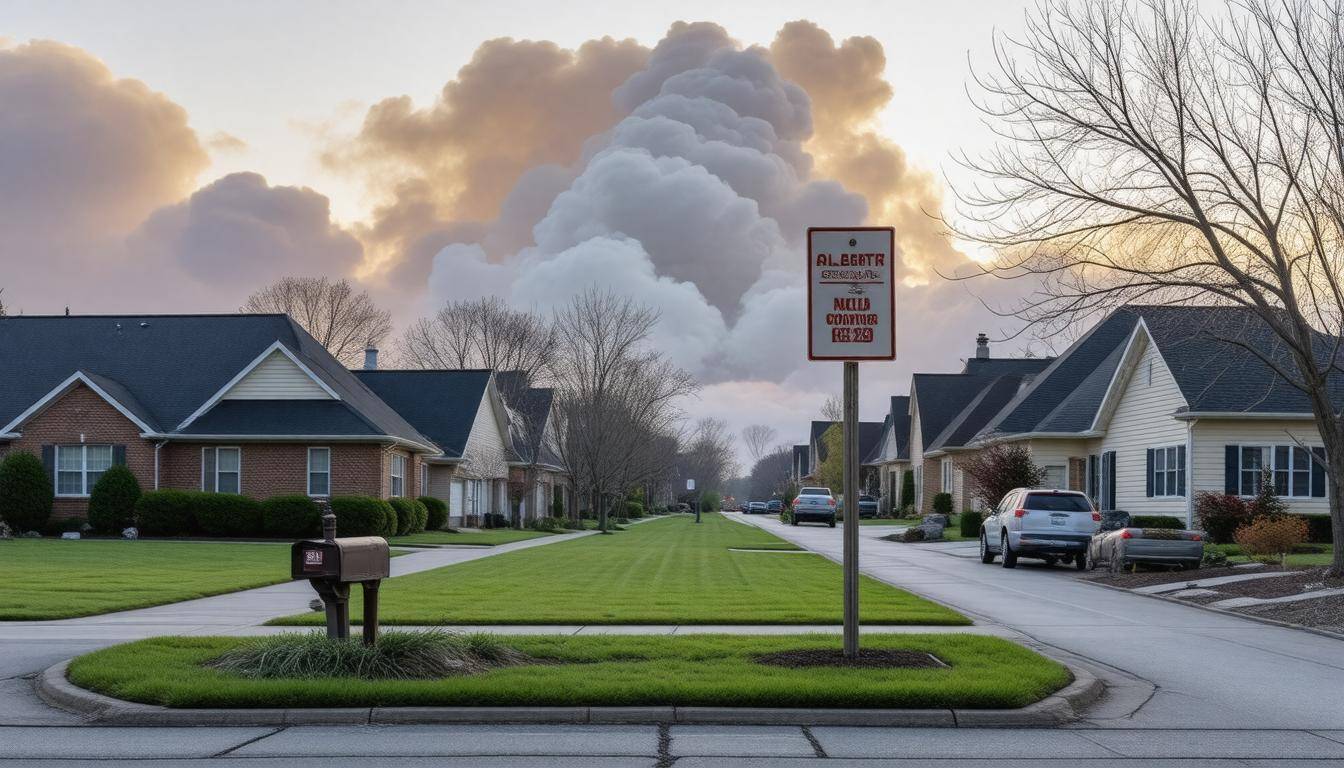
Community Planning for Evacuations
Effective evacuation planning requires the collective efforts of everyone, from local fire departments to community leaders and residents. When people work together, they create a robust framework that can be activated when needed most. One essential element in this effort is ensuring that all community members are engaged and informed. Parents, business owners, and retirees all have unique perspectives that contribute to a comprehensive evacuation strategy.
Step I: Mapping Evacuation Routes
Mapping out multiple evacuation routes is crucial. Fire conditions can change rapidly, making it imperative to identify alternative pathways in case primary routes become compromised. For example, in Paradise, California, following the devastating 2018 Camp Fire, officials worked diligently to ensure various exit routes were established. This proactive approach provided residents with the knowledge that they could exit safely even if one route was blocked by flames or debris.
Having clear maps that outline these routes can make all the difference. Distributing physical copies and digital versions ensures that your entire community, regardless of internet access or familiarity with technology, is equipped with critical information during emergencies.
Step II: Conducting Drills
Regularly conducting community evacuation drills is another key aspect of preparedness. These drills help familiarize residents with evacuation protocols and reinforce the importance of prompt action during emergencies. It might seem simple, but this practice can significantly reduce panic and confusion when the time comes to evacuate. Imagine a family that has repeatedly practiced evacuating their home; they know where the nearest exit is, where their emergency supplies are located, and how to communicate with each other during an urgent situation.
Yet there’s more to these drills than mere repetition. They provide an opportunity for communities to critically evaluate their plans. Are evacuation routes effective? Are there any bottlenecks during drills? Is transportation available for those who may need assistance? Each drill can reveal hidden flaws in the plan, allowing communities to adapt and refine their strategies before disaster strikes.
While planning and conducting drills form the foundation of a successful evacuation strategy, understanding how various entities coordinate during emergencies plays a significant role in ensuring safety and efficiency as well.
Roles of Local Authorities
Local authorities are the backbone of emergency response during wildfires, serving as the primary point of contact between the government and the community. They coordinate efforts with various emergency services, such as fire departments, law enforcement, and public health officials to implement effective evacuation strategies. When a wildfire threatens an area, these authorities act as both strategists and communicators, issuing timely evacuation orders based on real-time assessments of the changing danger. Imagine driving along a road suddenly engulfed in flames; you would want immediate guidance from someone who knows how to navigate that chaos safely.
Coordination and Communication
The ability of local authorities to communicate effectively is vital for ensuring that residents understand the dangers they face and what actions they should take. This was exemplified during the 2020 Oregon wildfires when local officials rapidly disseminated evacuation orders via social media and community alerts, initiating orderly evacuations that undoubtedly saved lives. They kept channels open for updates, allowing citizens to grasp not only when they needed to leave but also where to go and how to stay safe amidst uncertain conditions. Keeping people informed allows individuals to make proactive decisions rather than waiting for information in the midst of fear and panic.
Enforcement of Evacuation Orders
Alongside effective communication, local authorities must be empowered to enforce evacuation orders decisively. Without this enforcement power, lives are at risk; history has shown us that delays in evacuating can have disastrous consequences. It’s crucial for local leaders to ensure compliance with evacuation protocols for everyone’s safety. Think about it: if a neighbor hesitates or refuses to leave their home for reasons like “it won’t happen to me,” it can not only endanger them but complicate rescue efforts later on.
Enforcing these orders extends beyond ensuring residents evacuate; it includes controlling access to affected areas post-evacuation. Ensuring that only authorized personnel return to hazardous zones facilitates safer conditions for first responders and helps preserve critical infrastructure from unnecessary damage.
The synergy between coordination, communication, and enforcement underscores the critical role local authorities play during wildfires. Each element contributes significantly to building a robust framework that ensures public safety while navigating the chaotic environment brought on by these emergencies.
Risk Level Assessments
Communities utilize a variety of methods to evaluate the risk level when it comes to impending wildfires. This process begins with an in-depth analysis of multiple factors, such as current weather conditions, soil moisture content, and the dryness of local vegetation. A significant part of this assessment revolves around understanding fire behavior since events like wind speed and direction can dramatically alter how quickly a fire spreads. By keeping a close eye on these elements, officials can determine whether conditions are ripe for a wildfire or if they pose minimal risk.
Use of Technology
Innovations in technology play a pivotal role in this process. For instance, GIS (Geographic Information Systems) enables authorities to map high-risk areas, giving them insight into where to focus their preventative measures. This spatial awareness allows emergency services to prepare accordingly, whether it’s by establishing evacuation routes or positioning resources strategically ahead of any potential wildfire threats.
According to a study conducted by the National Interagency Fire Center in 2021, these technology-driven assessments have been quite effective; they reportedly reduced evacuation times by up to 30%. This remarkable improvement underscores the importance of integrating technology into fire management strategies.
Beyond technological advancements, community involvement shapes risk assessments as well. When residents participate in preparedness programs and share local knowledge about specific vulnerabilities—like proximity to dense foliage or previous fire incidents—they bolster the community’s ability to respond quickly and effectively.
With risk levels assessed, the next phase involves keeping a keen eye on continuously changing hazards. Staying alert to shiftings in conditions will ensure communities can adjust their tactics swiftly and efficiently when faced with wildfire emergencies.
Monitoring Smoke and Fire Hazards
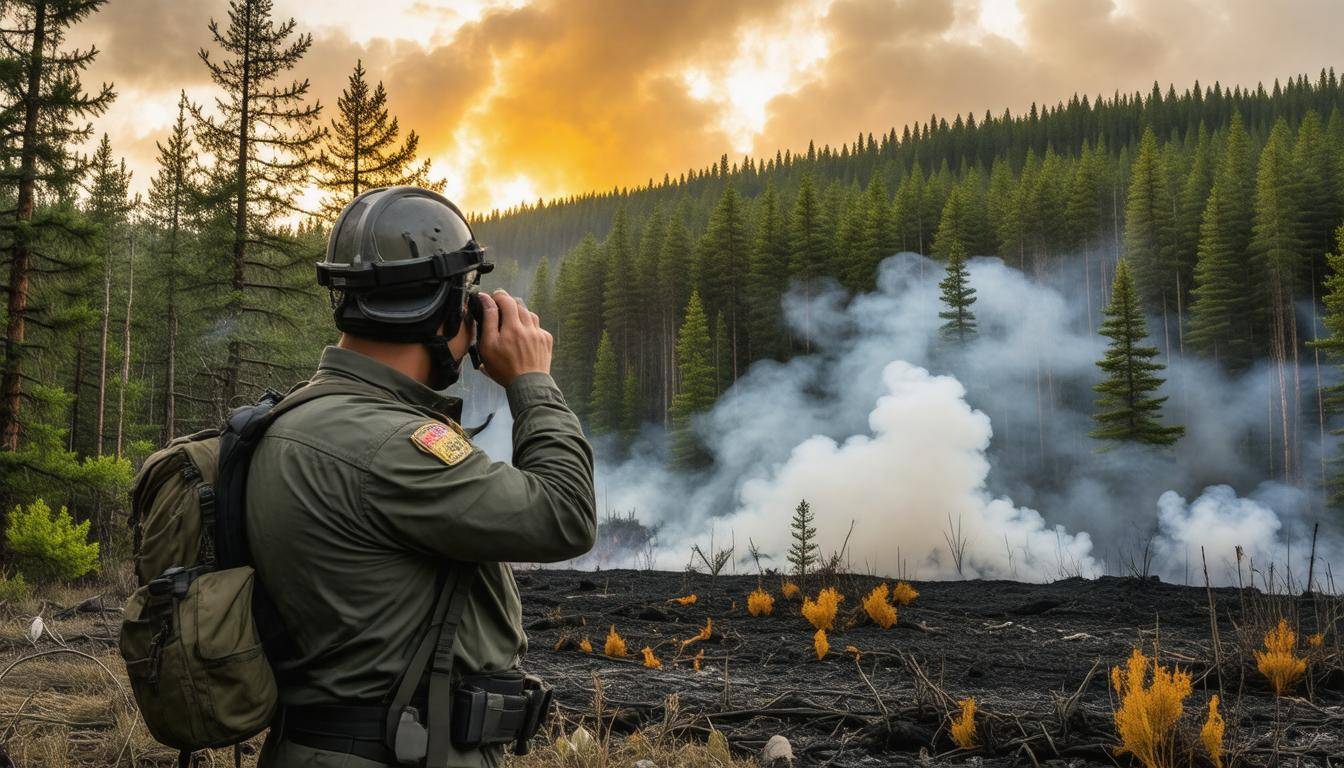
Being aware of smoke and fire hazards can mean the difference between safety and disaster. Continuous monitoring allows families to make informed decisions about when to evacuate, ensuring they are always one step ahead. One of the most effective tools for this is utilizing real-time data from reputable sources like the National Fire Danger Rating System. This system provides crucial information on fire activity in your area, helping you interpret when conditions might be too dangerous to stay home.
Air Quality Index (AQI) Monitoring
An integral aspect of monitoring involves checking the Air Quality Index (AQI) regularly. The AQI uses a scale ranging from 0 to 500 to communicate air quality status. Values above 150 indicate unhealthy air quality; anything above 200 signals that it’s very unhealthy, prompting necessary evacuations. Poor air quality affects everyone, particularly those with respiratory issues, children, and the elderly. Thus, staying vigilant about AQI levels helps determine not just personal health but also whether you should consider evacuation plans.
In many high-risk areas, like California during wildfire season, residents can receive notifications or alerts about dipping AQI levels through local health departments or air quality monitoring apps. Keeping these alerts close at hand ensures you’re prepared for sudden changes that could necessitate urgent action.
Satellite Imagery
Another state-of-the-art method includes tracking satellite imagery to monitor fire activity. Satellite technology provides critical updates on fire spread by generating real-time images of active fires and their behavior. During the devastating 2017 Sonoma County fires, emergency teams relied heavily on satellite data to predict how fires would move, adapting their strategies accordingly. This foresight allowed them to facilitate timely evacuations from at-risk areas effectively.
Engaging with these technological advancements provides a significant advantage in emergency response scenarios. These tools help to assess hazardous changes in the environment swiftly, allowing for improved safety measures throughout potential evacuation zones.
Yet, monitoring is just one part of the equation; understanding how to spring into action with preparations for your home and family is equally crucial for ensuring safety in wildfire situations.
Home and Family Preparations
The reality of a wildfire can change in an instant, transforming from a distant threat into an imminent danger. One crucial aspect of being prepared lies in creating a robust emergency kit—your lifeline when every second counts. This kit should contain essentials that can make the evacuation process smoother amid chaos. Having the right items on hand will not only provide peace of mind but could also save lives.
Creating an Emergency Kit
Your emergency kit should be a comprehensive collection of supplies tailored for your family’s immediate needs. It’s not just about throwing things together; organized preparedness can make all the difference when you need to act quickly.
As you create your kit, think about including at least one gallon of water per person per day for three days, alongside non-perishable food sufficient for the same duration.
Essential items include:
- First aid supplies: Bandages, antiseptics, and any personal medications.
- Flashlights and batteries: Power may be lost during an evacuation.
- Masks for smoke inhalation: Protect your lungs from harmful particulates.
- Important documents: Copies of insurance policies, identification, and medical records stored in a waterproof bag.
Regularly check and update this kit, especially before the wildfire season begins. Rotating out expired food and updating medications ensures your kit is always ready for action.
Family Communication Plan
Establishing a family communication plan is just as critical as assembling your emergency kit. In times of stress and urgency, clear communication can save lives and keep family members coordinated. Select a designated meeting point where everyone knows to go if you are separated during evacuation.
A prime illustration of effective planning comes from a family in Santa Rosa, California, who credited their well-thought-out communication plan for their safe evacuation during the devastating 2017 Tubbs Fire. With phones ringing and alerts blaring, they managed to stay calm by knowing precisely where to regroup.
Ensure everyone understands how to contact each other—designate emergency contacts outside the immediate area who can help relay information if local networks are down. Empower family members with knowledge on using text messages instead of calls in emergencies since texts may go through when voice calls cannot.
Knowing where to go is just as important as knowing when to leave; hence, the next step focuses on identifying places that offer safety during wildfires.
Identifying Safe Areas
Safe areas are predetermined locations where residents can evacuate to avoid wildfire dangers. These spots are typically chosen for their distance from potential threats and may include community centers, emergency shelters, or open parks strategically positioned away from high-risk zones. Evaluating the suitability of these shelters is essential for ensuring safety and comfort.
Evaluating Shelter Suitability
When considering a shelter, the first step is to ensure it provides basic amenities like clean water, restrooms, and medical assistance if needed. In an emergency situation, access to necessities can make all the difference in maintaining calm among evacuated families. Arriving at a location equipped with the essentials helps keep everyone comfortable and safe until the danger has passed.
Beyond basic facilities, check that your chosen shelter remains outside high-risk zones—areas known for frequent wildfires or those prone to rapid fire spread due to vegetation density or wind patterns. Keeping up with local news and reports on seasonal risks can affect your evacuation decisions.
Another important consideration is accessibility. Make sure your identified safe area is reachable by multiple routes; navigation can be tricky during emergencies when traffic congestion usually occurs. Planning two escape routes—one main route and a secondary option—is crucial in case roadblocks impede your primary choice.
Community Resources
As of 2023, there are over 1,200 designated evacuation centers throughout wildfire-prone states that could serve as reliable safe areas. These have been evaluated and approved by local authorities, ensuring their safety for public use.
Familiarize yourself with historical data regarding past evacuations. Studies reveal that 70% of evacuees who reached designated safe areas reported feeling more secure and better prepared. This highlights how beneficial it is to select well-established refuge points prior to facing an emergency situation.
Once you’ve identified dependable safe areas, preparing for immediate action during trigger events becomes paramount; having a clear plan in place allows you to respond effectively when every second counts. Let’s move forward into actionable steps you can take when these events arise.
Action Steps for Trigger Events
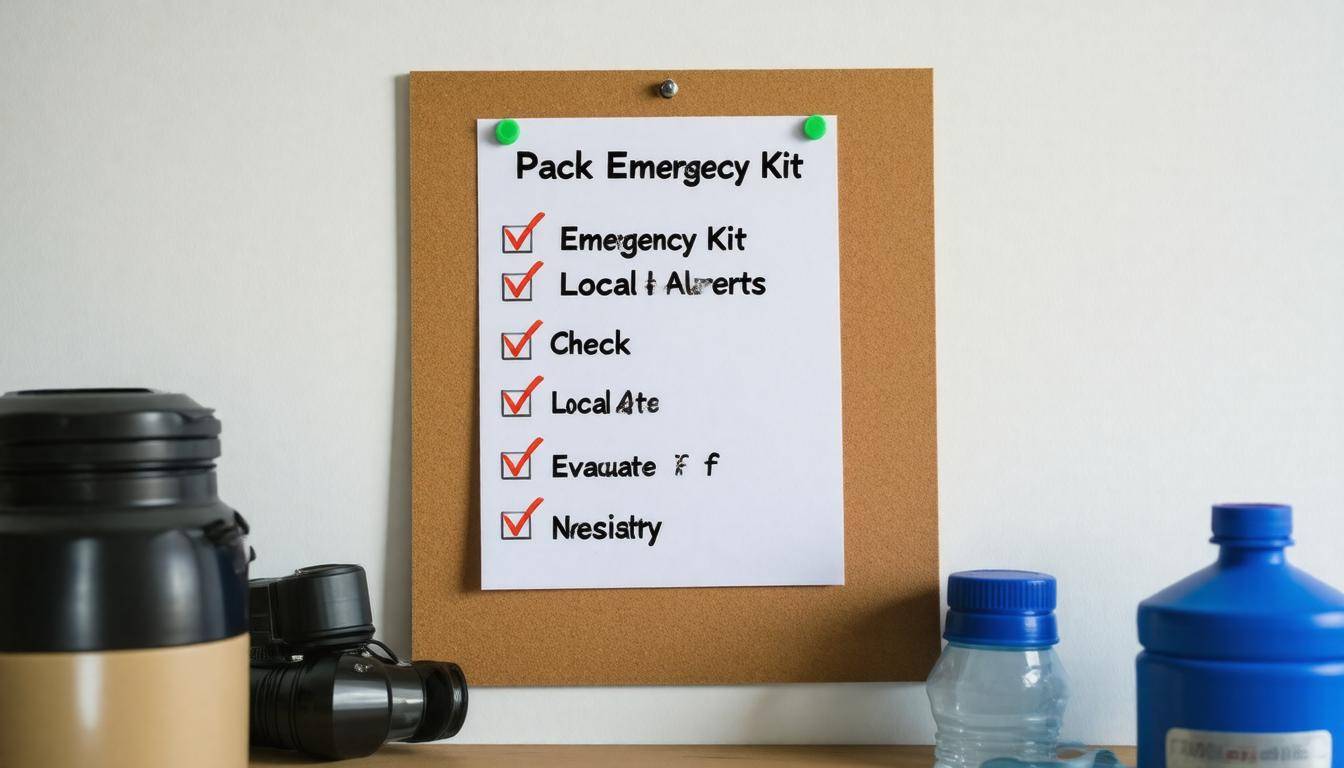
Trigger events are the urgent situations that demand a swift response, particularly when wildfires threaten your area. To navigate these emergencies effectively, it’s crucial to establish and follow a reliable checklist of action steps that can streamline the evacuation process. Preparing yourself and your family ahead of time creates a sense of confidence even in chaotic circumstances.
Step I: Immediate Notification
As soon as you become aware of a potential threat—whether through alerts or observing environmental changes—it’s vital to immediately notify all family members or residents within your location. Use clear and concise language so everyone understands the seriousness of the situation.
Consider creating a designated alert system; perhaps a simple whistle or an agreed-upon phrase can mobilize everyone swiftly.
Panic may ensue during emergencies, but clear communication ensures everyone knows what to expect.
Once everyone is informed, it’s time to transition into preparing for departure.
Step II: Evacuation Process
Following the notification, implement your pre-mapped evacuation routes without hesitation. Familiarity with multiple exit paths is essential since conditions can change rapidly, and obstacles may arise unexpectedly. If your primary route is blocked—perhaps due to fallen debris or fire—the importance of knowing secondary alternatives becomes apparent.
Keep emergency maps accessible in vehicles and have designated meeting points to regroup if separation occurs.
For example, visualizing your mapped routes not only enhances confidence but can also spark discussions on what to do next if faced with roadblocks.
Once you’re en route, ensure safety extends beyond merely escaping the area.
Step III: Final Checks
Before leaving your residence, carry out final checks to enhance both safety during evacuation and potential property damage mitigation. Critical actions include turning off gas lines and closing windows, minimizing airflow that could invite fire inside. Also remember to unplug appliances; though they may seem benign now, unintentional electrical surges during evacuation can lead to further damage once conditions normalize.
Every small measure contributes significantly towards safeguarding your home.
Finally, formal guidance from official sources bolsters evacuation plans and helps instill order in what otherwise may feel like overwhelming chaos. As you prepare for what lies ahead, staying tuned into local emergency services for real-time updates will help guide your decisions while en route.
Official Guidance and Resources
The best way to keep yourself informed during a wildfire event is by turning to established authorities. Websites such as Ready.gov and FEMA (Federal Emergency Management Agency) provide reliable, up-to-date information and comprehensive guidelines. These platforms can help you understand what steps to take before a wildfire occurs and during critical moments when conditions may change rapidly.
Government Websites
When visiting government websites, you’ll find a wealth of resources dedicated to emergency preparedness. For instance, Ready.gov offers detailed advice on how to create an emergency plan tailored to your family’s needs. From crafting lists of essential supplies to understanding how to stay informed, this site serves as a one-stop-shop for taking proactive measures against disasters.
Additionally, FEMA provides resources that extend beyond just fire safety, encompassing all types of natural disasters. Their recommendations on individual and community preparedness can enhance your understanding of risk management, equipping you with tools to respond effectively during emergencies. This proactive approach can greatly reduce panic and confusion in crisis situations.
Local Resources
Don’t forget about local resources! Your community’s fire department or city website likely offers specific advice tailored to your area. This localized knowledge is invaluable, considering regional factors such as climate, common fire sources, and unique topographical features.
Take the California Department of Forestry and Fire Protection (Cal Fire), for example; they actively provide localized evacuation maps and preparedness tips designed specifically for residents in high-risk areas. Familiarizing yourself with these locally relevant resources ensures you’re well-prepared and aware of escape routes before a wildfire event strikes.
As you gather information from these essential sources, you’re building a solid foundation for your evacuation strategy.
To make things easier, here’s a quick reference table for your go-to evacuation resource websites:
| Resource | Website | Focus |
|---|---|---|
| Ready.gov | www.ready.gov | Emergency preparedness |
| FEMA | www.fema.gov | Federal disaster response |
| Cal Fire | www.fire.ca.gov | California-specific fire information |
| National Interagency Fire Center | www.nifc.gov | National fire data and updates |
This concise reference will help you access key information when you need it most. Planning ahead might not seem pressing until you’re faced with an emergency—so why wait? Start familiarizing yourself with these resources now to ensure safer evacuations when unexpected wildfires occur.
By staying informed and prepared through these official channels, you’re taking critical steps toward ensuring your safety during wildfire events. Being proactive could make all the difference when every second counts.
What resources are available to assist communities in developing effective wildfire evacuation guides?
Communities can access a variety of resources for developing effective wildfire evacuation guides, including local fire departments, the Federal Emergency Management Agency (FEMA), and the U.S. Forest Service, which offer templates and best practices. Additionally, organizations like the National Fire Protection Association (NFPA) provide educational materials that emphasize the importance of being prepared; studies show that communities with clear evacuation plans see a 50% increase in preparedness among residents. Engaging community stakeholders through workshops and simulations can further enhance the effectiveness of these guides.
What signals or warnings indicate that immediate evacuation is necessary for residents near wildfire-prone areas?
Immediate evacuation for residents in wildfire-prone areas is often triggered by several key signals, including official evacuation orders from local authorities, the sight of advancing flames or heavy smoke, and significant changes in wind direction. According to the National Interagency Fire Center, over 50% of wildfires are caused by human activity, making proactive awareness crucial. Residents should also heed real-time alerts through emergency services and have a prepared evacuation plan ready to ensure safety and minimize risks during such critical situations.
What specific factors should be considered when assessing the need to evacuate due to wildfires?
When assessing the need to evacuate due to wildfires, crucial factors include proximity to flames, air quality levels (notably particulate matter concentration), fire behavior predictions, and local emergency services’ recommendations. A study by the National Fire Protection Association indicates that homes within a one-mile radius of an active wildfire are significantly more susceptible to ignition, emphasizing the importance of distance in evacuation decisions. Additionally, understanding wind patterns and terrain can help predict fire spread; thus, staying informed through local alerts and having a preparedness plan can dramatically increase safety during such emergencies.
How can one create a personalized wildfire evacuation plan based on local risks?
To create a personalized wildfire evacuation plan based on local risks, start by assessing your location’s wildfire history and potential hazards by consulting resources like the National Interagency Fire Center or local fire departments. Identify multiple evacuation routes, ensuring they remain accessible during emergencies, and create a checklist of essential items to take with you. Research shows that having a concrete plan can reduce panic and increase survival rates; according to the FEMA, families with prepared emergency plans are 75% more likely to evacuate in time during a disaster. Tailor your plan to accommodate specific needs such as pets, medical requirements, and communication strategies with loved ones.
How do weather conditions affect evacuation decisions during a wildfire event?
Weather conditions play a critical role in evacuation decisions during a wildfire event, as factors such as wind speed, humidity, and temperature can significantly influence fire behavior and spread. For instance, high winds can rapidly propagate flames, increasing the urgency of evacuation; studies show that winds over 20 mph can double the rate of fire spread. Additionally, low humidity levels often correlate with more intense fires, which may necessitate immediate action for at-risk populations. Staying informed about real-time weather forecasts is essential for making timely and effective evacuation choices.