
When wildfires threaten, having a reliable evacuation warning system can mean the difference between life and death. For those living in areas prone to these disasters, understanding how alerts work is essential, yet many people are often left in the dark about their state’s specific protocols. Evacuation warnings come in various forms, from phone alerts to sirens, each designed to keep residents informed and safe during critical moments. As someone who’s spent time researching and writing about community safety measures, I’ve learned that knowledge of these systems empowers individuals and neighborhoods alike. In this article, we’ll explore the different wildfire evacuation warning systems across various states, how they operate, and why it’s crucial for everyone to know what steps to take when an alert sounds.
Wildfire evacuation warning systems vary by state, with many adopting structured approaches to inform residents of imminent threats. For example, Oregon utilizes a 3-level notification system that includes Level 1 (Green) for “BE READY,” Level 2 (Yellow) for “BE SET,” and Level 3 (Red) for “GO NOW!” Each level advises residents on specific actions to take based on the severity of the threat, demonstrating a proactive approach to community safety during wildfire events.

State-by-State Wildfire Evacuation Systems
Each state has its unique protocols for informing residents about wildfire threats, and these can vary significantly in terminology and urgency. Take, for instance, California’s comprehensive strategy through the Cal Fire’s “Ready, Set, Go” program. This initiative assigns three levels to help guide residents with increasing seriousness.
At the Ready (Level 1) stage, homeowners are advised to prepare by creating defensible spaces around their properties—essentially reducing flammable materials that could feed a fire close to their homes. The Set (Level 2) stage indicates worsening conditions, urging residents to have their evacuation plans ready and ensure they know where to go. Finally, at the Go (Level 3) stage, evacuation becomes mandatory, implying immediate action is necessary to ensure safety.
In contrast, Colorado has adopted a more visually intuitive color-coded system that simplifies understanding. When a Yellow (Pre-evacuation) alert is issued, it signals that residents should be ready to leave at any moment. If the situation escalates to Orange (Voluntary Evacuation), residents are strongly advised to evacuate. Finally, when a Red (Mandatory Evacuation) is declared, action must be taken immediately to preserve life.
Moreover, while California and Colorado have structured systems in place with clear stages or alerts, other states may operate differently based on local geography or fire behavior patterns. For example, Texas utilizes county-specific emergency management systems that allow local authorities greater flexibility in issuing evacuation orders tailored to specific situations. This acknowledgment of local conditions enhances effectiveness but may also lead to confusion without standardized messaging statewide.
This patchwork of approaches highlights the need for every resident living in vulnerable areas to familiarize themselves with not only their state’s policies but also the specific nuances of their locality.
Understanding these various systems is vital because they can greatly impact how effectively you and your neighbors respond during an emergency situation. Being aware of the protocols in your area can empower you to act swiftly and appropriately when every second counts. As we now shift our focus, let’s look into how alerts are communicated to the public in different mechanisms across various platforms.
Public Alert Mechanisms
Understanding how different alert systems work can make all the difference in a community’s response to wildfires. One prominent method is Wireless Emergency Alerts (WEA). These emergency messages are concise and directed right to residents’ mobile devices, ensuring that critical information is delivered almost instantly. Imagine being in the thick of an emergency, and suddenly your phone buzzes with a message warning you of an impending threat—that’s the power of WEAs. According to FEMA, these alerts have been utilized more than 61,000 times from 2012 to 2022, highlighting their role as an essential asset for timely communication during emergencies.
Reverse 911 Calls
Another effective tool in this intricate web of public alerts is Reverse 911 Calls. This system automatically dials telephone numbers in designated danger zones and delivers pre-recorded emergency instructions directly to residents. It ensures that even those who may not frequently check their phones or social media receive crucial updates. For instance, if you’re enjoying a quiet evening at home, the sudden ring of your landline might just be the timely reminder you need to prepare for an evacuation. This method stands out particularly because it effectively reaches landline users who might be isolated from digital communication channels.
Despite the sophistication of these systems, understanding their reach and limitations is critical for ensuring community safety. While WEAs and Reverse 911 serve as excellent tools for immediate communication, they require proper infrastructure and public awareness to function effectively. Not every area is covered equally, and not every resident may have their cell phone set up to receive alerts.
This brings us to an important point: continual education about these systems is crucial for enhancing community resilience against wildfires. A well-informed community will know which alerts they should listen for and how best to respond when they receive them. Participating in local training sessions or emergency drills can significantly improve personal preparedness when disaster strikes.
The Power of Social Media
Additionally, social media platforms play a growing role in disaster communication through real-time updates and alerts from agencies like the Ventura County Fire Department (VCFD). By following appropriate accounts on Twitter or Facebook, residents gain access not only to live updates but also detailed information on what actions to take next. The beauty of these platforms lies in their ability to disseminate information quickly, allowing for broader engagement as neighbors share warnings within their communities.
As we continue our examination of information flow and accessibility during emergencies, we will uncover how residents can leverage various resources and services available to them.
Residents’ Access to Information

Accessing timely and accurate information is essential for residents during emergencies. It not only helps individuals prepare and respond appropriately but also keeps everyone informed about changing circumstances. The landscape of communication has evolved, and so too has the way critical messages are delivered. Increasingly, people rely on various sources, each with their strengths and weaknesses. Understanding these sources can make all the difference when every second counts.
Key sources of information include:
-
Local News Channels: These traditional media outlets frequently provide updates on fire status and evacuation orders. They often have dedicated teams that monitor the situation and convey vital information to help residents make informed decisions.
-
Social Media: Platforms like Twitter and Facebook are increasingly used for real-time updates; however, they come with their challenges. While you may find immediate news, it’s crucial to verify this information as it can sometimes be prone to misinformation. Always check multiple accounts or trusted officials before acting on any alerts you see online.
-
Community Alerts: Local community boards and apps like Nextdoor facilitate sharing localized updates. This offers real-time closeness that big news organizations might miss, creating a sense of shared experience among neighbors during emergencies.
It’s worth remembering that during crises, rumors can spread like wildfire—not just literal ones. Having an informed community can mitigate panic and foster effective responses when time is of the essence.
Moving forward, knowing your designated emergency zone becomes especially vital since it determines which alerts you will receive during public safety emergencies. Community awareness is essential. Being well-informed can greatly affect how swiftly you can react to new warnings or changes in evacuation orders.
With resources available at our fingertips, navigating the sea of information requires both discernment and diligence. By combining trusted sources with direct communication from local authorities, residents can enhance their safety while fostering cooperative atmospheres within their communities during these perilous times. Now we shift focus to how technology plays a crucial role in emergency situations.
Using Technology in Emergencies
The advancement of technology has fundamentally changed the way we manage emergency situations, especially when it comes to wildfires. Imagine waking up to an alert on your phone; it’s a wildfire warning specific to your area, urging you to prepare for possible evacuation. This is not just a hypothetical scenario; it’s already happening thanks to innovative tools like mobile applications.
These applications have become indispensable for residents living in high-risk areas. For example, apps such as Nixle and Watch Duty push localized alerts directly to users, offering real-time updates on fire incidents and enabling you to stay informed about evolving conditions.
Mobile Applications
These applications don’t stop at mere alerts; they utilize Geographic Information System (GIS) technology to provide interactive maps that display fire perimeters and evacuation zones. Users can visualize the extent of the fire spread and see nearby evacuation routes. This could mean the difference between safety and danger during chaotic situations when time is of the essence.
By using such apps, you can also access community updates and safety recommendations, making your decision-making process much clearer.
However, it’s not just smartphones pushing out information; our aerial technology has also made significant strides in fighting wildfires.
Drones and AI
Evolving further into the realm of aerial responsiveness, drones equipped with thermal imaging cameras are revolutionizing how we monitor wildfires. These drones can identify hotspots that ground crews might overlook, creating a comprehensive picture of where firefighting efforts should be concentrated. Imagine flying over a sprawling forest and remotely identifying small flames before they escalate into an uncontrollable blaze—this is not the future; it is unfolding right now.
Looking ahead, Artificial Intelligence (AI) could take this even further by analyzing weather patterns, vegetation types, and historical data to predict how fast a fire might spread under current conditions. This predictive capability offers responders a powerful tool that can enhance preemptive actions—potentially saving countless lives. Agencies could strategically allocate resources or proactively issue evacuation orders based on these insights before the fires reach populated areas.
Combining these technologies not only equips us to manage emergencies more efficiently but also contributes to building a culture of preparedness where community members feel better informed and equipped for crisis situations. As we transition into examining how these notification systems perform in real-world scenarios, understanding their effectiveness becomes crucial.
Effectiveness of Evacuation Notifications
The efficacy of evacuation notifications can be measured in various ways. A significant study by the National Institute of Standards and Technology (NIST) revealed that approximately 85% of individuals who received timely notifications evacuated promptly. This statistic underscores the direct impact that well-communicated alerts can have on human safety during emergencies. However, it’s essential to recognize that the effectiveness of these systems doesn’t solely depend on the quantity of notifications sent out but rather on their clarity and accessibility.
Language Barriers
One major challenge faced in some communities is language barriers. In areas with substantial non-English speaking populations, many residents may not fully comprehend evacuation orders or safety instructions. This lack of understanding can lead to confusion, delayed evacuations, or even refusal to leave. Fortunately, efforts are underway to address this issue through multilingual alert systems that cater to diverse populations. Implementing these systems could significantly bolster audience comprehension, ensuring critical information reaches all citizens effectively.
Public Trust
Another critical aspect is public trust in the notification systems. Repeated false alarms or unclear messages can breed complacency among residents. When people receive multiple alerts without any corresponding danger, they might begin to ignore future warnings, assuming they are just another drill or over-exaggeration. Hence, ensuring the accuracy and reliability of alerts is paramount to maintaining public confidence. To achieve this goal, agencies responsible for these alerts must uphold strict protocols for information verification before dissemination.
Effective preparedness and evacuation strategies can mitigate these issues by continuously educating the community on alert systems while gathering feedback from residents about their experiences with notifications. Clear communication and building trust establish an informed populace that takes evacuations seriously.
Enhancing understanding and trust will undoubtedly serve as a robust foundation as we explore strategic approaches for effective response and readiness in emergency situations.
Preparedness Plans and Evacuation Strategies
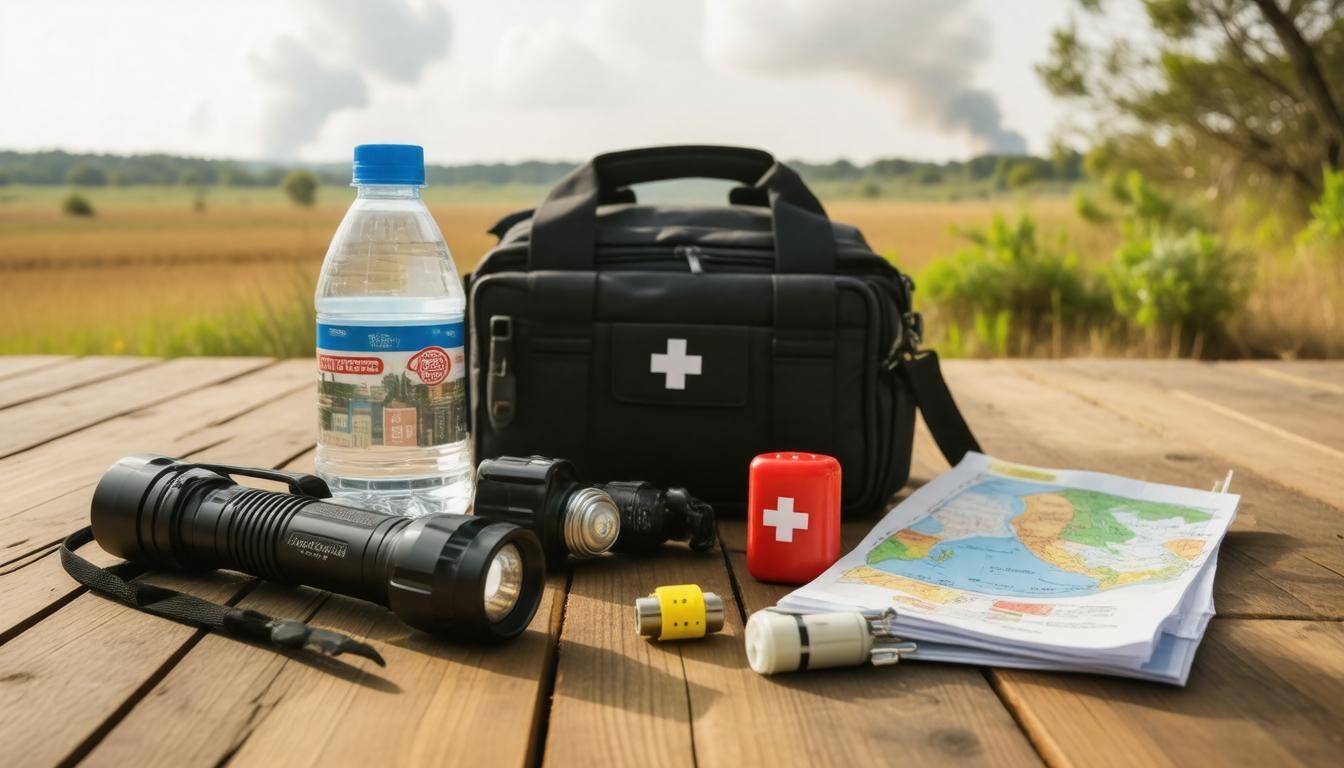
Comprehensive preparedness isn’t just a good idea—it’s an essential lifeline in the face of wildfires. It goes beyond having some supplies on hand; it’s about creating a careful plan that your family understands and can execute quickly. One fundamental aspect is assembling an emergency kit, often referred to as a “bug out bag.” This kit should contain vital supplies like enough water—at least one gallon per person per day—non-perishable food items, necessary medications, and crucial documents such as identification papers and insurance information. The Red Cross recommends packing at least three days’ worth of essentials to ensure everyone’s survival during unexpected evacuations.
Having a prepared kit is fantastic, but the real magic happens when you couple it with a thorough evacuation strategy.
An effective evacuation plan also includes choosing a predetermined escape route. A quick glance at a map before heading out can help illustrate possible obstacles that could block your way, such as traffic congestion or natural barriers like rivers or mountains. Consider having multiple escape routes planned out in advance, ensuring you are not limited if one path becomes blocked. Similarly, pick at least two bug-out locations where your family can safely regroup if separated. This means being familiar with options beyond your immediate neighborhood—places such as local parks or even friends’ houses outside high-risk areas.
Safety is paramount throughout this process, not just in logistics but also in how you present yourself while evacuating.
While preparing for departure, be discreet about how you pack your belongings. Use modest backpacks instead of flashy bags that signal others you might have valuable supplies inside. Opting for sturdy school backpacks can serve this purpose well, keeping you low-key amidst potentially chaotic surroundings. Additionally, continuously monitor weather conditions, particularly wind directions which may affect smoke spread or fire movement toward your evacuation route.
Finally, no amount of preparation will be complete without ongoing communication and practice.
Regularly discussing plans with family members ensures everyone is on the same page. Consider setting a date for practice drills where every family member knows the escape routes and where to meet up afterward. This simulation reinforces the importance of these strategies while helping to calm potential anxiety during real emergency situations. By preparing thoroughly and staying informed, you’ll build resilience against the unpredictable nature of wildfires and safeguard your loved ones much more effectively.
As we navigate these safety measures, it’s equally important to understand which regions face the greatest threats from wildfires, allowing us to focus our vigilance and planning efforts accordingly.
Areas Threatened by Wildfires
Different regions across the United States exhibit varying levels of vulnerability to wildfires, heavily influenced by their unique climate and geography. In particular, we see states like California, Oregon, and Washington which are not just home to vast forests but also experience dry seasons that increase the risk of fire. These conditions create a perfect storm for wildfire outbreaks, making them focal points of wildfire management strategies.
It’s essential to comprehend the scale of this issue. For a clearer picture, take a look at the statistics below—these numbers highlight how frequently these states are affected by wildfires on an annual basis:
| State | Average Annual Wildfires | Most Affected Regions |
|---|---|---|
| California | 8,000 | Northern & Southern Areas |
| Oregon | 2,000 | Western Forests |
| Washington | 1,500 | Central and Eastern Areas |
The data above paints an alarming image: with California alone experiencing around 8,000 wildfires each year, ongoing monitoring is paramount. The forests and shrublands in these regions carry not only ecological value but also serve as potential ignition sources if not managed correctly.
Moreover, while these areas require vigilance and strong evacuation plans, advancements in technology and proactive community readiness can drastically mitigate the impacts of wildfires. Imagine communities equipped with real-time information from fire maps and air quality updates—this level of preparedness allows residents to remain informed during critical times.
Furthermore, many local and state governments actively promote ways residents can engage with recovery resources. By providing feedback through surveys available in multiple languages, such as English and Spanish, officials are opening doors for better community support. This engagement can lead to tailored solutions that enhance safety measures for densely wooded areas often at risk.
Understanding where wildfires are most likely to occur and the importance of community engagement and technological improvements can significantly boost neighborhoods’ preparedness for such threats. As we move forward, it’s important to consider how we can further bolster our community’s readiness when facing potential evacuations.
Enhancing Community Evacuation Readiness
Building a community that is ready and equipped for wildfires requires thoughtful and systematic approaches. One of the most effective strategies is organizing regular community evacuation drills. These drills help residents become acquainted with the evacuation process and foster a collective sense of preparedness. Just imagine how much more confident you would feel navigating your way to safety after practicing in a drill!
For example, Sonoma County has reported improved emergency response thanks to its annual fire drills, where residents familiarize themselves with escape routes and emergency protocols. In practice, these exercises can reduce confusion and panic when faced with an actual emergency.
While drills are essential, enhancing community knowledge about wildfire risks plays a critical role in readiness.
Education and training initiatives are fundamental in building a well-informed populace. Local governments invest time and resources into educational campaigns teaching community members about fire risks, safety measures, and evacuation protocols. Imagine an interactive workshop where families learn how to create effective home fire plans and understand what to include in their go-bags.
Immediate hands-on workshops, complemented by online resources, empower residents to respond effectively during the fire season. When individuals learn about the types of wildfires, current weather conditions, and local evacuation routes, they become active participants in their safety rather than passive observers.
However, knowledge is only half of the equation; actionable community involvement is equally crucial.
Establishing volunteer networks ensures that no one is left behind during an evacuation. Such programs train community members on specific responsibilities they may have in emergency situations, like assisting elderly neighbors or individuals with disabilities. This communal effort increases the overall readiness of the area while strengthening neighborhoods through friendships and shared responsibility.
Ongoing engagement and consistent training sessions offered by authorities ensure volunteers remain equipped with updated information and practical skills needed during emergencies. This model of organized assistance makes it easier for everyone to evacuate safely and effectively.
Ultimately, fostering a culture of readiness that includes regular drills, educational initiatives, and volunteer programs amplifies a community’s overall resilience against wildfires. Every action taken today leads to safer tomorrows when disaster strikes.
By prioritizing preparation through education, drills, and community cooperation, we can significantly enhance our ability to respond effectively in the face of wildfire threats. These proactive measures can ultimately save lives and property when it matters most.
What role does community education play in the success of wildfire evacuation procedures?
Community education is vital for the success of wildfire evacuation procedures as it empowers residents with knowledge about risks, preparedness, and timely responses during emergencies. Studies have shown that communities with robust educational programs report a 30% increase in compliance with evacuation orders, reducing the likelihood of injuries and fatalities. By understanding evacuation routes, safety measures, and communication channels, residents are more likely to act swiftly and efficiently, enhancing overall community resilience against wildfires.
What technologies are commonly used in wildfire evacuation warning systems across different states?
Wildfire evacuation warning systems across different states commonly utilize technologies such as Reverse 911, text messaging alerts, outdoor sirens, and mobile apps designed for emergency notifications. For instance, California’s AlertCalifornia platform integrates real-time fire data with advanced sensor technologies to improve situational awareness. According to a 2022 study, states employing multi-channel notification systems report up to a 30% increase in timely evacuations, emphasizing the importance of diverse communication methods in enhancing public safety during wildfire events.
How do state regulations influence the effectiveness of these evacuation warning systems?
State regulations play a crucial role in shaping the effectiveness of wildfire evacuation warning systems by establishing standards for timely alerts, communication protocols, and public education initiatives. For instance, states may mandate regular testing of alert systems, which can increase public awareness and response rates during an actual emergency. A study from the National Fire Protection Association found that communities with well-defined regulations and training programs saw a 30% higher compliance rate in evacuation orders compared to those with less structured approaches. Overall, robust state regulations not only enhance system reliability but also foster greater community preparedness, significantly reducing risks during wildfires.
What lessons have been learned from previous wildfire evacuations that could improve future warning systems?
Key lessons from previous wildfire evacuations emphasize the need for timely and clear communication through multiple platforms to ensure that diverse populations receive alerts. Research indicates that communities with integrated notification systems—combining SMS, social media, and sirens—can improve compliance rates significantly, potentially increasing evacuation efficiency by up to 30%. Additionally, regular community drills and educational campaigns can foster familiarity with evacuation protocols, reducing panic during actual incidents and leading to quicker response times. Implementing these strategies can ultimately enhance safety and minimize casualties during wildfires.
How can residents stay informed about updates to their local wildfire evacuation protocols?
Residents can stay informed about updates to their local wildfire evacuation protocols by signing up for alerts through their state’s emergency management agency, utilizing mobile apps dedicated to disaster preparedness, and following local news outlets. According to the National Interagency Fire Center, timely notifications can significantly increase the likelihood of residents evacuating safely; in fact, communities that receive alerts have shown a 30% faster evacuation rate compared to those who do not utilize such systems. Engaging with community programs and social media channels also helps ensure that residents have real-time information during critical situations.