
Emergencies can strike without warning, and knowing what to do in those moments is crucial. Whether it’s a fire alarm blaring or an unexpected natural disaster, your workplace should be prepared for the worst. That’s where a solid Workplace Evacuation Plan comes in. It’s not just a boring document gathering dust; it’s a lifeline that can steer you and your coworkers to safety when every second counts. In this article, we’ll break down how to create a simple and effective evacuation plan tailored to your needs, so you can head off any crisis with confidence instead of panic. After all, being prepared isn’t just smart—it could save lives.
To create an effective Workplace Evacuation Plan, start by utilizing a structured template that outlines essential elements such as designated evacuation routes, roles and responsibilities, communication protocols, and assembly points. Our guide provides step-by-step instructions to customize the template to fit your organization’s specific needs, ensuring that all employees understand their roles during an emergency and promoting overall safety and preparedness in your workplace.
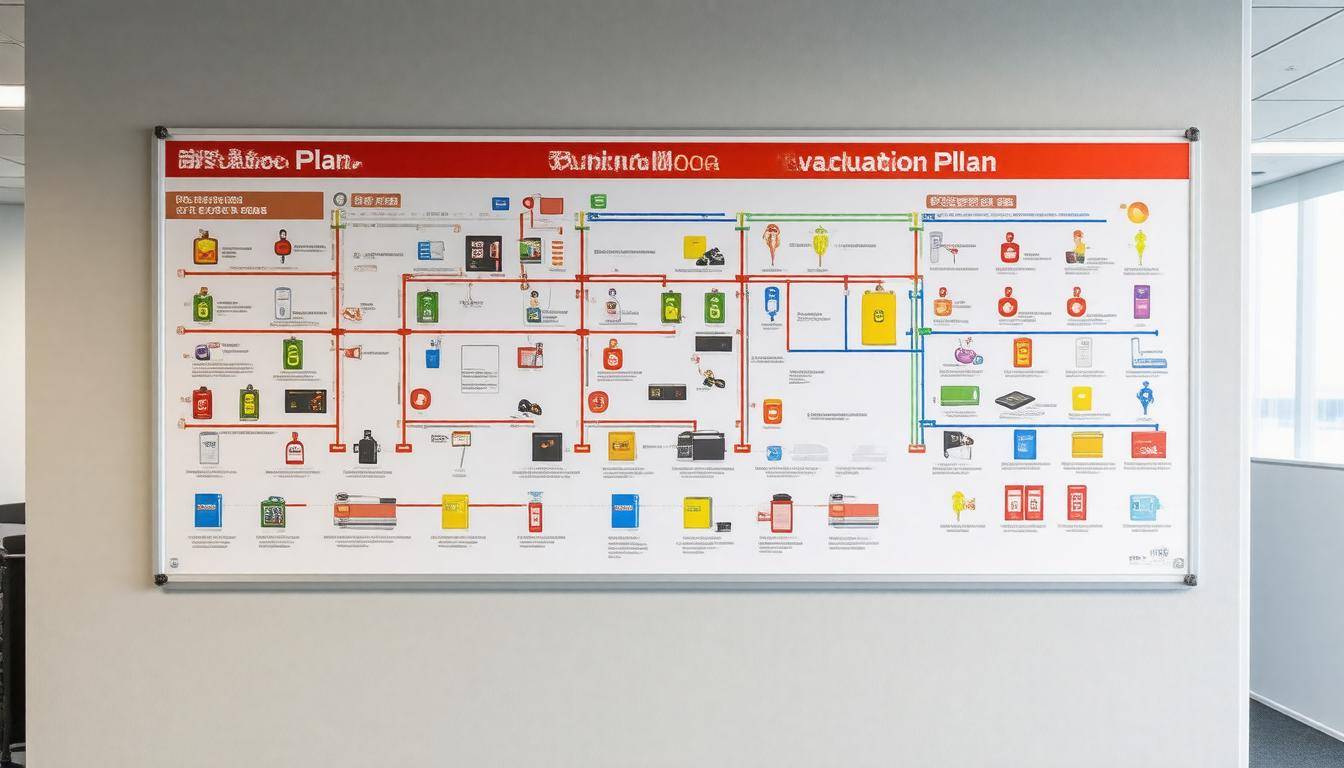
Workplace Evacuation Plan Template
When drafting your workplace evacuation plan template, it’s vital to consider the unique aspects of your environment. The plan should begin with essential basic information such as the workplace address, layout maps, and key emergency contact numbers. Imagine being in a situation where time is of the essence; having all this information laid out clearly can make a significant difference in an emergency.
Your maps must include clearly marked primary and secondary evacuation routes, highlighted emergency exits, and designated assembly points. This visual tool not only aids employees’ understanding but also ensures they are aware of multiple exit options, thereby enhancing their ability to exit swiftly.
Essential sections of your evacuation plan should include:
-
Emergency Contact Information: Have a list that comprises local emergency services, internal safety officers, and building management contacts so everyone knows who to reach out to.
-
Evacuation Routes and Exits: Clearly define paths that lead to safety; they should be unobstructed and easy to navigate even under pressure.
-
Emergency Assembly Areas: Designate safe zones at least 200 feet away from the building where employees can gather after evacuating. Having more than one assembly point avoids crowding and keeps people safe.
-
Special Equipment Needed: Identify any specific tools or devices required during an evacuation, like first aid kits or communication devices.
-
Responsibilities of Evacuation Personnel: Clearly outline roles for designated individuals such as evacuation leaders or first aid responders. These roles should align with pre-established training to ensure everyone knows what is expected.
By combining these elements together into a well-structured template, you’re not just compiling information; you’re organizing critical knowledge that can save lives during emergencies. It’s about fostering a culture of preparedness within your workplace, ensuring that every member feels informed and confident when it matters most.
Establishing a solid evacuation foundation paves the way for recognizing potential hazards that may arise in your environment, enhancing both safety protocols and response strategies moving forward.
Hazard Identification and Management
The journey towards a safer work environment begins with vigilance. After identifying potential hazards like fire risks, chemical spills, and structural weaknesses, it’s crucial to implement robust hazard management strategies that go beyond identification. This ensures that risks are recognized and effectively mitigated, ultimately creating a safer space for everyone involved.
Think of hazard management as an ongoing dialogue within your workplace culture. It isn’t merely about following rules; it’s about fostering an environment where safety is everyone’s responsibility.
One key component of this process is to regularly review and update risk assessments. Environments can change rapidly—new machinery may be introduced, or renovations could alter building structures. Therefore, conducting periodic assessments helps capture any new hazards before they escalate into dangerous situations. Coordination between departments also plays a vital role here; ensuring that information flows freely allows all employees to stay informed about any changes that might affect their safety.
Preventive Measures in Action
Implementing preventive measures requires collaboration and commitment from both management and employees. For instance, if you identify fire risks in your workplace through assessments, then regular fire drills become essential. Not only do they prepare staff mentally and physically for an emergency, but such practices also ensure that everyone knows their assigned evacuation routes. Clarity around these routes should be established by using prominent signage, ensuring no one has to second-guess during a crisis.
Nevertheless, training must go hand-in-hand with these measures for optimum effectiveness. If you’re merely relying on signage without clear instructions or drills, you’re setting the stage for confusion when it matters most.
Additionally, documenting incidents can lead to improved practices over time. Keeping detailed records allows companies to analyze trends in workplace violence or accidents systematically. As these logs accumulate, patterns will likely emerge—whether recognizing which areas of the workplace see the most slips or which timeframes correlate with higher incidences of illness or injury. Armed with this information, employers can fine-tune their safety protocols or adjust staffing levels accordingly during peak times.
The Importance of Employee Involvement
Engaging employees in safety discussions is vital for creating ownership over workplace health. Regular meetings or safety committees enable staff members to voice concerns they may have noticed during their daily routines, fostering an atmosphere where safety becomes a collective endeavor rather than just management’s task.
“Safety isn’t just a priority; it’s a value.” This saying embodies the essence of effective hazard management—making health and safety ingrained within the ethos of your company culture.
As we explore further into the elements of effective safety management, we’ll focus on how to outline strategic escape routes and plans that will enhance overall preparedness during emergencies.
Establishing Evacuation Routes

Clear, well-marked, and accessible evacuation routes are vital for any workplace to ensure a swift exit during emergencies. Identifying the safest and quickest paths from every work area is the first step in developing an effective evacuation strategy. Primary routes should always be complemented by secondary ones in case the main path becomes blocked or unsafe. Think of it as having a Plan A and a Plan B; redundancy in your evacuation plan maximizes safety.
In practical terms, if you’re in a multi-story building, it’s wise to designate at least two staircases as official evacuation paths. This planning helps prevent crowding and ensures that those on higher floors can leave efficiently without adding unnecessary stress during a crisis. It’s not just about identifying these paths; maintaining their accessibility is equally essential. Regularly reviewing the designated evacuation routes for potential hazards or obstacles is pivotal for a quick escape.
Furthermore, incorporating glow-in-the-dark signage and floor markings can significantly enhance visibility, especially during power outages. Imagine being in a dimly lit situation where the only guidance comes from illuminating arrows—this small detail could make all the difference in ensuring people find their way to safety swiftly and calmly.
Another important aspect of establishing evacuation routes is training staff on what to do in emergencies.
Conduct regular drills so everyone knows the evacuation procedures without confusion. Simulating different scenarios tests both primary and secondary routes while observing participants’ reactions and identifying areas for improvement. These rehearsals can uncover unanticipated bottlenecks or roadblocks along the planned pathways, providing valuable insights for adjustments.
Additionally, communication plays a crucial role in supporting effective evacuations. Employ clear messaging strategies when instructing everyone about their roles during an emergency—having designated individuals assigned to guide employees can reassure that no one is left behind or unsure of what to do.
Carefully planning and consistently reviewing your evacuation strategies, alongside creating a supportive environment through regular training and open communication, reinforces a culture focused on preparedness—and that’s invaluable when every second counts.
As we turn our attention to the protocols that ensure safety during these critical moments, let’s explore how procedures can further enhance the effectiveness of your emergency plans.
Safety in Evacuation Procedures
Safety doesn’t end with identifying routes; it requires a comprehensive and thoughtful approach to evacuation procedures. First and foremost, every step in the evacuation process must be clearly defined and easy to follow. This means outlining the routes and including essential actions such as raising the alarm, assisting individuals with disabilities, and ensuring all employees exit the building safely.
For instance, having designated personnel aware of their responsibility to aid those with mobility issues can significantly enhance emergency outcomes, ensuring no one is left behind during an evacuation.
Equally important is assessing whether your evacuation routes meet safety standards. This includes evaluating the suitability of stairs, ramps, and other exits. Are they wide enough to accommodate groups? Are there any obstructions that could hinder movement? Regular drills allow you to address these critical questions before an emergency occurs. By practicing escape routes regularly, employees become familiar with the layout and learn how to quickly navigate to safety.
Communication plays a pivotal role in any evacuation procedure. Equip your workplace with effective alert systems like loudspeakers or alarms that resonate throughout the premises. Such tools will ensure everyone knows when to evacuate and which route to take.
Remember, employees often feel anxious in emergencies; clear, audible directions help minimize confusion and keep panic at bay. Without proper instructions, some may hesitate or second-guess their actions at critical moments.
Observations from past incidents show that when employees are left without guidance, panic can easily set in. Panic leads to chaos, which can result in injuries or worse. Therefore, conducting regular training sessions on evacuation procedures becomes paramount. Drills not only inform staff about their roles during an emergency but also instill a sense of confidence—they know they’ve practiced this before.
The foundation of safe evacuation lies in clarity and preparation; fostering this mindset among all employees ensures they’re ready for any situation that may arise. As we move forward, understanding the specific duties assigned to various team members is crucial for a well-coordinated response during emergencies.
Roles and Responsibilities
Assigning specific roles within the evacuation process sets the foundation for an organized and effective response during emergencies. Each role serves a unique function, and understanding these can empower staff to act decisively when it counts. For instance, the Evacuation Coordinator is charged with overseeing the entire evacuation, ensuring that everyone is accounted for while coordinating with emergency services if necessary. This role often acts as the anchor during chaotic situations, providing calm leadership to guide others.
Similarly, Floor Wardens play an essential role in guiding employees safely to exits. They are trained to assess their areas to ensure that they are cleared of any obstacles or individuals who may need assistance, including those with disabilities. They’re like lighthouse keepers steering everyone safely through tumultuous waters toward safety. Their training should include procedures for assessing hazards in real-time, allowing them to calmly navigate potential challenges during an evacuation.
One significant advantage of designating these roles is reflected in statistics from the National Fire Protection Association (NFPA), which indicates that workplaces with clearly defined emergency roles experience evacuation times that are up to 40% faster than those without.
Having designated First Aid Responders on-site can make a world of difference during an evacuation. These individuals receive specialized training to provide immediate medical assistance, ensuring that those who are injured receive care until emergency personnel arrive. Their presence not only enhances safety but also provides peace of mind to employees.
It’s beneficial to conduct practice drills at least twice a year for all designated roles. Regularly rehearsing procedures ensures all team members are familiar with their responsibilities, creating a sense of confidence that can positively impact evacuation efficiency in actual emergencies. If an employee feels prepared for their role, they’ll be more likely to contribute effectively under stress.
An employee from a tech firm shared, “Knowing whom to turn to during an evacuation made the process swift and calm during our drill.” This highlights the importance of clarity in responsibilities; it doesn’t just benefit the organization but fosters trust and resilience among staff members.
By defining these various roles—whether it’s the Evacuation Coordinator overseeing everything, Floor Wardens guiding colleagues out safely, or First Aid Responders ensuring immediate help—every piece plays a part in creating a robust emergency plan. Moving forward, we will explore the critical aspect of preparedness through structured training initiatives designed for optimal effectiveness during crises.
Emergency Training Programs
It’s vital for employees to have a firm understanding of evacuation procedures in case of emergencies. When crises occur—be it a fire, earthquake, or hazardous material release—prepared employees make swift decisions, ensuring safety for themselves and their coworkers. Training programs should encompass detailed instructions on safe evacuations, with particular emphasis on both fire extinguishers and first aid techniques.
Regular training sessions ideally should take place at least once a month. This consistent practice keeps vital information fresh in employees’ minds and builds confidence. For example, role-playing scenarios are an excellent way to bring these situations to life. Picture employees practicing how to use fire extinguishers or navigate evacuation routes—they’ll become familiar with the sounds, sights, and feelings that accompany real emergencies.
A study has shown that workplaces conducting monthly training sessions boast a staggering 60% higher success rate in safe evacuations compared to organizations that engage in annual sessions. By regularly practicing evacuations as a team, familiarity develops amidst the participants, transforming uncertainty into confident action.
Further enhancing these drills, consider including specific education on identifying different types of emergencies and recognizing early warning signs of potential dangers. Training employees to monitor their surroundings and report suspicious activity fosters a culture of vigilance crucial for safety. Imagine a scenario where an employee notices a fire hazard—a cluttered exit path—and alerts management immediately. Prompt recognition can prevent more serious issues down the line.
In addition to physical safety protocols, emotional preparedness should not be overlooked. Employees should access training focused on managing stress and building resilience during emergencies. First responders often emphasize how crucial it is to remain calm under pressure, and incorporating mindfulness techniques into training can help employees cultivate this essential skill.
These elements create a comprehensive emergency training program that educates staff on practical skills while supporting their overall mental well-being during crisis situations. An organization committed to thorough emergency training fosters a safer work environment while empowering its workforce—benefits that enhance both morale and productivity.
With well-structured training programs established, it’s also essential to ensure these practices are tested and refined through systematic rehearsals, laying the groundwork for a proactive safety culture.
Conducting Regular Drills
Drills are not just a routine task; they serve as an essential hands-on method to test the effectiveness of your evacuation plan. Scheduling these drills on a quarterly basis gives all employees ample opportunity to become familiar with evacuation procedures, allowing them to react swiftly and confidently should an emergency occur. Familiarity breeds confidence—and confidence can save lives in tense situations.
However, specificity is key when it comes to these exercises. Instead of simply walking through the motions, consider creating scenarios that mimic real-life challenges. For instance, during a drill, you might simulate blocked exits or have volunteers act as injured coworkers. Observing how your team responds in such situations can be incredibly telling; it helps identify their strengths but also highlights areas that may need improvement. Every second counts—the quicker they can evacuate safely, the better their chances become in an actual emergency.
After conducting a drill, it’s important to hold debriefing sessions that allow participants to reflect on their experiences. These discussions can pin down what went well and what needs enhancement. Questions like “Did everyone know where to go?” or “Were there any unexpected challenges?” can guide this process. By fostering a learning environment where feedback is welcomed and acted upon, companies encourage continual improvement—not just in procedures, but in employee morale and preparedness too.
Making drills a routine part of workplace culture reinforces safety as a primary concern and empowers employees with knowledge and skills that could potentially save lives. As we move into exploring next steps after an evacuation, let’s examine how organizations can best support their teams during the recovery phase.
Post-Evacuation Protocols
A successful evacuation is only as effective as what follows. Post-evacuation protocols are crucial, not just for accounting for personnel, but for ensuring that the workspace is safe to return to. This phase begins immediately after everyone has exited the premises, focusing on keeping everyone calm while also gathering critical information that affects future operations.
Steps for Post-Evacuation Protocols
At the forefront of any post-evacuation process is conducting a roll call at predetermined assembly points. This may sound straightforward, but it’s vital. Imagine a chaotic scene where confusion reigns; without a headcount, you could easily overlook someone who might have not made it out during the initial rush. Each manager should be aware of their team’s members and ensure accurate accountability.
Following this check, it’s important to provide immediate medical assistance to anyone in need. This step is about tending to injuries and providing comfort to those who may feel unwell from the sudden evacuation scenario. Having designated first aid responders on standby can make a significant difference in managing injuries effectively.
It’s easy to think of first aid as physical medicine, but emotional support is equally important.
After ensuring that all personnel are safe, meticulous reporting comes into play. Documenting the evacuation can provide valuable lessons, including who was present, any incidents during the evacuation, and suggestions for improvements in protocols or training for next time. Transparency helps refine existing procedures and prepare for future emergencies.
Lastly, decontamination steps must be taken if applicable, particularly in scenarios involving hazardous materials or specific environmental risks such as wildfires or chemical spills. Before allowing anyone back inside, ensure that air quality meets health standards to guard against potential long-term effects on staff exposed to harmful substances.
When these protocols are thoughtfully implemented, there’s a significant reduction in the risk of missing injuries or unaccounted personnel in unsafe conditions. By fostering a robust post-evacuation response plan, organizations guarantee a safe working environment and inspire employee confidence in their preparedness.
This comprehensive approach to workplace evacuation planning enhances safety and boosts employee confidence in emergency preparedness, laying a solid foundation for organizational resilience.
In summary, establishing thorough post-evacuation protocols not only protects employees but also helps organizations improve their response strategies over time. Preparedness truly fosters a culture of safety and reassurance.
How often should the workplace evacuation plan be reviewed and updated?
The workplace evacuation plan should be reviewed and updated at least annually or whenever there are significant changes to the workplace, such as alterations in layout, staffing, or emergency procedures. Regular updates ensure that all employees are familiar with current protocols, thereby reducing response times during an actual emergency. According to safety statistics, workplaces that regularly practice and update their evacuation plans show a 30% increase in employee readiness, significantly improving overall safety outcomes.
What are the legal requirements for having a workplace evacuation plan in different industries?
Legal requirements for having a workplace evacuation plan vary by industry but are generally mandated by occupational safety regulations, such as the Occupational Safety and Health Administration (OSHA) standards in the United States. For example, employers are required to develop emergency action plans in industries involving hazardous materials or high occupancy, necessitating clear evacuation procedures. According to OSHA, organizations that have experienced effective evacuation drills cut their response time significantly, potentially reducing injury rates by up to 30%. Overall, maintaining an evacuation plan is crucial for compliance and ensuring employee safety across all sectors.
What training and drills should be conducted to prepare employees for evacuation scenarios?
To prepare employees for evacuation scenarios, organizations should conduct regular fire drills and emergency evacuation training at least twice a year. This equips employees with the knowledge of exit routes, assembly points, and the importance of staying calm. According to the National Fire Protection Association (NFPA), when regular drills are implemented, familiarity with procedures can improve response times by up to 40% during an actual emergency. Additionally, incorporating scenario-based training that addresses various emergencies—like natural disasters or active shooter situations—can enhance preparedness across diverse threats.
What key elements should be included in an effective workplace evacuation plan?
An effective workplace evacuation plan should include clear evacuation routes, designated assembly points, assigned roles for staff during an emergency, communication procedures, and regular drills to ensure preparedness. Studies show that organizations with well-defined emergency plans are 50% more likely to respond effectively in crises, reducing panic and injury risks. Ensuring that all employees are familiar with the plan can significantly enhance safety and response efficiency during an actual evacuation.
How can I customize a generic evacuation template to fit my specific workplace needs?
To customize a generic evacuation template for your specific workplace, begin by assessing the unique layout, employee roles, and potential hazards of your environment. Incorporate key details such as designated assembly points, tailored escape routes, and specific responsibilities for staff during an emergency. Data shows that workplaces with personalized evacuation plans improve employee response times by up to 30%, reducing panic and ensuring safety. Regularly review and update the plan to account for changes in personnel or office design, fostering a culture of preparedness.